
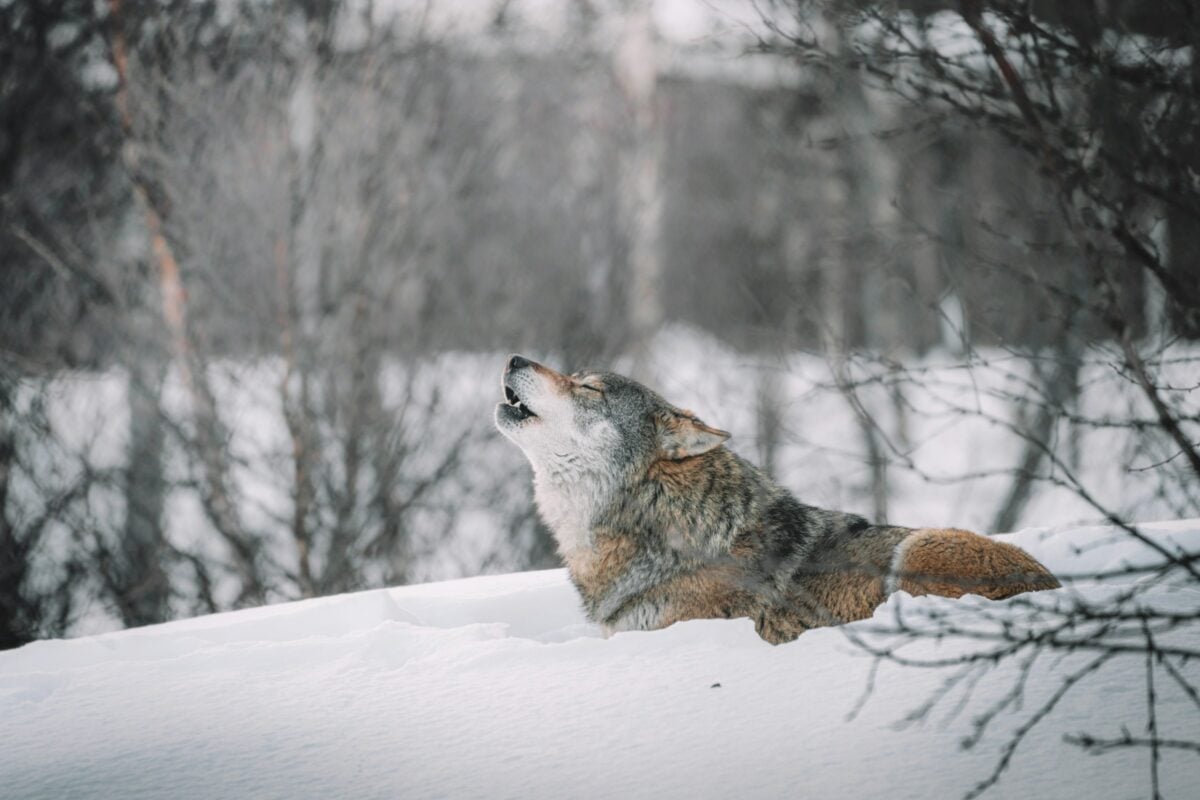
Wolves pausing mid-howl the instant a human speaks in the distance sounds like the beginning of a campfire ghost story, but it is a very real behavior that field biologists have noticed again and again. You might picture a wolf as this untouchable, fearless symbol of the wild, yet the reality is far more nuanced and, honestly, more moving. When researchers play back human voices near wolf territories, the animals often go silent, melt into the landscape, or change their vocal behavior in surprisingly careful ways. Most people assume this is just fear or instinctive shyness, but the story runs deeper than that. Wolves are expert listeners living in a sound-saturated world of wind, birds, prey, rival packs, and, increasingly, us. To them, quiet can be a survival tool, a negotiation tactic, and even a way of respecting their own social rules. Once you see how much strategy and sensitivity sit behind that sudden silence, the old image of the “howling at the moon” wolf starts to feel almost cartoonish by comparison.
The Hidden Risk Calculation Behind Every Howl
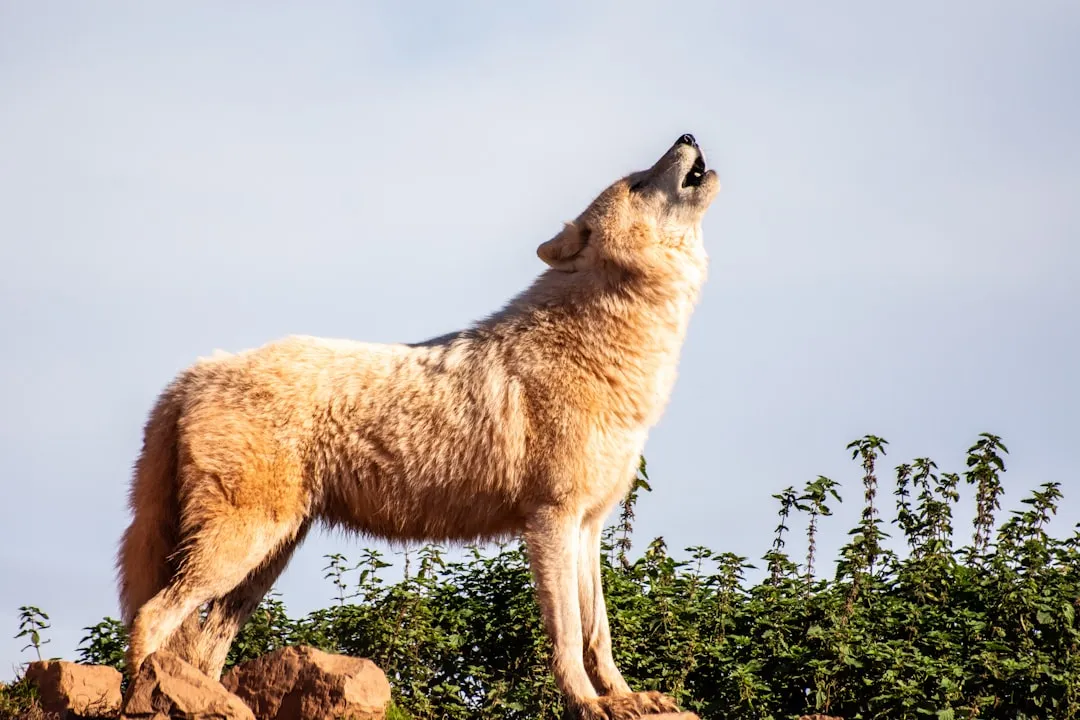
At first glance, a howl sounds like a bold announcement: a wolf broadcasting its presence to the world. In reality, every long, echoing call is a kind of gamble. Wolves use howls to locate packmates, mark territory, and coordinate movement, but they’re also keenly aware that any loud sound can draw in trouble, whether that’s rival wolves, larger predators, or humans with guns. So when a human voice or vehicle noise cuts through the night, many wolves abruptly stop howling because the bet just changed. What was seconds ago a useful loudspeaker for family communication suddenly becomes a risk of revealing their location to an unpredictable, dangerous species. They are not simply “afraid of humans” in some vague way; they’re constantly recalculating risk like a seasoned chess player deciding whether a flashy move is still worth it once the board shifts.
A Predator That Learned Humans Are Even More Dangerous Predators
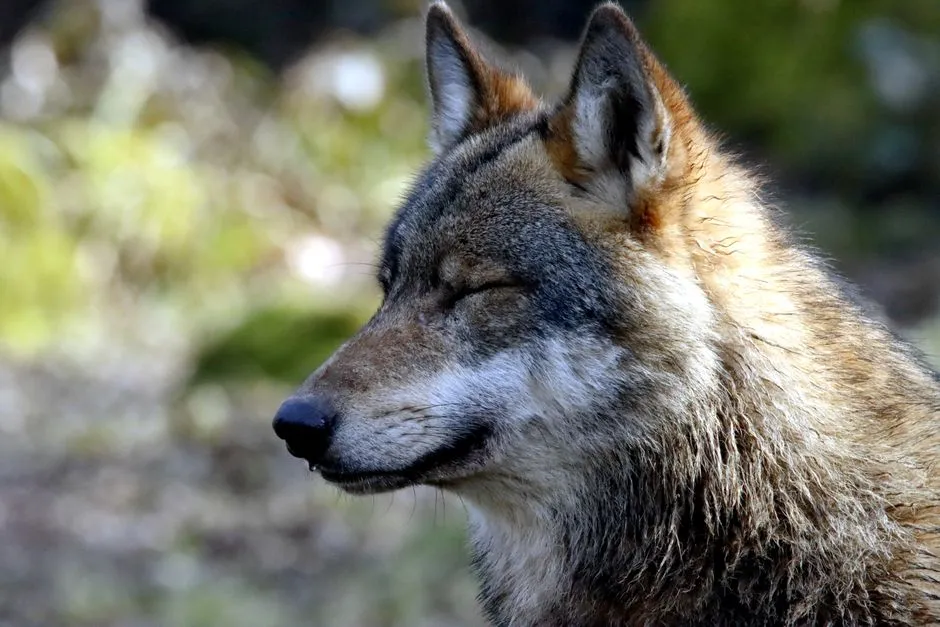
Over thousands of years, wolves have been hunted, trapped, poisoned, and pushed out of huge portions of their natural range, especially in North America and Europe. They did not need a science textbook to learn that humans bring rifles, dogs, and machinery that can reach far beyond normal predator threats. In many areas, individuals that were less cautious around humans were simply more likely to die and therefore less likely to pass on their genes. The result is that silence in response to human voices is not cowardice, it is evolutionary common sense. A wolf that falls quiet when it detects us is practicing the same kind of practical caution that a human might use when they hear shouting outside at night and decide not to fling the door open. It is a risk management strategy shaped by centuries of hard lessons, passed down through both instincts and learned experience in each generation.
Noise Pollution: When Human Sound Drowns Out Wild Conversations
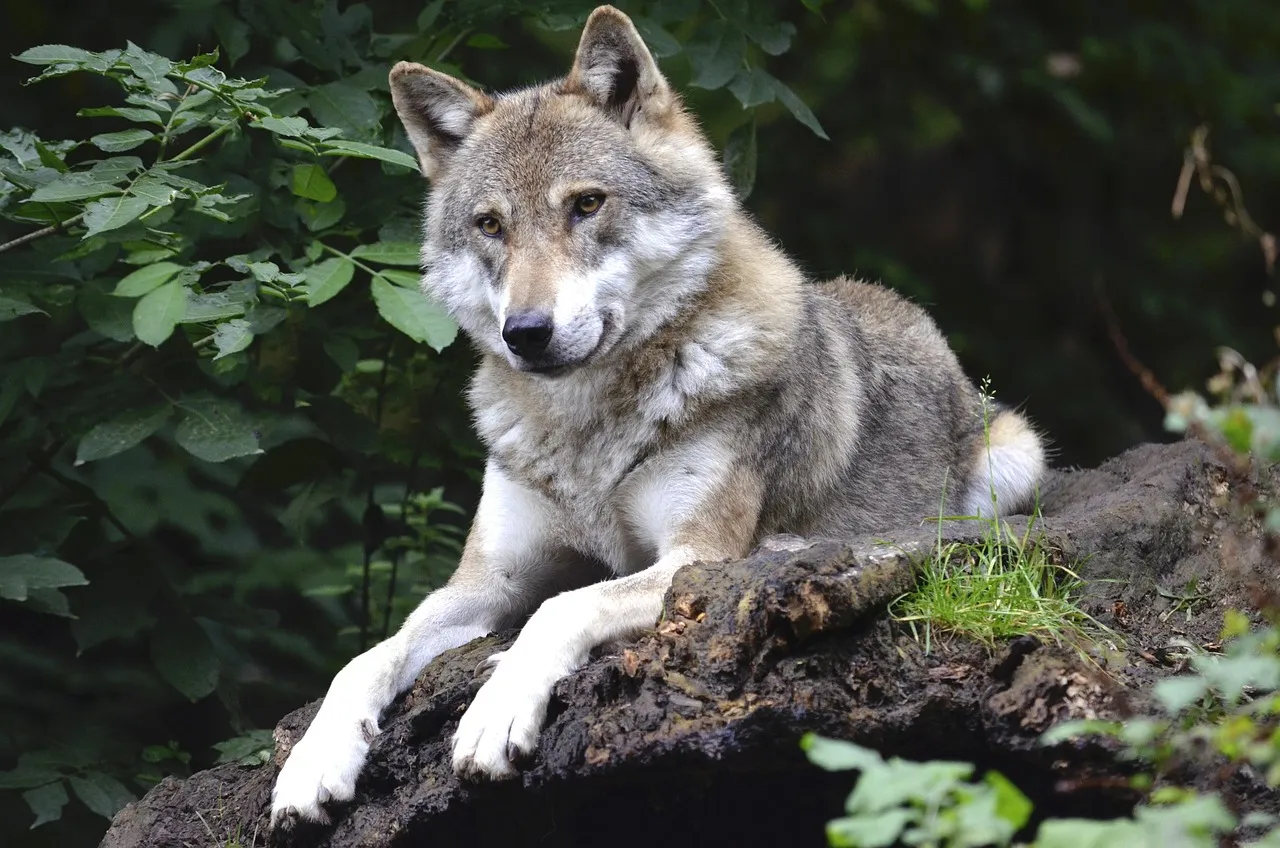
There is another angle most people never consider: wolves live in a world that has grown radically louder in just a few human generations. Roads, snowmobiles, logging trucks, airplanes, and distant cities all stack sound layers over what used to be relatively quiet landscapes. For an animal that relies heavily on long-distance vocal communication, this is not just annoying background noise; it can literally break up conversations. When wolves hear human voices intertwined with other mechanical noise, going silent can act like a pause button and a reset. They may wait for the interference to pass so that later howls can travel clearly to distant packmates instead of being lost in the roar. Imagine trying to have a heart-to-heart across a crowded nightclub: sometimes you just stop talking, wait for a lull in the music, and then resume. Wolves are doing a version of that, but the stakes are much higher than a missed punchline.
Acoustic Camouflage: Blending Into the Landscape by Staying Quiet
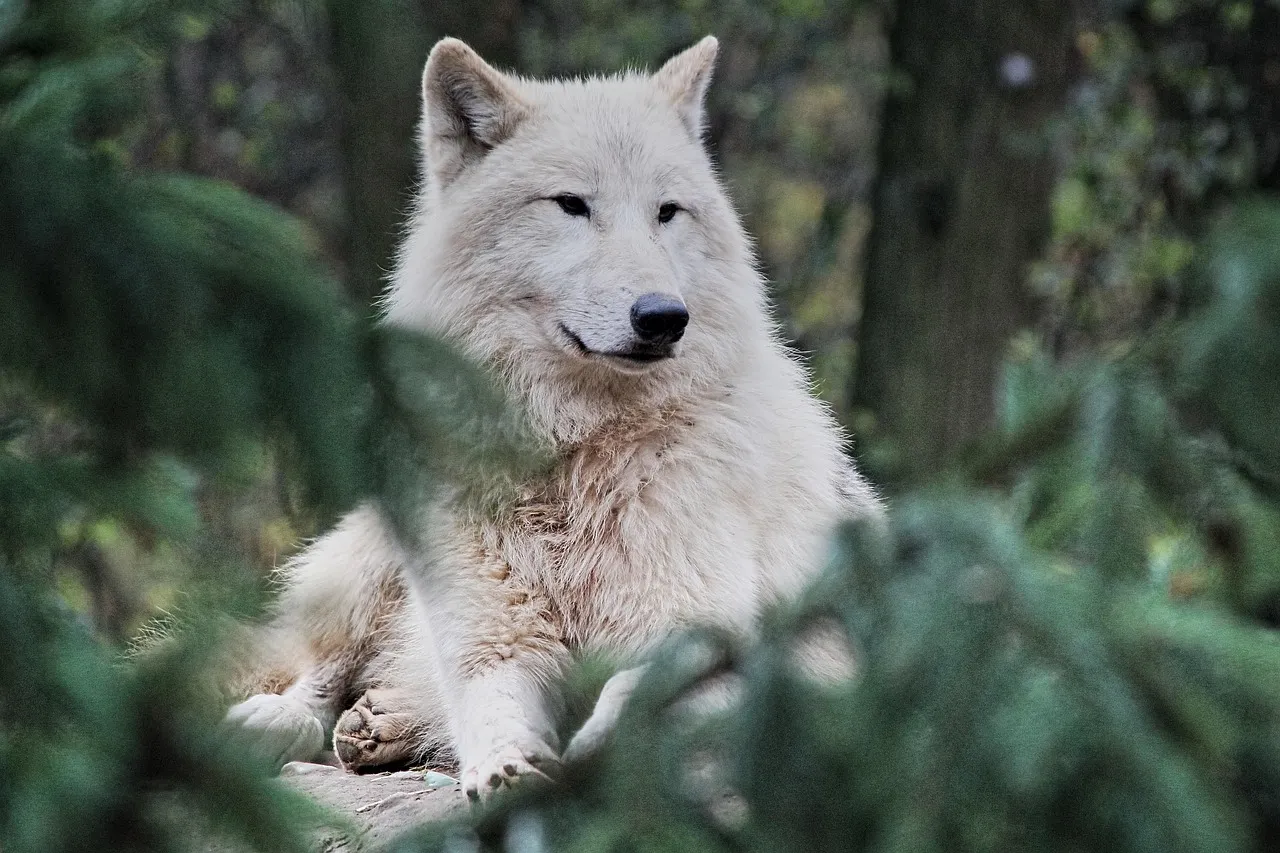
Silence can be a kind of camouflage, and wolves are artists of vanishing. Biologists often report that when a human appears or a voice is heard, the soundscape shifts: birds change their calls, small mammals freeze, and wolves that were vocal a moment ago go ghost-quiet. They are effectively dissolving into the background by removing the one thing that really stands out in the forest or tundra: a powerful, sustained howl. From the wolf’s perspective, this makes sense. Their grey, brown, or white coats often blend into the local environment, especially at distance or in low light. But sound travels farther than sight in thick vegetation or rugged terrain. Dropping into silence the moment a strange human voice appears turns down their “visibility” in the one channel humans easily exploit. It’s like switching off a flashlight in enemy territory before anyone can pinpoint where you are standing.
Social Etiquette: Wolves Have Their Own Rules About When to Howl
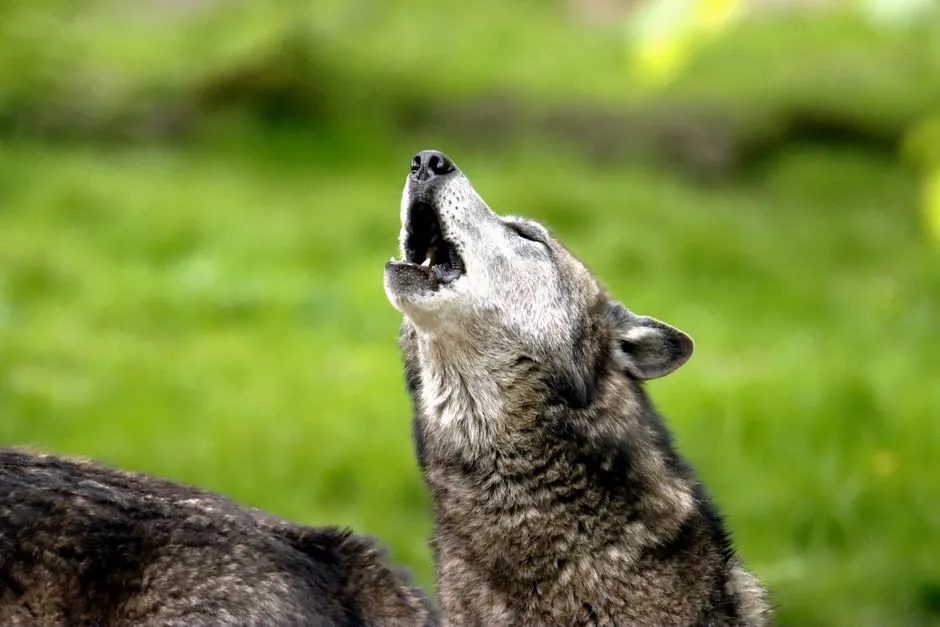
We tend to romanticize wolf howls as pure emotion or wild magic, but they’re also part of a structured social system. Wolves have different types of howls and vocalizations for contact, alarm, coordination, and even what seems like ritualized group singing. Within a pack, who howls first, who joins in, and when the chorus ends all matter. There is a kind of etiquette at work, especially around boundaries and strangers. When a human voice intrudes, especially in territory where wolves have learned that humans can be hostile, it can act almost like hearing a rude, unexpected interruption during a family meeting. Instead of shouting louder to compete, wolves often choose to end the vocal session altogether. That decision helps avoid drawing extra attention to nearby pups, food caches, or resting packmates. In a way, it is a social and parental decision as much as a safety one: the needs of the group overrule the momentary urge to call.
Learning From Experience: Young Wolves Watch and Imitate Caution
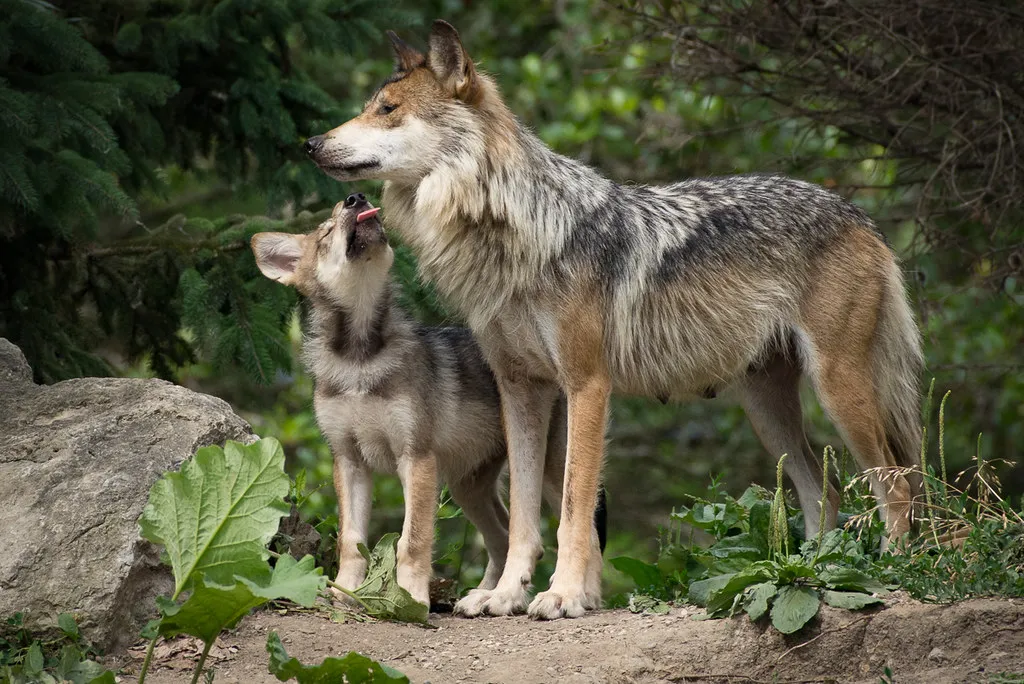
One of the most overlooked reasons wolves cut their howls short when they hear human voices is that many of them were practically trained to behave that way by their own families. Wolf pups learn by imitation. They watch which paths adults use, how they respond to strange smells or sounds, and what happens after a wrong move. If adults consistently go quiet, change direction, or retreat at the first sign of nearby humans, pups internalize that as normal. I remember hiking once in a region where wolves are occasionally spotted and realizing how quickly the forest itself seemed to hold its breath when a group of loud campers started shouting down the trail. No wolves were visible, but based on what researchers describe, any hidden pack members were likely doing exactly what their parents taught them: listen hard, stay low, and keep your mouth shut until the danger passes. That kind of cultural learning means that silence after a human voice is not random; it is a family tradition of survival.
Wolves Are Highly Emotional, Not Cold-Blooded Machines
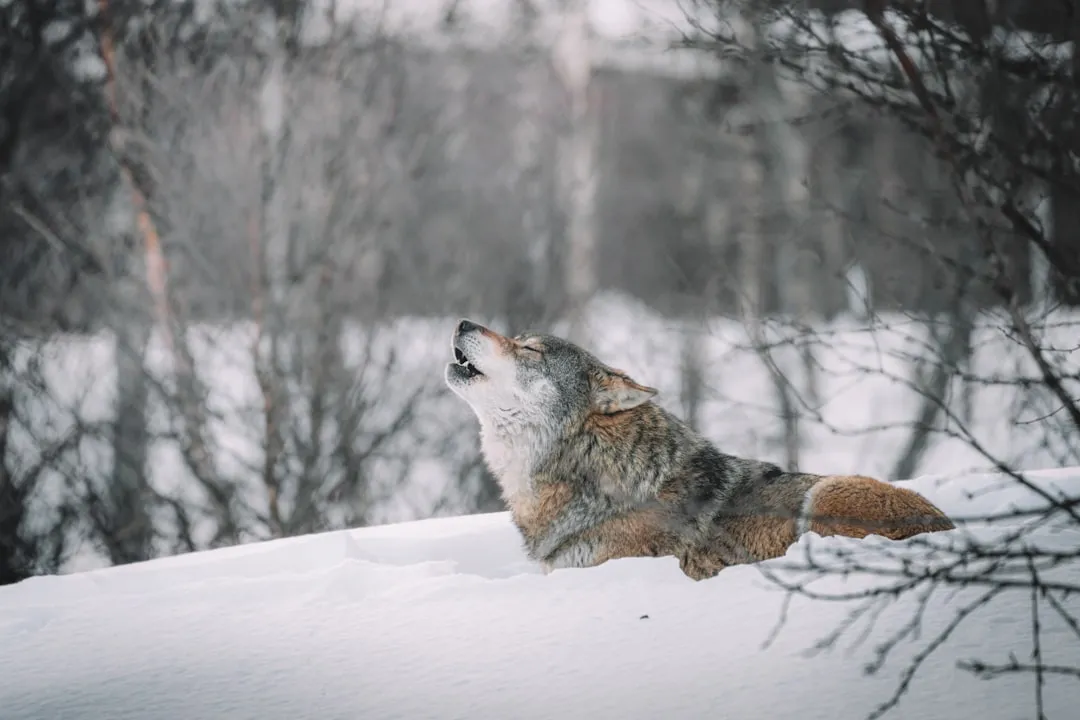
Another piece people rarely think about is that wolves are not just hyper-rational survival computers; they’re deeply emotional animals with strong bonds and strong reactions. Studies and observations suggest that wolves can experience fear, curiosity, excitement, anxiety, and what looks very much like grief. Their howls are not just signals; they can carry emotional tones, like reunion joy or separation distress. When a human voice slices into a howling session, part of that sudden silence might come from an emotional jolt. A familiar, almost comforting rhythm of pack voices is suddenly interrupted by the sound of the species most associated with pain, loss, and conflict in wolf history. Cutting the howl short can be a mix of shock, wariness, and protective instinct, the way your own voice might crack and fade if you were laughing loudly with friends and suddenly heard a door slam and an angry shout right behind you.
Rethinking “Fear of Humans” as a Form of Intelligence
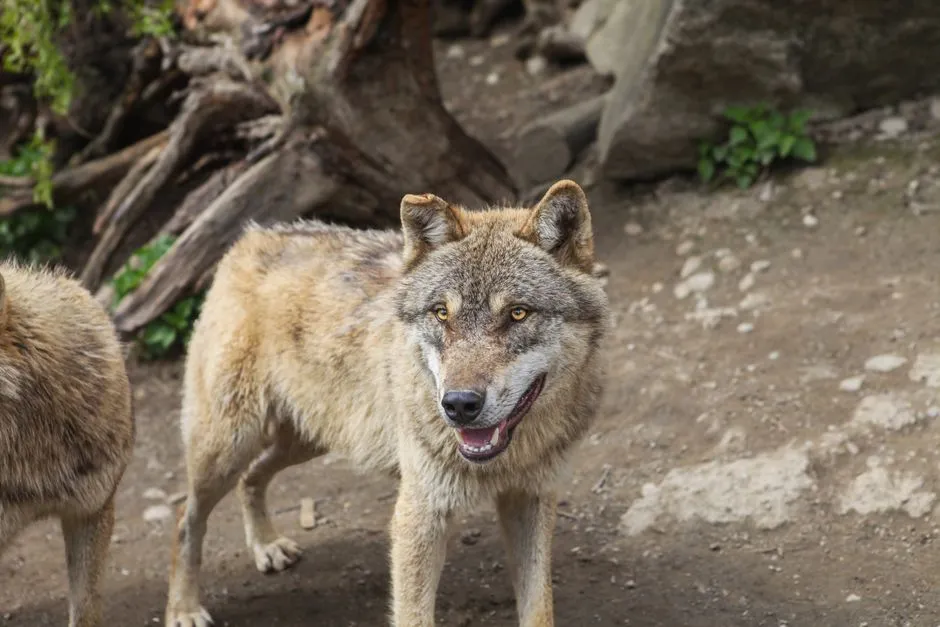
It is easy for us to dismiss this rapid silence as a simple fear response, but that oversimplifies what is going on. A wild wolf that instantly goes quiet when it hears a human is not being weak; it is being smart. It is integrating generations of hard experience, live feedback from the landscape, and its own emotional memory to make a fast decision that stacks the odds of survival a little bit more in its favor. If anything, we should see that sudden end to a howl as a sign of impressive adaptation in a world we have made far more dangerous and noisy than it used to be. Wolves are not choosing silence because they love hiding from us; they are doing it because we have taught them that being heard by humans rarely ends well. The uncomfortable truth is that the reason most people never consider is us: our history of persecution, our volume, our unpredictability. The question that lingers is simple and a little unsettling: now that we know this, are we willing to be the kind of neighbor that wild wolves do not have to fear quite so much?
