

There’s a quiet miracle happening inside America’s national parks. While visitors arrive for the scenery, the sweeping canyons and volcanic peaks and coastal fog, something far more urgent is unfolding beneath the surface. These protected lands are, in many cases, the last functioning refuges for species that exist nowhere else on Earth.
From Haleakalā to the Grand Canyon to the Everglades, America’s national parks provide habitat for more than 600 threatened and endangered species. The parks you’ll find below aren’t just beautiful in the conventional sense. Each one carries the weight of an ongoing conservation story, some inspiring, some still deeply uncertain. Here are ten of the most remarkable.
Everglades National Park, Florida
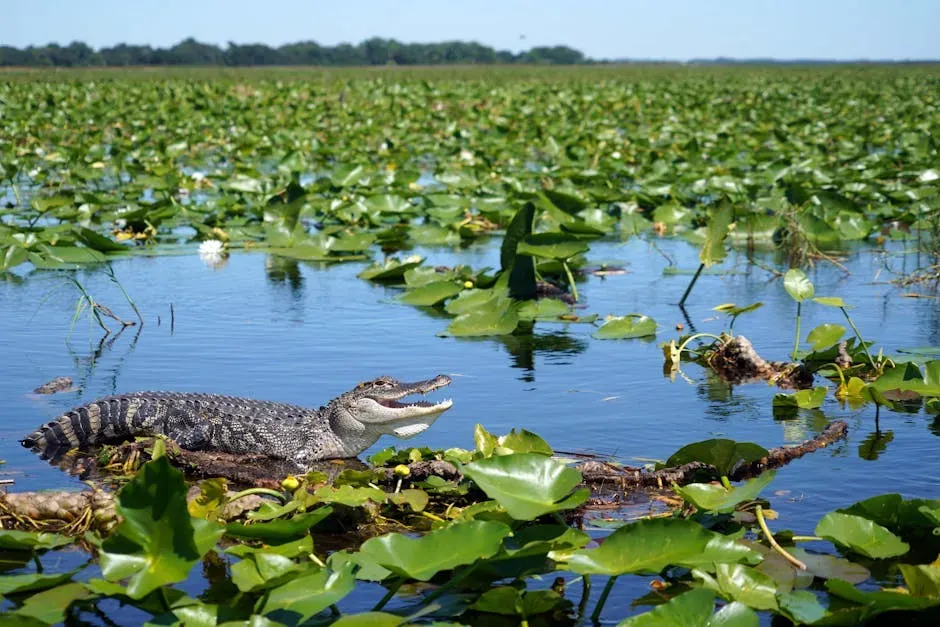
There is no other ecosystem in the continental United States quite like the Everglades. Spanning 1.5 million acres of wetlands in southern Florida, Everglades National Park serves as a critical habitat for numerous endangered species. The sheer scale of it is hard to grasp until you’re standing inside it.
The park is home to the endangered Florida panther. These solitary cats prowl through sawgrass prairies and cypress swamps, rarely seen but always present. Fewer than a few hundred individuals remain in the wild, making any sighting a genuinely extraordinary event.
The Everglades’ extensive mangrove forests and sawgrass marshes also provide refuge for the endangered West Indian manatee, particularly during winter months. The park’s diverse ecosystem supports over 360 bird species, including the endangered wood stork and the snail kite.
Conservation work in the park includes removing invasive species to increase nesting habitat for the federally threatened American Crocodile, while also supporting the recovery of the federally endangered smalltooth sawfish, the first marine fish to receive federal protection.
Haleakalā National Park, Hawaii
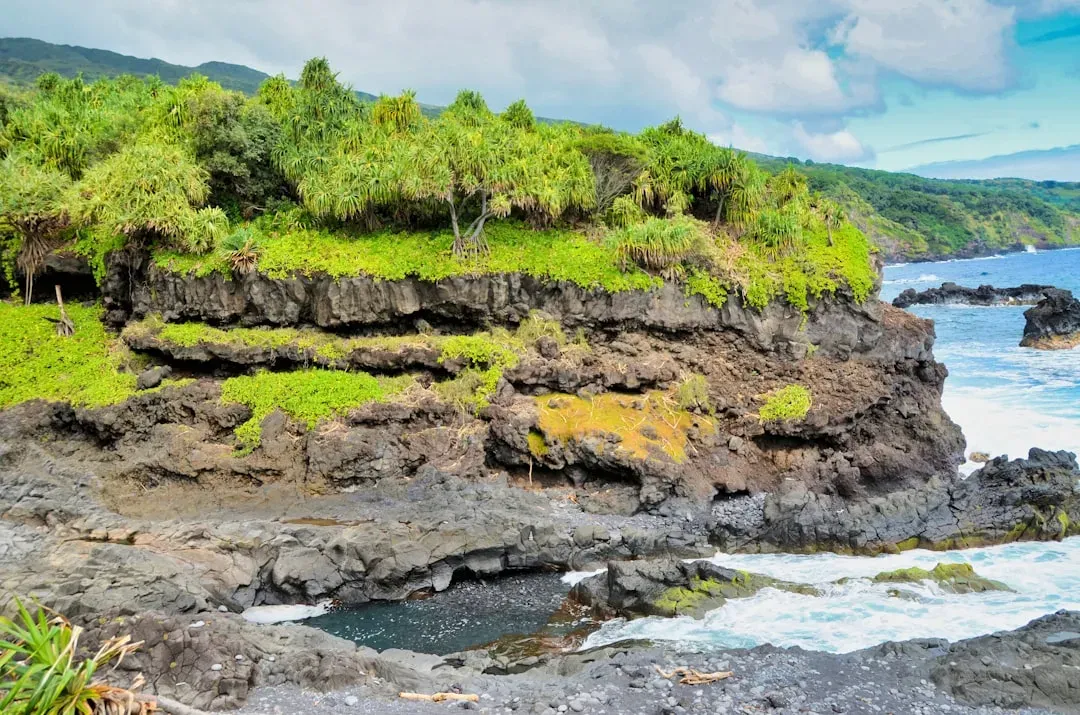
Haleakalā National Park on Maui, Hawaii, is home to an amazing variety of native plant and animal species, many of which are endemic, found only in one area and nowhere else in the world. This national park also harbors more endangered species than any other national park in the United States.
Based on careful analysis, Haleakalā hosts a total of 103 endangered species: 81 flowering plants, 10 birds, six non-flowering plants, three insects, two mammals, and one reptile. That is a staggering number for a single park.
Hawaii once had more than 50 species of forest birds, but only 17 species remain today, some with fewer than 500 individuals left. Of these, six species are honeycreepers, brightly colored birds with specialized bills to feed off nectar and the insects living in flowers. Five species of honeycreepers are endemic, and of the total six species, two are critically endangered and one is threatened.
Other endangered animals include the pueo, or Hawaiian short-eared owl, the Hawaiian petrel, and the ‘ōpe’ape’a, or Hawaiian hoary bat, the only terrestrial mammal native to the Hawaiian Islands. The park is, without question, one of the most important conservation sites in the entire country.
Yellowstone National Park, Wyoming
America’s first national park remains one of its most important sanctuaries for endangered wildlife. Most people think of geysers and bison when they think of Yellowstone, but the park’s conservation record runs much deeper than its famous geothermal features.
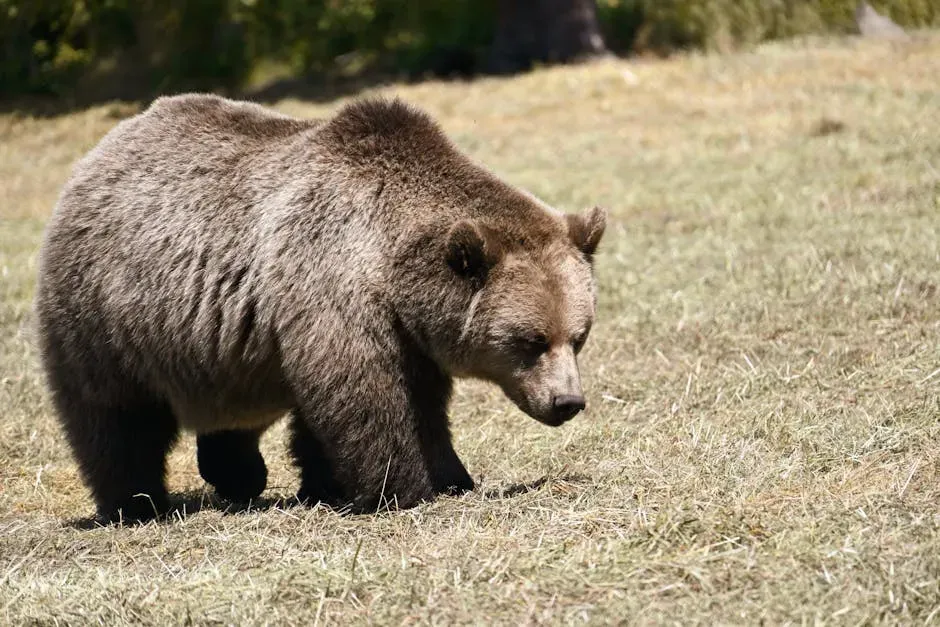
The park protects critical habitat for the grizzly bear, which has made a remarkable recovery in the Greater Yellowstone Ecosystem since being listed as threatened in 1975. It remains one of the few places in the lower 48 states where these animals still roam in meaningful numbers.
The park’s remote backcountry also provides habitat for the threatened Canada lynx and the endangered North American wolverine. The wolverine in particular is a notoriously elusive creature, capable of covering enormous distances through deep snow.
National parks have also been the settings for success stories putting previously endangered animals on the road to recovery, such as the gray wolf at Yellowstone National Park. The wolf reintroduction program here is widely regarded as one of the most successful rewilding efforts in American history.
Glacier National Park, Montana
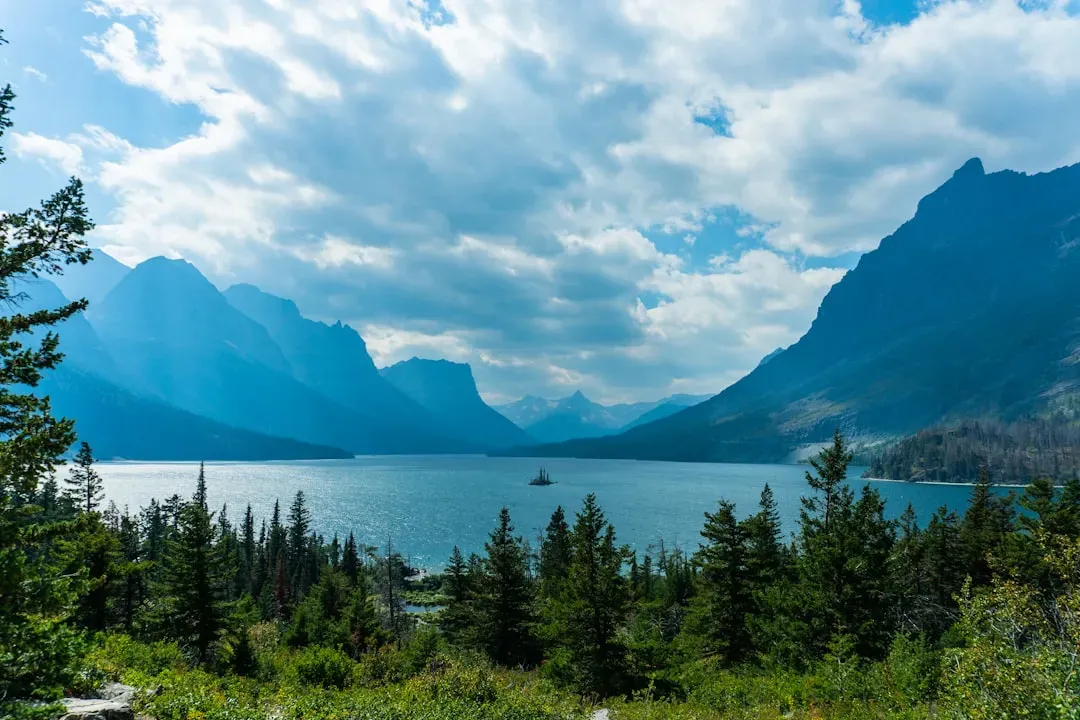
Known as the “Crown of the Continent,” Glacier National Park protects some of America’s most intact wildlands and provides crucial habitat for threatened grizzly bears. The park and surrounding areas comprise one of the few places in the lower 48 states where these magnificent predators still roam.
Patient wildlife watchers might also spot the threatened Canada lynx, a medium-sized wild cat with distinctive ear tufts and large, fur-covered paws that act like natural snowshoes. Catching a glimpse of one in the snow-dusted backcountry is the kind of encounter that stays with a person for life.
The park’s pristine lakes and streams support bull trout, a threatened species that requires cold, clean water to survive. Along alpine ridges, keen observers might glimpse the rare wolverine, one of North America’s most elusive mammals, capable of traveling 15 miles per day through deep snow in search of food.
Pinnacles National Park, California
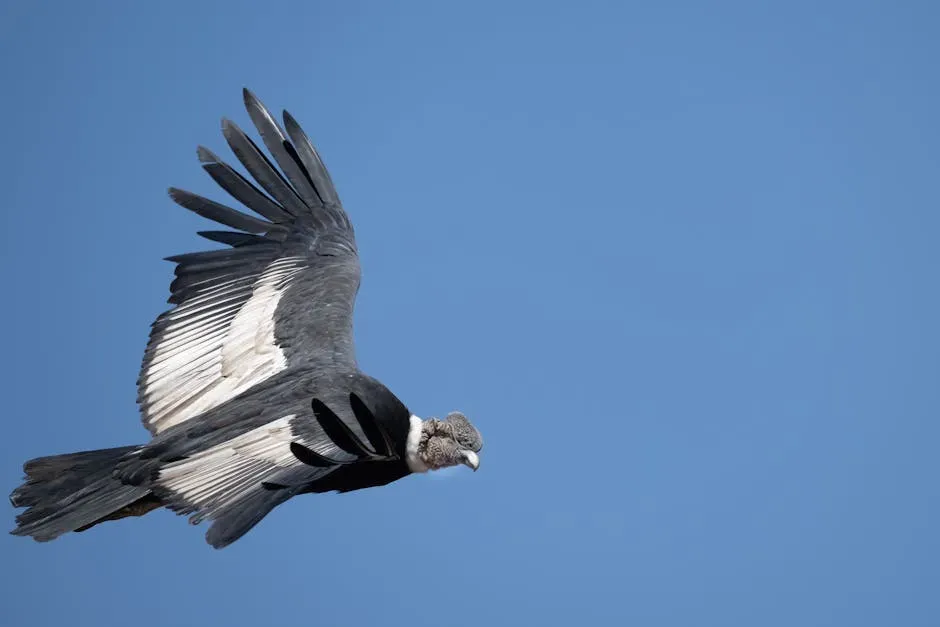
Pinnacles tends to fly under the radar compared to California’s more famous parks, but it carries an outsized conservation significance. Since 2003, Pinnacles has partnered with the California Condor Recovery Program to act as a critical release and management site for captive-bred birds. California condors, the largest land birds in North America, were once abundant across the West Coast. Unfortunately, habitat destruction, pollution, and other human-caused factors caused a dramatic population decline.
The species hit its lowest point in the 1980s, when there were only 22 wild condors identified. Dedicated conservation efforts have since brought this endangered species back from the brink, with Pinnacles playing a major role in the condor’s comeback story.
The range for the endangered California condor, the largest bird in North America, extends to Grand Canyon National Park in Arizona and Pinnacles National Park in central California. Today, visitors to Pinnacles can witness these incredible birds soaring over the park’s rocky towers, complete with tracking tags that can help you identify individual birds.
Biscayne National Park, Florida
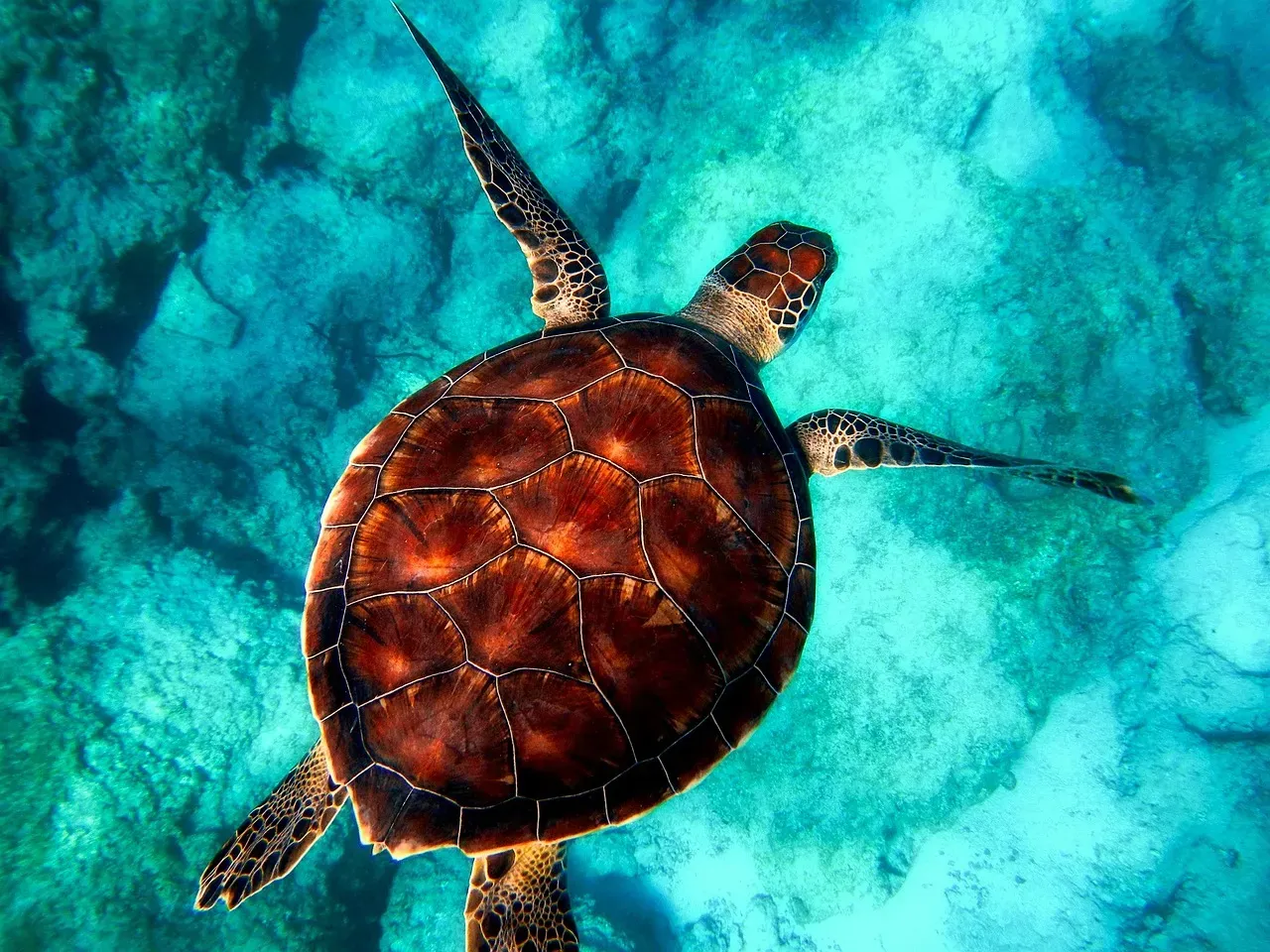
Most people don’t realize that Biscayne National Park exists, let alone that it sits within a short drive of Miami. Much of Biscayne’s naturalistic appeal stems from the fact that most of the park is underwater, with a few smatterings of islands accessible only by boat. This marine environment provides Biscayne with a rich network of coral reefs and coastal mangrove forests sitting at the intersection of four distinct ecosystems, all teeming with eye-catching sea life.
The most notable of Biscayne National Park’s endangered residents are perhaps its population of sea turtles. Biscayne is home to several species of sea turtles, including the endangered loggerhead, hawksbill, and leatherback turtles. The park provides a safe haven and dedicated conservation efforts for these threatened species, and also offers excellent turtle viewing opportunities along one of its many snorkeling and scuba diving spots.
Biscayne is also home to rare marine mammals, most notably the vulnerable West Indian manatee. The park is also home to the much rarer American crocodile, a species that coexists in the same wetlands as its more common alligator cousins. For a park most visitors overlook, it punches remarkably high in conservation value.
Channel Islands National Park, California
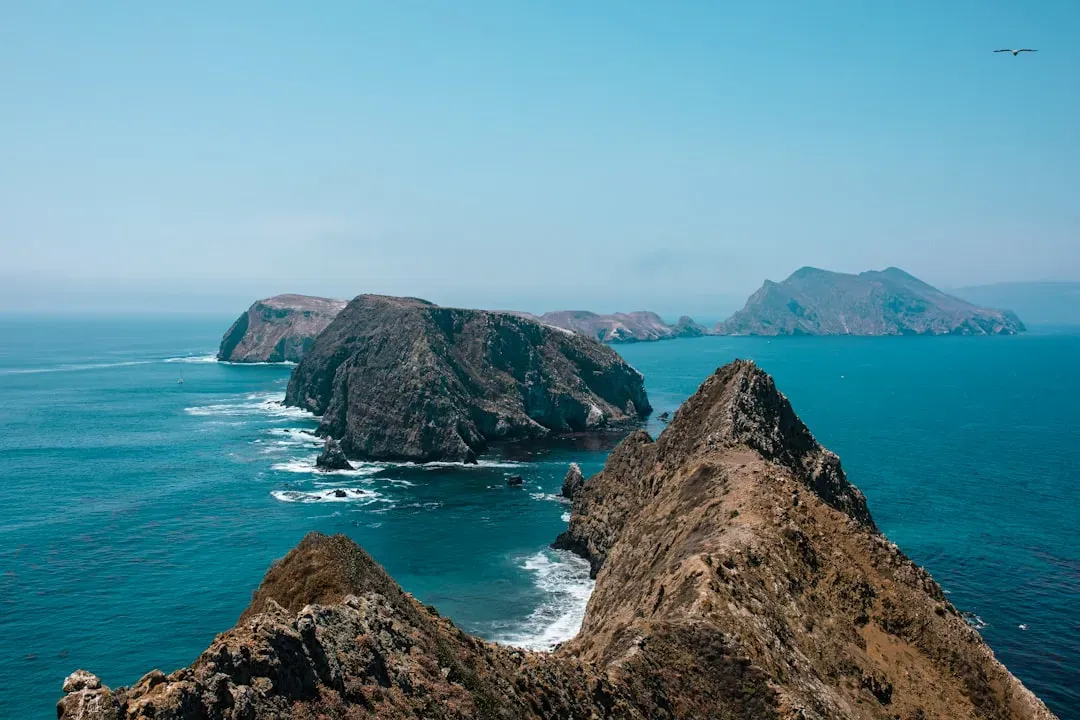
The several islands that comprise Channel Islands National Park take advantage of their isolated geography to hold off encroaching development and infrastructure. As a result, Channel Islands has one of the state’s most unique coastal ecosystems, with populations of animals found nowhere else on Earth.
Channel Islands has also been the setting for remarkable recovery stories, including the Channel Island fox and island night lizard. The island fox was once on the verge of extinction, and its recovery is now considered one of the fastest in the history of the Endangered Species Act.
The Channel Islands sit within Southern California’s coastal Mediterranean-type ecosystem, at the convergence of two ocean currents. This distinctive environment provides the park with rich marine, coastal, and terrestrial habitats for a diverse abundance of animal life. Few places in the country offer this kind of layered ecological complexity.
Wind Cave National Park, South Dakota
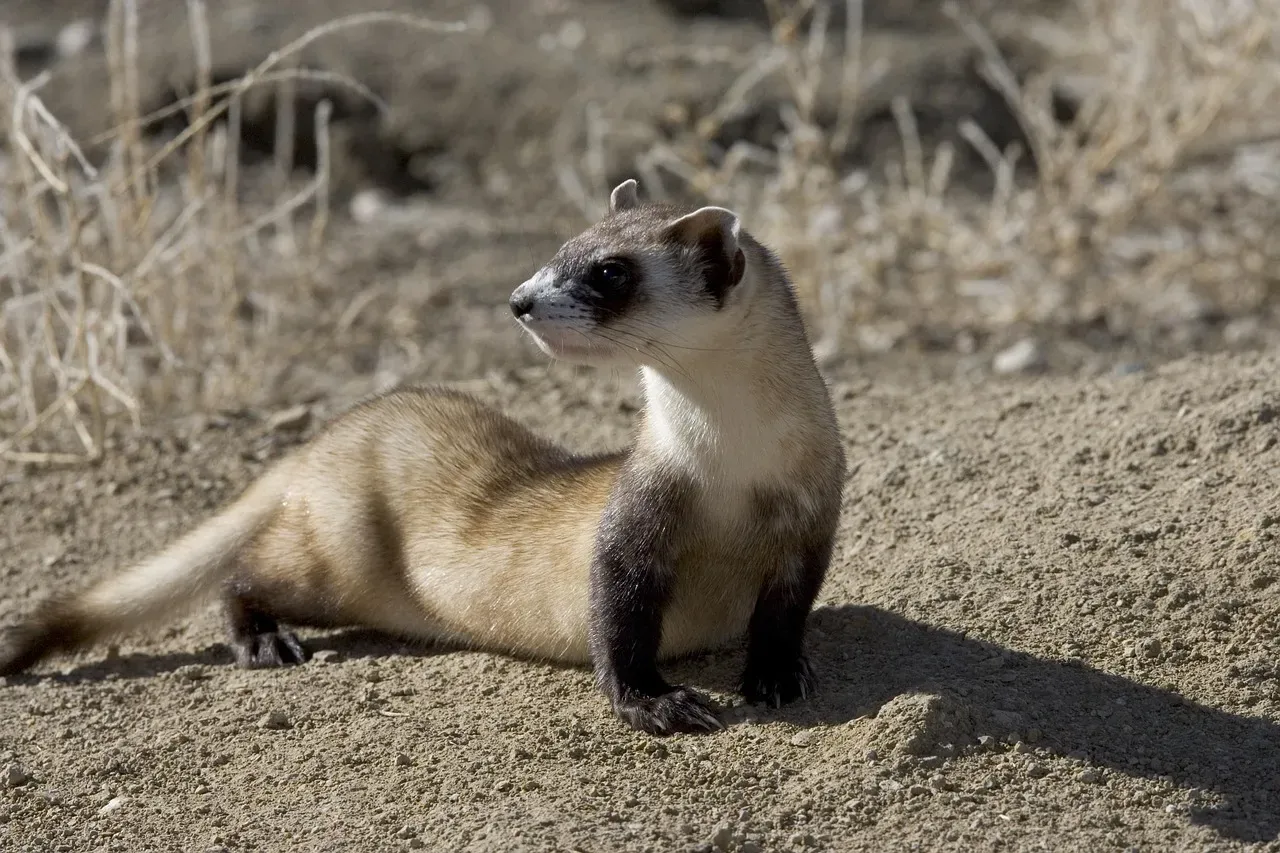
Wind Cave National Park protects one of the world’s longest cave systems along with mixed-grass prairie above ground. Black-footed ferrets colonize abandoned prairie dog burrows and depend on prairie dogs for roughly nine-tenths of their food. The prairie ecosystem here functions much as it did centuries ago, with bison grazing alongside pronghorn antelope.
Once considered the rarest mammal in the world, about a thousand of these ferrets now live in the wild. National Park Service staff in partnership with the Fish and Wildlife Service and other conservation organizations have helped to reintroduce these two-foot-long members of the weasel family into South Dakota’s Badlands and Wind Cave National Parks.
The black-footed ferret’s story is one of genuine conservation triumph. The prairie landscape at Wind Cave looks deceptively ordinary at first, but look closer and you’re standing in one of the most carefully managed wildlife recovery landscapes in the American West.
Great Smoky Mountains National Park, North Carolina and Tennessee
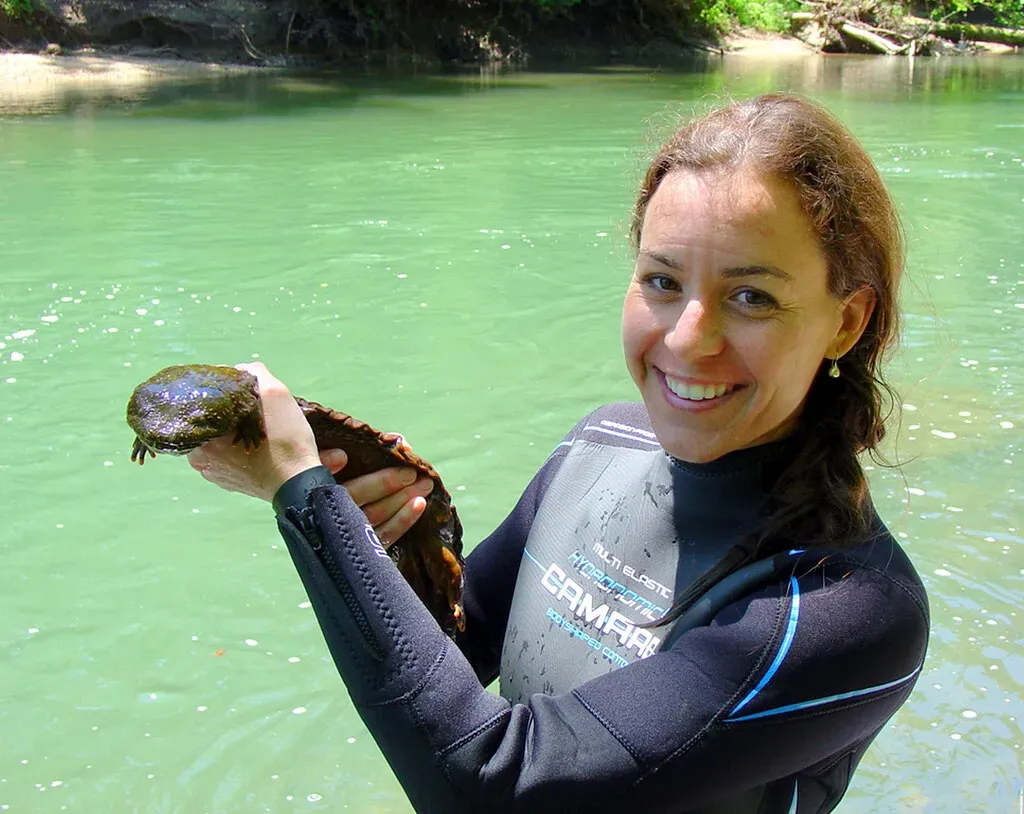
World-renowned for its biodiversity, over 19,000 species have been documented in Great Smoky Mountains National Park. However, ongoing threats such as air and water pollution, invasive species, and habitat loss near the park are challenging the survival of some of its most iconic species.
The Carolina northern flying squirrel glides from branch to branch in the high-elevation forests of the Southern Appalachian Mountains. Human activities such as deforestation contributed to a decline in flying squirrel populations, and the species was listed as endangered in 1985. Since that time, significant effort has gone into studying the flying squirrel and its habitat, and while the population size has increased, there is more work to be done before it can be considered recovered.
The hellbender, North America’s oldest and largest salamander, growing up to two feet long, is also found here. It is an example of divergent evolution, with Asian ancestors dating back 160 million years, yet no other species like it exists anywhere else on the planet. An endangered animal, hellbenders rely on clear, clean water to survive, and their populations have been in steep decline for several decades.
Olympic National Park, Washington
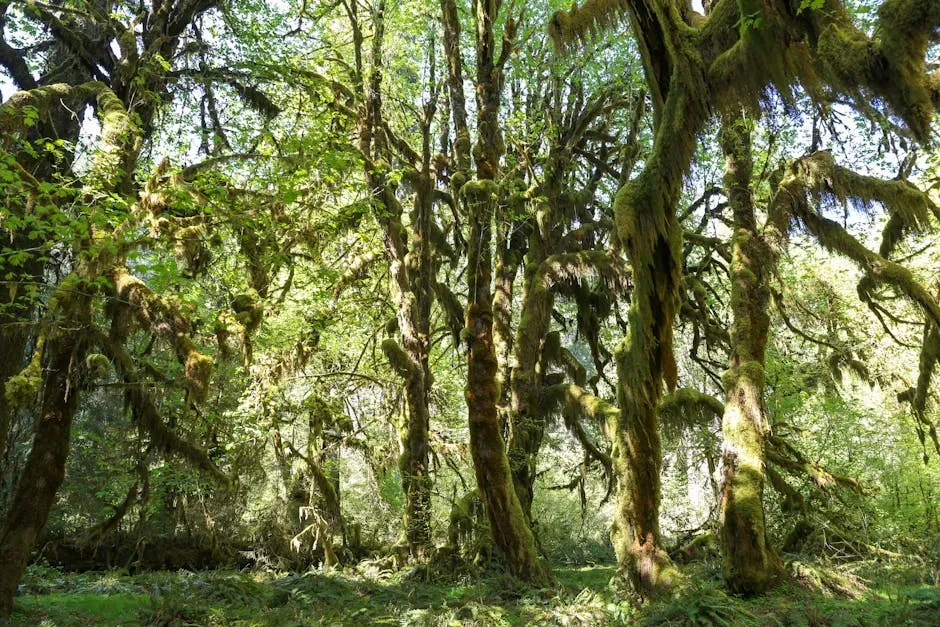
With three distinct ecosystems, Olympic National Park provides a diversity of habitats for a vast array of species. The park’s high mountains, verdant rainforest, and spectacular beaches are safe havens for species like the marbled murrelet and bull trout, though these animals face increased threats from the changing climate, encroaching development, and pollution beyond the park’s boundaries.
The Pacific fisher, an eight- to ten-pound cat-like animal that once roamed the Northwest and California, building dens and raising kits in mature forests, is now considered rare in its historic range after decades of trapping and logging. Olympic National Park in Washington has participated in successful reintroduction efforts, while Yosemite National Park in California has conducted extensive fisher monitoring programs.
Olympic also shelters some of the last remaining old-growth temperate rainforest in North America, a habitat type that supports species found in almost no other US park. National parks like Olympic offer some of the last suitable habitats for a number of species and are home to creatures that exist nowhere else in the world, which gives park staff a key role in saving some of the rarest animals and plants from being lost forever.
The Bigger Picture
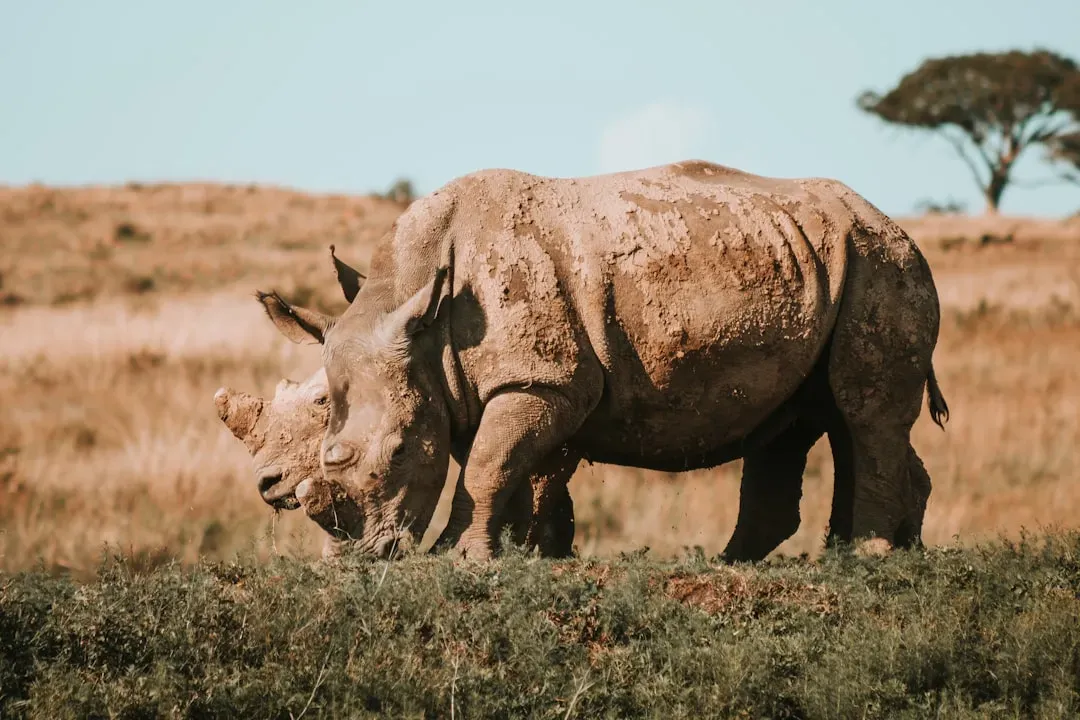
The National Park Service works to sustain and recover at-risk species, with a mission to prevent the extinction of plants and animals in the parks and to restore species that have occurred historically but have been lost due to a variety of factors. That mandate is substantial, and the parks carrying it out span some of the most visually stunning landscapes on the continent.
The Endangered Species Act has proven extremely effective and is credited with saving 99 percent of listed species from extinction, with over 100 species of plants and animals delisted or declassified due to improved conservation status. The numbers tell a hopeful story, though the work is far from finished.
National Park Service-administered sites usually offer the best chances to witness rare animals in their natural habitats. Dedicated conservationists, scientists, and other professionals of the National Park Service, plus federal partners like the US Fish and Wildlife Service, do an incredible job in rehabilitating and protecting endangered species populations through critical initiatives like the National Park Service’s At-Risk Species Program.
What these ten parks share, beyond their obvious beauty, is the quiet, unglamorous work happening year-round to keep species alive that have nowhere else to go. A visit to any of them is far more than a scenic outing. It’s a front-row seat to one of the longest-running conservation efforts in the world, and a reminder that the outcome is still very much being written.

- Virgo, Here’s a Tidy, Low-Maintenance Dog for You - July 30, 2026
- 10 Beautiful US National Parks Where Rare Animals Are Protected - July 30, 2026
- 27 Horse Breeds Equine Vets Say Land in Their Clinic More Than Any Other - July 30, 2026