
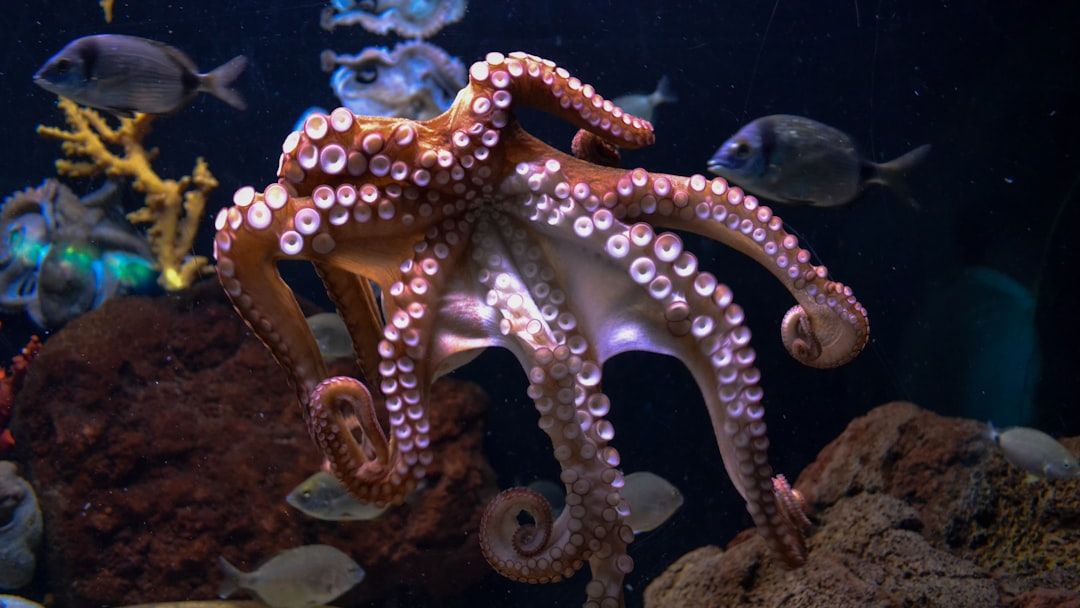
Their Nervous System Spreads Across the Entire Body
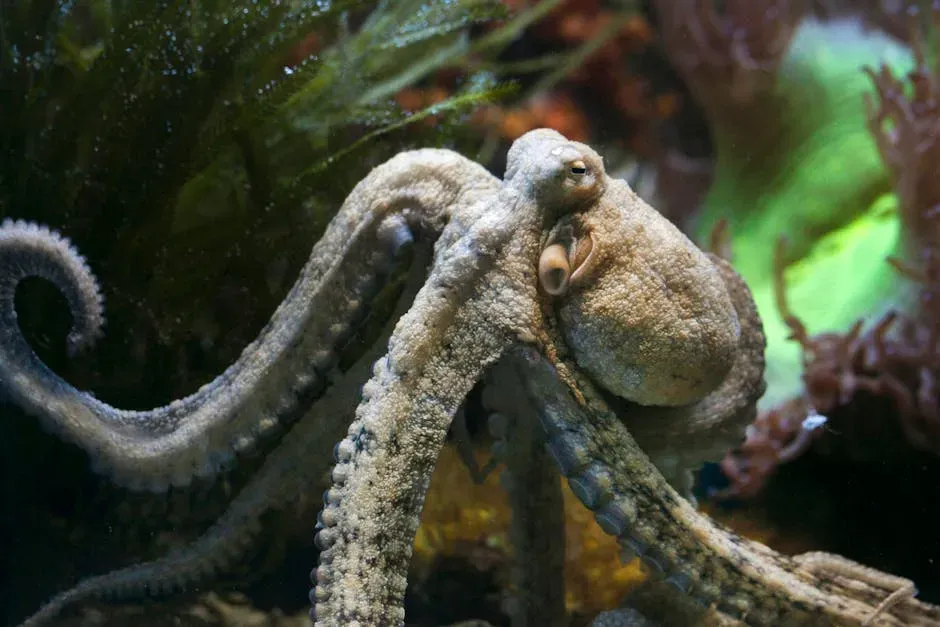
Octopuses carry roughly 500 million neurons in total, a count that places them in the same league as some mammals when it comes to raw processing power. Yet the layout of that nervous tissue looks nothing like the centralized model found in vertebrates. Two thirds of those neurons sit outside the central brain, distributed through the arms and skin in a way that turns the whole animal into a kind of extended thinking surface.
This arrangement means sensory information gets handled locally before any signal travels upward. The result is a form of awareness that stays close to the point of contact rather than funneling everything through one command center. Scientists note that such a system could support rich, parallel streams of experience happening at once across different parts of the body.
Each Arm Functions With Its Own Mini Brain
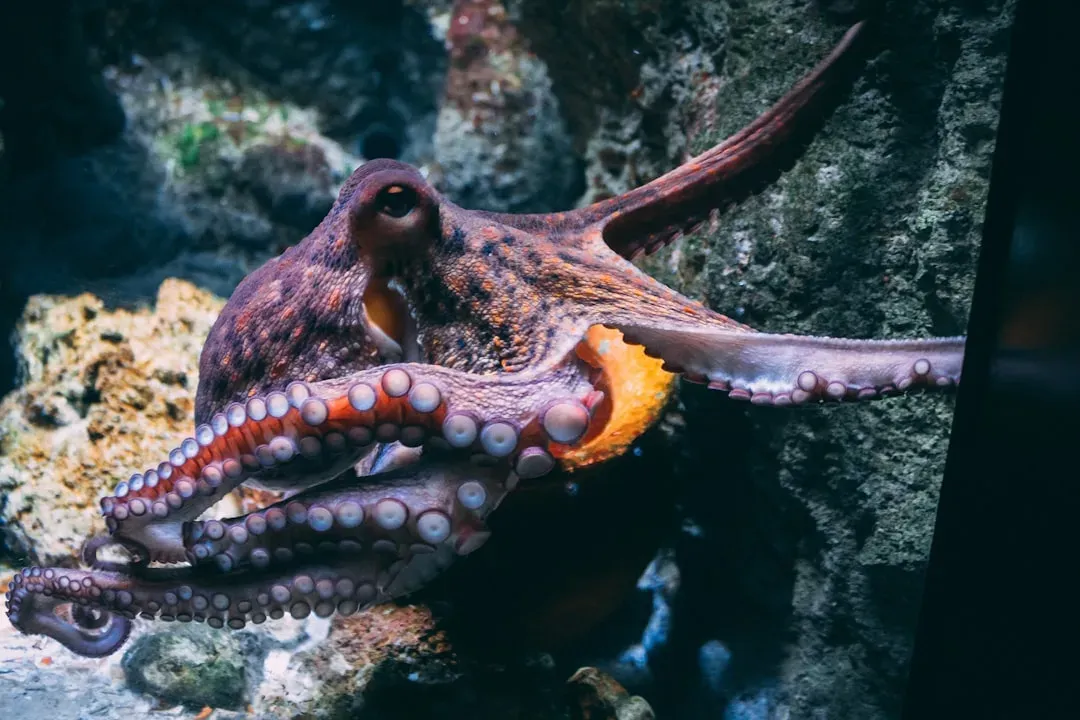
Every arm contains its own cluster of neurons that can direct basic movements, taste surroundings, and even grasp objects without constant input from the head. When an arm is detached in experiments, it still reaches, explores, and reacts on its own for a time. This independence suggests that decision making can occur in multiple places simultaneously rather than flowing from a single seat of control.
The central brain still coordinates larger goals, yet it appears to issue broad instructions while the arms fill in the details. Such a split creates the possibility of several semi autonomous streams of attention operating at the same time. Researchers describe this as a distributed kind of cognition that has no clear parallel in animals whose nervous systems concentrate power in one location.
They Maintain an Unusually High Brain to Body Ratio
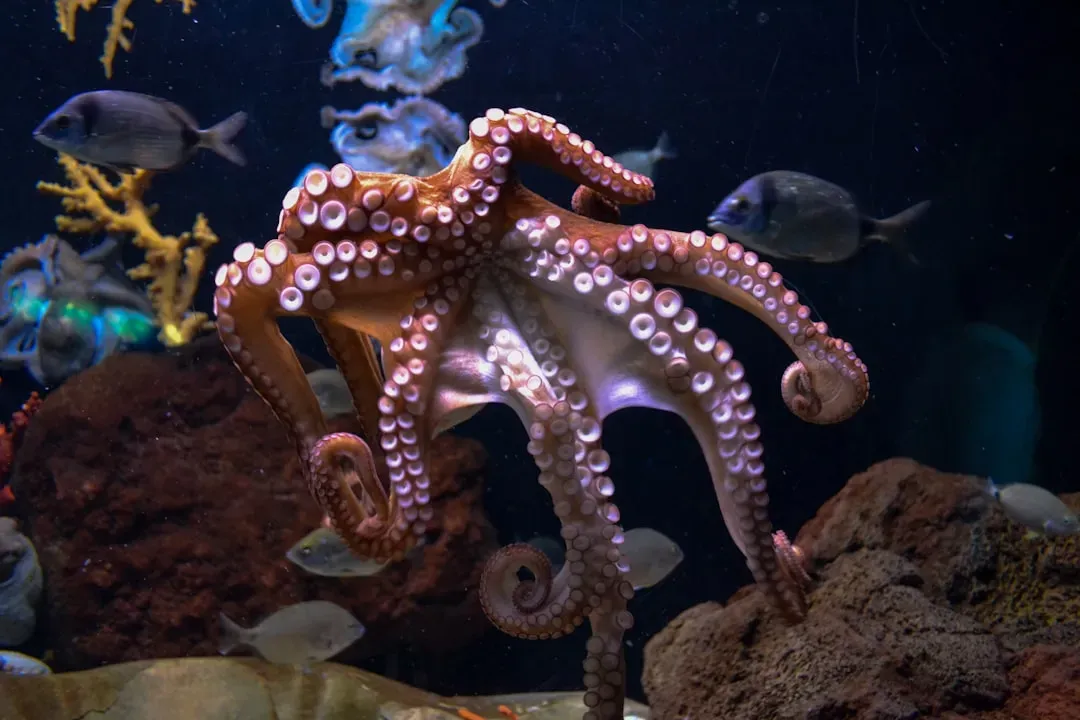
Among invertebrates, octopuses stand out for the size of their nervous systems relative to their bodies. Their ratio exceeds that of many cold blooded vertebrates and approaches levels seen in some warm blooded species. This investment in neural tissue supports flexible behavior even though the animals live only a year or two in most cases.
The large nervous system allows them to handle complex environments where hiding spots, prey, and predators change constantly. Because the tissue is spread out, the processing load gets shared rather than bottlenecked at one site. The outcome is a style of intelligence shaped by an entirely different body plan and evolutionary history.
Tool Use Points to Forward Planning
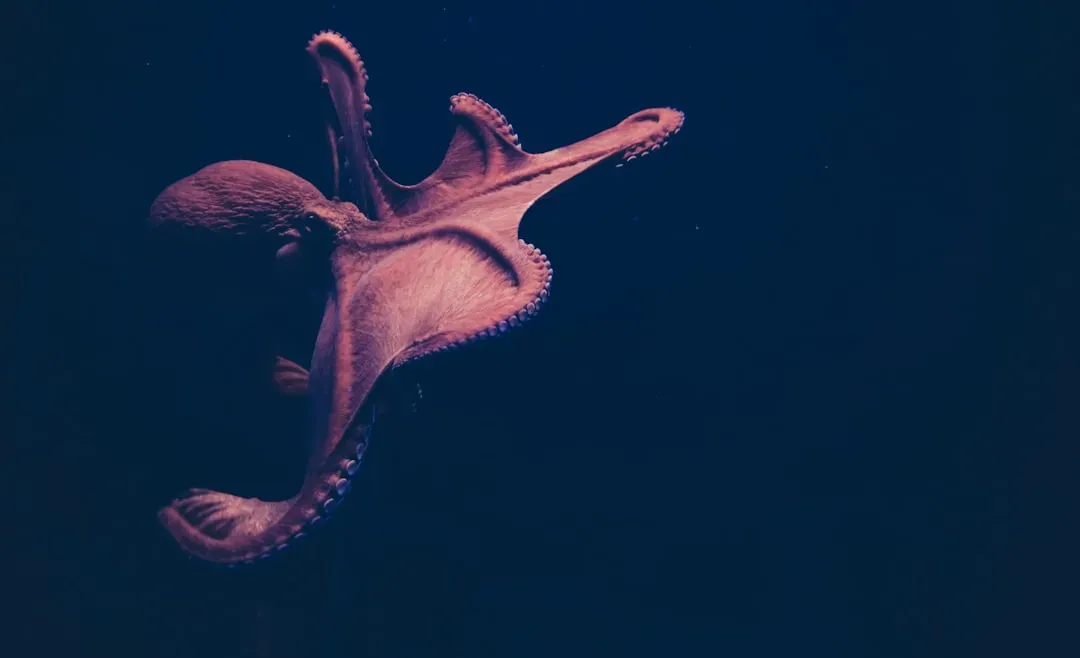
Octopuses have been observed carrying coconut shells or other objects across the seafloor to assemble shelters later. They also unscrew jar lids and navigate simple mazes to reach food. These actions require holding a goal in mind while manipulating the environment over several steps.
Such behavior implies an ability to represent objects and outcomes that are not immediately present. The distributed nervous system may allow the animal to explore possibilities through its arms while the central regions keep track of the overall plan. This combination produces problem solving that feels inventive rather than purely instinctive.
Instant Camouflage Reflects Fine Grained Perception
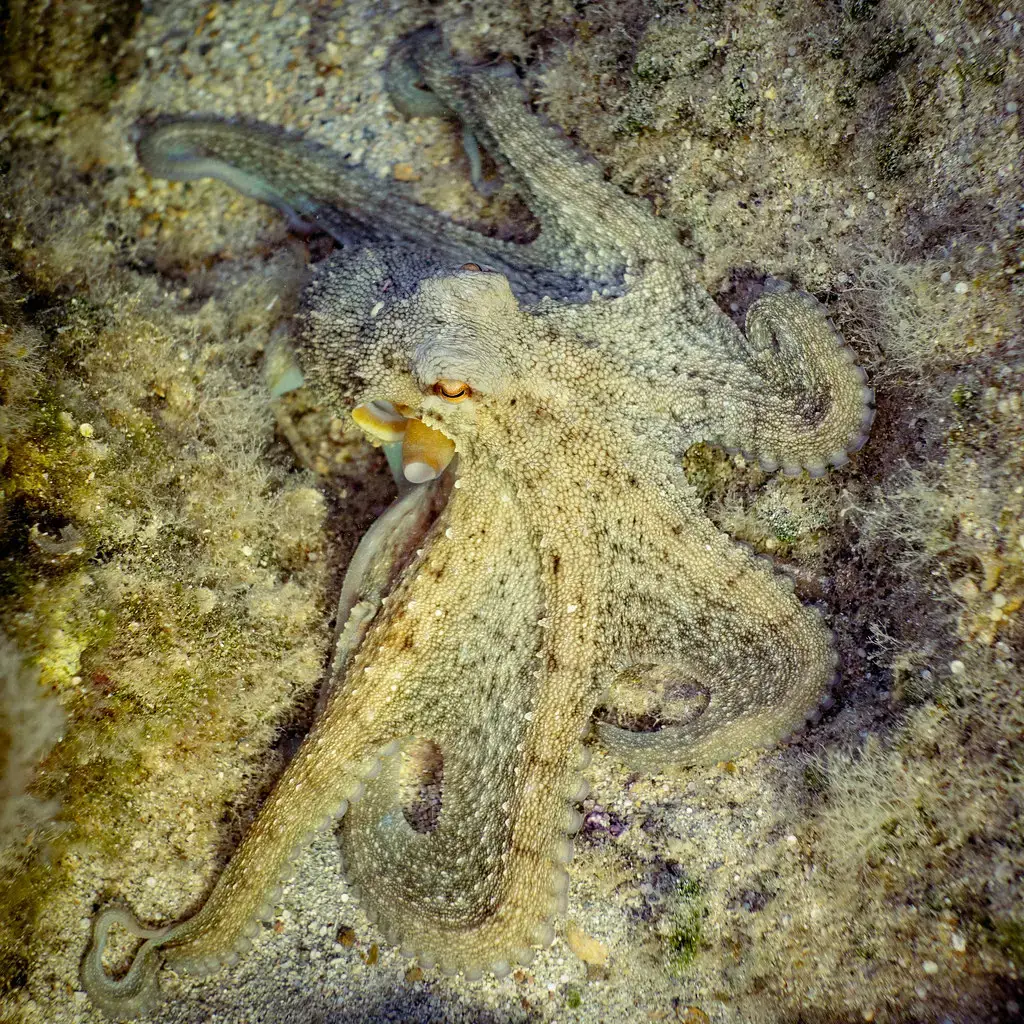
Octopuses can match the color, texture, and even the movement patterns of their surroundings within seconds. Their skin contains specialized cells that expand or contract under neural control, creating patterns that blend with sand, coral, or rock. The speed and precision of these changes suggest the animal continuously monitors its visual field and translates that information into precise motor commands across the body.
Because the arms and skin hold so many neurons, the matching process can happen without routing every detail through the central brain. This setup could support a form of awareness tuned to immediate sensory details in a way that differs from the more abstracted processing typical in centralized nervous systems. The result is camouflage that feels almost like an extension of thought itself.
They Tackle Puzzles With Flexible Strategies
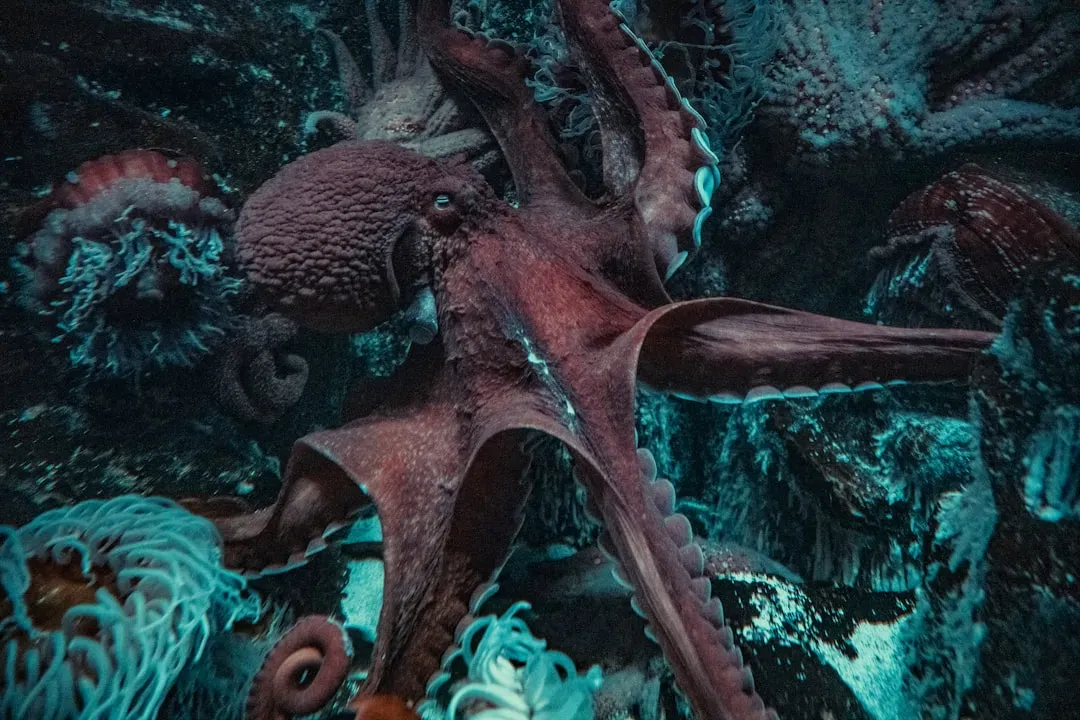
In laboratory settings, octopuses learn to open containers, pull levers, and remember solutions over time. They sometimes try several approaches before settling on one that works, showing they can adjust their tactics when the first attempt fails. Short term and longer term memory both appear to support this trial and error process.
The distributed neurons likely let the arms test physical options while the central brain evaluates success or failure. This division of labor may allow a kind of parallel exploration that centralized brains achieve differently. Observers often describe the animals as curious and persistent rather than simply reactive.
Play Behavior Hints at Intrinsic Motivation
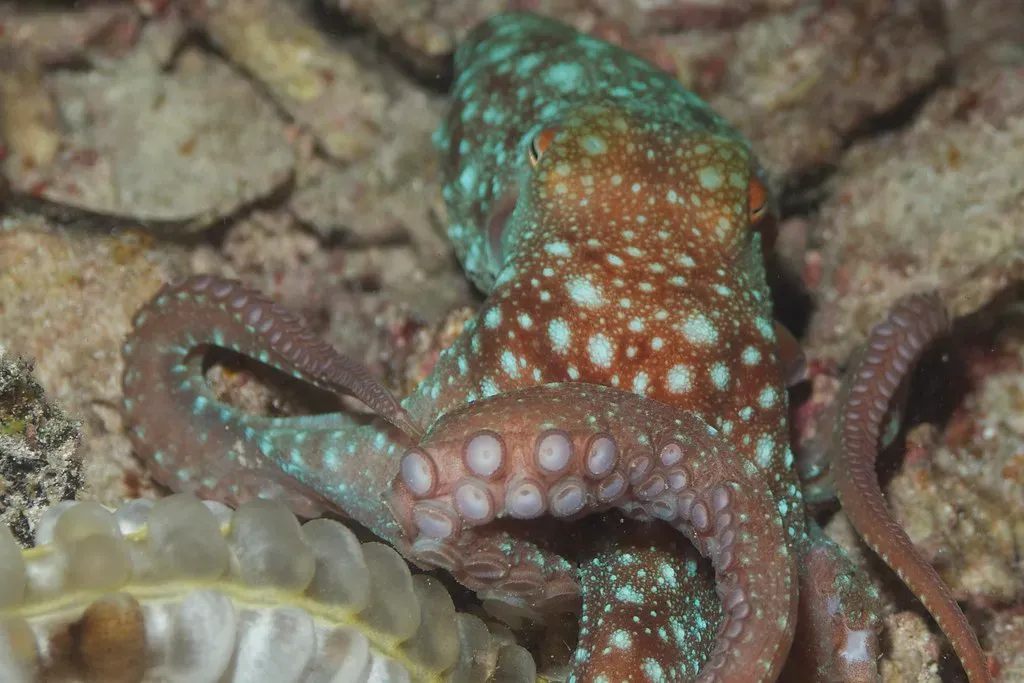
Octopuses in captivity sometimes manipulate objects that offer no obvious reward, such as repeatedly pushing a floating bottle or batting at a toy. These actions resemble play seen in young mammals and suggest the animals engage with their surroundings for reasons beyond immediate survival needs. Researchers have documented such behavior across multiple individuals and species.
Because the arms can act somewhat independently, an octopus might explore or experiment through one limb while the rest of the body remains still. This capacity for self directed activity points to an inner state that includes something like interest or boredom. The behavior stands out precisely because it occurs in an animal whose nervous system evolved along a path far removed from vertebrate lineages.
Individual Personalities Emerge Clearly
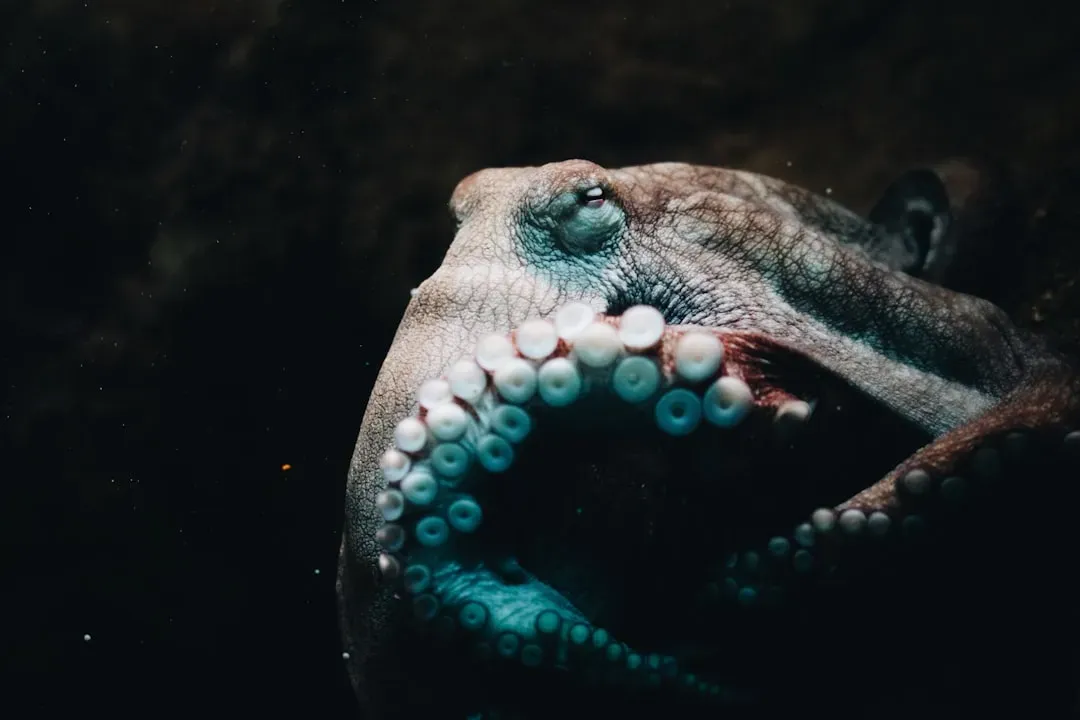
Keepers and researchers report consistent differences between octopuses in how bold, cautious, or interactive they are with people and objects. Some individuals approach new items quickly while others hang back or ink defensively. These patterns hold across repeated tests and different situations.
Such variation implies that each animal integrates its experiences into a stable style of responding. The distributed nervous system may allow local habits to form in the arms while the central regions maintain an overall temperament. The existence of distinct personalities adds another layer to the idea that these animals possess something like subjective experience.
Advanced Cognition Appears Despite Short Lifespans
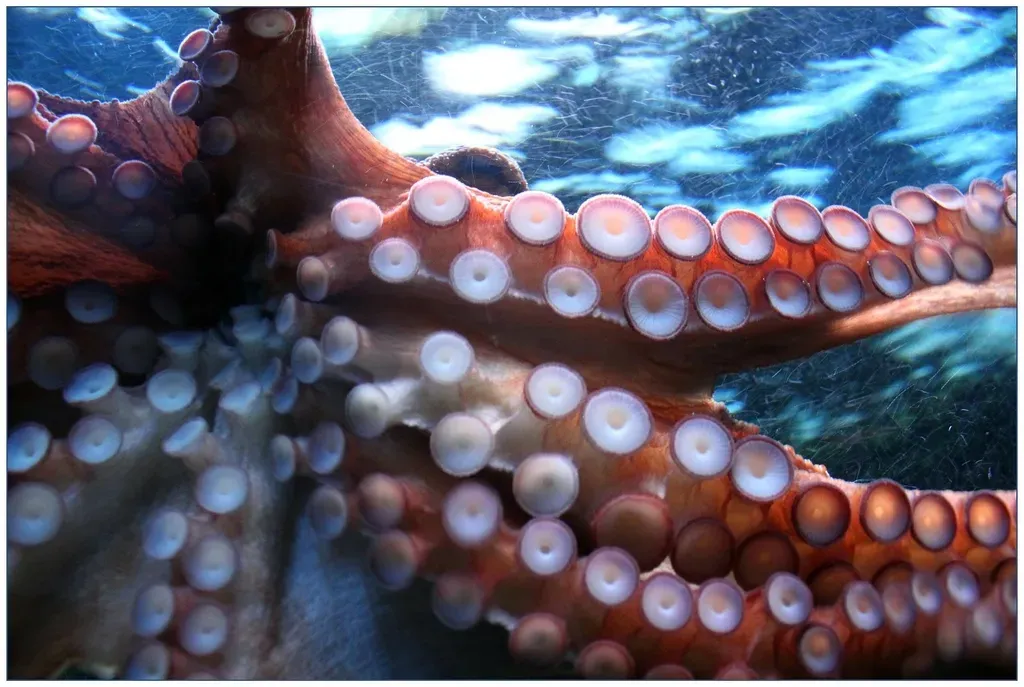
Most octopuses live only one to two years, yet they develop sophisticated skills in that brief window. They learn from observation, remember locations of food or danger, and adapt to novel challenges without the extended childhoods seen in many intelligent vertebrates. This rapid acquisition of knowledge occurs through a nervous system that spreads processing across the body.
The compressed timeline means any form of awareness they possess must operate efficiently from an early age. The decentralized layout could support quick local learning in the arms while the central brain handles broader patterns. The combination produces capable adults in a fraction of the time required by animals with more centralized brains.
Evidence Suggests They Experience Something Like Pain or Valence
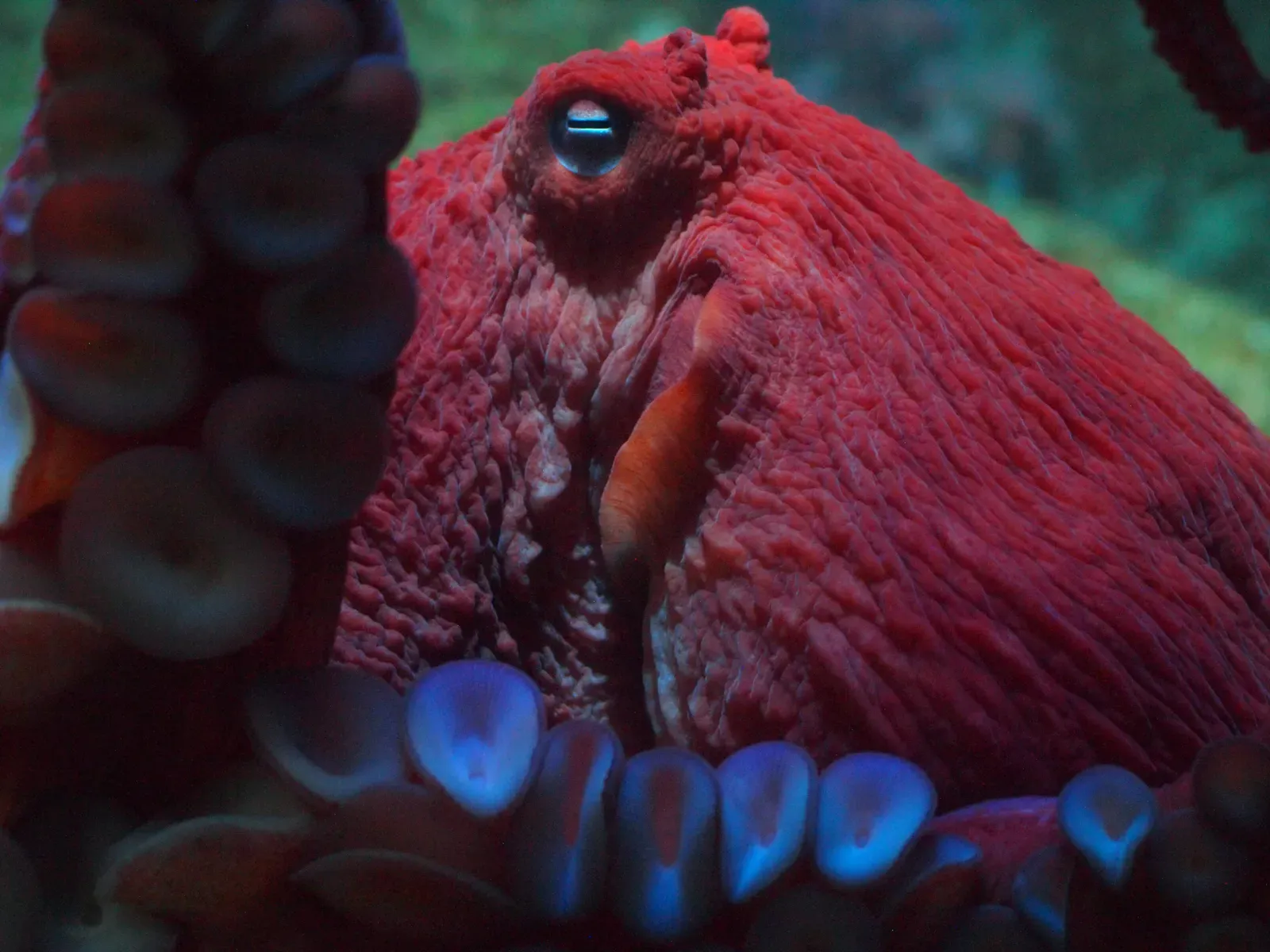
Octopuses show prolonged guarding of injured arms, avoid locations where they previously encountered harm, and alter behavior after tissue damage in ways that go beyond simple reflex withdrawal. Studies indicate they possess the neural structures associated with affective evaluation. These responses occur even though their nervous system lacks the spinal cord and brain organization typical of vertebrates.
The distributed neurons may allow localized sensations to register as unpleasant while the central regions integrate that information into avoidance or protective actions. Because the biology differs so sharply from our own, the quality of any such experience would almost certainly feel alien. Still, the behavioral and physiological markers align with the criteria used to infer sentience in other animals.
The picture that emerges from these traits is not a scaled down version of human or mammalian awareness but something shaped by an entirely separate evolutionary experiment. Octopuses remind us that consciousness, if it exists in them, need not follow the patterns we know best. Their example keeps the question of what it means to experience the world wide open.
- The Striped Bark Scorpion Won’t Be Seen In These US States - July 24, 2026
- 12 Surprising Facts About the Comanche – The “Lords of the Southern Plains” - July 24, 2026
- Life on Earth May Have Actually Started In Space - July 24, 2026