

There is something deeply moving about watching a mother care for her young – whether it is a human rushing to comfort a crying baby at 3 a.m. or a polar bear sheltering her newborn cubs in a snowdrift while temperatures plunge to terrifying lows. The animal kingdom is, honestly, full of stories that put even the most devoted human parents to the test.
Humans aren’t the only ones who take extraordinary steps to protect, nurture, and raise their young. The animal kingdom is flush with moms that take the time to teach their babies how to find food and protect themselves against the elements. Some of these stories will surprise you. A few may even make you tear up. Let’s dive in.
1. The Orangutan: Nature’s Most Patient Teacher
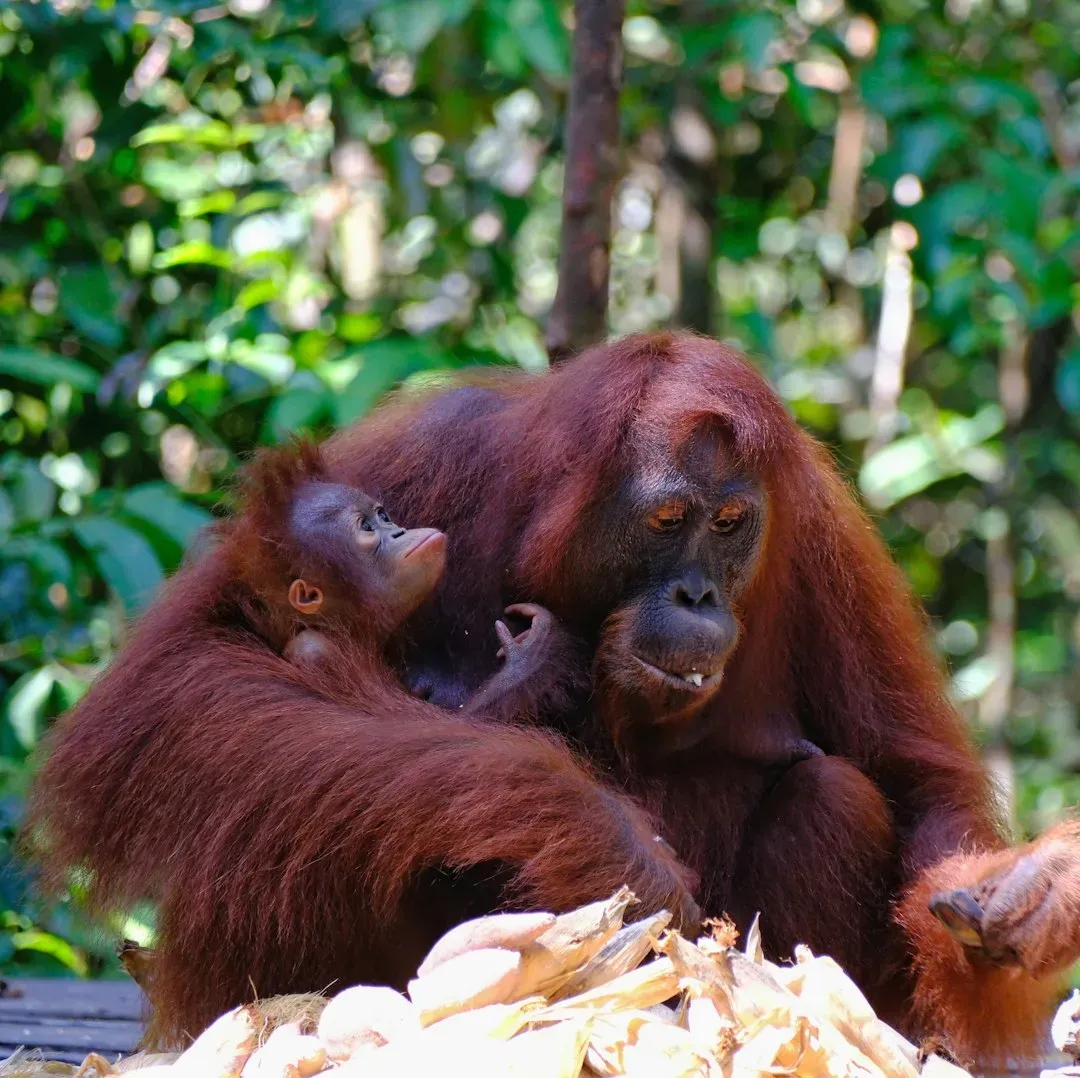
The bond between an orangutan mother and her young is one of the strongest in nature. During the first two years of life, the young rely entirely on their mothers for both food and transportation. Think about that. Total dependency, for two solid years.
The moms stay with their young for six to seven years, teaching them where to find food, what and how to eat, and the technique for building a sleeping nest. That is a longer investment than most college degrees.
Once fully grown and leading independent lives, female orangutans are known to return to their mothers for no reason other than to spend time with them. This behavior goes on until the orangutan reaches 16 years old. It is one of the very few cases in nature where the young return to their mothers so long after leaving them. If that is not a testament to the power of the mother-child bond, I honestly don’t know what is.
2. The African Elephant: A Village That Raises Every Calf
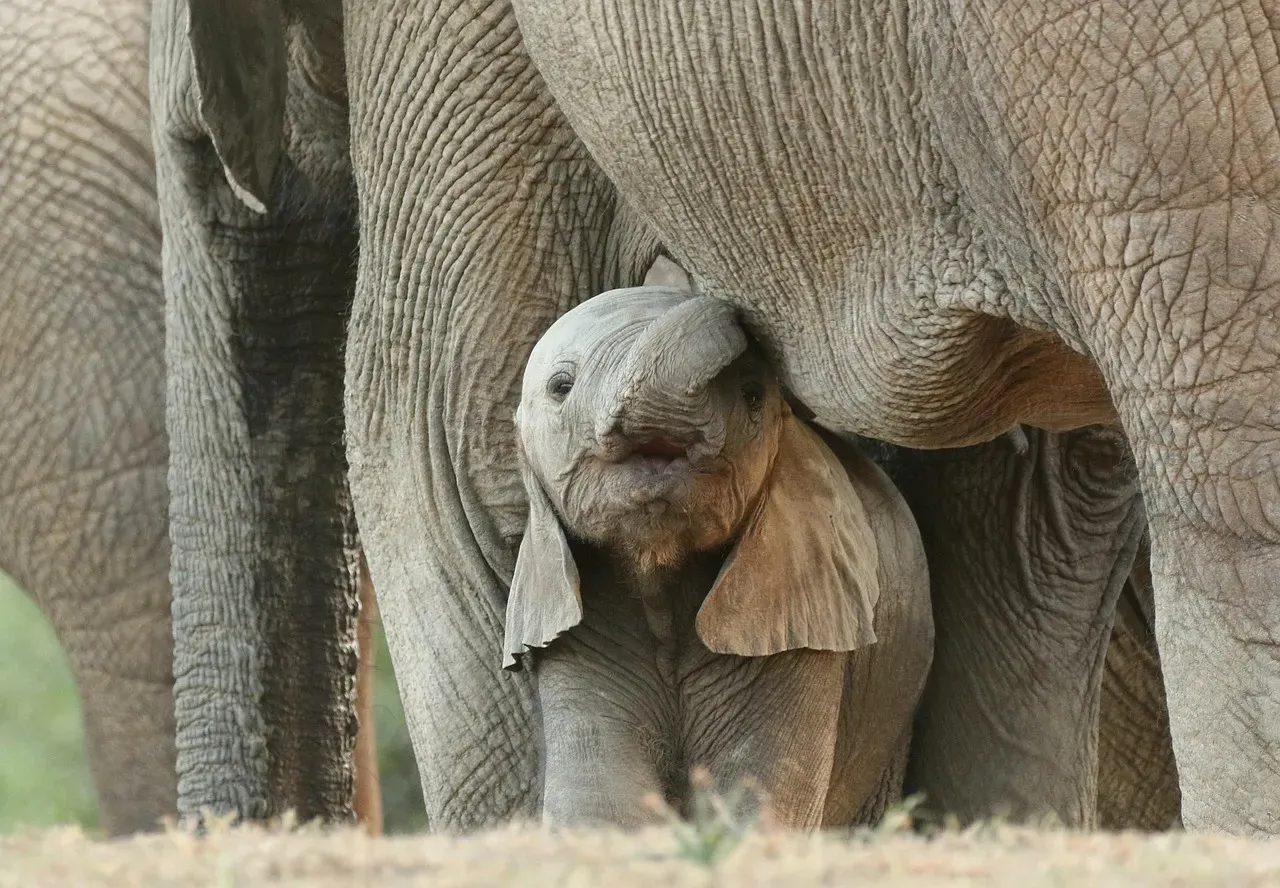
It has been said that the bond between a mother elephant and her calf is the strongest on earth. These amazing mothers carry their young for an incredible 22 months, making an elephant’s gestation period the longest of any species. After such a very long pregnancy, elephants then give birth to calves that normally weigh a whopping 200 pounds or more.
While elephants usually do not raise their calves alone, calling on other females in the herd, known as “allomothers,” to help protect and guide their young, elephants form deep bonds with their calves, caring for them for years and guiding them as they grow.
If one child becomes an orphan, the rest of the herd will adopt it. Elephants also mourn their dead. A bereaved mother will behave in a depressed manner for days while the herd creates a burial of the dead. The emotional intelligence of elephants is nothing short of breathtaking.
3. The Polar Bear: Fasting for Love in the Arctic
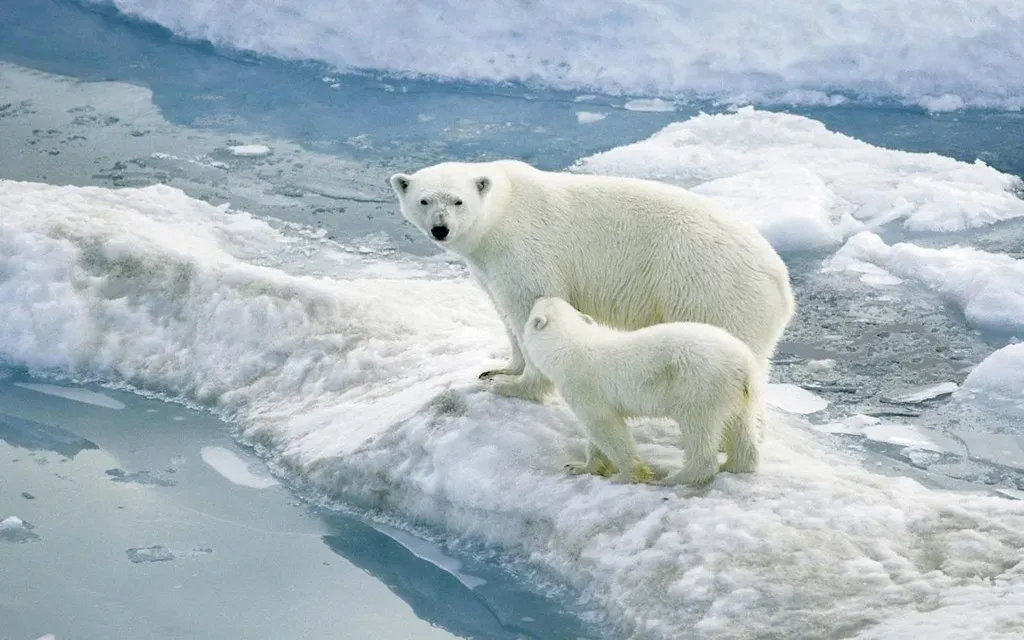
When it comes to sacrifice and dedication, polar bears are right there at the top of the pack. With temperatures in the Arctic circle reaching as low as minus 34 degrees Celsius, these animals do all that they can to protect their young. Before giving birth, adult polar bears seek to gain around 400 pounds during their pregnancy, literally doubling their weight before creating a den in which to give birth.
Mother polar bears do not eat anything during this time period. Instead, they fast as their newborn cubs feed on their milk. The mother’s fasting period lasts around eight months, during which her babies gain weight in abundance. Eight months without food. Let that sink in for a second.
When the cubs are strong enough, she leads them out onto the sea ice, teaching them how to travel, hunt, and survive in one of the most unforgiving environments on Earth. Cubs typically stay with their mother for around two and a half years, relying on her protection and guidance as they learn the skills they need to survive in the wild.
4. The Emperor Penguin: A Journey Measured in Sacrifice
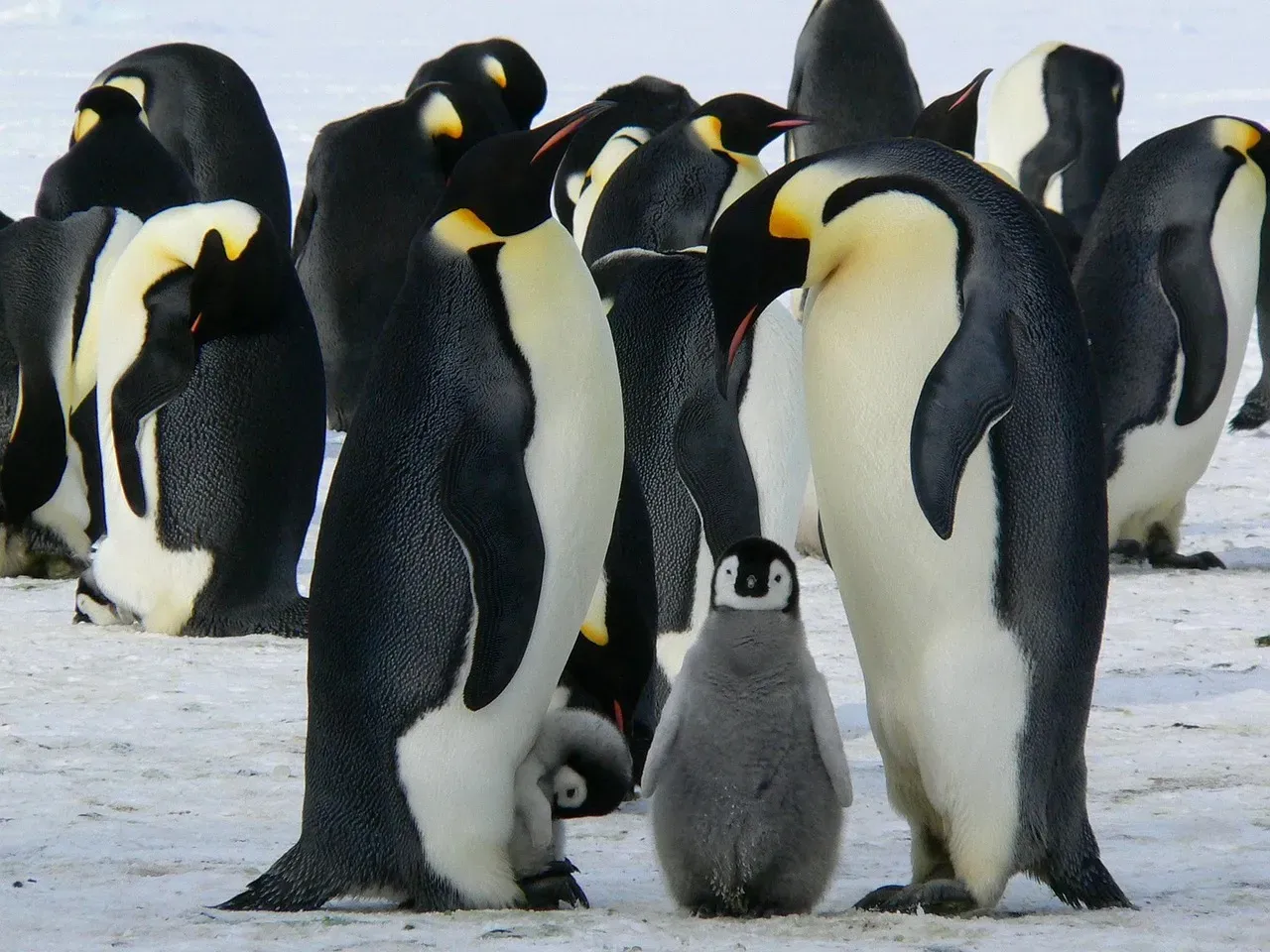
The mother emperor penguin lays a single egg and then passes it over to the father to keep warm. While the father protects the egg, the mother journeys for miles to feed for about nine weeks, preparing to regurgitate food for the chick when she returns. She then relieves the father of his care duties so that he can break his fast.
The mother travels up to 50 miles to reach the ocean and fish. She later returns to the hatching site to regurgitate the food to the newly hatched chicks. Using the warmth of her own brood pouch, the mother keeps the chick warm and safe.
Here is the thing: this is not a comfortable stroll to the grocery store. This is a brutal, frozen march across Antarctica. The sheer determination of these little tuxedoed mothers is awe-inspiring.
5. The Cheetah: Solo Warrior on the Savanna
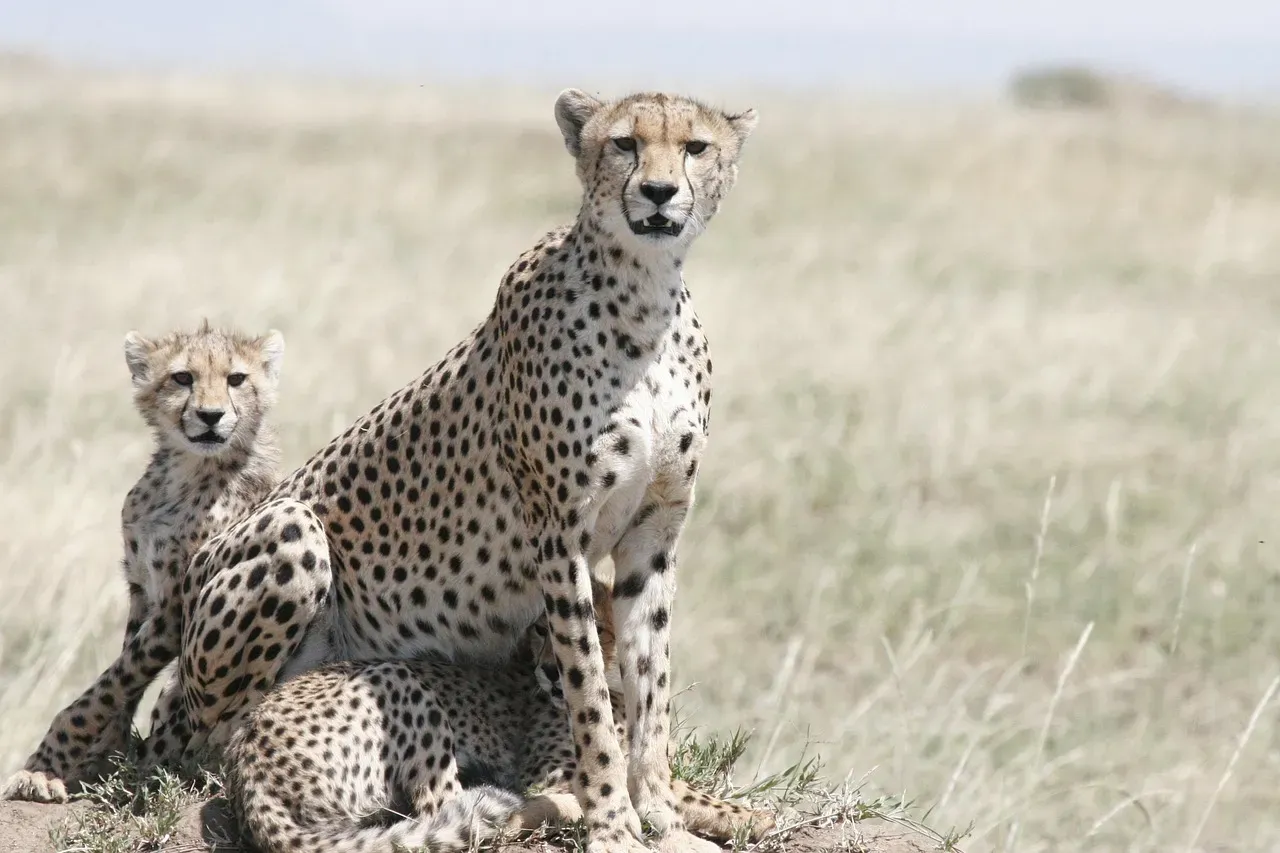
Cheetah mothers raise multiple cubs alone, tasked with the mammoth job of finding safe dens, hunting for food, protecting cubs from predators, and teaching their young the essential survival skills they will need to fend for themselves in the competitive African savanna.
Cheetah mothers raise their young in isolation. They move their litter, usually two to six cubs, every four days to prevent a build-up of smell that predators can track. That is smart, exhausting, relentless work.
For two years, the cubs watch their mother closely. They learn how to use their spotted coats to blend in with the African grasslands. They observe how to burst onto their prey and bring it down quickly. When it comes to surviving and thriving, their mother is the best teacher they could have.
6. The Gorilla: Tender Giants of the Forest
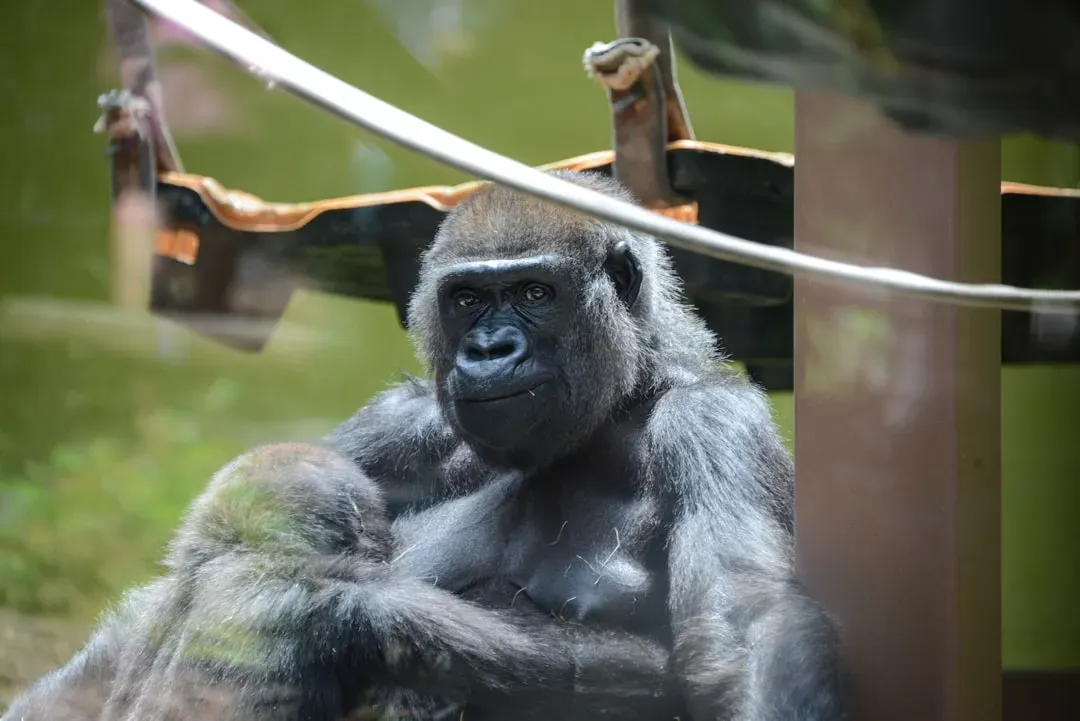
Gorilla mothers are incredible parents, nurturing and maintaining close physical contact with their infants for the first several months of life. Young gorillas constantly contact their mothers for their first six months and nurse for about 2.5 to 3 years. The bond between mother and offspring is strong, with young gorillas depending on their mothers for protection and socialization.
Initially, gorilla mothers carry their babies everywhere against their chests, and then later have them ride on their backs. Think of it like the world’s most loving – and furry – baby carrier.
Gorilla infants grow much faster than humans. They start playing, smiling, and bouncing at just eight weeks. There is something genuinely joyful about that image.
7. The Humpback Whale: A Bond Measured in Ocean Miles
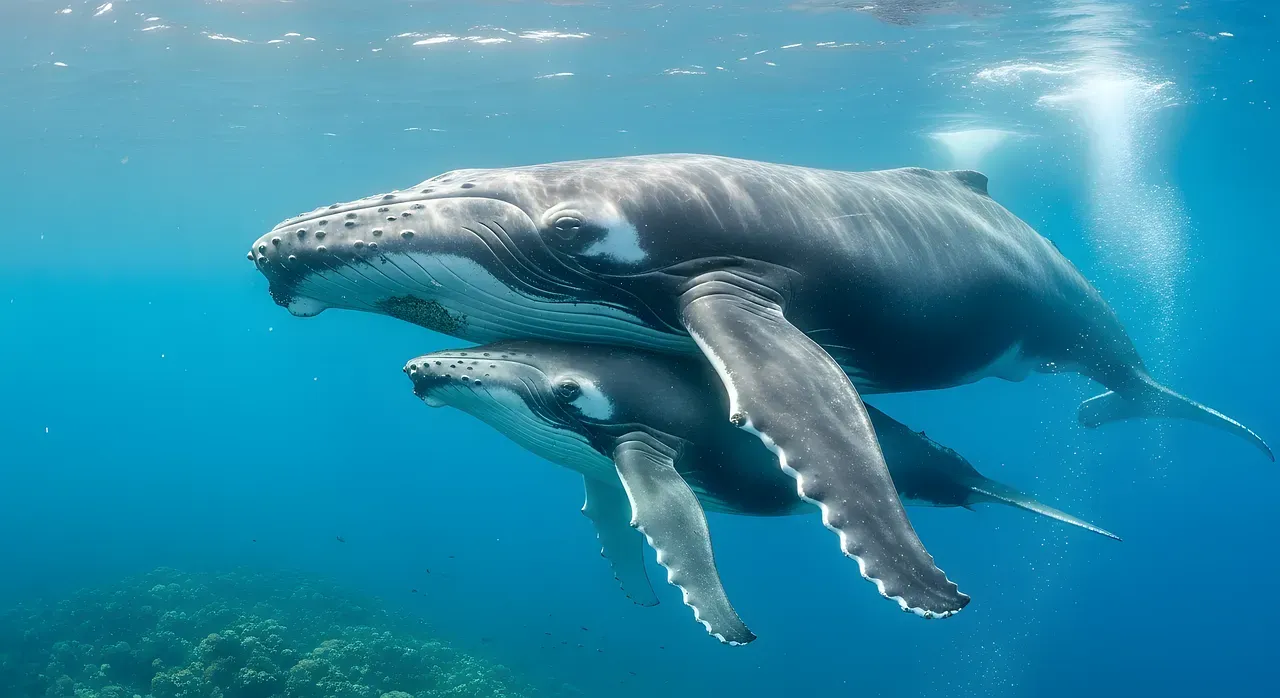
Humpback whale mothers go to great lengths to care for their calves. They travel far to give birth in warm tropical waters, then embark on long migrations while nursing their young on rich, fatty milk. A mother humpback whale can lose up to one-third of her body weight while nursing her calf.
After bringing the baby to the water’s surface for its first breath, the humpback whale mother stays with her calf for a year, never straying more than a body length away. She will patiently watch the baby unsuccessfully attempt to breach or flap its tail, then demonstrate proper humpback technique. Mothers and babies also touch each other’s flippers, in what many believe is a gesture of affection.
Losing a third of your body weight for your child. I think most human moms would settle for a nice thank-you card, but this whale takes dedication to a whole new level.
8. The Orca: Lifelong Devotion Below the Waves
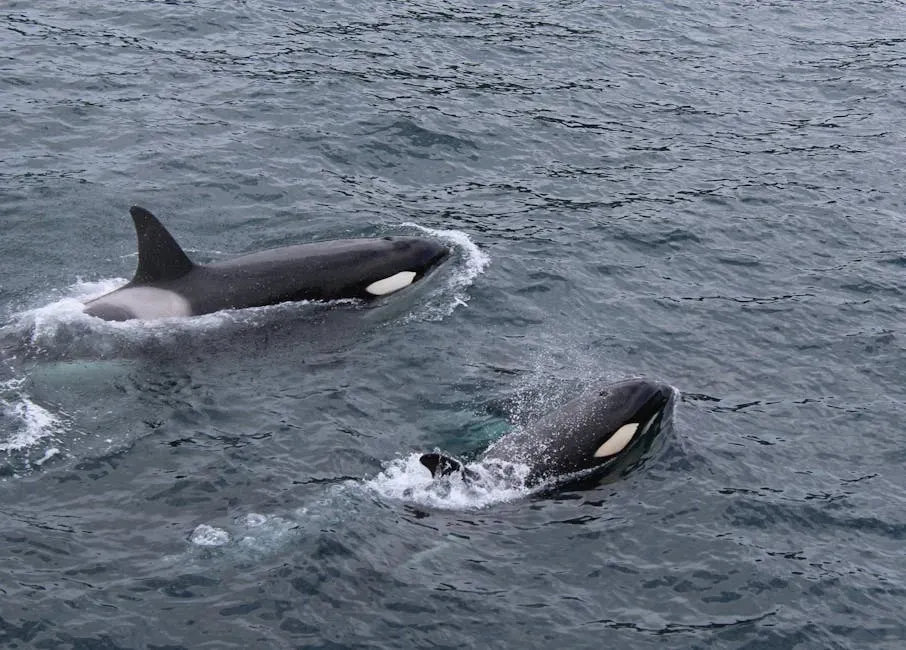
Resident orca mothers and their children stay together their entire lives, even after the young have offspring of their own. Mothers have just one calf every five years, and mothers watch over their young around the clock.
Calves don’t sleep for the first month of their lives, so mothers go without sleep too. Throughout its life, a resident orca will only separate from its mother for a few hours at a time to forage and mate.
Orca moms make a lifelong career out of taking care of their children. The males are all too content to allow their mothers to defend them and even feed them salmon she has caught. Mama’s boys? Absolutely. Judged? Not even a little.
9. The Octopus: The Ultimate Sacrifice
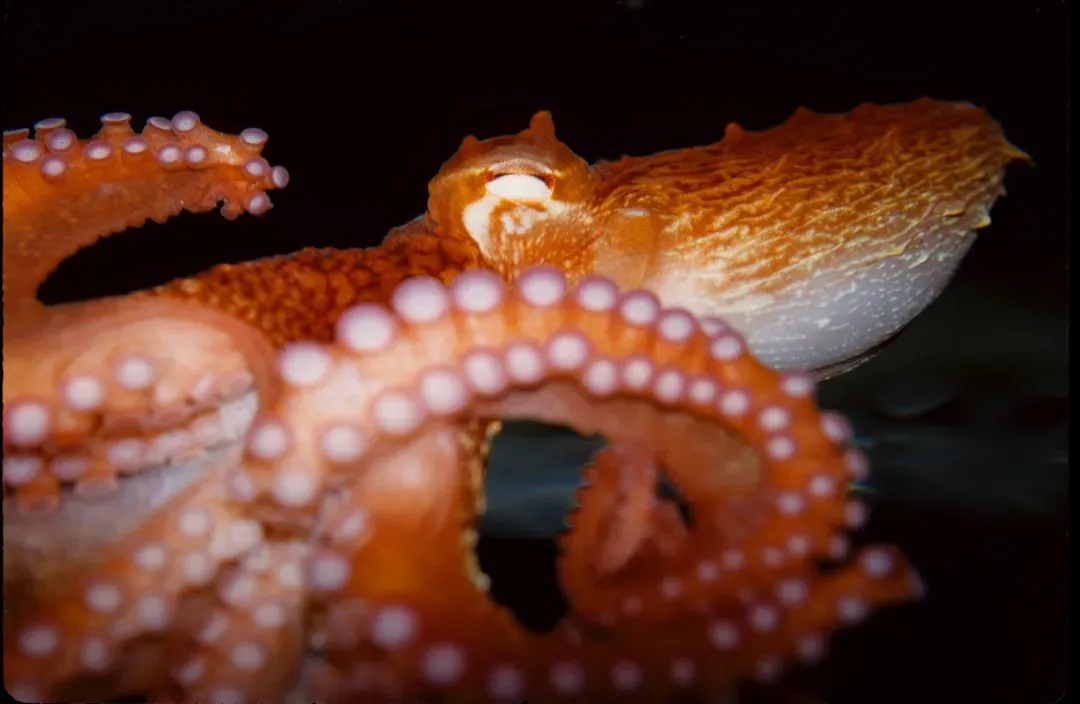
This one is genuinely heart-wrenching. Deep beneath the waves lies perhaps the most extreme example of maternal dedication. After laying up to 100,000 eggs, an octopus mom stops eating completely to guard her brood. For six months, she blows fresh water over the eggs and fends off predators. By the time her babies hatch, she is too weak to survive. This ultimate sacrifice ensures her offspring have the best possible start in life.
After years of starving, her body breaking down, her life force depleting, she uses the last of her energy to blow her babies into the ocean, and then quietly passes away. The giant Pacific octopus gives the ultimate sacrifice for her young so that they may live and flourish.
It is a story that reads like the saddest, most beautiful poem. She never even gets to see them grow up.
10. The Alligator: Jaws That Cradle, Not Crush
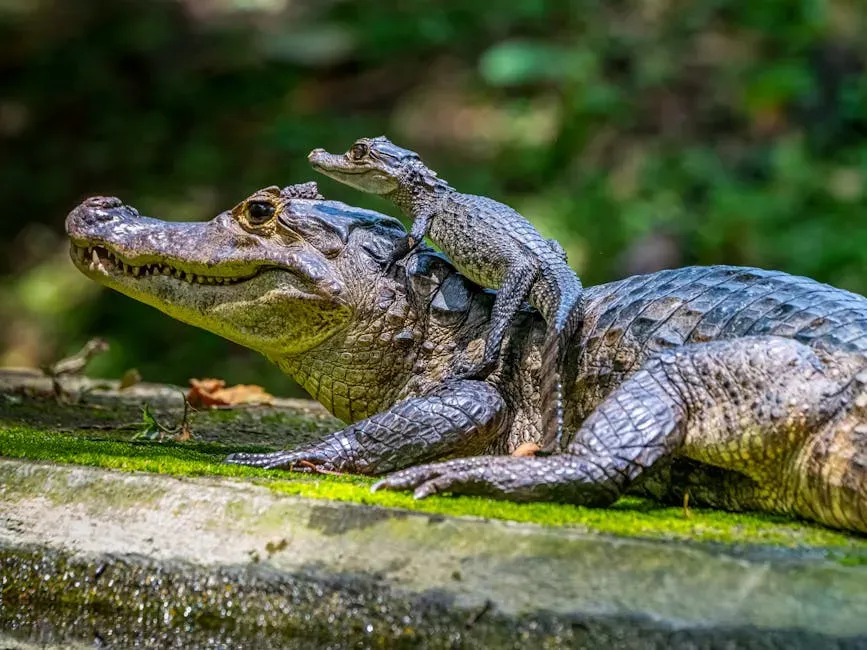
Let’s be real: when most people picture an alligator, they picture a predator, not a devoted mother. Yet the reality is extraordinary.
Despite their fearsome reputation, crocodile moms show remarkable gentleness when moving their babies. After guarding eggs for three months, she delicately cracks them open when she hears babies chirping inside. She carries up to 15 hatchlings at once in her mouth, the same jaws that can crush bones, without harming a single baby. This gentle transport to water showcases the surprising tenderness hidden beneath her armored exterior.
Once in the water, the babies stay close to their mother for up to two years, benefiting from her protection and guidance as they grow and learn to navigate their surroundings. This maternal care is crucial for the survival of baby alligators, as they face numerous predators in their early stages of life.
11. The Dolphin: Teaching Before Birth Even Begins
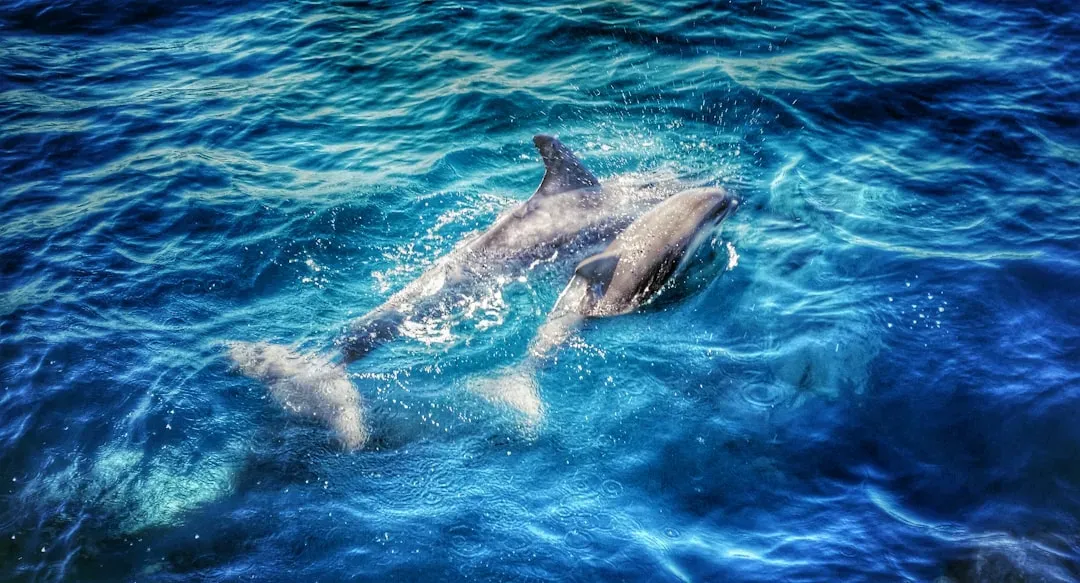
Dolphin mothers sing signature whistles to their unborn calves. Scientists believe that dolphins perform this behavior to ensure that their offspring learn their own signature sound prior to birth, and they reinforce this sound to their calves in the weeks following.
Some species of dolphins are such vigilant “helicopter parents” that they don’t even sleep for a full month after their babies are born. Sleep deprivation in the name of motherhood. Universally relatable, it seems.
Dolphin mothers are known for their parenting skills and extended care of their young, with calves remaining by their mother’s side for several years. This prolonged period allows the calves to learn complex social behaviors and hunting techniques. Dolphin societies are characterized by intricate social networks, with juveniles often receiving care and protection from other pod members.
12. The Koala: The Weirdest, Sweetest Feeding Strategy
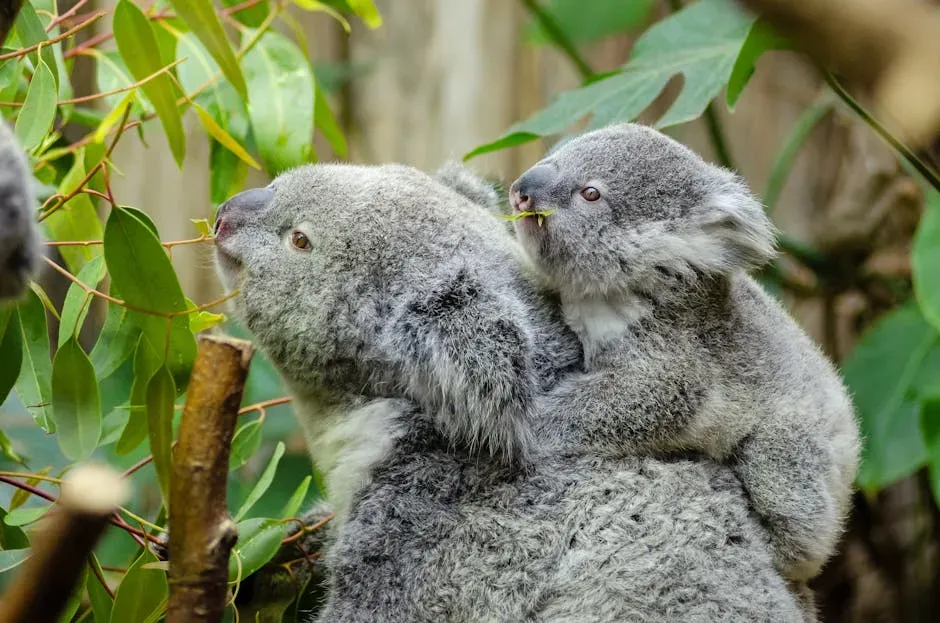
Honestly, the koala’s approach to motherhood is one of the strangest – and yet most touching – in all of nature. Koalas eat the leaves of a plant called the eucalyptus, which is highly poisonous. Adult koalas can safely digest these leaves, but their joeys cannot. So, mother koalas chew their own poop and feed it to their joeys.
Before a baby koala can digest toxic eucalyptus leaves, it needs special bacteria. Mom feeds her joey “pap,” a special form of her droppings rich in gut microbes. Disgusting? Maybe. Ingenious? Absolutely.
Kangaroos, close marsupial cousins in concept, are only pregnant for 21 to 38 days before giving birth to a joey that can be as small as a grain of rice. They care for their remarkably vulnerable babies by carrying them in their pouches for months, maintaining constant skin-to-skin contact. Kangaroos only emerge permanently from their mother’s pouch at 10 months old, but continue to periodically suckle from their mother for another 8 to 11 months.
13. The Giant Panda: Cradling the Tiniest of Lives
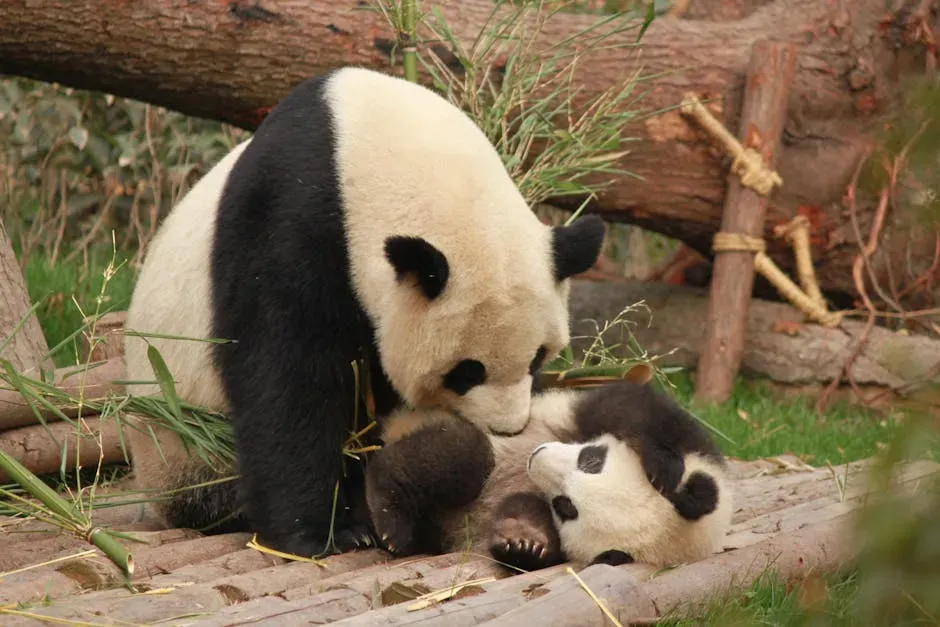
Newborn pandas are incredibly vulnerable, blind, and tiny, weighing in at just three to five ounces, almost as small as newborn kangaroos. Panda moms, at an average of 300 pounds, have to take a lot of care in protecting their tiny, helpless infants, which is why they cradle them almost constantly until the baby is big enough to move around on its own, at about three months old.
Think of it like a basketball gently cradling a grape. The size difference between a panda mother and her newborn is genuinely shocking – one of nature’s most dramatic contrasts. The tenderness required is immense.
It is hard to say for sure whether pandas are aware of how fragile their young are, but their instinctual response to that vulnerability is a remarkable display of maternal care that has captured the hearts of millions around the world.
14. The Wolf Spider: Carrying Everything on Her Back
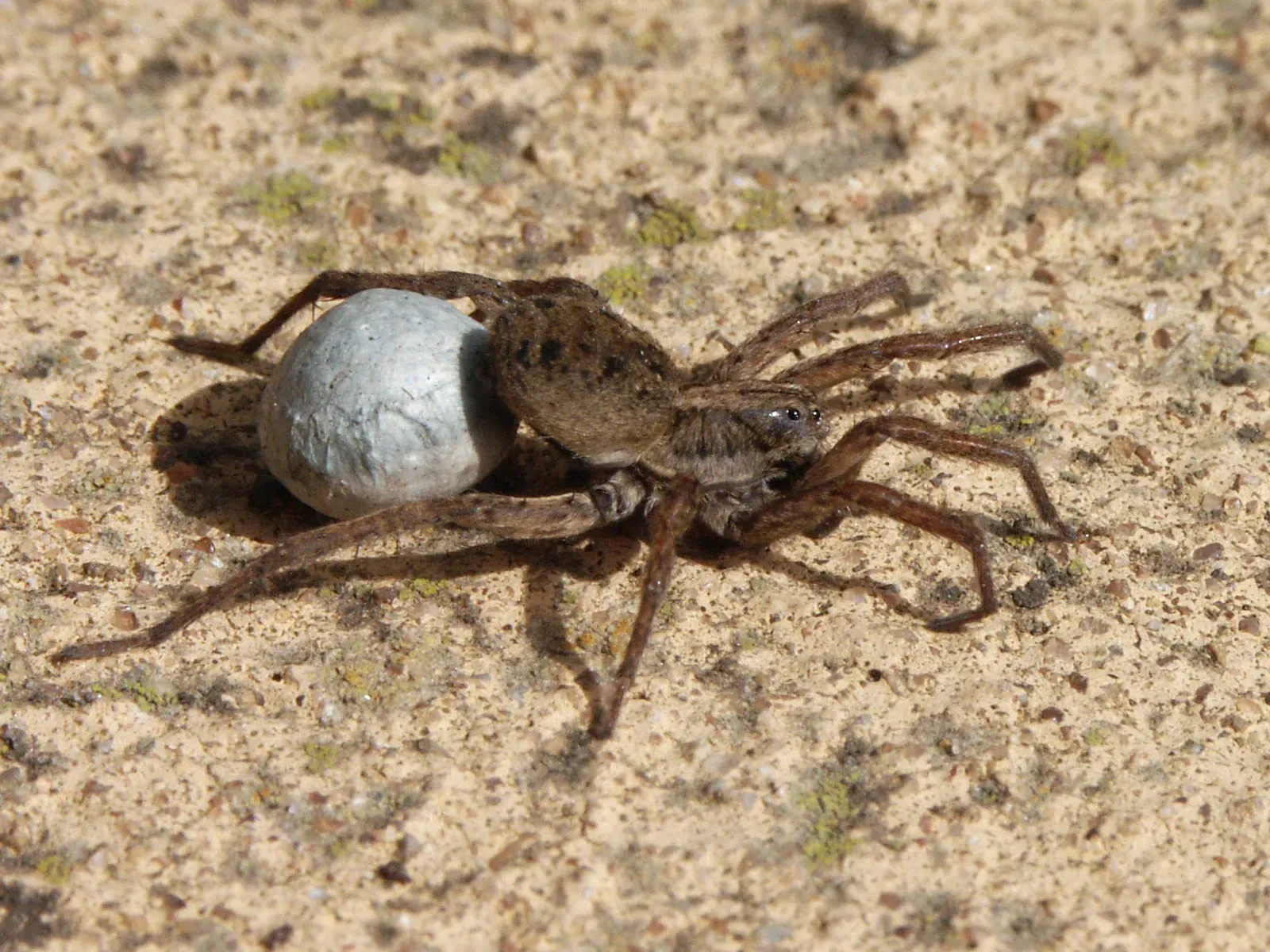
While most spiders wrap their eggs in a silken pouch and leave them behind, a wolf spider straps her egg sac to her body. She carries the sac along wherever she goes. If it happens to fall off, the wolf spider will frantically search for it.
Unlike other species that attach their egg sac to a safe stationary place, these mothers drag theirs around attached to the end of their abdomens and hold it up to keep it from dragging on the ground. After the spiderlings hatch, they immediately climb onto their mother’s back, where they ride around for a few weeks before striking out on their own.
I know it sounds crazy, but there is something weirdly relatable about a mother who literally carries every single one of her children on her back at the same time. Many human parents will understand the sentiment, even if the literal experience differs significantly.
15. The Hummingbird: Solo Mother Extraordinaire
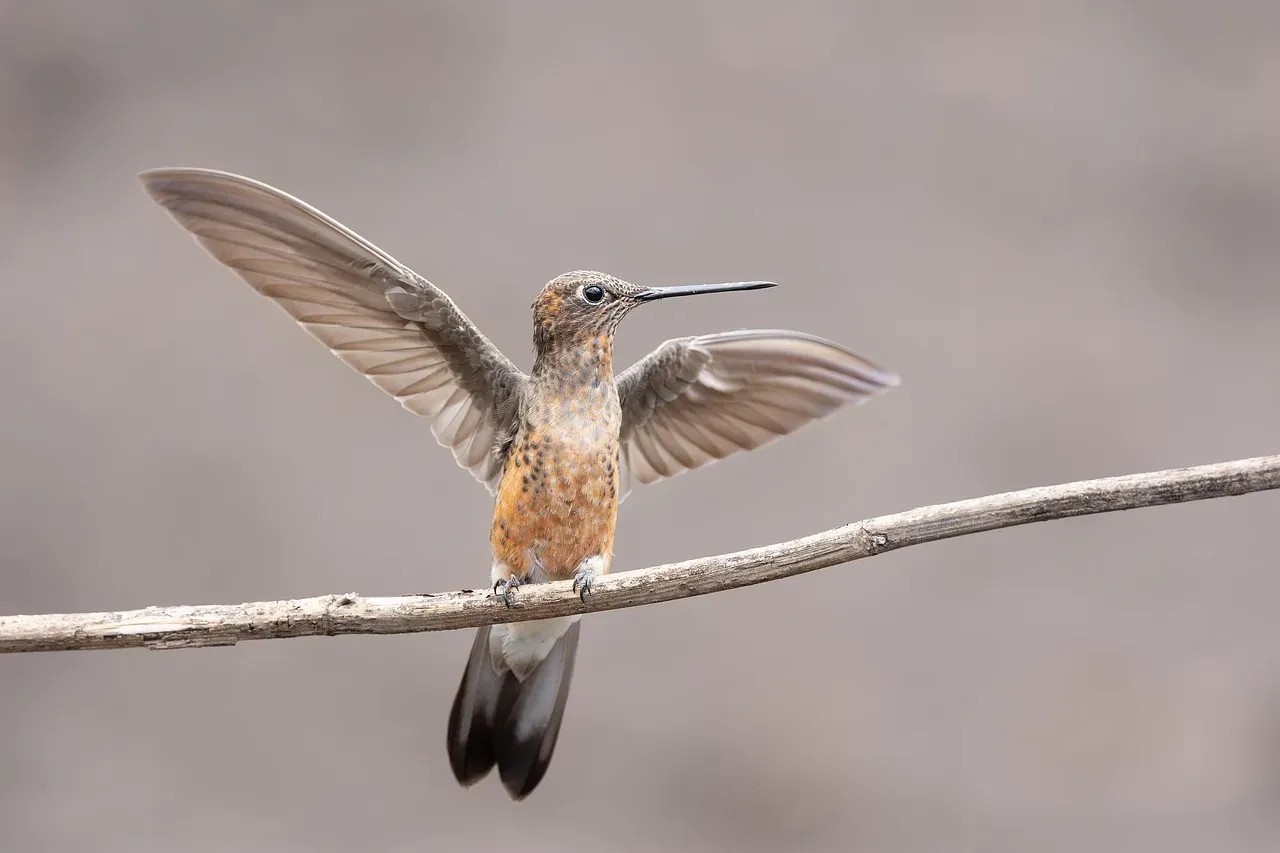
Mother hummingbirds do it all: they build the nest, incubate the eggs, and feed the babies. Since the chicks cannot fly around to gather nectar and insects themselves, she does it and regurgitates the mixture into their open mouths.
It takes so many trips to feed them that the mother usually locates her nest close to a food source. Strategy, endurance, and solo parenting all rolled into one tiny, wing-beating marvel. The hummingbird mom receives no help, asks for no help, and still manages to raise her young entirely on her own terms.
There is something deeply inspiring about that. A creature weighing barely a few grams, doing everything, every single day, without complaint.
The Unbreakable Thread of Motherhood
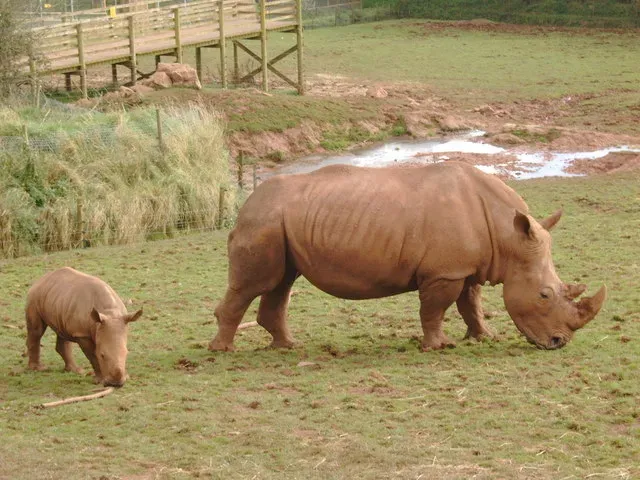
Across species, across continents, across ecosystems, one truth keeps emerging: the drive to protect and nurture one’s young is one of the most powerful forces in nature. Nature showcases incredible motherly love beyond the human world. Wild animal moms display amazing dedication, often risking everything to protect and nurture their young. From teaching survival skills to providing warmth and food, these wild mothers show that maternal instinct crosses all species boundaries.
What is remarkable is how diverse that dedication looks. Some mothers sacrifice sleep. Some sacrifice food. Some sacrifice their very lives. An octopus starves so her eggs survive. A polar bear doubles her body weight just to sustain her cubs through winter. A dolphin sings to her unborn child. None of these mothers had a parenting book to follow.
Motherhood in the animal kingdom takes many forms, some heart-warming, others particularly ruthless. Yet even in the wildest, most primal corners of the natural world, love finds a way to express itself. The next time you feel in awe of a parent’s devotion, remember that somewhere out there, an octopus gave her life for hers – and a hummingbird is making her hundredth flight of the day to feed her chicks, completely alone.
Which of these incredible animal mothers surprised you the most? Tell us in the comments below.

- 14 Bizarre Hummingbird Behaviours in Your Garden That Mean Something Completely Different to What You Think - June 13, 2026
- 11 Strange Things Hummingbirds Do Every Summer That Experienced Gardeners Finally Understand - June 12, 2026
- 15 Weird Things Hummingbirds Actually Want From Your Garden – Most People Never Think to Try - June 12, 2026