

Living in the Lone Star State means dealing with a pretty wild mix of weather conditions. We’re talking about scorching triple-digit summers that seem to last forever, sudden winter freezes that can shut down entire cities, and everything in between. If you’re a cat lover in Texas, you’ve probably wondered which feline companions can handle this rollercoaster climate without breaking a sweat – or, well, without overheating.
Honestly, choosing the right breed matters more than most people realize. Texas throws almost every weather challenge imaginable at our pets, from intense heat waves to those rare but brutal cold snaps. The good news? Several cat breeds have evolved with physical traits that make them natural survivors in environments just like this. Some come from scorching desert regions, others from places with dramatic temperature swings, and a few just happen to have the perfect combination of features for Texas living. Let’s dive in and discover which furry friends are best equipped to thrive alongside you, no matter what Mother Nature decides to throw your way.
1. Abyssinian: The Ancient Heat Champion
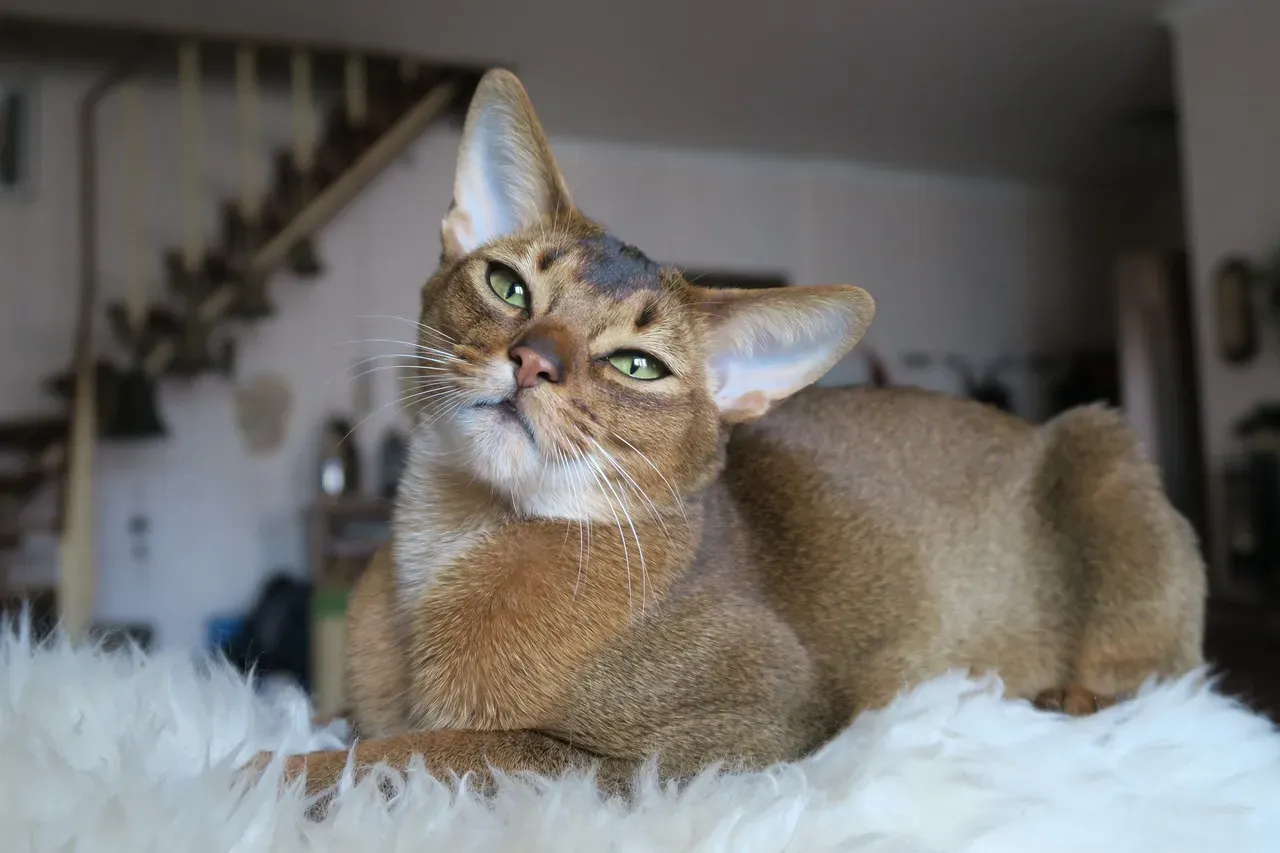
The Abyssinian, with origins speculated to be in Southeast Asia and coastal areas of the Indian Ocean, thrives in warm climates thanks to its short, fine coat and active lifestyle, with its sleek, ticked jacket providing heat dissipation. This breed looks absolutely stunning with its ticked fur that shimmers in sunlight, making them one of the most elegant cats you’ll ever meet.
What makes Abyssinians particularly suited for Texas is their lean, muscular build that helps them regulate body temperature efficiently. They don’t carry excess bulk that would trap heat, which is crucial during those brutal Texas summers when temperatures regularly climb above 100 degrees.
Abyssinians are known for their high energy levels and curiosity, which drive them to explore and play – activities well-supported in sunny, open spaces, with their lean, muscular build facilitating efficient body heat regulation. They actually enjoy basking in warm spots, unlike some breeds that become lethargic in heat.
These cats are incredibly intelligent and social, making them wonderful companions who will follow you around the house. Their short coat requires minimal grooming, and they naturally shed less than longer-haired breeds, which is another practical advantage.
During those occasional Texas cold snaps, Abyssinians do just fine indoors with a cozy bed and normal household temperatures. Their adaptability to temperature changes within reasonable ranges makes them exceptionally well-suited to the Texas climate year-round.
2. Siamese: Thailand’s Gift to Hot Climates
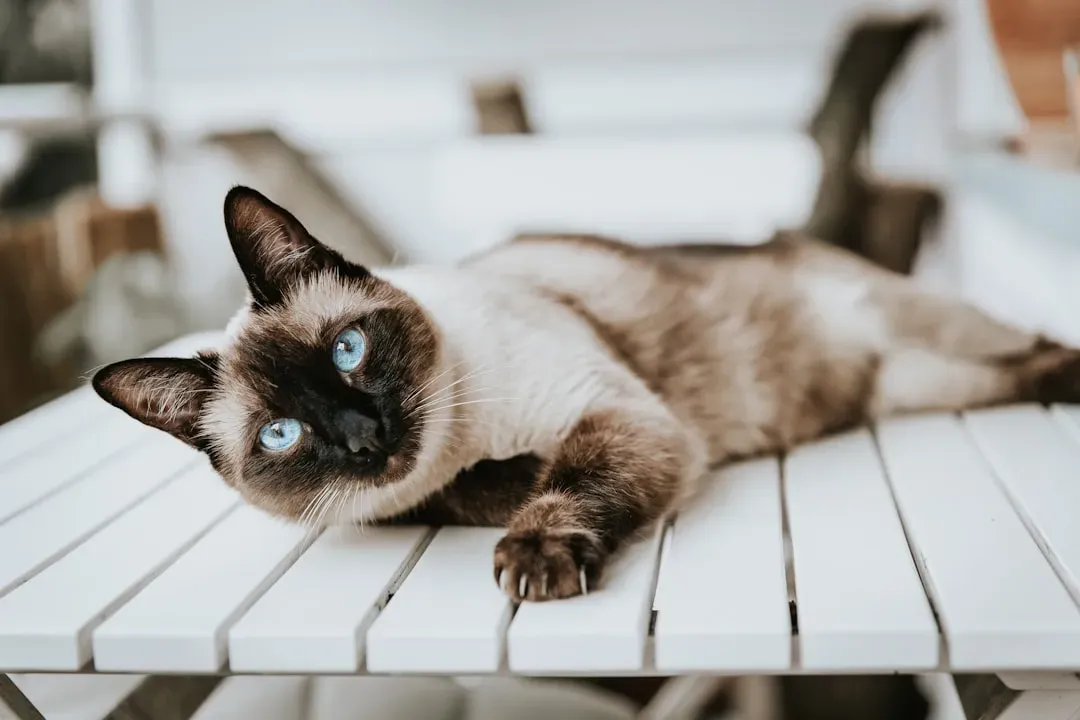
The Siamese cat, originating from Thailand – known for its tropical climate – is naturally adept at living in warm conditions. If any breed was born to handle heat and humidity, it’s definitely this one. Thailand’s climate closely mirrors what we experience in much of Texas during summer months.
Siamese cats have incredibly short, fine coats that lie close to their bodies, providing minimal insulation. This means they don’t trap excess heat like fluffier breeds would. Their slender, elongated bodies also help with heat dissipation through a larger surface area relative to their mass.
Beyond their physical advantages, Siamese cats are extremely vocal and social. They’ll let you know immediately if they’re uncomfortable, which can be helpful for monitoring their wellbeing during extreme weather. These cats form incredibly strong bonds with their humans and thrive on interaction.
Their large ears aren’t just adorable – they actually serve a practical purpose in hot weather by allowing heat to escape more efficiently. Nature really knew what it was doing when it designed these elegant felines for tropical living.
When winter arrives in Texas, Siamese cats adapt well to indoor living and will seek out warm spots like sunny windowsills or your lap. They’re versatile enough to handle the state’s temperature fluctuations as long as they have access to climate-controlled indoor spaces during extreme conditions.
3. Bengal: Wild Heritage, Tough Constitution
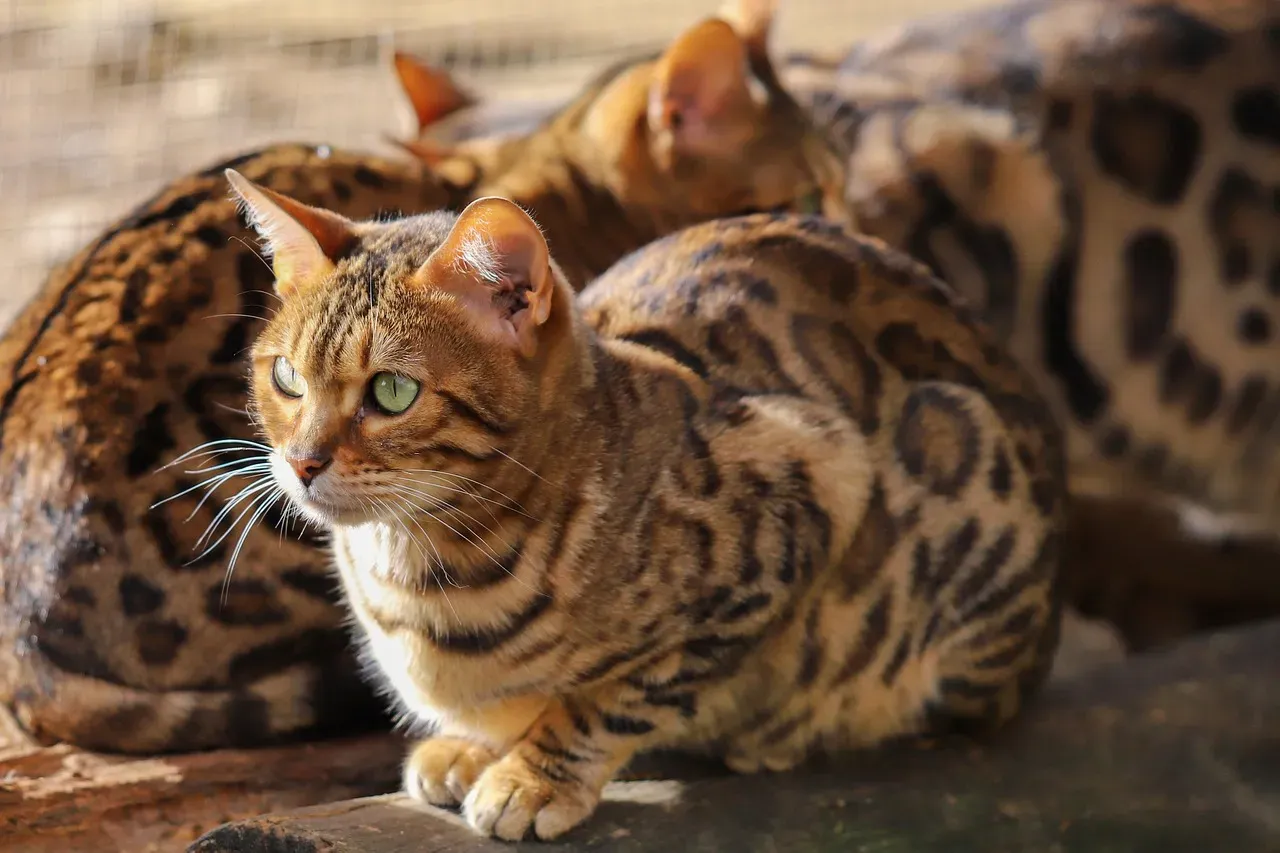
Bengal cats are well-adjusted to high temperatures, with Bengal’s not-so-distant ancestors, Asian leopards, thriving in the hot desert and tropical climate zones in Asia, with their wild heritage showing in their heat tolerance. This isn’t just some domestic kitty – this is a breed with genuine wild cat genetics that give it exceptional environmental adaptability.
Bengals have short, dense coats that are surprisingly low-maintenance despite their exotic spotted or marbled patterns. These markings aren’t just for show; they’re a reminder of the breed’s heritage from regions with intense heat and variable conditions.
The Bengal is a medium to large-sized cat that is generally quite long, lean, and muscular, weighing up to 6.8 kg, and they are energetic, smart, playful, and love being around water. That water-loving trait becomes incredibly valuable during scorching Texas summers when they can cool themselves down.
These cats are extremely active and athletic, which means they generate body heat efficiently but also know how to regulate it. They’re constantly moving, jumping, and exploring, so they naturally seek out cooler spots when needed.
Water play becomes especially valuable during hot weather for cooling down. You might find your Bengal splashing in their water bowl or even joining you near a fountain, which is both entertaining and practical for Texas heat management.
4. Egyptian Mau: Desert-Born Survivor
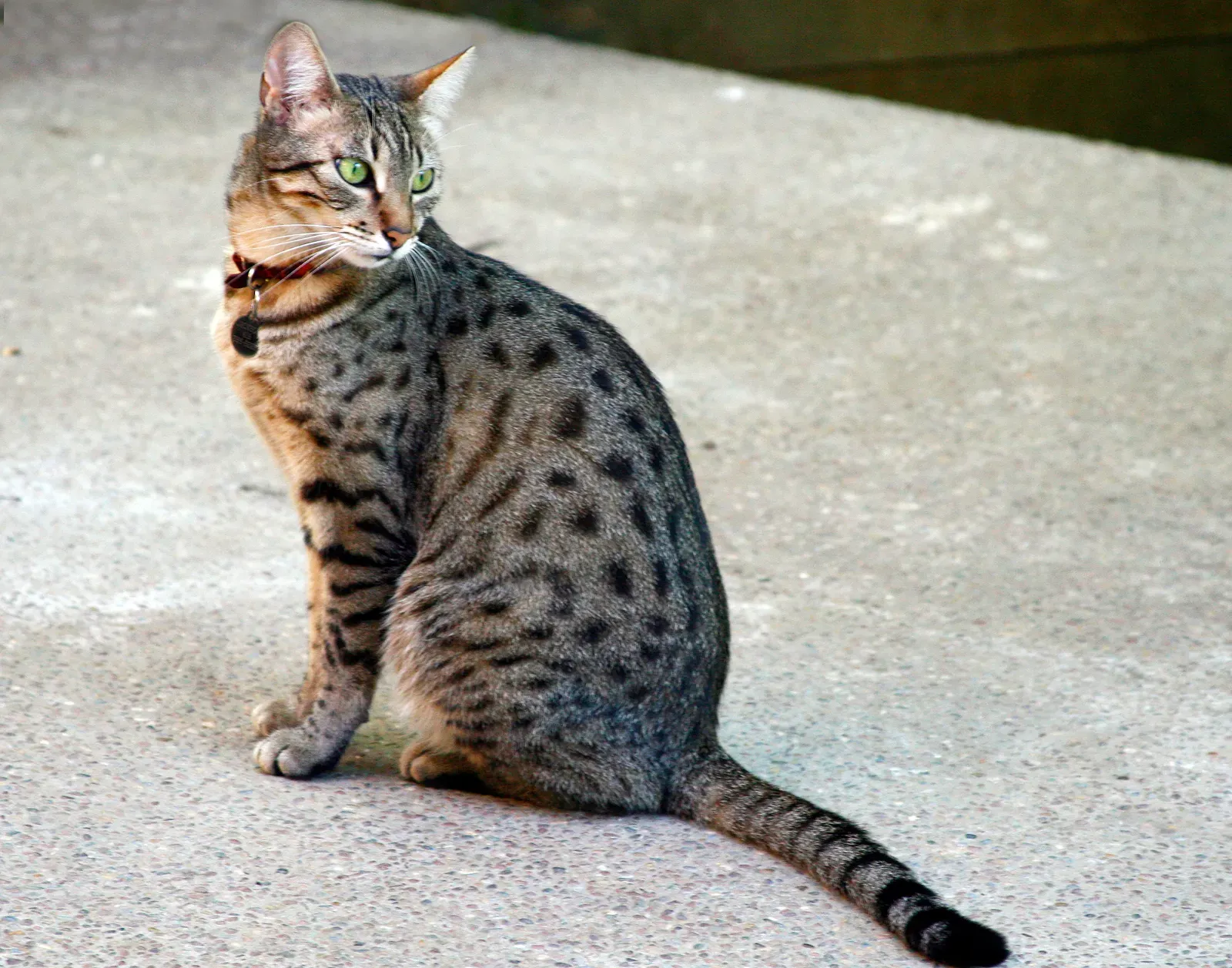
The Egyptian mau has an athletic build that makes them great jumpers and runners, and they enjoy warm climates and have short furs to help them thrive. When you think about Egypt, you think about extreme heat and arid conditions – exactly the kind of environment that prepared this breed for Texas summers.
The Mau’s spotted coat is not only gorgeous but also functional. Short and close-lying, it provides minimal insulation while still protecting their skin from sun damage. These cats are built for speed and agility, with powerful hind legs that make them incredible jumpers.
What’s fascinating about Egyptian Maus is their natural affinity for warmth. While many cats seek shade during peak heat, Maus are comfortable in temperatures that would send other breeds scrambling for air conditioning. They genuinely seem to enjoy basking in sunny spots that most cats would avoid.
These cats are highly intelligent and can be quite independent, though they do form strong bonds with their chosen humans. They’re also one of the fastest domestic cat breeds, capable of running at speeds up to 30 miles per hour when motivated.
During Texas winters, Egyptian Maus handle the occasional cold snap just fine indoors. Their adaptability to temperature extremes – as long as they’re not prolonged – makes them surprisingly resilient for year-round Texas living.
5. Singapura: Tiny But Mighty Heat Expert
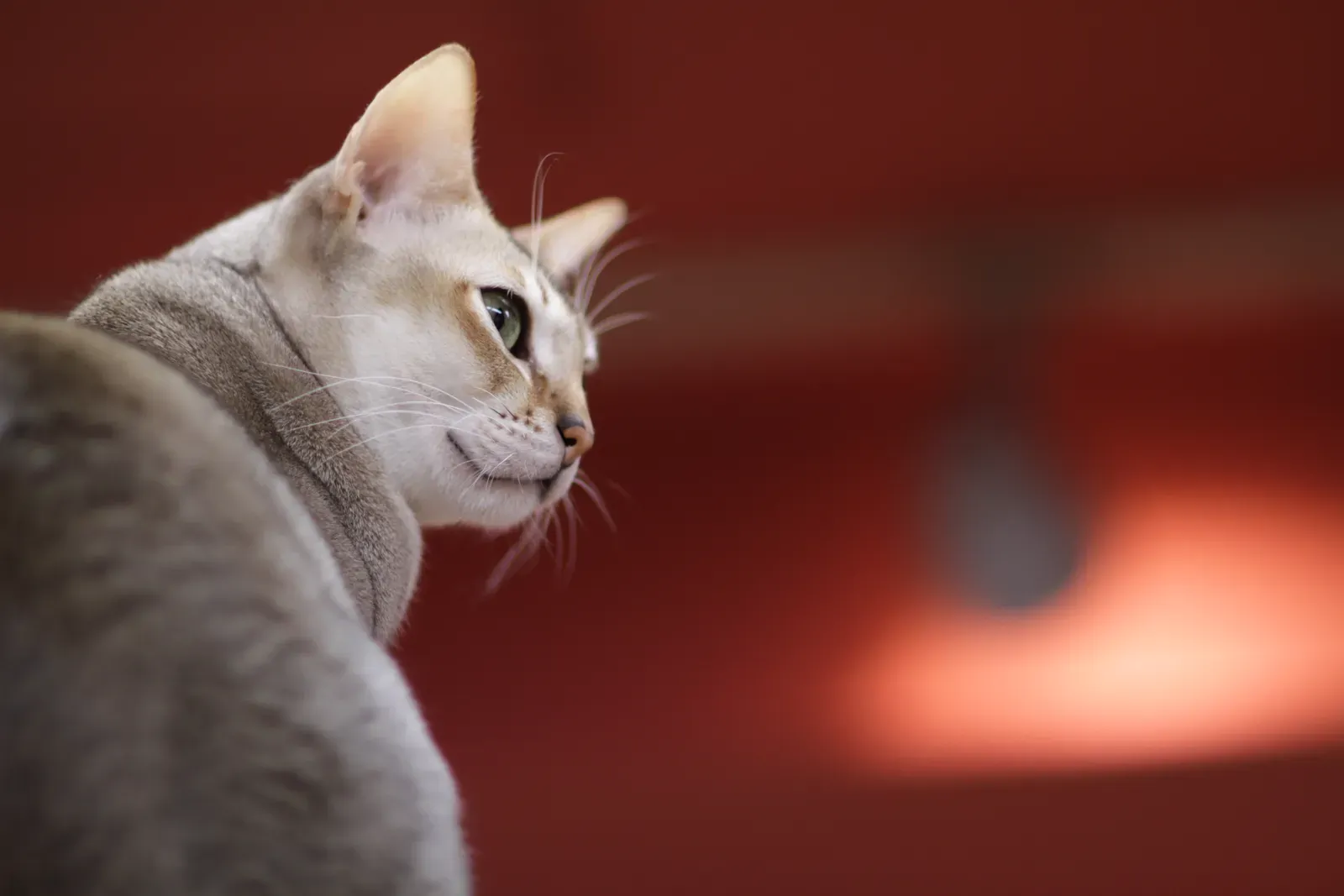
Singapura cats certainly originated in Singapore, a small city-state in SE Asia with a tropical climate and lots of humidity, and are small felines with short furs and large ears – physical characteristics that make them perfect for hot climates. If you live in humid East Texas or along the Gulf Coast, this breed is practically custom-built for your climate.
Despite being one of the smallest cat breeds, Singapuras have big personalities and even bigger ears. Those oversized ears aren’t just cute – they’re functional radiators that help dissipate excess body heat efficiently. It’s an evolutionary adaptation that works perfectly in hot, humid environments.
Their short, fine coat requires almost no grooming and provides minimal insulation, which is exactly what you want in a hot climate cat. The less fur they have to trap heat, the more comfortable they’ll be when temperatures soar.
Singapura cats are small felines with short furs and large ears – physical characteristics that make them perfect for hot climates. Their small body size also means they generate less metabolic heat compared to larger breeds, giving them another advantage in Texas summers.
These cats are incredibly social and playful, often described as having kitten-like personalities well into adulthood. They adapt well to apartment living and indoor life, which is important for keeping them safe during both extreme heat and those rare winter freezes.
6. Burmese: Tropical Adaptation at Its Finest
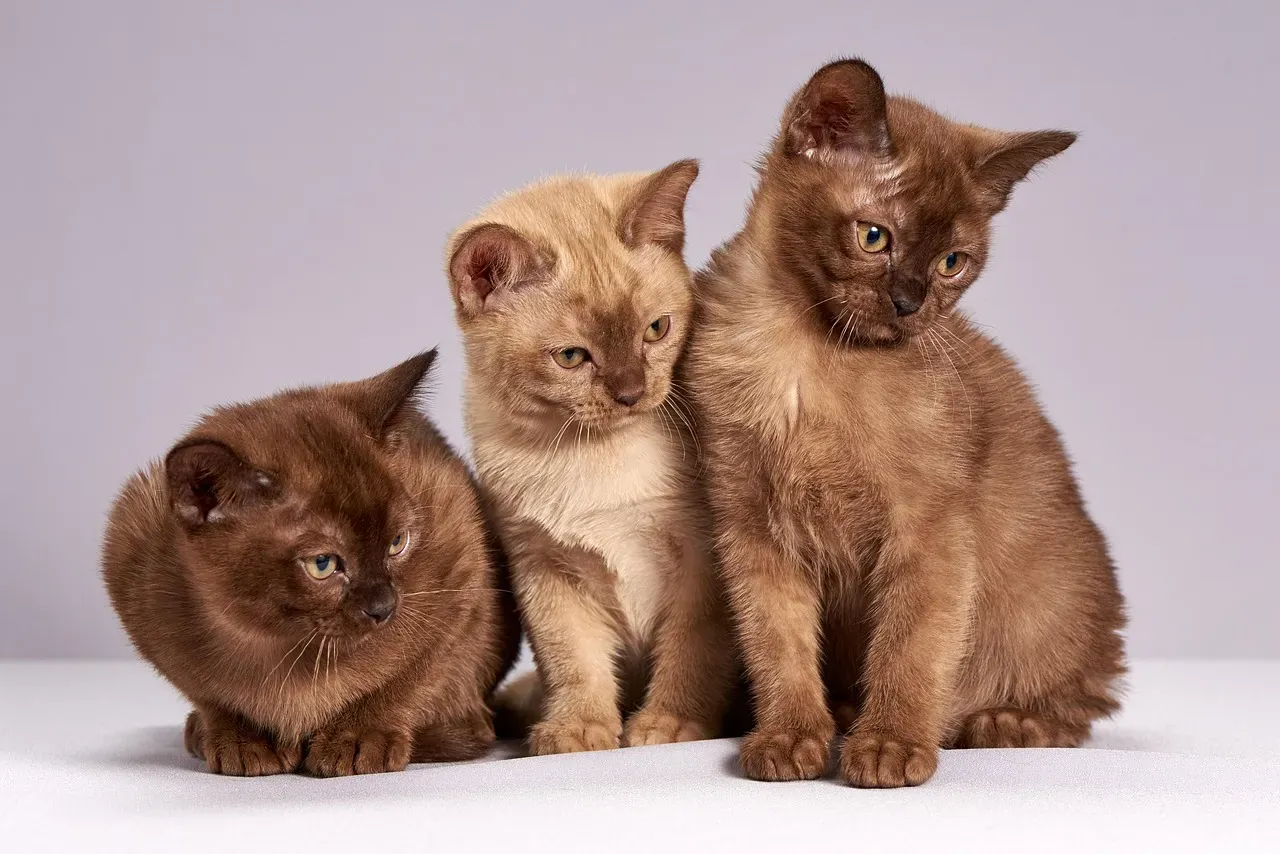
Burmese cats originated in the territory of former Burma, modern Myanmar, which has a tropical to sub-tropical hot monsoon climate – a climate that can be really challenging to people and animals that aren’t used to it, and Burmese cats are certainly accustomed to this climate. Myanmar’s weather patterns closely resemble what you’d experience in the more humid parts of Texas.
These compact, muscular cats have short, silky coats that feel like satin to the touch but provide excellent heat management. They’re heavier than they look, which means they have good muscle mass for their size, but their coat keeps them from overheating despite their solid build.
Burmese cats are incredibly people-oriented and affectionate. They’re often described as dog-like in their devotion to their humans, following you from room to room and wanting to be involved in everything you do. This social nature means they’re happiest indoors with their family, which protects them from weather extremes.
Burmese cats might not have as large ears as Abyssinians, but they are well-equipped for hot climates with their short furs. Their slightly rounder body shape compared to some other breeds doesn’t seem to hinder their heat tolerance at all.
When those occasional Texas cold fronts roll through, Burmese cats handle them well by curling up in warm spots and adjusting their activity levels. Their adaptability makes them reliable companions through all of Texas’s seasonal quirks.
7. Cornish Rex: Unique Coat, Exceptional Heat Tolerance
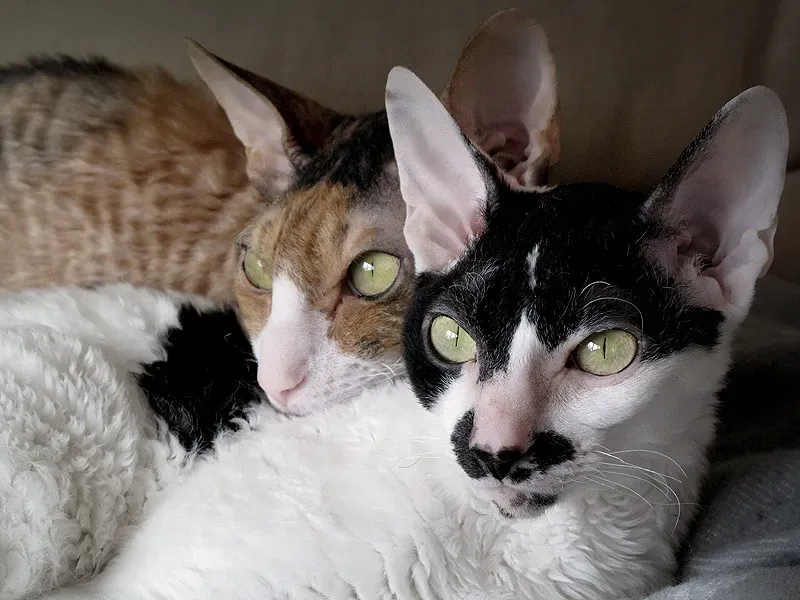
Cornish Rex cats differ from previously mentioned breeds because they don’t originate from a place with hot weather – their place of origin is the UK, known for moderate temperatures – but their physical features make them another great choice for hot climates. Sometimes the best adaptations happen by accident rather than evolution in specific environments.
The Cornish Rex has one of the most unusual coats in the cat world – short, soft, and wavy with no guard hairs. This gives them a distinctive appearance and exceptional heat management capabilities. Cornish Rex cats have sparse furs, large ears, and slender bodies – exactly the features that are desirable in hot weather.
These cats are incredibly active and playful, often compared to acrobats because of their jumping and climbing abilities. Their high energy level means they’re generating heat through activity, but their unique coat allows that heat to dissipate efficiently rather than getting trapped.
Their slender, whippet-like build also contributes to their heat tolerance. Less body mass means less heat generation, and their long legs and tail provide additional surface area for heat release. Nature’s engineering at work, even if it happened in chilly England.
During Texas winters, Cornish Rex cats do need a bit more attention to stay warm, but normal indoor temperatures are perfectly adequate. They might seek out warmer spots more actively than some breeds, but they handle the state’s overall climate remarkably well.
8. Savannah: Adventure-Ready Heat Warrior
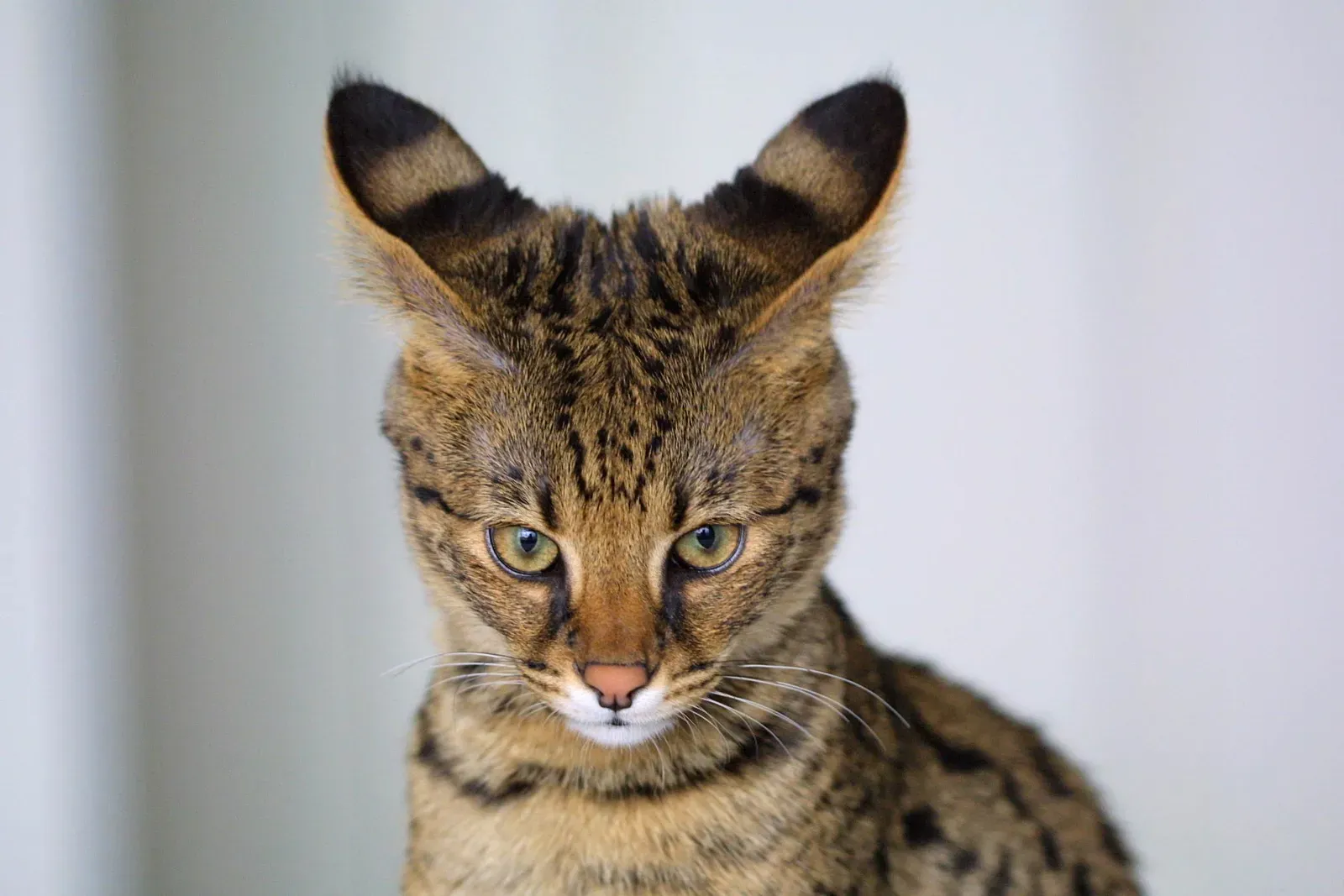
The Savannah cat breed is a hybrid and resembles big cats like cheetah and leopards in both appearance and qualities, and Savannah cats are good for warm weather due to their higher tolerance to extreme temperatures. This is one of the most exotic-looking domestic breeds you can own, and they’re built like miniature wild cats for good reason.
Savannahs have short to medium coats that are easy to maintain and provide minimal insulation. Their tall, lean build gives them an almost regal appearance while also serving the practical purpose of efficient heat dissipation through their long legs and large ears.
Savannah cats are said to have dog-like personalities, loving going for walks, playing in water and always being up for a game of fetch, making them perfect partners for outdoor activities in the sun. Their adventurous nature and water affinity make them uniquely suited to Texas living.
These cats are incredibly intelligent and require significant mental and physical stimulation. They’re not the right choice for everyone, but for active owners who can provide enrichment, they’re exceptional companions. Their size and energy level mean they need space, but they reward you with loyalty and entertainment.
During extreme heat, Savannahs instinctively know to seek shade and cool surfaces. Their wild ancestry gives them strong survival instincts that translate well to managing Texas weather extremes. They’re adaptable, smart, and physically capable of handling whatever climate challenges come their way.
9. Devon Rex: Curly-Coated Charmer
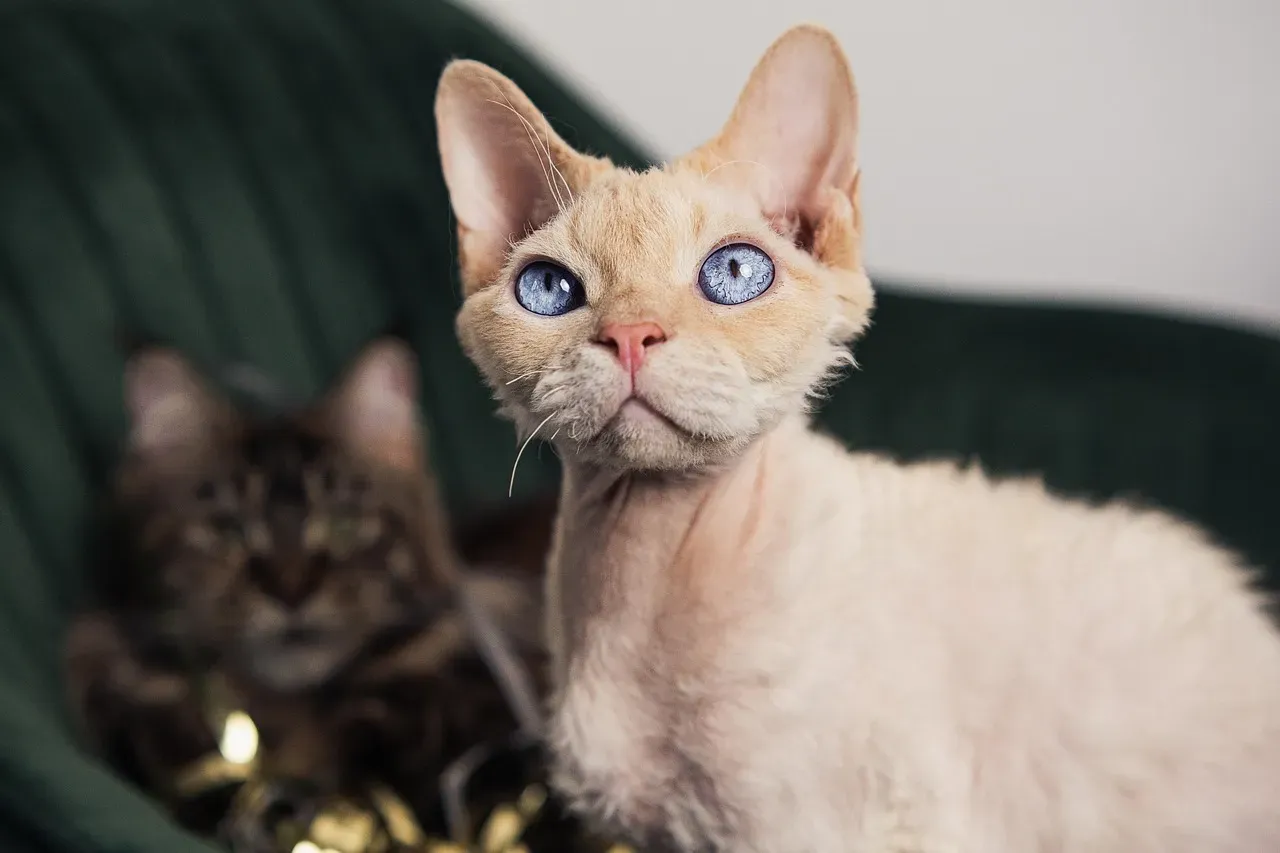
Devon rex cats are highly intelligent and energetic, benefiting from cat trees and interactive toys to keep their bodies and minds busy, with their unique coat structure making them surprisingly heat-tolerant. These pixie-like cats look like something straight out of a fairy tale with their oversized ears and wavy coats.
The Devon Rex has a coat similar to the Cornish Rex but with a slightly different texture. It’s short, soft, and provides minimal insulation, which is perfect for hot weather. Their large ears – sometimes comically oversized for their face – serve as excellent heat radiators.
These cats have slender, muscular bodies that are surprisingly warm to the touch despite their thin coats. They love warmth and will seek out sunny spots, laps, and warm surfaces, but they don’t overheat easily because their coat allows heat to escape efficiently.
Devon Rex cats are incredibly social and playful, often described as having perpetual kitten energy. They’re mischievous, curious, and highly food-motivated, which makes them entertaining companions. Their intelligence means they need mental stimulation to stay happy.
When Texas weather turns cold, Devon Rex cats do appreciate extra warmth, but they adapt well to indoor living with normal heating. Their overall tolerance for Texas’s climate extremes is quite good, especially considering their minimal coat provides so little insulation in either direction.
10. Tonkinese: Balanced Beauty for Variable Climates
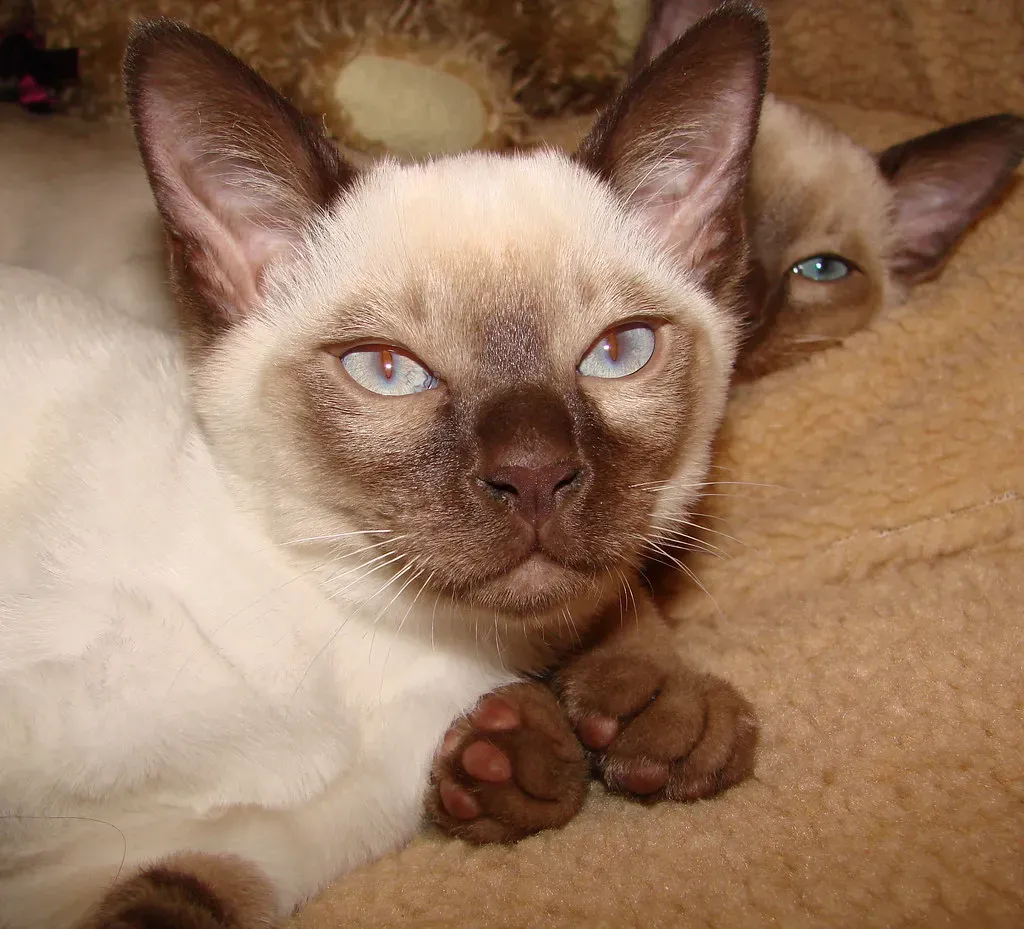
The Tonkinese is a hybrid breed created by crossing Siamese and Burmese cats, which means it inherited heat tolerance from both tropical-adapted parent breeds. This gives them exceptional genetic advantages for handling Texas weather conditions throughout the year.
These medium-sized cats have short, silky coats that require minimal maintenance while providing good heat management. They come in a variety of beautiful colors and patterns, with distinctive aqua eyes that make them visually striking. Their coat lies close to the body without excessive undercoat bulk.
Tonkinese cats are extremely social and affectionate, often described as being the perfect balance between the vocal Siamese and the cuddly Burmese. They want to be involved in everything their humans do and don’t do well when left alone for extended periods.
Their moderate build – not as slender as the Siamese but not as compact as the Burmese – gives them good proportions for heat regulation. They’re athletic and playful but not hyperactive, which means they generate manageable amounts of metabolic heat.
During both scorching summers and occasional winter freezes, Tonkinese cats adapt beautifully to indoor living. Their genetic heritage from two heat-adapted breeds makes them reliable companions for Texas residents who want a cat that can handle the state’s unpredictable weather patterns without special accommodations.
Conclusion: Finding Your Perfect Texas Cat Companion
Choosing a cat breed suited to Texas’s extreme weather isn’t just about comfort – it’s about ensuring your feline friend can thrive year-round without health risks. The breeds we’ve explored share common traits like short coats, lean builds, and often large ears that help them manage heat efficiently while still adapting to occasional cold snaps.
Remember that even heat-adapted breeds need proper care during weather extremes. Always provide fresh water, climate-controlled indoor spaces, and monitor your cat for signs of distress during the hottest parts of summer or those rare but dangerous winter freezes that Texas occasionally experiences.
Texans face a myriad of extreme weather conditions, including droughts, blizzards, thunderstorms, hail, tornadoes, and hurricanes along the coast, with summers characterized by intense heat often reaching triple-digit temperatures. Having a cat breed naturally equipped to handle these challenges makes life easier for both you and your pet.
Whether you’re drawn to the exotic spotted Bengal, the elegant Siamese, or the petite Singapura, each of these breeds brings something special to the table beyond just weather resilience. They’re companions with unique personalities, intelligence, and charm that will enrich your life in countless ways. What surprised you most about these heat-tolerant felines? Tell us in the comments which breed sounds perfect for your Texas home.

- The Dog Breed That Mirrors Your Zodiac Sign - July 19, 2026
- 7 Ways Cats Show They're Secretly Annoyed With You - July 19, 2026
- What Small Dog Breed Are you According to Your Zodiac Sign - July 19, 2026