
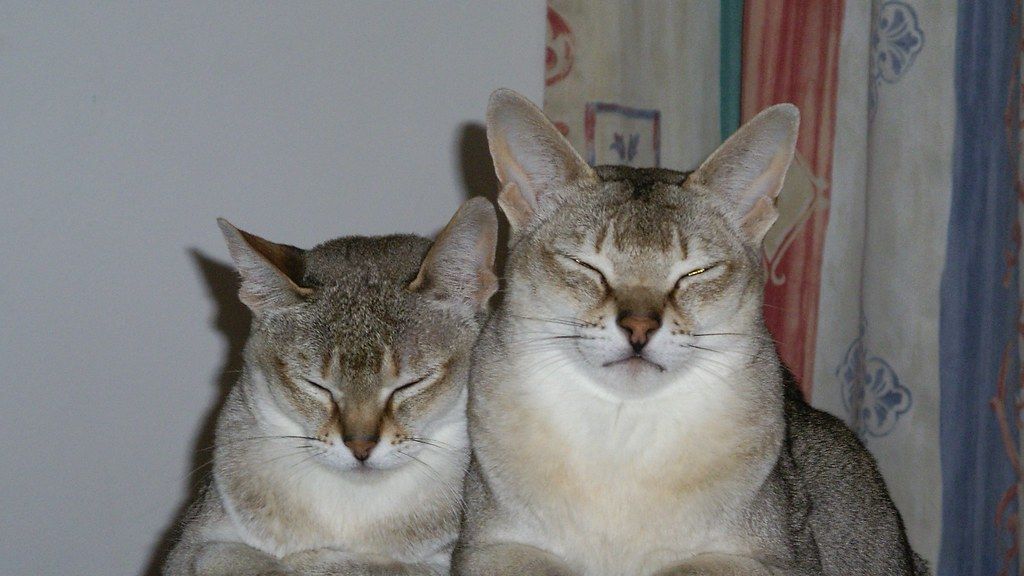
Ever wondered if your feline and canine dreams could coexist under one roof? The truth might surprise you. While some cat breeds practically roll out the welcome mat for their canine cousins, others would rather stage a protest than share their kingdom with a dog.
Honestly, choosing the right cat breed when you already have a dog can make the difference between a peaceful household and a daily circus. The same goes if you’re a cat person considering adding a pup to the mix. Not all breeds are created equal when it comes to cross-species friendships. Some cats have personalities that mesh beautifully with dog energy, while others are, well, let’s just say they’re not interested in making new friends with four legs and a wagging tail.
Let’s dive into the fascinating world of cat breeds and discover which ones will happily share their space with dogs and which ones would prefer to reign supreme without any canine interference. Be surprised by what you’ll find out.
Maine Coon
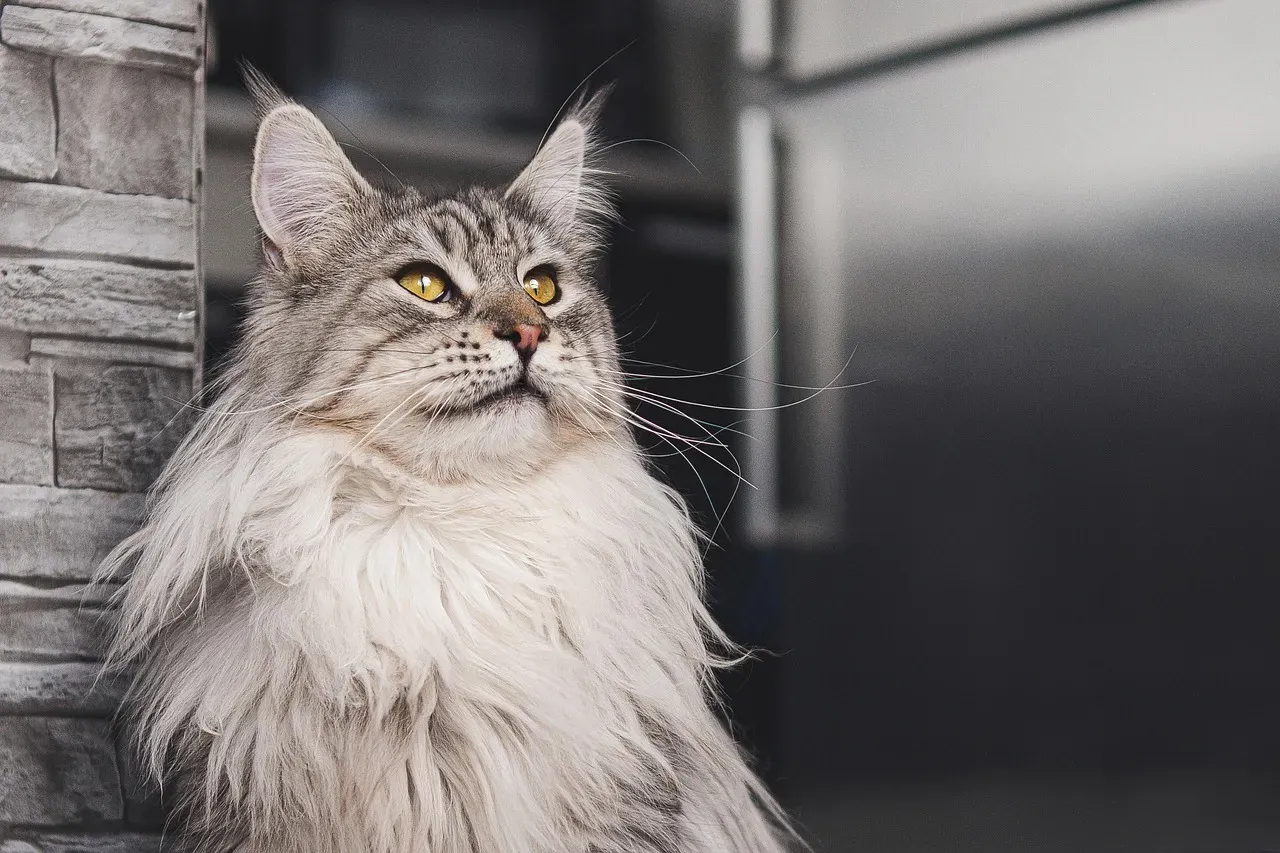
Maine Coons are large furry cats with a dog-like personality that makes them great companions for canine family members. These gentle giants can weigh over 20 pounds and stretch up to 40 inches in length, yet they’re surprisingly easygoing about sharing their territory. Their sheer size means they won’t feel intimidated by most dogs, which gives them confidence in multi-pet households.
They’re known to play ball and cuddle up to dogs they’ve been raised around, and they don’t have a strong territorial instinct. Maine Coons have this relaxed vibe that makes them almost immune to the typical chaos dogs bring. They’ll happily join in on playtime or simply coexist peacefully, making them one of the top choices for dog owners looking to add a feline friend.
Ragdoll
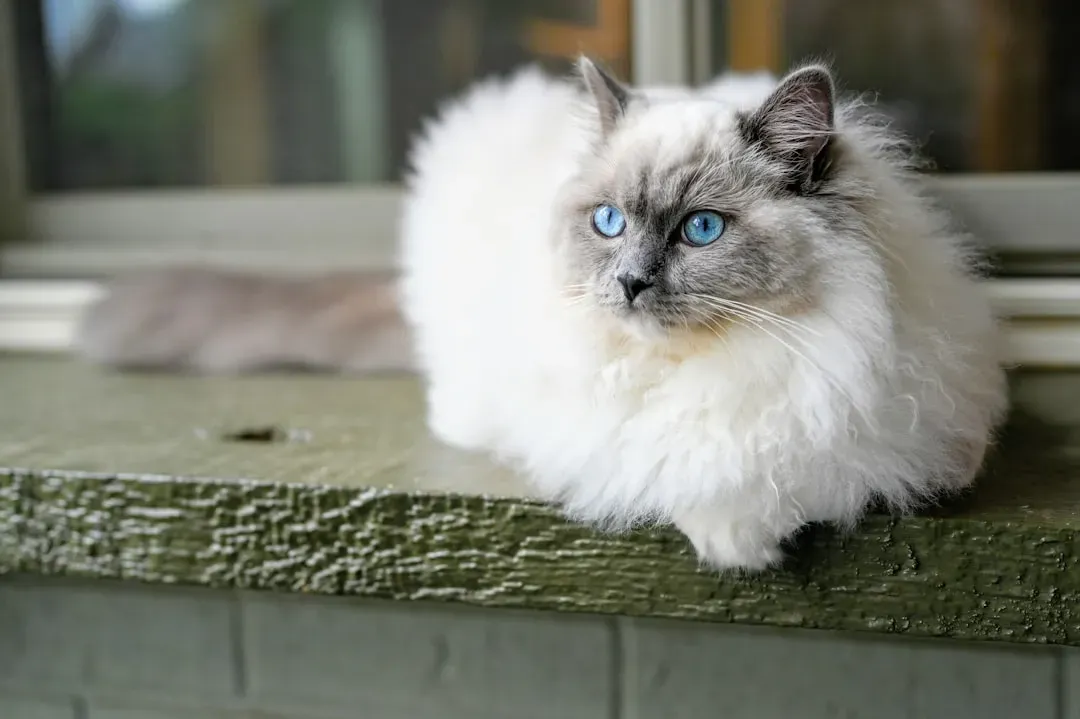
With a name like “Ragdoll,” these sweet kitties have a reputation for being the most docile around and are nearly universally acclaimed for being not only gentle and affectionate but for having a dog-like personality, too. They literally go limp when you pick them up, which tells you everything about their laid-back nature. This breed doesn’t get stressed easily, making them perfect for homes where dogs might be bouncing around with energy.
This semi-longhaired breed is often cited as acting like one of the dog pack, and rather than lurking from towering heights around the home, these friendly felines are much more likely to be found snoozing on the floor as if they’re one of the pups. Their willingness to integrate into the household dynamic makes them exceptional companions for dogs of all sizes.
Abyssinian
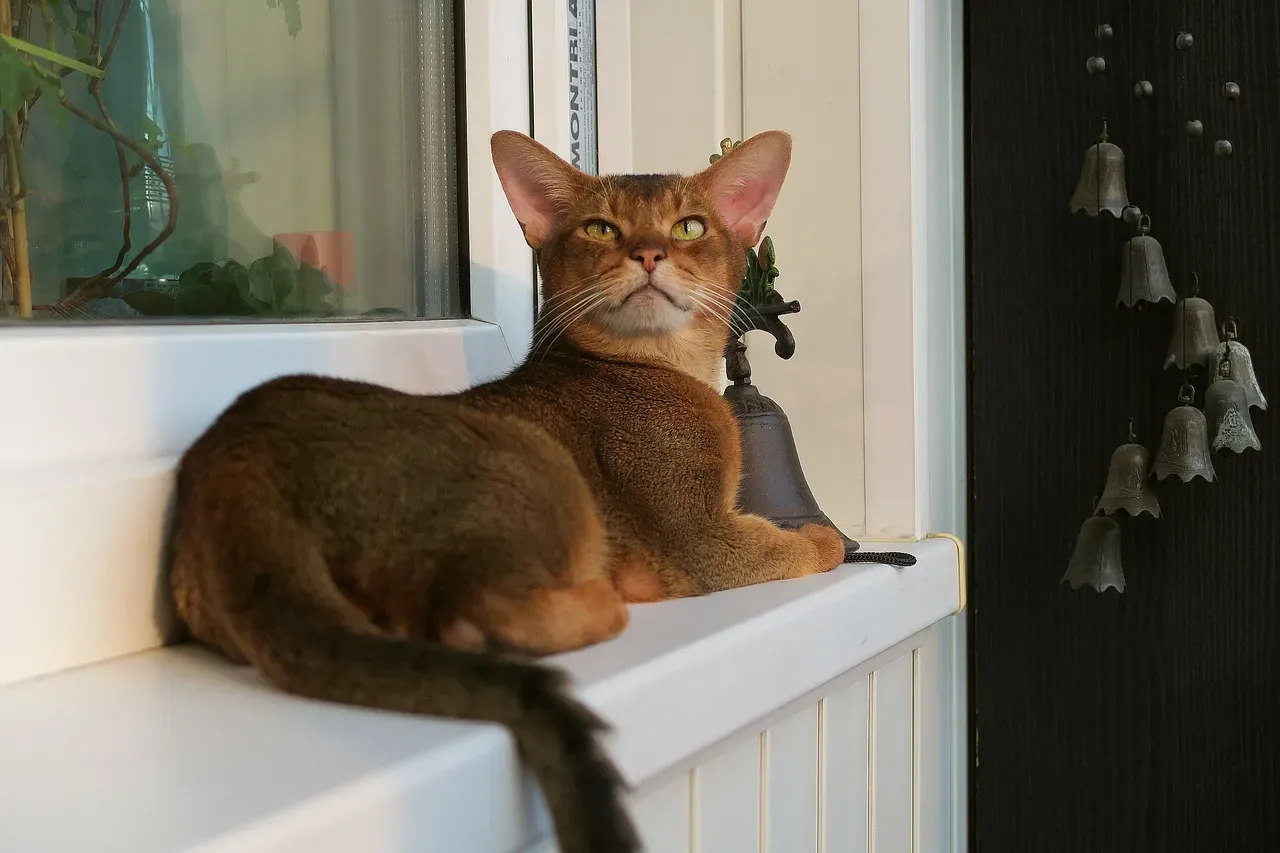
The Abyssinian cat has a wonderful, playful, and engaging personality and loves to live life to the fullest. These cats are basically the extroverts of the feline world, always looking for the next adventure or game. Their energy levels match those of many active dog breeds, which creates natural opportunities for bonding through play.
They make a great addition to a house with a dog, as they’ll always be ready for a game and will be happy to learn tricks alongside their canine friends. Abyssinians are curious about everything and everyone, including dogs. They’re not the type to hide under the bed when a dog enters the room, which makes introductions far smoother than with more timid breeds.
Birman
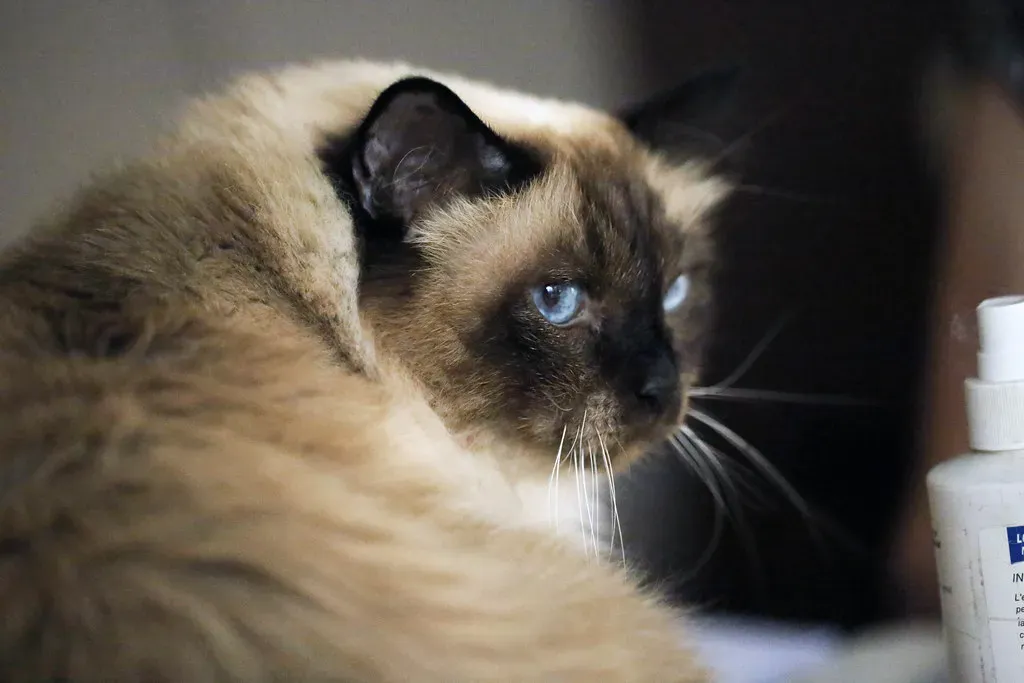
The Birman’s outgoing and playful attitude makes them a perfect choice of cat for a home with dogs. These beautiful cats with their distinctive blue eyes and color-pointed coats have a reputation for being social butterflies. They’re not just tolerant of dogs, they actively seek out companionship and interaction.
Birman cats are charming, gentle felines with a sweet demeanor, becoming more attached to their people than more reserved cats, and anecdotally, they have a special fondness for playing with all types of objects around the house. Their playful nature combined with their gentle temperament means they can hold their own with dogs without becoming aggressive. They’re adaptable enough to adjust to a dog’s energy level, whether that’s high-octane play or calm companionship.
American Shorthair
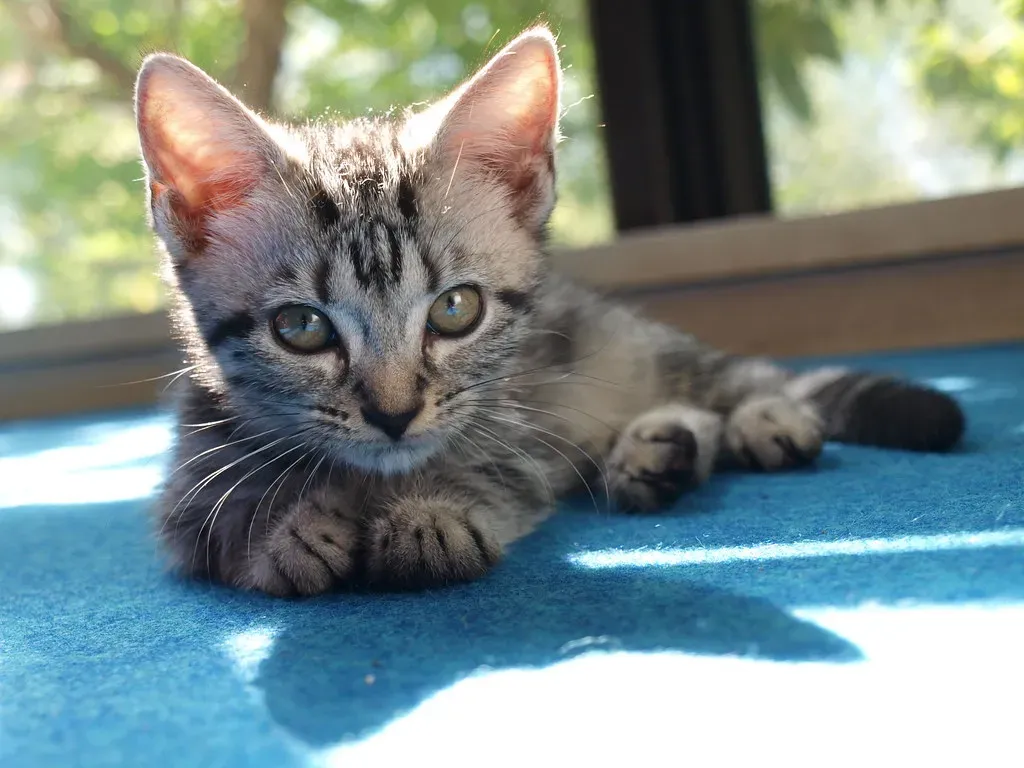
These adaptable cats are laidback, and while they do enjoy playing, they also love a good snooze, are sociable with both people and other animals alike, and most American Shorthairs get along well with dogs. This breed has been around since the Mayflower days, bred originally as working cats on farms where they lived alongside all sorts of animals. That history has given them an easygoing temperament that works beautifully in multi-pet homes.
This breed is considered very social, confident and playful, and once boundaries are established in the house, they love to play with housemates, including the family dog. American Shorthairs don’t get flustered easily, and their confident nature means they’re not likely to bolt at the sight of a dog.
Bombay
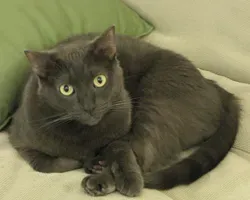
The stunning Bombay breed was originally created in the 1950s by crossing black American Shorthairs with sable Burmese cats, and these energetic and affectionate cats are adaptable, which makes them the perfect choice of cat for a busy, multi-pet household. Their sleek black coats and copper eyes give them a panther-like appearance, but their personalities are anything but fierce toward family members.
They do love to be the boss of all animal members of the household, so they may remind dogs to know their place. This leadership quality actually helps establish clear boundaries, which can prevent conflicts. Dogs often respect a cat that knows what it wants, and Bombays certainly fit that description.
Norwegian Forest Cat
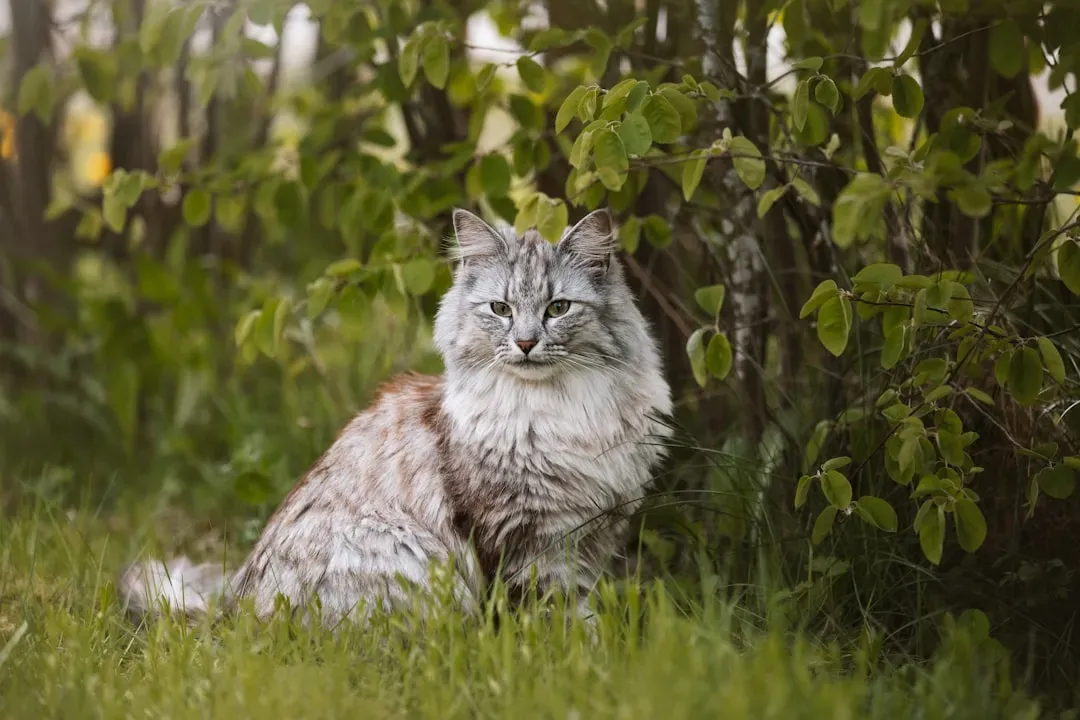
The Norwegian Forest Cat is built to survive the freezing conditions of a Norwegian winter, but these days, they’re just as happy soaking up the comforts of a warm home, and these cats might be large, but they’re also extremely gentle and friendly with their families. Their substantial size and thick, weather-resistant coat give them a presence that commands respect without aggression. They’re confident cats who don’t feel threatened easily.
They get along well with dogs, and you may find them both playing in your backyard pond, as this breed loves water. Their adventurous spirit and willingness to engage in activities typically associated with dogs makes them unique among cat breeds.
Japanese Bobtail
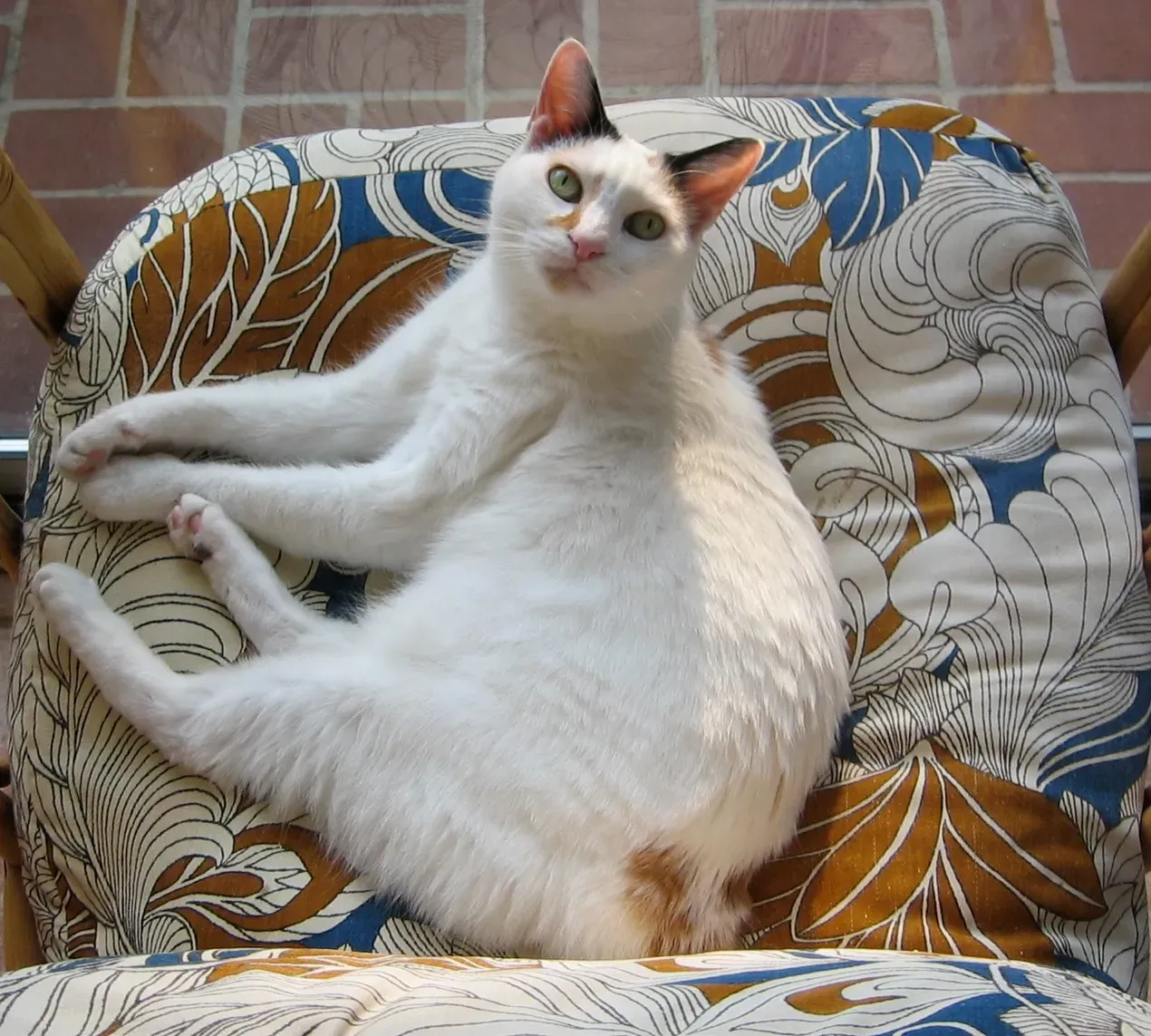
The Japanese Bobtail is famed for their short tail that ranges from pompom-like to 4 or 5 inches long, but also for their playful, dog-like personality, and they’re more outgoing than the average aloof cat but will let your dog run the show around your house. These cats are social creatures who love being part of the family action. Their distinctive bobbed tails give them an unmistakable appearance, but it’s their personality that really sets them apart.
As an intelligent breed, the Japanese Bobtail is nearly as trainable as dogs and might even show up unprompted at your dog’s training sessions to get some tasty treats for themselves. This level of engagement with household activities is rare among cats and makes them exceptional companions for dogs.
Tonkinese
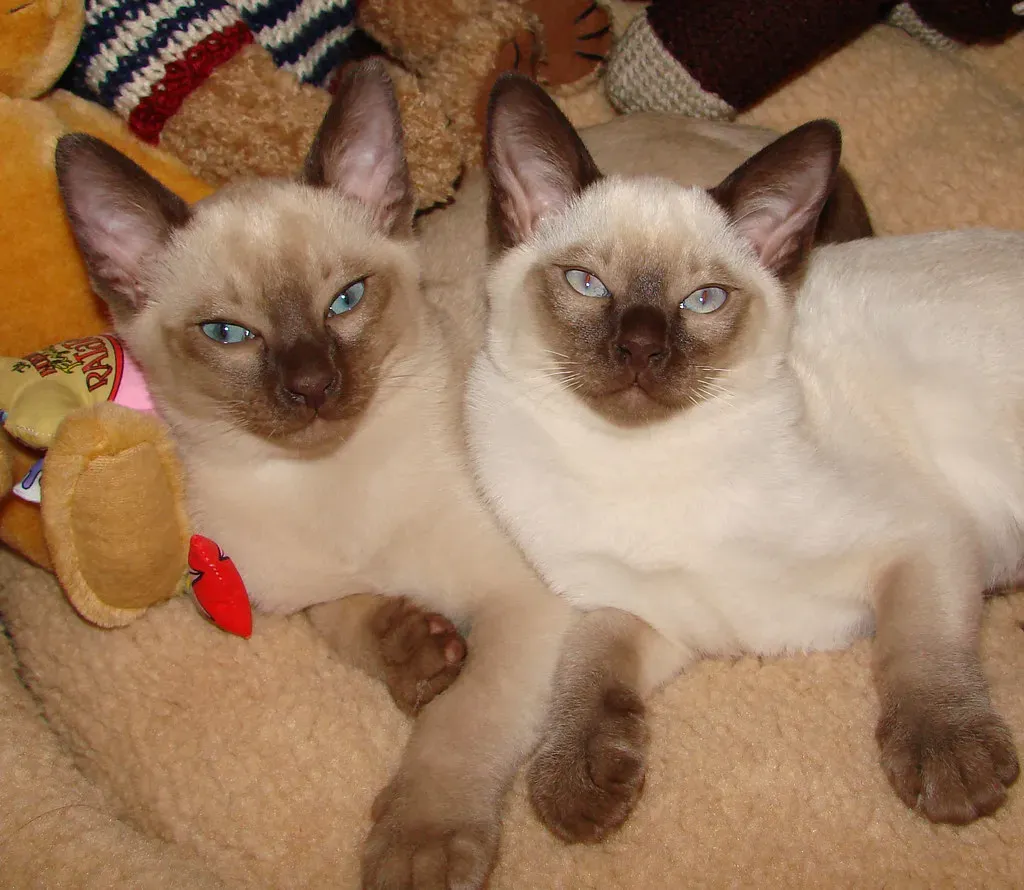
Preferring not to be ignored or left alone, Tonkinese get along with children, other cat breeds and dogs, and this cat breed is super social and active, and it loves being around people and dogs, detesting being alone or ignored, so a dog would definitely be a good companion for when you’re not home. These cats are the result of crossing Siamese and Burmese breeds, giving them the best traits of both.
Their need for constant companionship actually makes them ideal for dog households. They’ll seek out the dog’s company rather than avoiding it, which naturally facilitates bonding. Tonkinese cats have enough energy and playfulness to keep up with even the most active dogs.
Siamese
Siamese cats are vocal, interactive, and love being involved in whatever their humans are doing, and their social personality means they won’t shy away from a dog’s presence, and in many cases, they’ll enjoy the company. These chatty cats are famous for their opinions on everything, and they’ll definitely have opinions about the household dog too, usually positive ones. Their extroverted nature means they’re more likely to approach a dog with curiosity than fear.
This breed’s outgoing nature extends to other pets as well; Siamese cats are known for their ability to form strong bonds with both cats and dogs, and their playful and energetic demeanor makes them great playmates for other active pets in the household. They crave interaction and stimulation, which a dog can provide when humans are busy.
Persian
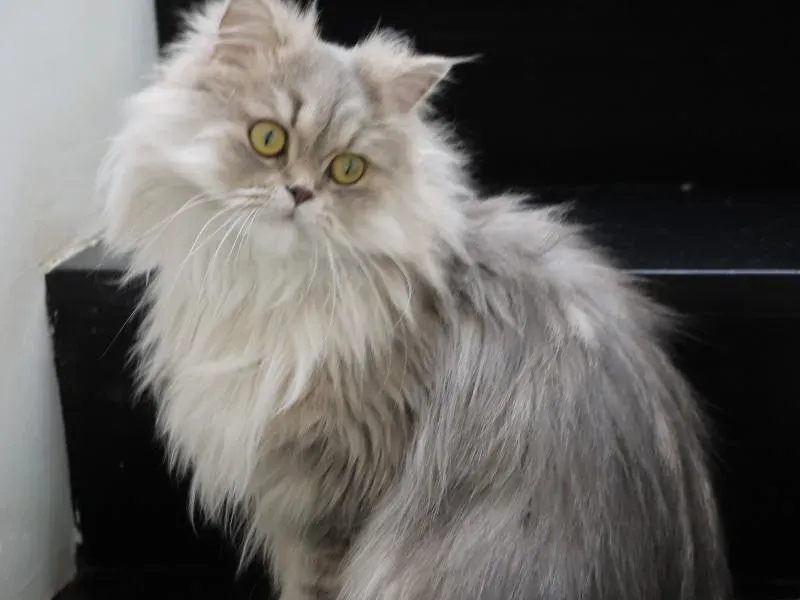
Persian cats present a challenge in multi-pet households, particularly those with dogs. These luxuriously fluffy felines are known for their calm, dignified demeanor and preference for peace and quiet. They’re not fans of chaos, loud noises, or sudden movements, all of which dogs tend to bring in abundance.
Their long, flowing coats require daily grooming and maintenance, which means they need stress-free environments to keep themselves pristine. A rambunctious dog constantly trying to initiate play can be more than just annoying to a Persian. It can genuinely stress them out. These cats prefer predictable routines and serene surroundings where they can lounge undisturbed, making them a poor match for most dog personalities.
Cymric
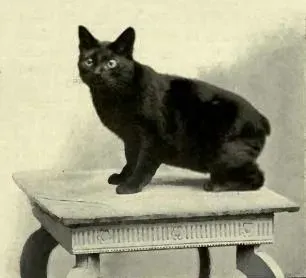
The Cymric, essentially a longhaired version of the Manx, tends to be quite territorial and independent. These cats form strong bonds with their human families but aren’t necessarily interested in extending that affection to canine intruders. They’re known for being reserved around strangers and new animals, which includes dogs joining the household.
Cymrics have a possessive streak when it comes to their territory and favorite people. They don’t appreciate having to share resources or attention with a dog, and they’ll make their displeasure known. Their independent nature means they’re not looking for the kind of companionship a dog might offer, preferring instead to set their own schedule and boundaries without canine interference.
Scottish Fold
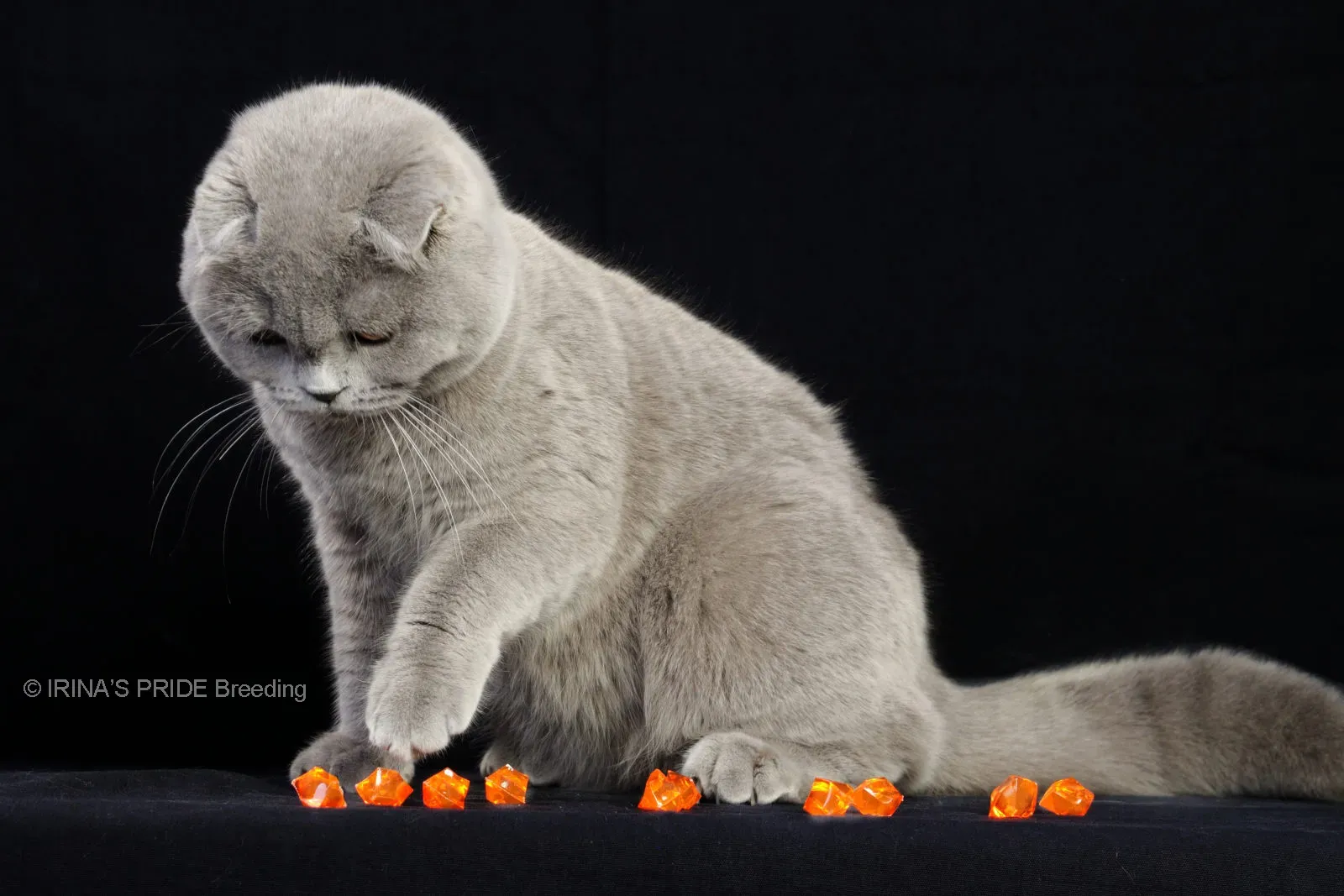
Scottish Folds, with their adorable folded ears and round faces, might look like the perfect lap cat, but they’re not ideal for dog households. These cats are known for being somewhat sensitive and can become easily stressed by the unpredictable behavior of dogs. They prefer calm, quiet environments where they can observe from a safe distance.
Their sweet temperament doesn’t translate to tolerance for dogs. Scottish Folds often find dog behavior confusing and threatening. They’re not particularly playful or energetic, which means they won’t engage with a dog’s attempts at interaction. Instead, they’re more likely to retreat and hide, creating a stressful living situation for the cat and frustration for both the dog and owner who hoped for interspecies friendship.
Singapura
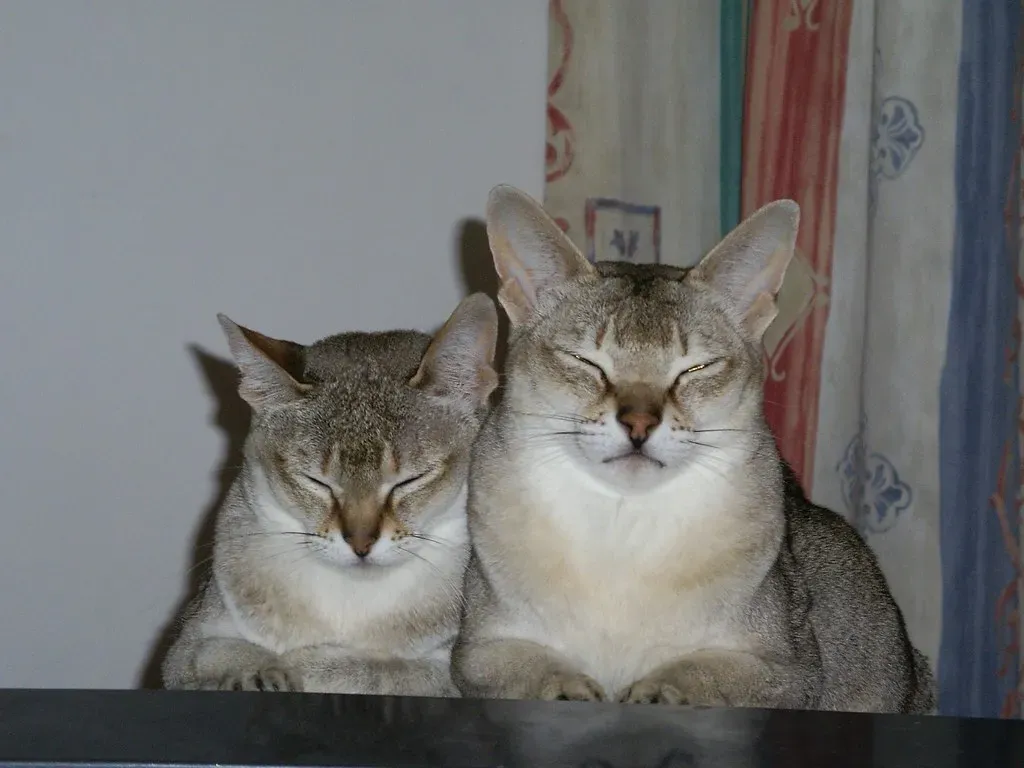
Some dog breeds just do not naturally get along with cats, which may be because they have a high prey drive, high energy, or because they can get jealous. The tiny Singapura, one of the smallest cat breeds, faces particular challenges around dogs due to their diminutive size. Weighing only four to eight pounds, they can easily be seen as prey by larger dogs, even if the dog doesn’t intend harm.
These cats are naturally cautious and can be skittish around larger animals. Their small size makes them vulnerable, and they know it. They’re more likely to spend their time hiding from dogs than attempting to coexist with them. The stress of living with a dog can significantly impact their quality of life, making this pairing generally unsuccessful.
Korat
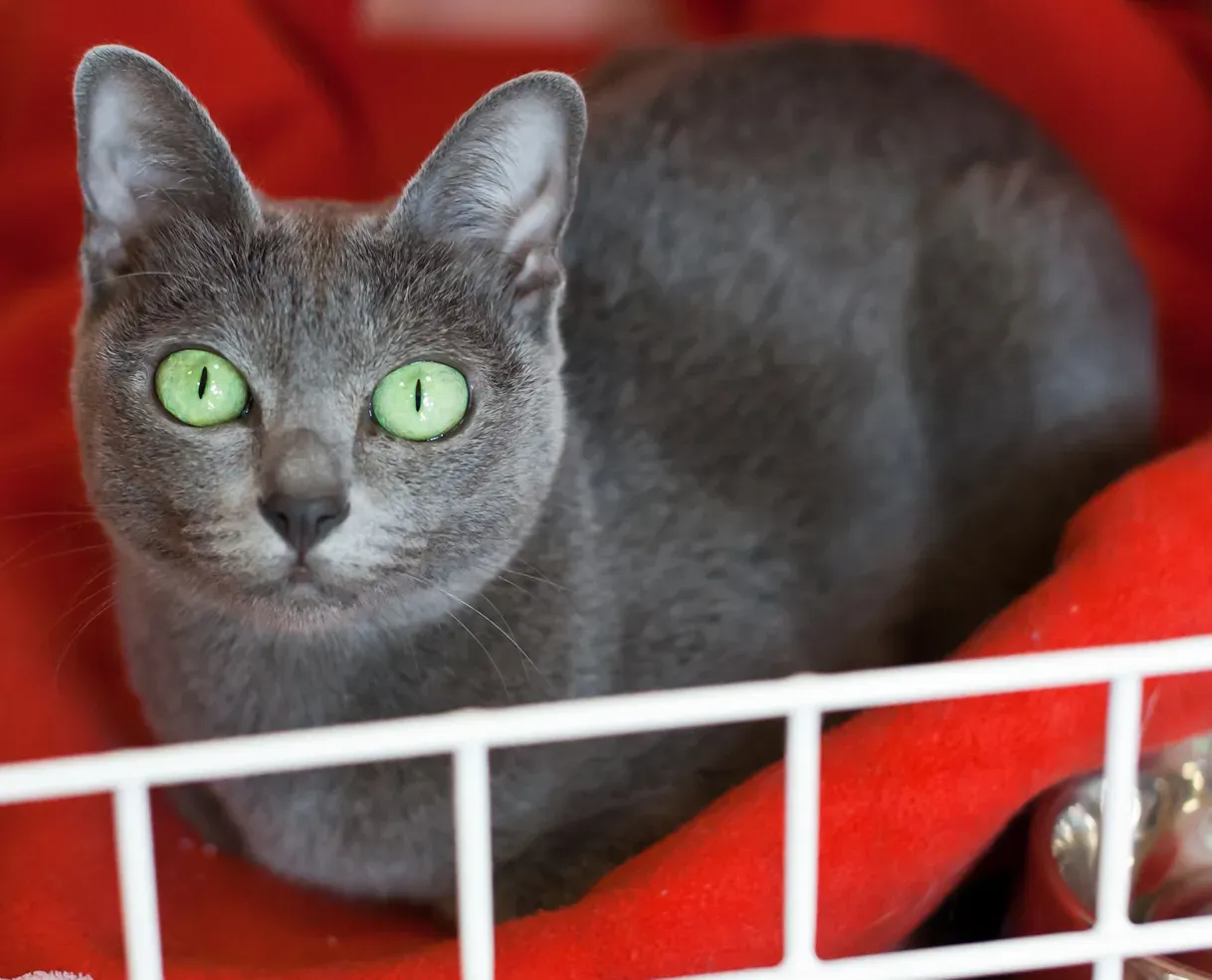
Korats are beautiful silver-blue cats known for their strong-willed personalities and low tolerance for disruption. These cats bond intensely with their chosen humans and don’t appreciate competition for attention, especially not from dogs. They can be possessive and jealous when they feel their position in the household hierarchy is threatened.
Their sensitive hearing makes them particularly bothered by barking and the general noise dogs create. Korats prefer calm, controlled environments and predictable routines. The chaos that even a well-behaved dog brings can send a Korat into stress mode. They’re known to become withdrawn or even aggressive when forced to share their space with dogs, making them a poor choice for multi-species households.
Devon Rex
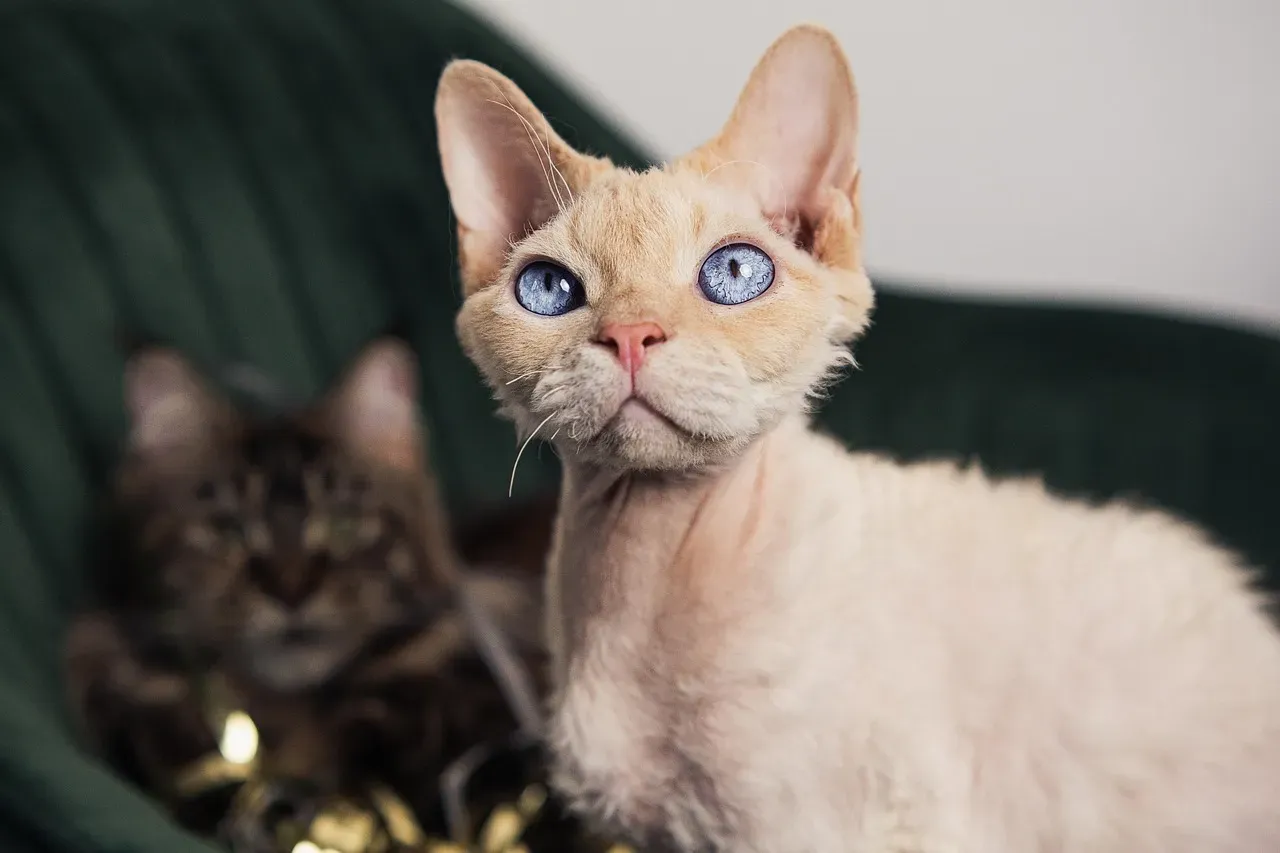
Devon Rex cats are playful and mischievous, but their particular brand of energy doesn’t always mesh well with dogs. These cats are extremely attached to their human companions and can become intensely jealous of dogs receiving attention. They want to be the center of attention at all times, and a dog represents serious competition for that spotlight.
Their delicate build also makes them vulnerable around larger, more boisterous dogs. While they might not back down from a challenge, their small frame means they could easily get hurt during rough play. Devon Rex cats prefer to be the ones initiating interaction, and dogs don’t always respect those boundaries, leading to conflicts and stress for the cat.
Exotic Shorthair
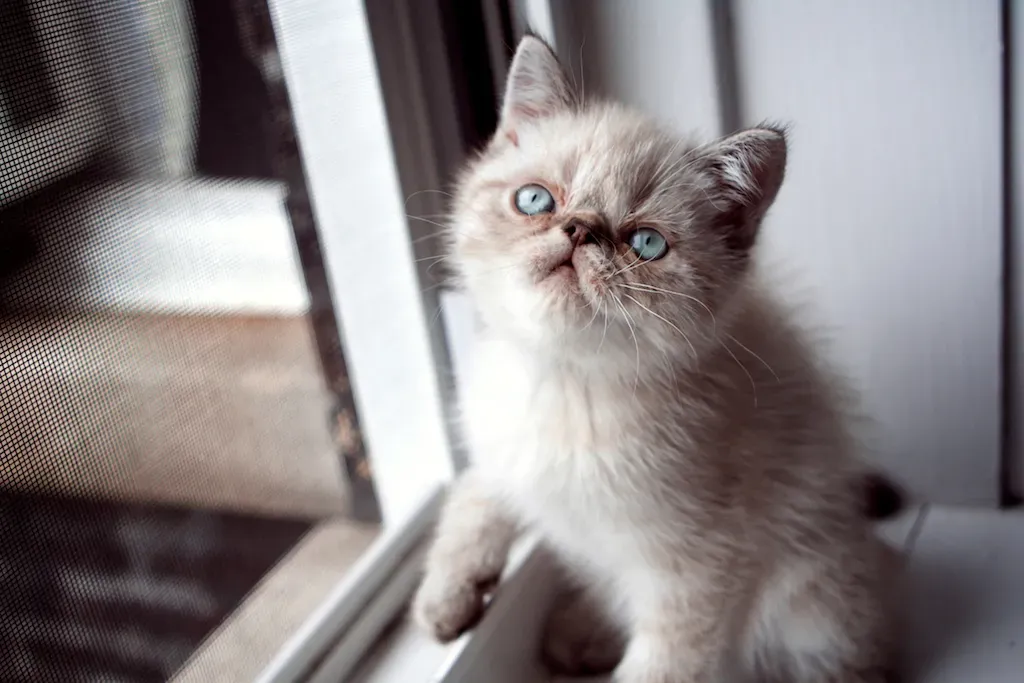
Exotic Shorthairs, sometimes called the “lazy man’s Persian,” share many of the Persian’s personality traits, including a dislike of chaos and unpredictability. These cats are gentle and sweet but also sensitive to environmental stress. Dogs represent exactly the kind of unpredictable energy that makes Exotic Shorthairs uncomfortable.
They’re not particularly playful or energetic as adults, preferring instead to spend their days lounging in sunny spots and enjoying quiet affection. A dog’s persistent attempts at play or their louder presence disrupts the peaceful environment these cats crave. Exotic Shorthairs also tend to be somewhat anxious by nature, and living with a dog can amplify that anxiety, leading to behavioral issues.
Turkish Angora
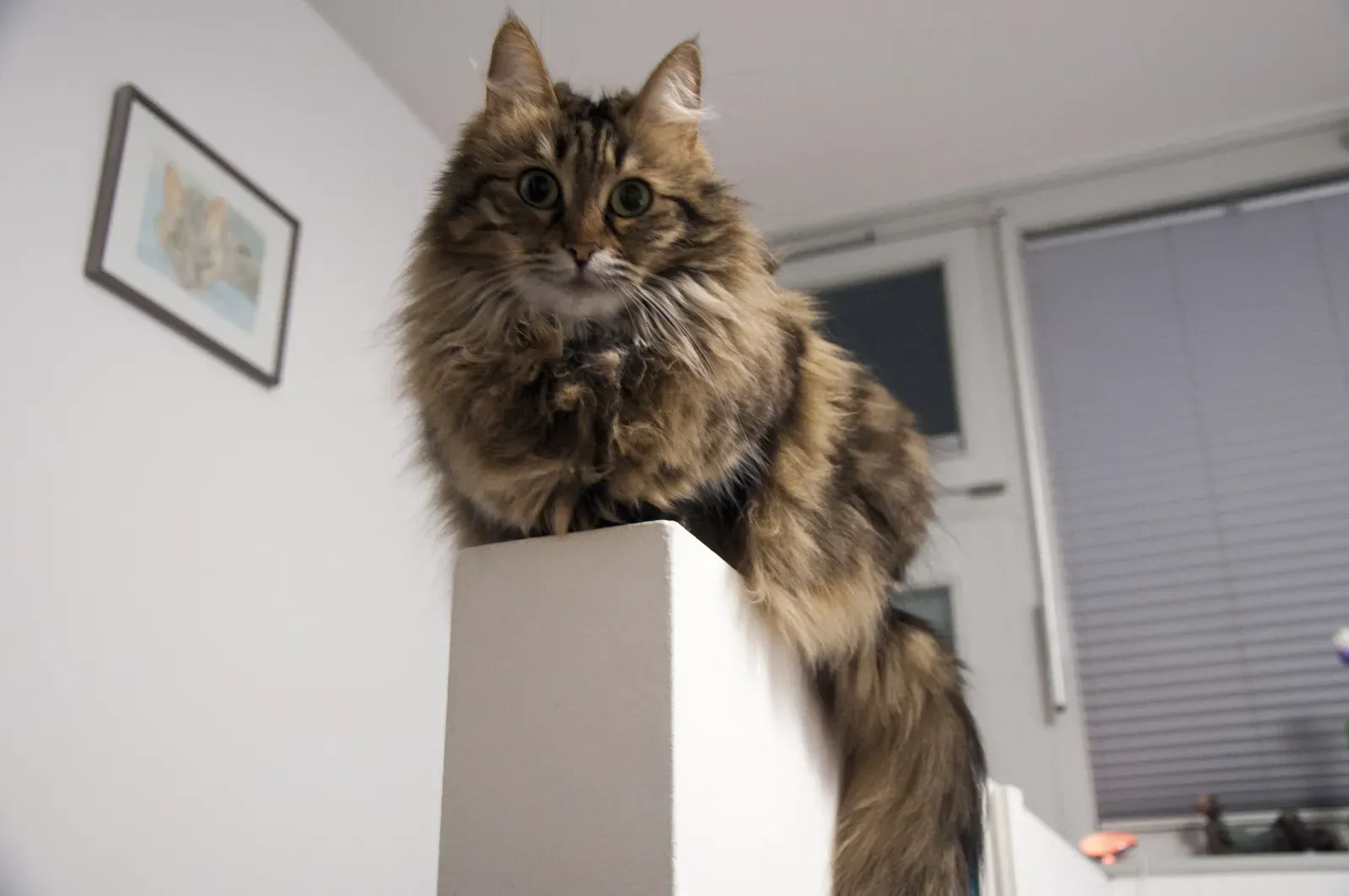
Turkish Angoras are intelligent, active cats with strong personalities and definite opinions about how their household should run. They’re known for being somewhat bossy and don’t take kindly to dogs upsetting their carefully established routines. These cats like to be in control of their environment, and dogs represent chaos they can’t manage.
Their high intelligence means they’re keenly aware of dogs as potential threats to their territory and status. Turkish Angoras can become aggressive toward dogs, not out of fear but out of a desire to maintain dominance. They’re not interested in sharing resources, space, or human attention, making them challenging companions for dogs of any size or temperament.
Himalayan
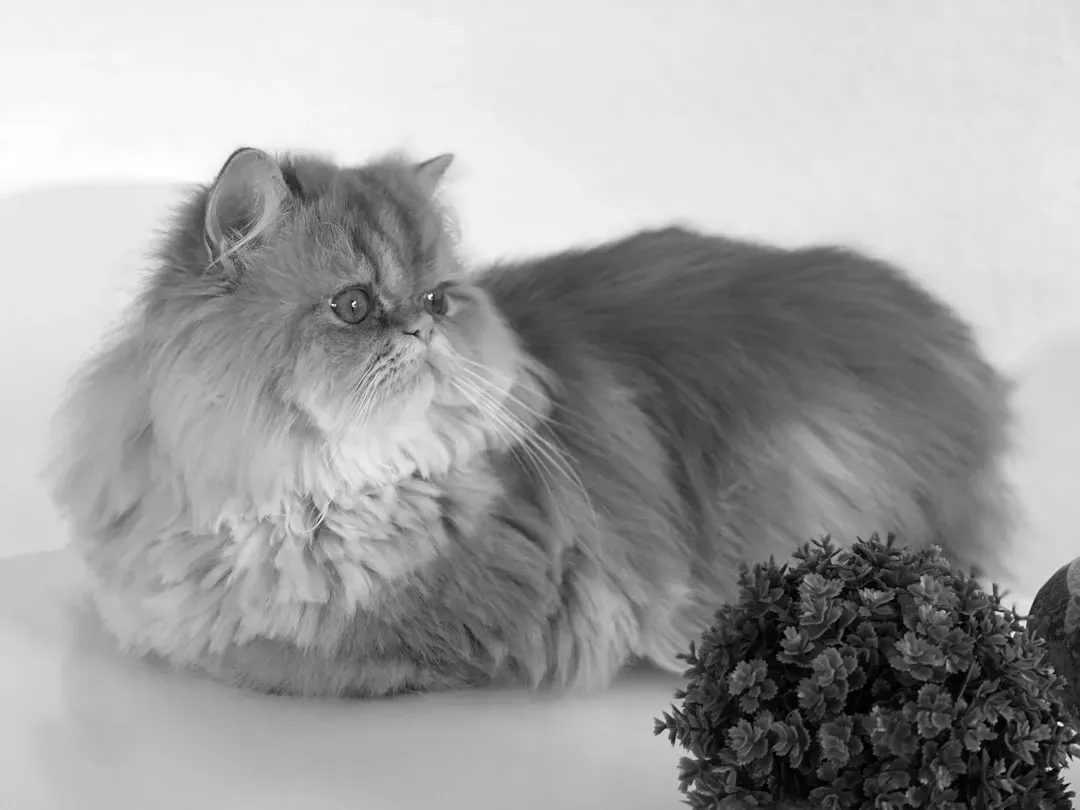
Himalayans, with their Persian ancestry, inherit many of the same traits that make Persians incompatible with dogs. These longhaired beauties are calm, gentle, and prefer peaceful environments where they can maintain their regal composure. Dogs, with their energy and noise, clash with everything Himalayans value in their living space.
Their long, luxurious coats require extensive grooming, and stress from living with dogs can affect coat quality and overall health. Himalayans are also prone to anxiety in chaotic environments. They’re not equipped temperamentally to deal with a dog’s enthusiasm or physical play style. These cats need predictability and calm, neither of which are typically part of the package when dogs are involved.
Chartreux
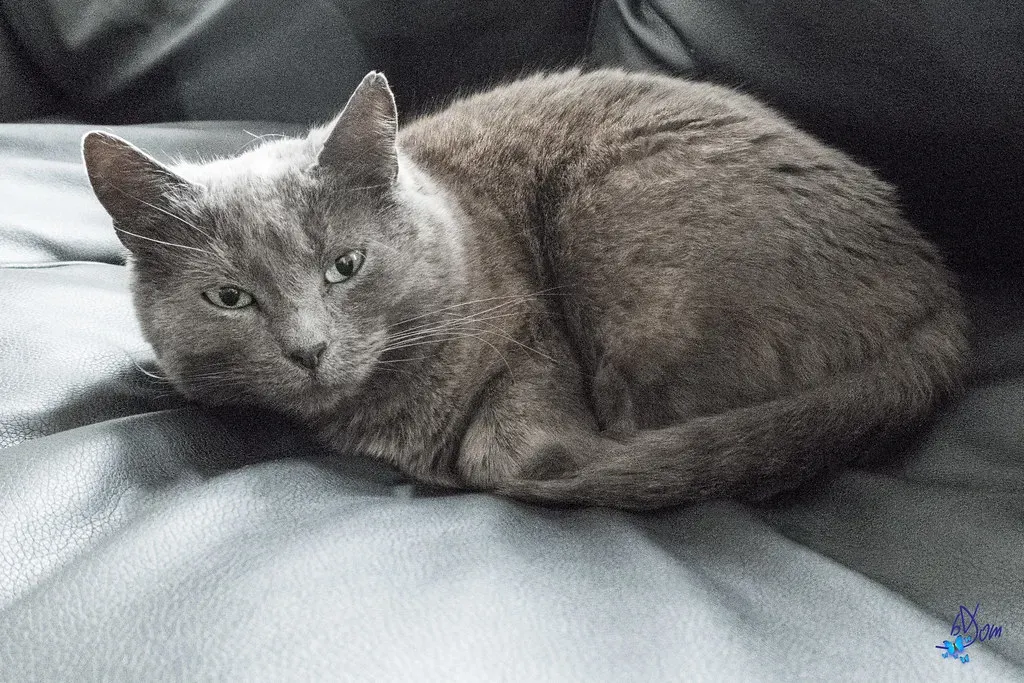
The Chartreux is a quiet, reserved breed that forms deep bonds with their chosen humans but remains aloof with others, including dogs. These French cats are known for their independence and hunting prowess, which can translate to seeing smaller dogs as prey rather than companions. Even with larger dogs, they’re not interested in forming friendships.
Chartreux cats are territorial and set in their ways. They establish routines and territories within the home and don’t appreciate dogs disrupting those patterns. While not typically aggressive, they’ll make their displeasure clear through avoidance and stress behaviors. Their preference for solitude and quiet observation makes them fundamentally incompatible with the social, energetic nature of most dogs. They’d rather watch the world go by from a peaceful perch than engage with a canine housemate.
Conclusion
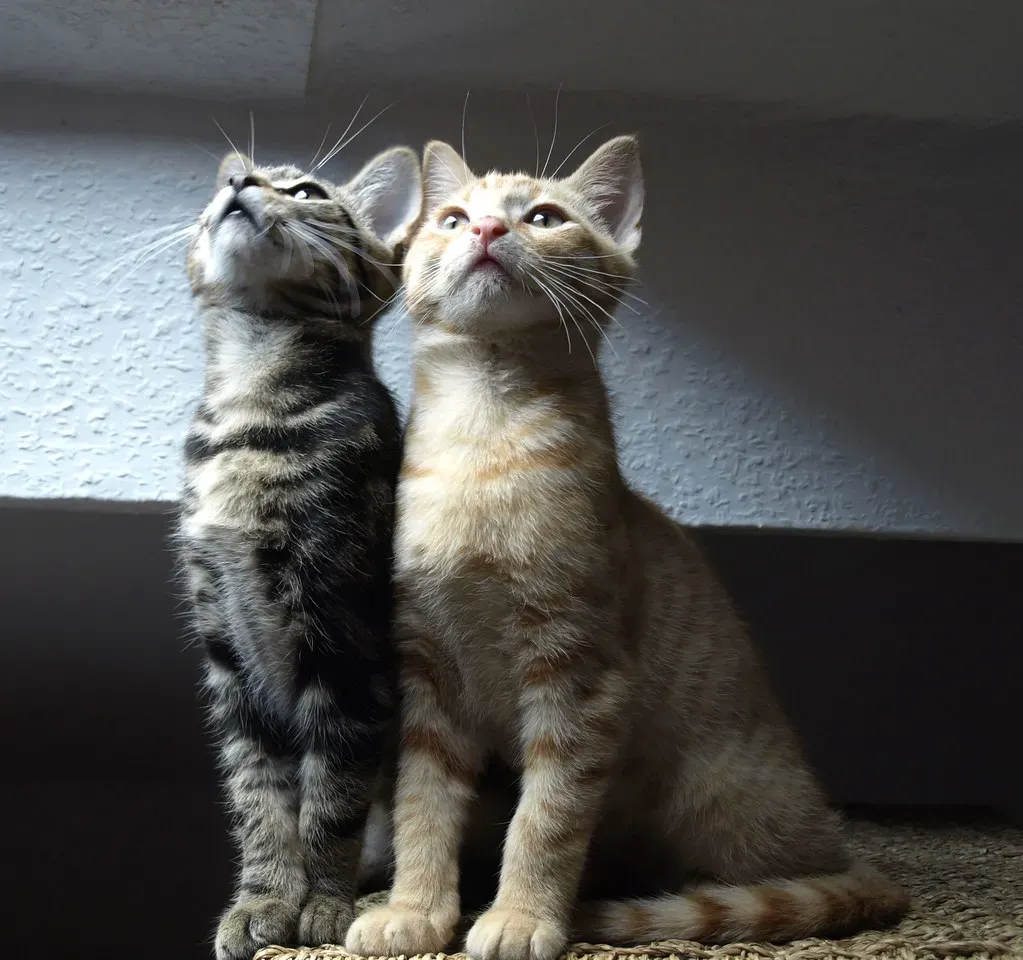
The relationship between cats and dogs doesn’t have to be the stuff of cartoons and clichés. With the right breed pairing, these two species can become genuine companions, or at the very least, peaceful cohabitants who respect each other’s space. The key lies in understanding that not all cats are created equal when it comes to canine compatibility.
From the gentle Maine Coon who plays ball with dogs to the independent Persian who’d rather not, each breed brings its own temperament and tolerance levels to the table. Honestly, if you’re planning to create a multi-species household, doing your research beforehand can save everyone, humans and animals alike, a whole lot of stress. Early socialization, proper introductions, and respecting each animal’s personality matter just as much as breed tendencies.
What’s your experience been with cats and dogs living together? Did your furry friends surprise you by becoming best buddies, or did they prove that some stereotypes exist for a reason? Share your stories in the comments below.
