
You might think having a brain is essential for survival. After all, we rely on our brains to help us think, move, and make decisions. It’s almost impossible to imagine navigating life without one, right?
Well, nature has other ideas. There’s a whole world of creatures out there thriving without a brain in sight. They hunt, adapt, learn, and sometimes even outsmart their environment using completely different systems. Some rely on nerve networks spread throughout their bodies, while others use simple reflexes that work surprisingly well.
These animals aren’t just mindlessly existing either. They demonstrate behaviors that challenge everything we thought we knew about intelligence and cognition. Let’s be real, when you hear that some of these creatures can solve mazes or remember past encounters, it’s hard not to be amazed. So let’s dive in and meet these fascinating brainless wonders.
1. Jellyfish: Ancient Drifters with a Nerve Net
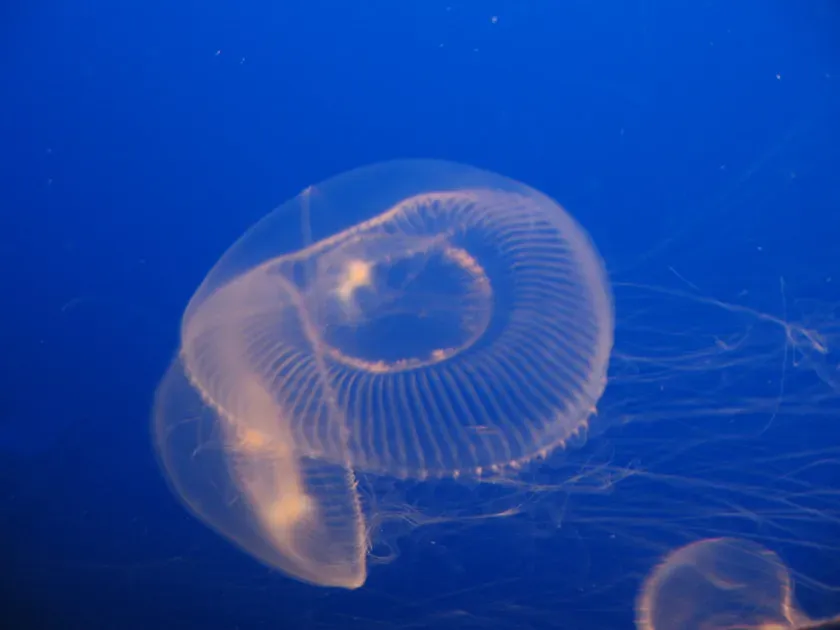
Jellyfish are one of the most primitive animals, gracing our oceans for over 500 million years, found worldwide drifting through waters from shallow coastal regions to the deepest seas. These translucent creatures move gracefully through the water, propelled by rhythmic contractions of their bell-shaped bodies.
They possess diffuse nerve nets, webs of interconnected neurons distributed throughout the body and tentacles. This simple setup allows them to process sensory input and coordinate movements like swimming, contracting, and stinging without any centralized control. The jellyfish functions through a network of sensory nerves, with tentacles that react to foreign objects with a shooting sting that releases a toxin capable of neutralizing or killing the intruder.
What’s really surprising is that jellyfish even exhibit sleep-like behavior. The upside-down jellyfish Cassiopea pulses about once a second during the day, but at night its pulses slow by about 30 percent; when in their resting state they take longer to react to outside stimuli, and if disturbed they’re less active the following day, marking the first time researchers recorded sleep-like behaviors in an animal without a central nervous system.
Their success over hundreds of millions of years speaks volumes. Cnidarians evolved more than 700 million years ago and continue to thrive while many animals with brains have long disappeared, suggesting they possess a unique adaptive system enabling them to endure and flourish through extreme environmental changes despite lacking a brain.
2. Sea Sponges: The Ocean’s Living Filters
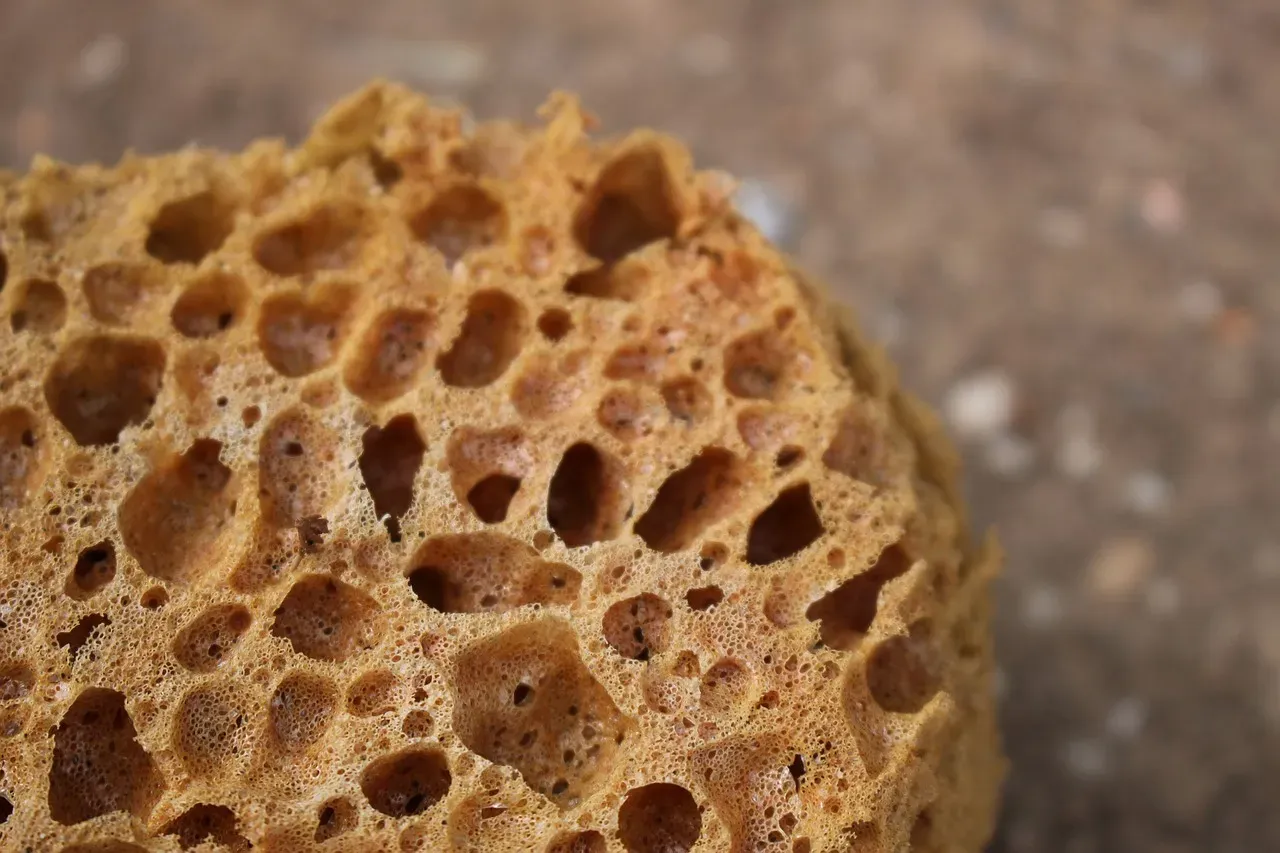
Sponges are ancient organisms that have been around for over 500 million years, making them one of the oldest life forms on Earth; these porous water-filtering creatures are found in oceans and freshwater environments worldwide and play a crucial role in filtering water and providing shelter. Honestly, calling them animals seems strange at first because they look more like colorful underwater plants.
Apart from marine sponges and the blob-like placozoans, all animals have neurons. Sponges, the oldest known animal group with living representatives, have no neurons or synapses. Yet here’s where it gets fascinating. Sponges, which lack nervous systems, have most of the genetic components of synapses, and the sponge proteins have signatures indicating they probably interact with each other in a similar way to the proteins in synapses of humans and mice.
Researchers discovered something remarkable hidden in sponge cells. A detailed analysis of sponge cells turns up neuroids that crawl around the animal’s digestive chambers and send out messages. The team suspects that these neuroids were sending signals to cells charged with keeping the sponge fed, perhaps using vesicles to stop the movement of usually undulating cilia, which would be a sophisticated level of control for an animal without a nervous system.
They survive through incredibly basic yet effective mechanisms. Sponges use sensory cells to detect water quality and adjust their filtration rates accordingly. They’re essentially living proof that you don’t need complexity to succeed.
3. Sea Anemones: The Territorial Flower Animals
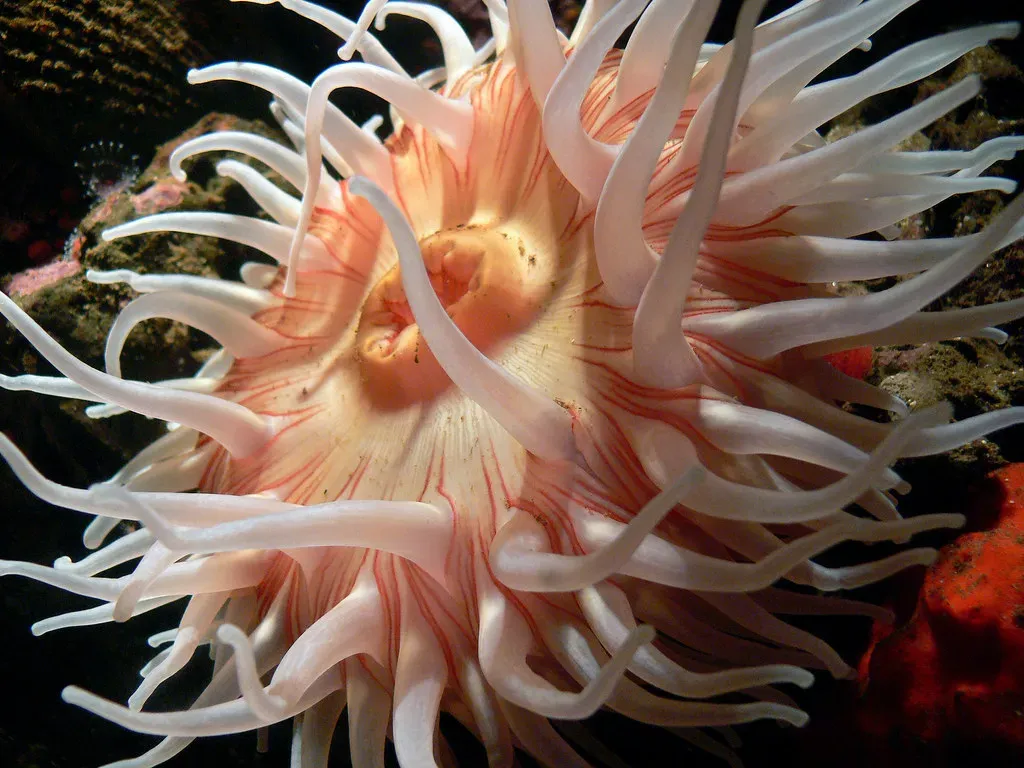
Sea anemones are beautiful marine animals that look like flowers with their bright flowing tentacles; they are attached to coral reefs, rocks, and ocean floors, and though peaceful in appearance, they are hunters that use their stinging tentacles to paralyze prey such as small fish or plankton.
They have no need of a brain as they rely on a simple nerve net to detect and react to stimuli; this decentralized system allows them to move their tentacles, catch prey, and protect themselves without conscious thought. A unique characteristic of the sea anemone is its ability to alter its shape, accomplished by retracting and turning the long muscles in their tentacles while swaying in the water.
What really surprised researchers is their ability to learn. The beadlet anemone is able to habituate to the presence of nearby clones; under normal circumstances it violently opposes any encroachment on its territory by other anemones, but when the intruders are exact genetic copies of itself it learns to recognise them over repeated interactions and contain its usual aggression.
They learn to recognize genetically identical neighbors after repeated encounters and curb their usual territorial aggression, and can associate visual cues with the physical sensation of bumping into objects, helping them navigate around obstacles more effectively. That’s pretty impressive for an animal without a brain. Their survival strategy relies on instinct combined with surprisingly sophisticated sensory systems.
4. Coral: The Reef Builders
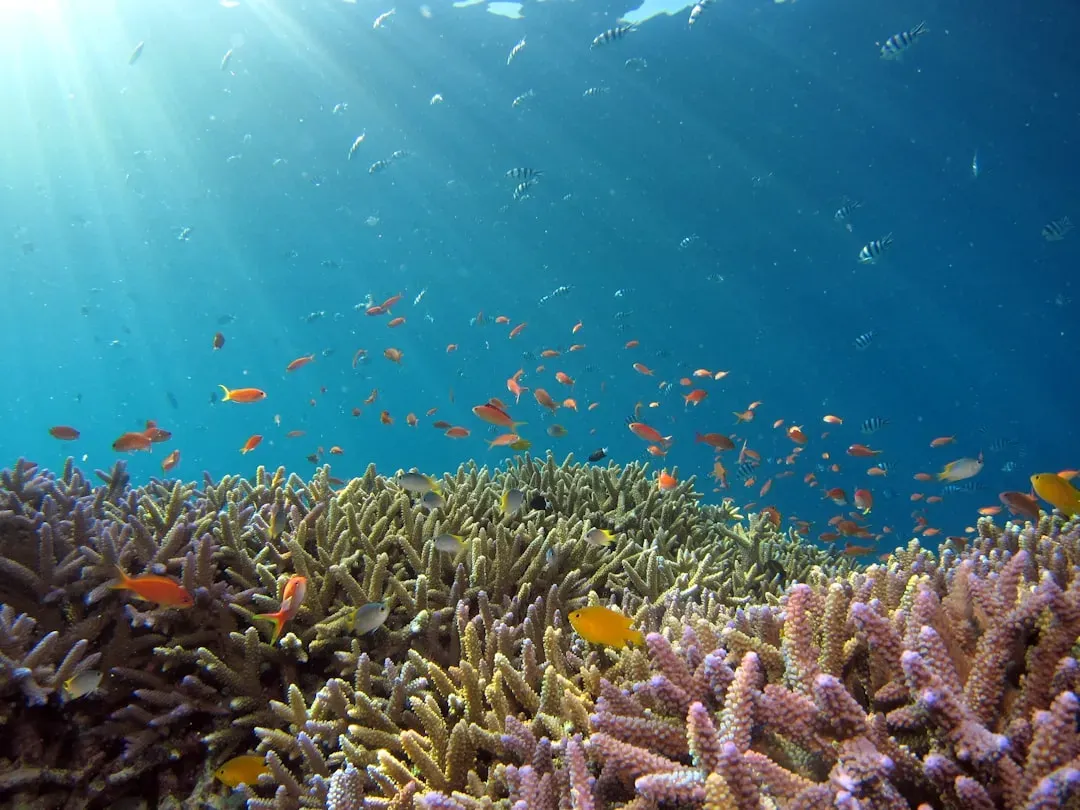
Categorized as plants, coral is actually a living animal without a brain. These creatures form the foundation of entire underwater ecosystems, creating massive reef structures that support countless marine species. Many people walk right past aquariums full of coral without realizing they’re looking at animals.
Corals use a basic nerve net to detect touch and light; their survival isn’t about individual complexity but rather collective effort, making them perfect examples of how cooperation can replace intelligence in brainless creatures. Each individual coral polyp is relatively simple, yet together they create some of the most complex and biodiverse habitats on Earth.
The partnership between corals and zooxanthellae algae gives corals their stunning colors and energy to grow, and their collective structures are essential for protecting coastlines and supporting biodiversity as many marine creatures would lose their habitats without them. Think of them as nature’s architects, building skyscrapers one tiny polyp at a time.
Coral uses its tentacles to catch food and is part of the Cnidarians family along with jellyfish, with asymmetric bodies and the ability to sting enemies. They operate purely on automatic responses to their environment. There’s no thinking involved, just remarkably effective biological programming that has built structures visible from space.
5. Sea Cucumbers: The Ocean Floor Cleaners
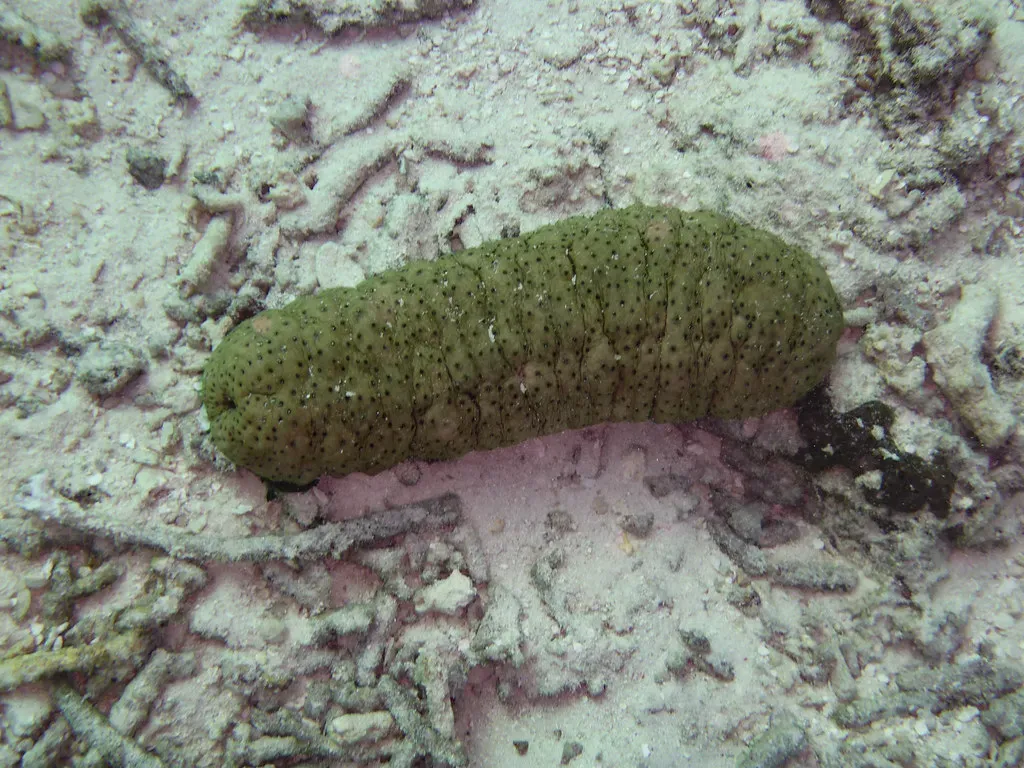
The wormlike sea cucumber feeds on plankton; without a brain they’re not necessarily a deliberate threat, though they are capable of releasing a toxic substance called holothurin which can blind humans permanently, and there are more than a thousand types of sea cucumbers. These leathery-skinned creatures might not win any beauty contests, but they play a vital ecological role.
Many species live in deep water and can swim up to 3,300 feet, floating back to the bottom of the ocean floor. They move slowly across the seafloor, vacuuming up organic matter and helping to recycle nutrients back into the marine ecosystem. It’s hard to say for sure, but they might be one of nature’s most underappreciated cleanup crews.
Sea cucumbers feed instinctively using tubular feet around the mouth to catch and take in food, with their diet consisting of aquatic invertebrates, algae, and waste. While they lack the facility to even realize it, these sea creatures exhibit asexual and sexual reproduction.
Their survival strategy is remarkably simple yet effective. They rely entirely on sensory nerves distributed throughout their bodies to find food and avoid danger. No central processing needed, just direct stimulus-response pathways that have worked for millions of years.
6. Sea Squirts: The Brain-Eating Wanderers
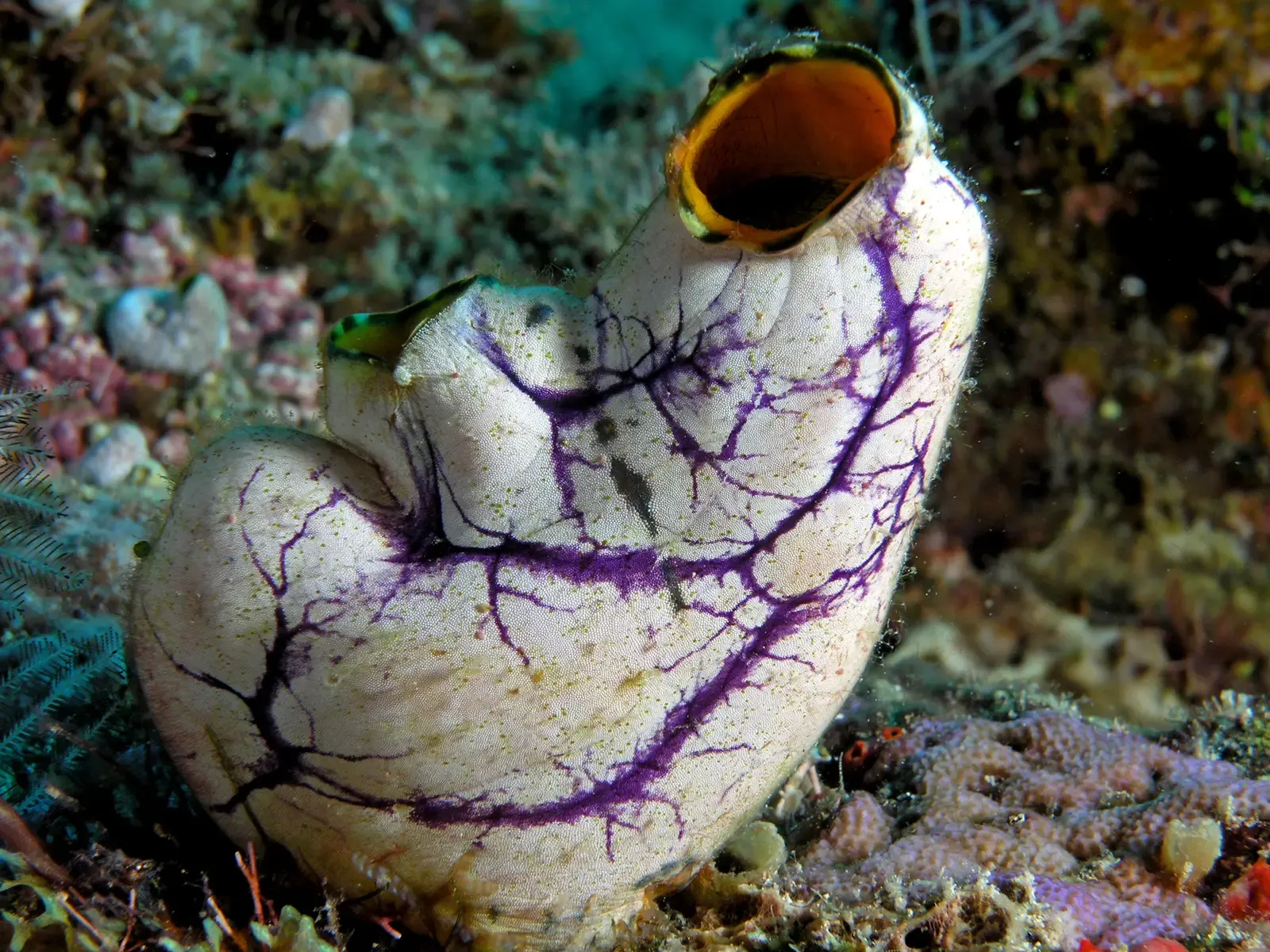
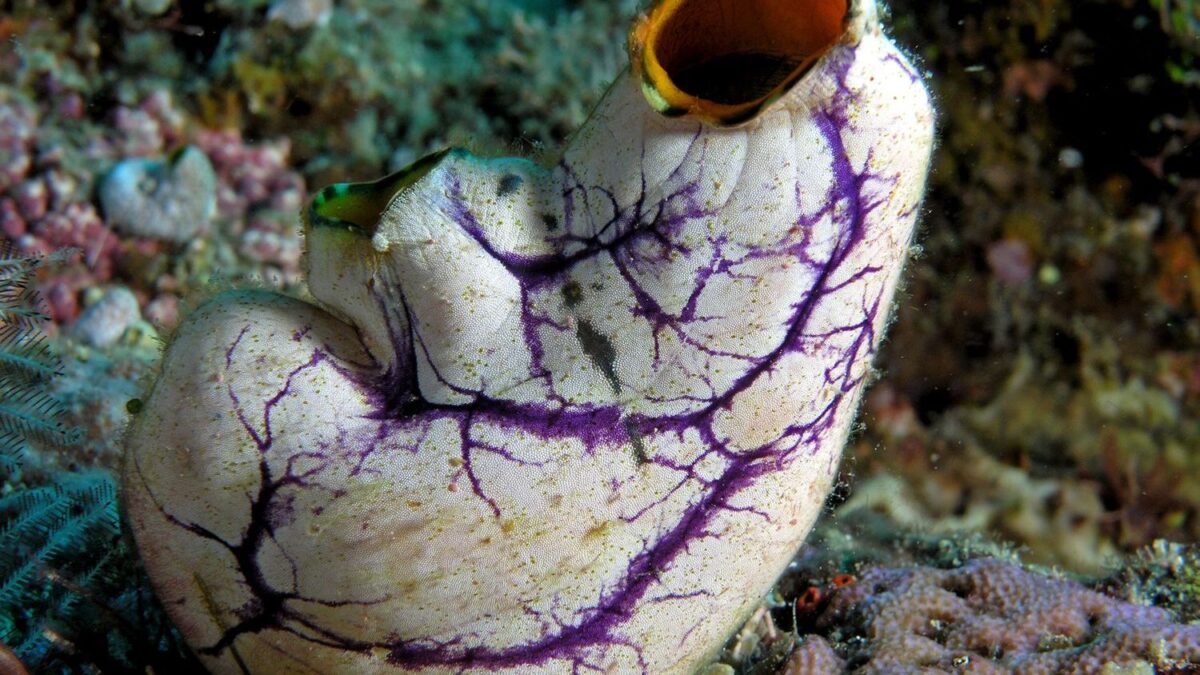
Here’s where it gets really weird. In its larva stage the sea squirt actually has a brain; however the creature is unable to find food or eat in its larva form, so it quickly settles in a spot and stays there for the rest of its life, and once the sea squirt has found its home it begins to eat its brain, then spends the rest of its lifespan without a brain.
Let’s be real, this sounds like something from a science fiction movie. The sea squirt starts life as a mobile larvae with a simple nervous system that helps it swim around looking for the perfect spot to settle. Once it finds a suitable rock or surface, it permanently attaches itself and undergoes a dramatic transformation.
During this metamorphosis, the sea squirt literally digests its own brain tissue because it no longer needs to navigate or make decisions. It becomes a simple filter feeder, pumping water through its body and extracting nutrients. Movement and exploration are over, so why maintain expensive neural tissue?
This strategy actually makes evolutionary sense when you think about it. Brains are metabolically costly to maintain, requiring lots of energy. If you’re going to spend your adult life stuck in one place just filtering water, that energy is better spent elsewhere. The sea squirt’s life story is like a bizarre metaphor that philosophers love to debate.
7. Portuguese Man O’ War: The Floating Colony
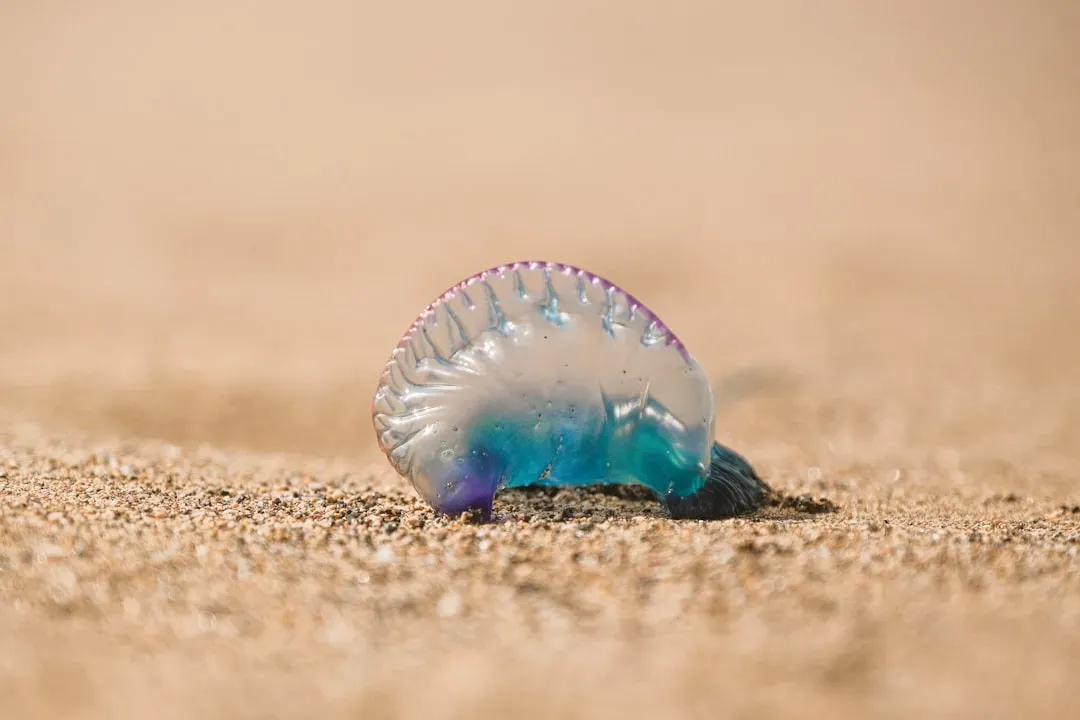
Despite its lack of a brain, the Portuguese Man O’ War exhibits a kind of intelligence, thriving as one of the ocean’s most efficient hunters; each organism in the colony performs a specific role, showcasing how animals that have no brain and no heart can survive through teamwork.
Here’s the thing: the Portuguese Man O’ War isn’t even a single animal. It’s actually a colony of specialized organisms called zooids, each handling different functions like floating, stinging, digesting, or reproducing. They work together so seamlessly that they appear to be one creature.
The floating bell-shaped bladder keeps the colony on the surface, while long tentacles trailing below can extend over 100 feet. These tentacles are loaded with stinging cells that paralyze fish and other prey. The coordination required to capture food and share it among the colony happens without any central brain directing the action.
The Man O’ War drifts with ocean currents and winds, yet somehow manages to be a highly effective predator. Its brilliant blue and purple coloration warns other creatures to stay away. This colonial organism demonstrates that distributed decision-making can be just as effective as centralized intelligence.
8. Starfish: The Regenerating Wanderers
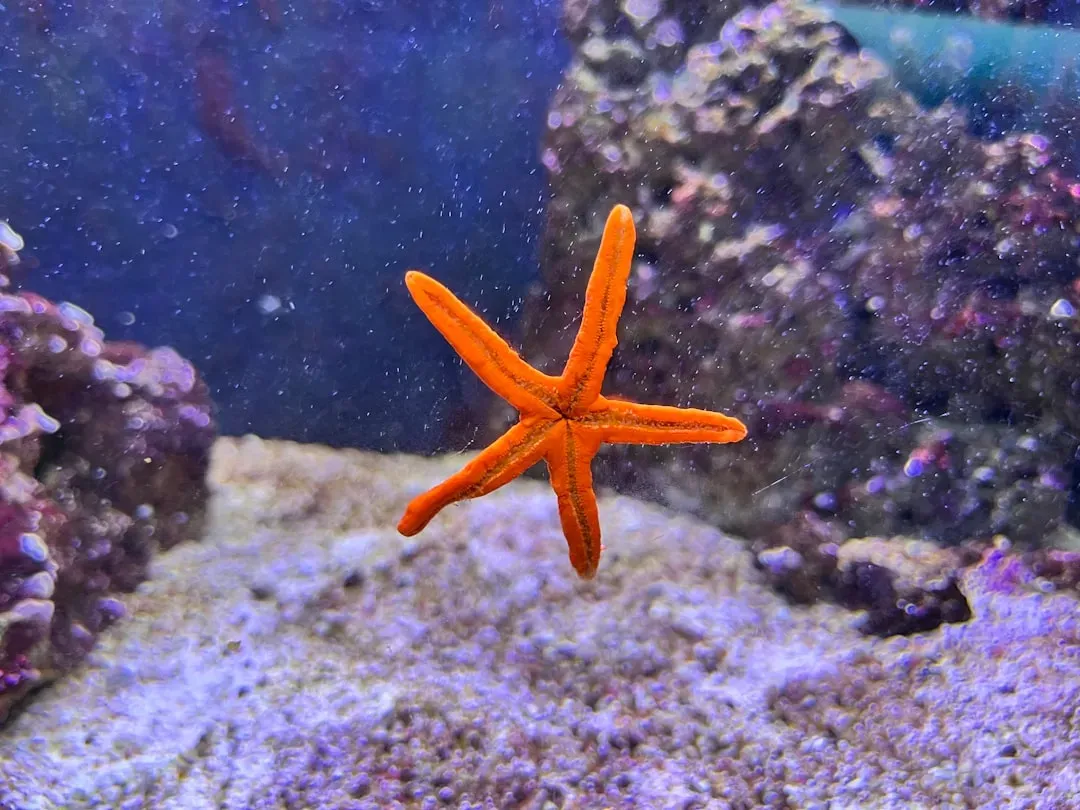
Starfish might move slowly, but they’re surprisingly capable creatures. A sea star can crawl toward food and somehow avoid predators without a single centralized thought. They navigate the ocean floor using a complex network of nerves distributed throughout their bodies, with no central brain calling the shots.
Each arm of a starfish contains nerve cords that connect to a central nerve ring around the mouth. This setup allows starfish to coordinate movement and respond to their environment. If one arm detects food, the information spreads through the network and the entire animal moves toward it.
Their regenerative abilities are legendary. Some starfish species can regenerate entire bodies from a single arm, provided part of the central disk is still attached. A few species can even regenerate from just an arm alone. This remarkable ability suggests their distributed nervous system stores vital information throughout the body, not just in one location.
Starfish use thousands of tiny tube feet powered by a hydraulic system to move, grip surfaces, and pry open shellfish. They can sense light, chemicals, and touch through sensors scattered across their bodies. It’s a completely different approach to sensing and responding to the world compared to animals with brains.
9. Box Jellyfish: The Quick Learners
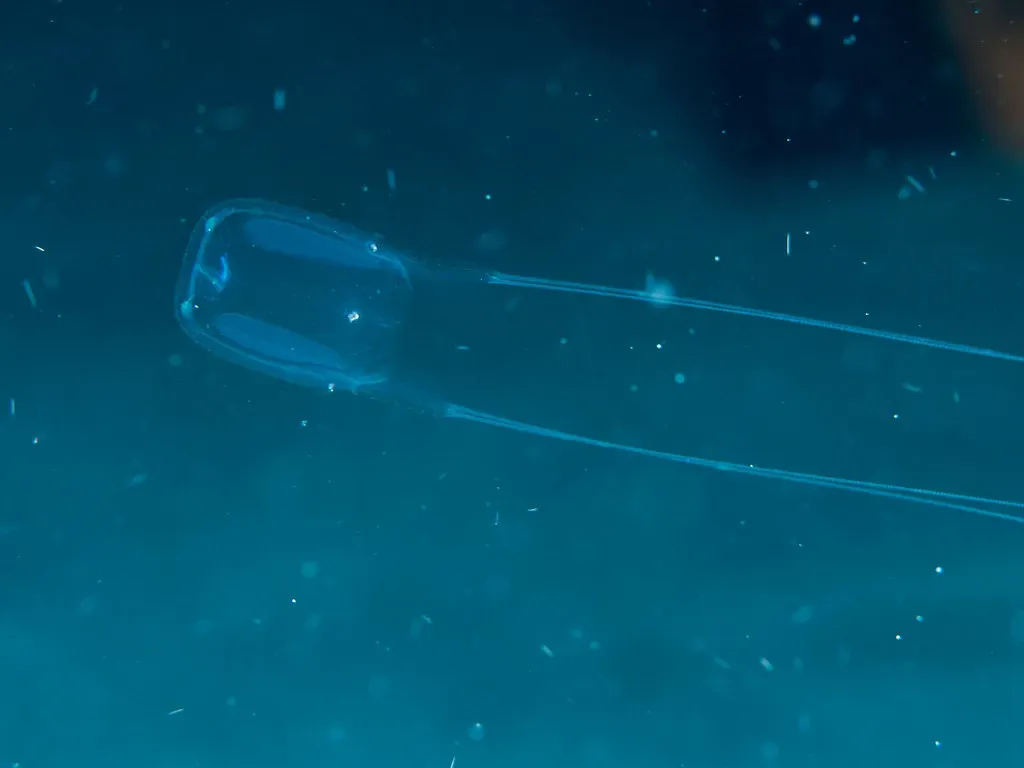
These tiny jellyfish smaller than a 5-pence piece can be found undulating through the Caribbean Sea, and despite not possessing a central brain, having only a few thousand neurons clustered around their eyes instead, they are nevertheless avid learners.
A 2023 study found that these brainless creatures are capable of associative learning; they are able to associate a new response with a particular stimulus, learning to avoid objects in a laboratory experiment and quickly adapting their behaviour based on new information, challenging long-held beliefs that a central brain is needed for advanced mental processes.
Box jellyfish are able to associate changes in light intensity with tactile feedback and adjust their swimming accordingly, though they possess only a few thousand neurons clustered around their four eyes. This is remarkable because associative learning was thought to require more complex neural structures.
The implications are huge. If creatures with just a few thousand neurons can learn from experience and adjust their behavior, what does that say about the minimum requirements for cognition? Box jellyfish are rewriting our understanding of what’s possible without a centralized brain. They prove that sophisticated information processing can emerge from relatively simple distributed networks.
10. Slime Molds: The Brainy Blob
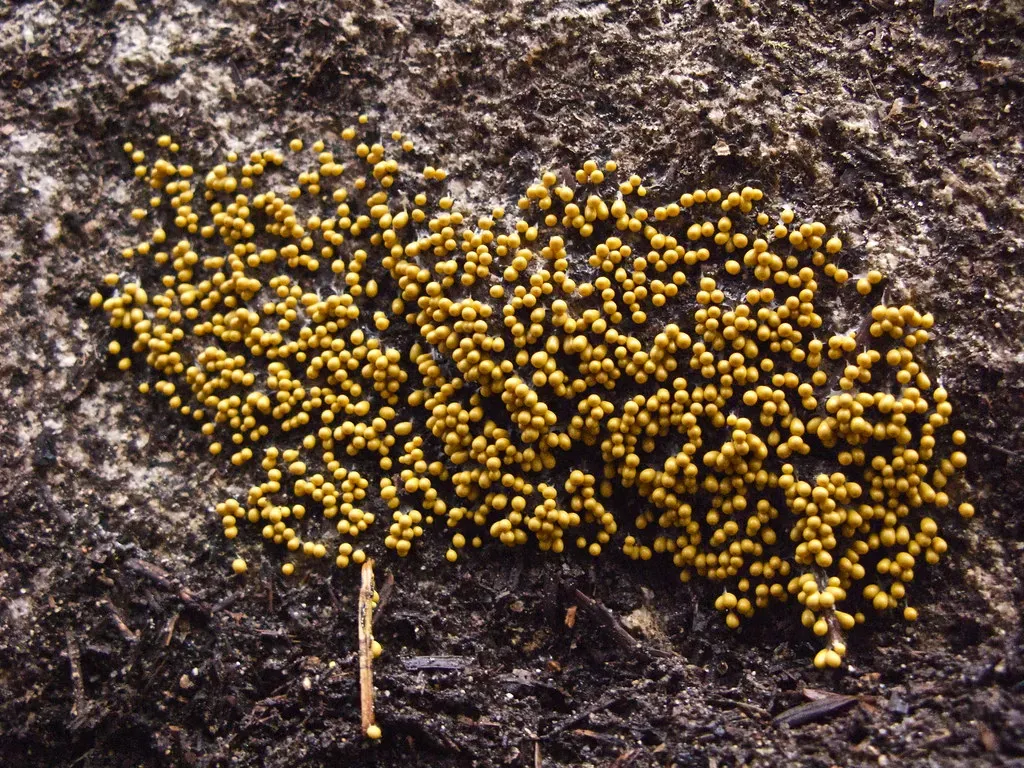
These creatures are called slime molds and they’re actually single cells containing many nuclei that can spread out over several square feet; the pulsing mass can expertly find the shortest path to food, building a series of tube-like structures that circulate nutrients and chemical signals in feats we’d normally associate with intelligence.
A 2016 study noted that slime molds can solve mazes, act as if repeated past events will continue into the future, and learn to tolerate substances they avoid at first. Let me repeat that: a single-celled organism with no brain or even neurons can solve mazes and learn from experience. That’s absolutely wild when you stop to think about it.
These extraordinary single-celled gelatinous organisms can solve mazes, remember foraging routes, make decisions, and anticipate change all without a brain; they have even been found to solve complicated spatial problems like transport networks, finding the shortest path between two points and recreating Tokyo’s rail network at the micro level as well as highways from Canada, the U.K. and Spain.
Slime molds accomplish these cognitive feats using chemical signals that spread through their cytoplasm. They sense their environment, process information about food sources and threats, and make decisions about where to grow. When researchers placed food sources in patterns matching cities around Tokyo, the slime mold grew a network almost identical to the actual rail system.
This challenges our basic assumptions about what intelligence requires. You don’t need neurons, synapses, or a brain to exhibit problem-solving behavior and learning. Sometimes all you need is a different approach to processing information. Slime molds prove that nature found multiple solutions to the challenges of survival.
Conclusion
By that definition, brainless animals do show cognition. These ten remarkable creatures demonstrate that survival and success don’t always require what we consider traditional intelligence. From jellyfish drifting through ancient oceans to slime molds solving complex spatial puzzles, nature has crafted countless solutions to the problems of existence.
Learning is not the sole province of those with a brain or even the rudiments of one, and as evidence of cognitive prowess in the brainless continues to accumulate, it challenges deep intuitions about the biology of sensation, thought, and behaviour more generally. These animals force us to rethink our definitions of intelligence and consciousness.
What’s truly humbling is realizing that brains might just be one evolutionary strategy among many. These creatures have persisted for hundreds of millions of years using distributed nerve networks, simple reflexes, and chemical signaling. They navigate, hunt, learn, and adapt without centralized processing.
Their existence raises profound questions about the nature of intelligence itself. Did you expect that something as simple as a slime mold could outperform some computer algorithms in finding efficient routes? What do you think defines true intelligence in the natural world?
