
Most people think of the Midwest as flyover country. Flat, predictable, a little boring between coasts. Honestly, I used to think so too. Then someone dragged me on a road trip through South Dakota and Illinois, and I came back a completely different person.
Commonly referred to as America’s breadbasket, the Midwest is best known for its manufacturing, agriculture, and friendly people. Yet lesser known to many are the natural wonders occupying its wide open spaces. Nestled among plains and hidden valleys are some of the United States’ most beautiful landmarks. The sheer variety is staggering. Ancient fossils, glacial sand dunes, carved stone presidents, glittering cave systems, and island sea caves all call this region home. Let’s dive in.
1. Mount Rushmore, South Dakota: Four Faces That Stop You Cold
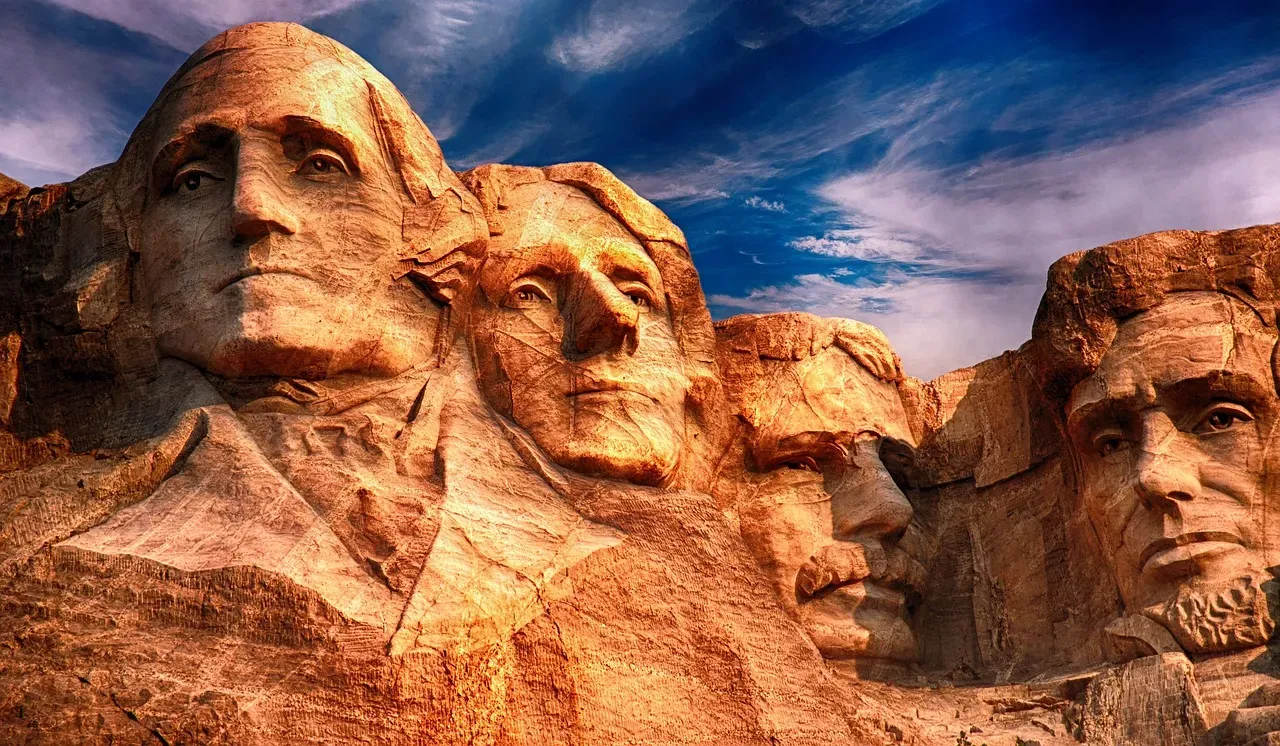
There are places you expect to be moved by, and then there are places that actually deliver. Mount Rushmore is one of the rare ones that lives up to the hype completely. Mount Rushmore is one of the most recognizable landmarks in the United States, carved into the Black Hills and featuring the faces of four presidents: George Washington, Thomas Jefferson, Abraham Lincoln, and Theodore Roosevelt.
As one of the country’s most recognizable monuments, this mountainside portrait is meant to honor both America’s history and its natural wonder. Visitors can hike around the site, join guided walks, and learn about the sculpture’s full history at the visitor center.
Educational programs highlight the history and artistry behind this iconic symbol of American leadership. It’s one thing to see it in a textbook. Standing in front of it, though? That’s something else entirely.
2. Badlands National Park, South Dakota: Mars on Earth
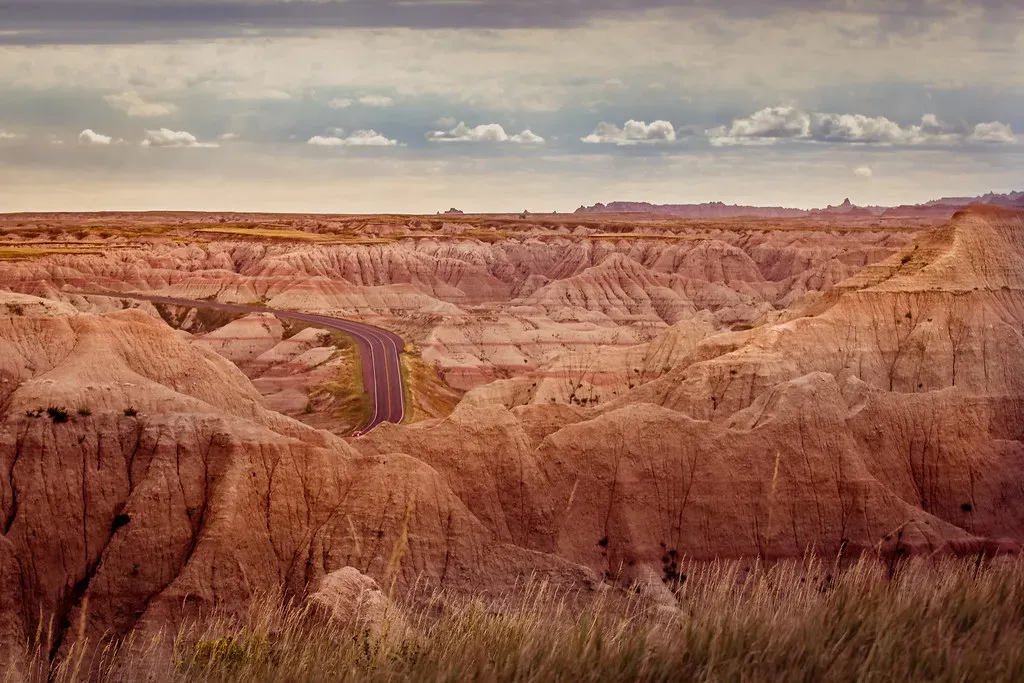
I know it sounds crazy, but the Badlands genuinely look like another planet. Characterized by rock formations with unusual stripes and patterns, the rugged Badlands landscape stretches over 90,000 hectares and attracts nearly one million visitors each year. Bison, prairie dogs, and black-footed ferrets are among the native animal species.
An ancient sea covered the Badlands 75 million years ago, eroding the landscape and forming the distinct plateaus and rock structures that captivate tourists today. The sea also left behind one of the richest collections of bone and shell fossils in the world.
Today, this sprawling expanse is home to bison, bighorn sheep, prairie dogs, and black-footed ferrets, drawing millions of visitors who come for the wild, untamed beauty of grasslands, striking layered rock formations, and deep canyons. Don’t rush this one. Give it a full day at minimum.
3. Gateway Arch, Missouri: The Door to the American West
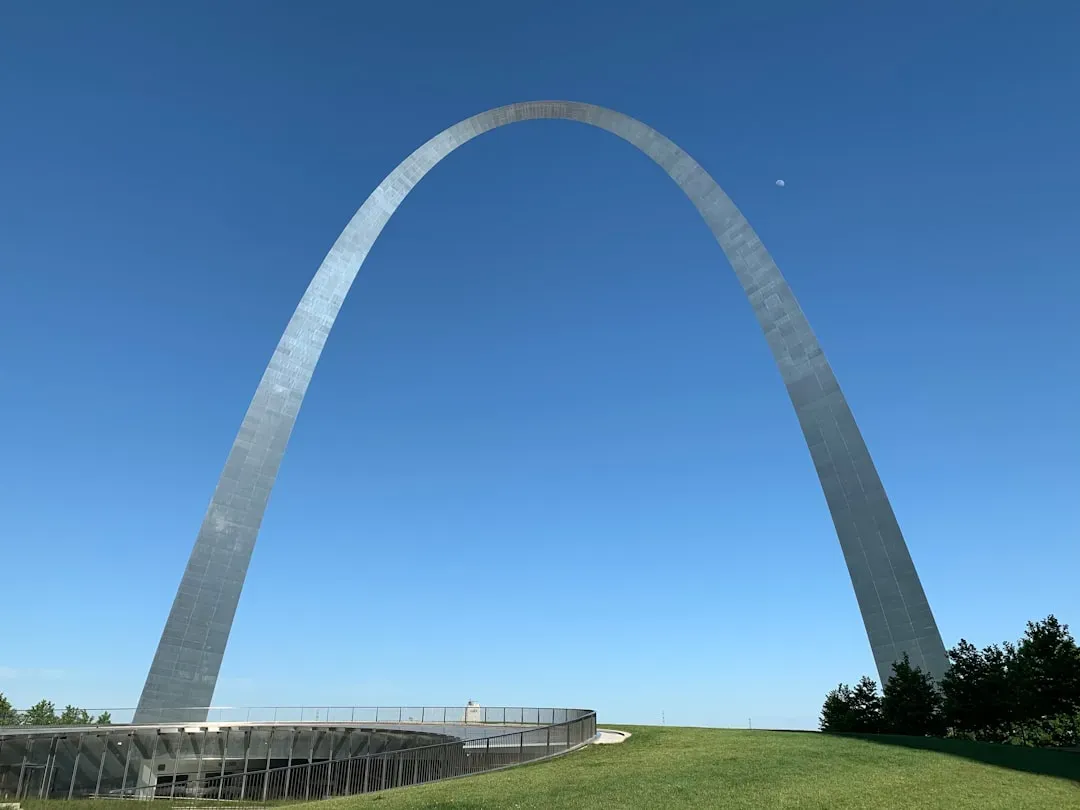
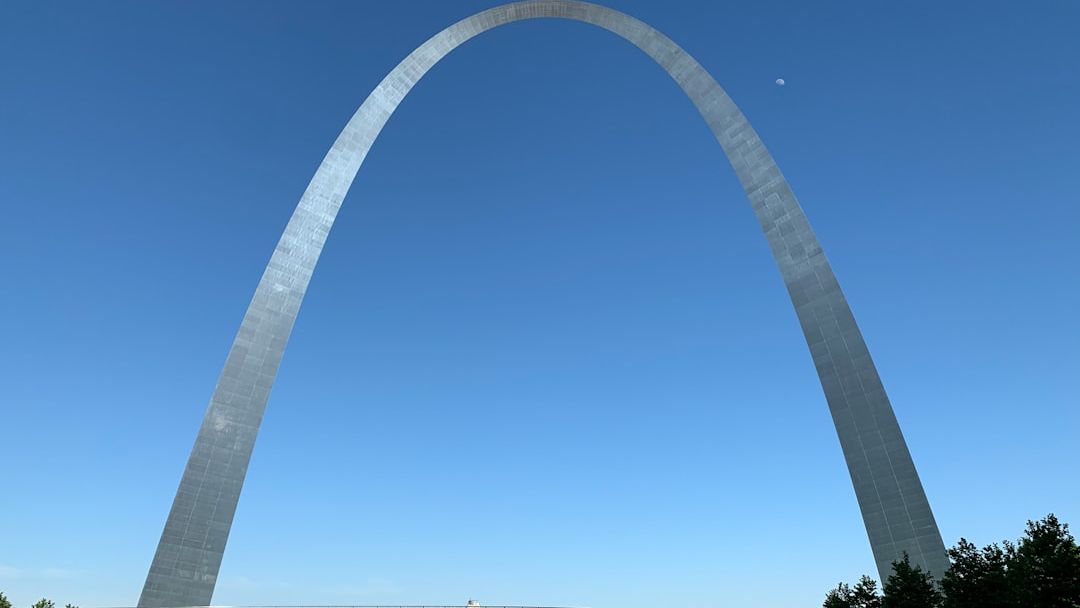
Standing at the base of the Gateway Arch and craning your neck upward is a visceral experience. It genuinely looks impossible. As the world’s tallest structure of its kind and the tallest monument in the US, the stunning Gateway Arch stands at 630 feet, looming large over downtown St. Louis. Completed in 1965 by architect Eero Saarinen, the gleaming stainless steel arch can be enjoyed from afar, with experiences to be had up close as well.
Formerly known as the Jefferson National Expansion Memorial, the Gateway Arch was built to honor Thomas Jefferson and his vision of westward expansion. To this day, it remains the tallest monument in the U.S.
You can take a tram ride all the way to the top, and the renovated museum on the lower level underwent a $380 million renovation in 2018. It’s part architecture, part history lesson, and completely unforgettable.
4. Sleeping Bear Dunes National Lakeshore, Michigan: Where Glaciers Left Their Mark
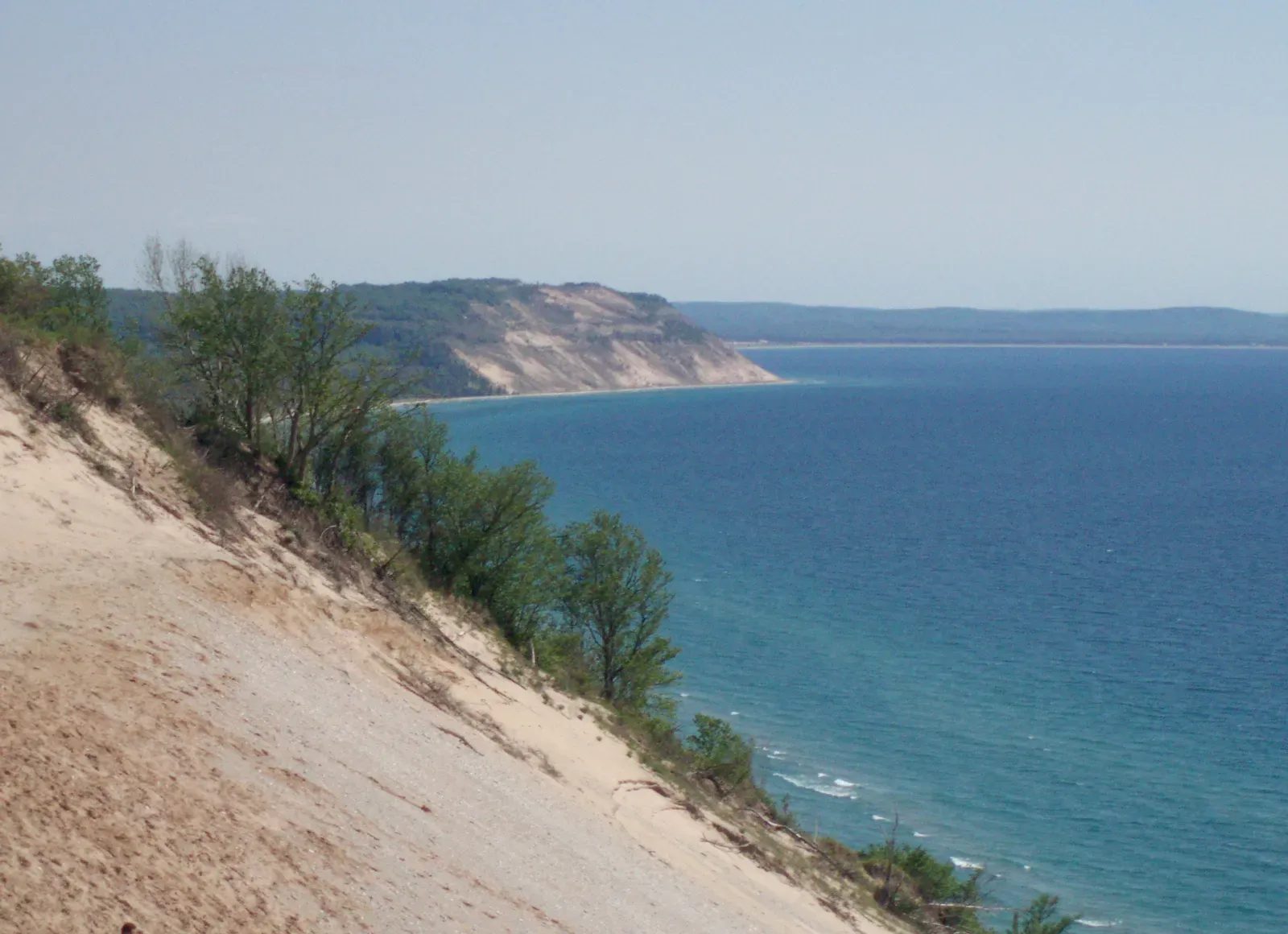
Here’s the thing about the Great Lakes region: it hides its most extraordinary landscapes in plain sight. Sleeping Bear Dunes is the perfect example. With sand bluffs that tower up to 450 feet above Lake Michigan on Michigan’s Lower Peninsula, Sleeping Bear Dunes National Lakeshore is home to the world’s largest collection of freshwater sand dunes. The dunes were shaped by glaciers over millions of years and are a stunning sight in any season.
The wild wonder of the area is protected by a National Park that encompasses the actual dunes as well as inland lakes, long stretches of beach, islands, and wildlife habitats. The dunes themselves are glacial sand deposits and got their name from an Ojibwe legend about a mother bear that sleeps under the dunes’ sands awaiting the return of her two lost cubs.
One of the park’s highlights is the famous Dune Climb, a strenuous yet rewarding climb up a 284-foot-tall sand dune that can take up to four hours to complete. Pack water. Seriously. More than you think you’ll need.
5. Cahokia Mounds, Illinois: America’s Ancient Lost City
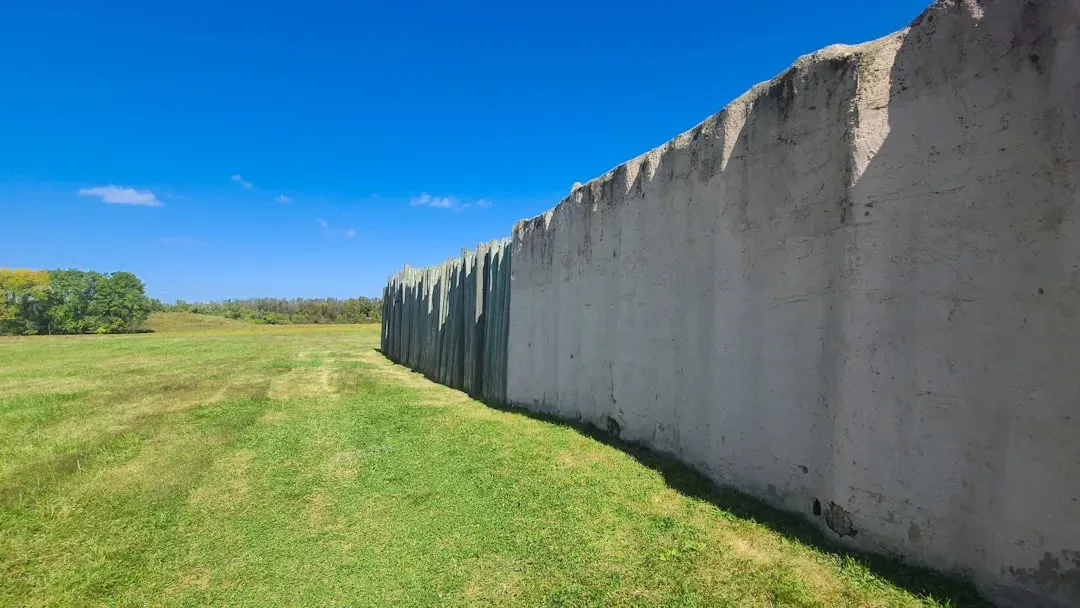
Most travelers zoom past Collinsville, Illinois without a second glance. That’s a massive mistake. This UNESCO World Heritage Site represents an ancient city that was once a thriving Native American civilization and is the largest archaeological site in North America.
The Cahokia Mounds were built by the prehistoric Native Americans of the Mississippian culture. Historians believe the mounds may have been inhabited by Indigenous peoples until French traders arrived in the 1600s. The Mississippians most likely built these mounds to bury their dead and hold ceremonies.
At its peak around 1150 CE, the population was about 20,000 people, larger than the city of London at the time. Let that sink in for a moment. A city the size of medieval London, right here in Illinois, long before European settlers ever arrived.
6. Chimney Rock, Nebraska: The Pioneer’s Beacon
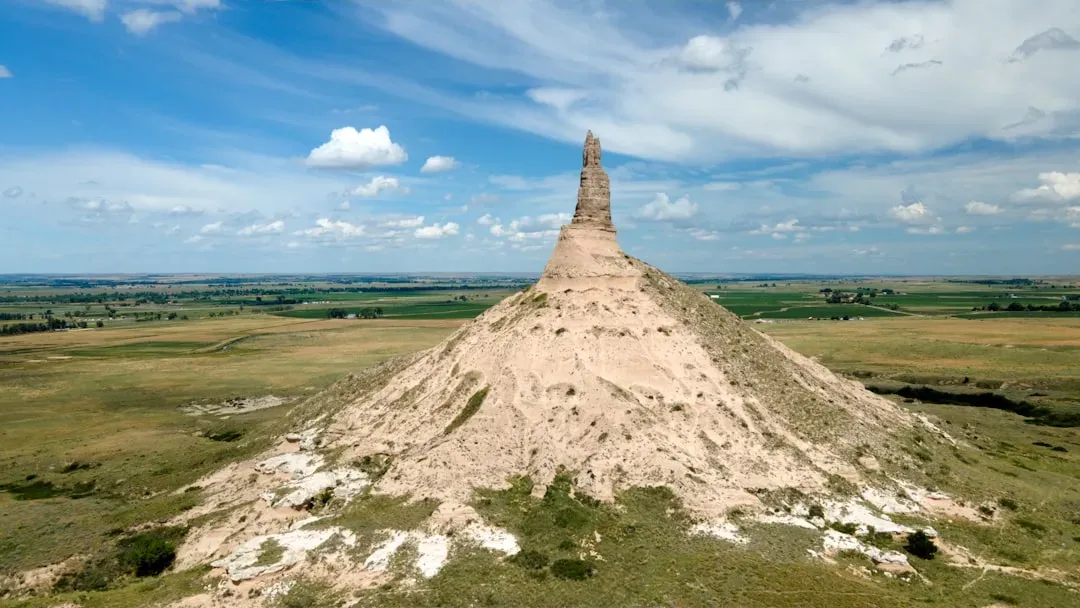
There’s something deeply moving about standing where hundreds of thousands of 19th-century pioneers once stood, looking up at this same rock formation and feeling their hearts lift. Jutting out from the flat plains of Nebraska, Chimney Rock is one of the most historically significant natural landmarks in the Midwest, rising 325 feet above the North Platte River valley. The stone spire is visible for miles and was an important marker for travelers on the Oregon, California, and Mormon trails in the 19th century.
According to the National Park Service, the landmark was mentioned in more emigrant diaries than any other landmark on the journey to the American West. That statistic floors me every time.
Beside the natural site is the Chimney Rock Museum, which holds a treasure trove of pioneer artifacts, firsthand accounts of the Oregon Trail, Native American history, and geological history. The surrounding silence, broken only by wind, makes history feel suddenly very real.
7. Apostle Islands National Lakeshore, Wisconsin: Sea Caves of the Midwest
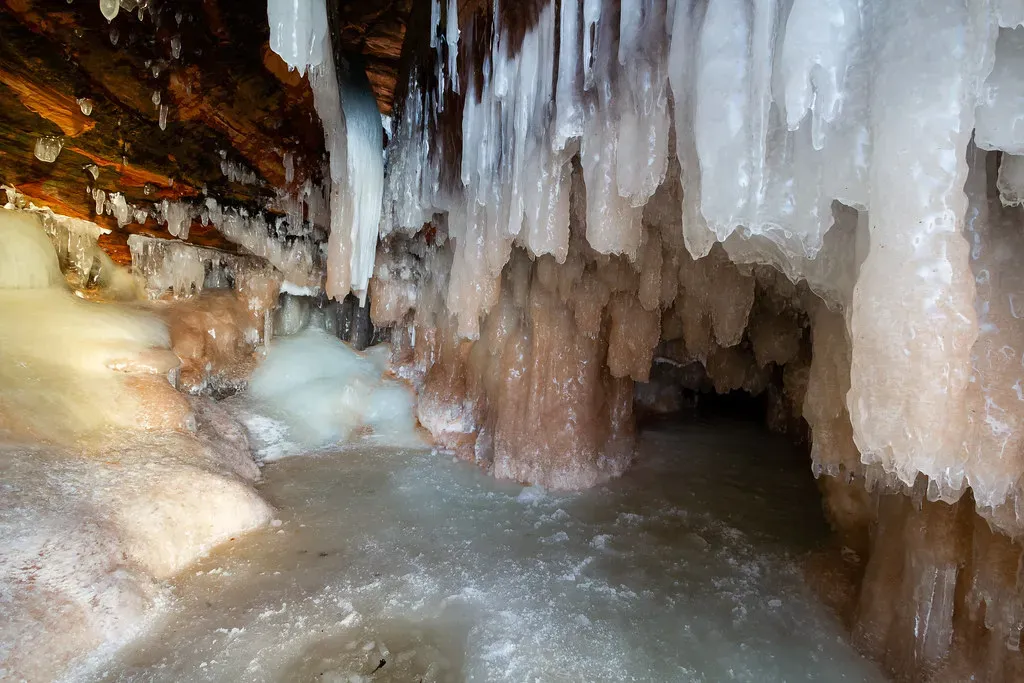
Most people don’t realize the Midwest has sea caves. That alone should convince you to put this one on the list. The Apostle Islands are comprised of 21 different islands situated in Lake Superior. The rocky shorelines make for dramatic scenery great to view from a boat deck, but there are also lighthouses, sandy beaches, and sea caves to explore across the archipelago.
Apostle Islands National Lakeshore is a series of islands in Lake Superior near Bayfield, Wisconsin, and all of these islands are uninhabited except for one: Madeline Island.
Adventurous visitors can kayak through sea caves at Apostle Islands National Lakeshore, though a boat cruise will also take you to view the caves, even if it’s not as immersive. In winter, those sea caves freeze into jaw-dropping cathedral-like ice formations that are unlike anything else in the country.
8. Starved Rock State Park, Illinois: Canyons Just Outside Chicago
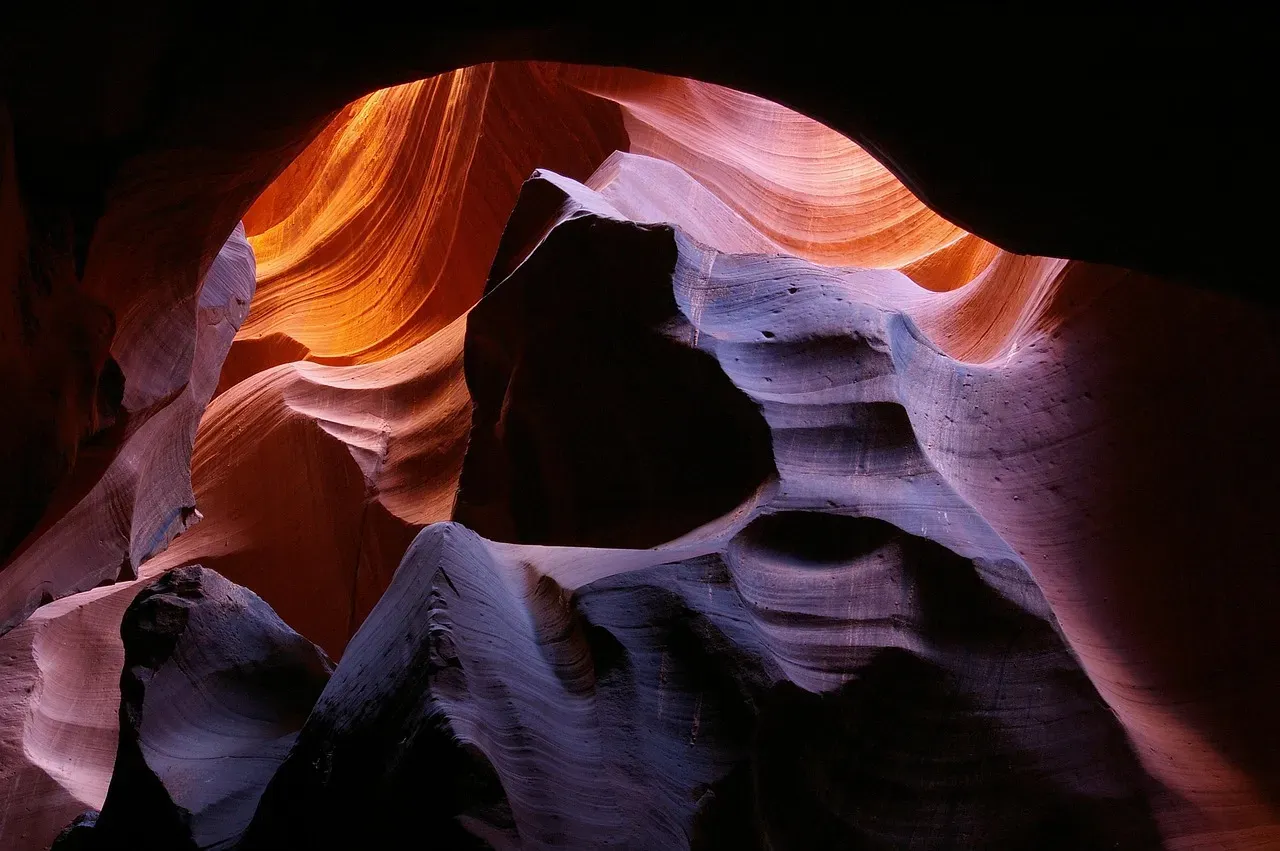
You’d never guess that one of the Midwest’s most dramatic canyon landscapes sits barely ninety minutes from downtown Chicago. Starved Rock State Park is only 1.5 hours from Chicago, but you would never know it based on the depth of its beauty. This state park is full of tall canyons with waterfalls, unusual rock alcoves, and views that are sure to impress.
Renowned for its striking canyons formed by glacial meltwater, Starved Rock features breathtaking views and more than 21 kilometers of trails with access to waterfalls and natural springs. Camping, fishing, and boating are popular recreational activities. In wintertime, when the scenic waterfalls change to icefalls, visitors are welcome to go ice skating and sledding.
Named after an Indigenous battle that took place in the 1760s, the park features 13 miles of trails and 18 canyons to explore, as well as 133 campsites, making it a beloved spot for nature lovers even when the waterfalls aren’t flowing. The area also attracts birders, with opportunities to spot bald eagles.
9. Hocking Hills State Park, Ohio: A Waterfall Wonderland
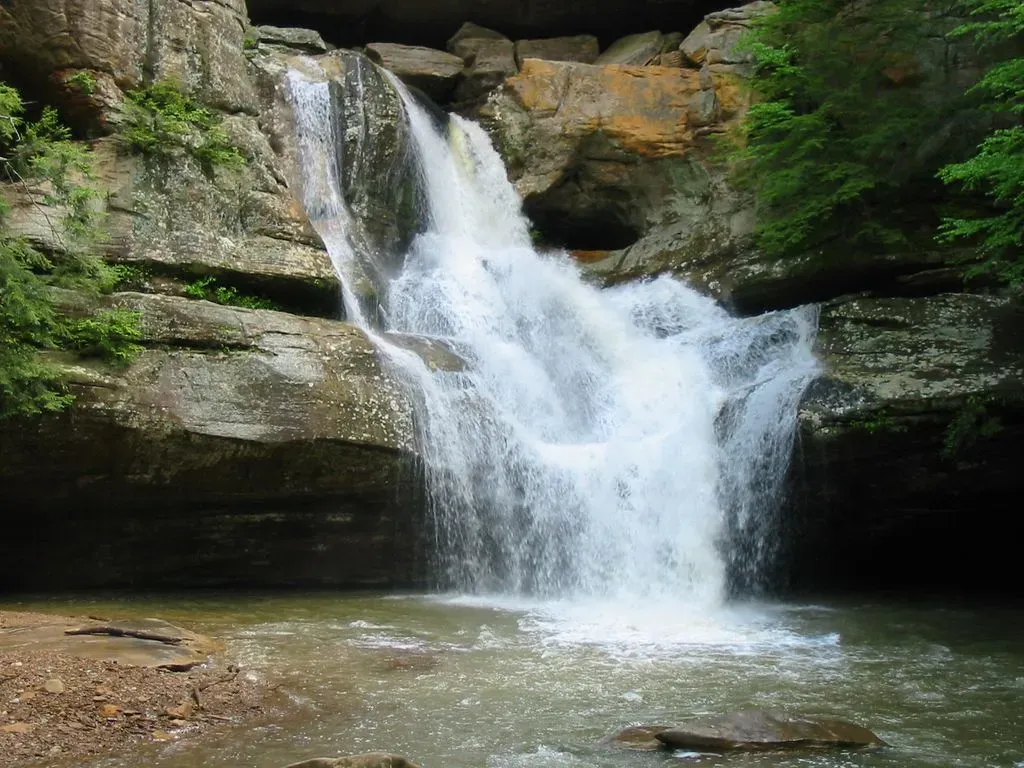
Ohio surprises people. It really does. Hocking Hills, tucked about an hour south of Columbus, is the kind of place that makes you feel like you’ve stumbled into a secret. The natural wonders of Hocking Hills State Park never cease to amaze. Located 57 miles from Columbus, this beguiling area brims with forests, cascading falls, caves, and gorges. Whether you prefer a leisurely stroll or more strenuous trails, Hocking Hills State Park is a destination that should be included on any self-respecting Midwest bucket list.
Picturesque in every season, from ice formations in winter to vivid fall foliage, Hocking Hills State Park is an Ohio gem that locals love. Featuring a series of cascades ranging in size, the park is popular for waterfall hikes through ravines and hemlock-shaded gorges. Other activities include stargazing at John Glenn Astronomy Park, rock climbing, zip-lining, kayaking, canoeing, fishing, and rappelling.
10. Voyageurs National Park, Minnesota: A World of Water and Sky
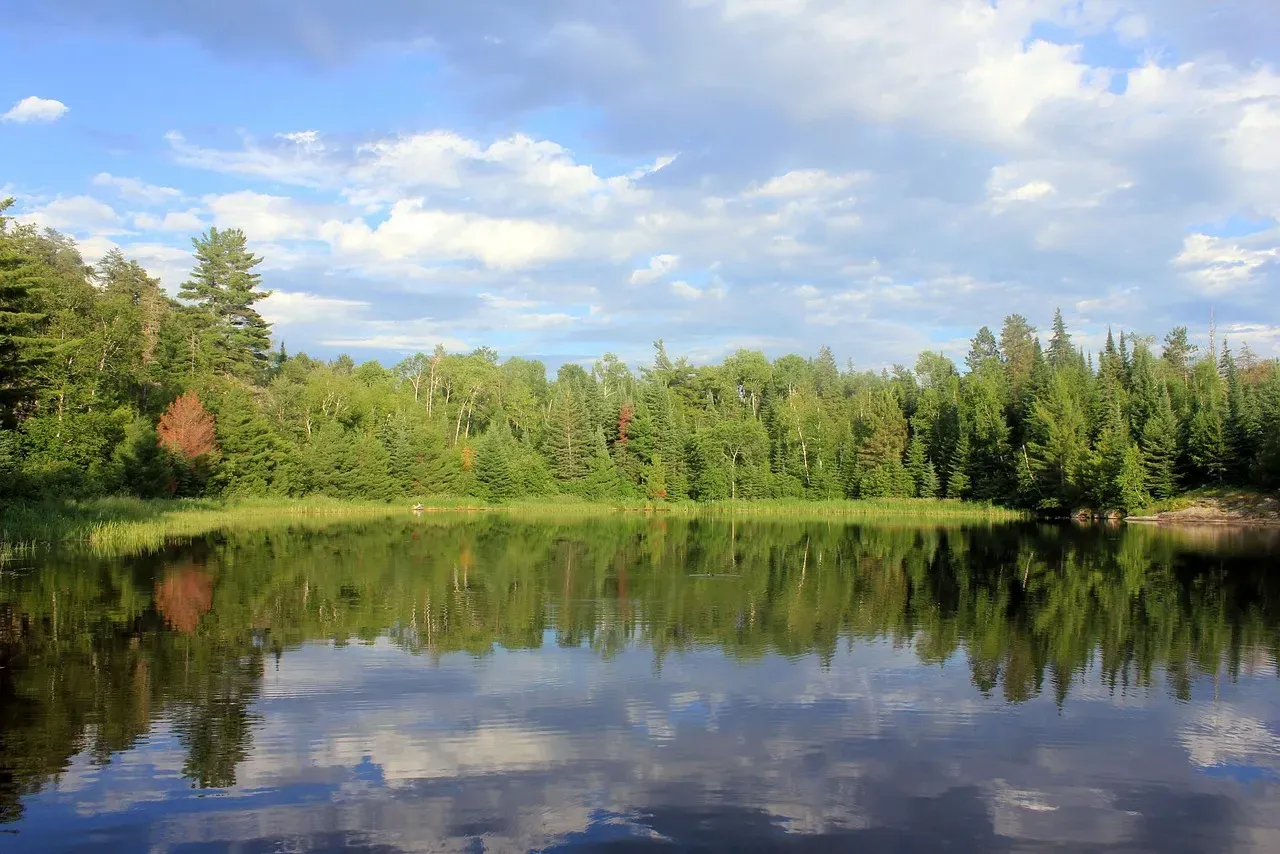
Voyageurs is the kind of place that resets your nervous system. No noise, no traffic, just thousands of acres of wilderness and water stretching toward the horizon. Any Midwesterner worth their salt has fond memories of visiting Voyageurs National Park in Minnesota. If you haven’t been to this sprawling 218,055-acre, year-round playground of outdoor adventure, it’s high time you rectified that.
Voyageurs National Park fully lives up to its promise as “a park of water, island and horizons” with a seemingly endless array of rocky outcrops, dramatic cliffs, wetlands, hardwood forests, streams, and lakes.
The park is also one of the better spots in the contiguous United States to catch the northern lights. The aurora borealis can be experienced from the shores of Lake Superior, where the dazzling purple and green glow looks particularly spectacular in the dark sky over the reflective water. Since the lights are a natural phenomenon there’s never any guarantee they’ll appear, but they are most likely to show up in the winter months between 9pm and 4am.
11. Pictured Rocks National Lakeshore, Michigan: Cliffs You Won’t Believe Are Real
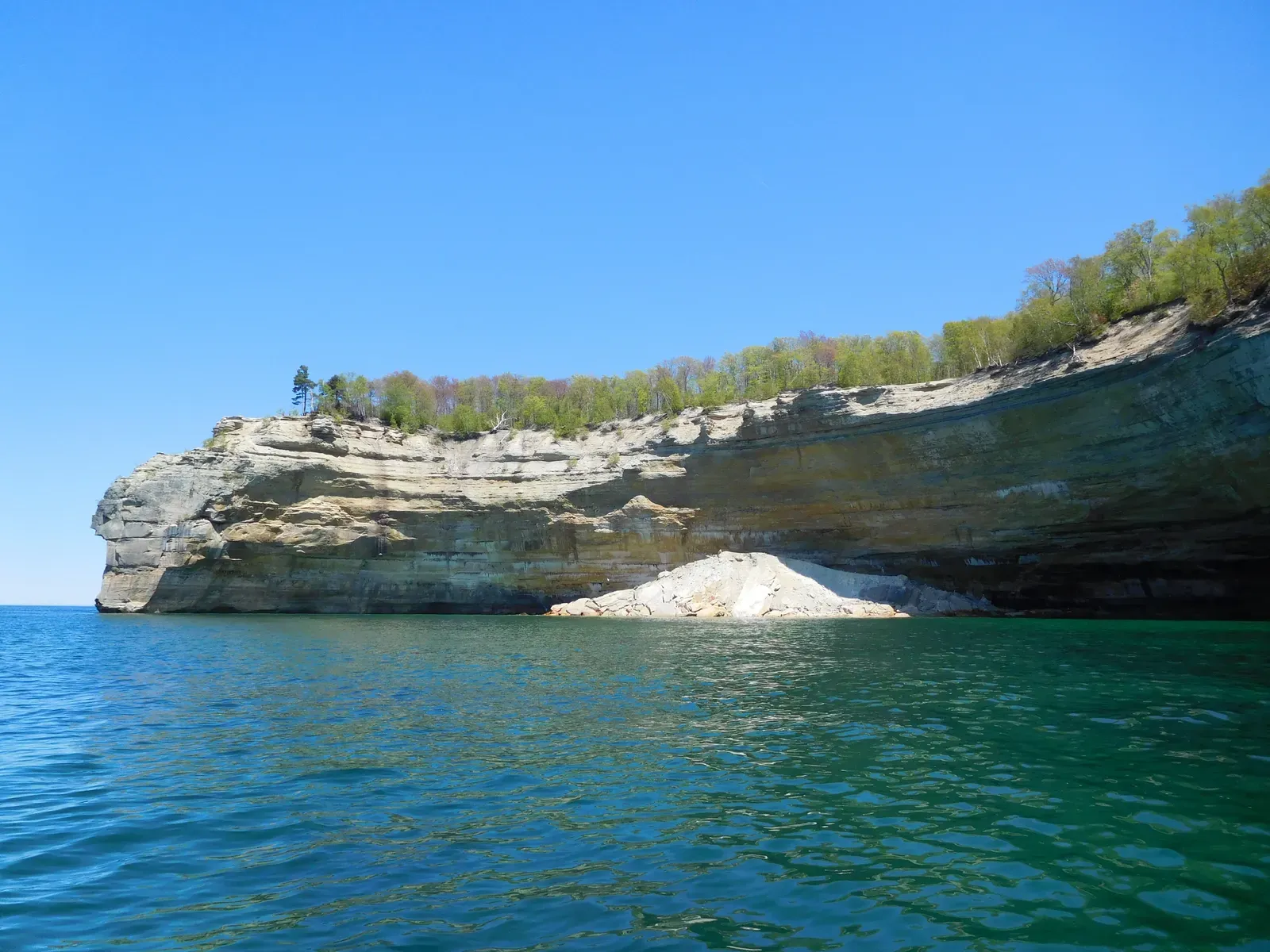
There are a handful of places in the United States where a single photograph simply doesn’t do justice to the reality. Pictured Rocks is firmly in that category. Perched on the shore of Lake Superior, Pictured Rocks National Lakeshore overflows with fantastical scenery. The sandstone cliffs, sheltered beaches, sky-grazing dunes, waterfalls, shimmering lakes, and abundant forests make Pictured Rocks a destination that deserves at least a few hard-earned vacation days.
The multi-colored mineral staining on those soaring sandstone cliffs creates streaks of copper, blue, green, and orange that look almost painted on. It’s not CGI. It’s just geology being incredible. Kayaking directly beneath the cliffs puts you face to face with this natural artwork in a way that no overlook trail ever could.
12. The Dells of the Wisconsin River: Ancient Gorges with Modern Appeal
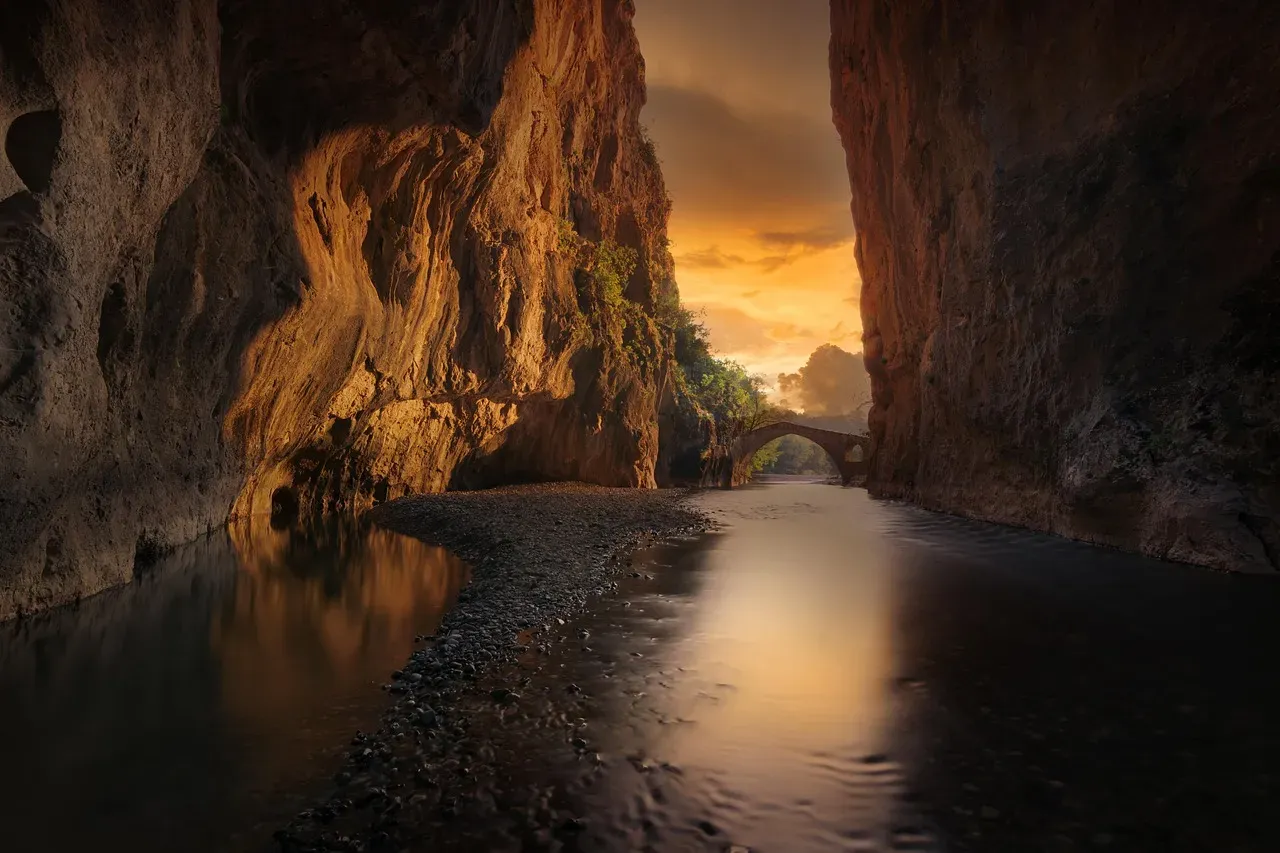
Most visitors to Wisconsin Dells come for the water parks, which are admittedly a blast. But the geological wonder that gave the area its name is something far older and more spectacular. Noted for its gorges, tributary canyons, and sandstone rock formations, the Dells of the Wisconsin River extend eight kilometers and are a favorite among locals and visitors. At certain points along the water’s edge, the cliffs rise 30 meters above the river, eroded from years of water and wind beating against the rock.
The river carves through these ancient formations in a series of tight bends and dramatic narrows that are best viewed by boat tour. Think of it as the Midwest’s own miniature fjord system. It’s hard to say for sure how old some of these formations are, but geologists estimate the sandstone was deposited roughly 500 million years ago.
13. Custer State Park, South Dakota: Bison Country at Its Finest
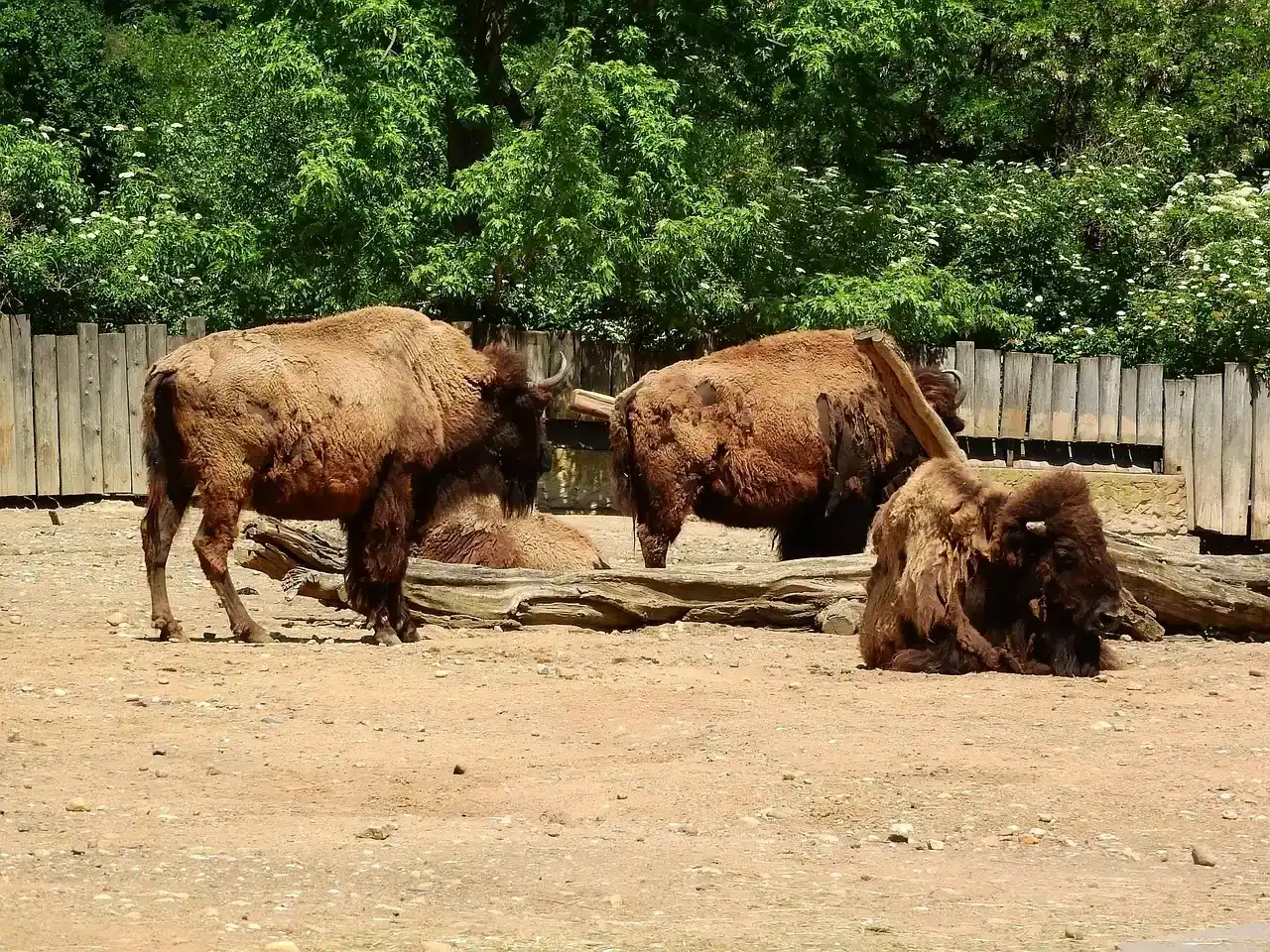
If you want to understand what the American Great Plains looked like before European settlement, Custer State Park offers the closest thing to a time machine available today. Custer State Park is a beautiful and sprawling natural area located in the Black Hills of South Dakota, encompassing over 71,000 acres of rugged terrain including granite peaks, deep canyons, and rolling prairies. The park is home to a diverse array of wildlife, such as bison, elk, mountain goats, and prairie dogs.
Visitors can drive through the designated Wildlife Loop Road to spot bison herds grazing on the grasslands, or watch for deer and elk in the forested areas. Driving through the Needles Scenic Highway offers breathtaking views of towering rock formations, winding roads, and narrow tunnels made out of stone.
Watching a bison herd move across the road in front of your car is a genuinely humbling experience. These animals weigh over a ton, they outnumber the humans around them, and for a moment you feel like the visitor you actually are.
14. Monument Rocks, Kansas: The Prairie’s Chalk Cathedrals
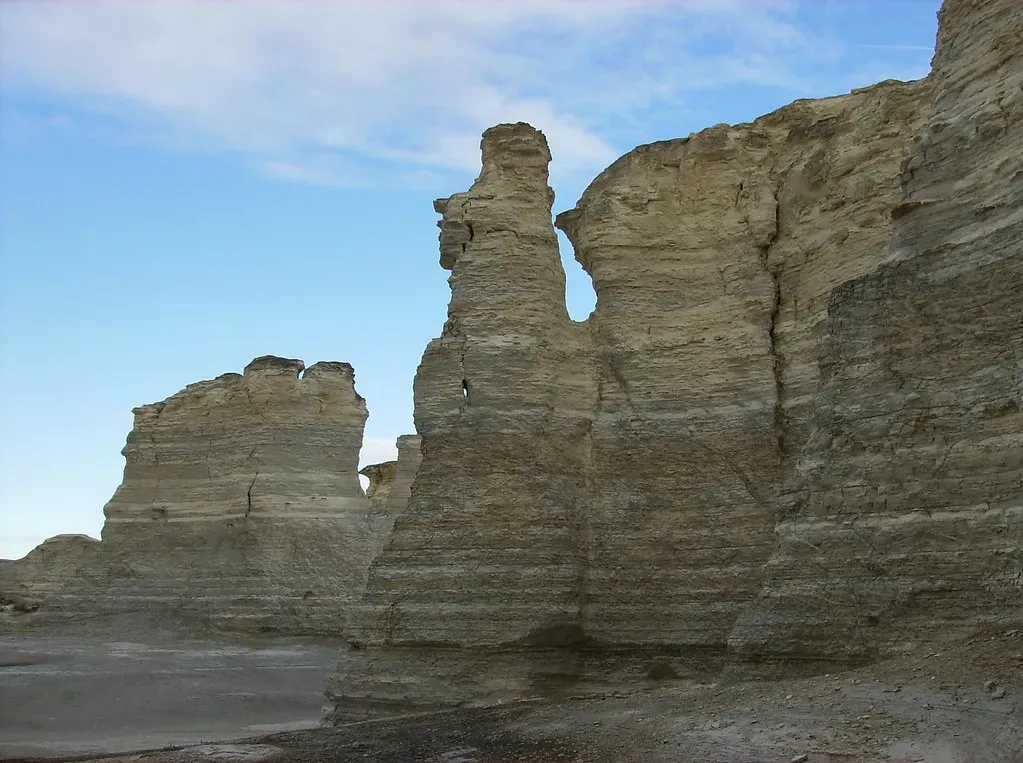
Few landmarks in the Midwest are more surprising or more overlooked than the Monument Rocks of Kansas. Standing alone on an otherwise flat prairie, they look almost surreal. It’s not every day that you’ll come across massive chalk formations in the middle of the Midwest. The Monument Rocks in Gove County, Kansas, are an otherworldly sight, particularly at dawn and dusk when the pale limestone formations stand out on the Kansas prairie. If you’re driving through the Sunflower State, it’s well worth stopping to look at this unusual natural wonder.
Monument Rocks National Landmark in Gove County is genuinely hard to get enough of. Selected as the first national landmark in the state by the Department of Interior in 1968, this treasure features a series of chalk pyramids, pinnacles, buttes, and spires that attract photographers and tourists from all over.
There’s no fee, no gate, and no gift shop. Just you and these ancient chalk towers rising from the flat earth like something from another world. I honestly think this is one of the most underrated stops in all of America’s heartland.
15. Garden of the Gods, Illinois: The Midwest’s Answer to the Rockies
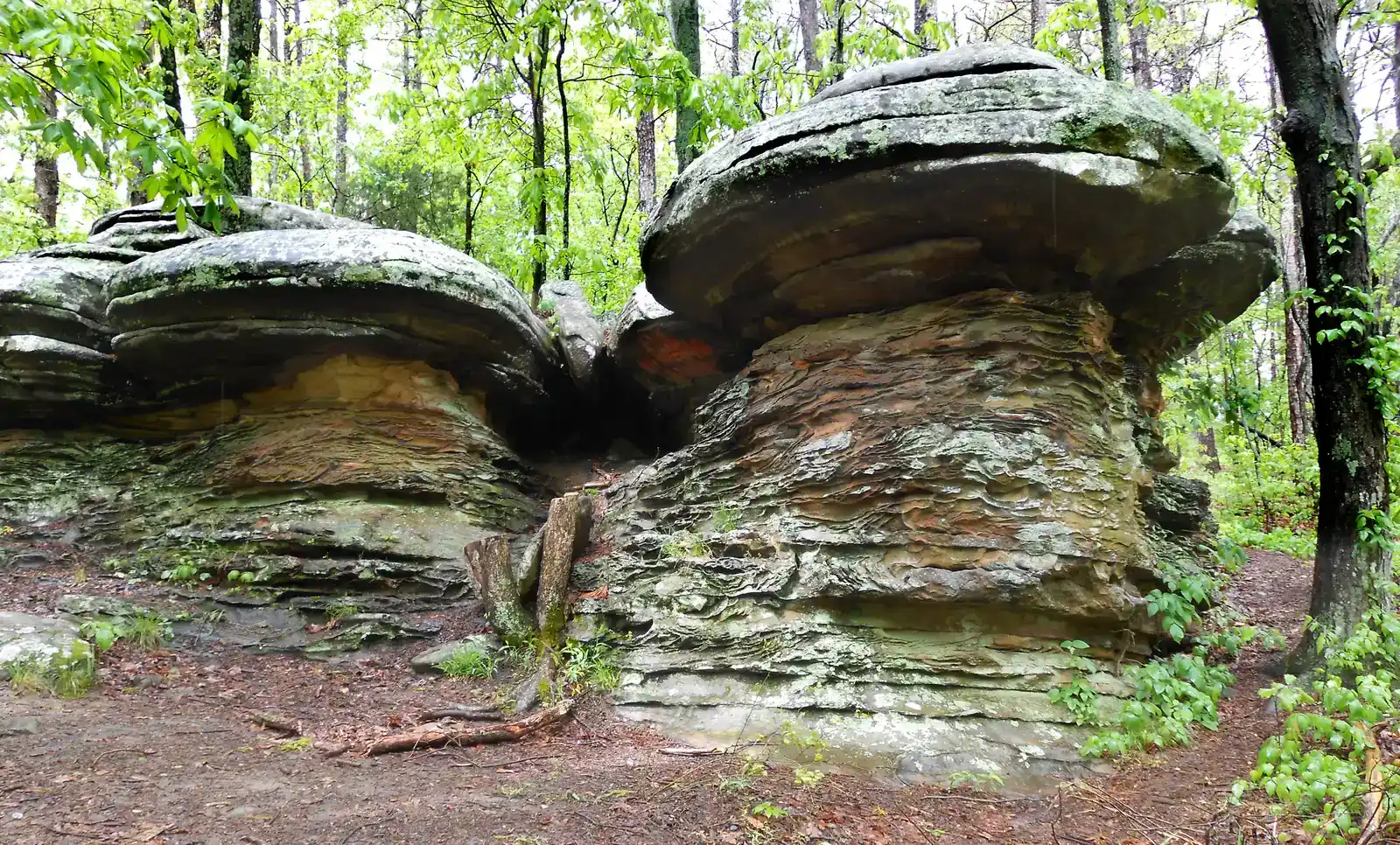
Let’s be real, when most people hear “Garden of the Gods” they think Colorado. But Illinois has its own version, and it absolutely holds its own. As part of the Shawnee National Forest, the Garden of the Gods rivals the western Rocky Mountains for its sprawling views and breathtaking hikes. The dramatic rock formations are unlike anything else in the Midwest. The park is open year round, but the best views come from the famous Observation Trail mid-summer or early fall.
If you love hiking, unique rock formations, and waterfalls, Shawnee National Forest is the perfect Midwestern getaway. Many of the day hikes in the area are part of the 160-mile River to River Trail connecting the Ohio and Mississippi Rivers and winding through tall rock formations, natural arches, and caves.
The sandstone formations here have been shaped by millions of years of erosion into otherworldly pillars, balancing rocks, and sweeping overhangs. Sunrise at the Observation Trail is the kind of thing you don’t forget. Genuinely one of the best-kept secrets in the entire region.
The Midwest Is Far More Than Flyover Country
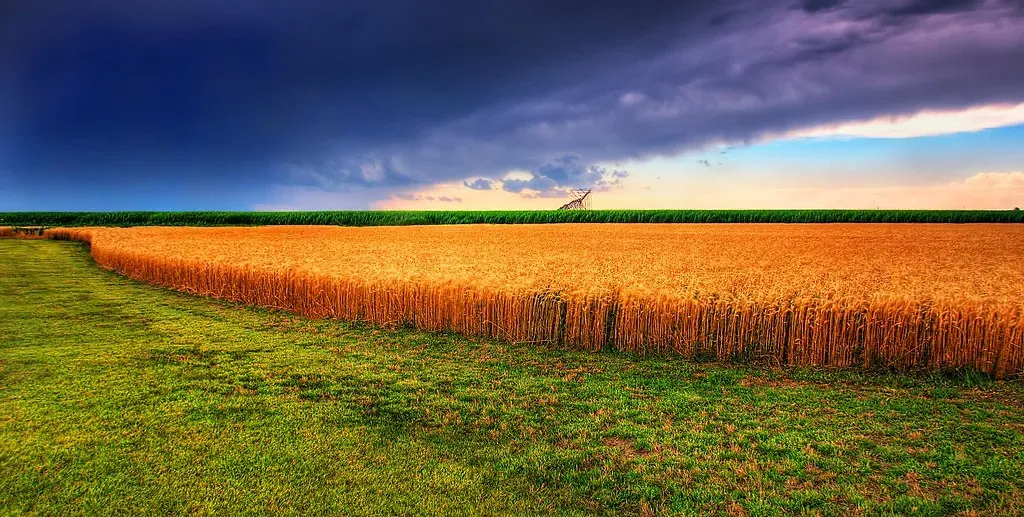
If this list does anything, I hope it permanently retires the phrase “flyover country.” The Midwest is a vibrant tapestry woven with awe-inspiring natural wonders and profoundly significant historical sites. From dramatic cliffs carved by mighty rivers to serene lakes reflecting endless skies, and from the birthplaces of industry to monuments honoring monumental achievements, the Midwest offers a journey through time and nature that genuinely surprises and delights.
The thing that strikes me most about this region is how every single one of these landmarks tells a different story. A geological story, a human one, a spiritual one. The Midwest is rich in history, culture, and natural beauty, making it an ideal destination for explorers of all types.
Whether you’re packing up an RV for a summer road trip or just looking for a weekend escape from city life, the American Midwest will surprise you at every turn. The question isn’t whether it’s worth exploring. It’s why you’ve waited this long. Which of these 15 wonders will you visit first? Tell us in the comments below.
