
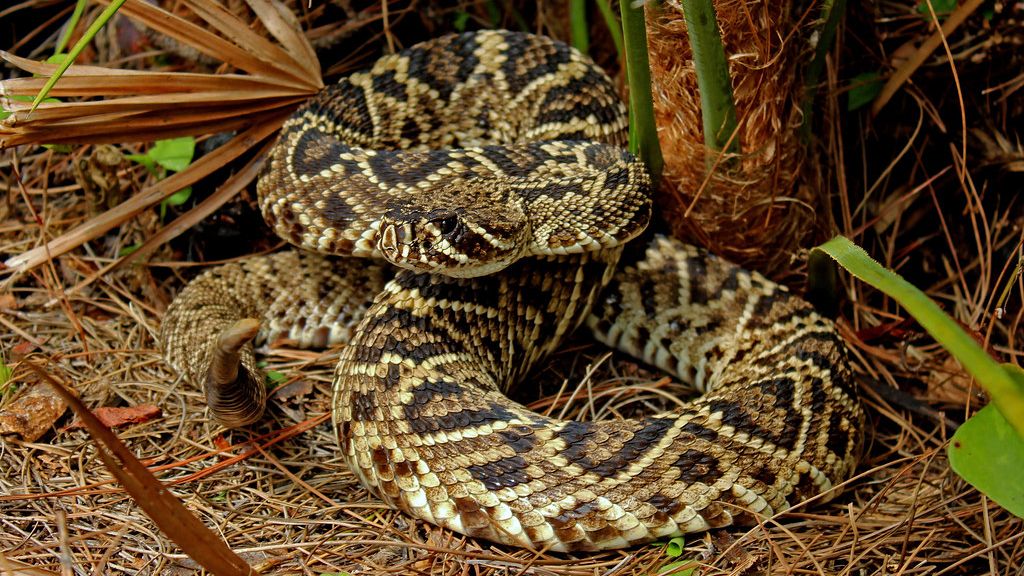
Picture this: you’re hiking through the desert or splashing in shallow ocean waves, minding your own business. Suddenly, a tiny intruder unleashes hellish pain that lingers for hours or days. Nature hides these tormentors in plain sight, turning ordinary moments into nightmares.[1]
From venomous lizards to sea dwellers with deadly barbs, these critters top the charts for sheer agony. You might think size matters, but nope, some of the smallest pack the worst punch. Ready to meet the ones that make grown adults weep? Let’s dive in.[1]
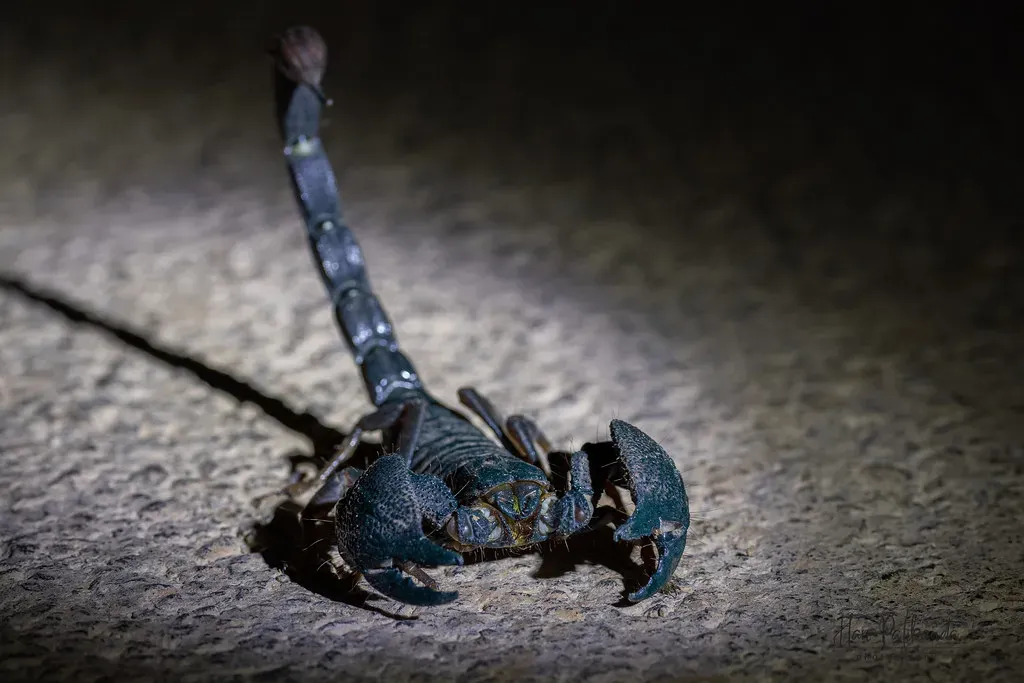
1. Arizona Bark Scorpion
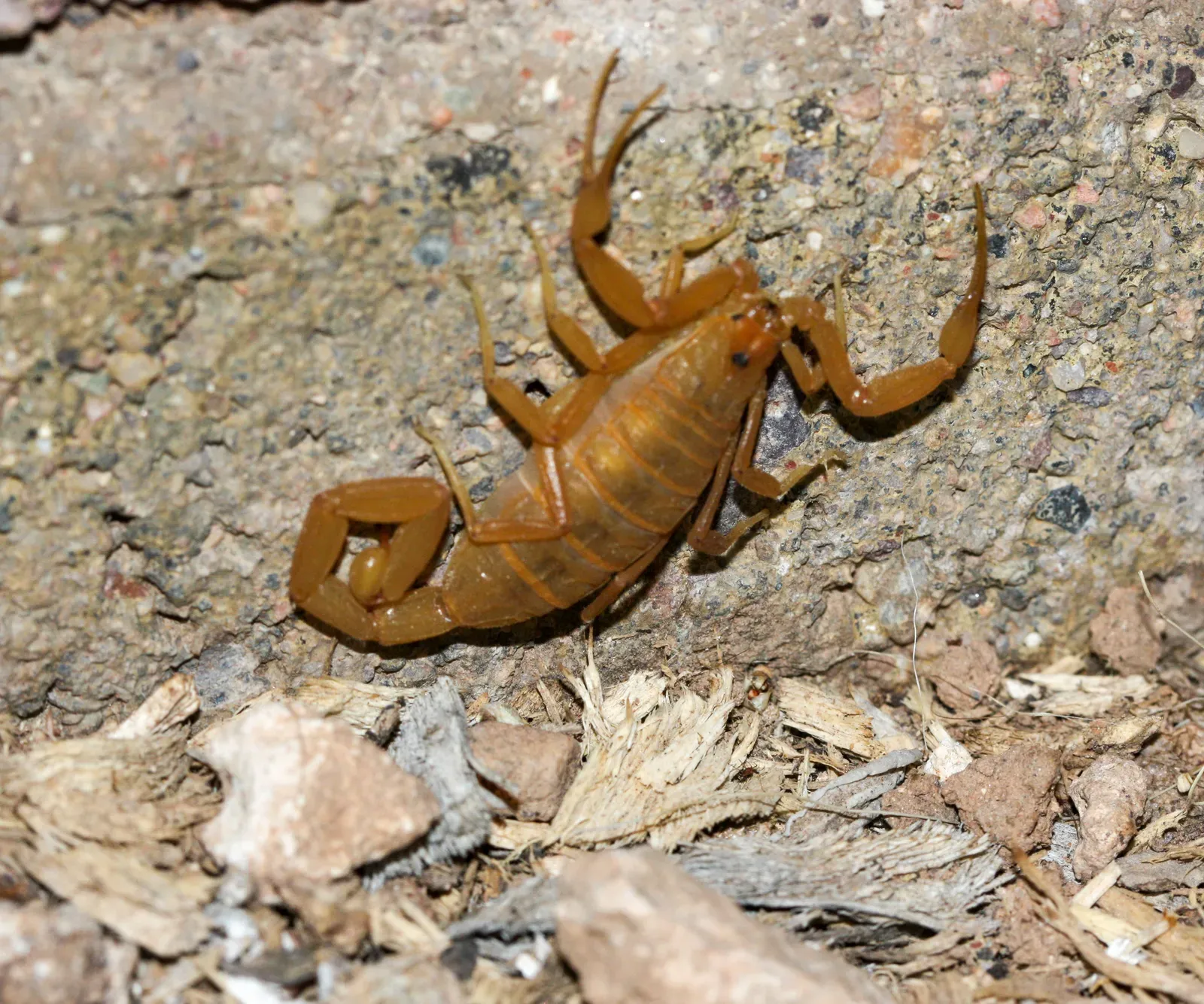
These sneaky scorpions top North America’s venom charts and love crashing Arizona homes. They hide in dark spots by day, then hunt at night. One sting hits with sharp, unrelenting pain that feels like fire racing through your veins.[1]
Symptoms ramp up fast: frothing mouth, breathing woes, convulsions, numb limbs. It drags on for up to 72 hours, though death is rare. Honestly, spotting their yellowish bodies could save your evening.[1]
2. Black Widow Spider
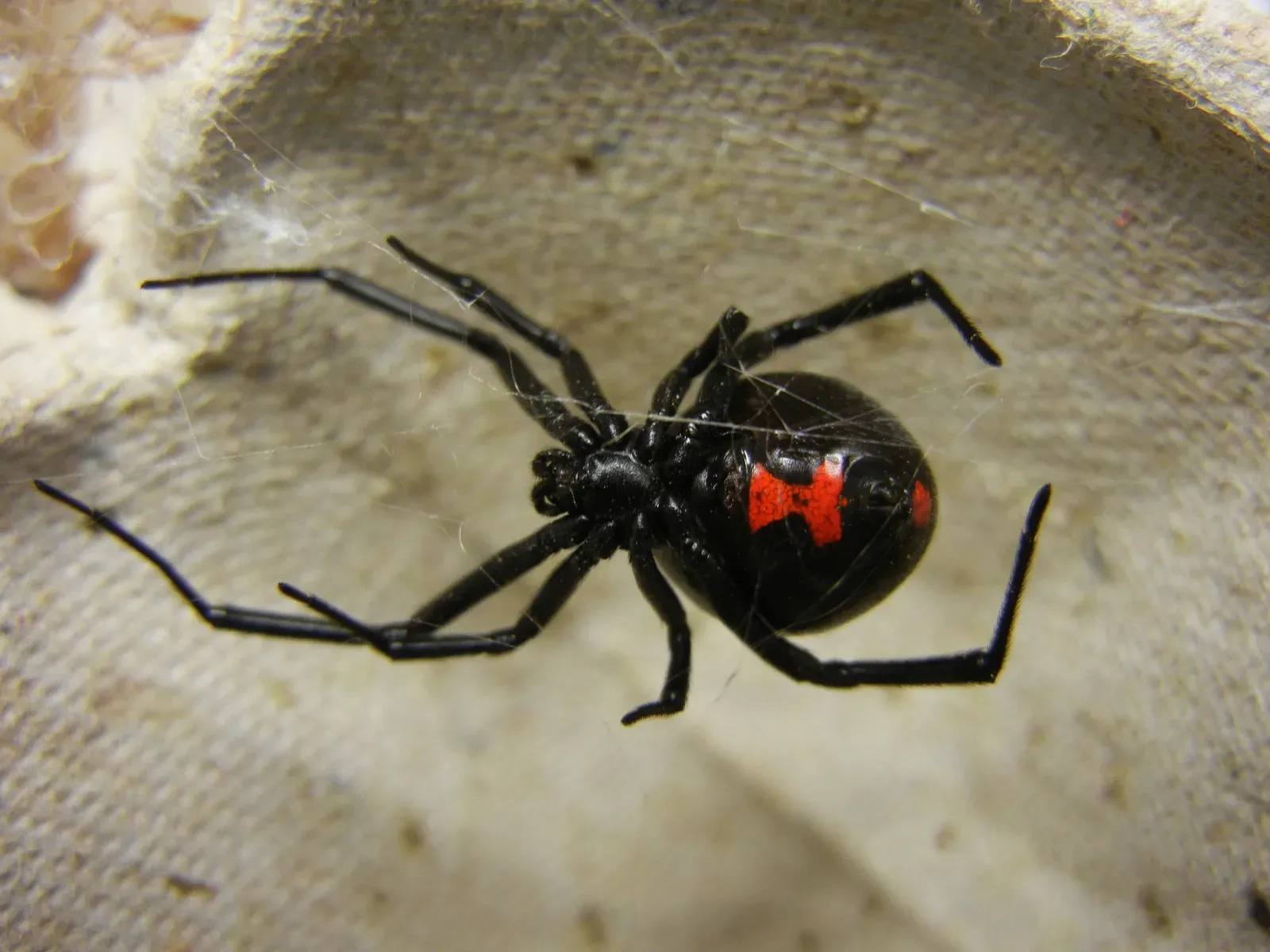
Females rule the pain game here, packing potent venom in bites that start subtle, like a pinprick. Soon, agony spreads from the site, hitting muscles hard. Trouble breathing, skyrocketing blood pressure, nausea all crash the party within an hour.[1]
Pregnant folks face contractions or early labor risks. Males deliver milder jabs. Their shiny black bodies with red hourglass marks scream warning, yet they lurk everywhere. Medical help beats toughing it out.
3. Box Jellyfish
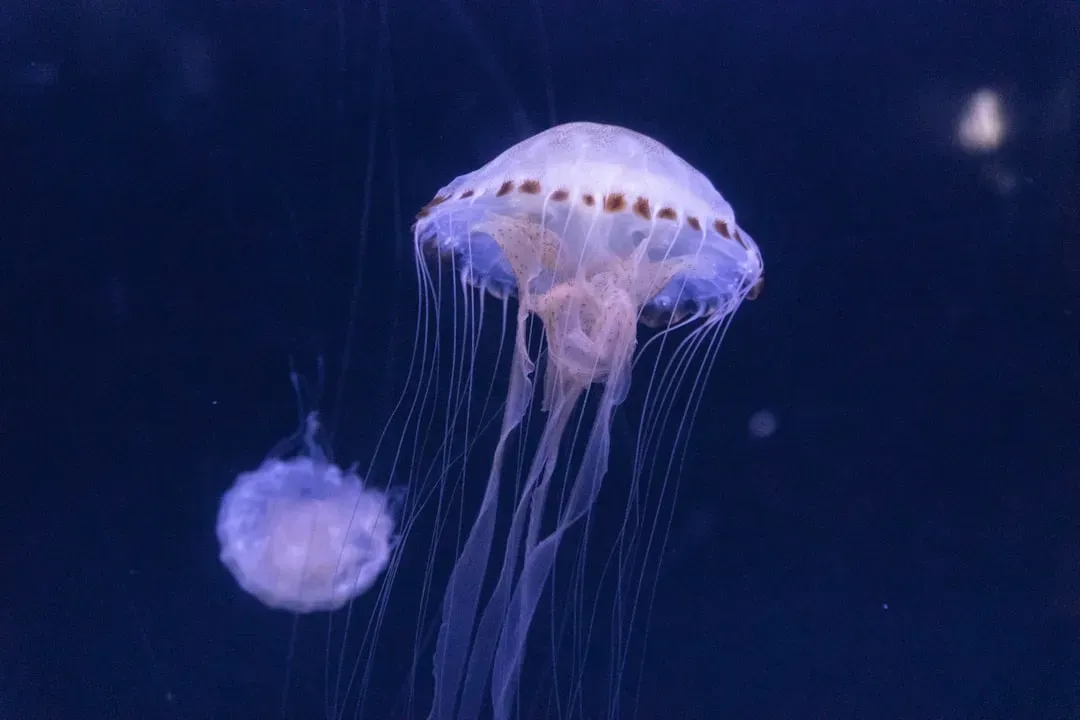
Sea wasps, they call ’em, with tentacles that lash out even washed ashore. Pain explodes in minutes, fierce enough to stop your breath or trigger heart issues. These ocean drifters top lethality lists for good reason.[1]
Antidotes exist but must hit veins quick, within 15 minutes. Swimmers in warm waters dread their nearly invisible traps. Shuffle feet in shallows to avoid the surprise attack. Survival odds favor the alert.
4. Bullet Ant
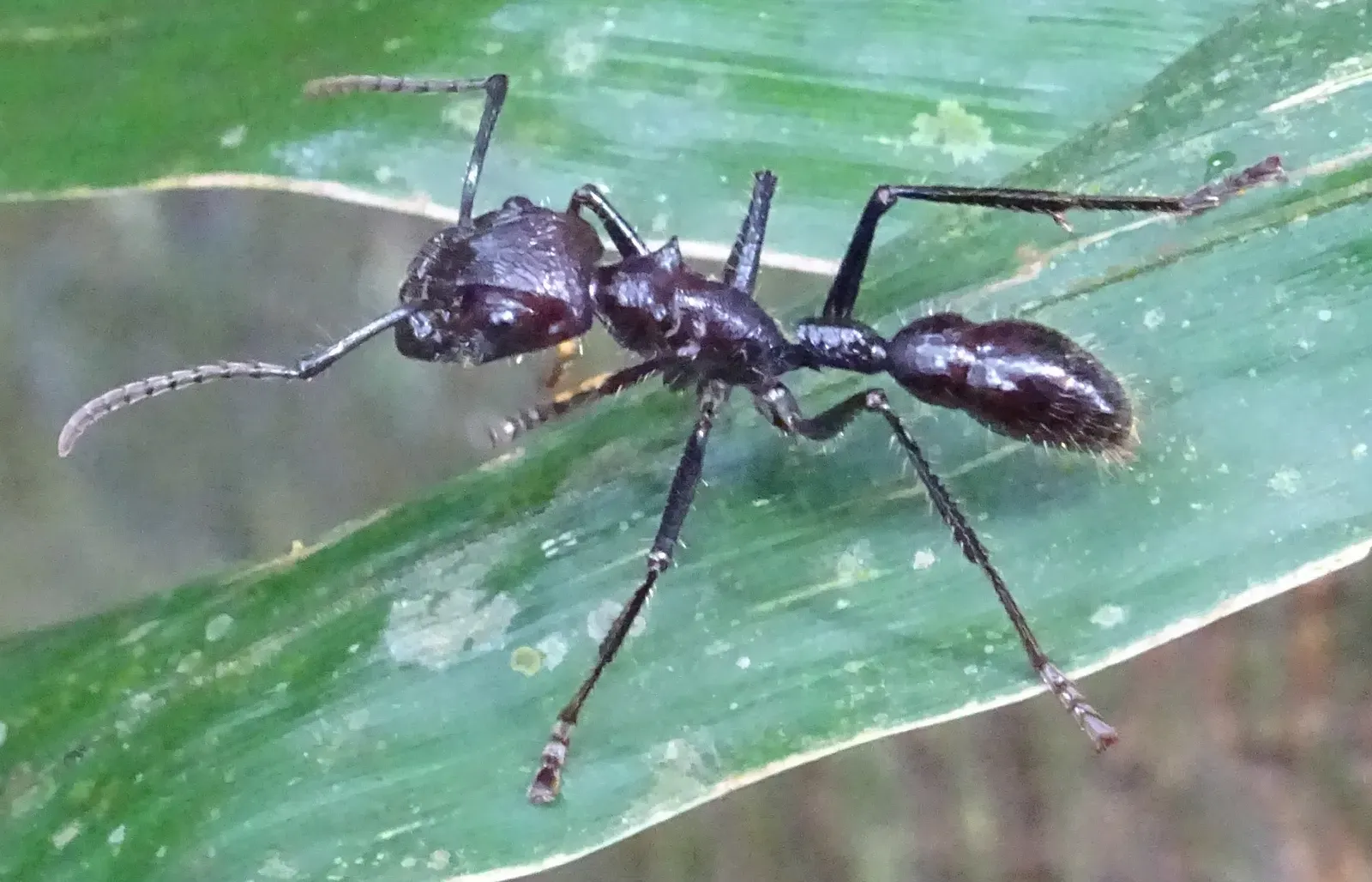
South America’s giants claim the insect sting crown on the Schmidt Pain Index. Imagine flaming charcoal underfoot with a nail in your heel, pure brilliance of torment. Waves of pain pulse for a full day, earning the “24-hour ant” nickname.[1][2]
No lasting harm, just endless misery. Tribes use stings in rituals for manhood tests. Their inch-long bodies vibrate before striking. I’d pass on that initiation, thanks.
5. Gila Monster
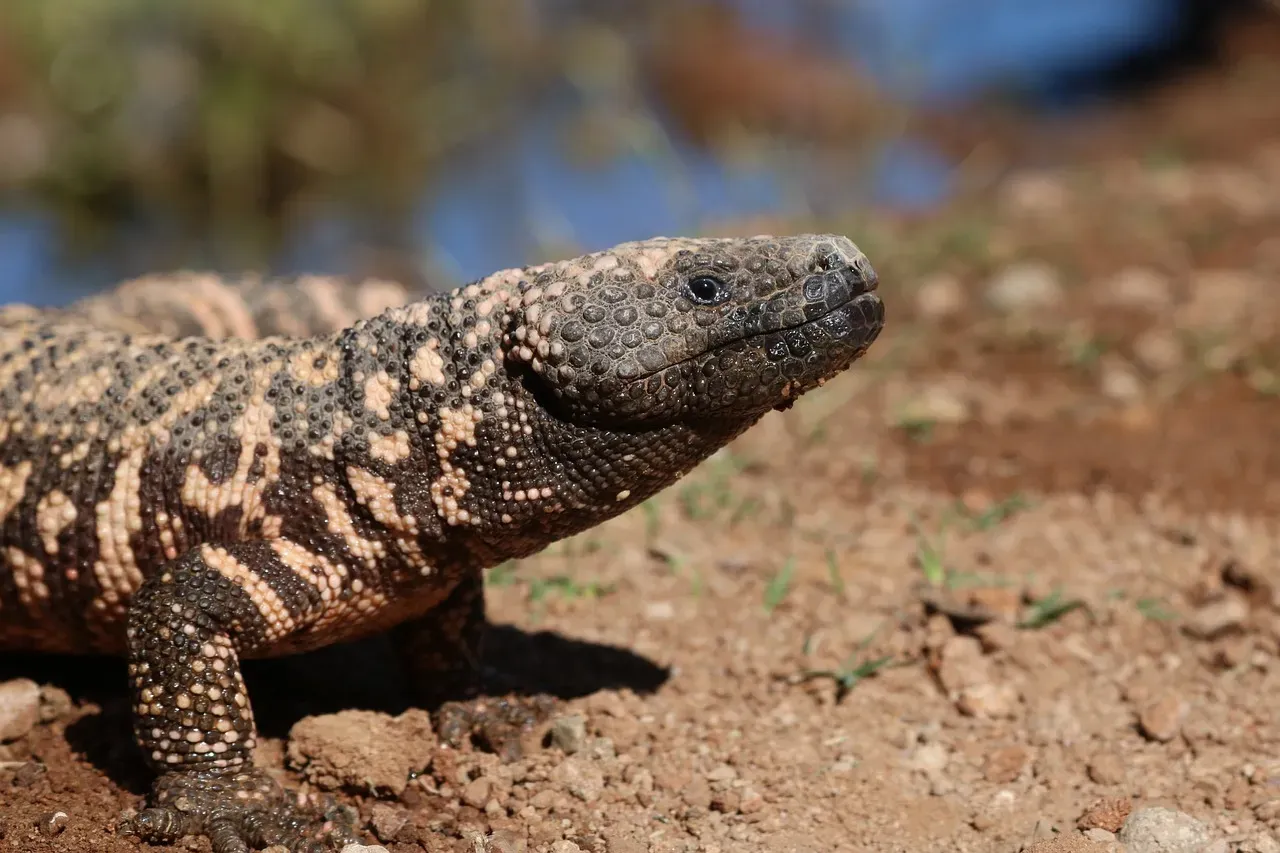
Southwest U.S. boasts this chunky, beaded lizard, one of few venom-delivering reptiles. Bites latch on with chewing motion, grinding venom grooves into skin. Pain surges immediately, fierce and stubborn.[1]
They’re chill unless provoked, but prying jaws free takes effort. Colorful patterns hide their threat. Respect their space in arid lands. Venom yields medical promise, oddly enough.
6. Pit Viper
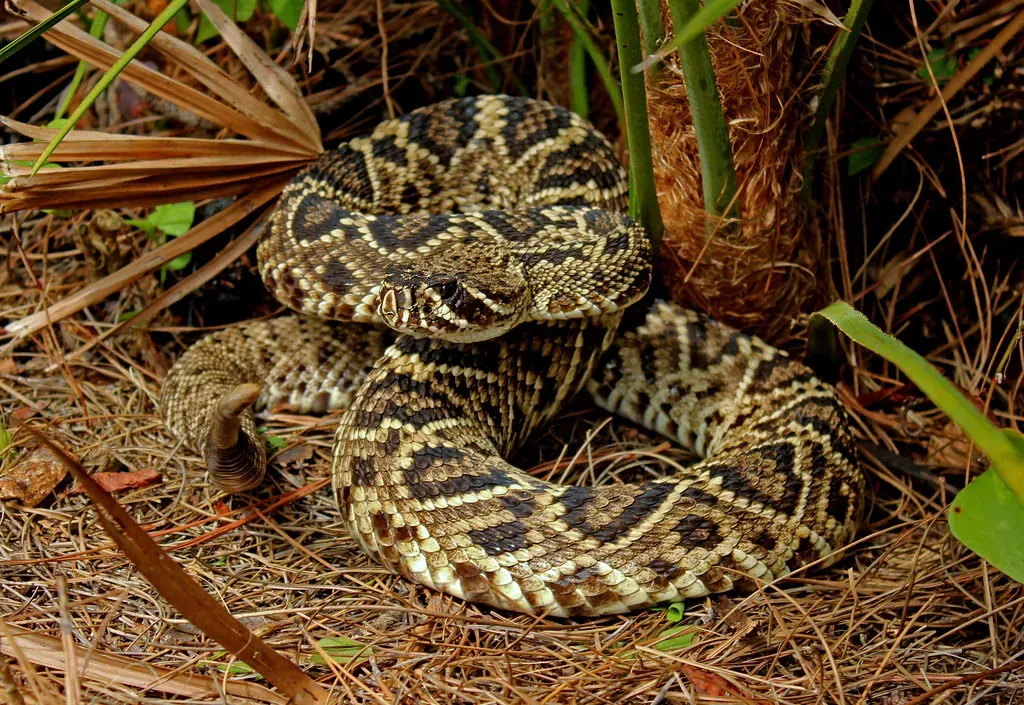
Copperheads, rattlers, cottonmouths, these U.S. snakes strike near homes. Bites burn severely within minutes, swelling bites with numbness and dizziness. Heart races, breaths shorten, tissues risk permanent damage untreated.[1]
Copperhead venom ranks mildest among them. Most incidents involve these sneaky ground-dwellers. Antivenom saves lives, but prevention rules. Shake boots before slipping them on.
7. Platypus
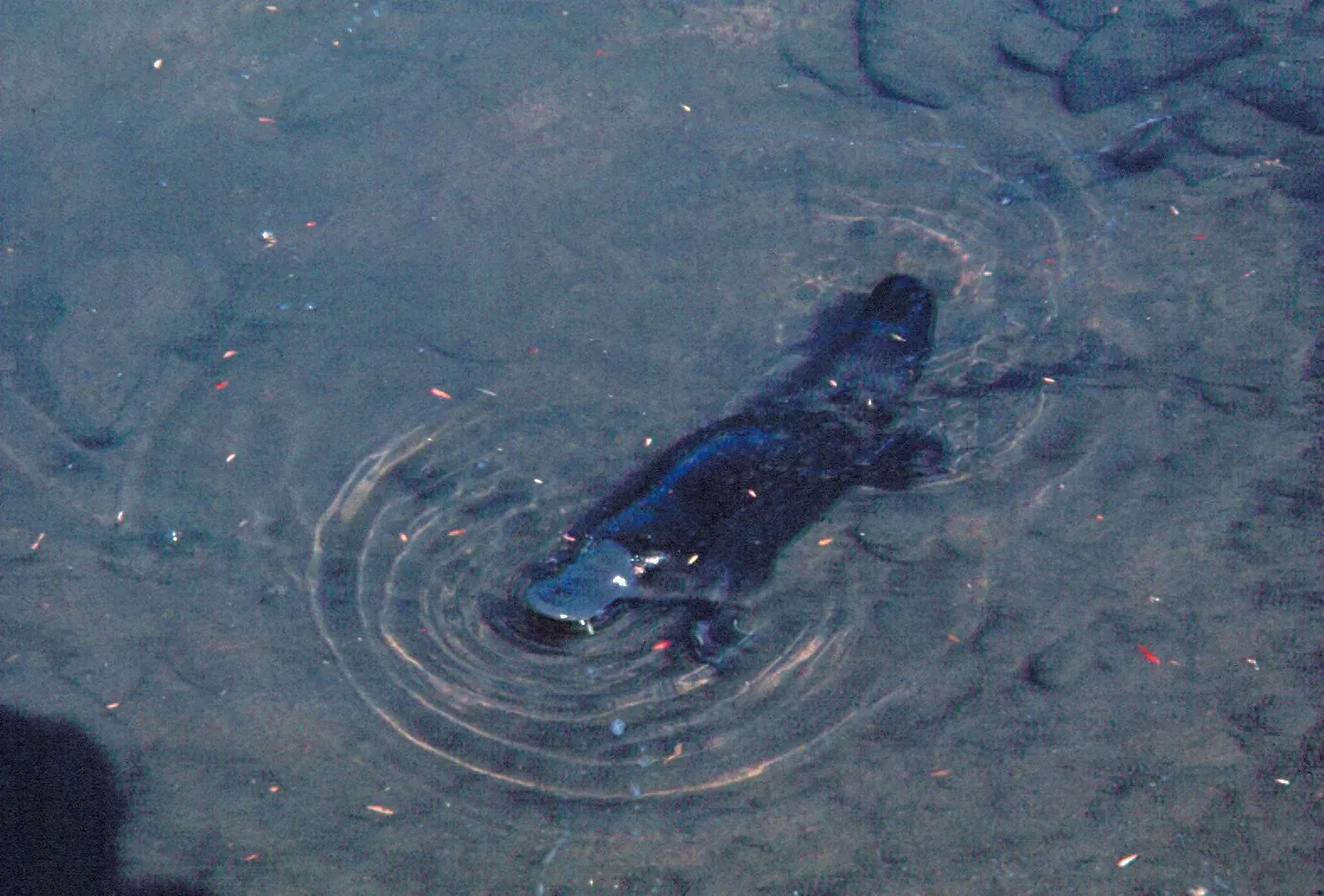
Australia’s oddball mammal, males spur ankles venom during tussles. Humans get hit if cornered, unleashing swelling agony no painkiller touches. It’s defense dialed to eleven.[1]
Rarely aggressive toward us, but rivers hold risks. Pain fades slow, leaving lessons. Who knew duck-billed critters pack heat? Nature’s curveballs keep surprising.
8. Stingray
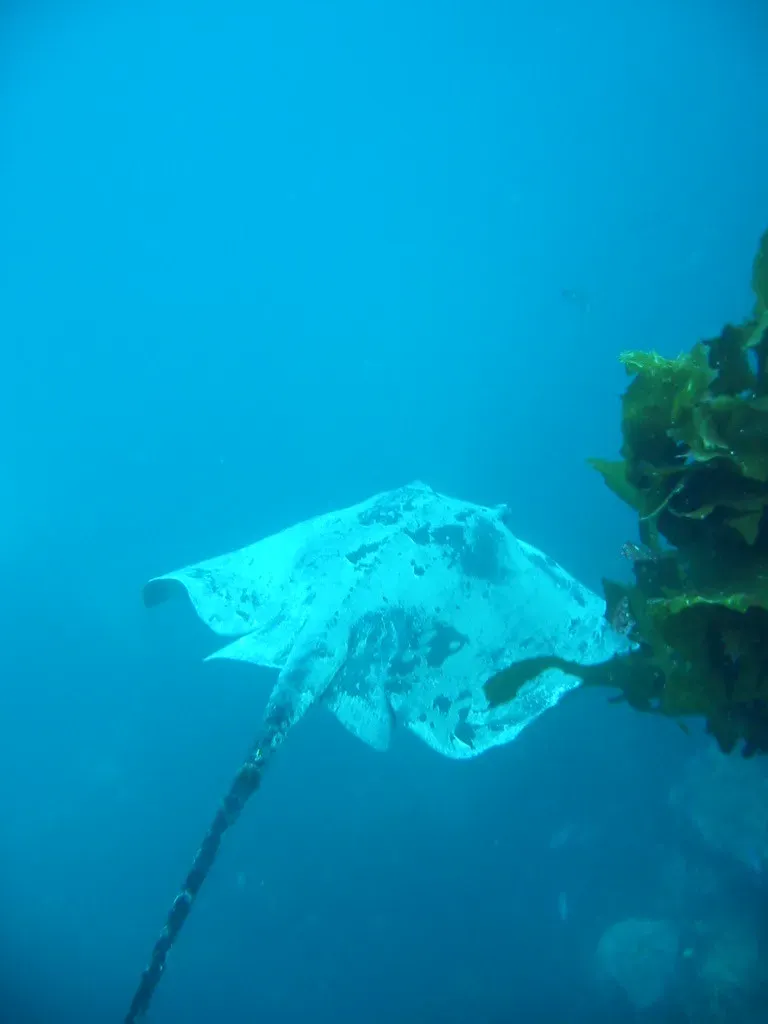
Shallow-water gliders whip barbed tails when stepped on. Venom sparks cramps, sweats, seizures over hours. Chest pain and bleeding join the fray, though fatalities stay low.[1]
Shuffle, don’t stomp, through surf to dodge. Hot water soothes some stings. Beaches worldwide host these hidden hazards. Awareness turns terror to caution.
9. Stonefish
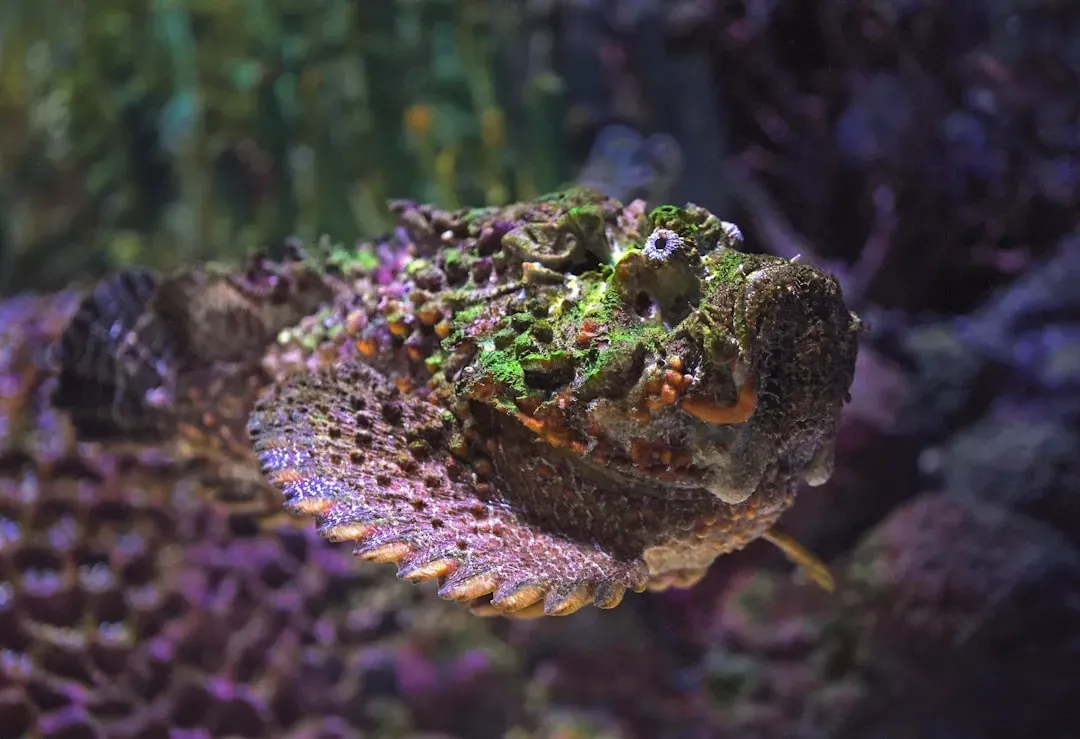
Camouflage kings of reefs in Pacific and Indian Oceans. Dorsal spines pump venom causing wild pain, paralysis, heart glitches. Shock or death looms without antiserum.[1]
They blend as rocks, waiting for unwary feet. Divers know the drill: immerse in hot water, seek pros fast. World’s most venomous fish earns fear rightfully. Step light in tropics.
10. Tarantula Hawk Wasp
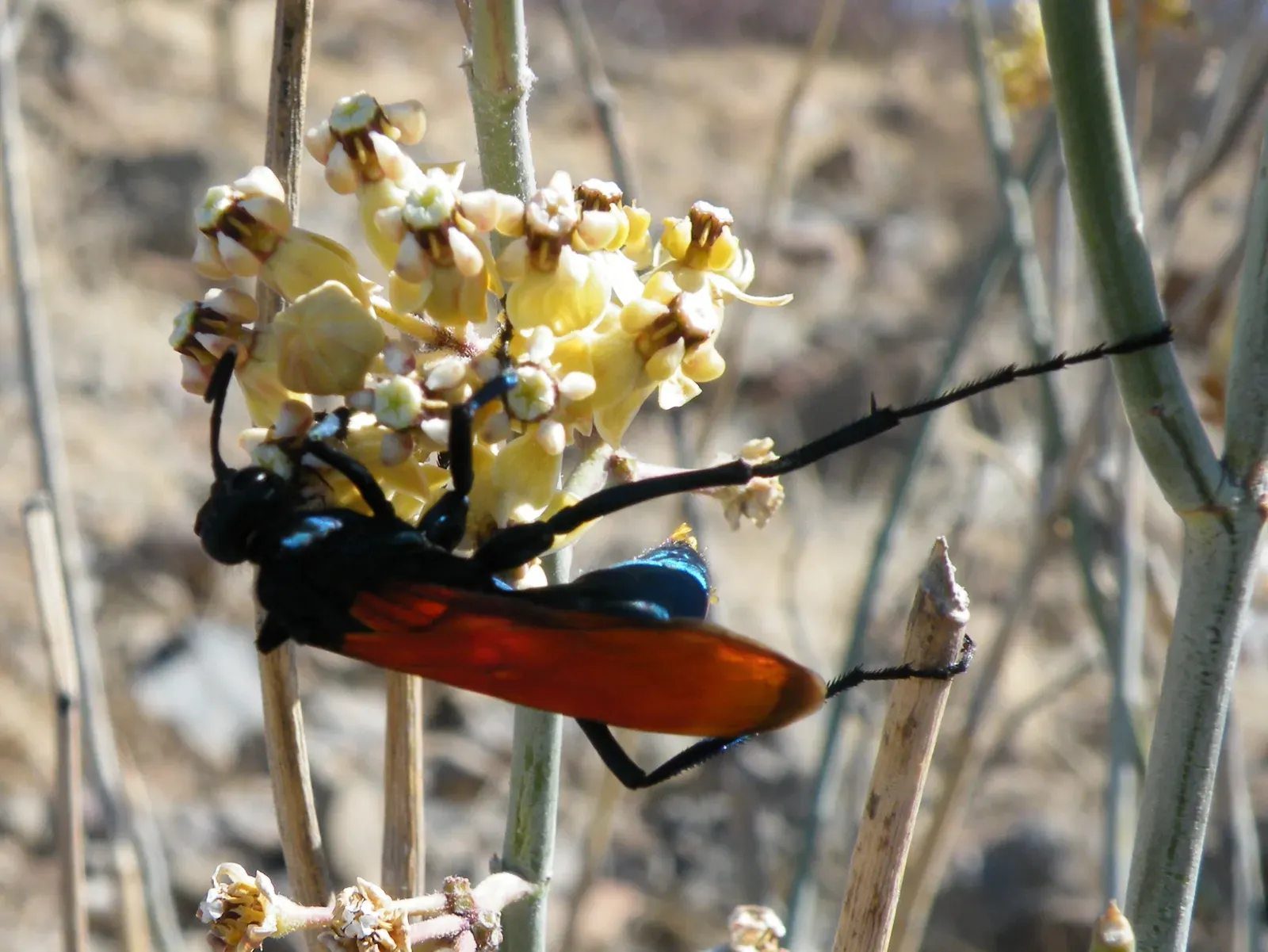
These bruisers hunt spiders, paralyzing with stings ranking second on Schmidt’s scale. Electric shock blinds, fierce as dropped hairdryer in bath. Blissfully, it fades in five minutes.[1][2]
Bold colors warn off threats. Females wield long stingers for tarantula takedowns. Yards host them; admire from afar. Short hell beats long suffering.
Wrapping It Up
These ten prove pain comes in all forms, from ants to ocean lurkers. Avoidance is your best armor, knowledge second. Next adventure, scan surroundings twice.[1]
What tops your nope list? Drop thoughts in comments; stay safe out there.

- 13 Dog Breeds Experienced Groomers Quietly Stopped Recommending to First-Time Owners After Seeing Too Many Heartbroken Families - June 18, 2026
- 15 Silent Signs Your Old Dog Is Getting Ready to Cross the Rainbow Bridge – Most Owners Never Catch Them - June 18, 2026
- 12 National Parks Where Bison Still Rule the Plains - June 18, 2026