
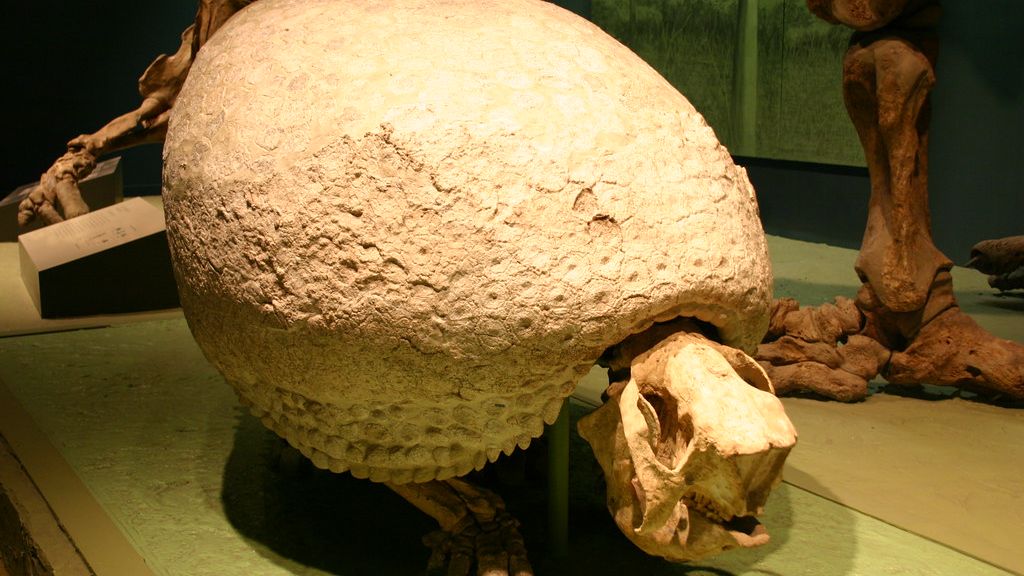
Picture a world where massive beasts still roamed alongside the first human settlements, their footprints overlapping with ours in the mud of a changing planet. Many of these animals vanished as people spread across continents, built tools, and altered landscapes in ways that proved irreversible. Their stories reveal how closely tied our own success was to the loss of these giants.
The Woolly Mammoth
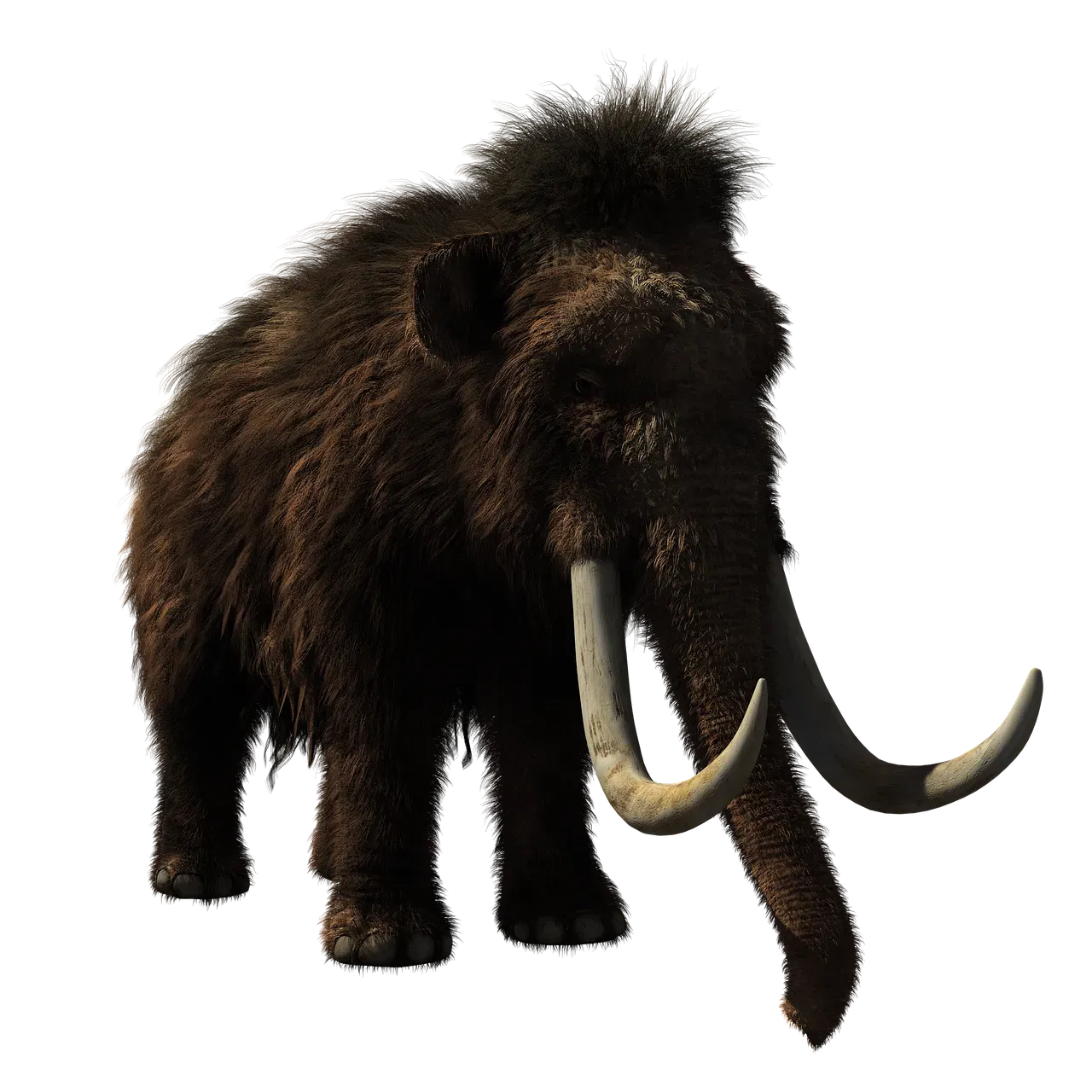
The woolly mammoth stood as one of the most iconic symbols of the Ice Age, covered in thick fur and equipped with long, curved tusks for foraging through snow. These creatures thrived across vast northern landscapes for hundreds of thousands of years before their populations began to shrink. Human hunters likely played a significant role in their final decline, targeting them for meat, hides, and bones that could be turned into shelters and tools.
By around 10,000 years ago most mainland groups had disappeared, though a few isolated herds lingered on remote islands for several more millennia. Climate shifts that reduced their grassland habitats added pressure at the same time people expanded into new territories. The combination left little room for recovery.
The Saber-Toothed Cat
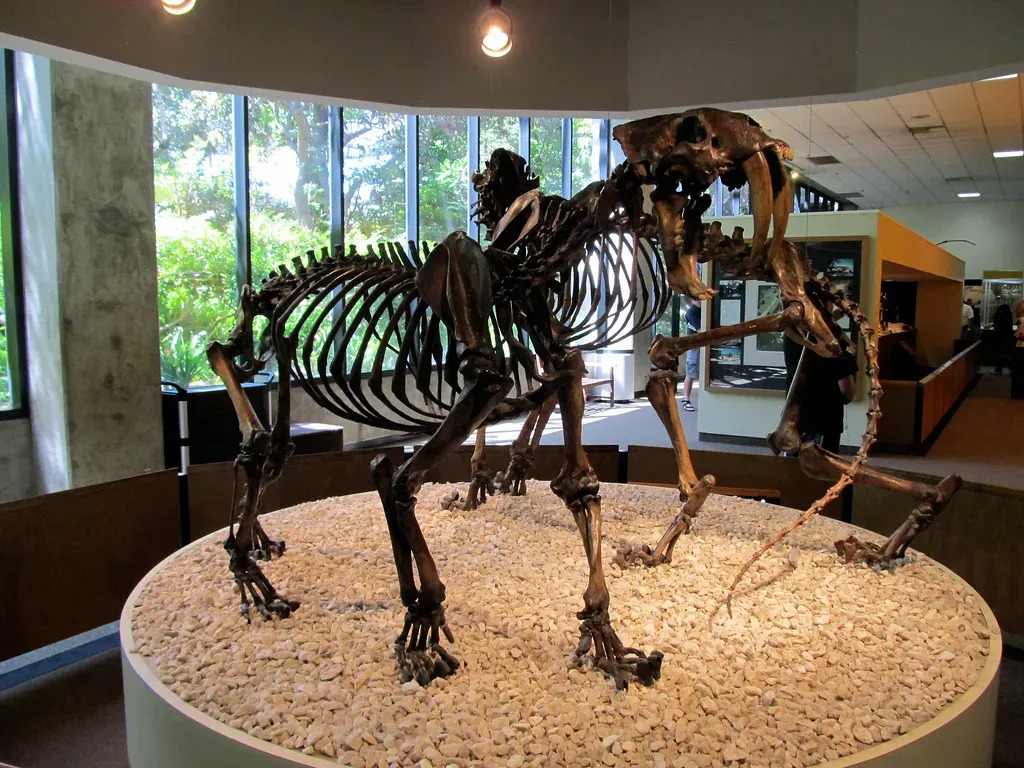
Saber-toothed cats, often called Smilodon, possessed those famous elongated canine teeth that gave them a distinctive silhouette among Ice Age predators. They hunted large prey in the Americas, relying on ambush tactics rather than speed. Their fossils appear alongside early human sites, suggesting occasional competition for the same resources.
As human groups grew more skilled at organized hunting, the big cats faced shrinking food supplies and direct conflict. Their specialized hunting style made adaptation difficult when environments changed rapidly. Most populations faded away roughly 10,000 to 12,000 years ago.
The Giant Ground Sloth
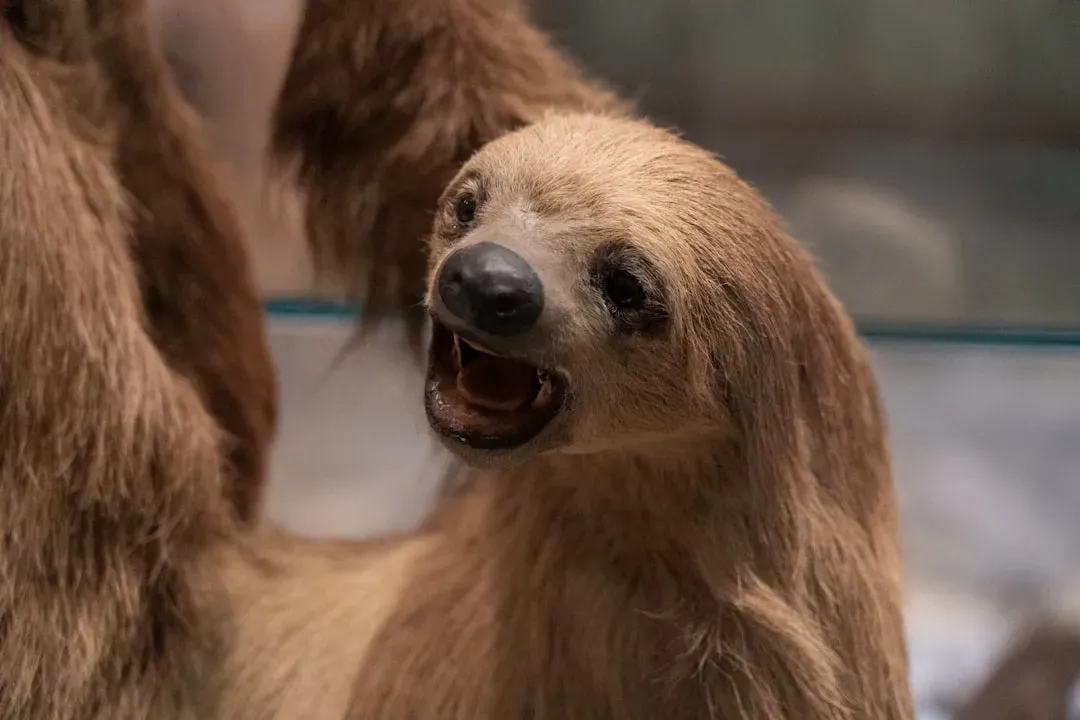
Giant ground sloths like Megatherium reached the size of modern elephants and moved slowly across South and North American forests and plains. They used powerful claws to pull down branches and strip vegetation. Early people would have encountered these lumbering herbivores regularly in shared territories.
Hunting pressure from expanding human populations, combined with habitat changes, contributed to their extinction around the end of the Pleistocene. Their slow reproduction rates left them especially vulnerable once numbers started dropping. Bones showing cut marks indicate direct human interaction in some regions.
The American Mastodon
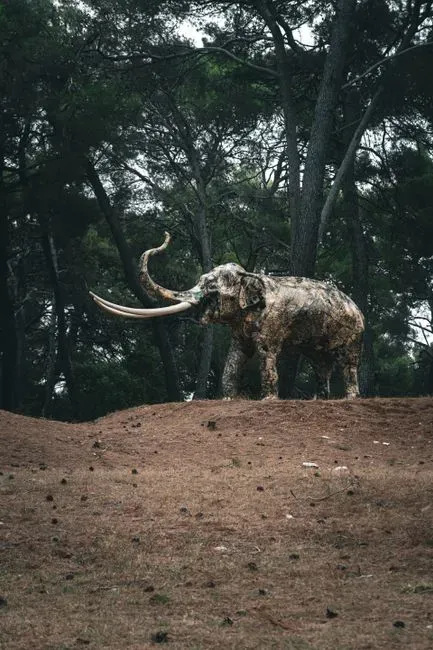
American mastodons resembled elephants but preferred forested environments where they browsed on leaves and twigs. They coexisted with the first waves of humans migrating into North America. Their remains often turn up in areas that also contain early stone tools and campsites.
Overhunting and the loss of suitable woodland as climates warmed likely sealed their fate. Unlike mammoths, mastodons did not form the massive herds that might have offered some protection through numbers. Their disappearance aligned closely with the spread of Clovis-style hunting cultures.
The Glyptodon
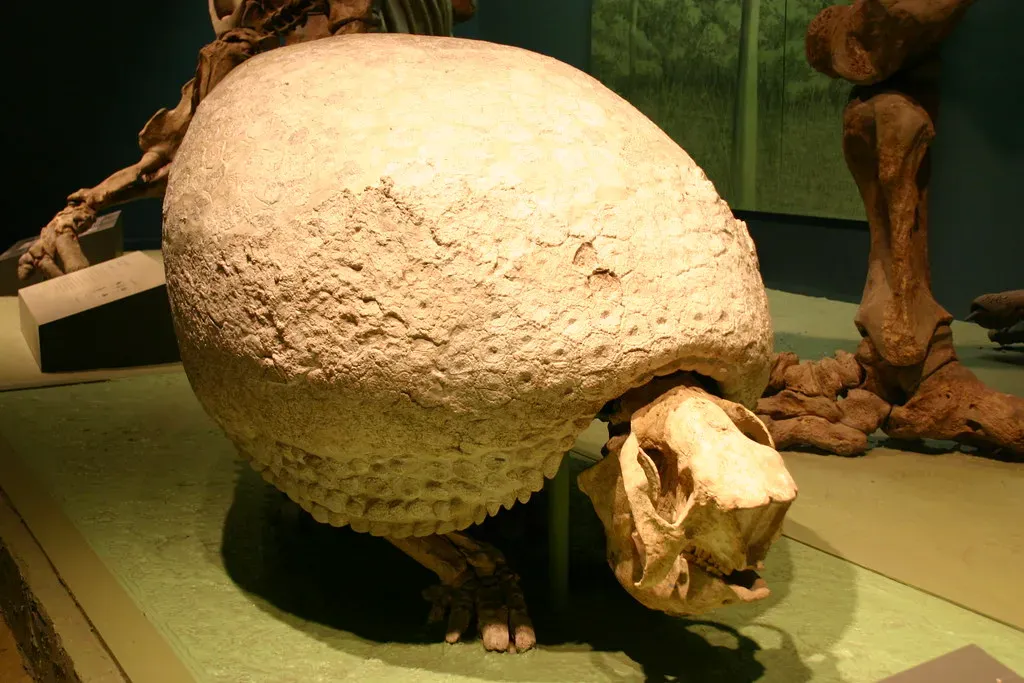
Glyptodons looked like enormous armadillos encased in thick bony armor that could weigh hundreds of pounds. They grazed on grasses across South American plains and moved with a deliberate, tank-like gait. Early human arrivals would have found them both impressive and potentially useful for their shells.
Evidence suggests people hunted these armored giants, using their carapaces for shelter or containers after the animals were gone. Their limited speed and high visibility made them easy targets once human populations increased. They vanished from the fossil record around 10,000 years ago.
The Irish Elk
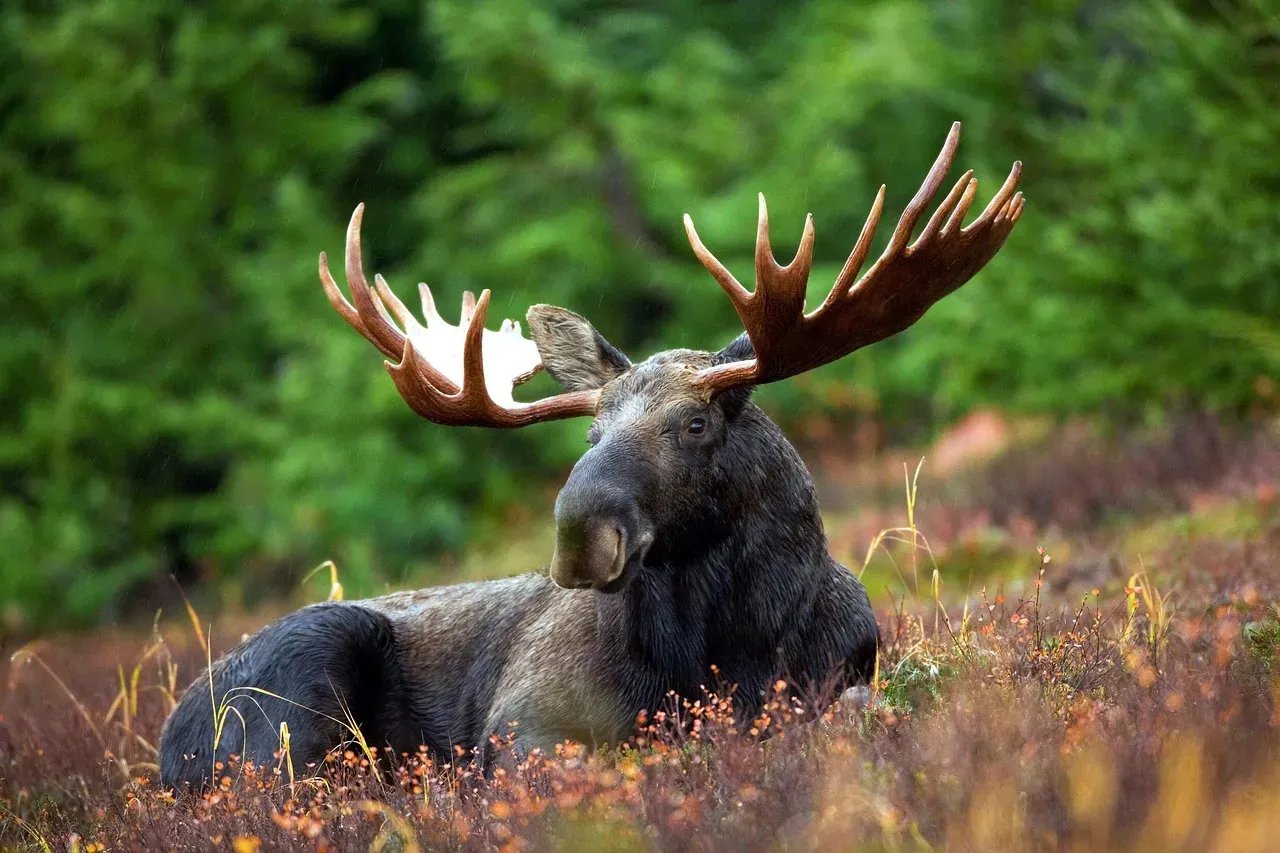
The Irish elk, or giant deer, carried the largest antlers of any known deer species, spanning up to 12 feet across in some males. These animals ranged across Europe and Asia during cooler periods when open landscapes suited their grazing habits. Human expansion into their territories coincided with their final centuries.
Antler size may have become a disadvantage as forests replaced open grasslands and hunting intensified. Nutritional stress from changing vegetation probably compounded the effects of direct pursuit by people. Most populations disappeared by the early Holocene.
The Diprotodon
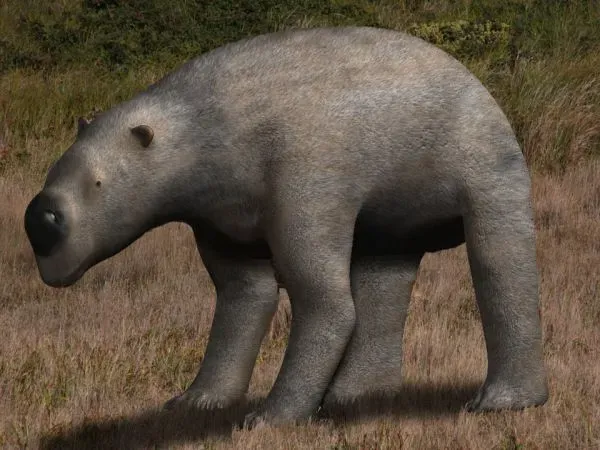
Diprotodon was the largest marsupial ever to walk the Earth, a wombat-like creature the size of a rhinoceros that lived in Australia. It browsed vegetation across a continent that humans reached tens of thousands of years earlier than other landmasses. Its extinction timing tracks closely with the arrival and spread of people.
Human use of fire to manage landscapes and direct hunting both appear to have reduced its numbers steadily. The animal’s slow movement and large size offered little defense against coordinated groups. It was gone well before the rise of agriculture in the region.
The Giant Beaver
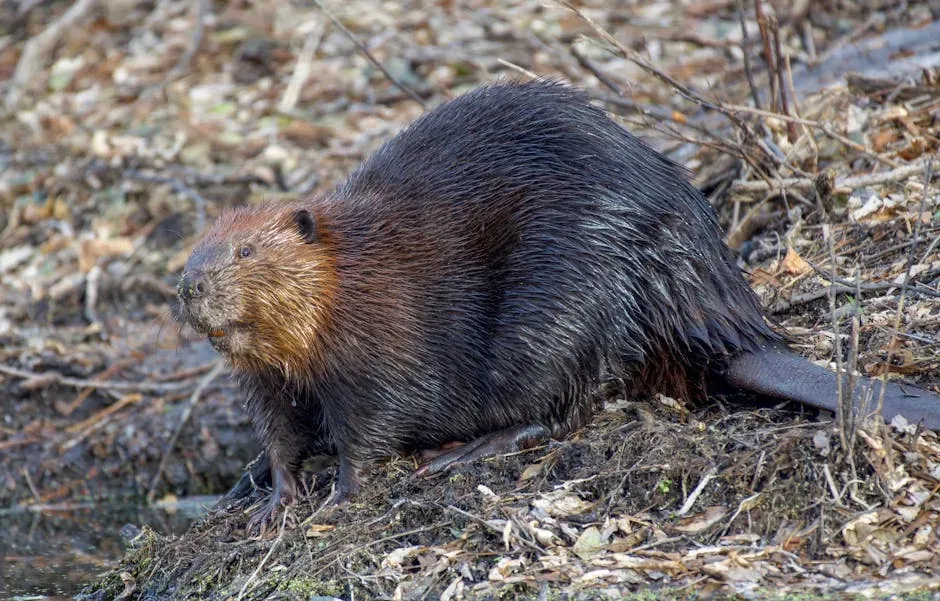
Giant beavers of North America grew to roughly the size of black bears and built lodges on a much grander scale than their modern relatives. They shaped wetlands and forests through their dam-building activities. Early human settlers would have navigated waterways altered by these industrious rodents.
As people cleared land and hunted larger game, the giant beavers lost both habitat and safety. Their aquatic lifestyle offered some protection, yet it could not shield them from widespread environmental shifts. They faded from the record around the same time as many other North American megafauna.
The Short-Faced Bear
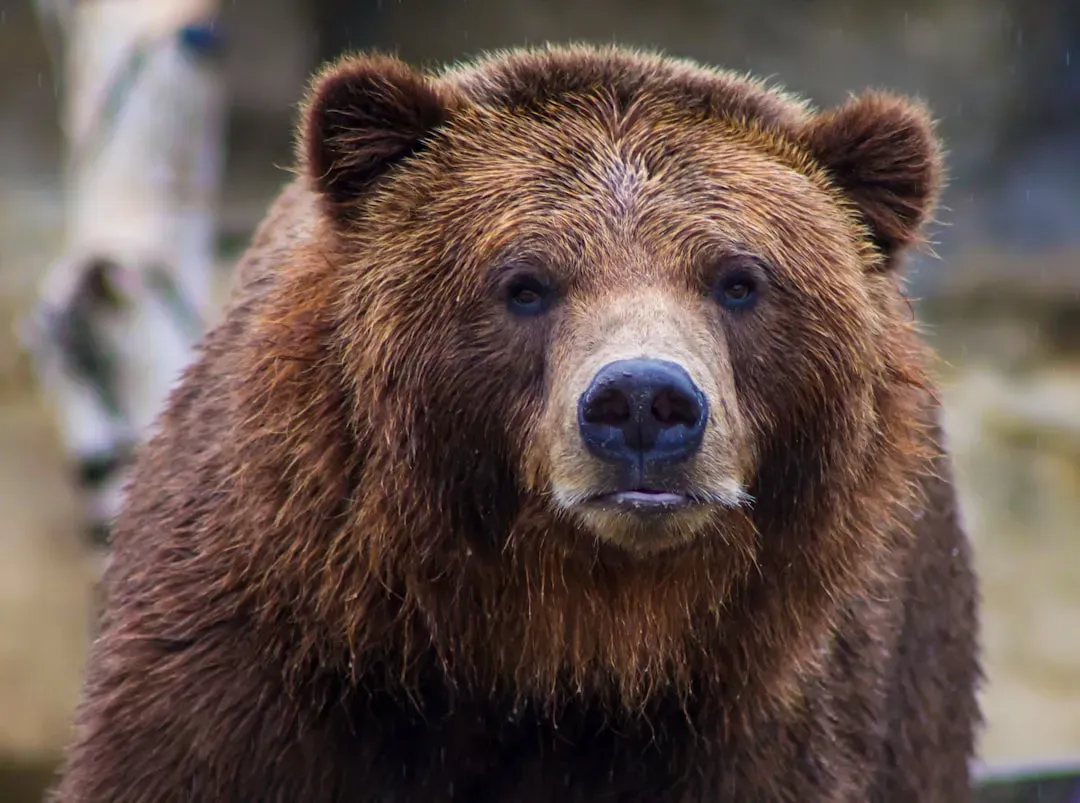
Short-faced bears ranked among the largest carnivores of the Pleistocene, standing tall on long legs suited for covering ground quickly. They scavenged and hunted across North America, sometimes competing directly with human groups for carcasses. Their powerful build made them formidable but also dependent on abundant large prey.
Declining megafauna populations removed their primary food source just as humans became more efficient hunters. Climate-driven changes in vegetation further reduced suitable ranges. Most evidence points to their extinction shortly after the peak of human arrival in the Americas.
The Toxodon
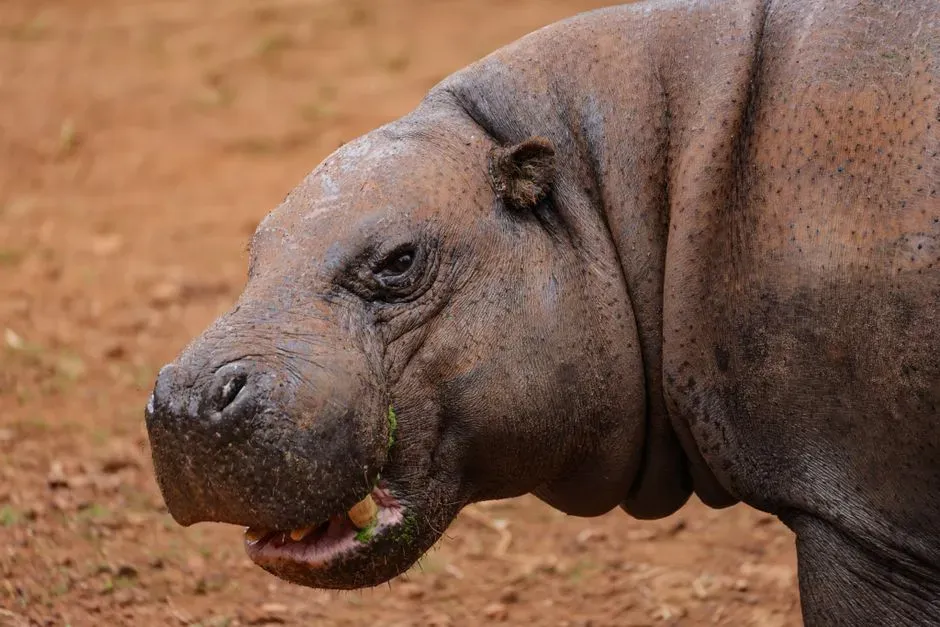
Toxodon was a heavy-bodied South American mammal with a rhinoceros-like frame and a broad snout for grazing. It lived alongside early human migrants who reached the continent thousands of years ago. Its fossils appear in layers that also contain human artifacts from the same era.
Hunting and habitat alteration from expanding settlements contributed to its decline. The animal’s relatively slow pace left it exposed once people developed effective projectile weapons. It disappeared as part of the broader wave of megafaunal losses in the region.
These losses remind us that human progress has always carried unintended costs for the natural world. The patterns established thousands of years ago continue to echo in today’s biodiversity challenges, urging a more thoughtful approach to how we share the planet going forward.
