


Colorado’s diverse landscapes, from the Rocky Mountains to the eastern plains, harbor an impressive variety of wildlife. While the state’s natural beauty draws outdoor enthusiasts year-round, it’s important to remember that some of Colorado’s animal residents can pose significant dangers to humans. At the same time, many harmless creatures commonly cross paths with hikers, campers, and even suburban residents. This comprehensive guide explores both the potentially dangerous animals you should be cautious around and the non-venomous creatures you’re likely to encounter during your Colorado adventures.
Understanding Colorado’s Wildlife Landscape

Colorado’s diverse ecosystems support an extraordinary range of wildlife across its varying elevations and habitats. From alpine tundra above 11,500 feet to grasslands at 3,500 feet, the state’s dramatic ecological gradient creates niches for countless species. The Rocky Mountains form a biological crossroads where northern and southern species meet, while the Continental Divide creates distinct eastern and western ecological communities.
This biodiversity includes approximately 130 mammal species, 500 bird species, and numerous reptiles, amphibians, and insects. Colorado Parks and Wildlife manages this rich natural heritage, working to balance human recreation with wildlife conservation. While most wildlife encounters remain peaceful, understanding which animals pose potential threats—and which don’t—is essential for safely enjoying Colorado’s natural splendor.
1. Black Bears: Powerful Omnivores
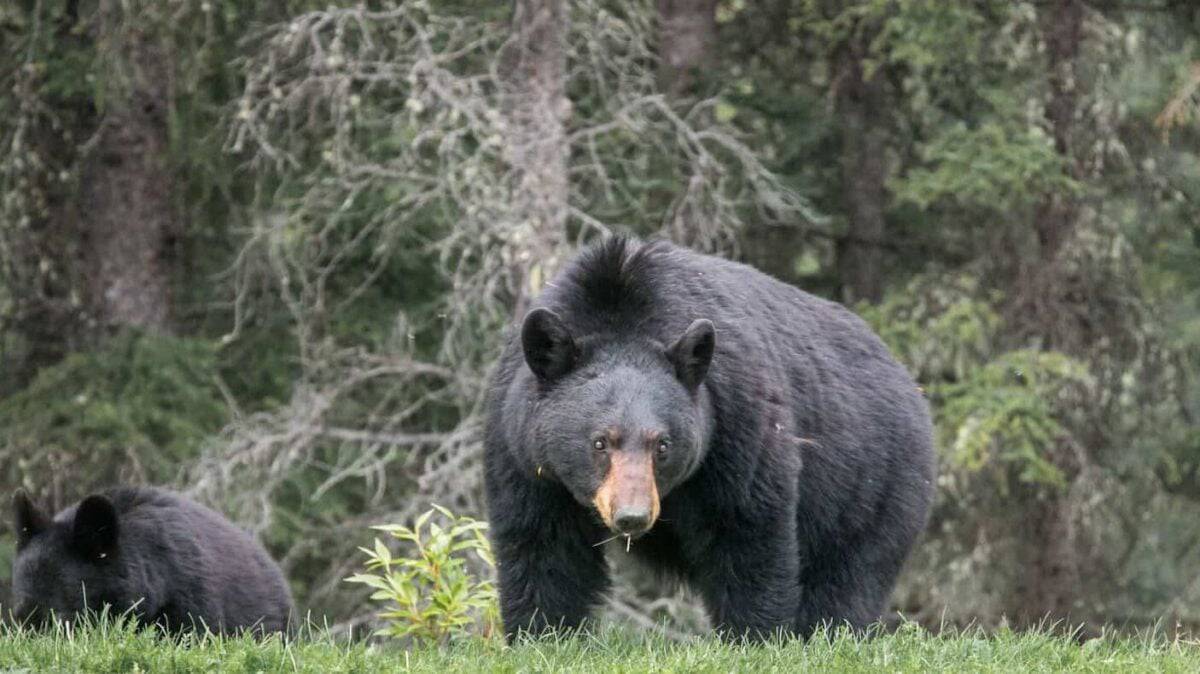
Despite their name, Colorado’s black bears (Ursus americanus) can appear brown, cinnamon, or blonde. These powerful omnivores typically avoid humans but can become dangerous when startled, protecting cubs, or habituated to human food. Adult males average 275 pounds but can exceed 600 pounds in exceptional cases. With powerful jaws and claws designed for digging and tearing, black bears can cause serious injuries when threatened.
Bear encounters have increased as human development expands into wildlife habitats. Colorado Parks and Wildlife responds to thousands of bear reports annually, with conflicts peaking during late summer and fall when bears enter hyperphagia—an intense feeding period before hibernation. To avoid dangerous encounters, never approach bears, store food securely when camping, and make noise while hiking in bear country. If you encounter a black bear, stand your ground, make yourself look large, and back away slowly while speaking in a calm, assertive voice.
2. Mountain Lions: Elusive Predators

Mountain lions (Puma concolor), also known as cougars or pumas, represent Colorado’s apex predator. These solitary cats can weigh up to 150 pounds and possess remarkable strength, capable of taking down prey several times their size. Their secretive nature means most Coloradans never see one, despite an estimated population of 3,000-7,000 statewide. Mountain lions primarily hunt deer but occasionally attack livestock, pets, and rarely, humans—particularly children or solitary adults.
Between 1990 and 2023, Colorado recorded fewer than 25 mountain lion attacks on humans, with three fatalities. Though uncommon, encounters have increased as residential development expands into lion habitat. If you encounter a mountain lion, maintain eye contact, appear larger by raising arms and opening jackets, make noise, and fight back aggressively if attacked. Never run, as this may trigger the cat’s chase instinct. Hiking in groups, keeping children close, and staying vigilant at dawn and dusk—when lions are most active—reduces risk substantially.
3. Rattlesnakes: Colorado’s Venomous Vipers

Colorado hosts three rattlesnake species, with the prairie rattlesnake (Crotalus viridis) being most widespread. These pit vipers inhabit lower elevations statewide but are particularly common in the eastern plains, foothills, and western valleys. Growing to approximately 3-5 feet, prairie rattlesnakes deliver hemotoxic venom that destroys tissue and disrupts blood clotting. Though rarely fatal to adults with prompt medical attention, their bites cause extreme pain, swelling, and potential tissue damage requiring hospitalization.
Rattlesnakes typically emerge from hibernation in April and remain active until October. They prefer rocky outcroppings, brushy areas, and grasslands where rodent prey is abundant. Hikers should stay on established trails, wear closed-toe shoes, and use hiking poles to probe vegetation. If you encounter a rattlesnake, remain calm and give it wide berth—most bites occur when people try to kill, capture, or harass these reptiles. Their distinctive rattle serves as a warning, though not all rattlesnakes sound their rattle before striking. If bitten, keep the affected area immobilized at heart level, remove jewelry or tight clothing, and seek immediate medical attention.
4. Bull Moose: Unpredictable Giants

Reintroduced to Colorado in the 1970s, moose (Alces alces) have thrived, particularly in mountain parks and riparian corridors. Standing up to 7 feet tall at the shoulder and weighing up to 1,200 pounds, bull moose represent Colorado’s largest wild mammal. Despite their placid appearance, moose can be exceptionally dangerous, particularly during the fall rut (mating season) when bulls become aggressive, or in spring when cows protect young calves. Unlike deer, moose don’t fear humans and will stand their ground when threatened.
Moose attacks often occur when people approach too closely for photographs or when dogs—which moose perceive as predators similar to wolves—antagonize them. An agitated moose displays warning signs including laid-back ears, raised hackles, and licking its lips before charging at speeds up to 35 mph. If a moose shows these signs, retreat immediately and place solid objects between yourself and the animal. Keep dogs leashed in moose country, maintain at least 50 yards distance from any moose, and remember that these unpredictable animals cause more injuries in Colorado than bears or mountain lions.
5. Elk: Majestic but Territorial
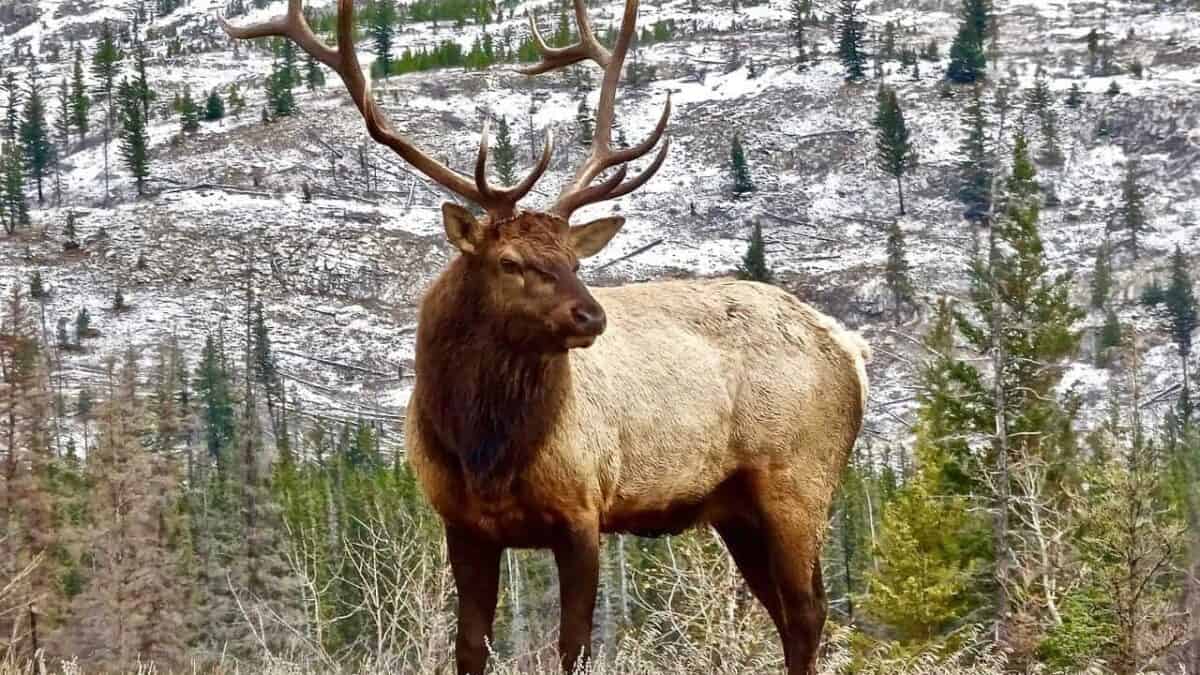
Colorado hosts North America’s largest elk (Cervus canadensis) population, with approximately 280,000 animals. Bull elk can weigh over 700 pounds and sport massive antlers spanning five feet. While generally wary of humans, elk become dangerous during two annual periods: the fall rut (September-October) when testosterone-fueled bulls aggressively compete for mates, and calving season (May-June) when protective cows defend newborn calves. During these times, elk may charge vehicles, chase pedestrians, and attack perceived threats without provocation.
Rocky Mountain National Park and mountain towns like Estes Park experience numerous elk-related incidents annually. Mature bulls can inflict serious injuries with their antlers, while both sexes deliver powerful kicks capable of breaking bones. Wildlife officials recommend staying at least 100 feet from elk, using telephoto lenses for photography, and never approaching calves or positioning yourself between cows and calves. If an elk approaches, retreat immediately to your vehicle or behind a substantial barrier. Driving cautiously in elk country also prevents costly and potentially fatal vehicle collisions, particularly during dawn and dusk.
6. Colorado’s Venomous Spiders

Two medically significant venomous spiders inhabit Colorado: the black widow (Latrodectus hesperus) and the brown recluse (Loxosceles reclusa). Black widows are definitively established throughout the state, particularly in dark, undisturbed areas like woodpiles, garages, and outbuildings. Females, identified by their shiny black bodies and red hourglass marking, produce neurotoxic venom that causes intense pain, muscle cramping, and in severe cases, respiratory difficulty. While rarely fatal to healthy adults, their bites require medical attention.
The brown recluse’s presence in Colorado remains somewhat controversial among experts, with confirmed populations primarily in southeastern counties. These spiders have violin-shaped markings on their cephalothorax and deliver cytotoxic venom that destroys tissue. Bites may develop into slow-healing necrotic wounds requiring extensive medical treatment. Prevent spider bites by wearing gloves when handling stored items, shaking out shoes before wearing them, and reducing clutter in basements and garages. Both species are non-aggressive and typically bite only when pressed against skin or threatened.
7. Bison: America’s Largest Land Mammal
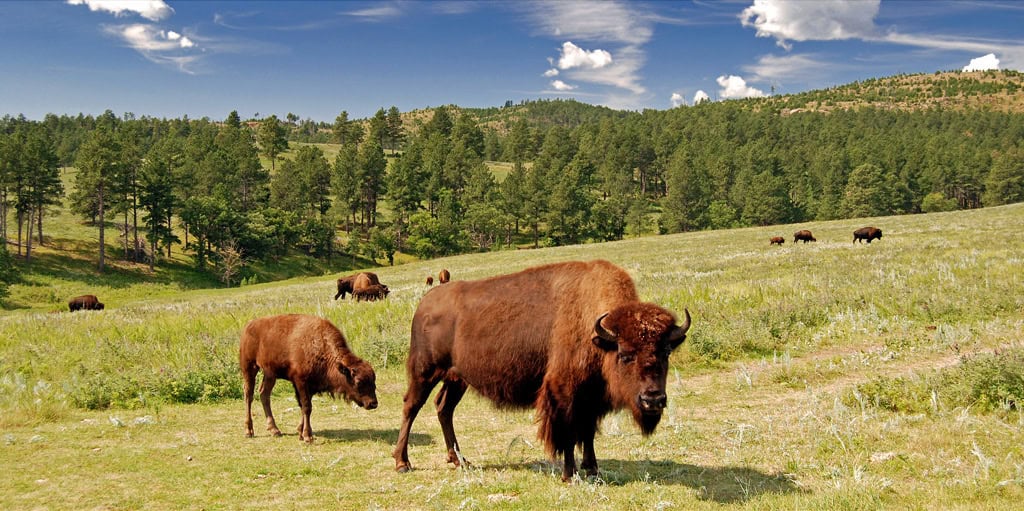
While not widespread in Colorado, American bison (Bison bison) inhabit several locations including Rocky Mountain Arsenal National Wildlife Refuge near Denver and private ranches throughout the state. These massive animals can weigh up to 2,000 pounds, stand six feet tall at the shoulder, and sprint at 35 mph—faster than Olympic sprinters. Despite their bulk, bison are surprisingly agile and can pivot quickly to charge perceived threats. Their massive heads and horns can deliver devastating impacts, launching adult humans several feet into the air.
Bison injure more people in North America than any other wild mammal, often when tourists approach too closely for photographs. These animals appear deceptively docile until provoked, at which point they may charge with little warning. Warning signs include raised tails, pawing the ground, and head-tossing. Wildlife managers recommend maintaining at least 75 feet distance from bison, never approaching calves, and immediately retreating if a bison stops grazing to focus attention on you. Vehicle collisions with bison also present serious hazards on roads near bison herds, particularly at night when their dark coats make them nearly invisible.
8. Coyotes: Adaptable Canid Predators
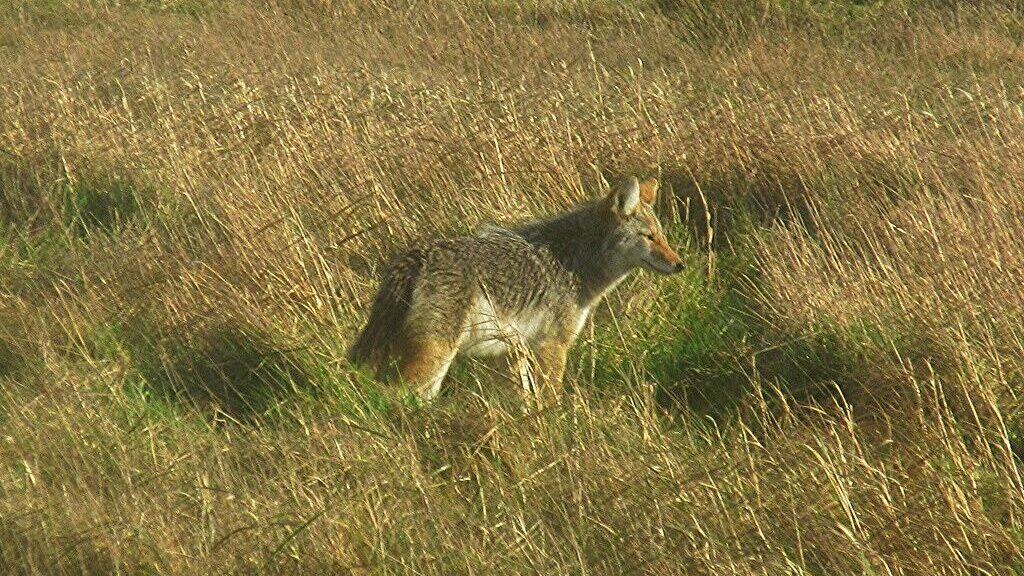
Coyotes (Canis latrans) thrive throughout Colorado in every habitat from alpine meadows to urban greenbelts. These adaptable predators typically weigh 20-35 pounds and primarily hunt small mammals, though they opportunistically consume everything from fruits to pet food. While naturally wary of humans, urban coyotes sometimes lose this fear when repeatedly exposed to people, particularly if fed directly or indirectly through unsecured garbage or pet food left outdoors.
Attacks on humans remain rare but have increased in suburban areas where coyotes adapt to human presence. Children face greatest risk, with most serious incidents involving youngsters under 10 years old. Coyotes also regularly prey on small pets, particularly cats and dogs under 25 pounds. To reduce conflicts, never feed coyotes, supervise small children outdoors, keep pets leashed or indoors, and secure food sources including compost and garbage. If approached by a coyote, maintain eye contact, make loud noises, and act aggressively by throwing objects or spraying water—never run, as this may trigger predatory chase behavior.
9. Ticks and Disease Vectors

Colorado hosts several tick species capable of transmitting serious diseases. The Rocky Mountain wood tick (Dermacentor andersoni) can transmit Rocky Mountain spotted fever and Colorado tick fever, while the American dog tick (Dermacentor variabilis) carries tularemia and tick paralysis. More recently, the western black-legged tick (Ixodes pacificus), which transmits Lyme disease, has expanded its range into parts of Colorado. These parasites become active when temperatures exceed 40°F, with peak activity occurring during spring and early summer.
Ticks quest for hosts by climbing vegetation and extending their front legs to grab passing animals or humans. Once attached, they can feed for days while potentially transmitting pathogens. Prevent tick bites by wearing light-colored clothing that makes ticks visible, using EPA-registered repellents containing DEET or picaridin, and performing thorough tick checks after outdoor activities. If you discover an attached tick, remove it promptly using fine-tipped tweezers, grasping as close to the skin as possible and pulling upward with steady pressure. Monitor for symptoms including rash, fever, or joint pain in the weeks following a tick bite, and seek medical attention if these develop.
10. Scorpions: Nocturnal Arachnids
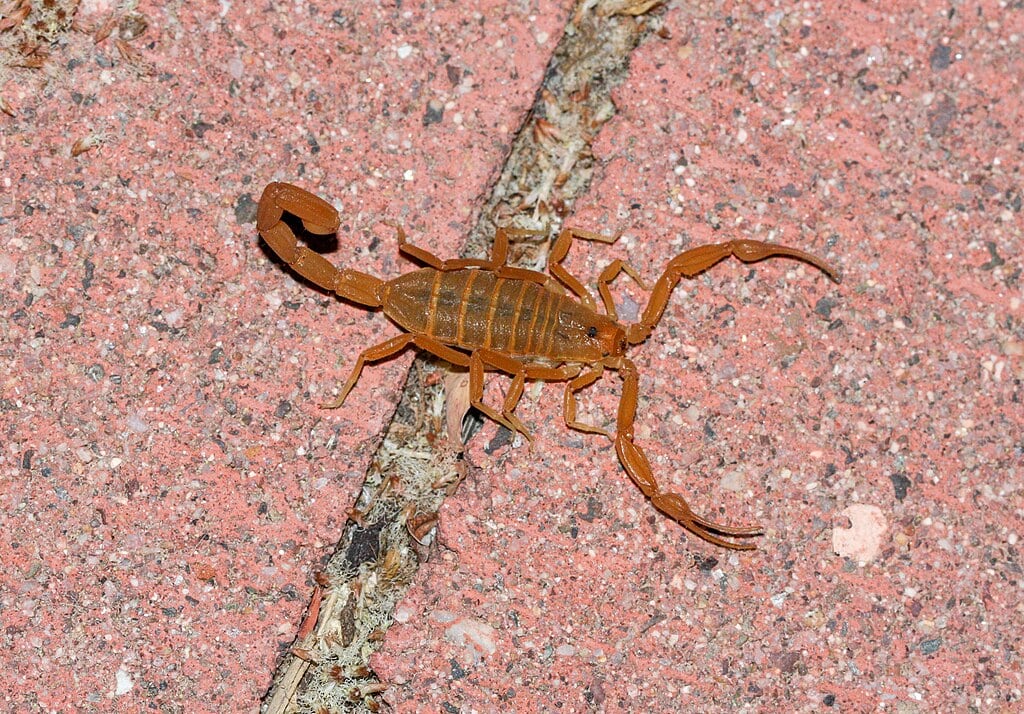
Several scorpion species inhabit Colorado, primarily in the western and southern portions of the state. The most common is the striped bark scorpion (Centruroides vittatus), reaching lengths of 2-3 inches. While Colorado’s scorpions lack the potent venom of their desert southwest relatives, their stings cause significant pain, localized swelling, and occasionally allergic reactions requiring medical intervention. Fatalities are extremely rare and typically involve only those with severe allergies or compromised immune systems.
Scorpions are nocturnal hunters that hide during daylight hours beneath rocks, logs, and debris. They occasionally enter homes, particularly during hot, dry periods or following heavy rains. Prevent encounters by sealing foundation cracks, removing woodpiles near structures, and shaking out shoes and bedding in affected areas. If stung, clean the wound with soap and water, apply a cold compress to reduce swelling, and take over-the-counter pain relievers if needed. Seek immediate medical attention if severe symptoms develop, including difficulty breathing, widespread hives, or severe swelling extending beyond the sting site.
Non-Venomous Wildlife You’ll Likely Encounter

While Colorado hosts potentially dangerous wildlife, you’re far more likely to encounter its abundant non-venomous species during outdoor activities. These animals, while sometimes startling, pose minimal risk to humans when given appropriate space. The following five creatures represent some of Colorado’s most commonly encountered wildlife that, despite occasional misconceptions, present little danger to outdoor enthusiasts.
1. Mule Deer: Colorado’s Signature Ungulate
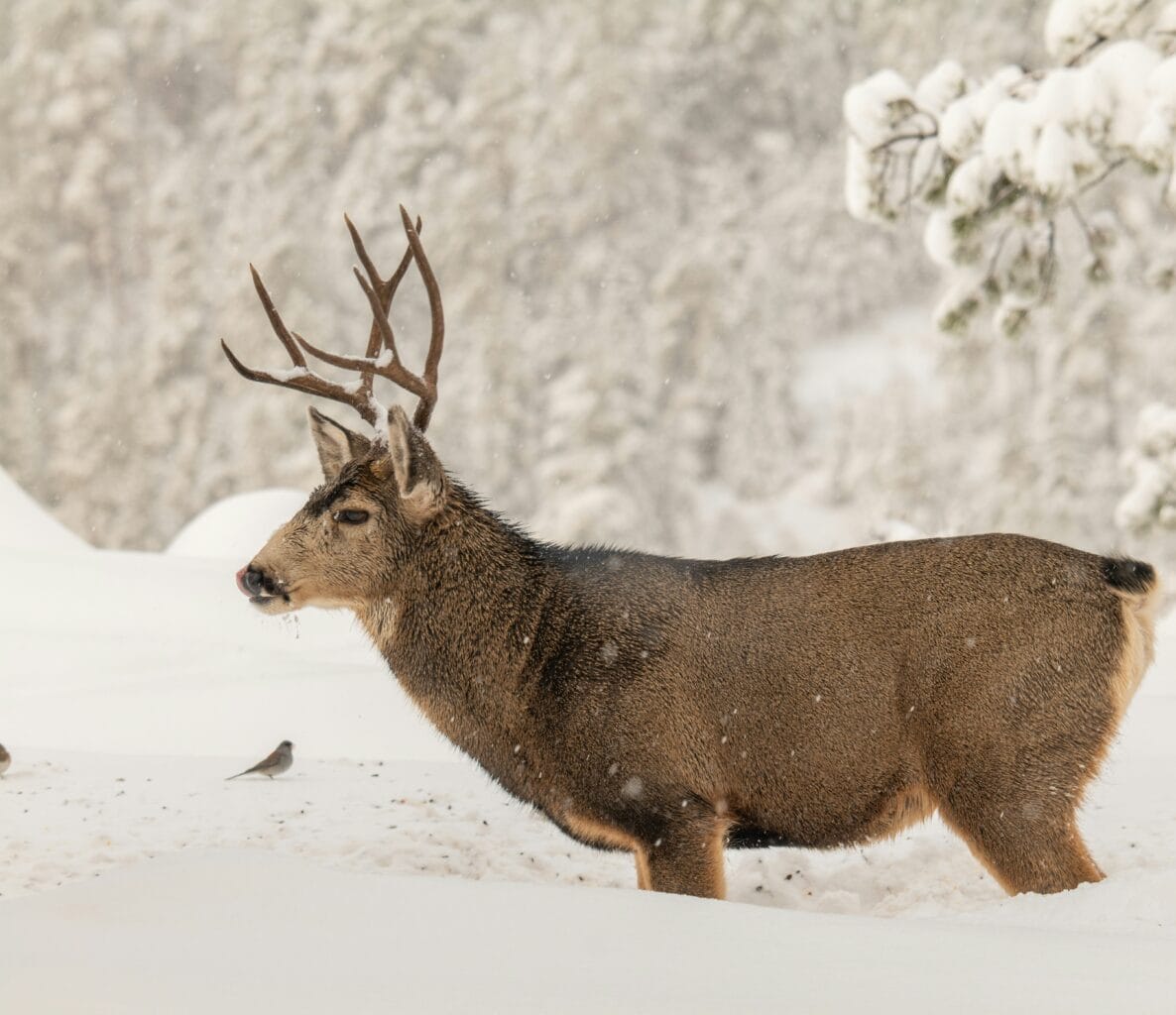
Mule deer (Odocoileus hemionus) represent Colorado’s most visible large mammal, with populations exceeding 400,000 statewide. Named for their oversized ears resembling mule’s ears, these graceful ungulates commonly appear in mountain parks, suburban greenbelts, and forest edges. Males (bucks) grow impressive forked antlers annually, while females (does) typically raise one or two spotted fawns each spring. Though wild, many populations have grown accustomed to human presence, particularly in mountain communities and parks.
While generally docile, deer require respectful distance. Does with fawns may stomp hooves or charge if they perceive threats to their young, particularly from dogs. During the fall rut, bucks focused on mating may show reduced wariness around humans. Never approach fawns, even if they appear abandoned—mothers typically leave fawns hidden while foraging and return periodically to nurse. Appreciate these iconic Colorado mammals from a distance of at least 50 feet, using binoculars or telephoto lenses for closer observation.
2. Bull Snakes: Beneficial Reptiles
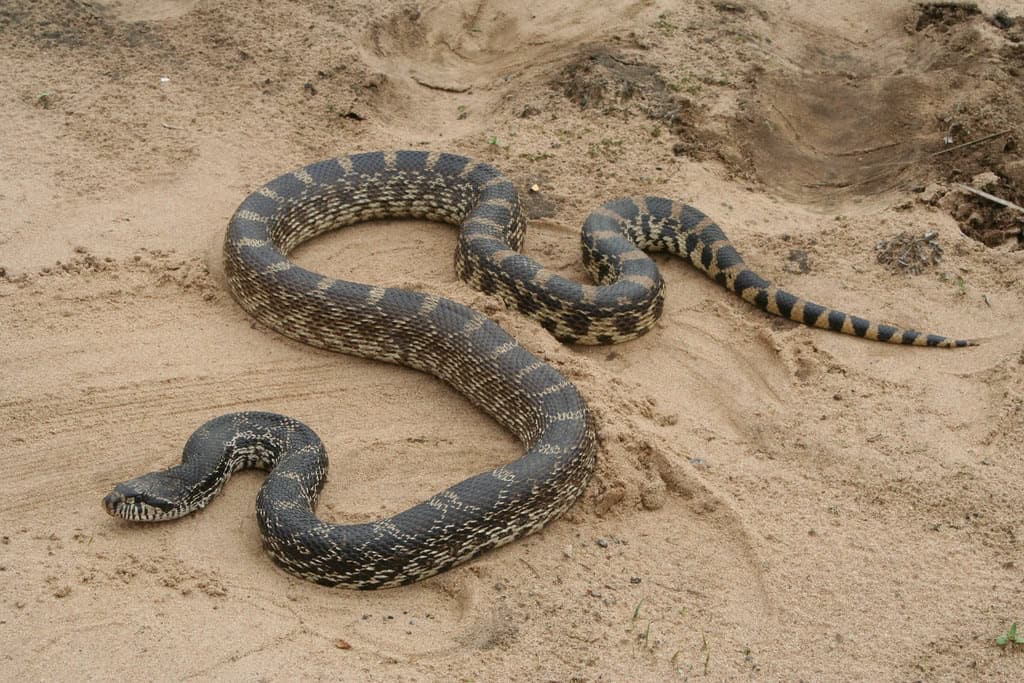
Bull snakes (Pituophis catenifer) rank among Colorado’s largest non-venomous snakes, reaching lengths exceeding six feet. These impressive constrictors inhabit grasslands, agricultural areas, and foothills across the state. Often mistaken for rattlesnakes due to their size, blotched pattern, and defensive behavior, bull snakes are actually beneficial predators that control rodent populations. When threatened, they flatten their heads, hiss loudly, vibrate their tails, and strike—but lack venom glands and pose minimal risk to humans beyond a painful but non-dangerous bite.
These snakes perform valuable ecosystem services by consuming vast quantities of mice, rats, and ground squirrels that damage crops and potentially spread disease. Unfortunately, their rattlesnake mimicry often leads to unnecessary killing by fearful humans. Learning to distinguish bull snakes (round pupils, no facial pits, no rattle) from rattlesnakes (vertical pupils, heat-sensing pits between eyes and nostrils, segmented rattle) helps protect these beneficial reptiles. If encountered, simply give bull snakes space to retreat—they typically flee rather than confront larger animals including humans.
3. Marmots: Alpine Whistlers
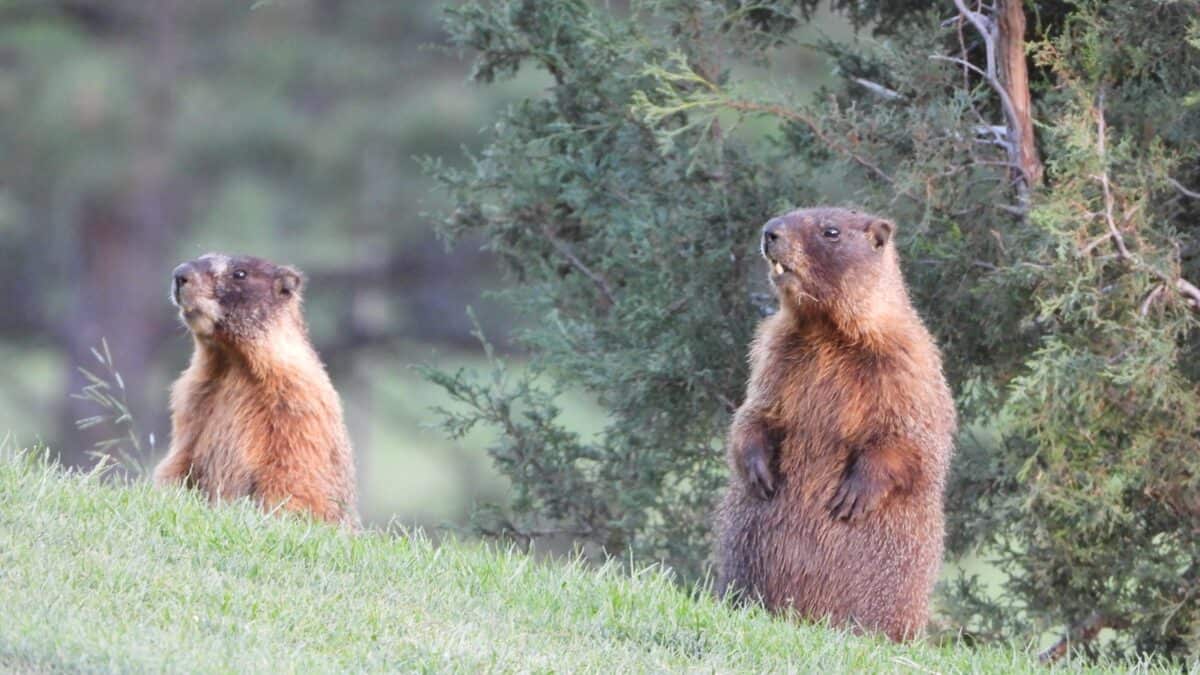
Yellow-bellied marmots (Marmota flaviventris), affectionately called “whistle pigs” by locals, inhabit rocky areas throughout Colorado’s mountains above 6,500 feet. These large ground squirrels can weigh up to 11 pounds and are named for their distinctive alarm calls—sharp whistles that alert colony members to potential danger. When a predator is spotted, a marmot’s shrill warning can echo across alpine meadows, prompting others to dive into their burrows. This vocal behavior not only showcases their social structure but also serves as a critical survival tool in open, predator-exposed environments.
Marmots are highly adapted to their high-altitude homes, spending much of the year in hibernation—up to eight months—sheltered in complex burrow systems insulated against harsh winter conditions. During the short summer, they busily forage on grasses, flowers, and other vegetation to build fat reserves. Though harmless to humans, marmots are a beloved symbol of Colorado’s alpine wilderness, often spotted sunning themselves on boulders or dashing for cover at the sound of an approaching hiker.
Conclusion: Wild Encounters in the Centennial State

Colorado’s dramatic mountains, forests, and plains are home to a variety of animals that deserve both awe and caution. From the stealthy mountain lion and powerful black bear to the quietly dangerous prairie rattlesnake and aggressive moose during rutting season, many of the state’s native species can pose a threat if startled or provoked. Awareness of these animals’ habits and respecting their space are essential to staying safe while exploring Colorado’s natural beauty.
At the same time, not every wild creature is cause for alarm. Non-venomous animals like garter snakes, mule deer, and wild turkeys are commonly seen across the state and are more likely to flee than fight. Still, they play important roles in the ecosystem and deserve the same level of respect. Whether potentially dangerous or completely harmless, all of Colorado’s wildlife contributes to the rich and wild character of the landscape—and encountering them responsibly can be one of the most rewarding aspects of life or travel in the state.

From exploring the marine wonders in the Azores and witnessing the vast savannas of Kenya, to delving deep into the rich biodiversity of South Africa and traversing iconic landscapes in Australia and the US like Yellowstone, Chris's experiences are vast.
With a penchant for diving alongside sharks, the ocean holds a special place in his heart.
Through his academic insights, he champions wildlife conservation, striving with 'Animals Around The Globe' to cultivate a profound connection between humans and animals, enhancing our mutual appreciation.
Connect with him at Feedback@animalsaroundtheglobe.com.
- The Lizard That Shoots Blood From Its Eyes - July 21, 2026
- What Happens If Fireflies Stop Glowing? - July 21, 2026
- Coyotes Are Thriving in Every U.S. State — Even New York City - July 21, 2026