
1. Labrador Retriever
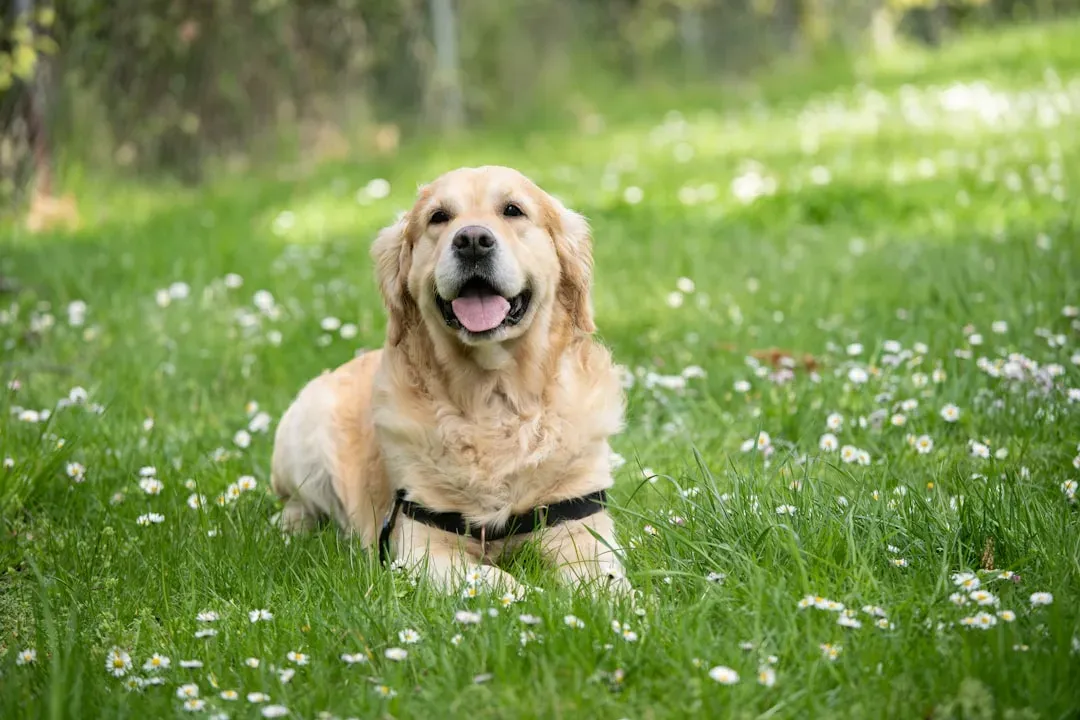
Labs are practically Florida’s unofficial dog. Their short, water-resistant double coat handles humidity well, and their love of water makes them perfect companions for beach days, lake outings, and backyard sprinkler sessions. It’s a genuine match. A breed that loves water living in a state practically surrounded by it.
Labs are athletic, adaptable, and resilient. They handle heat better than most medium-to-large breeds, though they still need shade and water breaks during peak summer temperatures. Their even temperament and easy-going nature also make them a practical choice for Florida families juggling outdoor activity with the occasional afternoon downpour.
2. Chihuahua

This breed reportedly originates from the scorching deserts of Mexico. With a history like that, Chihuahuas are known to be an adaptable dog breed that thrives in warm climates. There’s something poetically fitting about a Mexican desert dog finding a second home in the Florida sunshine.
Their short coats, small stature, and big ears make them pros at reducing their body temperature and hardly noticing the heat. They require minimal grooming and enjoy basking in the sun, making them ideal companions in warm climates, though care should be taken to avoid prolonged exposure to extreme heat. Small dog, big heat tolerance.
3. Australian Cattle Dog
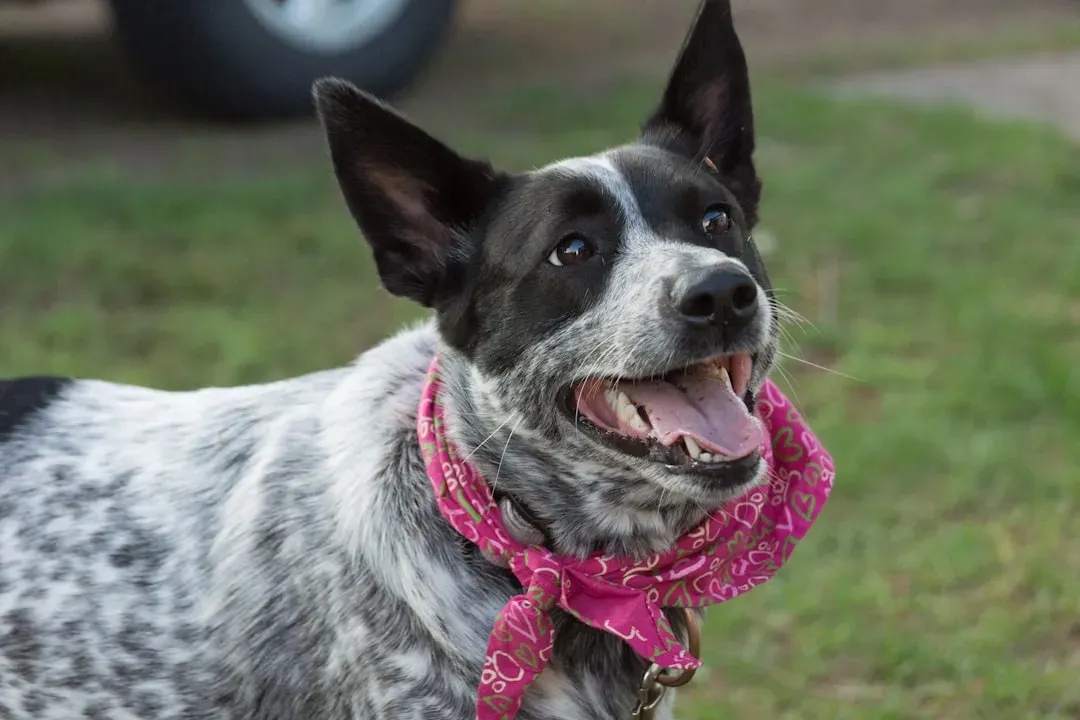
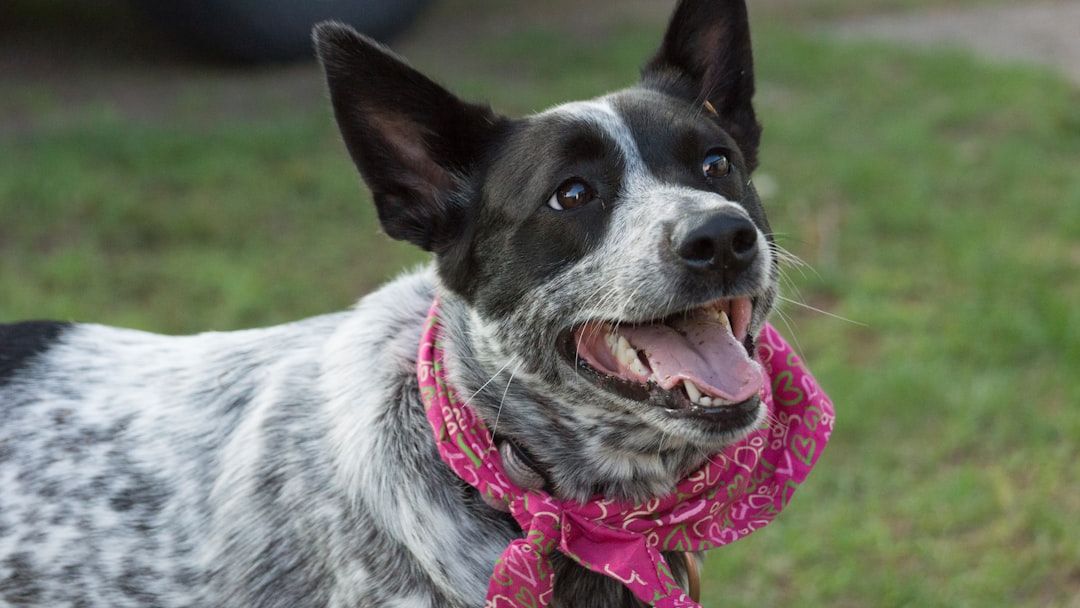
These tough, compact herding dogs were bred for the punishing heat of the Australian outback. Their short-to-medium coat manages humidity well, and their lean, muscular build helps with heat dissipation. Australian Cattle Dogs are intelligent, driven, and thrive when they have a job or purpose, which pairs well with Florida’s active outdoor culture.
Australian Cattle Dogs have a short, weather-resistant coat that can handle a variety of climates, including hot ones. These dogs are highly energetic and thrive in active environments. They are intelligent and robust, making them well-suited for working or active families. Their double coat helps protect them from the sun and keeps them comfortable in warmer temperatures. If you’re an active Floridian who loves hiking trails, paddle boarding, or long weekend runs, this dog will match your pace without complaint.
4. Dalmatian
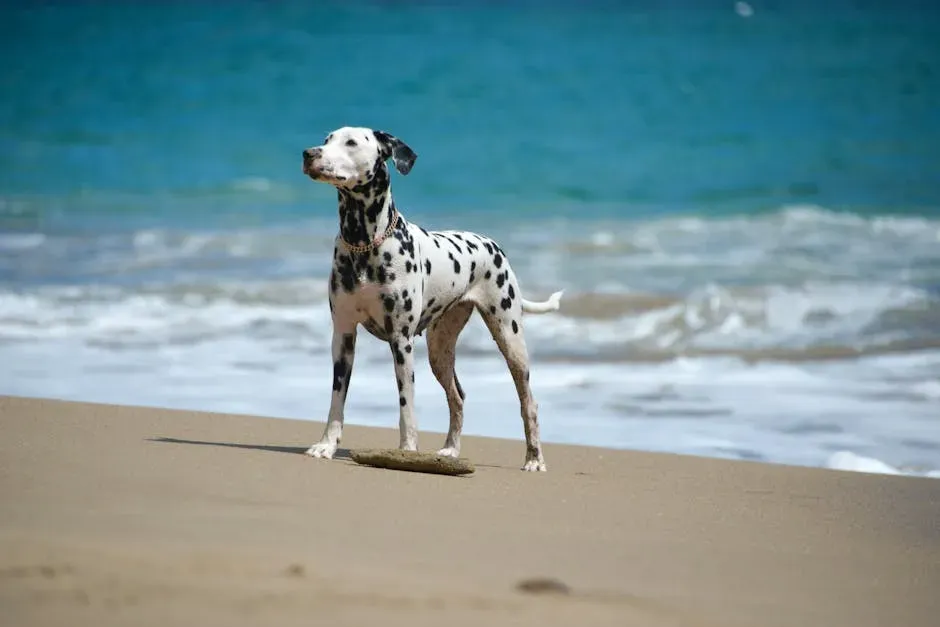
Dalmatians were historically bred to run alongside carriages for miles, which means they have an efficient build for managing body heat. Their short, sleek coat and lean physique make them well-suited to warm climates. They’re energetic dogs that need regular exercise, but they handle Florida temperatures better than many breeds their size.
They were originally bred as carriage dogs and have a short, dense coat that doesn’t trap heat. This energetic breed enjoys physical activities, making it well-suited for an active lifestyle in a hot climate. Regular exercise and access to shade and water are essential to keeping them comfortable. A Dalmatian sprinting along a Florida beach at sunrise is not a far-fetched image. It’s practically their natural habitat.
5. Whippet

Whippets are sleek, graceful, and built for speed. With virtually no body fat, a thin single coat, and a streamlined frame, they regulate heat quite efficiently. Their physical build is almost like nature’s own cooling system, engineered long before air conditioning existed.
Whippets are built for speed and agility, but their playful and gentle nature makes them fantastic four-legged companions. These slim sprinters’ slender frame, long snout, and thin, short coat helps to keep them cool and comfortable in the summer sun. Their playful nature and adaptable personality make them great pets for active Florida families. They’ll sprint at the dog park and then curl up on the couch like it’s the most natural thing in the world.
6. Greyhound

With its origins dating back more than 5,000 years to the deserts of Ancient Egypt, the Greyhound has long been adapted to warm climates. Their lean bodies, short coats, and minimal body fat help them to regulate heat, and their thin skin and efficient cardiovascular system help them maintain endurance even when temperatures rise.
Greyhounds have short, thin coats and lean bodies, which makes them well-suited for warmer climates. Their minimal fur helps them stay calm and require limited exercise, reducing the risk of overheating. Greyhounds are also known for being calm indoors, which is beneficial when outdoor activities are limited in hot weather. Florida is also home to a large population of retired racing Greyhounds available for adoption, making them both a climate-smart and compassionate choice.
7. Chinese Crested

The Chinese Crested, available in both hairless and powderpuff varieties, thrives in warm climates. The hairless variation is particularly suited to Florida’s heat, requiring sun protection but minimal coat maintenance. For anyone who has ever groaned at the thought of brushing a thick-coated dog in August, that low-maintenance detail alone sounds like a dream.
This Toy Group member’s coat is hairless or soft and silky, with thin guard hairs covering the short undercoat and large, erect ears that give the breed a fanciful appearance. Like most hairless dogs, the Chinese Crested is more prone to sunburn, and they should have dog sunscreen applied to their skin before any prolonged exposure to the sun. A tube of pet-safe sunscreen is a small price to pay for a dog that barely registers the humidity.
8. Vizsla
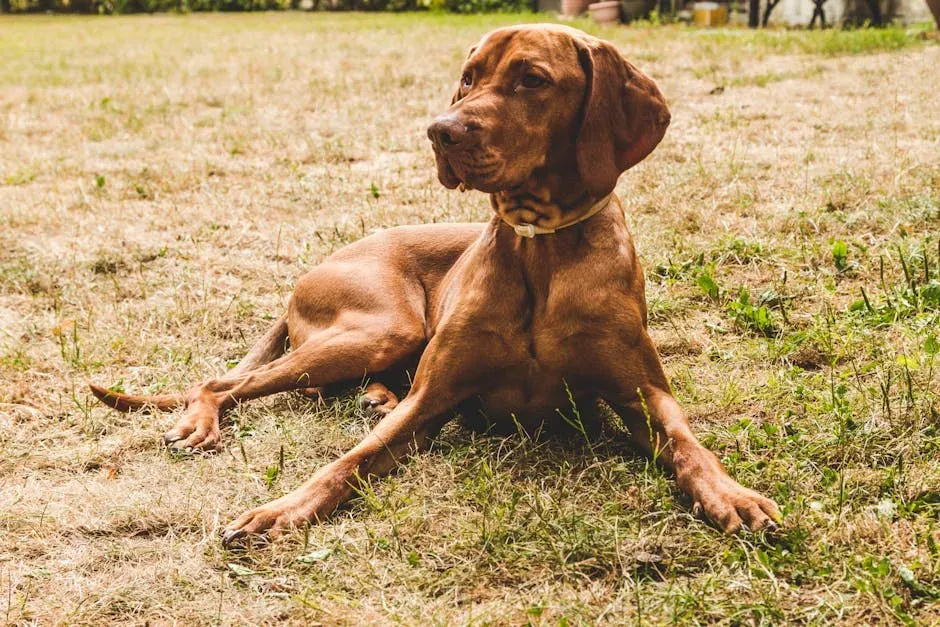
The Vizsla is a Hungarian breed known for its sleek, short coat that is ideal for hot weather. With their high energy levels and athletic build, Vizslas need plenty of exercise, which they handle well in warmer temperatures as long as they have adequate hydration. Their short coat is easy to maintain, and they are known for their affectionate nature and agility.
Often called “Velcro” dogs, Vizslas love hanging out with their human family. These former hunting companions are also quite athletic, so be prepared to spend plenty of quality hours outdoors with your Vizsla, who comes with a smooth coat made for hot days. They’re loyal, they’re beautiful, and they were practically built for a Florida lifestyle that refuses to stay indoors.
9. Basenji
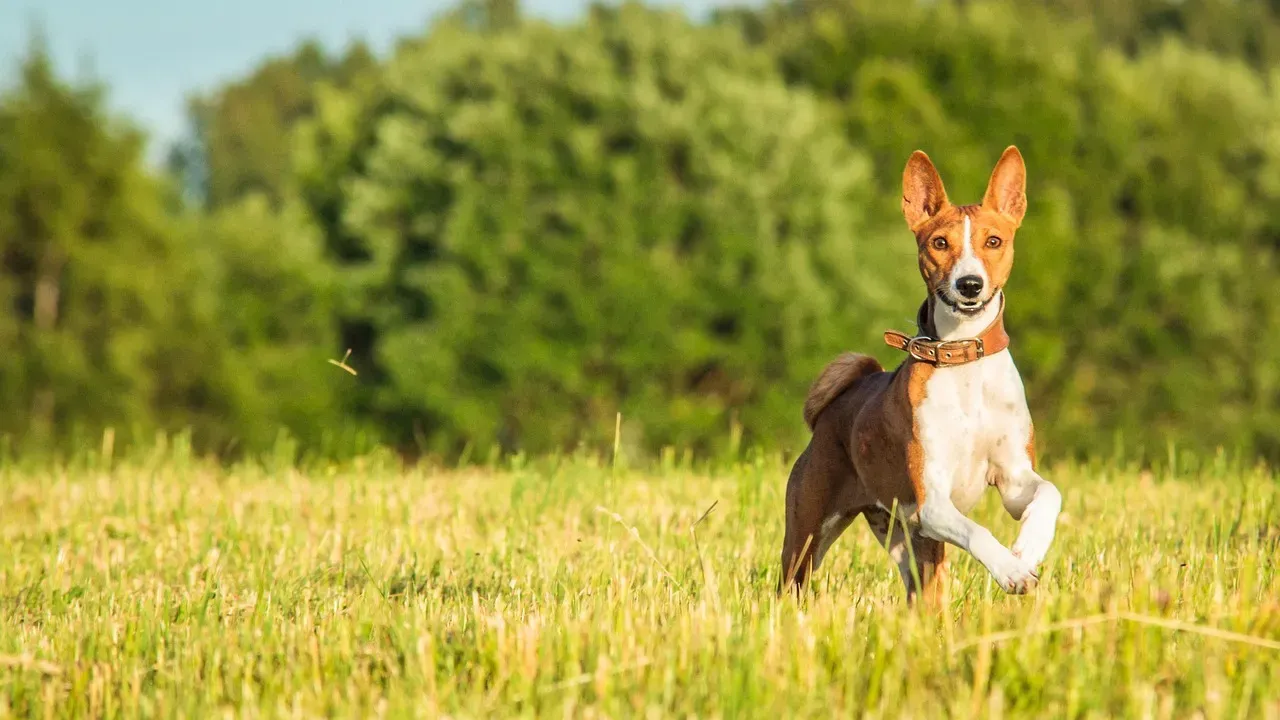
The Basenji is an ancient breed known for its unique appearance and heat tolerance. Originating from Central Africa, where temperatures can soar, the Basenji has a short, fine coat that helps it stay cool. Central Africa is not a forgiving climate, and the Basenji’s entire biology reflects thousands of years of natural adaptation to serious heat.
Its small to medium size and slender build also aid in heat dissipation. Basenjis are active, intelligent, and known for their cat-like grooming habits, which keep their coat in good condition. They’re also famously independent and quiet, which makes them an interesting companion for Florida apartment dwellers who want a heat-tolerant dog without the drama of constant barking.
10. Catahoula Leopard Dog
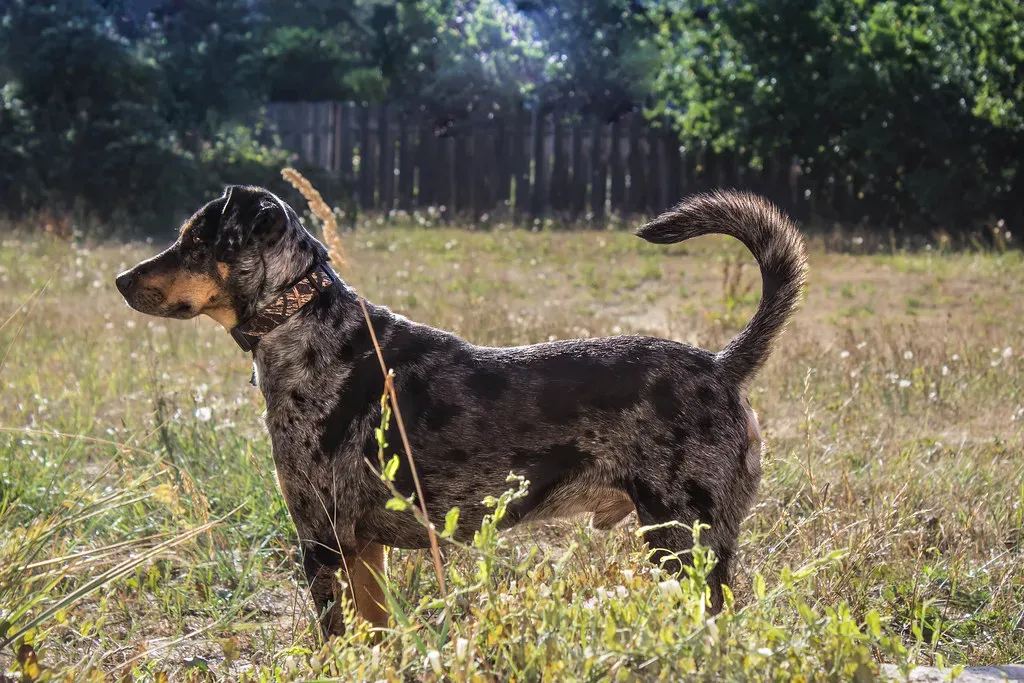
The Catahoula Leopard Dog originated in the swamps and forests of Louisiana, making them acclimated to heat and humidity. Bred as a hunting and herding dog for the bayous, these canines typically have a smooth, short coat ranging from single colors to brindle, or the distinctive “leopard” pattern that gives the breed its name. They make wonderful companions for those who like outdoor adventure.
Few breeds on this list carry humidity adaptation quite so literally in their DNA. The swamps and wetlands of Louisiana and northern Florida share enough ecological similarity that the Catahoula essentially never left its comfort zone. Breeds with shorter coats, lighter builds, and a love for water activities generally do better in warmer climates, and breeds that are not prone to overheating or heat-related health issues are preferable for maintaining your pet’s health and happiness. The Catahoula checks every one of those boxes with room to spare.
A Final Word on Florida Dog Ownership
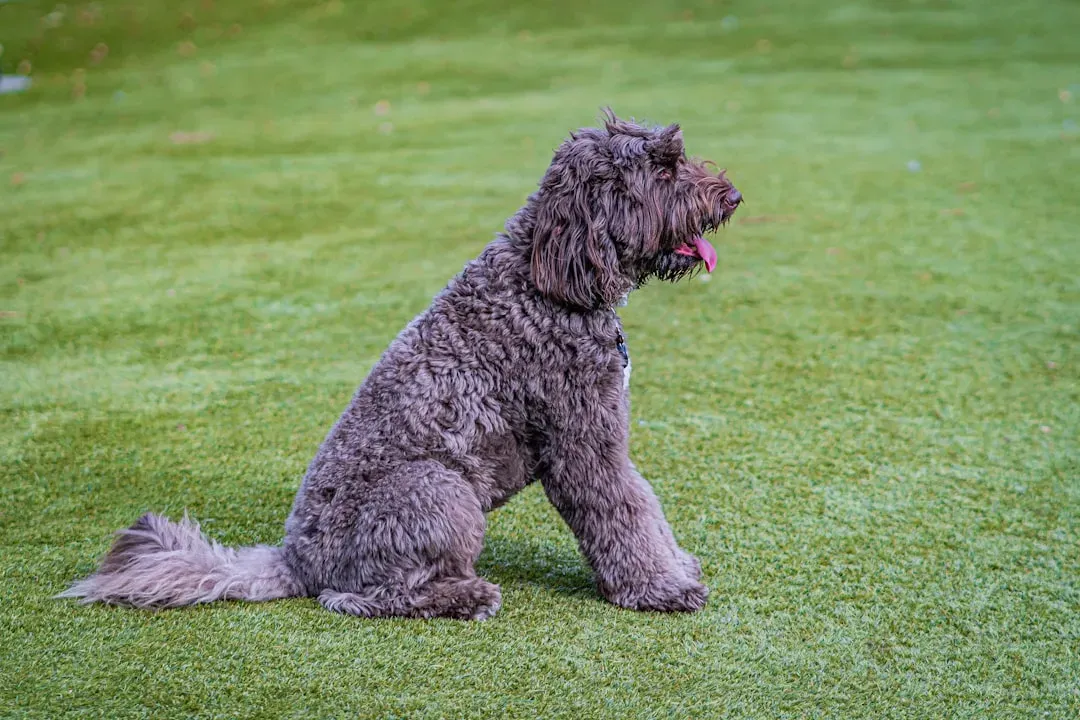
A few differences set warm and cold-weather tolerant dogs apart: their coat type and color, ear shape, and muzzle length. The best dogs in hot weather have short, single, or hairless coats. This no-frills fur allows air to circulate throughout the body and doesn’t retain heat. White, tan, or gray-colored coats reflect rather than retain heat, and erect ears keep dogs cooler than floppy ears that trap and restrict circulation.
Parasites thrive year-round in Florida’s warm, wet climate, which is paradise for fleas, ticks, and mosquitoes that carry heartworm. Every dog in Florida needs consistent year-round parasite prevention, but some breeds with thicker coats can be more susceptible to flea infestations and skin irritation. Choosing the right breed is only the beginning. Responsible care is what keeps them thriving long-term.
Exercise during the cool parts of the day, such as early morning and evening hours, and only if your pet is properly conditioned. New exercise routines should be done gradually over time, meaning weeks and months. Ideally this change in lifestyle begins during the cooler months of the year so your dog can get in shape before having to adapt to the warmer months.
Conclusion
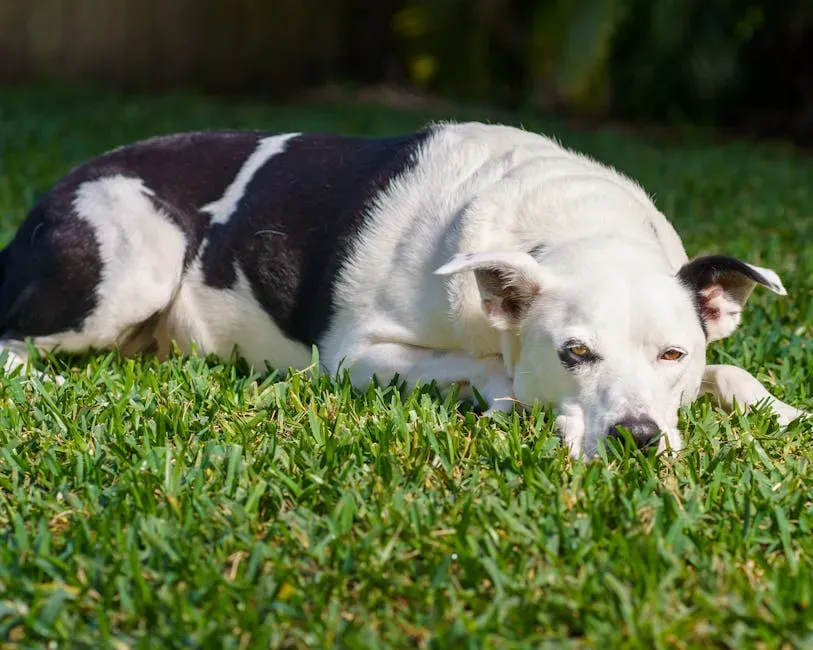
Choosing a dog for Florida isn’t really about picking a breed you think looks cool on Instagram. It’s about honestly matching a living creature to a climate that will be their daily reality for the next decade or more. The ten breeds on this list all bring something genuinely suited to Florida’s sticky, sun-drenched world, whether that’s an ancient coat built for desert heat, a lean frame that sheds warmth effortlessly, or a water-loving temperament that turns a humid Florida summer into a personal playground.
There’s something worth respecting about a dog that doesn’t just survive a challenging environment but actually belongs in it. Florida demands a lot of its residents, human and canine alike. The right breed, matched with thoughtful care, turns that challenge into something that looks a lot like joy.

- 12 Architectural Wonders From The Ancient World That Inspire Us Today - July 18, 2026
- 6 Beautiful Ancient Cities That Time Forgot (But Shouldn’t) - July 18, 2026
- 6 Common Animal Behaviors That Are Often Misunderstood by Humans - July 18, 2026