
You brought home the dog of your dreams. Cute, fluffy, maybe a little dramatic. You set up the crate, stocked up on treats, and committed to the whole routine. Weeks pass. Months pass. Your carpet starts telling a very different story than the one you imagined.
Here’s the thing – some dogs just don’t play by the rules, no matter how dedicated you are. Breeds with lower intelligence rankings, independent temperaments, or smaller bladders tend to be harder to house train, requiring more time, patience, and tailored training approaches. It’s not your fault. It’s not even really the dog’s fault. Some breeds are simply wired differently, and understanding that wiring is everything. So buckle up, grab some enzymatic cleaner, and let’s dive in.
1. Afghan Hound: The Beautiful Rebel
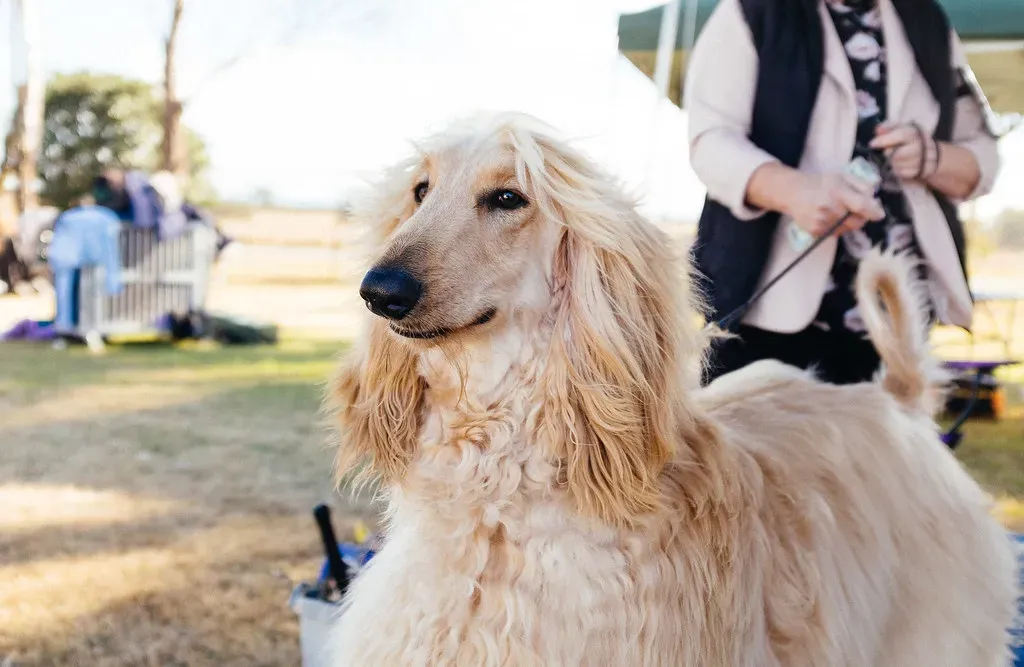
Let’s start with one of the most stunning dogs on the planet – a breed that absolutely knows it. Afghan Hounds are majestic, dramatic, and thoroughly unimpressed by your training schedule. Think of them as the supermodel of the dog world. They look incredible, but getting them to follow directions? Whole other story.
Afghan Hounds are slow learners and take a long time to housebreak. They need extra time, patience, and consistent training to catch on. Their aloof nature means they’re not particularly motivated by your approval, making typical reward-based training methods less effective than with other breeds.
Honestly, training an Afghan Hound feels like negotiating with a very elegant stranger who simply doesn’t care what you think. Afghan Hounds have the independent personality of a cat and tend to do what they want, when they want, possibly ignoring your prompts and commands. If you own one, patience isn’t a virtue – it’s a survival skill.
2. Dachshund: Small Dog, Giant Stubbornness
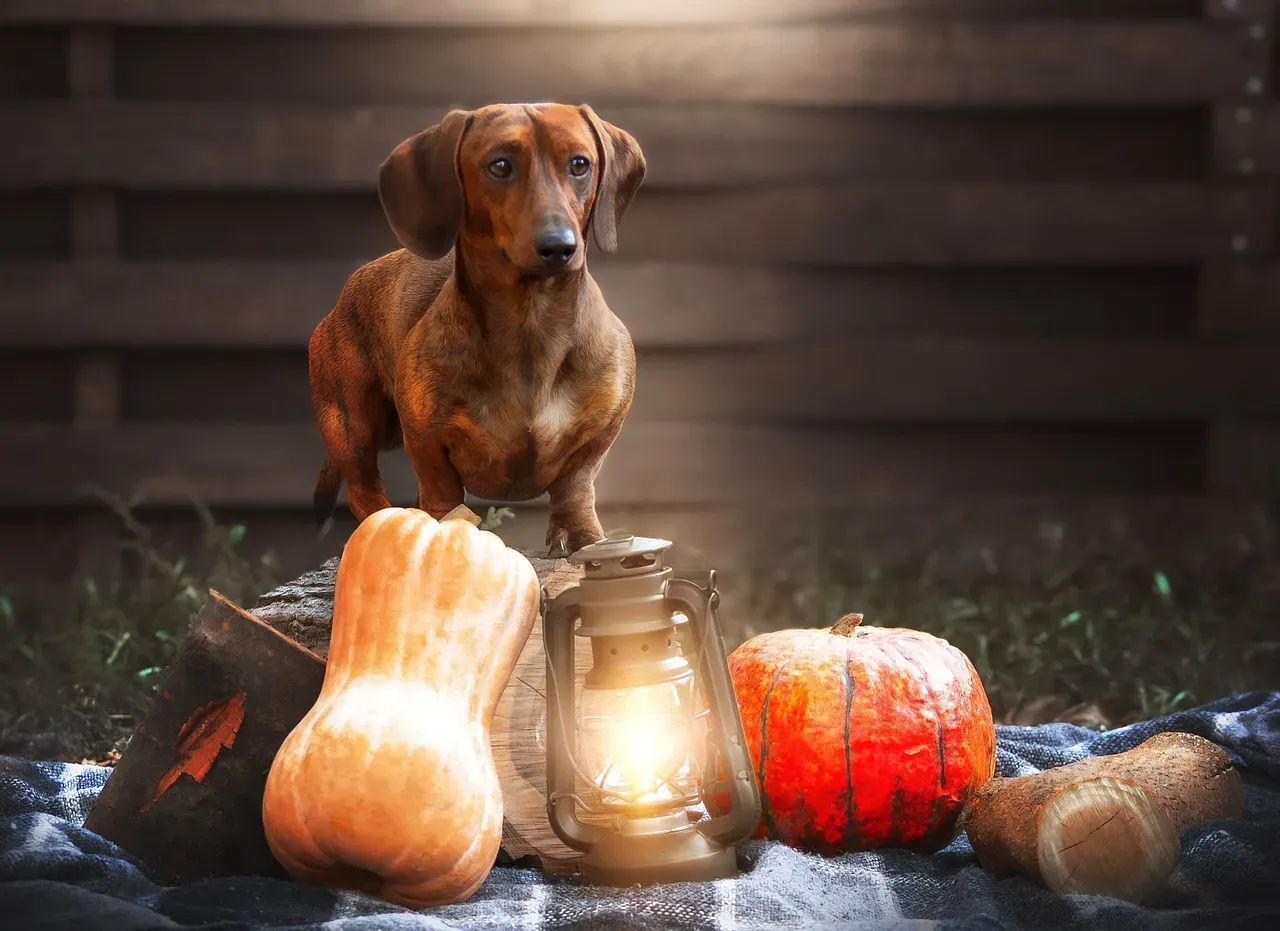
Don’t let the adorable sausage shape fool you. The Dachshund has a will of iron packed into a very small body. Dachshund puppies are moderately intelligent but known for their stubborn streak and resistance to training when uninterested. They usually grasp house training within a few weeks, but it demands strong consistency and plenty of positive reinforcement to keep them motivated.
The issue is that Dachshunds decide when they’re interested. That’s entirely up to them. You can set up the perfect schedule, reward every little success, and they’ll still look at you like you’ve personally offended them by asking them to go outside in slightly cool weather.
Dachshund puppies are clever but display a well-known streak of stubbornness and may resist training if they are not interested. I think that sentence deserves a moment of silence for every Dachshund owner who has lost the battle against a particularly determined little dog.
3. Chihuahua: Tiny Body, Zero Shame
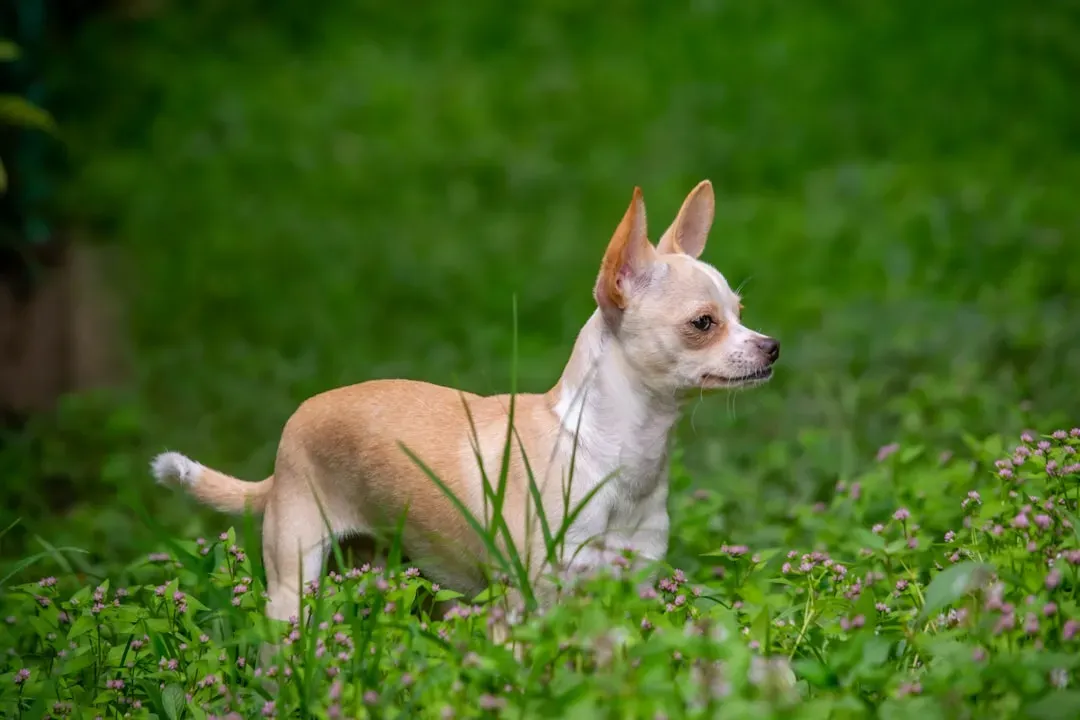
Chihuahuas are fascinating creatures. They have the confidence of a much larger dog and absolutely none of the indoor manners. Chihuahuas are known for urinating whenever and wherever they feel like it because they know they’ll get away with it. They can also be challenging to potty train because they hate going outside when it’s too cold or wet out, and could benefit from having a safe place inside to go to the potty.
The weather issue is real. A Chihuahua standing at the back door in light drizzle, staring back at you like you just suggested they swim the Atlantic, is a deeply relatable experience for owners of this breed.
One valid theory is that small dogs tend to have small accidents. It’s easier to miss a tiny puddle of pee from a small dog like a Chihuahua versus a Great Dane’s accident being the size of Lake Michigan. That missed puddle becomes a pattern. That pattern becomes a years-long battle. You’ve been warned.
4. Jack Russell Terrier: The Furry Anarchist
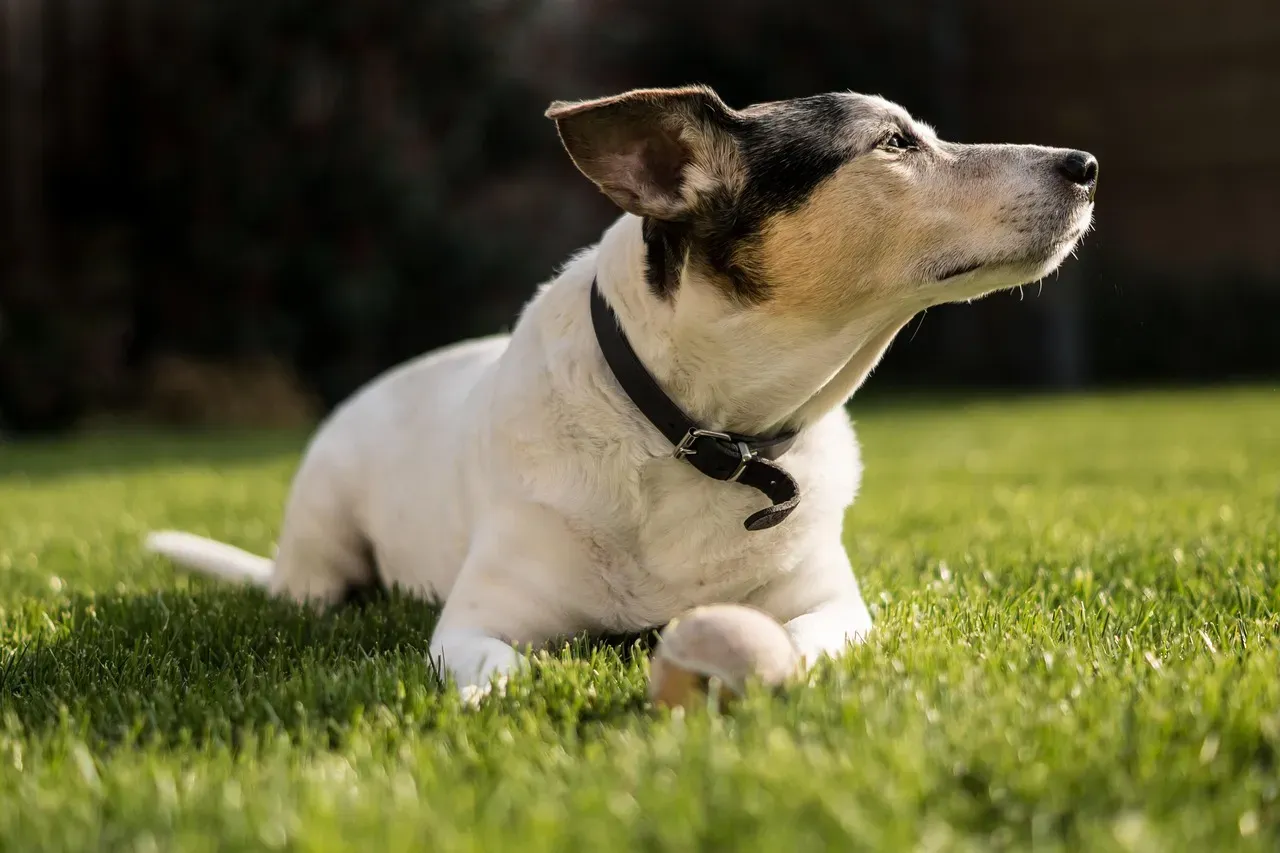
Jack Russells are electric. There’s truly no other word for it. They’re fast, smart, opinionated, and wildly entertaining – right up until they decide your living room floor is their personal bathroom. Of all the terrier breeds, the Jack Russell is, hands down, the most difficult to housetrain, and Jack Russells can be some of the most stubborn dogs out there.
Terriers are very territorial and are quite prone to marking behavior. You also need to be very careful while housetraining Terriers because they have independent minds and often are unwilling to take commands. They are very clever and realize when they can get away without obeying orders.
Training a Jack Russell is like trying to enforce rules on someone who has memorized every loophole in the rulebook. Jack Russell Terriers are known to be a challenging breed, to say the least. From chewing up your shoes to running around the house at full speed, these pups are little balls of energy that can be difficult to potty train. It takes real consistency – and a strong sense of humor – to get there.
5. Bichon Frise: Fluffy, Feisty, and Fiercely Independent
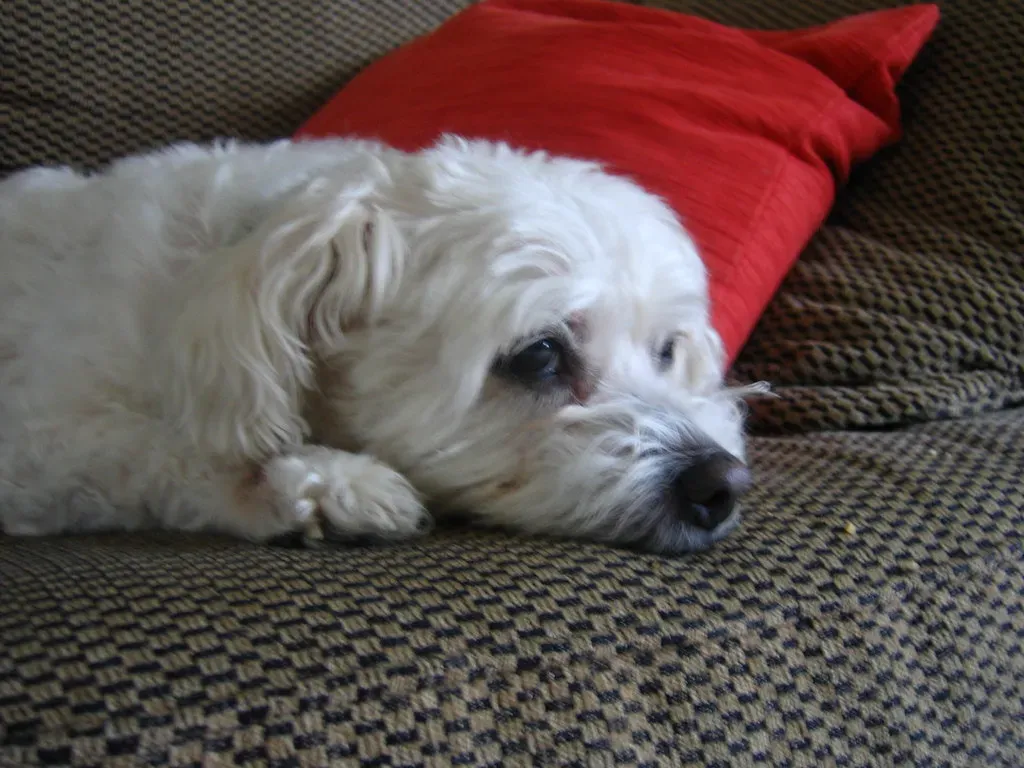
Nobody looks at a Bichon Frise and thinks “difficult.” They look like a living cotton ball. Sweet, bouncy, cloud-like. Yet, the Bichon has a well-earned reputation for making house training a genuinely prolonged ordeal.
The AKC says that Bichon Frises have a reputation for being difficult to housebreak, while they are also considered fiercely independent and tend to be picky about going outside when it’s rainy or cold out. Weather sensitivity is a theme you’ll notice with many of these breeds, and the Bichon is a prime offender.
Small toy breeds are generally the hardest puppies to potty train, with Shih Tzus and Bichon Frises frequently ranked among the most difficult. These breeds are challenging due to their smaller bladders requiring more frequent trips outside, stubborn or independent personalities, and sometimes being picky about weather conditions. With a Bichon, expect the process to extend well past the standard six-month window.
6. Pekingese: A Royal Attitude Toward Rules
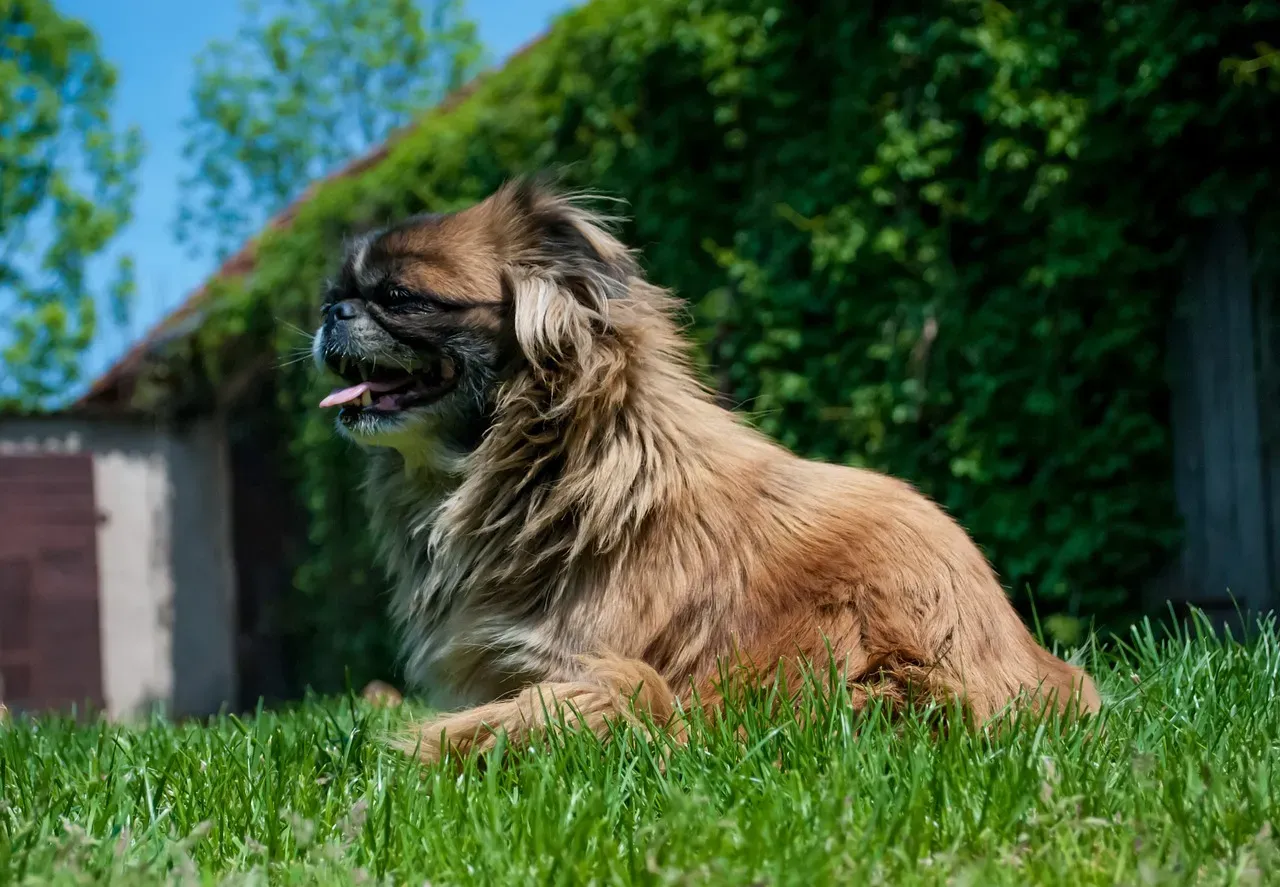
The Pekingese has a centuries-long history of being pampered in Chinese imperial courts. Which is lovely for them, historically speaking. Not so lovely for you and your floors. Once known as Chinese royalty, Pekingese have the self-important attitude to show it. Although they’re very intelligent, they also have an independent attitude and tend to adopt selective hearing when it comes to potty training.
Pekingese puppies often require frequent restroom breaks due to their diminutive size and tiny bladders. Though moderately intelligent, they can be stubborn and may be overlooked during training because of their charming demeanor. Making use of indoor puppy pads in apartment settings and steady, patient outdoor schedules are especially helpful.
The real trap with the Pekingese is that they’re so undeniably charming that owners go softer on them than they should. That’s the trick. The breed counts on it.
7. Chow Chow: The Aloof Guardian
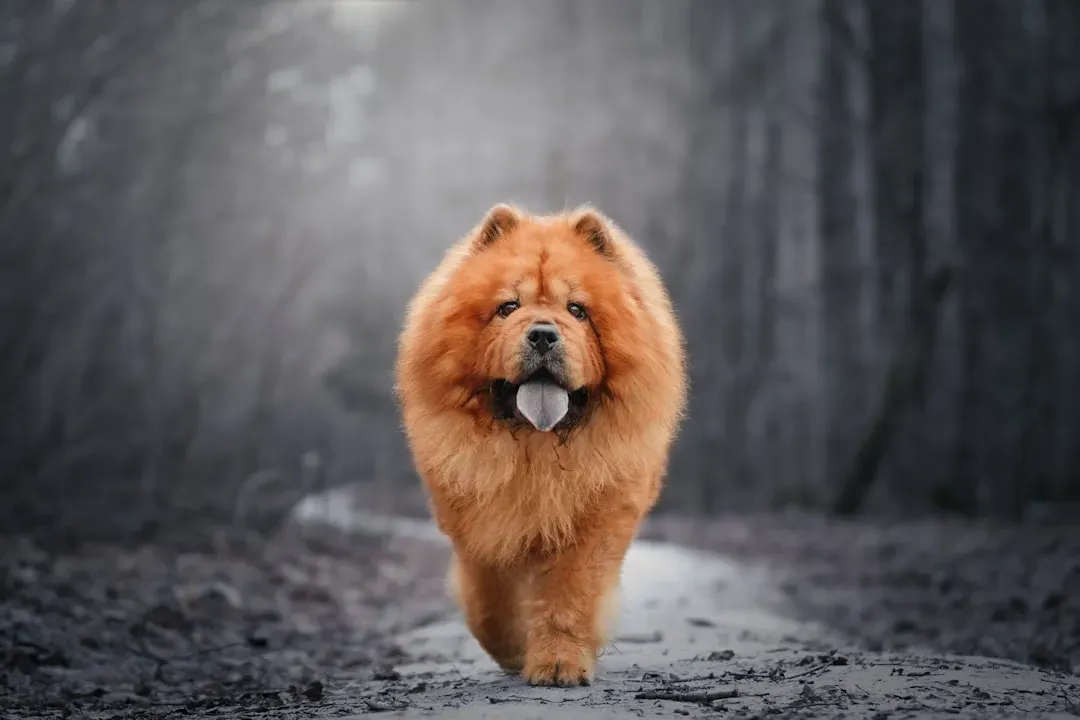
Chow Chows are ancient, regal, and about as interested in your opinion as a cat who’s just been told it’s bath time. Chow Chows are famous for their aloof and independent nature. These traits make them difficult dogs to potty train. Their strong-willed temperament may hinder a consistent potty training routine.
This ancient breed from China was developed to be independent guardians, making them naturally suspicious of new routines and schedules. Think about that for a second. A dog bred over centuries to make its own decisions doesn’t suddenly become enthusiastic about your schedule just because you bought training treats.
Chow Chows are territorial, and they may mark their territory frequently. This makes it harder to establish clear bathroom boundaries. Their territorial nature combined with their independent streak creates a perfect storm of house training challenges. Expect a long road, but a loyal companion at the end of it.
8. Shih Tzu: Deceptively Tricky
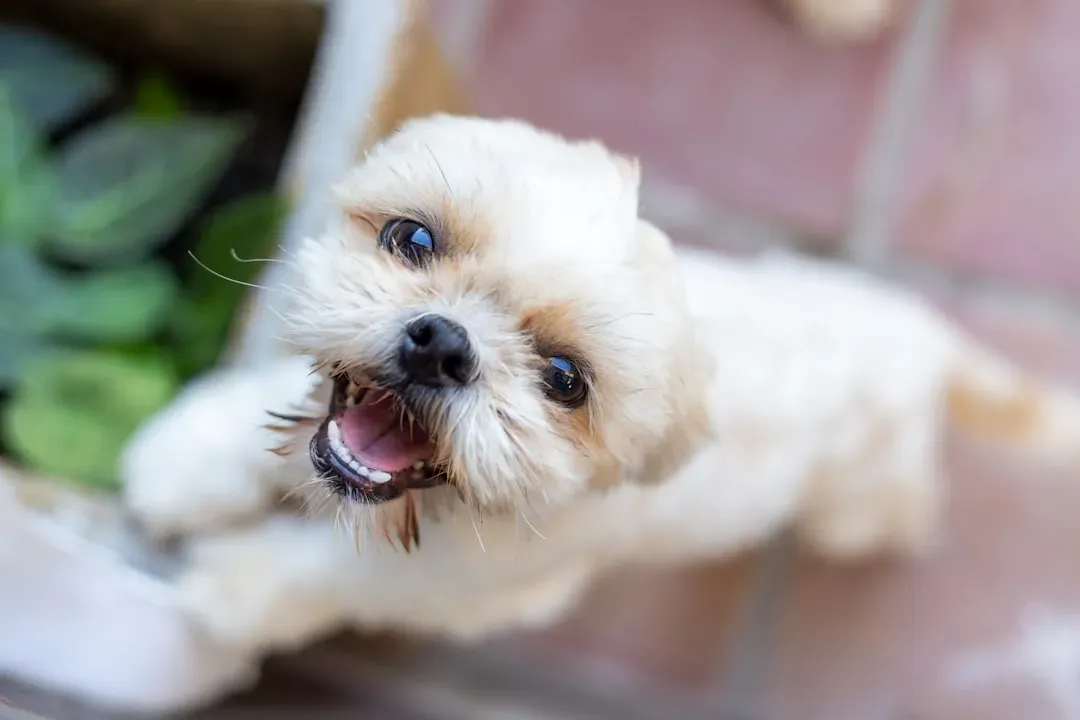
Shih Tzus are charming, affectionate little dogs that people adore. And they will test your entire soul during house training. Small toy breeds are generally the hardest puppies to potty train, with Shih Tzus frequently ranked as the most difficult overall. That’s quite a title to carry for a dog that looks like a tiny, opinionated mop.
Weather is a recurring villain here too. Many Shih Tzus thrive with indoor potty pads during bad weather, requiring a gradual transition outdoors over time. Getting them to make that transition fully and reliably? That can genuinely take well over a year with some individuals.
Typically, house training takes about four to six months to become reliable and accident-free, though many puppies start to adapt within weeks. The time it takes varies widely depending on the dog’s age, breed traits, temperament, bladder size, and the owner’s consistency and patience. For Shih Tzus, expect that timeline to stretch considerably further than average.
9. Maltese: Slow to Mature, Slow to Master
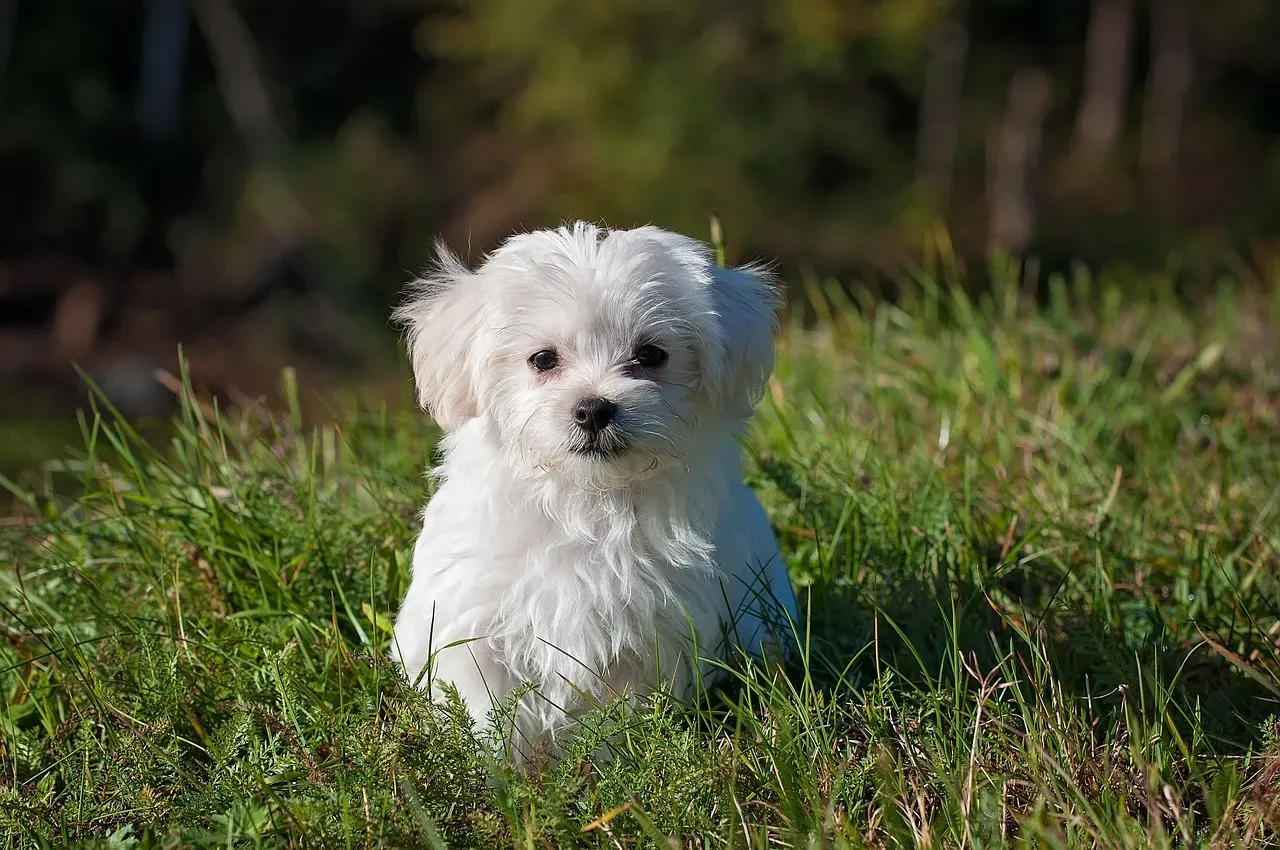
The Maltese is a gorgeous, silky-haired little dog that melts hearts everywhere. It also matures more slowly than many other breeds – and that matters enormously when it comes to house training. The American Maltese Association Code of Ethics requires that Maltese puppies remain in the breeder’s care until at least 12 weeks of age. This is because this breed is particularly slow to mature, which requires them to stay longer with their mothers and littermates. Maltese puppies may therefore not be easy to potty train prior to this age.
Slow maturity translates directly to slow bladder development. Most puppies aren’t reliably potty trained until six to eight months of age at minimum, and smaller breeds often take longer due to their smaller bladders and higher metabolisms. For the Maltese, “longer” can mean well into their second year before things truly click.
Puppies are generally fully potty trained when they have developed enough bladder and bowel control and haven’t had accidents for several weeks. Experts seem to agree that dogs can be defined as being fully potty trained once they haven’t had any accidents for at least a full six to eight consecutive weeks. Getting a Maltese there consistently is a patience game unlike most others.
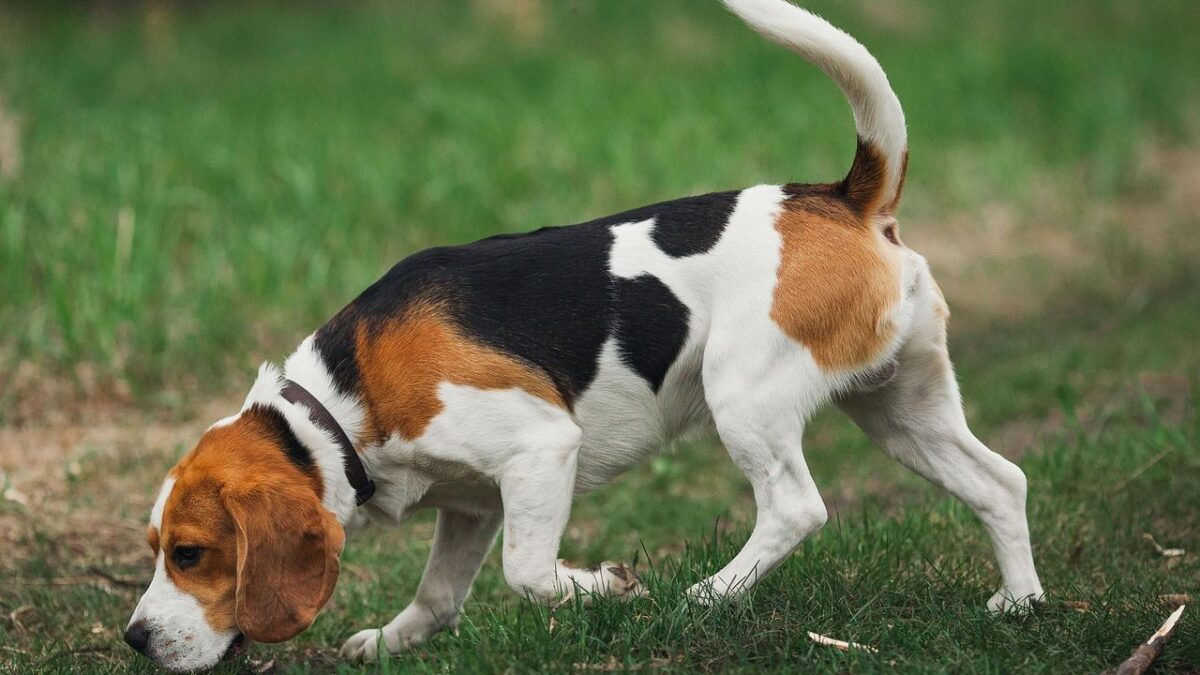
10. Beagle: Nose First, Rules Last
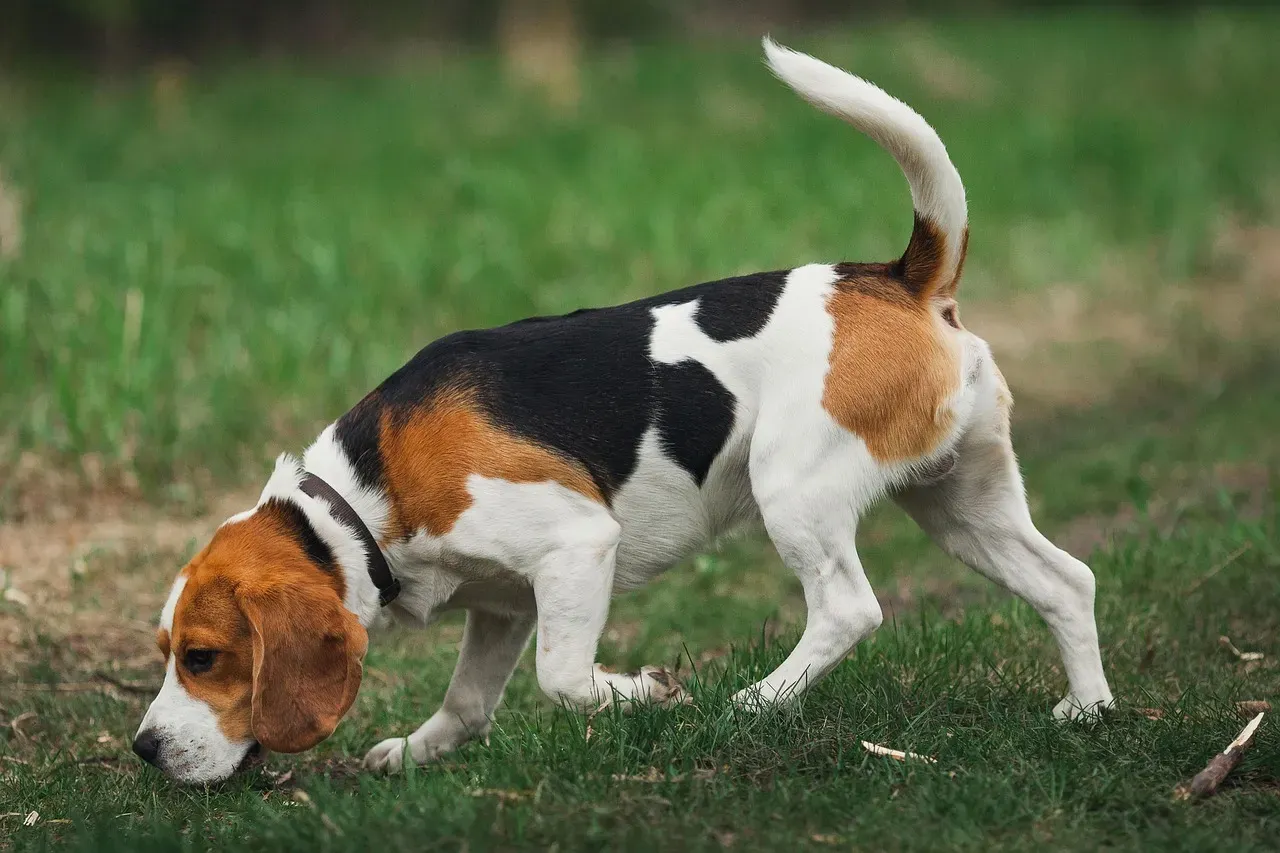
Beagles are joyful, lovable, endlessly enthusiastic – and profoundly distracted. Their nose essentially runs their life, and that creates a fascinating problem during potty training. You take them outside to do their business, and suddenly they’ve found a scent trail and completely forgotten why they’re outside in the first place.
Beagles can be difficult to housetrain because the breed doesn’t rank very highly on the canine intelligence spectrum for working ability. They also tend to be excitable dogs with a short attention span that get easily distracted and have a rather selective memory. That “selective memory” part is painfully accurate to anyone who has ever owned one.
Beagles have an innate drive to follow scents and explore their environment. They’re easily distracted, and their boundless energy prevents them from focusing on the task. Getting a Beagle reliably trained indoors isn’t impossible – it just requires a level of consistent structure that most owners significantly underestimate at the start.
What Every Owner of These Breeds Needs to Know
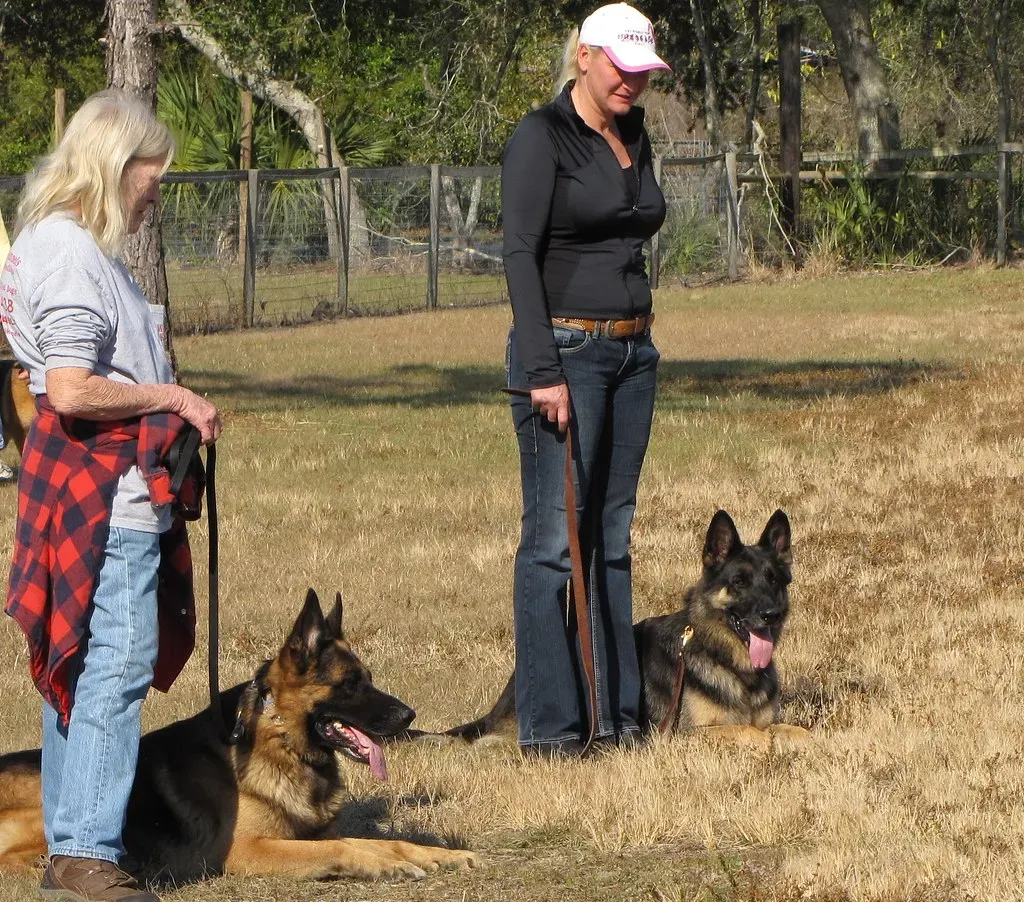
Here’s the thing that nobody tells you clearly enough at the beginning: with these breeds especially, progress is rarely linear. Even well-trained adult dogs may have occasional accidents during times of stress, illness, or significant household change. A week of perfection doesn’t mean you’ve crossed the finish line. It means you’re getting closer.
Most breeds require four to six months of consistent training, while stubborn breeds can take six to twelve months or even longer before becoming reliably housetrained. For many of the breeds on this list, an honest expectation is somewhere between one and two years of genuine, committed effort before you can confidently call your dog reliable indoors.
Success greatly depends on the owner’s commitment to routine, positive reinforcement, and reading their dog’s communication cues. Methods such as crate training, scheduled bathroom breaks, and gentle repetition help speed up training time regardless of the breed. Ultimately, these dogs aren’t being difficult to spite you. They’re just built differently – and that’s part of what makes them unforgettable.
The breeds on this list can be some of the most rewarding dogs you’ll ever share a home with. They have personality, spark, loyalty, and character in abundance. The indoor reliability part just takes time. A lot of it. So stock up on patience, enzymatic cleaner, and treats – and know that every single step forward is genuinely earned. Did you expect your favorite breed to make this list?
