

#1. Sugar Maple (Acer saccharum)
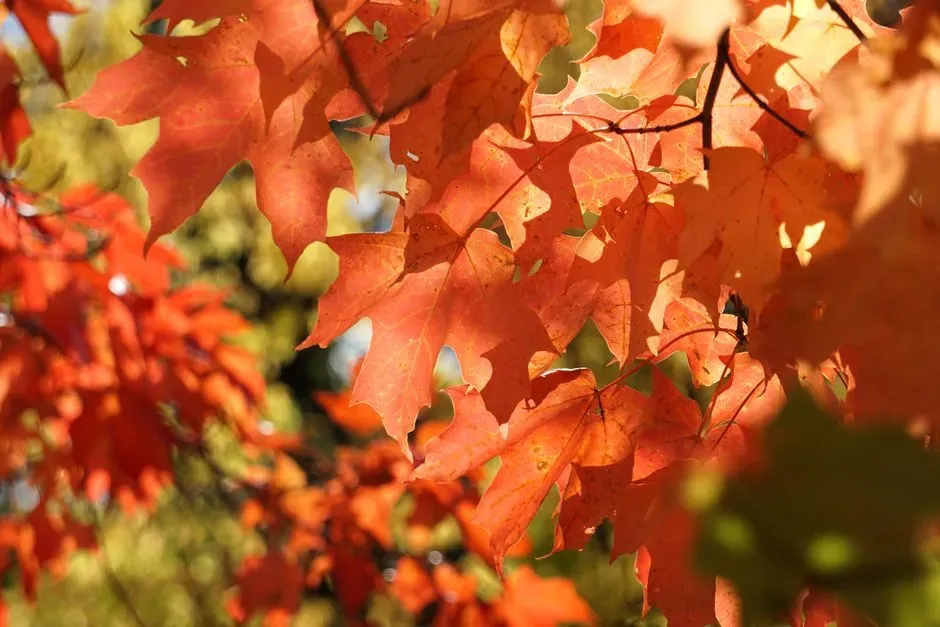
Sugar maple is an iconic Michigan shade tree. It prefers well-drained loam or clay soils and full sun to part shade. Mature height commonly reaches 60 to 80 feet with a dense canopy that provides excellent shade. Few trees have earned a more central place in the Michigan landscape, both visually and culturally.
Sugar maple is famous for its brilliant orange-red fall color and for supporting syrup production where local conditions permit. It’s best suited for yards with deep, fertile soil and room for a wide canopy, though it is sensitive to road salt and compacted soils, so it’s wise to keep it away from heavily salted roads. Plant it where it has space to breathe and it will reward you for generations.
#2. Eastern White Pine (Pinus strobus)
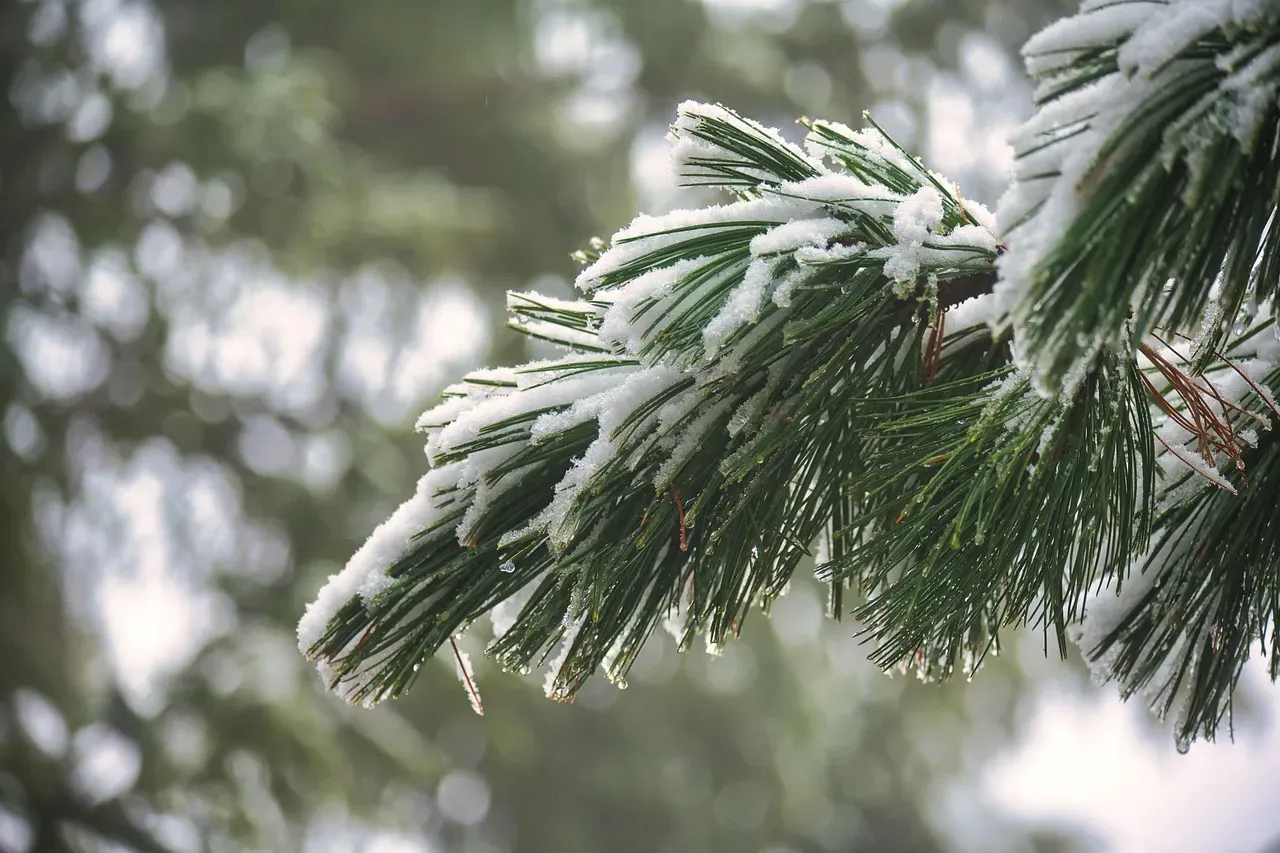
The Eastern White Pine is the state tree of Michigan, recognizable by its long, soft needles that grow in groups of fives. It’s a moderately fast-growing, large tree that is vigorous as an ornamental and requires well-drained soils. There’s something quietly majestic about a mature white pine, the way it rises above everything around it with an effortless calm.
This evergreen grows tall and straight, making it ideal for windbreaks, privacy screens, and as a stately specimen. Its soft, flexible needles and classic pinecones add to its decorative appeal. Sandy soils of northern Michigan are particularly well-suited to this species, where it establishes quickly and confidently. It’s as much a symbol as it is a tree.
#3. Northern Red Oak (Quercus rubra)
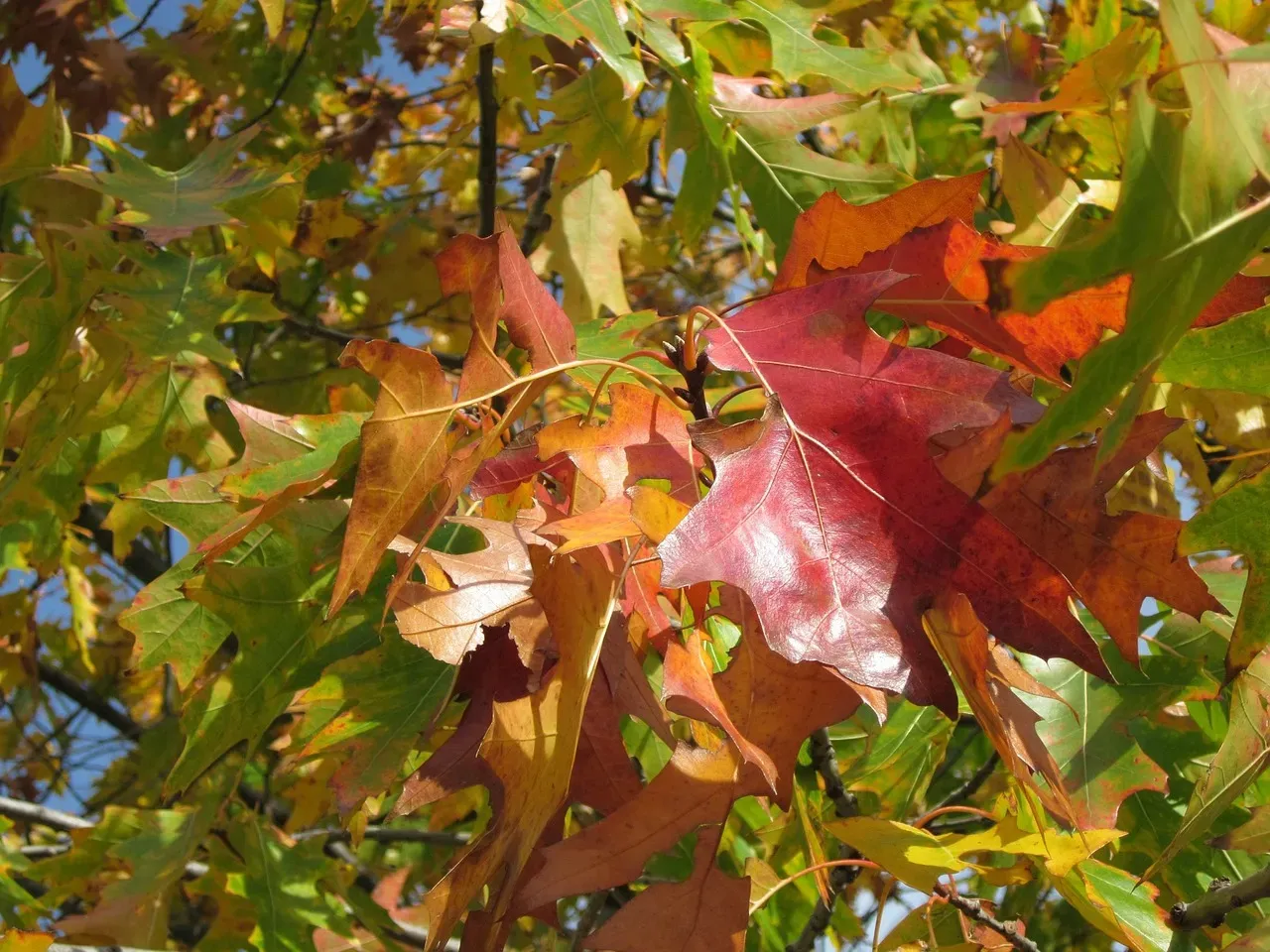
The Northern Red Oak is a fantastic choice due to its adaptability and majestic stature. Known for its rapid growth rate and robust nature, this oak species can reach heights of up to 70 feet with a wide-spreading canopy that’s perfect for creating shaded areas in your yard. It settles into a landscape with the kind of confidence that takes decades to develop.
The Northern Red Oak is resilient and adaptable, beneficial for wildlife, and capable of reaching heights and spreads of 70 feet. Native trees like oaks offer essential habitats and food sources for local wildlife, including various bird species, bees, and butterflies, and oak trees serve as an early food source for pollinators in spring, providing sustenance after winter. It’s one of those trees that earns its keep on multiple levels at once.
#4. Red Maple (Acer rubrum)
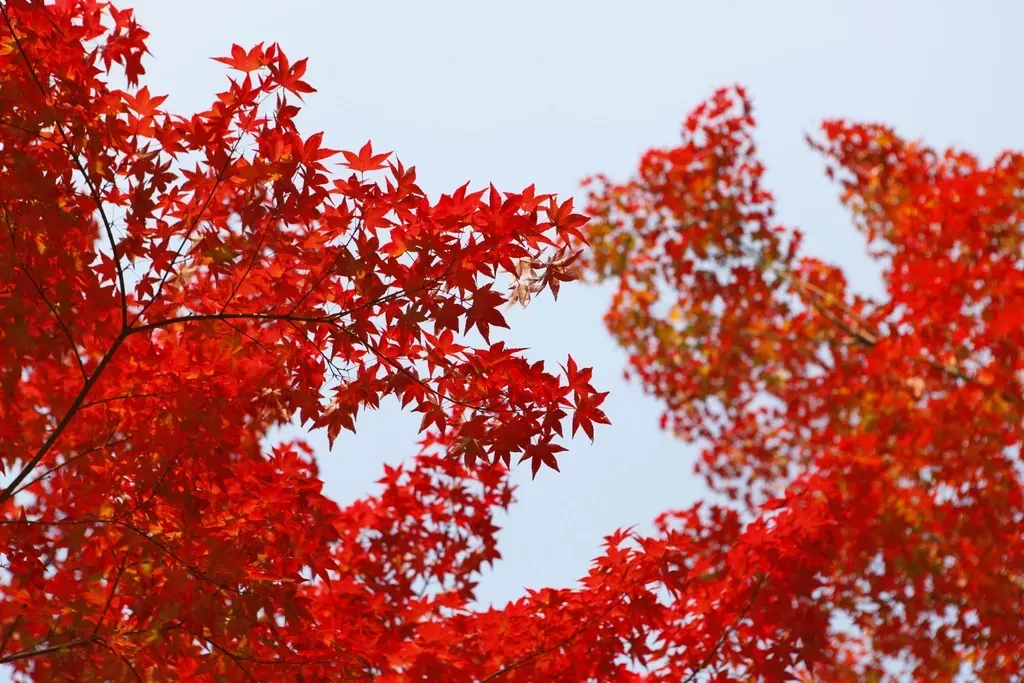
Red maples grow two to three feet per year and are highly adaptable to Michigan soils. They’re prized for brilliant fall color and fast shade, and they thrive in clay or moist soils while tolerating acidic sites. For homeowners who want visible results without waiting a decade, this is one of the most rewarding choices in the state.
A common choice in Michigan, the Red Maple is known for its rapid growth and its striking red and yellow fall foliage. It functions well as a shade tree, though it may not thrive in alkaline soils. Clay-heavy soils in southern Michigan in particular benefit from red maple, which tolerates moisture without complaint. It tends to look its absolute best on a crisp October morning when the light is just right.
#5. River Birch (Betula nigra)
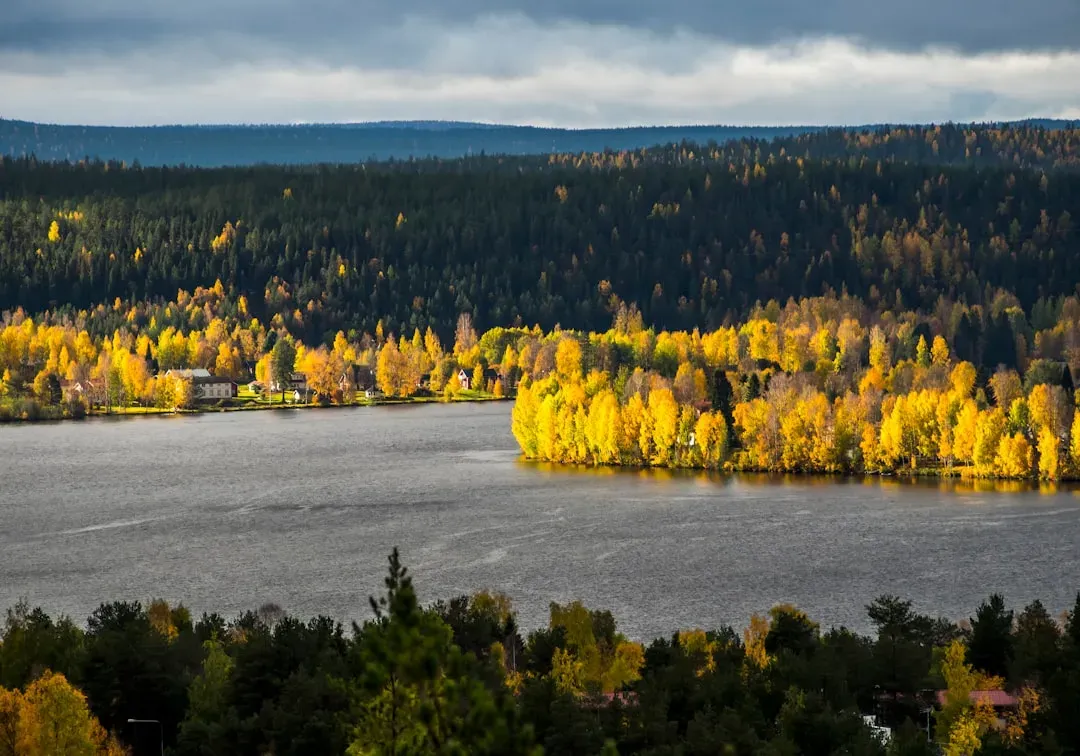
The native River Birch is recognized for its peeling bark that shows through in white, brown, and tan colors, giving it year-round visual interest even when the leaves are gone. It’s one of those rare trees that genuinely looks good in winter, which in Michigan is no small thing given how long that season tends to run.
River birch is particularly well-suited to clay-heavy soils in southern Michigan, tolerating moisture readily. For urban gardens, plants native to wet soils and river bottomlands are surprisingly adaptable to urban conditions. In their natural environment, these plants experience extreme fluctuations in soil moisture and oxygen, and researchers have found they can adapt to compacted, overly dry, or overly wet soils common to urban areas. River birch fits that description perfectly, making it a smart urban pick.
#6. Eastern Redbud (Cercis canadensis)
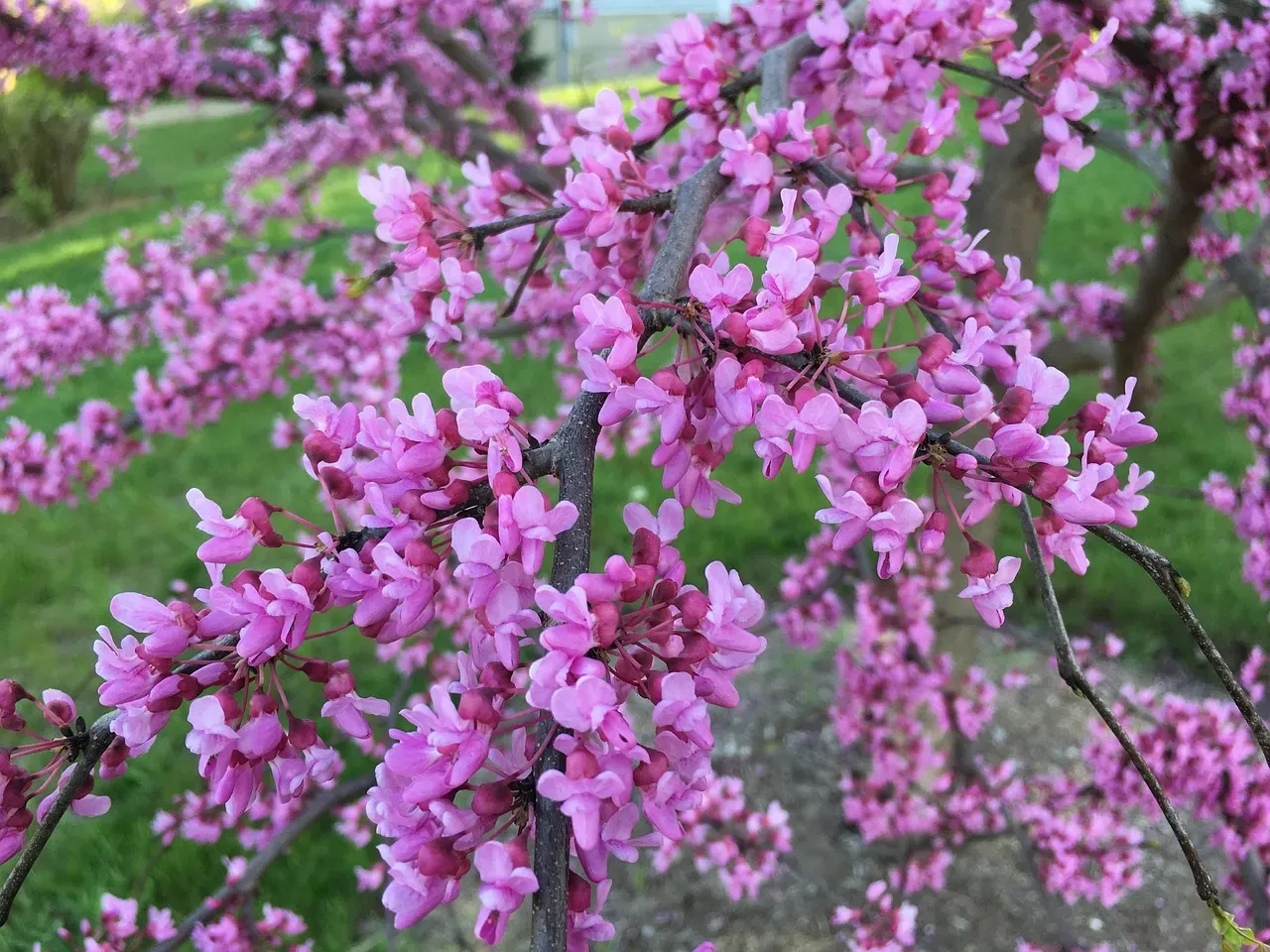
The Eastern Redbud is a Michigan native tree that produces prominent pink to purple flowers directly on its bare branches in early spring, making it one of the most striking trees in the landscape before any leaves emerge. This native tree features heart-shaped leaves and clusters of pinkish-purple flowers that appear before the foliage emerges, and it typically grows between 20 and 30 feet tall while thriving in part shade to full sun environments.
Redbuds offer a strong architectural form and are among the most popular trees in Michigan for early-season pollinators. The Eastern Redbud also supports local wildlife by providing nectar for pollinators. It occupies a sweet spot in the landscape: small enough for a modest yard, dramatic enough to become a genuine focal point every April. That combination is genuinely rare.
#7. Serviceberry (Amelanchier spp.)
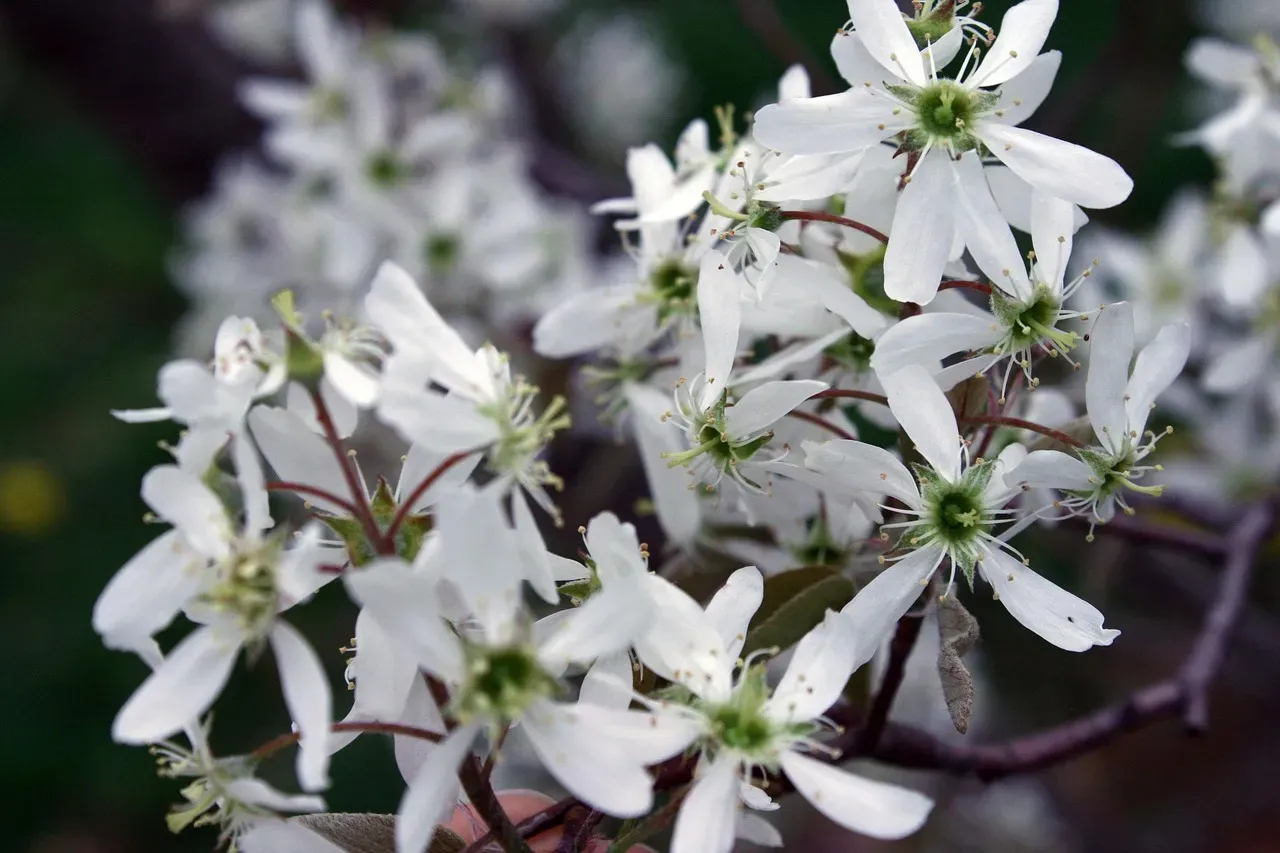
This tree has many names, including serviceberry, juneberry, and saskatoon, but whatever you call it, it’s a wildlife favorite and an attractive small tree reaching 15 to 25 feet tall. These hardy trees produce white blooms in early spring, providing nectar for bees and butterflies. That early-season bloom arrives when very little else is flowering, which makes it especially valuable to pollinators just waking up from winter.
Serviceberry is described as an excellent landscape plant that is easy to grow and provides year-round interest along with excellent edible fruit. Serviceberry is genuinely a four-season tree that works well near porches, walkways, or entryways in a small garden. The edible berries are sweet and arrive in June, and the birds will find them before you do if you’re not paying attention.
#8. Black Gum (Nyssa sylvatica)
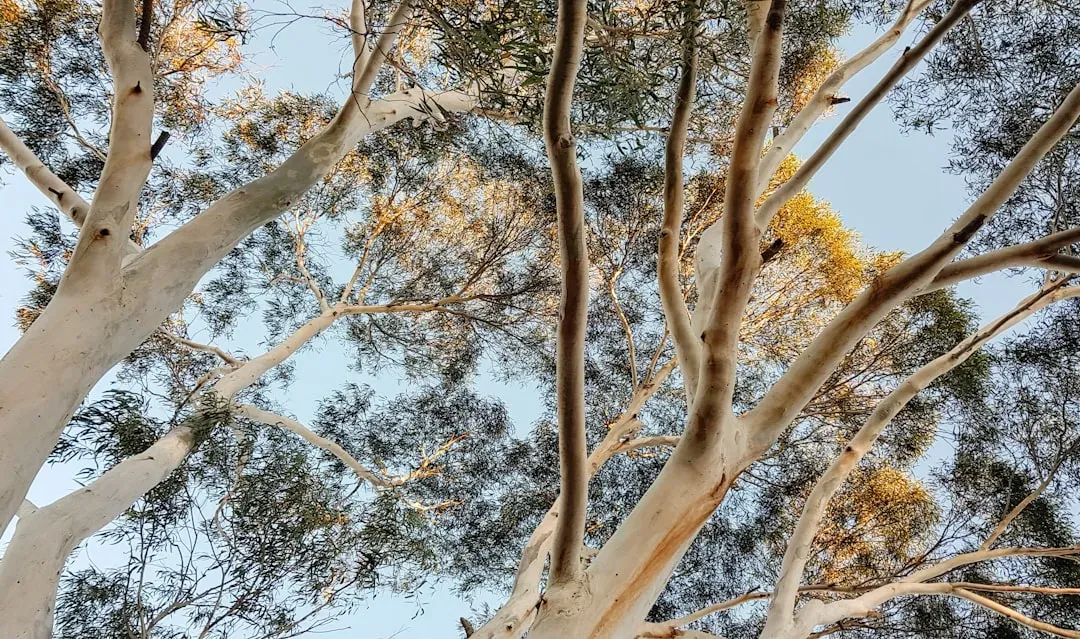
Black Gum grows 30 to 40 feet tall and is slow-growing with lustrous foliage that transforms to vivid shades of orange, scarlet, and yellow in autumn. Its dark, blocky bark and unique branching pattern provide winter interest, and its fruit is readily eaten by birds and squirrels. Not many trees deliver this level of seasonal drama in a relatively compact form.
Black Gum is low-maintenance and tolerates wet, clay soils as well as salt. It can be slow to establish in urban areas but establishes at a moderately fast pace in natural settings, and makes an excellent specimen tree. It reaches its northern limit in southern Michigan, so it benefits from some shelter from harsh winds in more exposed locations. That geographical nuance is worth keeping in mind when choosing a planting spot.
#9. American Beech (Fagus grandifolia)
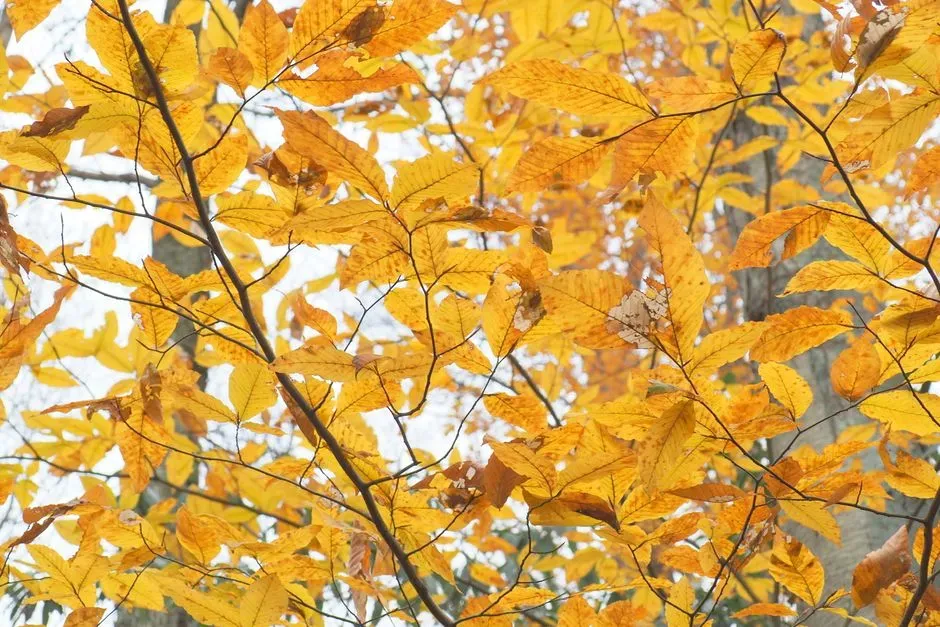
The American beech is a slow-growing deciduous tree that can grow 50 to 70 feet tall and live for centuries. It has smooth gray bark and produces small edible nuts favored by many species. This tree thrives in lush highland woods with damp, well-drained soils, and its dark green leaves turn copper in fall and stay on the tree most of the winter. That retention of leaves through winter is an unusual and quietly beautiful quality.
Recognizable by its smooth gray bark and sturdy trunk, the American Beech is a reliable shade tree that features golden fall foliage. It’s slow-growing but provides a dense canopy once matured. Beechnuts are a crucial food source for animals, adding real ecological weight to its presence in the landscape. This is a tree you plant for the next generation as much as for yourself.
#10. Northern White Cedar (Thuja occidentalis)
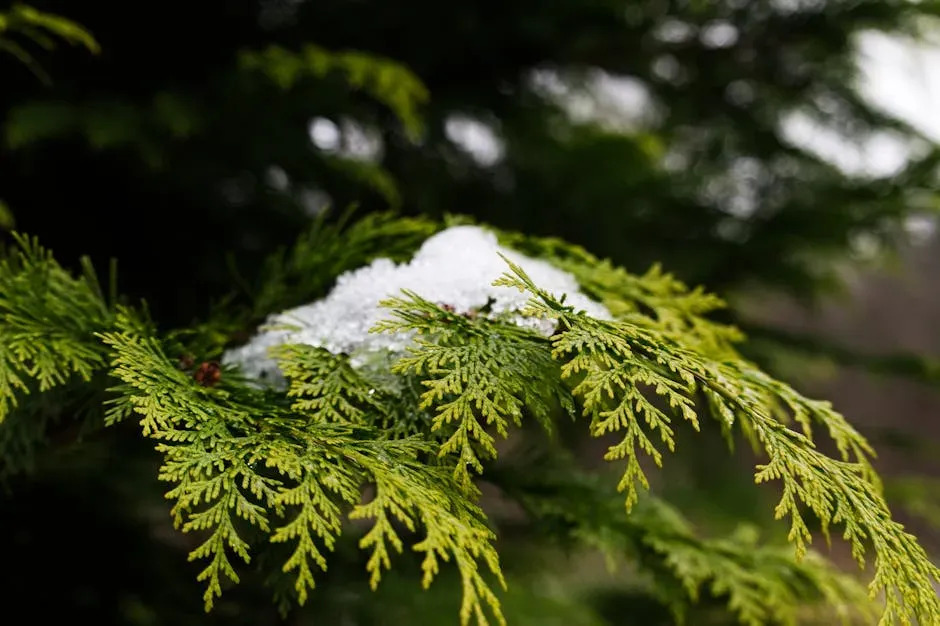
The Northern White Cedar, also known as arborvitae, is a small-to-medium evergreen characterized by a twisting trunk and exposed roots, found in wet or moist open sites. Its yellow-green foliage often becomes brown in winter but provides reliable shelter for birds and serves as a winter food for deer. It makes a good hedge or windbreak and provides winter interest in the landscape.
Also known as Arborvitae, this evergreen is essential for privacy hedges and ornamental designs. It’s relatively low maintenance and thrives in wetter soils, making it particularly suited for Michigan’s often moist conditions. Michigan’s native evergreens, including Northern White Cedar, offer year-round color and structure, slowing down winter winds, providing privacy, and helping shield a landscape from drifting snow. In a state where winter lasts a real four to five months, that kind of year-round utility is impossible to overlook.
Choosing the Right Tree for Your Site
Before purchasing any tree, it’s important to assess the location where it will be planted. Factors to investigate include the amount of full, uninterrupted sun the area receives, whether the soil is sand, loam, or clay, and how well the soil drains. Having standing water or saturated soil even for short periods of time may change plant selections entirely.
It’s also worth considering the “10% rule” when selecting trees and shrubs: put no more than 10% of any one kind of tree or shrub into your landscape. This acts as insurance against insect pests, diseases, or other problems that could come along. Only a small part of your landscape would be affected when an unforeseen problem arises, and diversity makes for a more interesting landscape overall.
Native trees and shrubs can create backyard habitat for birds, pollinators, and other wildlife, which is increasingly valuable as natural green spaces across the state continue to fragment. Planting one of these ten trees is a small act with a surprisingly long reach. The landscape you build today will likely outlive the season, the decade, and quite possibly you. That’s worth planting for.

- Why Veterinarians Say If Your Cat Sleeps With Their Back to You, It's the Highest Form of Trust in Feline Behavior - July 20, 2026
- Animal Science Says Ravens Remember Human Faces for Years and Warn Other Ravens About Dangerous People - July 20, 2026
- Marine Biology Says When Dolphins Suddenly Go Silent in Open Water It's Not Rest – They've Detected a Predator You Cannot See and Their Survival Strategy Reveals How They Read Danger - July 20, 2026