


Bison, often seen as majestic symbols of the American plains, have a rich history and intricate social behaviors that extend beyond their iconic appearances on national emblems and logos. These magnificent creatures are both enigmatic and fascinating, with many hidden talents and abilities that are less commonly known. Let’s journey into the world of bison and uncover ten things you probably didn’t know they could do.
Bison Have Acute Social Structures

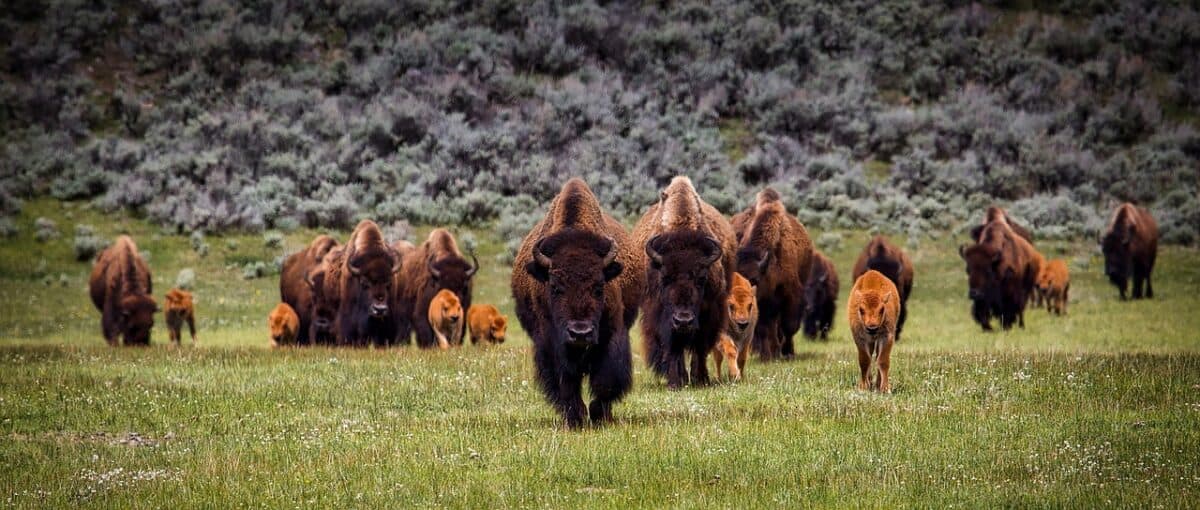
Bison are social animals that live in groups called herds. These herds are structured in a way that greatly aids their survival and success. The adult females, or cows, often lead the nursery herds, which are composed of females and their young. On the other hand, mature males tend to form smaller bachelor herds or stay solitary. This well-organized structure allows bison to efficiently share resources, protect against predators, and provide communal care for their young.
Bison Can Run at Speeds Up to 35 MPH

Despite their massive size, bison are remarkably agile and can reach speeds of up to 35 miles per hour. This speed is crucial for both predator evasion and sheer mobility across vast distances in search of food and water. The ability to run quickly also allows bison to perform sudden directional changes, helping them maneuver through diverse terrains efficiently.
Bison Have Exceptional Cognitive Abilities
Bison possess advanced cognitive skills, including problem-solving and memory retention. Studies suggest that their ability to remember routes and locate food sources is pivotal for their survival, especially during harsh winters. Bison have been observed to navigate their way back to food-rich areas, demonstrating an impressive long-term memory.
Bison Contribute to Ecosystem Health

Regarded as a keystone species, bison play a significant role in maintaining the health of the ecosystems they inhabit. Their grazing patterns help maintain the diversity of plant species, promote new growth, and contribute to nutrient cycling in soils. Their movement across the land also helps to aerate the soil and disperse seeds, fostering regeneration in various environments.
Bison Communicate Using a Range of Vocalizations
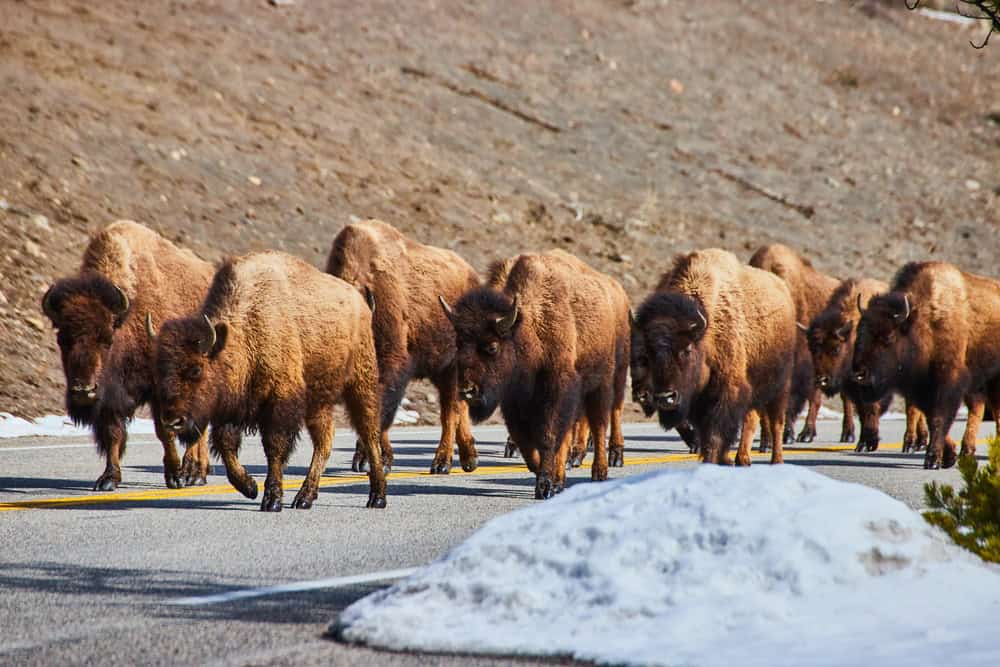
Bison have a diverse repertoire of vocalizations used for communication. Grunts, snorts, and roars play an essential role in social interactions and in signaling alarms or other statuses to the herd. Communication is fundamental during the mating season and allows bison to maintain their well-organized social structures in various scenarios.
Bison Can Survive Harsh Weather Conditions

Equipped with a double-layer of fur, bison are incredibly well-adapted to withstand severe weather conditions. The outer layer of their coat repels water, while the dense, woolly undercoat provides insulation. This adaptation allows bison to thrive during cold winters and sweltering summers, making them resilient inhabitants of North America’s unpredictable climates.
Bison Can Swim Across Rivers

Although it might not be the first thing that comes to mind, bison are excellent swimmers. Their large lungs and powerful limbs help them navigate rivers and other bodies of water. Swimming is particularly valuable during their migration, allowing them to traverse across the landscape efficiently while accessing new areas in search of food and suitable habitats.
Bison Play a Role in Cultural Significance

Beyond their biological and environmental impact, bison hold profound cultural significance, especially for Native American tribes. Historically, bison provided resources for food, clothing, and shelter. Spiritually, they embody strength, unity, and resilience. Many tribes revere the bison and incorporate them into narratives, rituals, and traditions, highlighting their deep-rooted importance.
Bison Exhibit Protective Maternal Behavior

Female bison exhibit strongly protective behaviors towards their young, often forming tight-knit nursery groups where calves are closely monitored and safeguarded. In the presence of potential threats, these groups demonstrate remarkable cohesion, with mothers rallying together to form a defensive barrier around their calves, showcasing their innate maternal instincts.
Bison Can Alter Landscapes
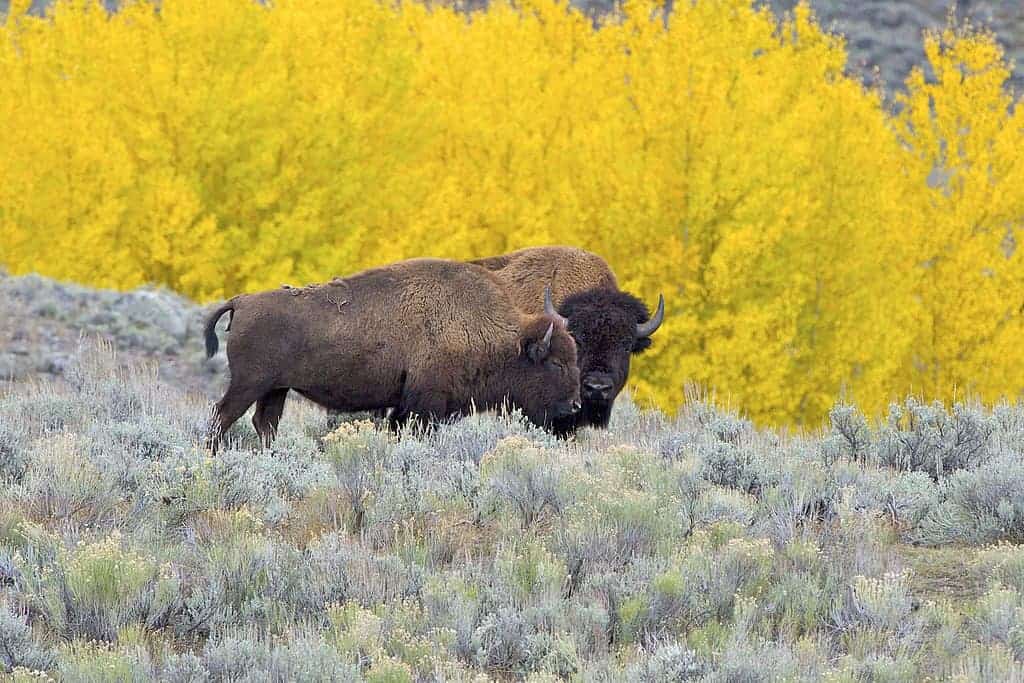
Bison not only maintain balance within ecosystems but can also fundamentally alter landscapes. By wallowing—rolling on the ground—they create depressions which might fill with rainwater, thus creating small ecosystems. These wallows can become small habitats for other species, showcasing the bison’s intrinsic role in shaping the environment.
Conclusion:

In conclusion, bison possess a suite of unique abilities and traits that contribute to their survival, social structures, and influence on the environment. Their evolutionary adaptations and ecological roles underline the importance of conserving these majestic animals, whose presence continues to have profound impacts on both natural and cultural landscapes. As we continue to learn more about bison, it becomes increasingly evident how critical they are as a cornerstone of North America’s natural heritage.

As a little kid, I fell in love with nature, wildlife, and animals. Living in the USA, South Africa, Italy, China and Germany gave me the opportunity to discover the world's Wildlife. My favorite animals are Mountain Gorillas, Siberian Tigers, and Great White Sharks.
I'm a certified PADI Open Water Diver, went to Everest Base Camp and Trekked Gorillas in Uganda. I hold a Master of Science in Economics and Finance.
Please send any feedback to feedback@animalsaroundtheglobe.com
- 13 Cat Breeds That Get Along with Dogs - July 20, 2026
- The 12 Largest Dog Breeds That Still Love to Cuddle - July 20, 2026
- 12 Pet Habits That Secretly Mean They Love You - July 20, 2026