
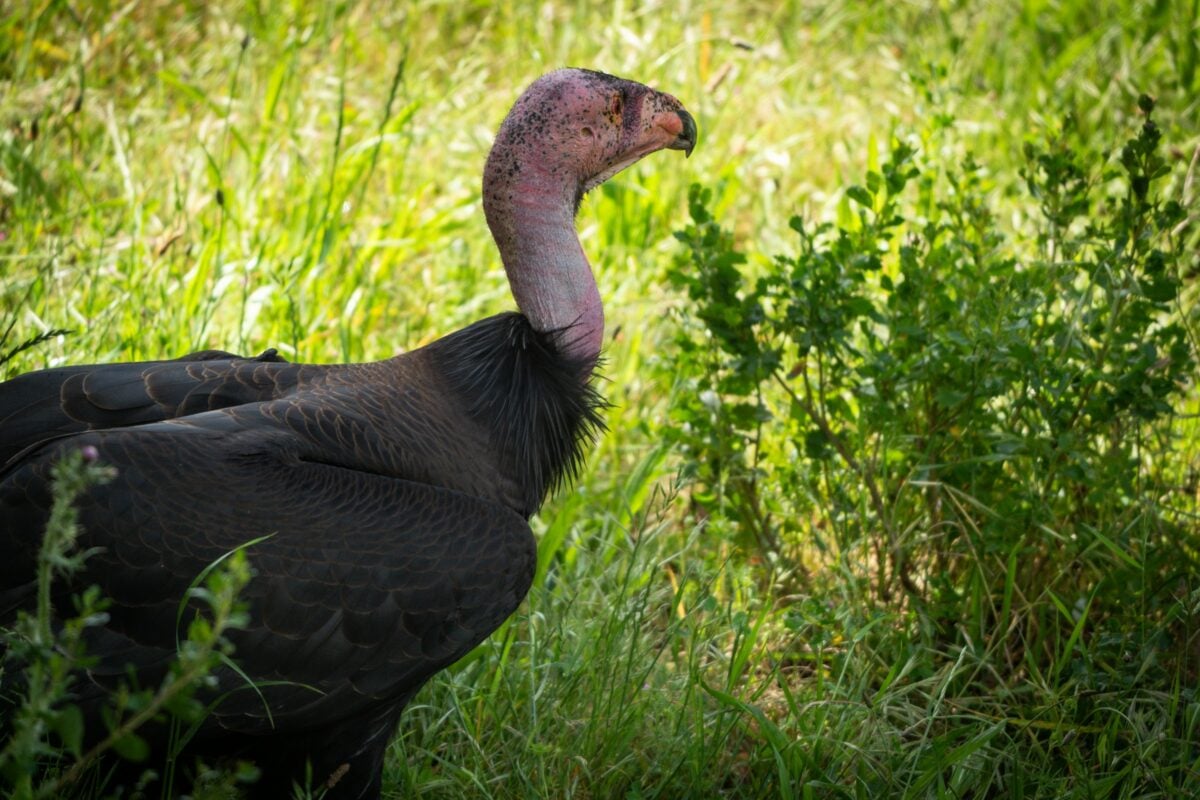
If you had visited the cliffs of the American West in the late 1980s, you would have found something heartbreaking: the wild California condor was gone. Not rare. Not just hard to see. Completely gone from the wild. Today, though, this giant scavenger with a three‑meter wingspan is once again soaring over canyons, coastlines, and redwood forests, and its comeback story is one of the most dramatic in conservation history.
This recovery did not happen by accident or through wishful thinking. It took bold decisions, controversial experiments, and years of obsessive, meticulous work from scientists, Indigenous communities, zoos, governments, and volunteers. The numbers are still small and the threats are very real, but the California condor has pushed back from the edge of extinction in a way that challenges what many people once thought was possible. Here are ten facts that reveal just how remarkable that journey has been.
#1 From 22 Birds Left to Hundreds in the Skies Again
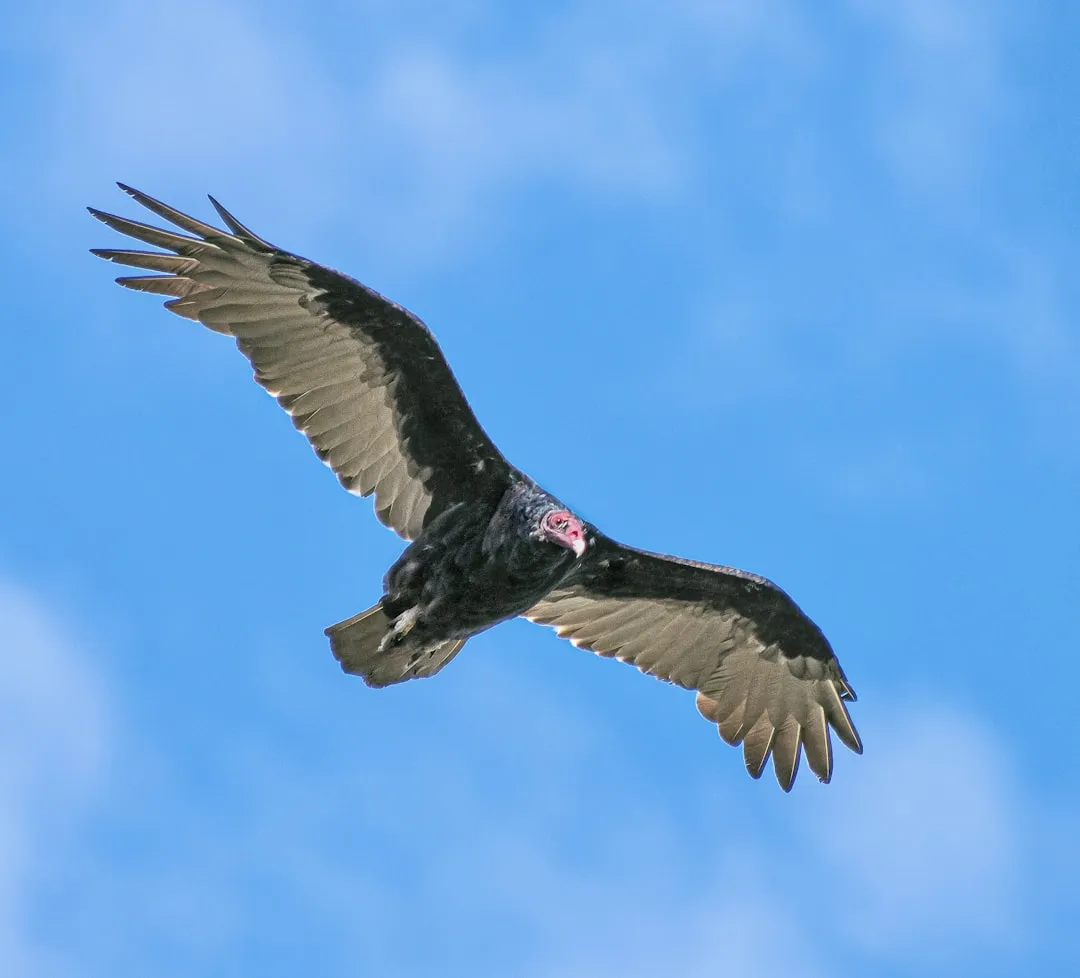
In 1982, the entire California condor population was down to just a little over twenty birds. That is the kind of number you expect for animals in a small zoo exhibit, not for an entire species spread across thousands of kilometers of former range. Biologists were staring at a terrifying possibility: that every single one of those birds could be lost within a single bad season.
Today there are several hundred condors in existence, with a substantial portion flying free over California, Arizona, Utah, and parts of Baja California. Their population graph still looks fragile and jagged instead of smooth and comfortable, but it is no longer collapsing. To go from a couple of dozen individuals to multiple self‑sustaining wild groups in just a few decades is like watching a flatlining heart monitor begin to spike again.
#2 A Radical Decision: Capturing Every Last Wild Condor
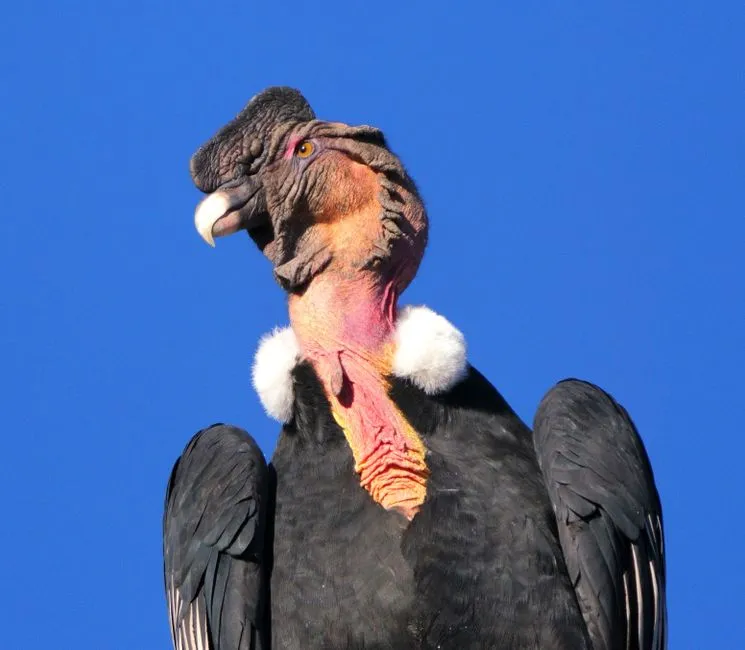
One of the most controversial steps in the condor’s story was the decision to capture all remaining wild birds in the 1980s. At the time, it sounded almost like an act of surrender: taking the last wild condor and placing it in captivity. Some conservationists, animal advocates, and members of the public were furious, arguing that a species that exists only behind bars is already gone in spirit.
But keeping a handful of condors in the wild while their numbers slid toward zero would almost certainly have doomed them. By bringing every bird into carefully managed breeding centers, biologists bought precious time to figure out why the species was declining and how to reverse it. That risky, emotionally charged choice turned into the pivot point between extinction and the possibility of a comeback.
#3 High‑Tech Parenting: How Captive Breeding Supercharged Recovery
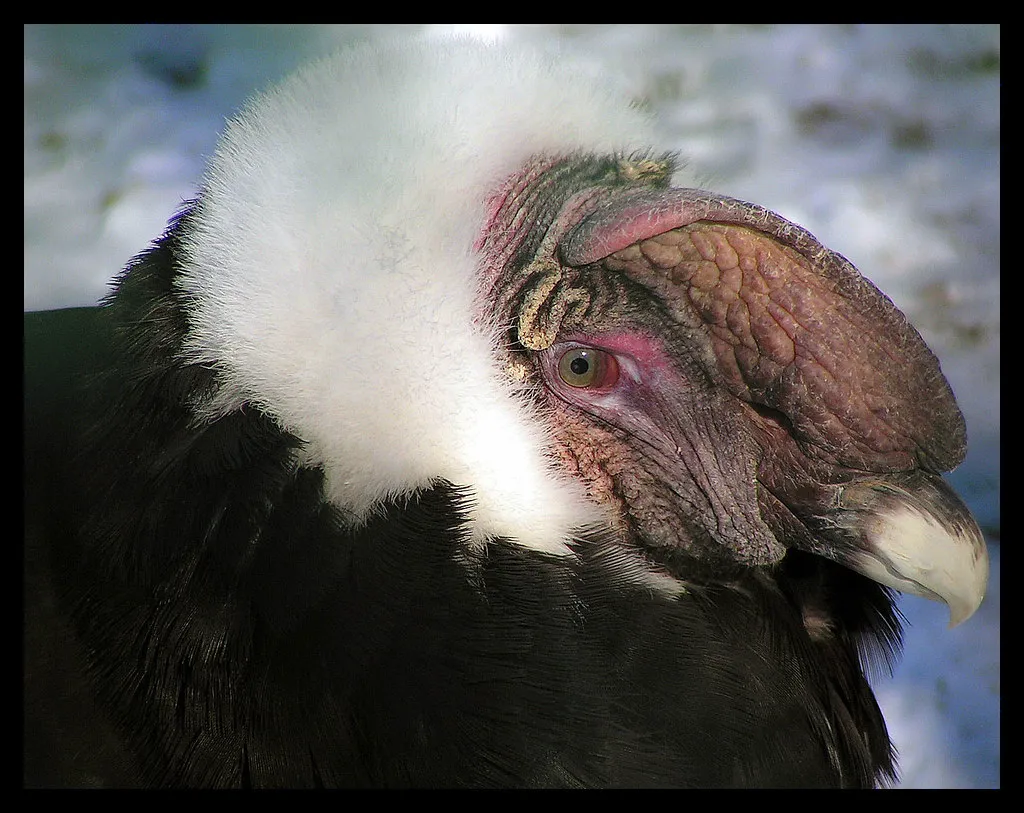
Once the birds were in captivity, the next challenge was to turn a tiny group into a healthy, growing population. Condors are naturally slow breeders; a single pair might raise only one chick every other year. To make any real dent in their extinction risk, scientists had to get creative and turn that low reproductive rate into something more like a production line, without breaking the birds in the process.
They used a method called double‑clutching, removing the first egg so the parents would lay a second one, then raising the removed egg artificially. They also used puppets that looked like adult condors so chicks would not imprint on human faces and mannerisms. It sounds almost absurd – using bird puppets like something from a children’s TV show – but this careful, slightly strange system allowed the population to grow much faster than it ever could have in the wild.
#4 Lead Poisoning: The Invisible Killer That Nearly Undid Everything
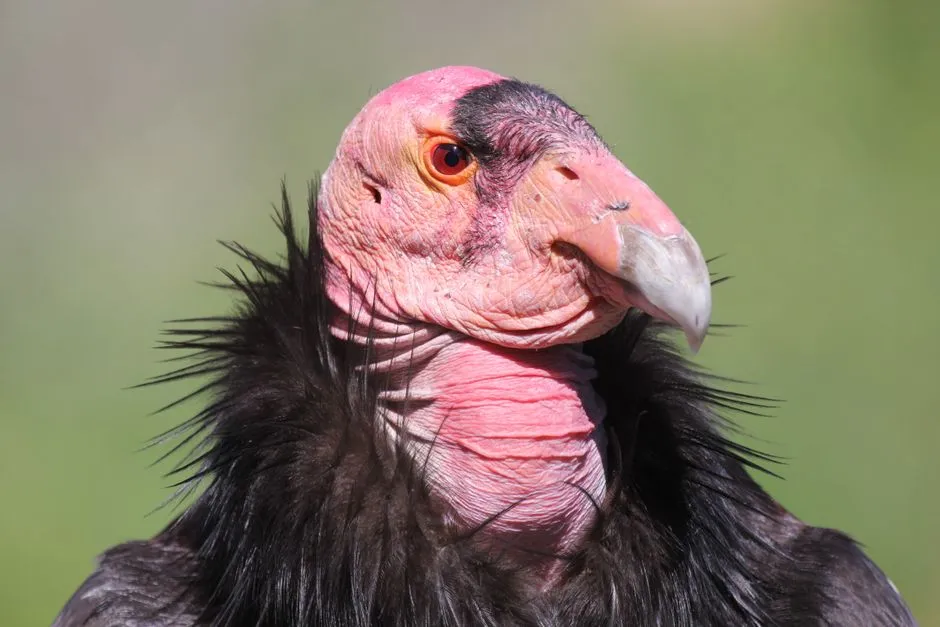
As condors were reintroduced into the wild, scientists discovered that the biggest remaining threat was not predators or habitat loss. It was lead. Condors are scavengers, feeding on carcasses of deer, elk, livestock, and other animals. When those animals have been shot with lead ammunition, tiny fragments of metal can be scattered through the flesh, invisible to the naked eye but lethal inside a condor’s stomach.
Many of the reintroduced birds began to show signs of lead poisoning, staggering, weak, and sometimes dying despite treatment. Veterinarians ended up pulling condors out of the wild for emergency chelation therapy, essentially a chemical detox to remove heavy metals from their blood. Unless you fix the lead problem, you are playing a grim game of two steps forward, one step back, and in some years the losses have been painfully heavy.
#5 Laws, Ammunition Changes, and Hunters as Unexpected Allies
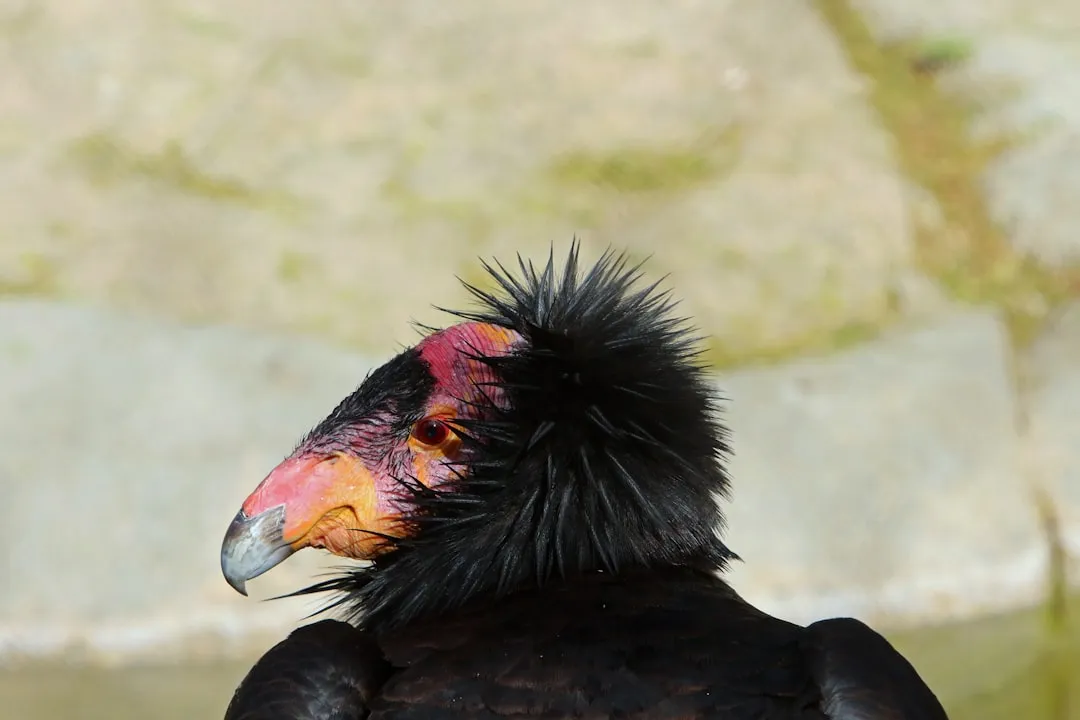
The lead crisis forced an uncomfortable conversation about hunting and ammunition in condor country. It is easy to point fingers and cast hunters as villains, but that does not reflect reality. Many hunters care deeply about wildlife and healthy ecosystems, and some became unlikely partners in reducing lead exposure. In parts of California and other western states, regulations now restrict or phase out lead ammunition in key condor areas.
Non‑lead alternatives, like copper bullets, have become more common as awareness has grown. Outreach programs have offered free or discounted non‑lead ammo and explained how scavengers like condors, eagles, and other raptors are affected when gut piles left on the landscape still contain tiny pieces of lead. It is a complicated issue – laws alone are not enough – but the shift in both policy and culture has been essential in giving condors a fair chance at surviving in the wild.
#6 Indigenous Leadership and the Spiritual Return of the Condor
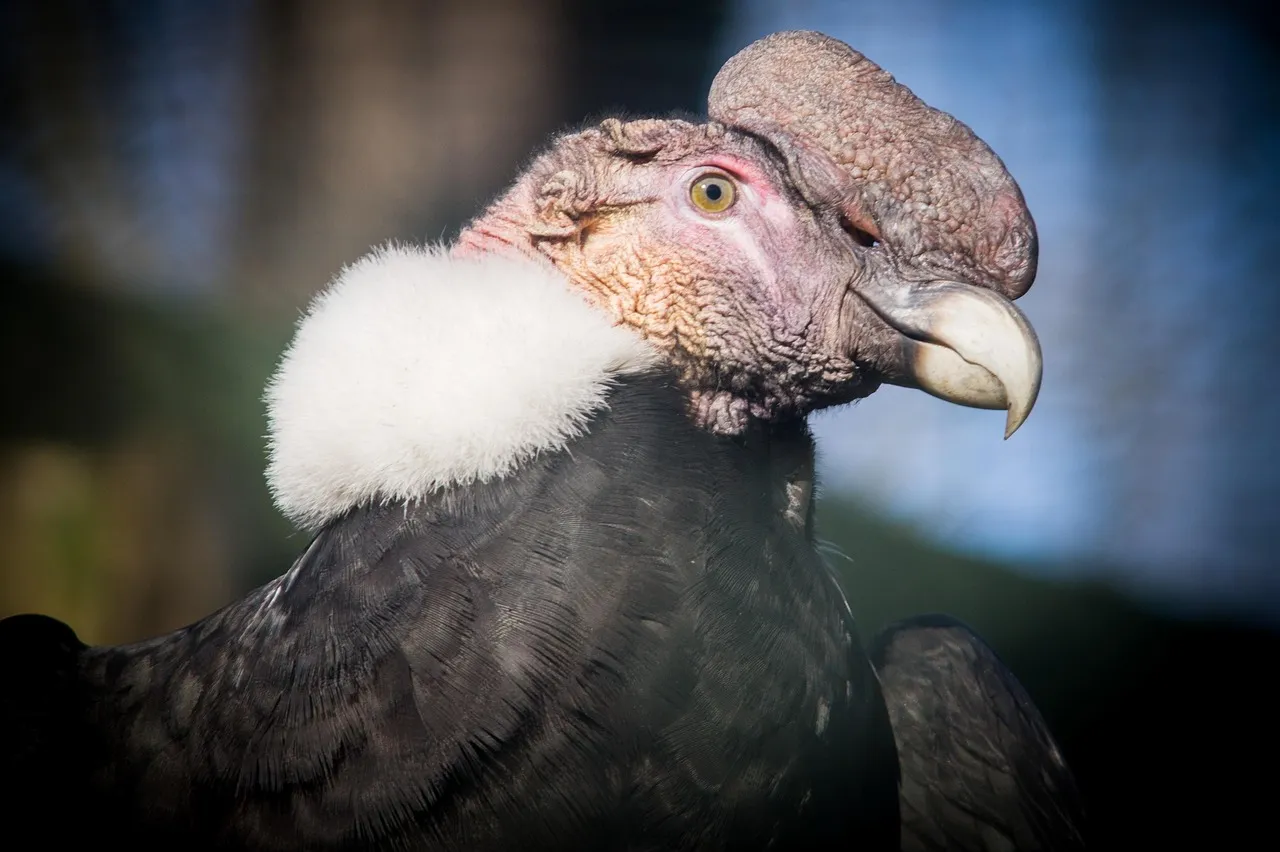
For many Indigenous communities, the California condor is not just a rare bird; it is a sacred being, woven into ceremonies, stories, and worldviews. For some tribes, the loss of condors from their homelands felt like a spiritual wound, not just a conservation statistic. Their involvement has changed the tone of the recovery from a purely scientific project into something deeper and more rooted in place.
Tribal governments and cultural leaders have worked alongside wildlife agencies and scientists to plan reintroductions on ancestral lands, especially in the Pacific Northwest and along parts of the West Coast. When condors returned to these skies for the first time in more than a century, it was not only a biological victory but a cultural homecoming. That blend of traditional knowledge, community pride, and modern science adds a dimension to condor recovery that numbers alone can never capture.
#7 Condors Tagged, Tracked, and Monitored Like Celebrity Athletes
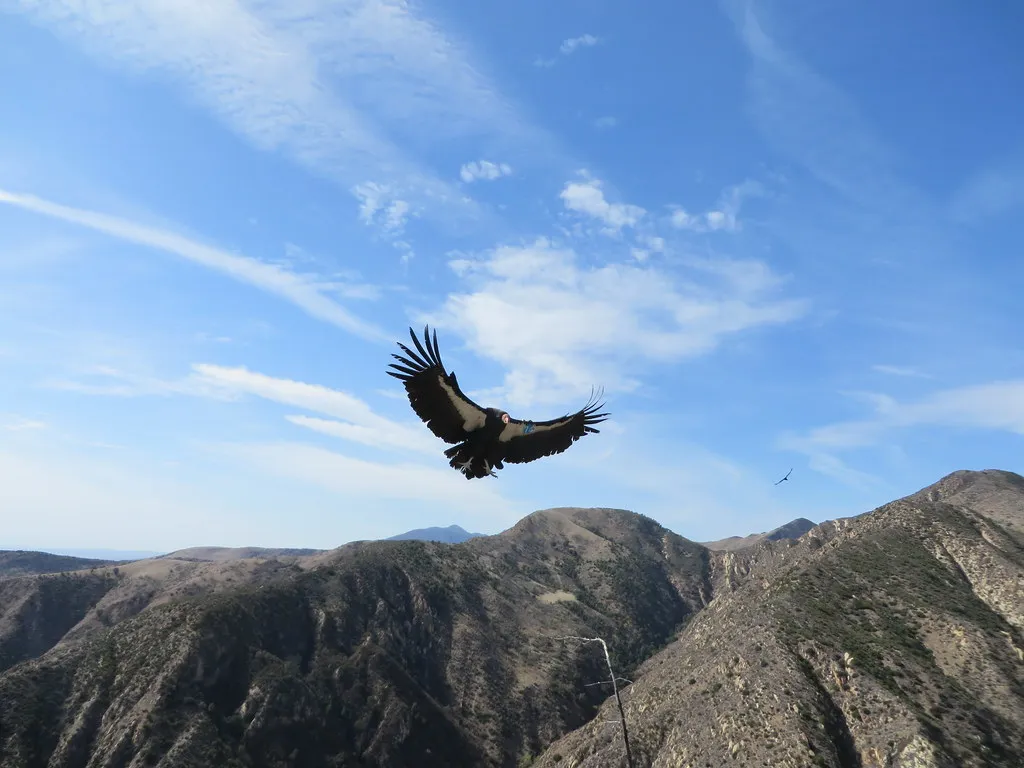
Modern condor conservation is surprisingly high‑tech. Almost every wild bird is tagged and tracked with wing markers and transmitters, allowing biologists to follow their movements in remarkable detail. Their daily flights can be plotted on maps, showing where they forage, roost, and run into trouble. In some cases, people can watch nest cameras and see chicks grow in real time, almost like reality television for bird nerds.
This level of monitoring gives scientists a chance to intervene quickly when a bird looks sick or stops moving, and it also builds a priceless dataset on how reintroduced condors use the modern landscape. On the flip side, it raises philosophical questions: when every bird has a number and a satellite transmitter, at what point does a recovered species stop being a managed project and start being simply wild again? For now, that intense oversight is still a necessary part of keeping them alive.
#8 Slow Lives: How Condor Biology Makes Recovery So Hard
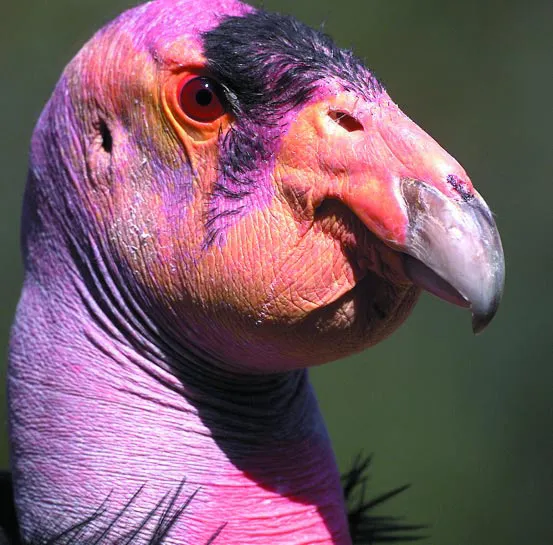
Part of what makes condors vulnerable is just how slowly they live their lives. They do not reach breeding age quickly, and even once they can reproduce, they invest a huge amount of time into raising each chick. A condor pair pours a year or more of effort into a single youngster, which is an amazing commitment but a terrible strategy when the population is tiny and threats are everywhere.
This slow pace means that even small increases in adult mortality hit the population hard. Losing just a few breeding adults to lead poisoning or collisions each year can erase the gains from captive breeding and chick survival. From an emotional standpoint, it also makes each loss feel bigger; when you know that a single bird represents decades of potential future life and a piece of a species’ fragile comeback, watching it disappear is especially gutting.
#9 The Landscape Is Changing, and Condors Are Adapting
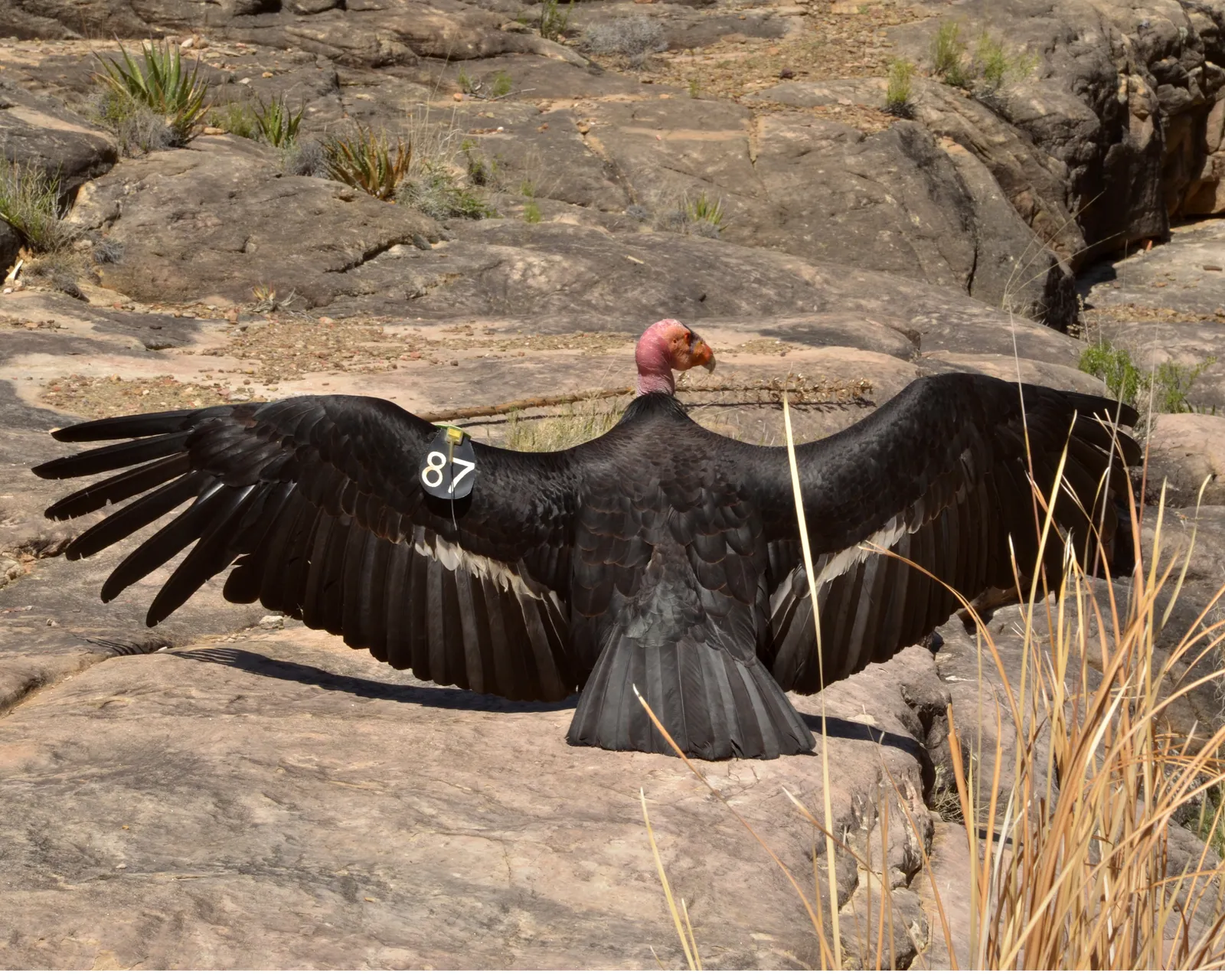
The world condors are returning to is not the same one they left. There are more roads, power lines, wind turbines, and human settlements. Climate change is shifting where food is available, how fires behave, and how ecosystems function. A giant scavenger that once followed herds of wild megafauna now has to navigate cattle ranches, wildlife refuges, national parks, and increasingly busy skies.
Despite all that, condors have shown a surprising ability to adapt. They soar on modern thermals above highways, feed on carcasses provided at managed feeding stations, and nest in cliffs and large trees that are still available within a patchwork of parks and private lands. Recovery teams are constantly trying to balance helping them adapt – by managing food sources, adjusting release sites, and modifying dangerous structures – without turning them into permanent wards of human care.
#10 Not a Finished Miracle, but a Work in Progress
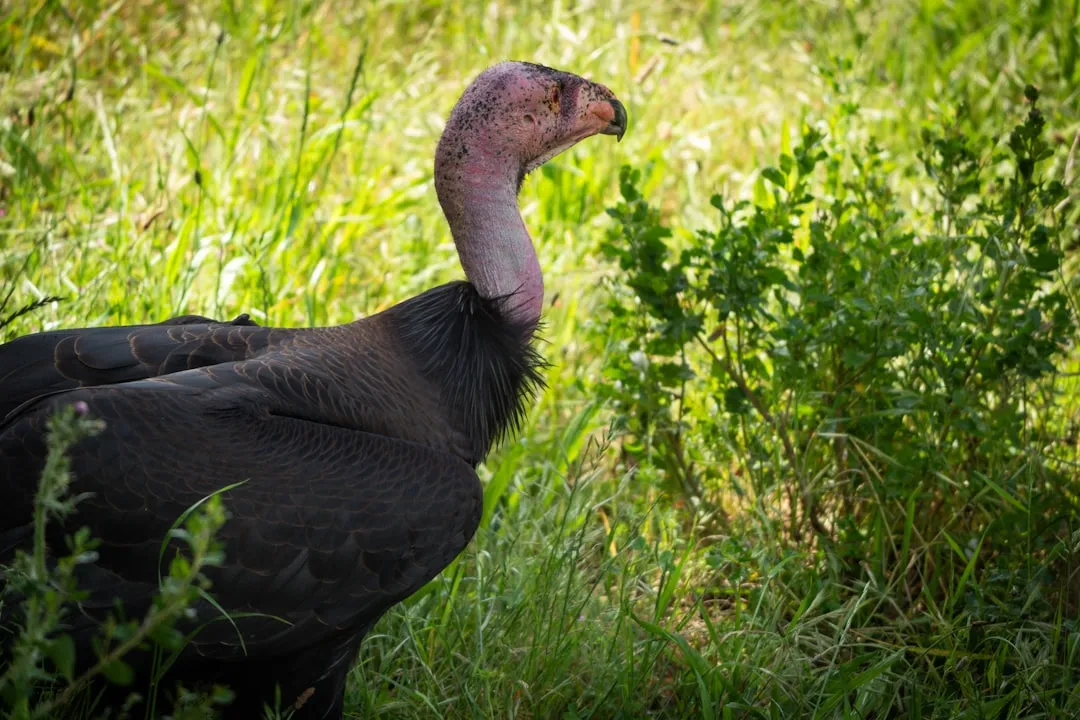
It is tempting to frame the California condor story as a tidy miracle: nearly extinct, now saved, roll credits. The reality is more complicated and, honestly, more interesting. The species is still dependent on intensive human management, supplemental feeding, veterinary care, and constant monitoring. Without that ongoing work, the population could slide backward again, especially if lead poisoning, habitat loss, or new threats spike.
At the same time, the condor shows that conservation success does not have to be perfect to be real. We are watching a species claw its way back from the brink in full view, with all the messiness, debates, and trade‑offs exposed. To me, that feels more inspiring than any neat fairy tale, because it proves that humans can undo at least some of the damage we have caused when we stop shrugging and start acting like these lives actually matter.
Conclusion: Why the Condor’s Story Should Change How We Think
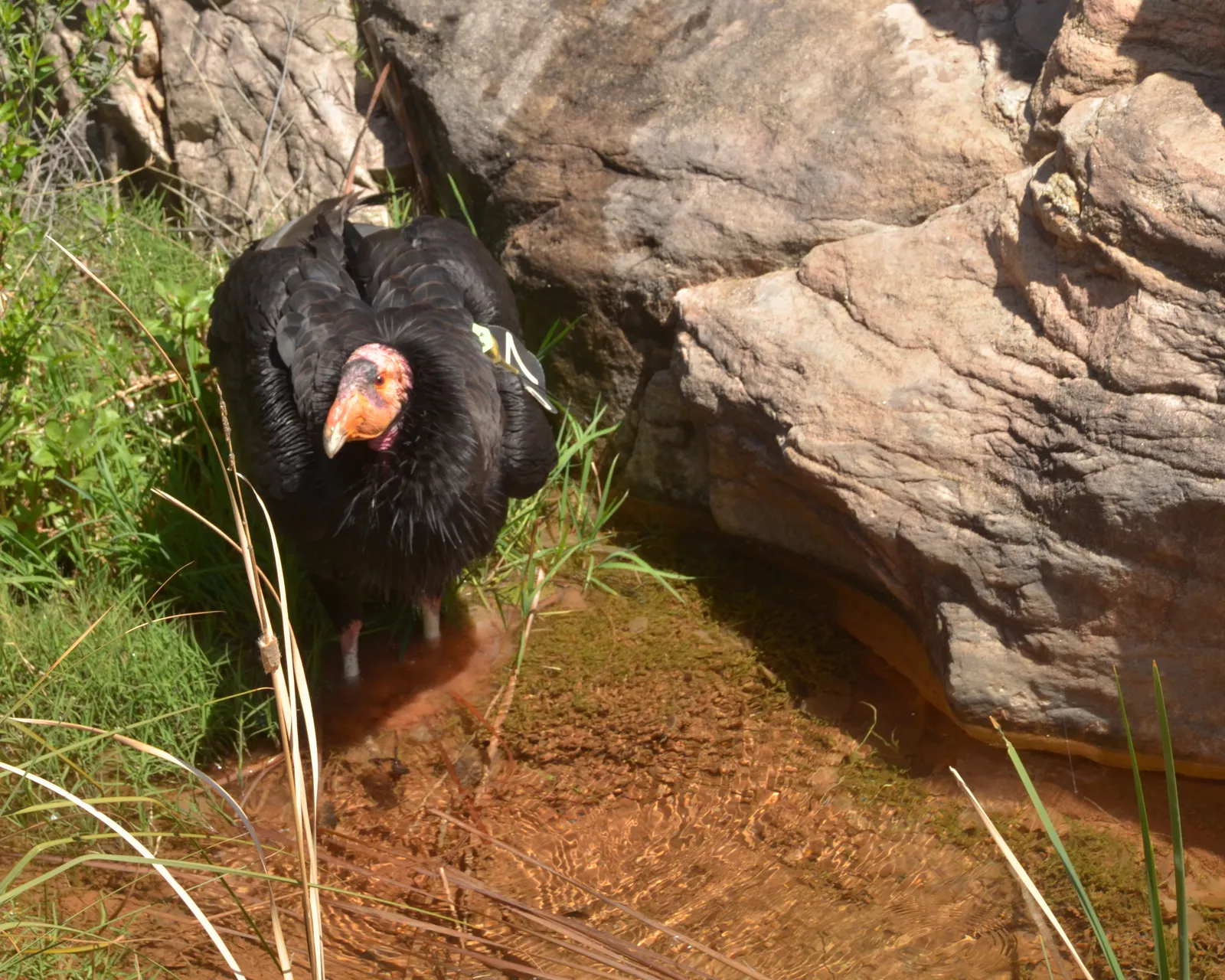
The California condor’s recovery is not just a feel‑good animal story; it is a mirror held up to our values. We pushed this bird to the edge through poison, carelessness, and indifference, and then we spent decades, enormous resources, and intense emotional energy trying to pull it back. That contradiction says a lot about us: we are fully capable of destruction, but we are also stubborn enough to fight for a species that most people will never see in person.
In my view, the condor should make us less comfortable with the idea that some losses are inevitable and more impatient with excuses for inaction. If we can mobilize science, law, culture, and community for a scavenger with a bald head and a slow breeding cycle, what else might we be able to turn around if we actually tried? The condor is not a finished success story, but it is a loud reminder that the line between extinction and survival is thinner – and more negotiable – than it looks. When you picture that enormous bird gliding over a canyon again, do you see just a species, or do you see proof that our choices still matter?

- 10 Facts About the California Condor's Remarkable Recovery - August 25, 2026
- What Bird of Prey Matches Your Zodiac Personality - August 25, 2026
- 9 Ways Cats Apologize After Causing Chaos - August 25, 2026