
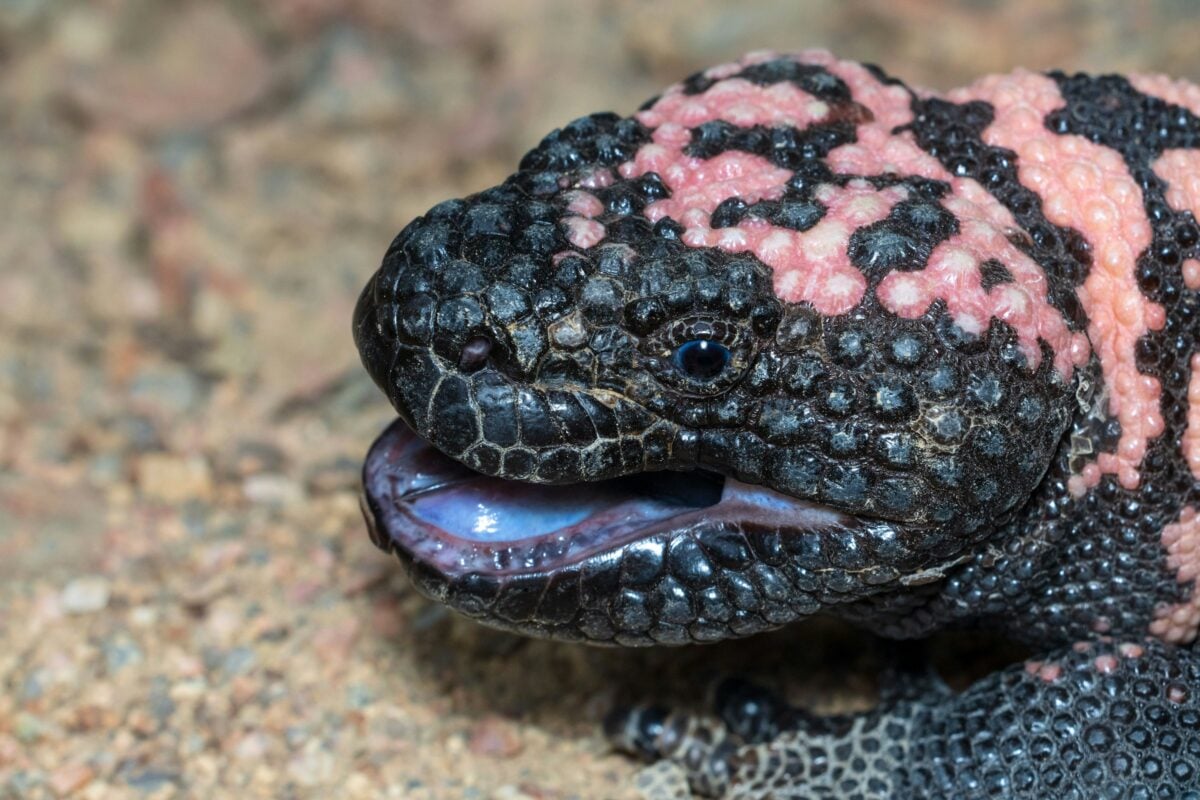
Picture a lizard that might eat only a handful of times in a whole year and still come through it healthy. It doesn’t hunt much, it hardly ever hurries, and it spends most of its life out of sight. Yet it has lasted in some of North America’s harshest country for a very long time.
The Gila monster looks like a toy made from orange and black beads. Behind that look is a set of habits and body features that turn scarcity into a workable lifestyle. Once you see how they fit together, the lizard seems less like an oddity and more like a careful budget planner.
1. The Tail Works Like a Pantry
🔥 Would you like to save this?
We'll email this post to you, so you can come back to it later!
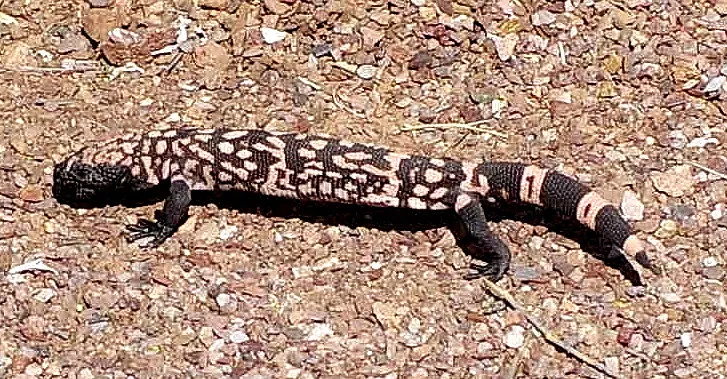
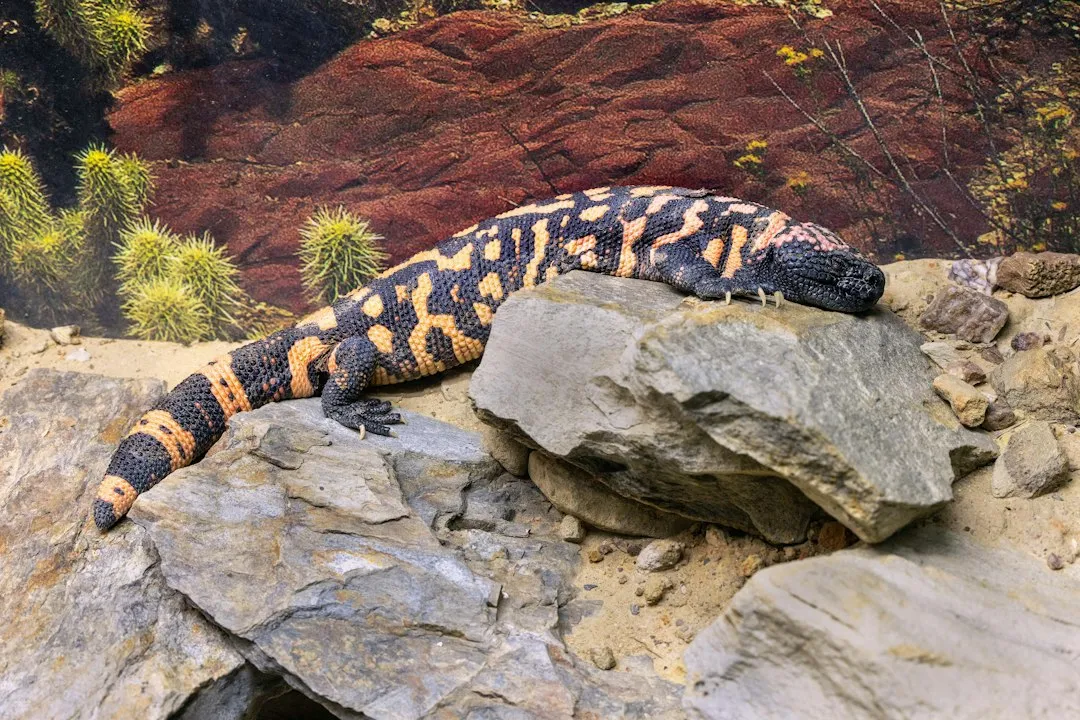
A Gila monster’s thick tail is more than a counterweight. It stores fat, and that fat is a major energy reserve the lizard can draw on when food is hard to find.
A well fed animal often has a plump, sausage shaped tail. A lean one can look noticeably thinner there, which is a handy way for biologists to judge how an animal is doing.
2. Most of Life Happens Underground
🔥 Would you like to save this?
We'll email this post to you, so you can come back to it later!
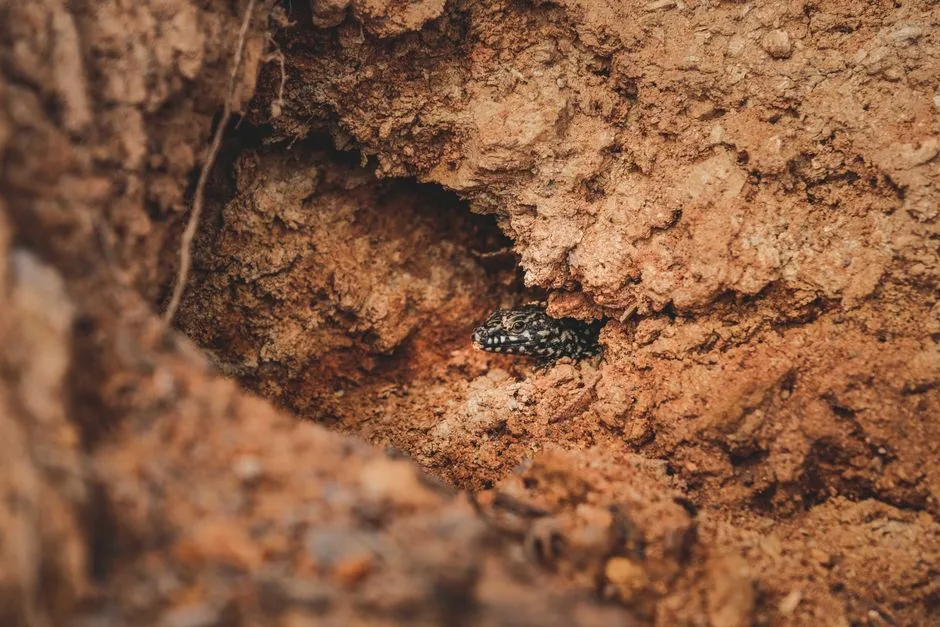
Gila monsters spend the vast majority of their time in burrows, rock crevices, or other shelters. They tend to use refuges dug by other animals or tucked under boulders, rather than building elaborate homes of their own.
Staying put matters because every outing costs energy and risks overheating or meeting a predator. A lizard that rarely leaves cover simply burns far less than one patrolling open ground all day.
3. A Slow Metabolism Keeps Costs Low
🔥 Would you like to save this?
We'll email this post to you, so you can come back to it later!
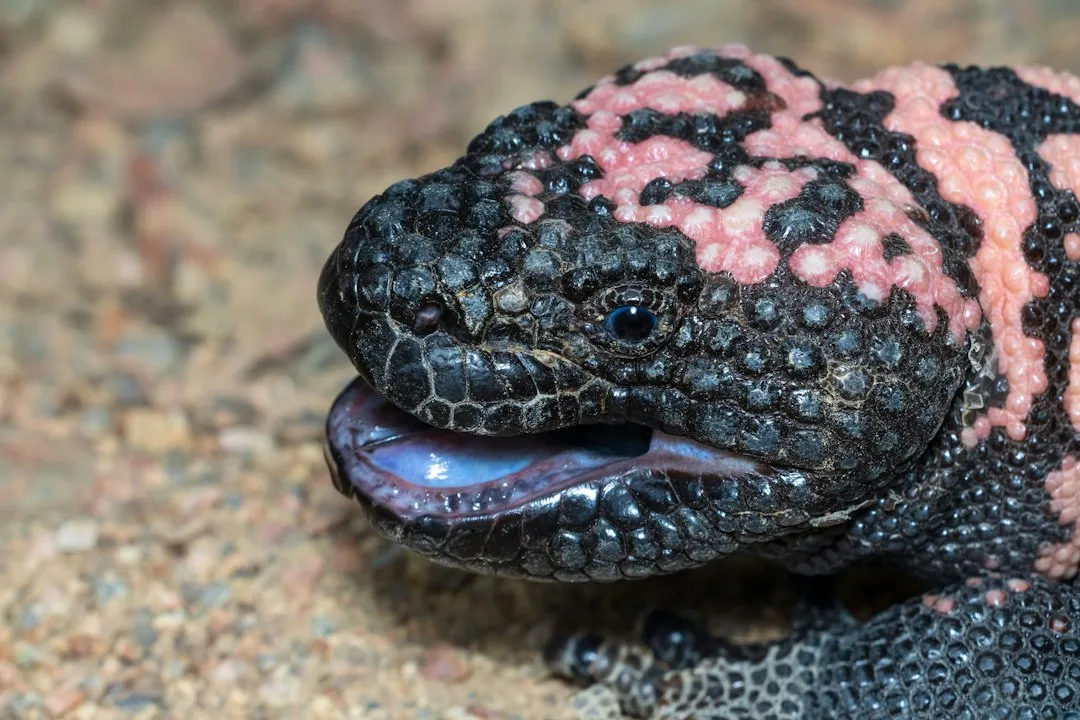
Like other reptiles, Gila monsters are ectotherms. They rely on their surroundings for body heat instead of burning food to stay warm, which is a huge saving compared with a mammal of similar size.
Their resting energy needs are modest, and cool or dry spells push them to be even less active. Less activity means less fuel, so a single decent meal can stretch a long way.
4. When They Eat, They Really Eat

🔥 Would you like to save this?
We'll email this post to you, so you can come back to it later!
Instead of grazing on small snacks, a Gila monster tends to take in a big meal when it finds one. Reports commonly describe them eating a sizable fraction of their own body weight in one sitting, sometimes around a third.
That sort of feast goes straight into fat reserves, mostly in the tail. Think of it as a feast and famine strategy, where the feast is deliberately large to cover the lean stretches.
5. The Menu Favors Eggs and Nestlings
🔥 Would you like to save this?
We'll email this post to you, so you can come back to it later!
Gila monsters are known for raiding nests. They eat bird eggs, reptile eggs, and the helpless young of small mammals and birds, and they have been known to take other small prey too.
Eggs and nestlings are about as easy as food gets. They can’t run, they’re packed with calories, and they’re often waiting in one place. A slow animal with a good nose can do very well on that kind of menu.
6. Venom Is for Defense, Not Dinner
🔥 Would you like to save this?
We'll email this post to you, so you can come back to it later!
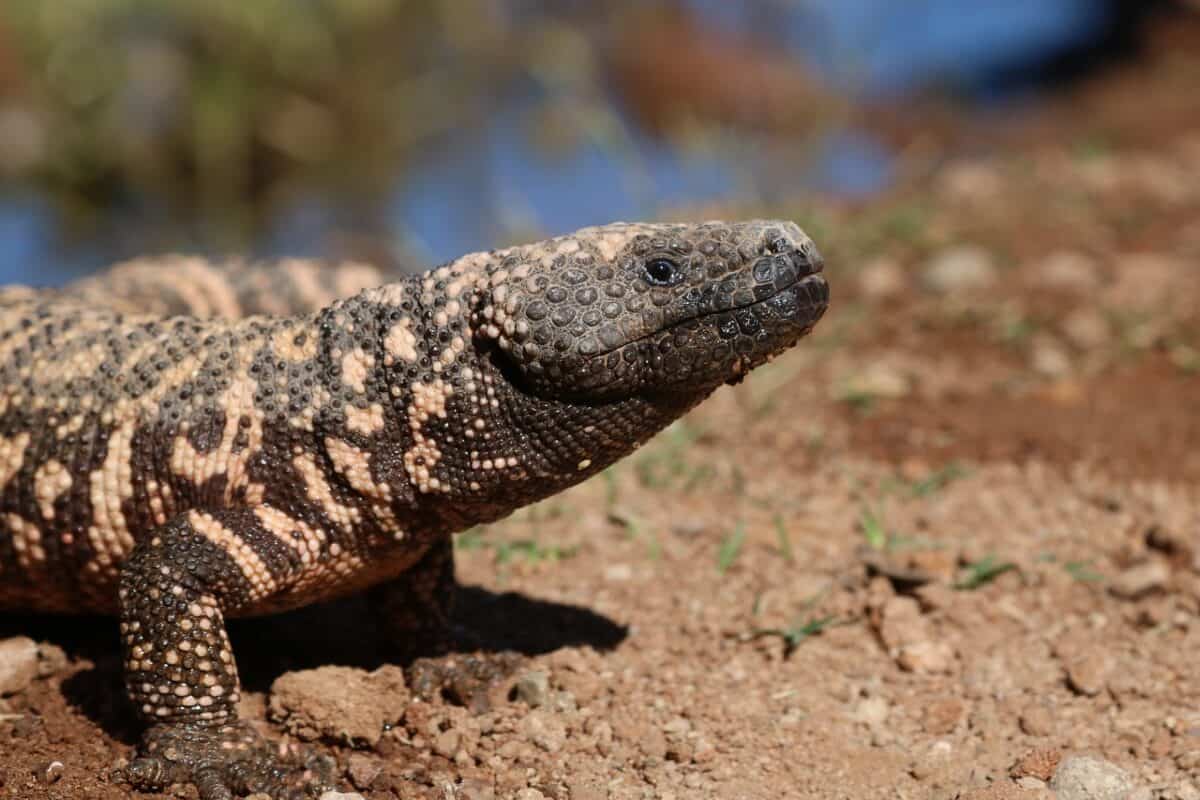
The Gila monster is one of very few venomous lizards. Its venom glands sit in the lower jaw, and the venom flows along grooves in the teeth as the lizard bites and holds on, rather than being injected through hollow fangs.
Current thinking is that the venom is mainly a defensive tool, not a hunting weapon. That fits the energy saving theme, since a lizard eating mostly eggs and nestlings doesn’t need to subdue fast, struggling prey.
7. A Nose Does the Searching
🔥 Would you like to save this?
We'll email this post to you, so you can come back to it later!
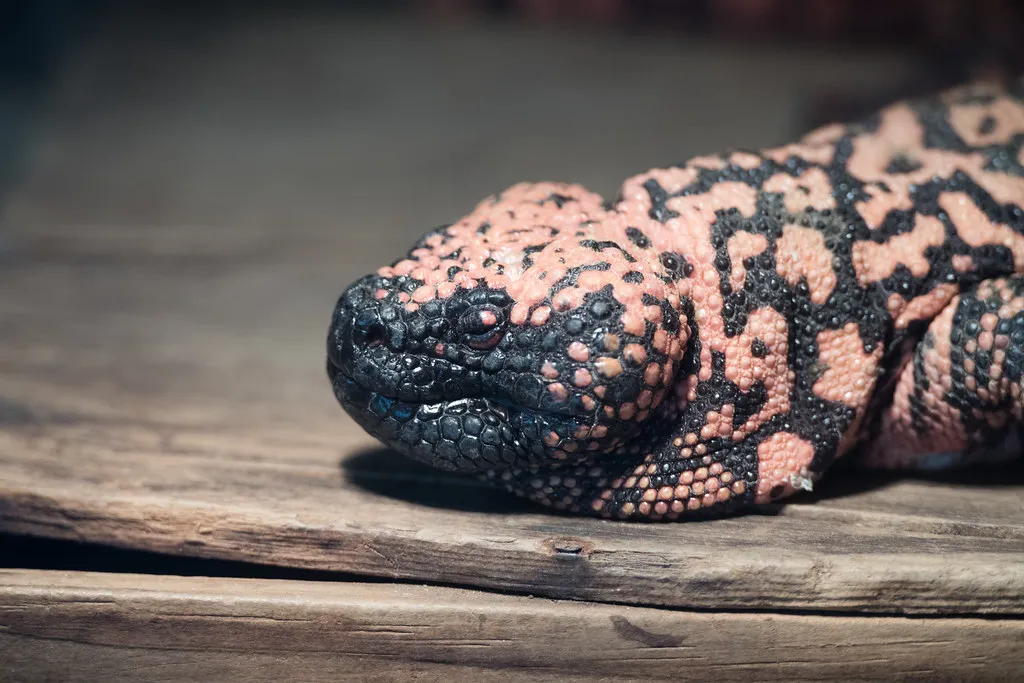
These lizards flick their forked tongues to pick up scent particles, then read them in the roof of the mouth. It’s an efficient way to track down hidden nests and burrows without covering huge distances.
Moving slowly and deliberately, the lizard can follow a chemical trail straight to a meal. Smelling a target from afar beats wandering aimlessly across hot desert ground.
8. Timing Is Everything in the Desert
🔥 Would you like to save this?
We'll email this post to you, so you can come back to it later!
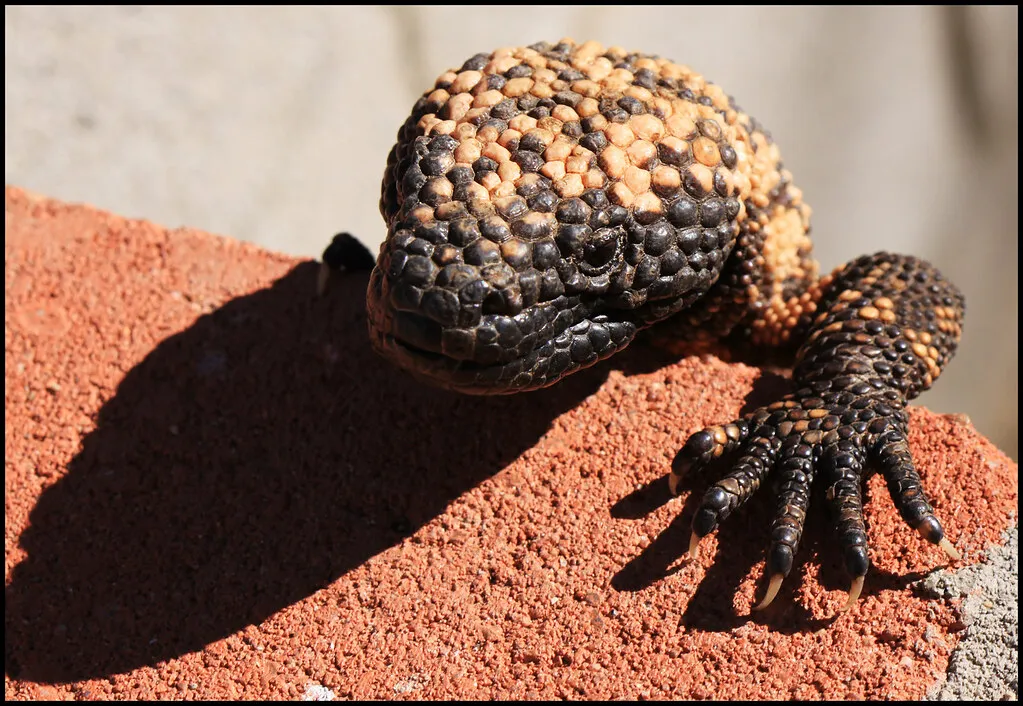
Gila monsters live in the Sonoran, Mojave, and Chihuahuan deserts and nearby scrubland across the southwestern United States and northwestern Mexico. They tend to be most active in spring and early summer, when nests are plentiful and temperatures are workable.
Outside those windows they often lie low, waiting out extreme heat or cold. By matching activity to the seasons when food is easiest to find, they avoid wasting effort on a barren landscape.
9. Their Venom Helped Shape a Diabetes Drug
🔥 Would you like to save this?
We'll email this post to you, so you can come back to it later!
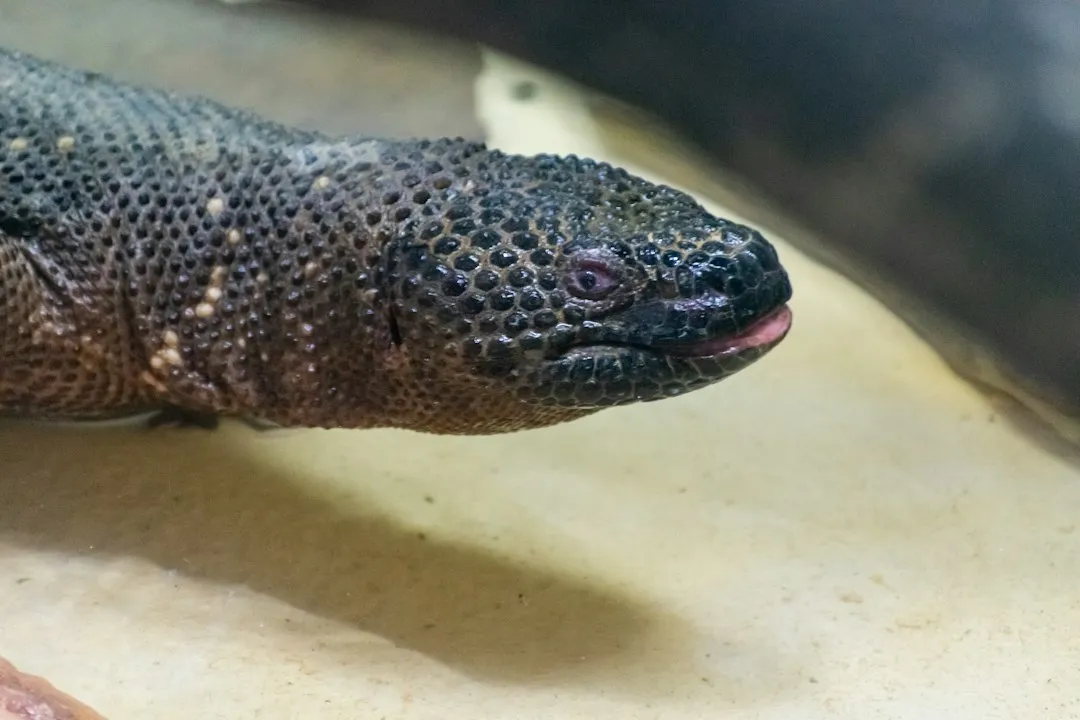
Researchers found a hormone like peptide in Gila monster saliva called exendin 4. It became the basis for exenatide, a medication used to help manage type 2 diabetes.
There’s a neat link back to the lizard’s lifestyle. Its body handles long gaps between meals and big surges of food, so it’s perhaps not surprising that its saliva contained something that affects blood sugar regulation.
10. Slow Living Makes Them Vulnerable
🔥 Would you like to save this?
We'll email this post to you, so you can come back to it later!
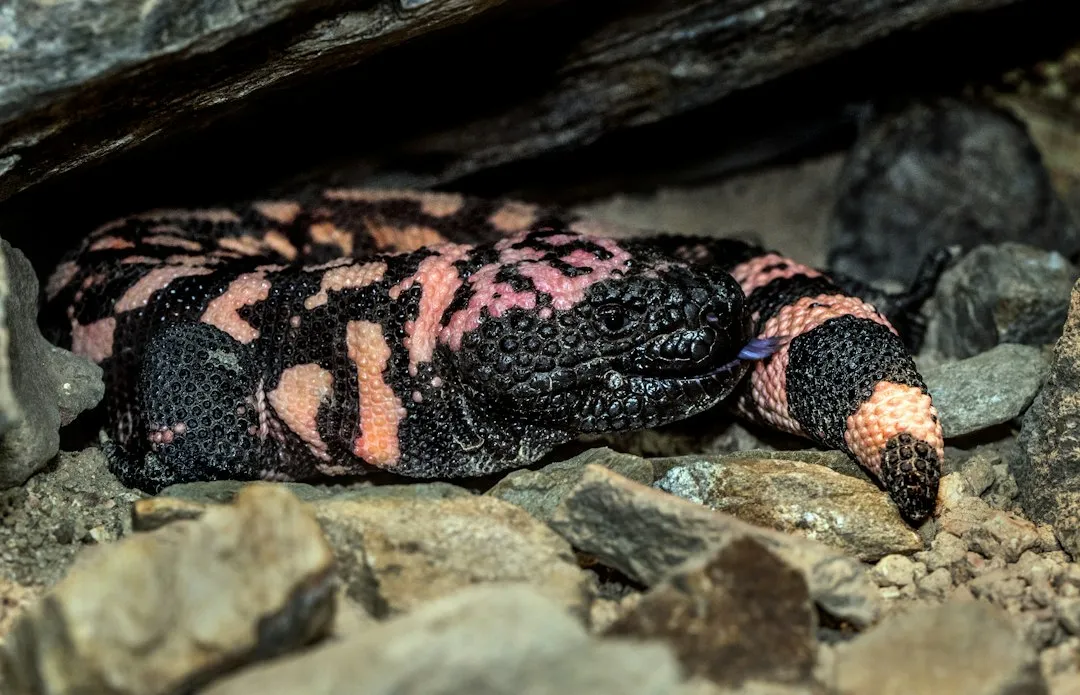
The same low energy approach comes with a cost. Gila monsters reproduce slowly and live in places where development, roads, and collecting can reduce their numbers.
They’re legally protected in parts of their range, including in states such as Arizona, Nevada, and Utah, and the IUCN lists the species as near threatened. A tough survivor still can’t easily bounce back when its habitat shrinks.
Final Thoughts
🔥 Would you like to save this?
We'll email this post to you, so you can come back to it later!
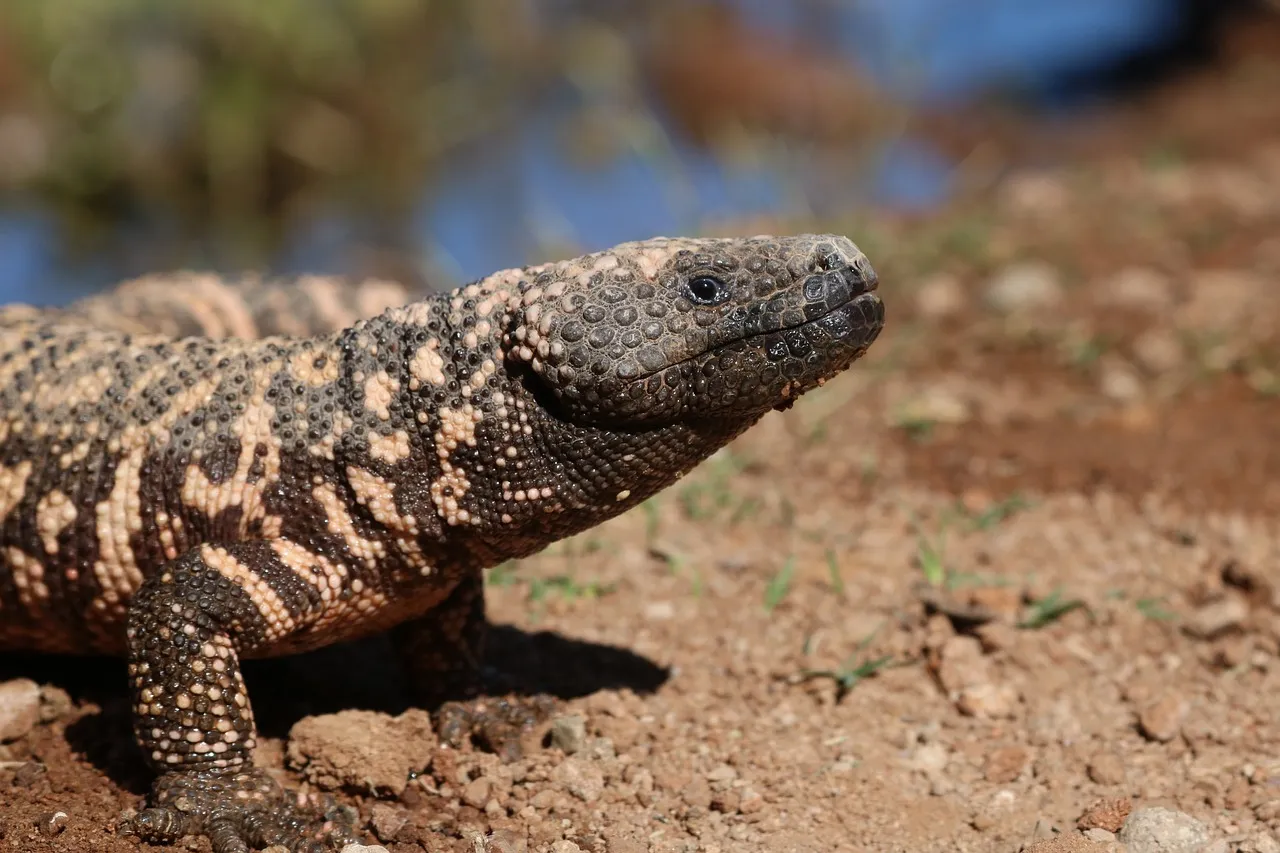
I find the Gila monster oddly reassuring. In a world that rewards speed, it has done well by doing less, storing more, and picking its moments carefully.
Still, thrift only works when there’s a desert left to be thrifty in. If we admire this lizard, the honest way to show it is to protect its habitat and leave wild ones alone. It has already worked out how to live with very little, and the least we can do is not take away what little it needs.

- Embracing the Quiet Magic of Adopting a Senior Dog - November 5, 2026
- Scientists May Have Miscalculated Our Global Warming Timeline - November 5, 2026
- Marine Biology Says When Dolphins Suddenly Go Silent in Open Water It's Not Rest – They've Detected a Predator You Cannot See and Their Survival Strategy Reveals How They Read Danger - November 5, 2026