
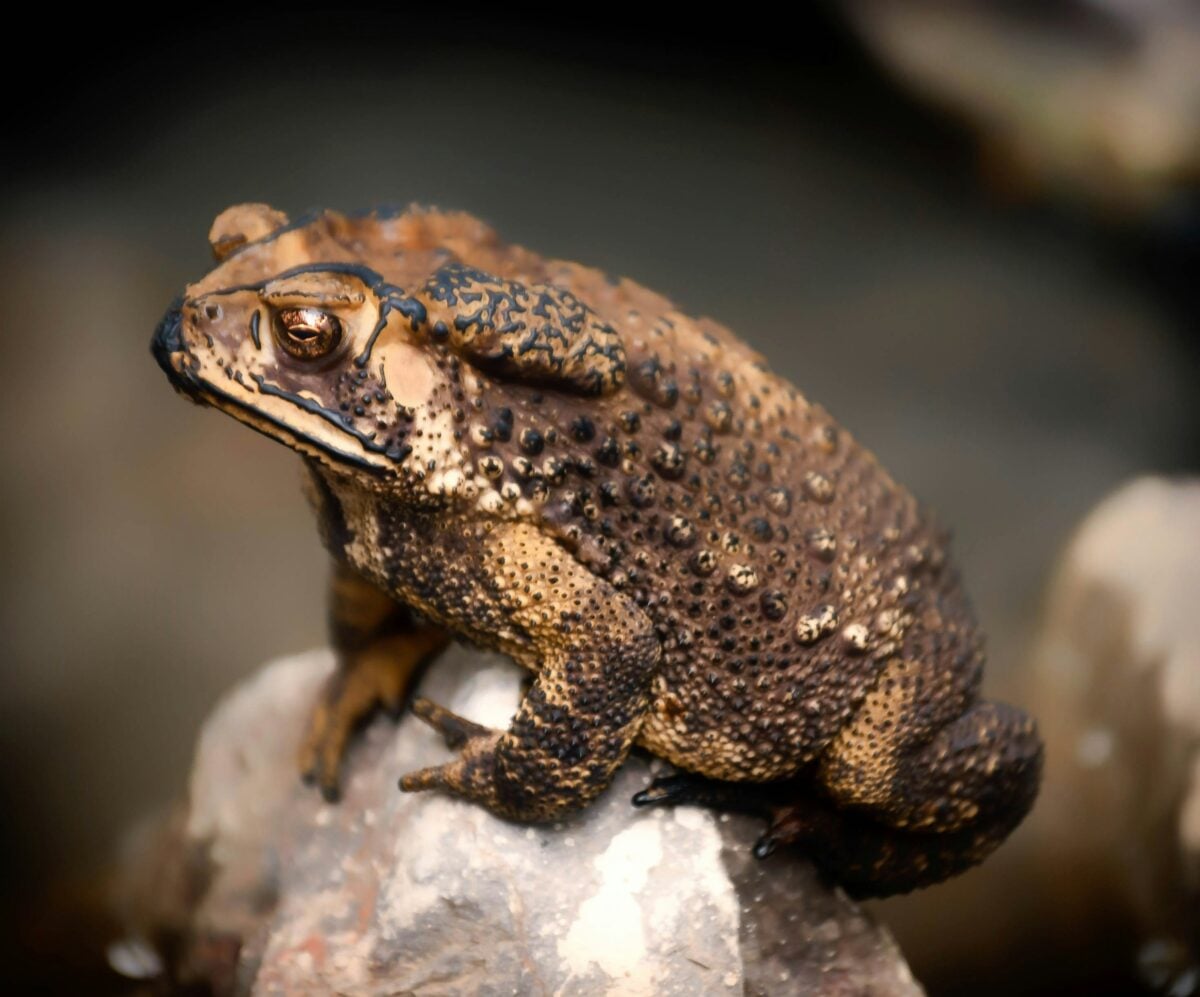
Few animals look as strange at first glance as the Surinam toad. It’s flat, brownish, and shaped a bit like a fallen leaf with a pointed snout. Then there’s the part that really stops people: the young appear to emerge from the skin of the mother’s back.
That detail isn’t a trick of the camera or an internet myth. It’s a real result of anatomy, behavior, and a life spent almost entirely underwater. The explanation unfolds in a few surprising steps.
It Lives Almost Entirely in Water
🔥 Would you like to save this?
We'll email this post to you, so you can come back to it later!
The Surinam toad, Pipa pipa, is a fully aquatic amphibian found in parts of northern South America, including the Amazon and Orinoco basins. Unlike many frogs and toads, it doesn’t come ashore to breed or to hunt. Water is its whole world.
That matters for the back pockets. Most amphibians lay eggs in ponds or damp spots and leave them to chance. A species that never leaves the water has to solve the egg problem in the water itself, and this toad did it in an unusual way.
Its Body Is Built for Hiding
🔥 Would you like to save this?
We'll email this post to you, so you can come back to it later!
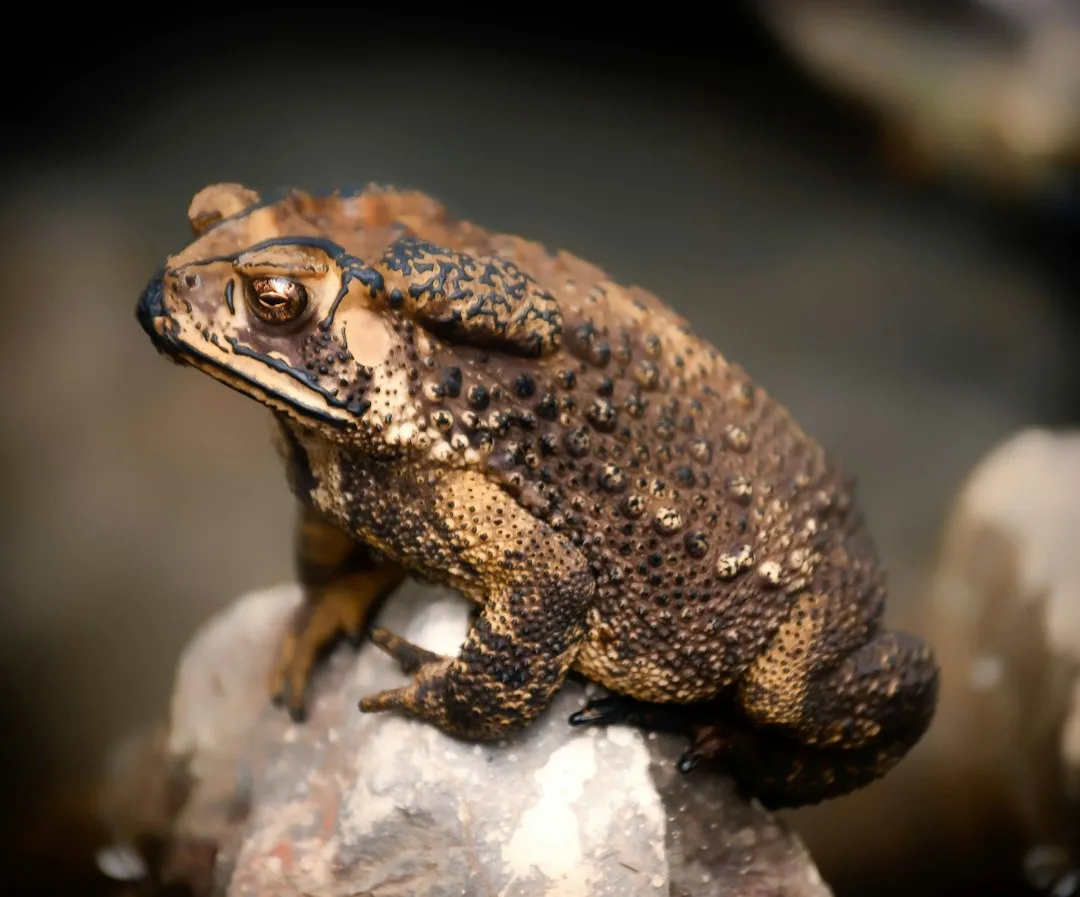
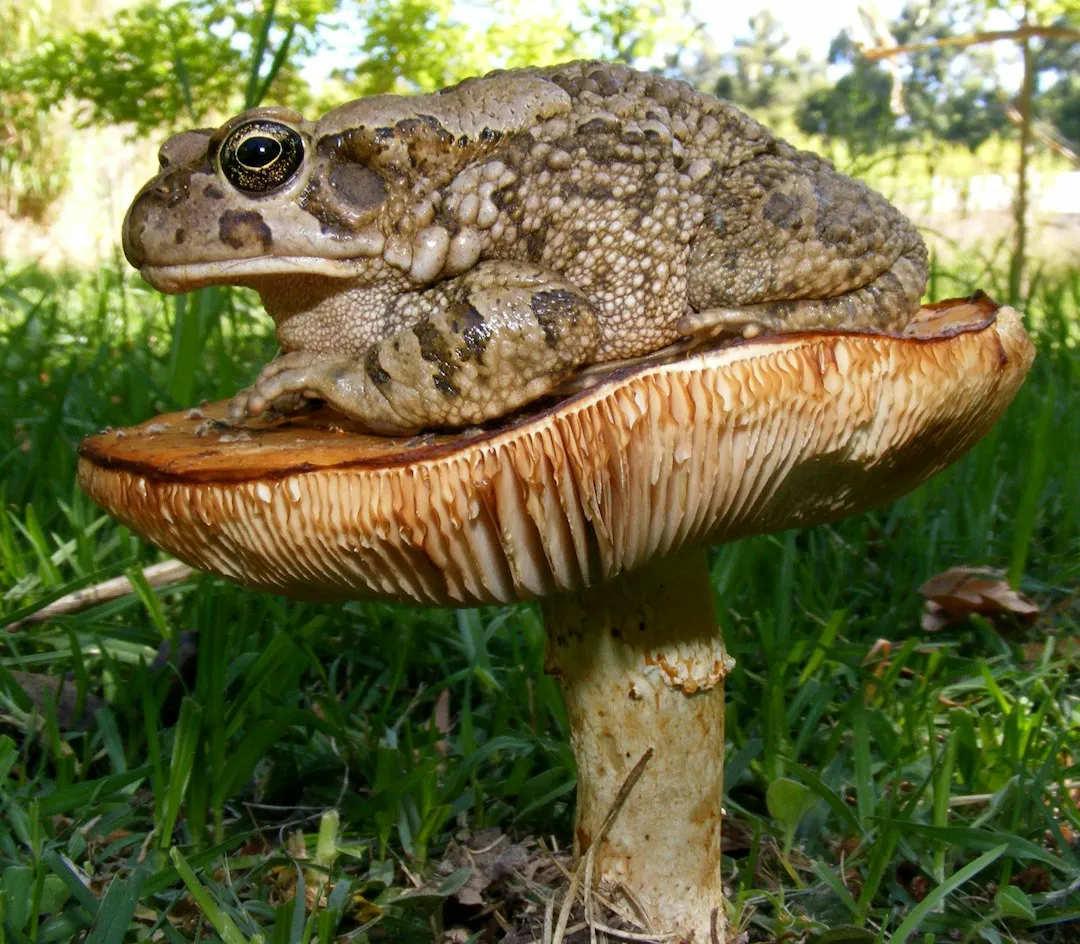
The toad’s flattened body and mottled color help it blend in with leaf litter and muddy bottoms. It sits still for long periods, which suits a predator that relies on ambush. Its small eyes sit on top of its head, and it has no tongue.
Those traits tell you something about its lifestyle. It’s a slow, patient, camouflaged animal, not a fast swimmer chasing prey. Eggs left drifting in such a habitat would be easy meals for other animals, so protection becomes a big deal.
The Courtship Is a Remarkable Underwater Routine
🔥 Would you like to save this?
We'll email this post to you, so you can come back to it later!
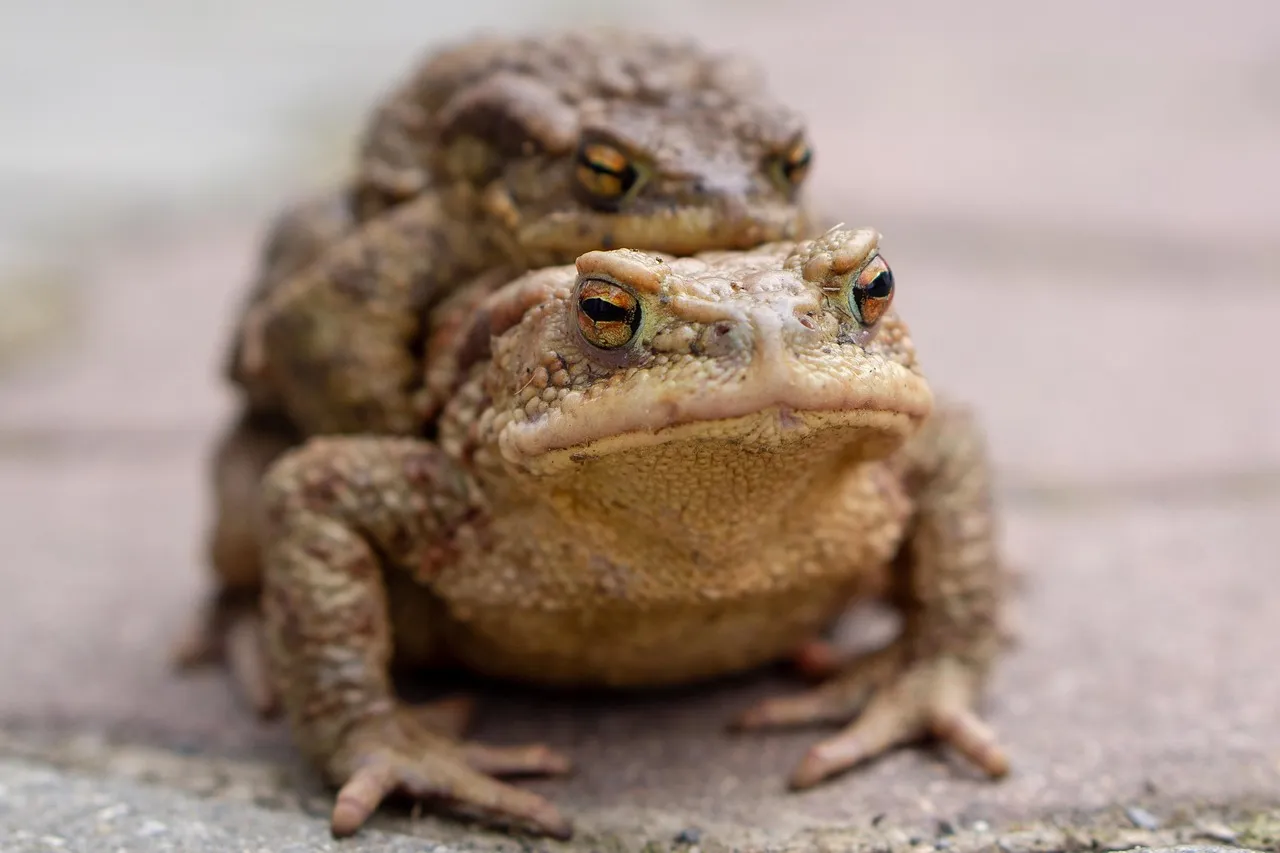
Breeding takes place in the water, and the male calls with clicking sounds to attract a female. When she’s ready, the pair performs a series of somersaults in the water. During each loop, a small batch of eggs is released and fertilized.
This isn’t a one-off event. The pair repeats the loops several times, and the whole process can take hours. Each turn helps place eggs in just the right spot, which is the mother’s back.
The Male Helps Place the Eggs
🔥 Would you like to save this?
We'll email this post to you, so you can come back to it later!
As the pair flips, the eggs are fertilized and end up pressed against the female’s back. The male’s belly helps guide them into position as they roll. The details are fascinating because the animals have no hands-on way to carry anything, yet the eggs get distributed fairly evenly.
Once the eggs settle, the male’s job is more or less finished. The mother carries the load alone from there. It’s a neat bit of teamwork followed by a very solo stretch of parenting.
Her Skin Swells Up and Surrounds Each Egg
🔥 Would you like to save this?
We'll email this post to you, so you can come back to it later!
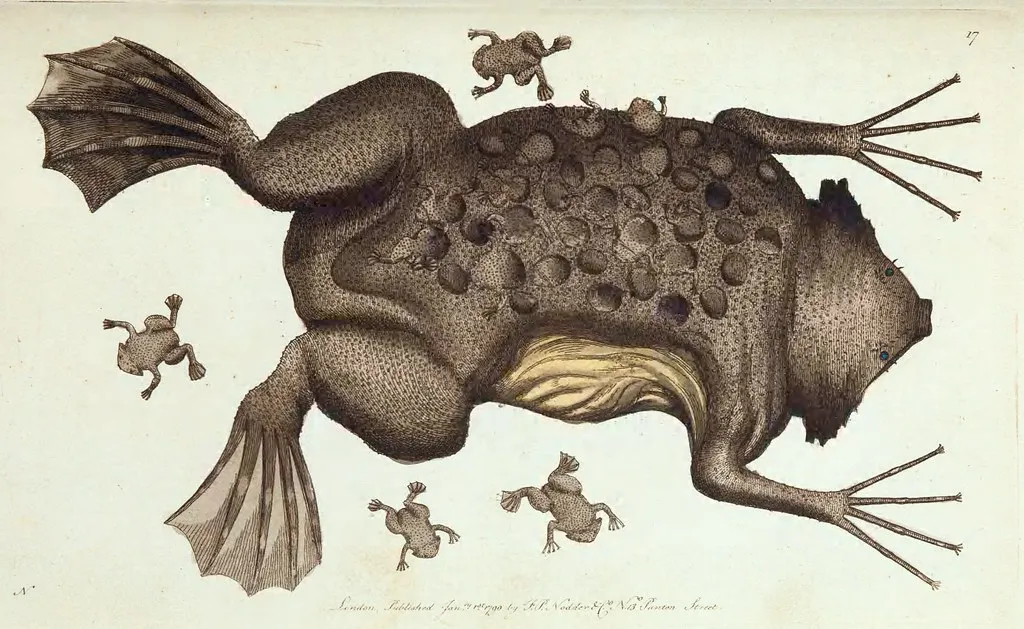
After the eggs land on her back, the mother’s skin responds. It thickens and swells around each egg, gradually forming a small enclosed pocket. A thin covering eventually closes over the top of each one.
The result looks like a honeycomb pattern across her back. To a casual viewer it can seem unsettling, even a bit alarming. Biologically, though, it’s simply a living nursery built from her own tissue.
Each Pocket Works Like a Tiny Protective Chamber
🔥 Would you like to save this?
We'll email this post to you, so you can come back to it later!
Inside the pocket, the egg is shielded from predators and from the drifting currents that would otherwise carry it away. The mother’s skin also supports the developing young in ways scientists have studied for a long time. Researchers have described the tissue as being richly supplied with blood vessels, which likely helps with gas exchange.
I’d stay careful here, though. The exact details of how much exchange or nourishment occurs aren’t something to overstate. What’s clear is the pocket gives the eggs a safe, stable place to develop.
The Young Skip the Free-Swimming Tadpole Stage
🔥 Would you like to save this?
We'll email this post to you, so you can come back to it later!
In most frogs, eggs hatch into tadpoles that swim freely and fend for themselves. In the Surinam toad, a lot of that early development happens inside the pocket. The young go through their tadpole phase while still sheltered on the mother’s back.
Eventually, fully formed little toads push out through the skin and swim away. This helps explain why the young are so well developed when they leave. They skip many of the risks that free-living tadpoles face in open water.
The Mother’s Back Recovers Afterward
🔥 Would you like to save this?
We'll email this post to you, so you can come back to it later!
When the young have emerged, the mother’s skin doesn’t stay full of holes. She sheds the old skin, and the back smooths out again. That means she can breed again later, and the cycle can start over.
It’s a reminder that this process, odd as it seems, is a normal part of the species’ life. The pockets are temporary, and the mother’s body is built to handle them. Seeing a bumpy back is far less alarming once you know what’s going on.
Its Strategy Reflects a Bigger Lesson About Evolution
🔥 Would you like to save this?
We'll email this post to you, so you can come back to it later!
The Surinam toad’s nursery is one example of how animals find unusual solutions to common problems. Other amphibians carry eggs too, in places such as the back, the mouth, or even the stomach in certain species. Each one is shaped by its environment and its risks.
For the Surinam toad, a fully aquatic life made open egg laying risky, and a skin pocket provided protection. It’s not a design anyone would plan, yet it works. Evolution rarely aims for tidy, only for what survives.
Final Thoughts
🔥 Would you like to save this?
We'll email this post to you, so you can come back to it later!
I’ll admit it: the Surinam toad is one of those animals people call creepy, and I think that’s a bit unfair. Once you see the logic, it looks more like devoted parenting than horror. A mother who carries her young inside her own skin, with no help after the courtship, deserves some respect.
It’s also a good lesson in not judging nature by first impressions. What looks bizarre usually has a practical reason underneath. In this case, the reason is survival, and it’s been working for a very long time.

- Marine Biology Says When Dolphins Suddenly Go Silent in Open Water It's Not Rest – They've Detected a Predator You Cannot See and Their Survival Strategy Reveals How They Read Danger - November 5, 2026
- Why Veterinarians Say If Your Cat Sleeps With Their Back to You, It's the Highest Form of Trust in Feline Behavior - November 5, 2026
- 10 Common Garden Pests That Are Actually Beneficial To Your Backyard Ecosystem - November 5, 2026