
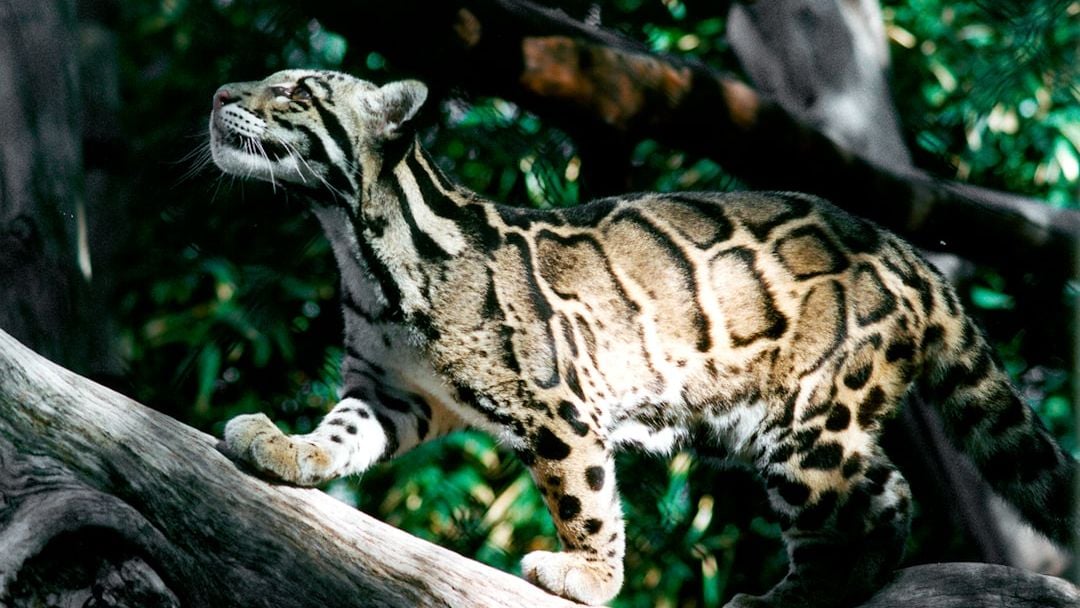
It’s hard to believe that something so striking could be one of the world’s most mysterious animals. The clouded leopard, with its mesmerizing coat and secretive ways, seems almost mythical. These cats move through Southeast Asian forests like ghosts, rarely seen, seldom heard, and still deeply misunderstood.
What little scientists know about them reads like fragments of a wild story written in vanishing ink. Let’s be real, most of what we understand comes from zoos, not the jungle. That says a lot about just how elusive they are.
Those Cloud Markings Are No Accident
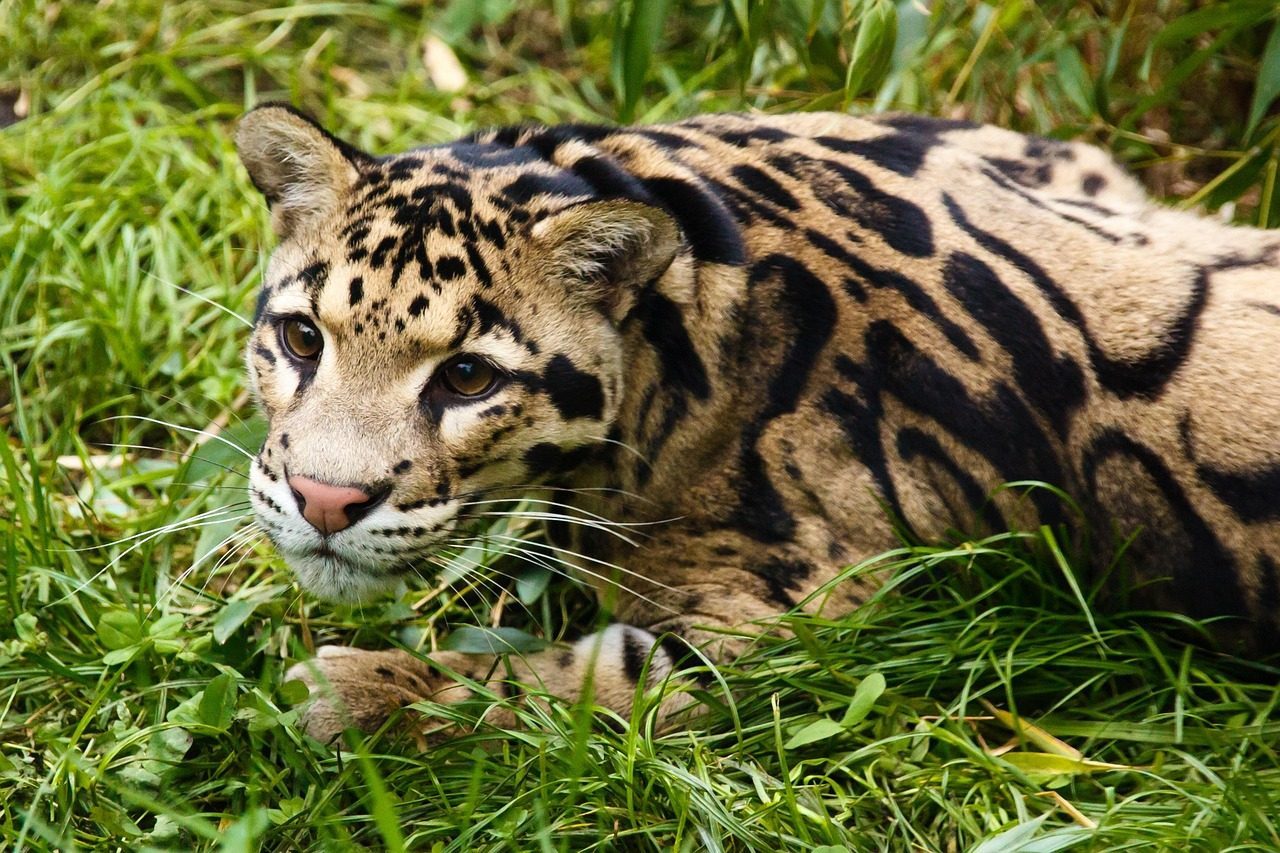
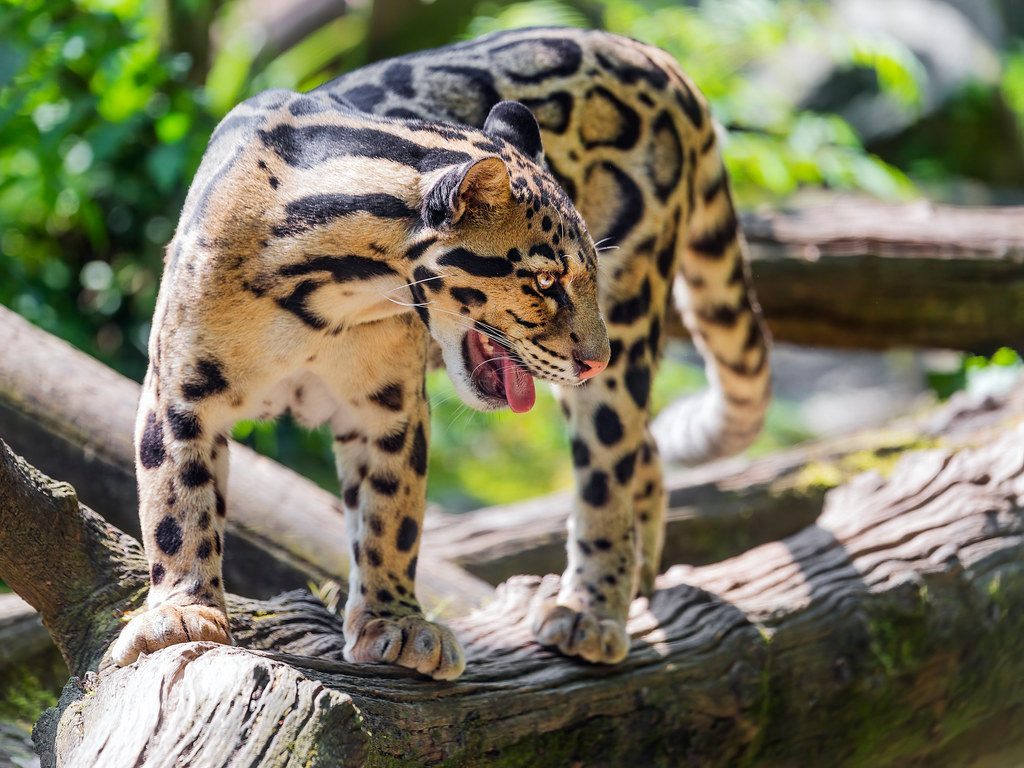
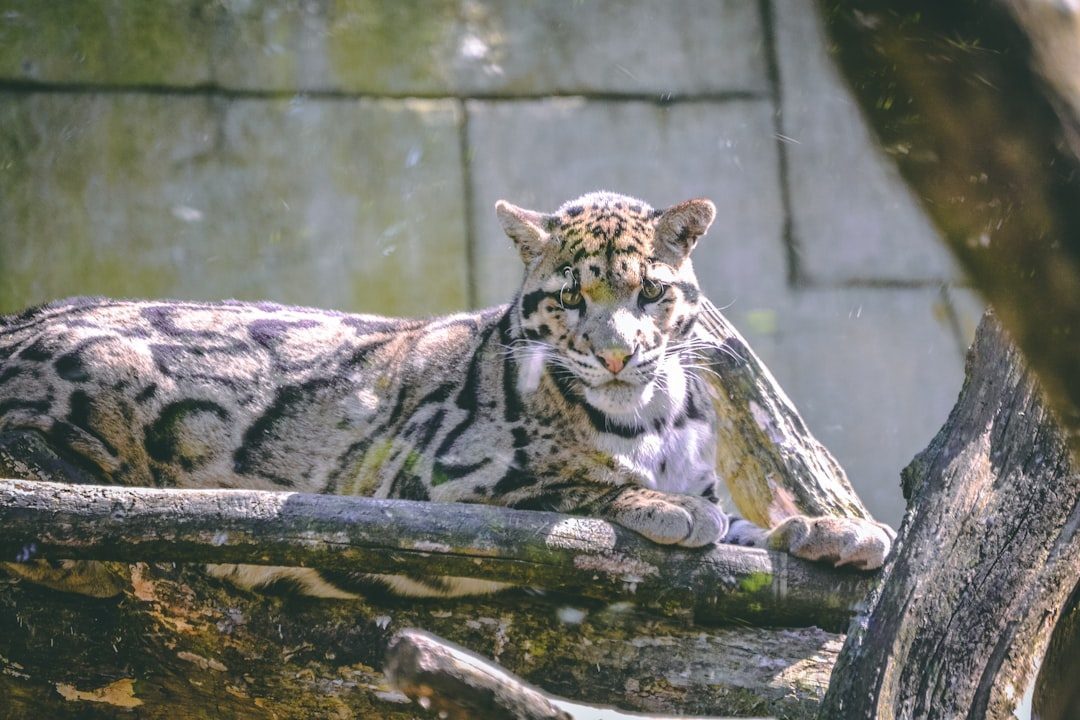
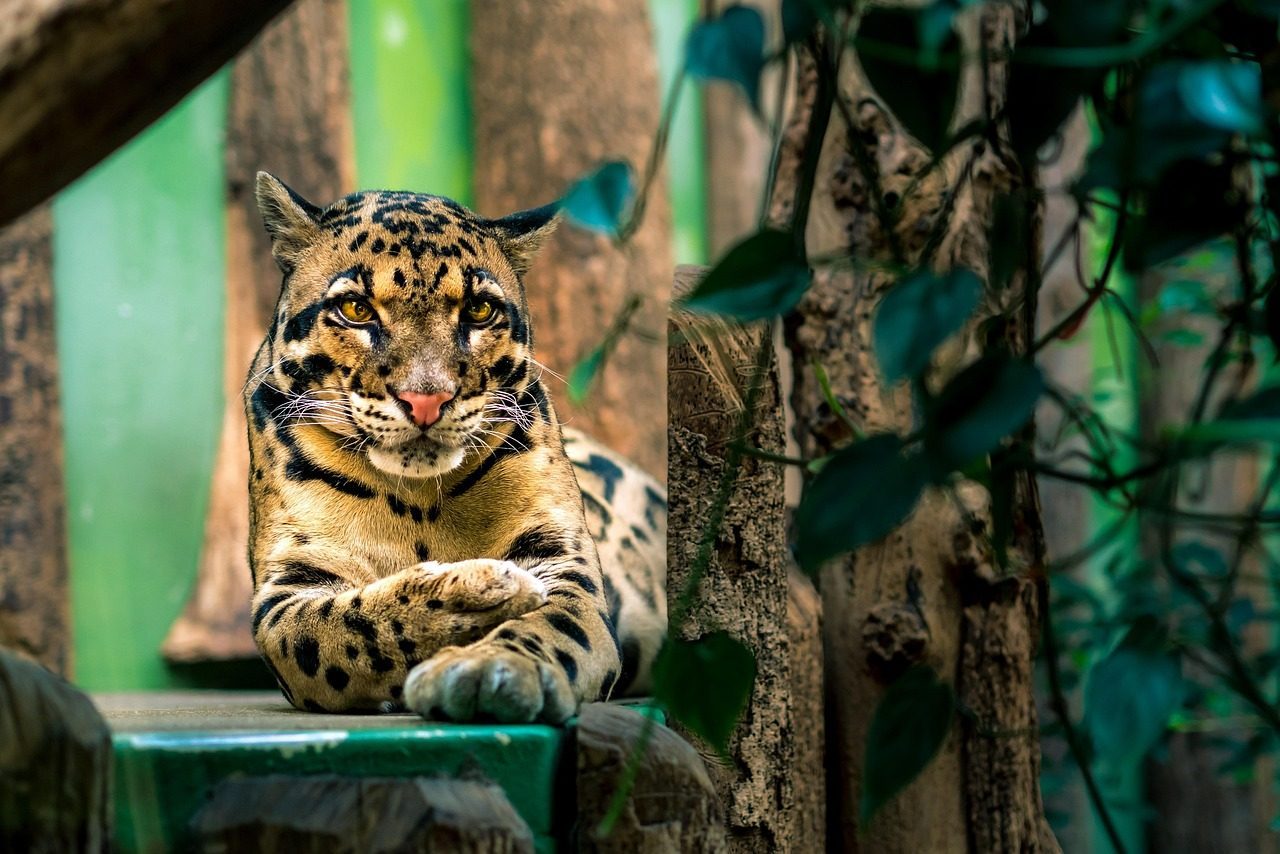
The clouded leopard has large dusky-grey blotches and irregular spots and stripes reminiscent of clouds. These aren’t just random splashes of color, either. The fur is marked with elliptical blotches of a darker color than the background and the posterior edge of each blotch is partially framed in black.
The blotches sit on a background field that varies from yellowish brown to dark gray. In the dappled light of dense tropical forest, this pattern makes them nearly impossible to spot. Their markings blend so perfectly with branches and shadows that prey rarely see them coming.
They’re Built Like Acrobats With Superpowers
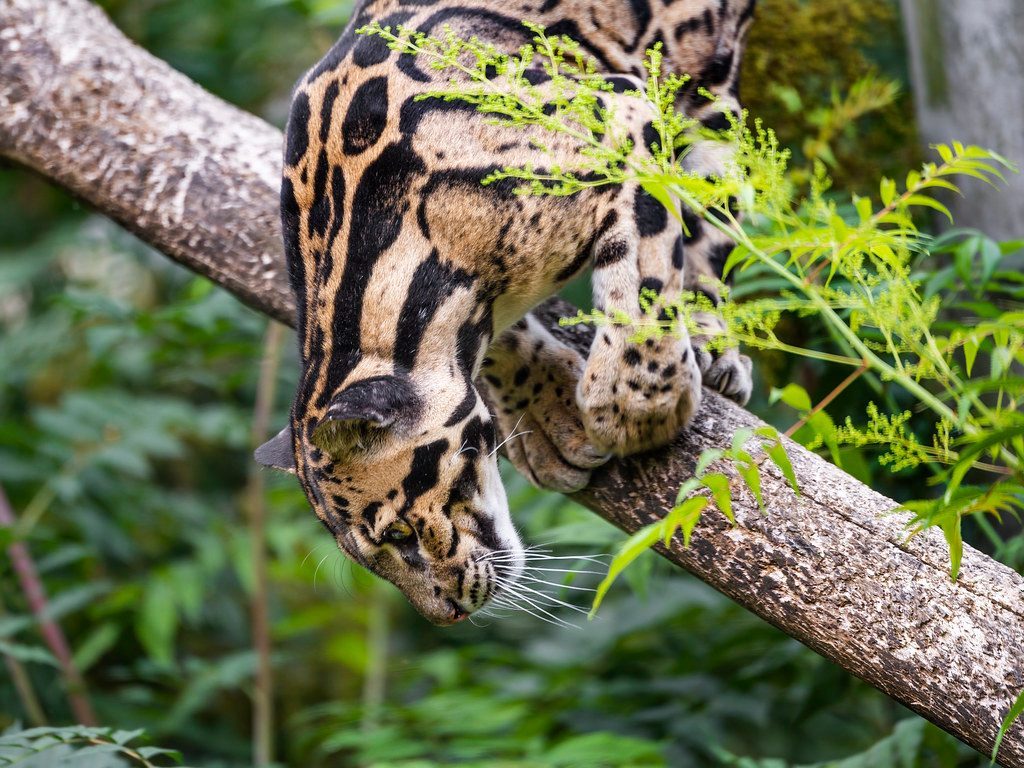
It uses its tail for balancing when moving in trees and is able to climb down vertical tree trunks head first. This isn’t a skill most big cats have. Specialized anklebones allow varied position for climbing, including climbing headfirst down trees.
Honestly, the gymnastics these cats perform would put most animals to shame. Captive clouded leopards have been observed to climb down vertical tree trunks head first, and hang on to branches with their hind paws bent around branchings of tree limbs. They are capable of supination and can hang down from branches only by bending their hind paws and their tail around them. It’s like watching something that’s half cat, half monkey.
Their Teeth Are Absolutely Jaw Dropping
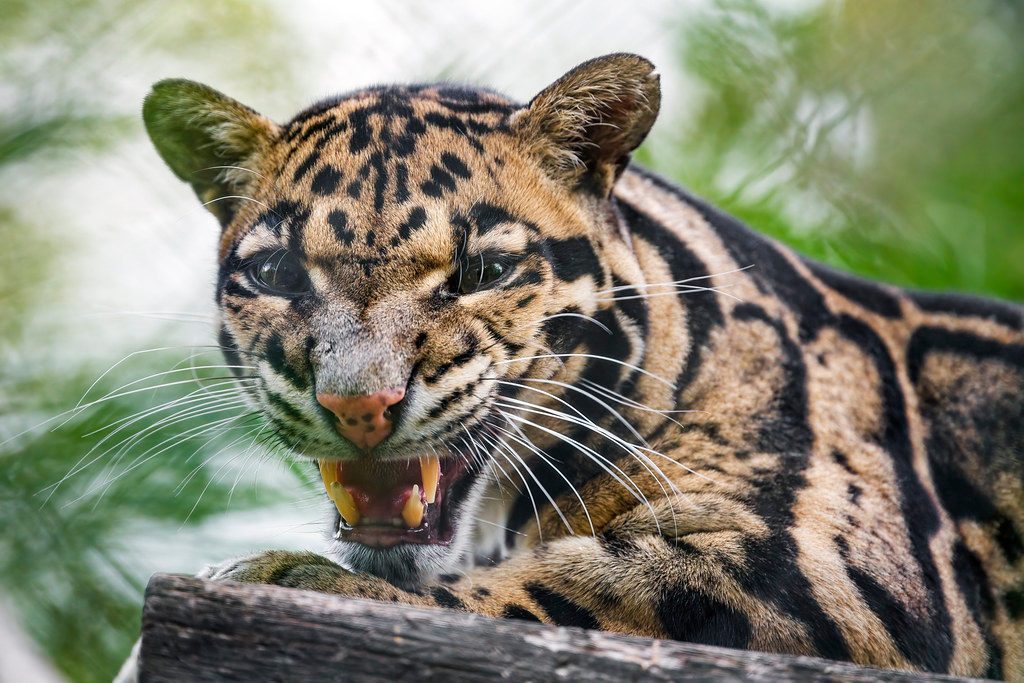
Clouded leopards are often referred to as a “modern-day sabre-tooth” because they have the largest canines in proportion to their body size. No other living cat comes close. These canines are longer in proportion to skull size than those of any other species of wild cat.
While tigers are 10 times larger than them in body size, a clouded leopard’s up to 2-inch-long canine teeth are proportionally the longest of any living cat. That’s a staggering comparison when you think about it. A clouded leopard can open its jaws wider than any other cat, and its tooth development is most like that of the extinct sabertooth cat. These features make them lethal hunters, capable of taking down prey far larger than you’d expect.
They Live In Dense Asian Forests Few People Ever Enter
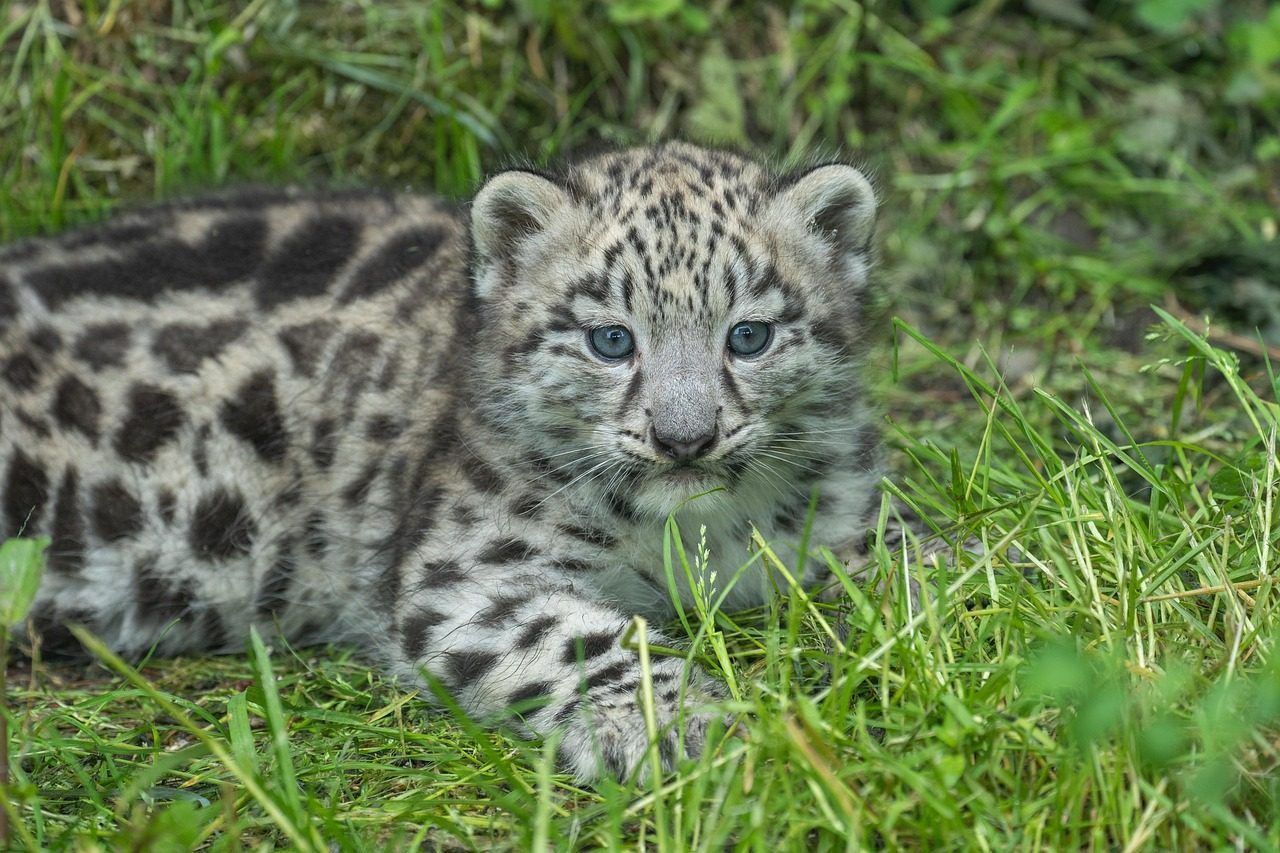
The clouded leopard inhabits dense forests from the foothills of the Himalayas through Northeast India and Bhutan to mainland Southeast Asia into South China. They prefer untouched, thick forest canopy where they can disappear into green tangles. They favor dense tropical and subtropical forests but are also found in mangroves and forested foothills.
Their habitat requirements are strict. Clouded leopard require larger areas of intact forest than are present in many parts of their range. That’s part of the reason their numbers keep dropping. Fragmentation and human encroachment are choking their territories.
They Hunt Both On The Ground And In The Trees
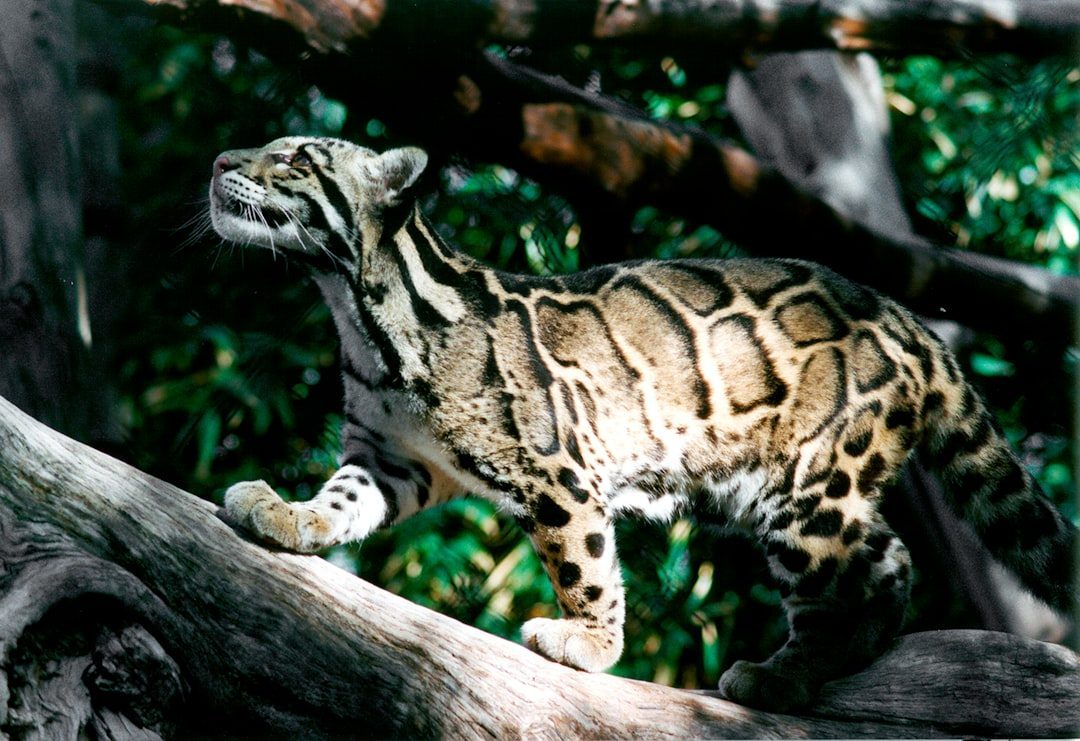
There was a time when scientists believed these cats hunted mostly from trees. Recent evidence tells a different story. They spend more time hunting on the ground than was originally believed.
Still, their arboreal skills are undeniable. Clouded leopards are able to hunt in the trees, preying on birds, monkeys, and rodents. This carnivore hunts deer, monkeys, birds and small mammals. After a kill, they usually retreat back into the trees to feed and digest in peace.
Scientists Struggle To Study Them In The Wild
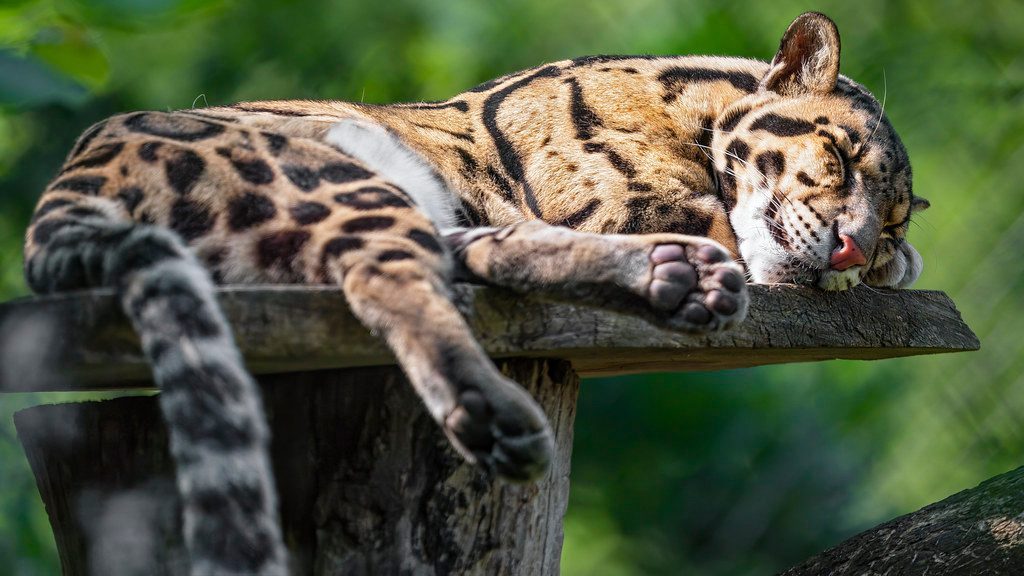
Very few clouded leopards in the wild have been radio-collared and studied; 90 percent of what is known about clouded leopards comes from research on captive populations. That’s a remarkably low number for such an ecologically important species. They are active at night and live in thick forests.
Their nocturnal, secretive behavior makes tracking them incredibly difficult. The clouded leopard is very secretive and has been difficult for scientists to study in their natural habitat, despite it being a good sized cat. Most data about their behavior, diet, and reproduction comes from zoo observations, which may not fully reflect how they act in the wild.
Their Population Is Alarmingly Small And Shrinking
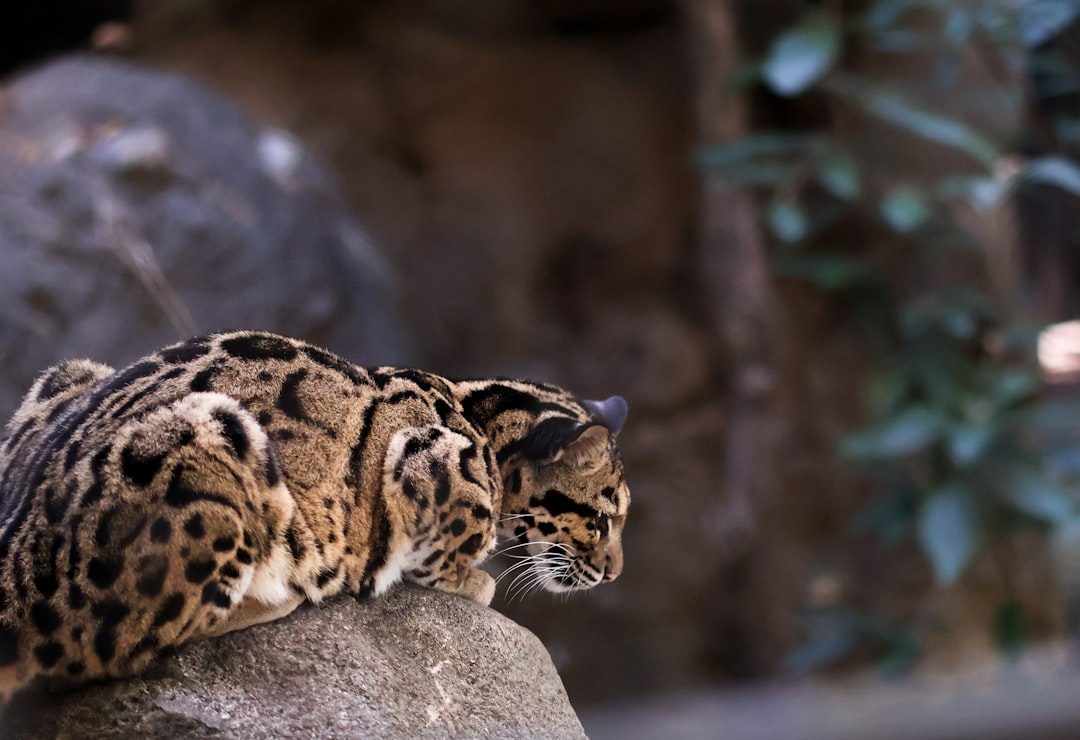
The wild population is believed to be in decline, with fewer than 10,000 adults and no more than 1,000 in any subpopulation. Some estimates are even more sobering. A new assessment of the mainland clouded leopard’s conservation status has estimated the global population to be between 3,700 and 5,580 mature individuals.
The lower end of this estimate would make the big cat rarer than tigers, of which around 5,500 are estimated to survive in the wild. Let that sink in for a second. They may be more endangered than tigers. It has therefore been listed as Vulnerable on the IUCN Red List since 2008.
Deforestation Is Their Biggest Enemy
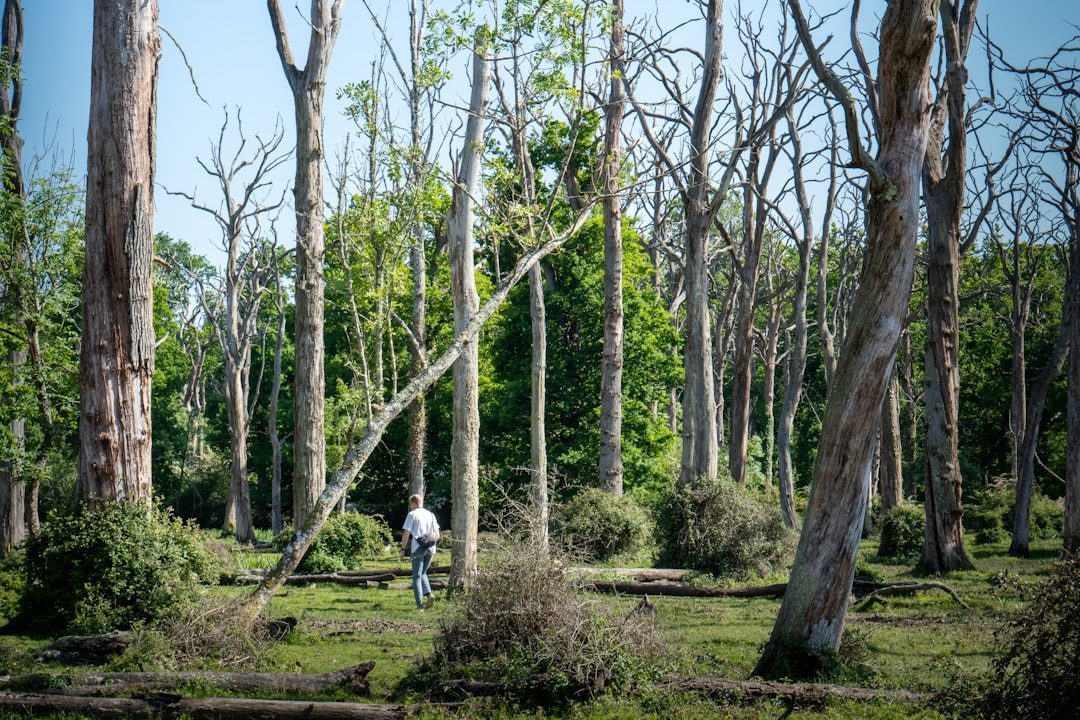
Their forest habitat is experiencing the world’s fastest rate of deforestation. Clear cutting of forests for use as agricultural lands such as palm oil, is its primary threat, as the clouded leopard requires large tracts of forest for hunting. Southeast Asia has lost massive stretches of forest in recent decades. The species natural habitat has been fragmented and decreasing at a rate of 10% per year since 1997.
Without continuous forest cover, these cats can’t survive. Palm oil plantations, logging operations, and human settlements have carved up their territories into isolated patches. This fragmentation doesn’t just shrink their hunting grounds; it threatens genetic diversity and increases the risk of inbreeding.
Illegal Poaching Haunts Them Relentlessly
They are also widely hunted for their teeth, decorative pelt, and for bones for the traditional Asian medicinal trade. Despite legal protection across most of their range, enforcement is weak or nonexistent in many areas. Clouded leopard pelts are among the big cat pelts seen on illegal markets. In 2005, more than eighty clouded leopard pelts were for sale in one market in Myanmar (Burma).
In Myanmar, 301 body parts of at least 279 clouded leopards, mostly skins and skeletons, were observed in four markets surveyed between 1991 and 2006, despite the protected status of clouded leopards in Myanmar. These numbers paint a grim picture. Even in areas where clouded leopards are legally protected, poachers continue to operate with impunity.
Breeding Them In Captivity Is Incredibly Challenging
There is a high incidence of aggression between males and females, sometimes resulting in the death of the female. This fact has made captive breeding programs difficult to manage. This fact has made clouded leopards one of the most difficult cats to breed in zoos and conservation centers. This lack of knowledge concerning wild mating behavior has made it extremely difficult to breed these animals in captivity. Arranged mating encounters at zoos often conclude with aggression between the two individuals, and the male often kills the female with a bite to the back of the neck.
Unlike other large cats, pair formation in clouded leopards is most successful when the male is less than 12 months of age. Therefore, present management practices include introducing the members of a pair before 1 year of age, or a subadult male to a mature female. Despite these challenges, some zoos have made breakthroughs, including successful artificial insemination programs. These efforts are critical for maintaining genetic diversity and potentially reintroducing animals into protected habitats.
Conclusion: A Ghost In Danger Of Fading Completely
The clouded leopard is a stunning reminder of how much we still don’t understand about the natural world. These cats have survived for millions of years, adapting to life in the trees with unmatched skill and deadly precision. Yet today, they’re slipping away faster than scientists can study them.
Habitat destruction, poaching, and human expansion have pushed these remarkable animals to the edge. Without urgent conservation efforts, including stronger anti poaching laws, habitat corridors, and international cooperation, the clouded leopard could vanish entirely from large parts of its range. It would be a tragedy to lose one of the world’s most enigmatic and beautiful predators before we ever truly got to know it. Did you expect a cat this incredible could be so close to disappearing? What more do you think we should do to save them?

- Animal Psychology Says If You See a Large Gathering of Crows in Your Yard at Dawn It Is a Sign of Complex Social Behaviour – and the Cognitive Power Required for It Belongs to an Elite Group of Species - July 14, 2026
- 10 Fascinating Facts About American Crows That Changed How Scientists See Birds - July 14, 2026
- Zoology Says the Reason Elephants Return to the Bones of Their Dead Is Rooted in Mourning – It Is a Sign of Deep Social Memory and an Emotional Life Highly Unusual for Mammals - July 14, 2026