
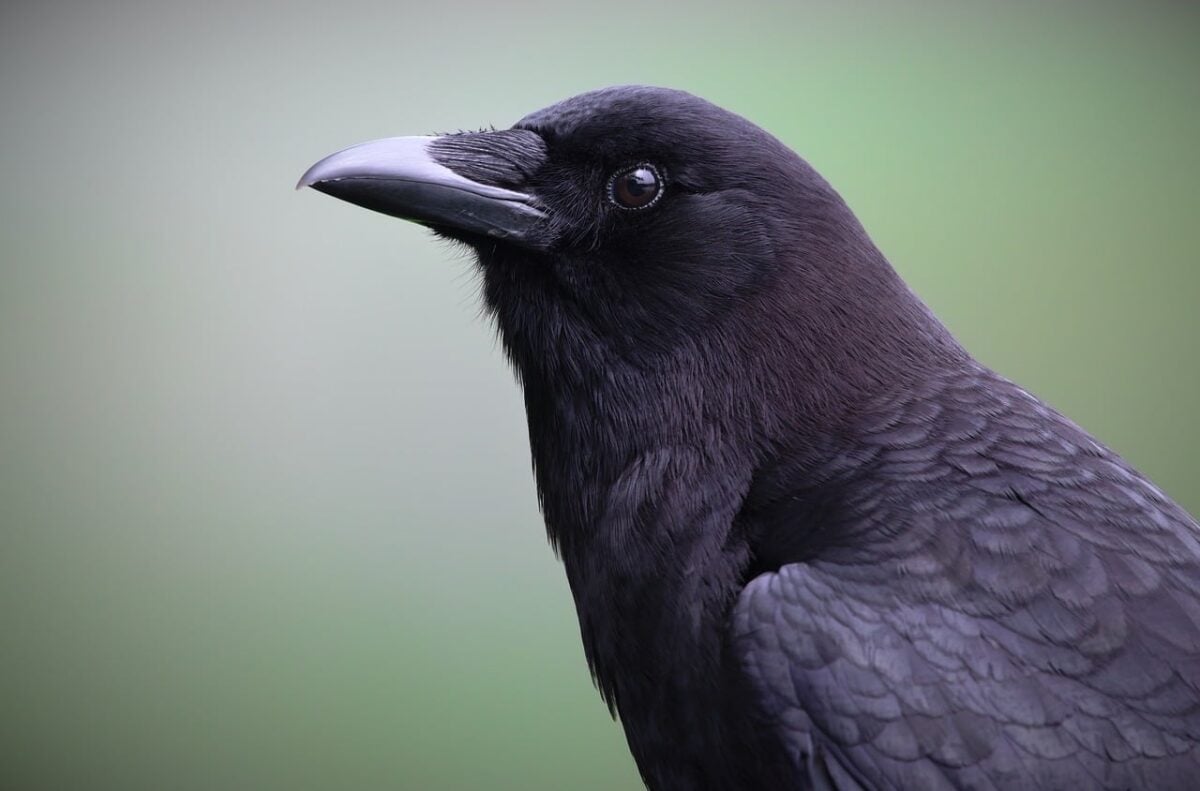
American crows are not just the black-feathered birds cawing from treetops; they are creatures of remarkable intelligence and complex behaviors that have captivated scientists and bird enthusiasts alike. Their actions and abilities have challenged our understanding of avian cognition and social structures. Here are ten fascinating facts about American crows that have reshaped how scientists perceive these birds.
Masters of Tool Use
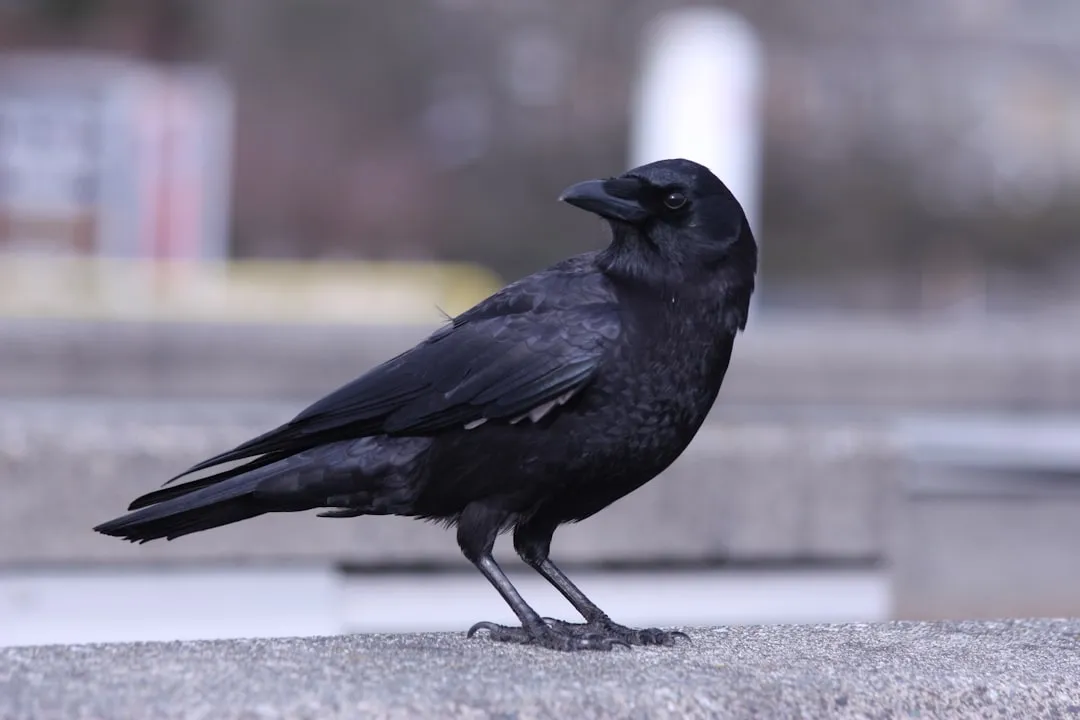
American crows have demonstrated the ability to use tools, a trait once thought exclusive to humans and certain primates. In controlled experiments, some crows have shown proficiency in using sticks to extract food from hard-to-reach places. Interestingly, crows that excel at tool use activate distinct neural circuits compared to their less adept counterparts, indicating specialized brain functions associated with this skill. ([nature.com](https://www.nature.com/articles/s41467-023-42203-8?utm_source=openai))
This discovery suggests that crows possess a level of problem-solving ability and cognitive flexibility that parallels that of great apes. Their capacity to innovate and adapt tools to their needs underscores a complex understanding of their environment.
Exceptional Memory for Human Faces
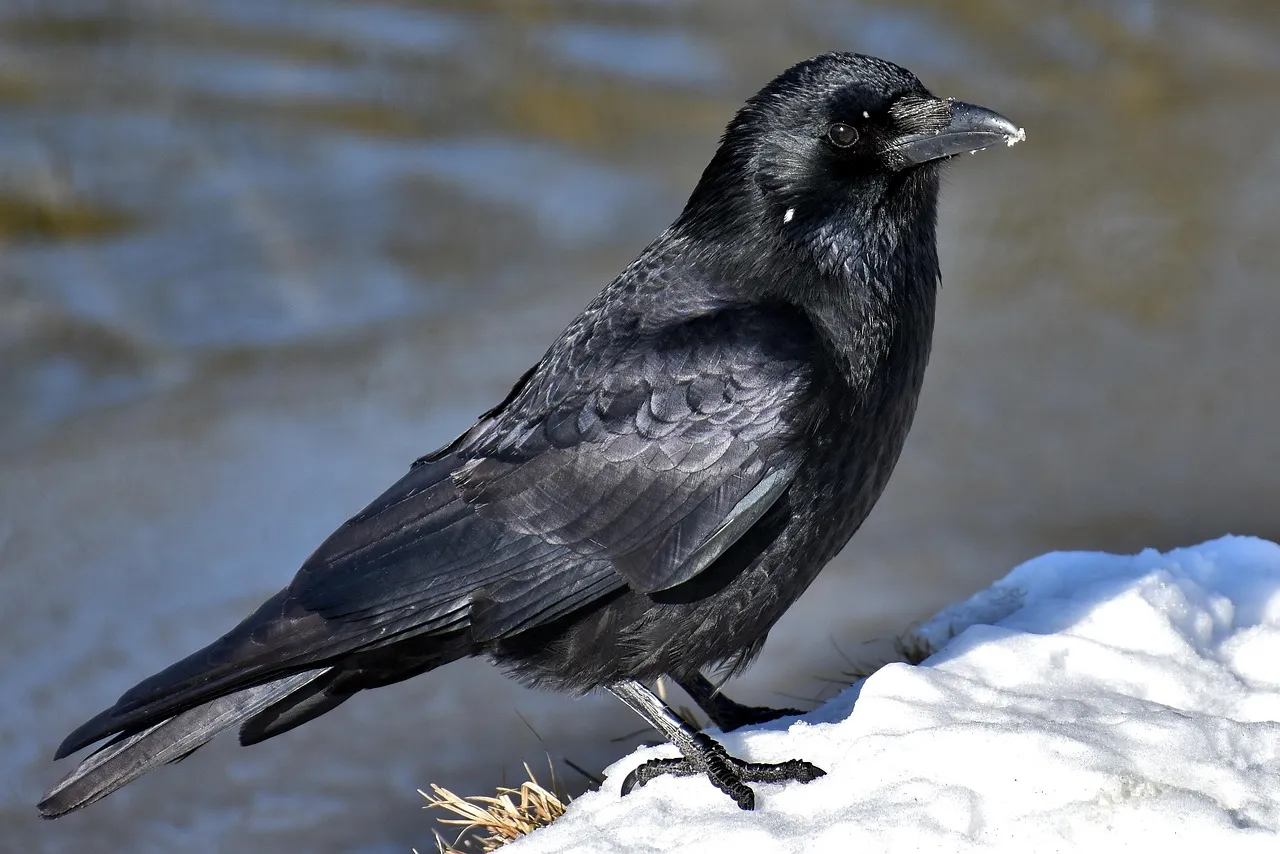
American crows can recognize and remember human faces, especially those associated with negative experiences. In studies where individuals wore masks while capturing and banding crows, the birds later scolded and mobbed anyone wearing the same mask, even years after the initial encounter. This lasting recognition indicates a sophisticated memory system and the ability to associate specific humans with potential threats. ([sciencedirect.com](https://www.sciencedirect.com/science/article/pii/S0003347209005806?utm_source=openai))
Such memory capabilities are not just for survival; they also reflect the crows’ complex social interactions and their need to navigate a world shared with humans. This ability to remember and react to individual humans showcases their advanced cognitive functions.
Complex Social Structures
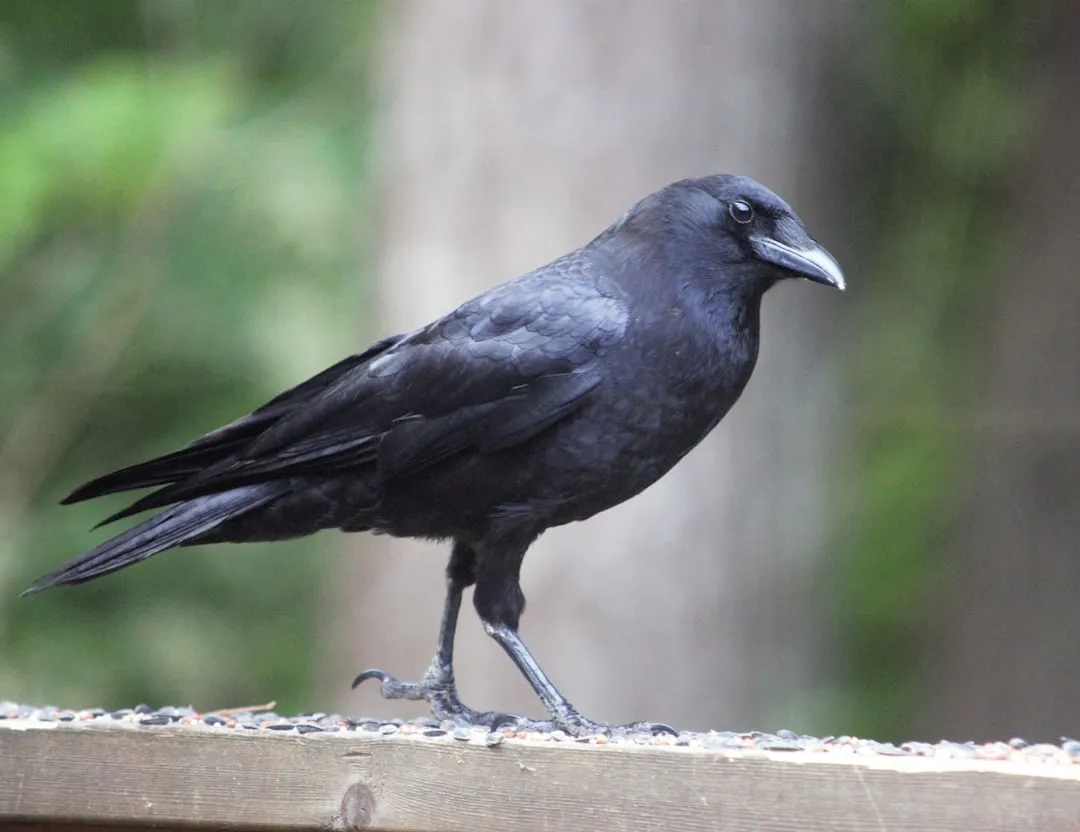
American crows exhibit intricate social behaviors, including cooperative breeding and group territoriality. They maintain year-round territories as cooperative groups and often travel long distances to roost communally at night. This behavior indicates a balance between territorial fidelity and the benefits of communal living. ([academic.oup.com](https://academic.oup.com/auk/article-abstract/114/4/628/5173458?utm_source=openai))
Their social structures are not just about survival; they also involve complex interactions, such as forming alliances and engaging in communal activities, which require advanced communication and social intelligence.
Understanding Human Gaze
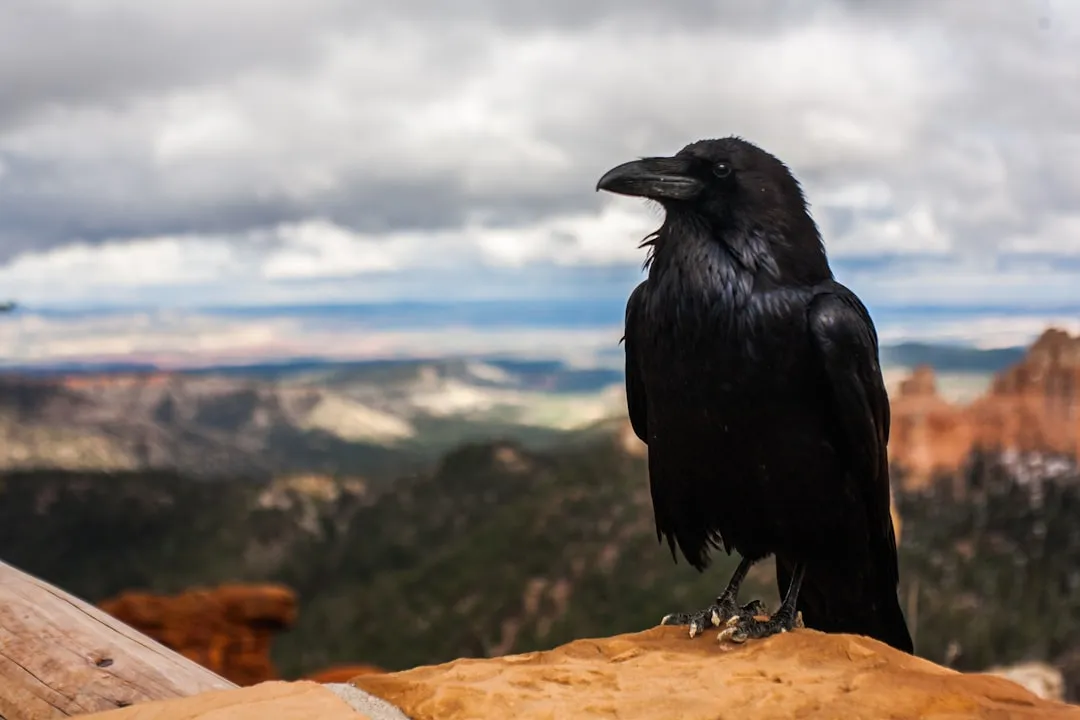
American crows are sensitive to human gaze and can interpret it as a potential threat. They are more likely to flee when a human is directly looking at them compared to when the gaze is averted. This sensitivity suggests that crows can assess human intentions based on subtle visual cues, a trait that indicates a high level of perceptual awareness. ([doi.org](https://doi.org/10.1111/eth.12064?utm_source=openai))
This ability to read human behavior adds another layer to their intelligence, allowing them to navigate urban environments and avoid potential dangers effectively.
Learning from the Dead
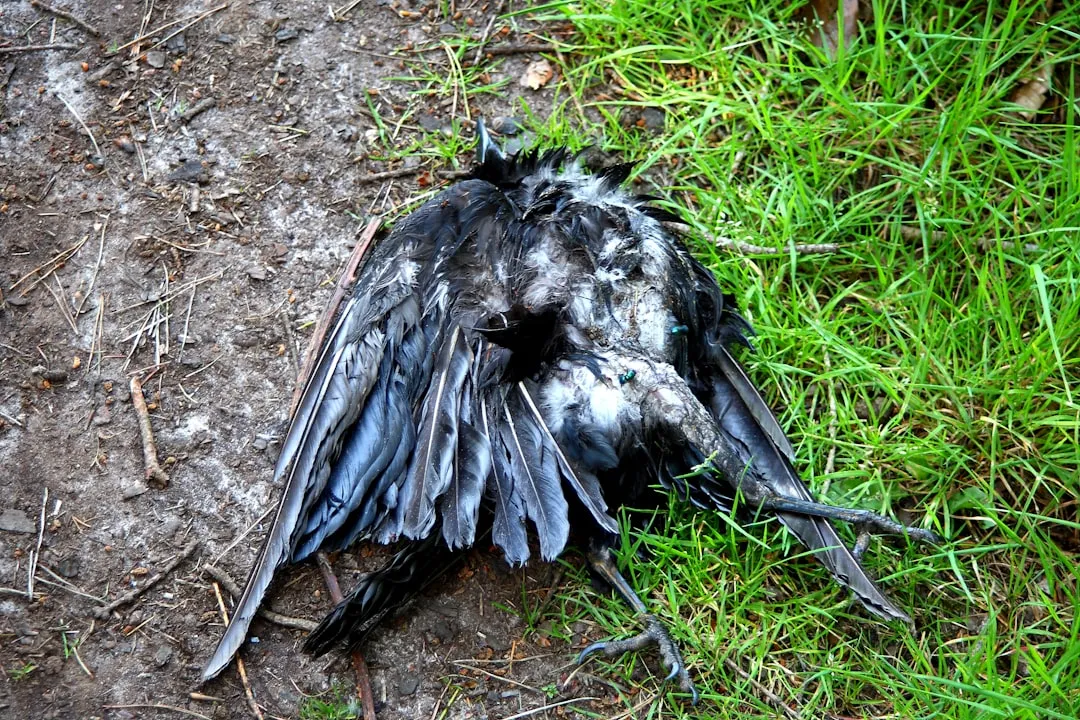
When encountering a dead crow, American crows often gather around the carcass, a behavior that appears to be a learning opportunity. These gatherings allow crows to assess potential dangers in the area, effectively using the death of a conspecific as a warning signal. This behavior demonstrates a form of social learning and an understanding of mortality. ([sciencedirect.com](https://www.sciencedirect.com/science/article/pii/S0003347215003188?utm_source=openai))
Such actions indicate that crows have a concept of death and can use it to inform their future behaviors, showcasing a level of abstract thinking not commonly attributed to birds.
Advanced Problem-Solving Skills
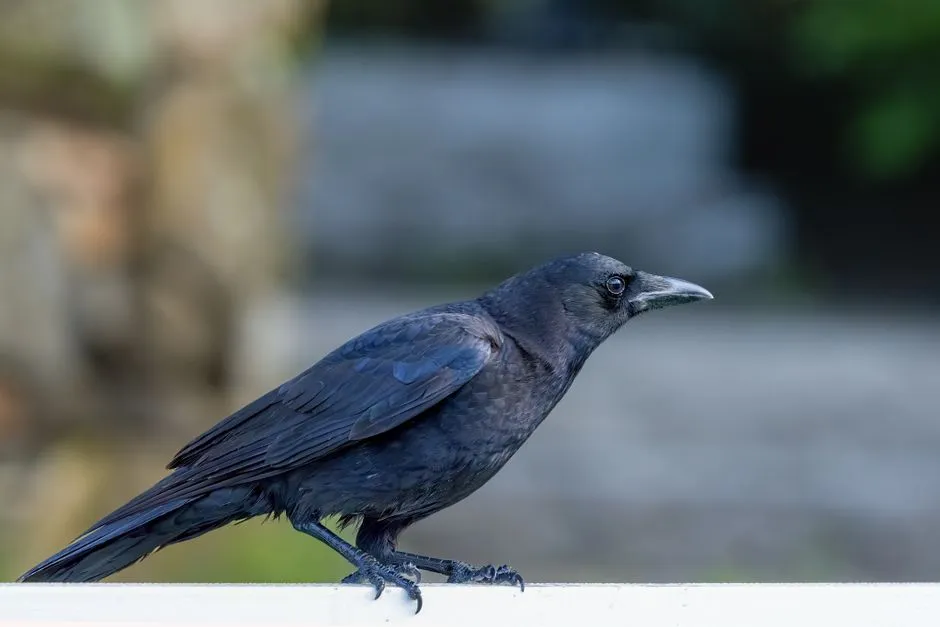
In experiments involving string-pulling tasks to retrieve food, American crows have shown remarkable problem-solving abilities. Factors such as brain volume and body condition influence their success, indicating that both physical and cognitive attributes play a role in their problem-solving capabilities. ([pmc.ncbi.nlm.nih.gov](https://pmc.ncbi.nlm.nih.gov/articles/PMC7996111/?utm_source=openai))
These findings suggest that crows possess not only the physical dexterity but also the mental acuity to solve complex tasks, reflecting their adaptability and intelligence.
Neural Responses to Danger
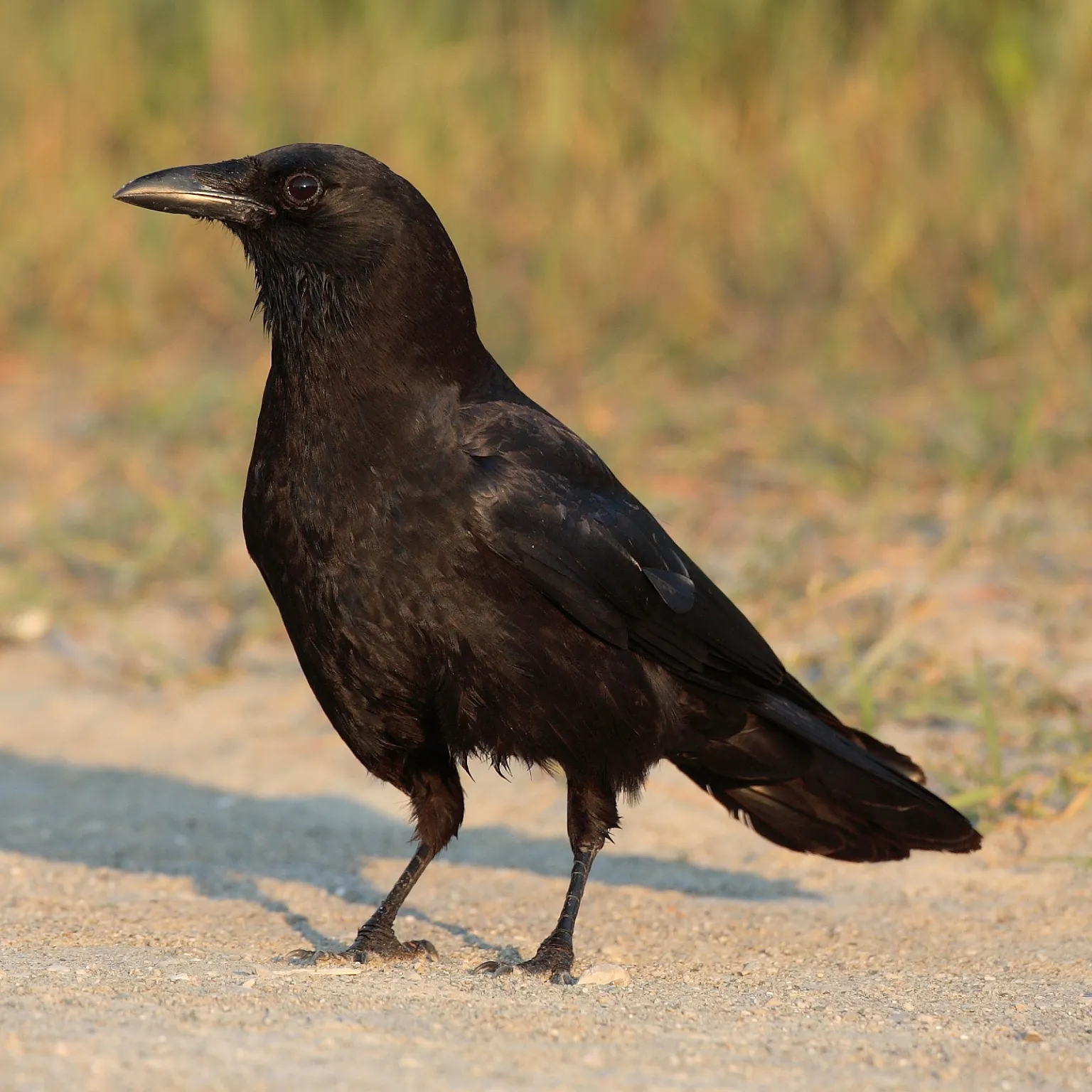
When exposed to various threats, American crows activate distinct neural circuits associated with attention, arousal, and motor responses. This neural activity indicates that crows process different dangers using specialized brain regions, allowing them to respond appropriately to diverse threats. ([pubmed.ncbi.nlm.nih.gov](https://pubmed.ncbi.nlm.nih.gov/23825209/?utm_source=openai))
This specialized neural processing underscores the complexity of their threat assessment and response mechanisms, highlighting their advanced cognitive functions.
Vocal Communication Complexity
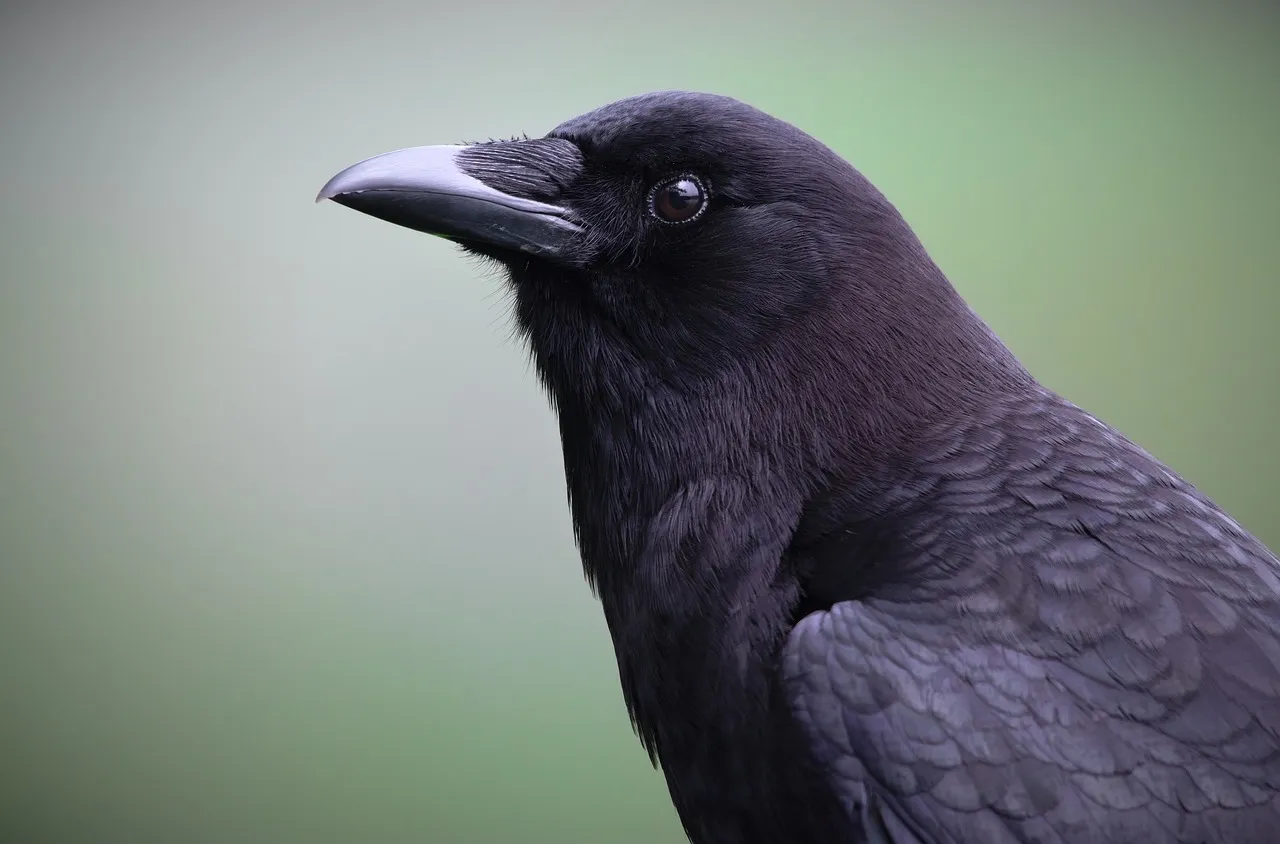
American crows use a variety of vocalizations to communicate information about their identity, sex, and behavioral context. Their caws encode specific details, allowing for nuanced social interactions and coordination within groups. ([pmc.ncbi.nlm.nih.gov](https://pmc.ncbi.nlm.nih.gov/articles/PMC4237024/?utm_source=openai))
This complexity in vocal communication reflects their sophisticated social structures and the need for precise information exchange, further emphasizing their intelligence.
Adaptation to Urban Environments
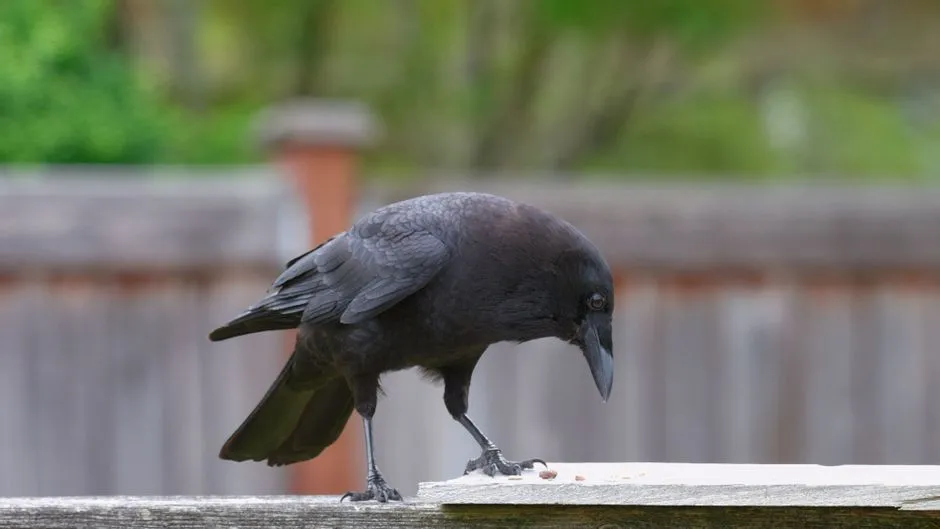
American crows have successfully adapted to urban settings, exhibiting behaviors such as using cars to crack open nuts and recognizing traffic patterns to avoid danger. Their ability to thrive in human-dominated landscapes showcases their behavioral flexibility and problem-solving skills.
This adaptability not only ensures their survival but also demonstrates their capacity to learn and exploit new resources in changing environments.
Social Learning and Cultural Transmission
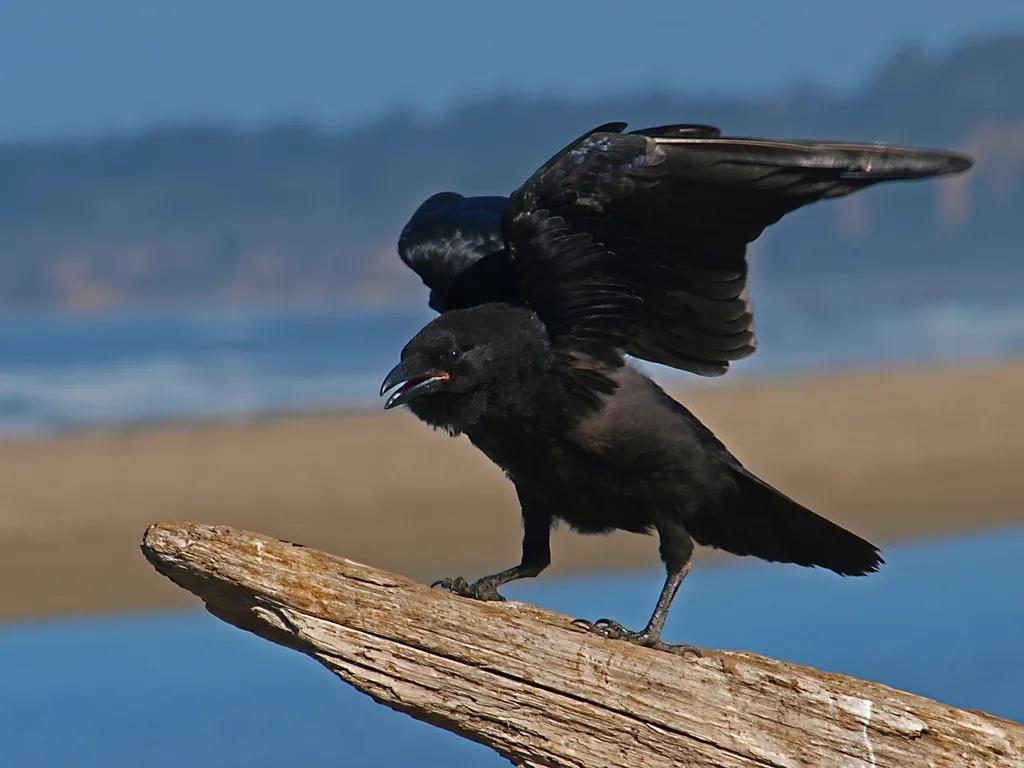
American crows engage in social learning, where knowledge about dangers, such as recognizing threatening humans, is transmitted among individuals. This cultural transmission of information allows crows to adapt to threats more efficiently and indicates a level of social intelligence previously underestimated in birds. ([pubmed.ncbi.nlm.nih.gov](https://pubmed.ncbi.nlm.nih.gov/21715408/?utm_source=openai))
Such behaviors suggest that crows have complex social networks and the ability to share and retain information across generations, akin to cultural practices in humans.
In conclusion, the American crow’s remarkable intelligence and complex behaviors have not only fascinated scientists but also challenged our understanding of avian cognition.

- 10 Fascinating Facts About American Crows That Changed How Scientists See Birds - July 14, 2026
- Zoology Says the Reason Elephants Return to the Bones of Their Dead Is Rooted in Mourning – It Is a Sign of Deep Social Memory and an Emotional Life Highly Unusual for Mammals - July 14, 2026
- Oceanography Says There Is a Layer of Water in the Pacific That Has Not Mixed With the Surface in Over a Thousand Years — and the Life in It Is Highly Adapted to Extreme Stagnation - July 14, 2026