
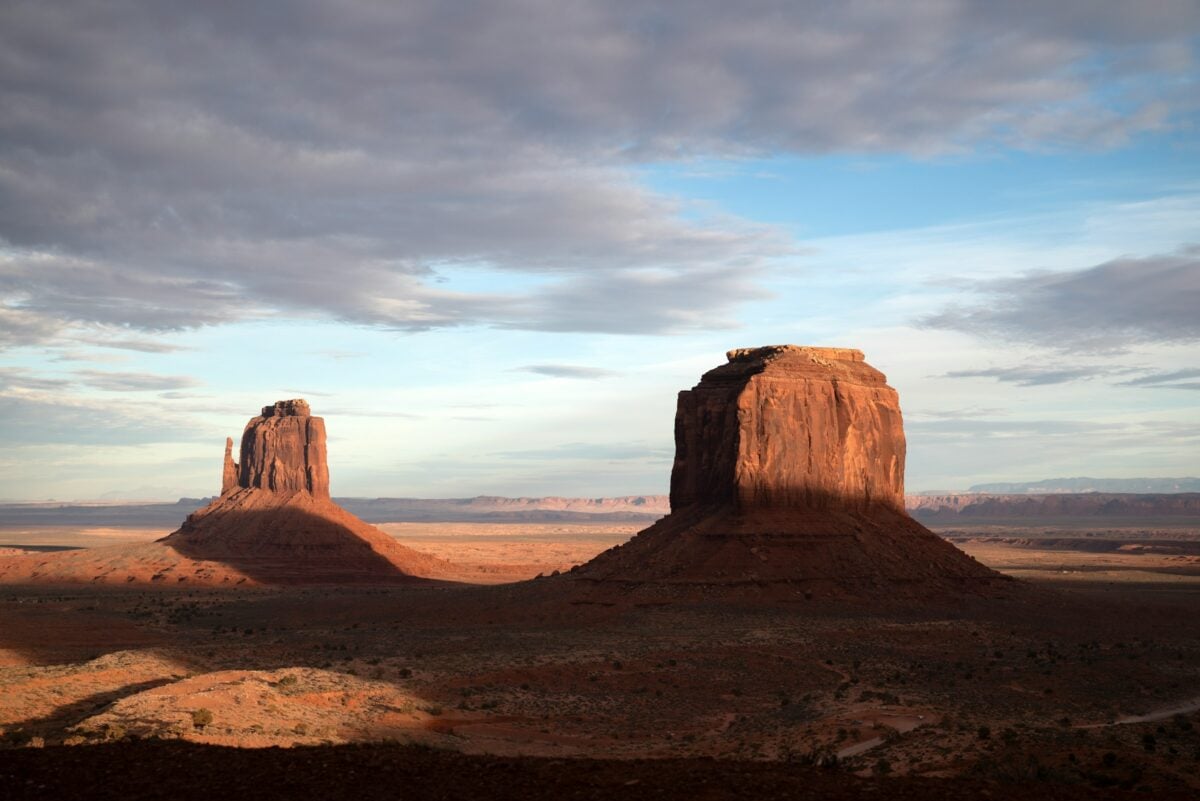
Monument Valley rises from the desert like a scene from another world, its red sandstone towers casting long shadows across the high plateau. Travelers often arrive expecting familiar postcard views, yet the place reveals layers of geology, culture, and cinematic history that stretch far beyond any single image.
The valley sits on the Arizona Utah border inside the Navajo Nation, where wind and water have spent millions of years carving what remains today. Its story reaches back through ancient seas, shifting dunes, and the lives of people who have called these rocks home for centuries.
The Valley Began as an Ancient Basin
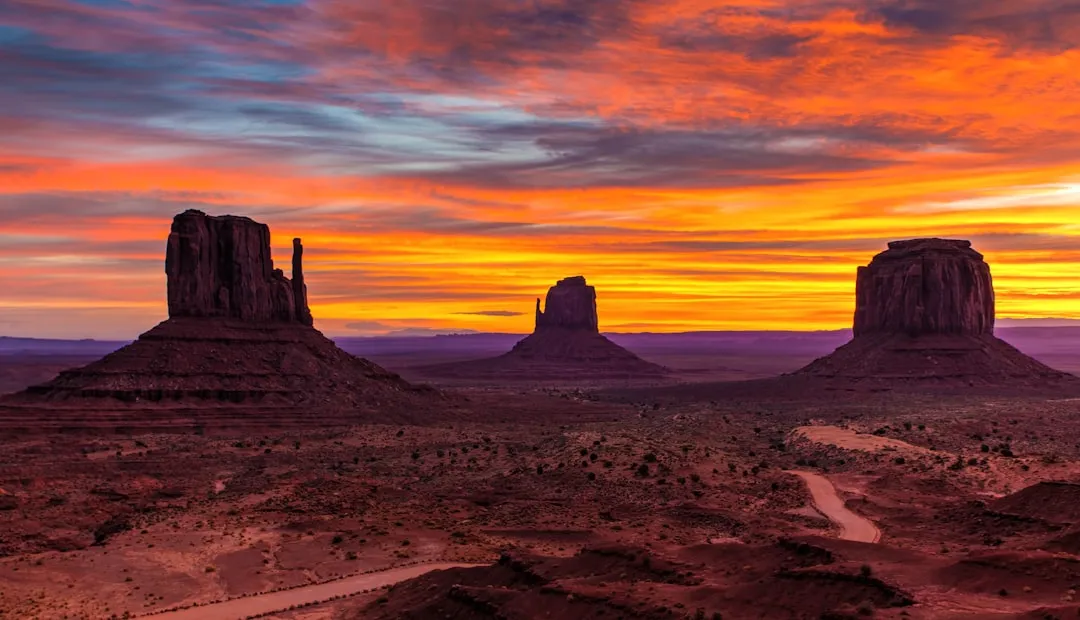
Monument Valley started forming roughly 300 million years ago when the region lay as a low basin collecting layers of sediment. Over time those deposits hardened into the sandstone and shale visible in every butte and mesa.
The process involved repeated cycles of deposition from ancient seas and rivers that once covered parts of the Colorado Plateau. What visitors see now is the exposed result of that long buried history.
Erosion Carved the Towering Buttes
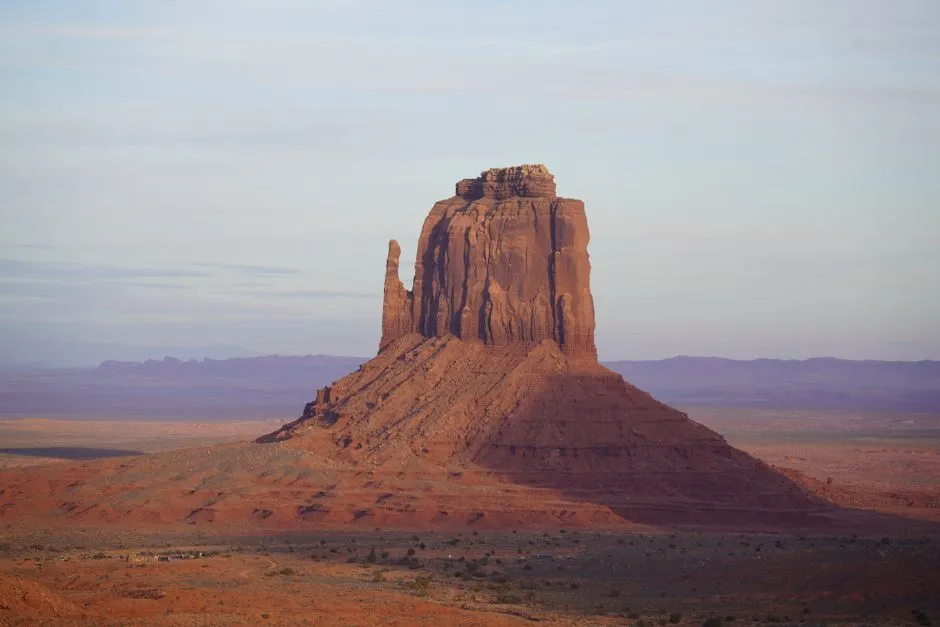
Wind, rain, and flowing water gradually stripped away softer rock, leaving the harder capstones that protect the dramatic spires and mesas. The tallest formations rise nearly 1,000 feet above the valley floor.
This selective erosion created the isolated buttes that define the skyline. The same forces continue their slow work, though the changes remain almost imperceptible over a human lifetime.
Three Distinct Rock Layers Tell the Story
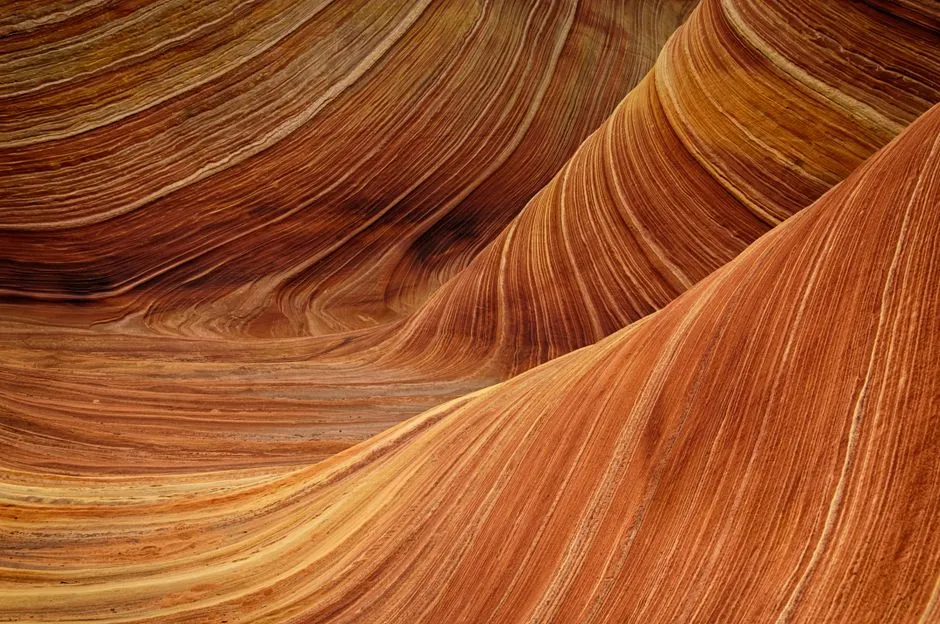
Each butte displays a clear sequence of strata beginning with Organ Rock shale at the base, followed by the massive de Chelly sandstone, and topped by Moenkopi shale. The vivid red color comes from iron oxide exposed in the weathered surfaces.
Darker blue gray tones appear where manganese oxide stains the rock. These layers record shifts from marine environments to desert dunes across deep geologic time.
The Mittens Stand as Signature Landmarks
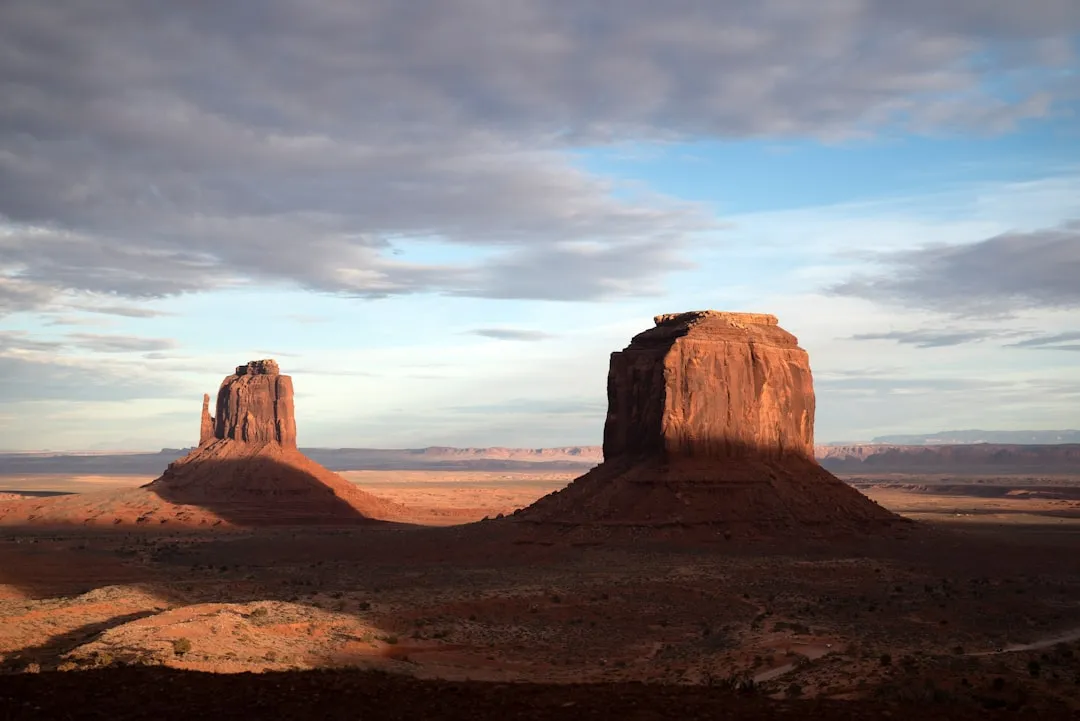
East and West Mitten Buttes rank among the most photographed formations, their shapes resembling hands raised against the sky. They formed when parallel drainages cut into larger mesas, isolating the slender remnants that remain.
Their distinctive profiles have become shorthand for the entire American Southwest in photographs and films. Standing at their base reveals the sheer scale that pictures rarely capture.
Navajo People Have Long Called This Land Home
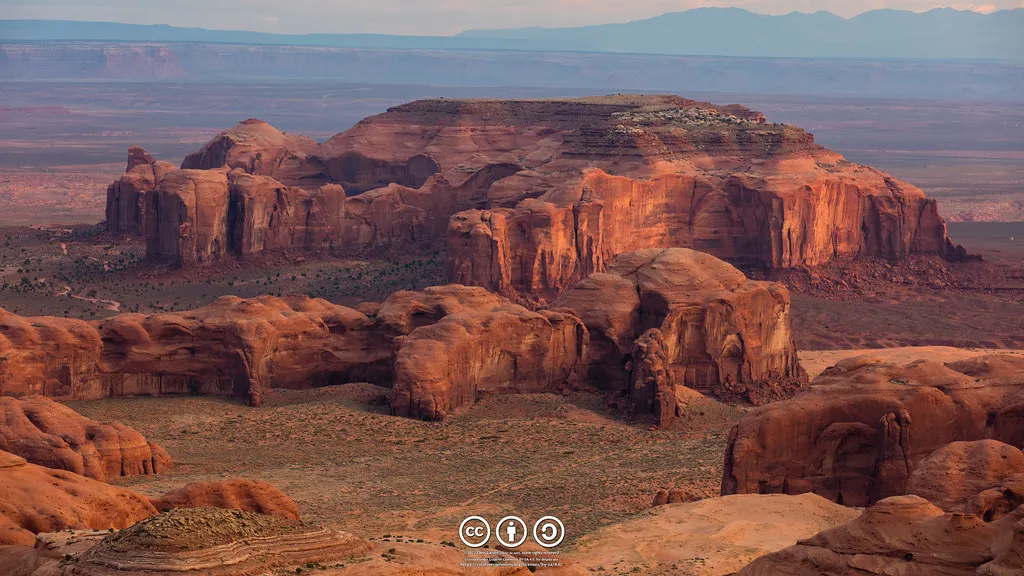
The Navajo Nation knows the valley as Tsé Biiʼ Ndzisgaii, or valley of the rocks. Ancestors have lived and moved through the area since at least the 1200s, weaving the landscape into stories, ceremonies, and daily life.
Many formations carry names and meanings tied to Navajo traditions. The rocks are viewed not merely as scenery but as living elements within a sacred geography.
A Tribal Park Protects the Landscape
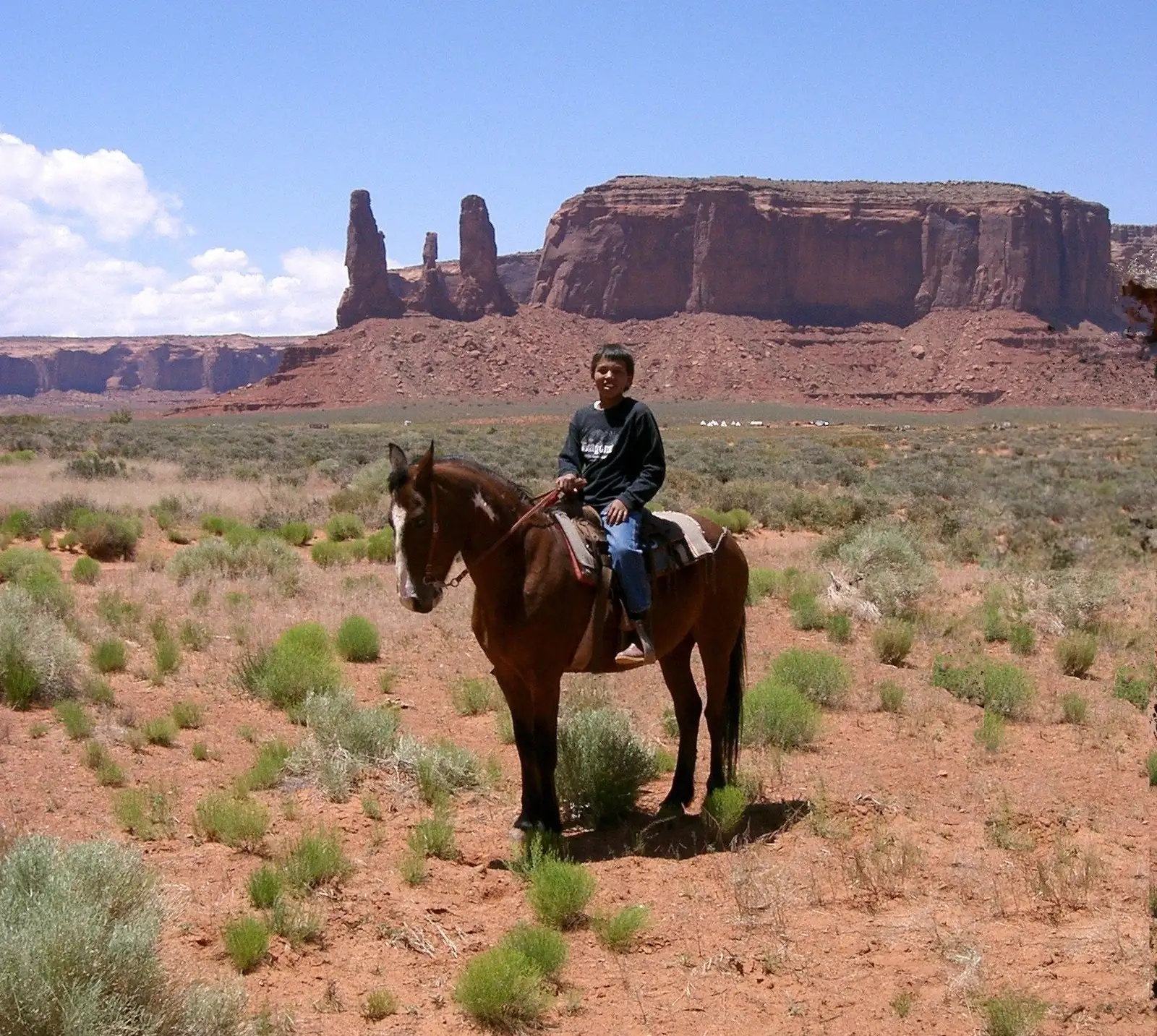
Monument Valley operates as a Navajo Tribal Park rather than a federal national park, covering nearly 92,000 acres. The Navajo Nation established the park in 1958 to safeguard both the land and its cultural heritage.
Visitors must respect local guidelines and often travel with Navajo guides who share knowledge passed through generations. This management keeps the valley under the stewardship of the people who have always lived there.
John Ford Made It the Face of the West
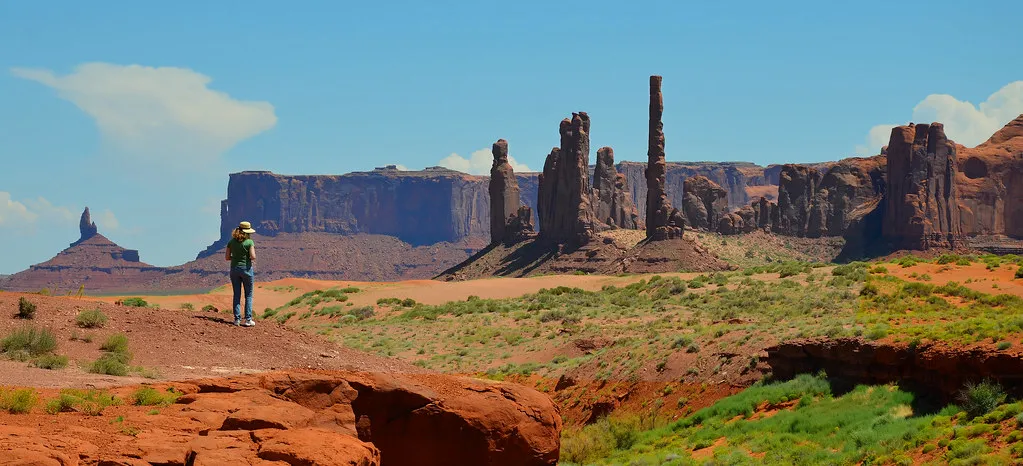
Director John Ford filmed multiple Westerns here beginning with Stagecoach in 1939, using the buttes to frame scenes of frontier life. The location helped shape how generations imagined the American West on screen.
Other classics followed, including The Searchers and Fort Apache. The valley’s stark beauty became inseparable from the genre itself.
Forrest Gump Ran Through These Red Rocks
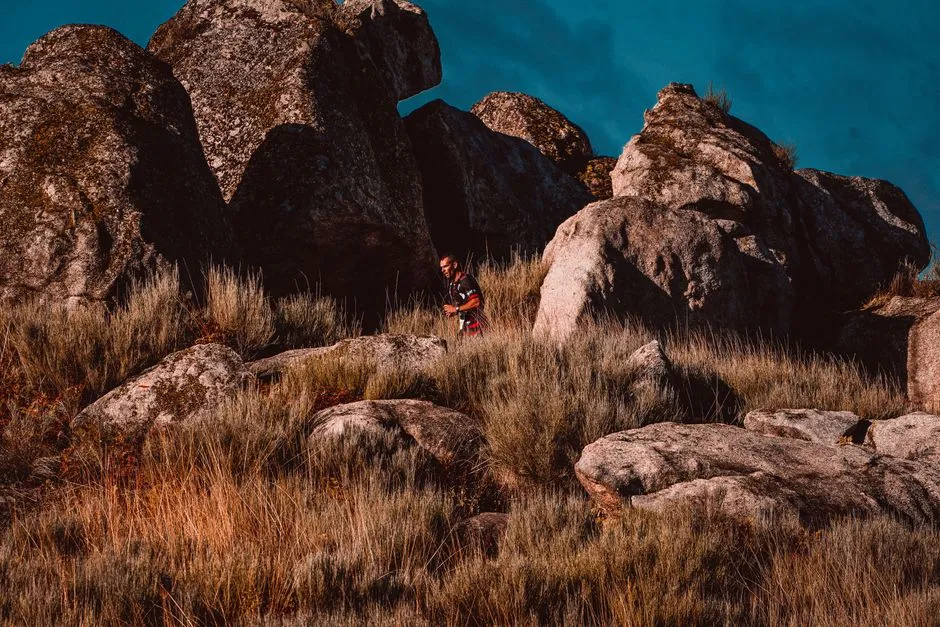
The 1994 film placed an iconic running sequence along U.S. Route 163 that cuts through the valley. Fans still stop at the same stretch to recreate the moment or simply take in the view.
The scene turned an already famous landscape into a pilgrimage site for movie lovers. It also highlighted how the valley continues to appear in modern storytelling.
Additional Films Expanded Its Reach
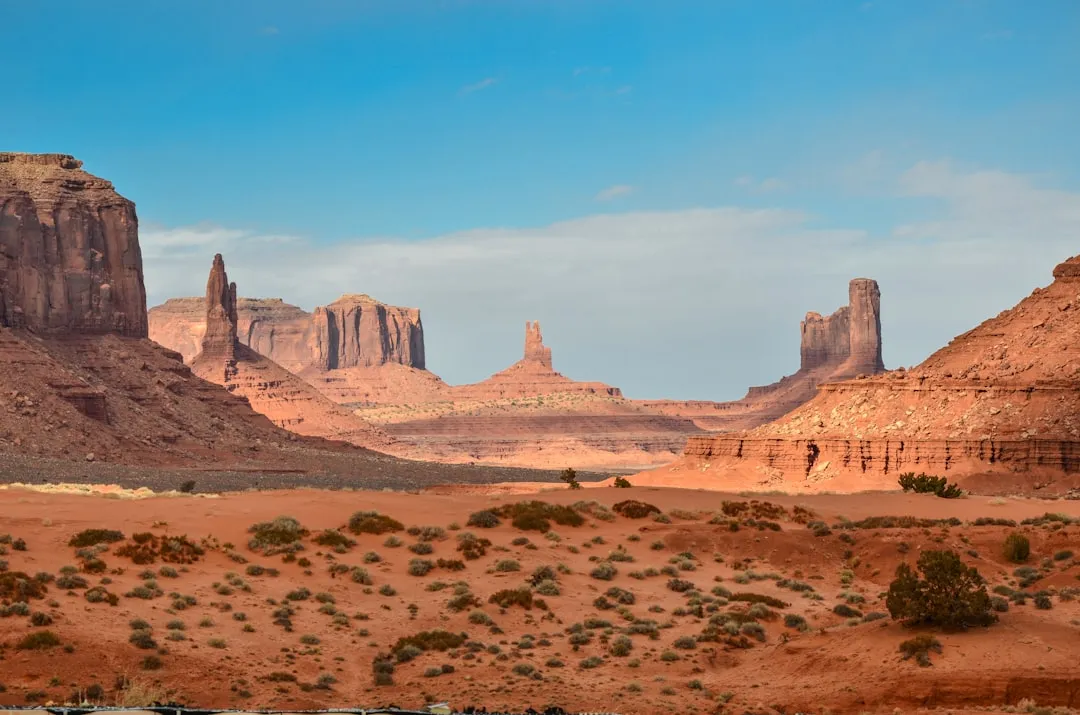
Beyond Westerns, Monument Valley appeared in Easy Rider, Back to the Future Part III, and even 2001: A Space Odyssey as an alien world. Its versatile terrain suits everything from road movies to science fiction.
Commercials, music videos, and advertisements regularly return to the same formations. The landscape has become a versatile canvas for visual media across decades.
The Colorado Plateau Setting Adds Context
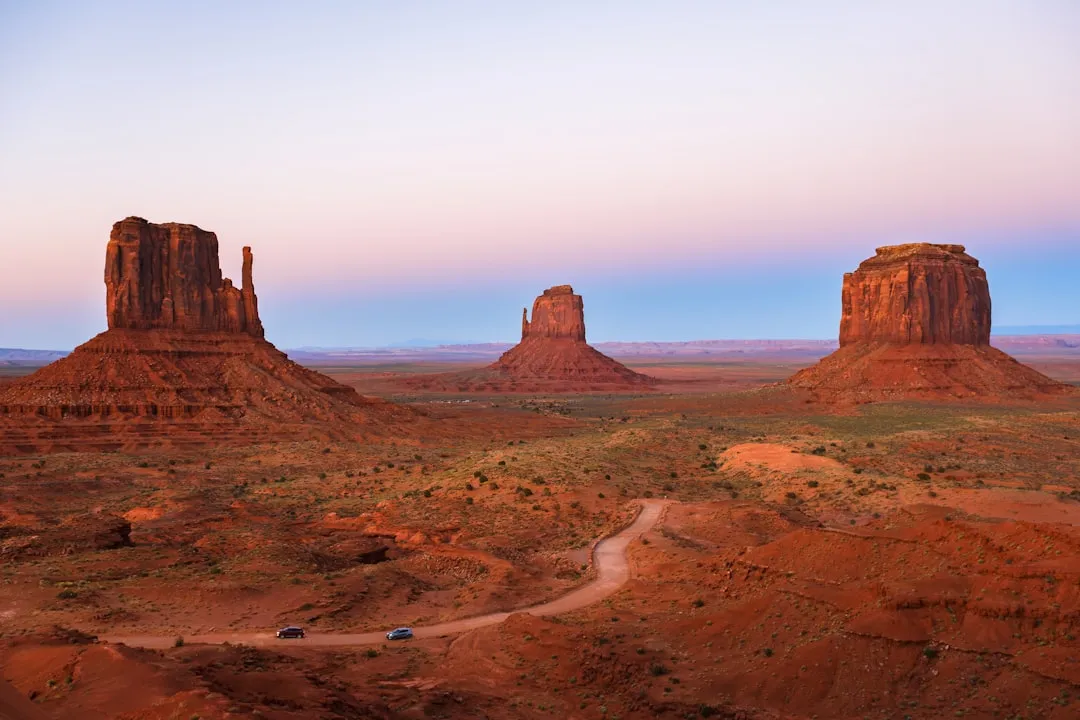
Monument Valley forms part of the larger Colorado Plateau, where similar erosion patterns created nearby parks and monuments. The valley floor sits between 5,000 and 6,000 feet above sea level, giving the formations their commanding presence.
This high desert environment produces the clear skies and dramatic light that photographers prize. The surrounding plateau underscores how the valley represents one concentrated expression of regional geology.
Why Monument Valley Continues to Matter
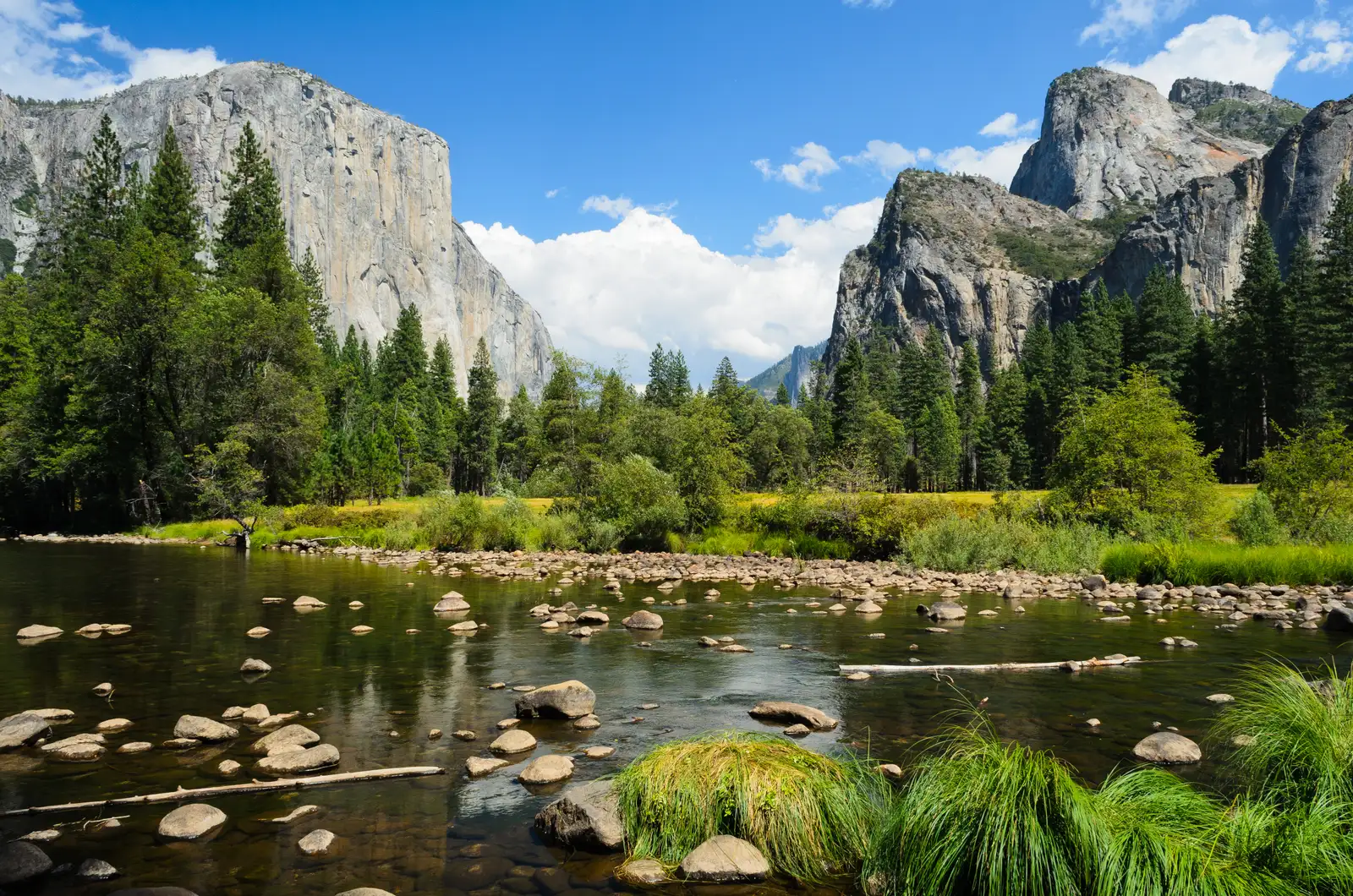
The valley offers more than striking views. It stands as a record of deep time, a living cultural landscape, and a reminder that some places shape human imagination across centuries.
Protecting its integrity requires ongoing respect for Navajo stewardship and careful visitation. In an era of rapid change, Monument Valley remains a place where the past feels close enough to touch, inviting quiet attention rather than hurried snapshots. Its enduring presence suggests that certain landscapes hold power precisely because they outlast the stories told about them.
