

Have you ever wondered what secrets these magnificent structures from thousands of years ago hold? Somewhere in the world right now, stones that witnessed the rise and fall of empires are still standing, just waiting for you to discover them.
From towering pyramids that have puzzled scientists for centuries to hidden cities nestled in mountain peaks, our planet is scattered with ancient wonders that seem almost impossible. These aren’t just dusty old ruins. They’re portals into worlds we can barely imagine, built by civilizations whose ingenuity still baffles modern engineers. Let’s dive in and explore twelve breathtaking landmarks that deserve a spot on your travel list.
1. The Pyramids of Giza, Egypt
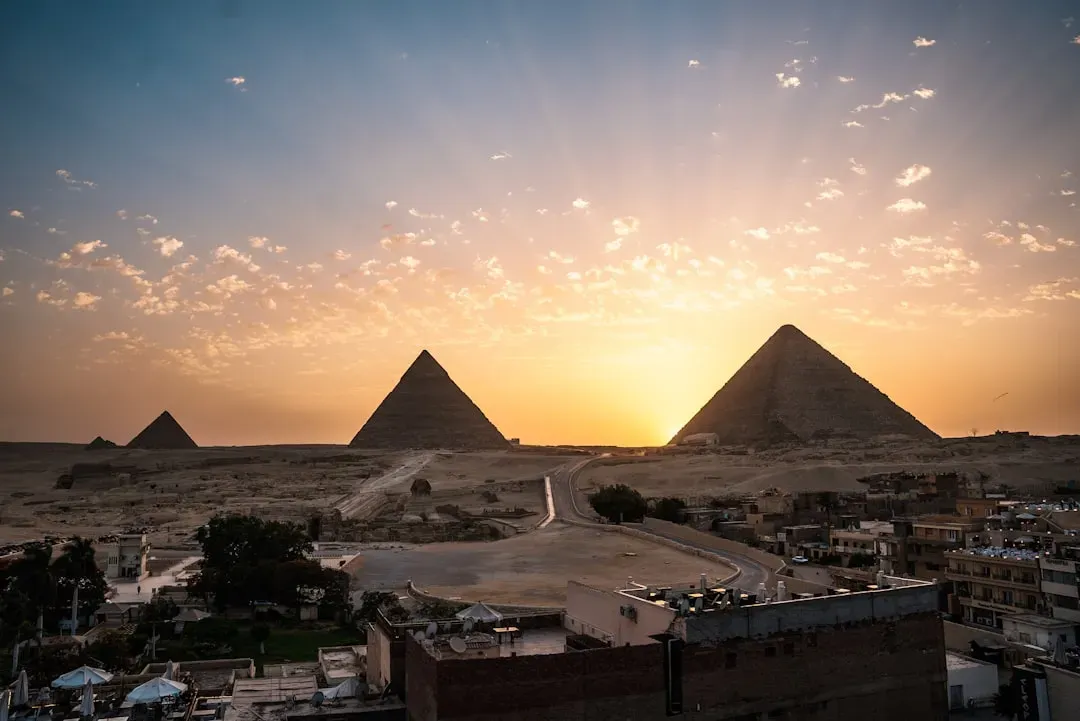
The Great Pyramid of Giza is the largest Egyptian pyramid and served as the tomb of pharaoh Khufu, who ruled during the Fourth Dynasty of the Old Kingdom. Built around 2600 BC over roughly 26 years, the pyramid is the oldest of the Seven Wonders of the Ancient World and the only wonder that has remained largely intact.
Initially standing at 146.6 metres, the Great Pyramid was the world’s tallest human-made structure for more than 3,800 years. That’s mind-blowing when you think about it. Imagine a building keeping its title for nearly four millennia. The Great Pyramid was built by quarrying an estimated 2.3 million large blocks, weighing 6 million tonnes in total. How ancient Egyptians managed to move and position these massive stones with such precision, without modern machinery, remains one of history’s greatest mysteries.
Standing before these colossal structures is something photos simply cannot capture. Over 14 million people visit the Pyramids of Giza every year. The site also includes the iconic Great Sphinx, that mysterious guardian with the body of a lion and the face of a pharaoh. Early morning visits offer the best experience, when golden sunlight bathes the ancient stones and crowds are manageable.
2. Machu Picchu, Peru
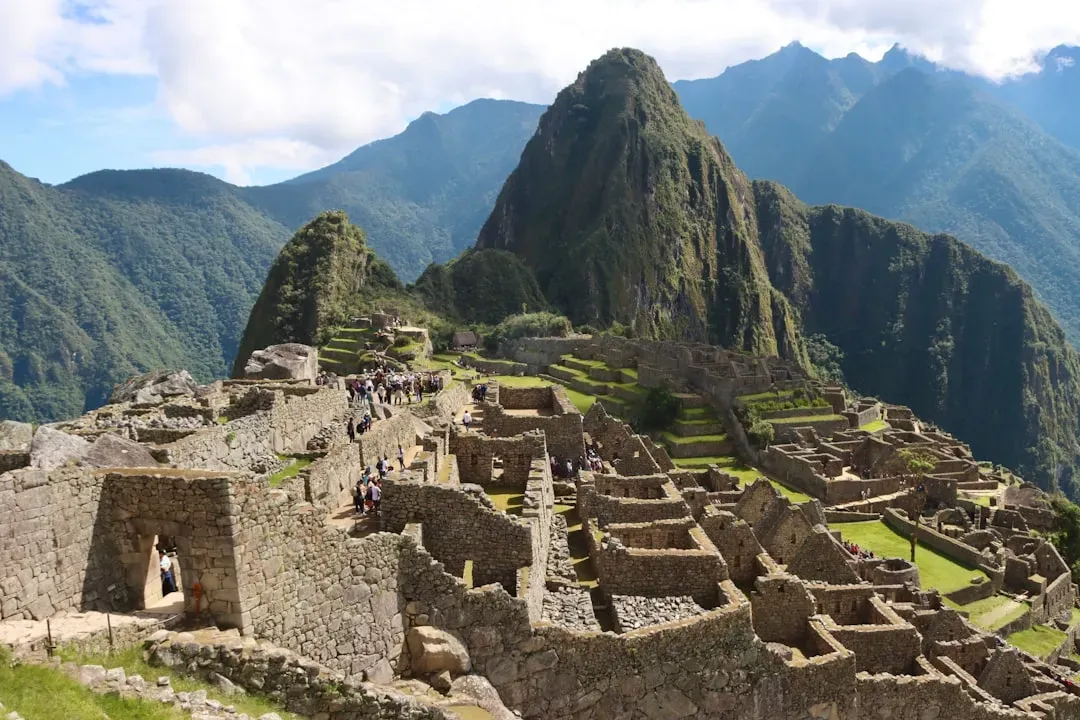
Perched high in the Andes Mountains at roughly 7,700 feet above sea level sits one of South America’s most enigmatic treasures. Machu Picchu is located about 50 miles northwest of Cuzco, Peru, in the Cordillera de Vilcabamba of the Andes Mountains, perched above the Urubamba River valley in a narrow saddle between two sharp peaks at an elevation of 7,710 feet.
Constructed around 1420 under the reign of Emperor Pachacuti, Machu Picchu is believed to have served multiple purposes, ranging from a royal estate to a religious site, with its strategic location and sophisticated design highlighting the Incas’ advanced understanding of agriculture, astronomy, and urban planning. The precision of its stone construction is staggering. The stones in the most handsome buildings throughout the Inca Empire used no mortar, cut so precisely and wedged so closely together that a credit card cannot be inserted between them. Peru is a seismically unstable country, and Machu Picchu itself was constructed atop two fault lines.
Although the site was known locally and reached in the early 20th century by Peruvian explorer Agustín Lizárraga, it was brought to international attention in 1911 by American historian Hiram Bingham III. Today, it draws over a million visitors annually who come to marvel at this architectural masterpiece shrouded in mist.
3. The Colosseum, Rome
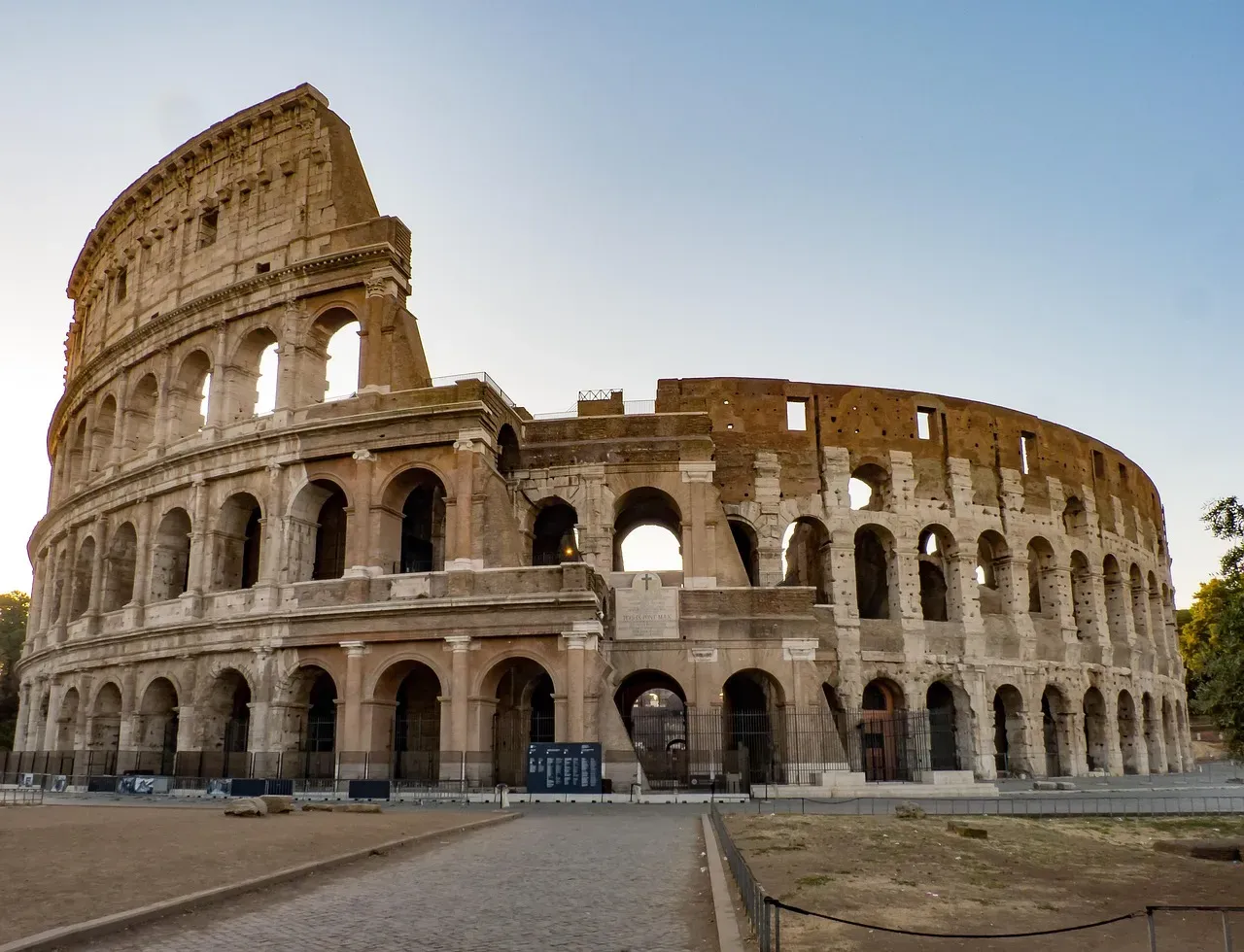
Few structures scream ancient Rome louder than the massive amphitheater that dominates the Roman skyline. The Colosseum is an elliptical amphitheatre in the centre of the city of Rome, Italy, just east of the Roman Forum. It is the largest ancient amphitheatre ever built, and is the largest standing amphitheatre in the world. Construction began under the Emperor Vespasian in 72 and was completed in AD 80 under his successor and heir, Titus.
Let’s be real, the history here is brutal but fascinating. The Colosseum was famously used for gladiatorial combat. Measuring some 620 by 513 feet, the Colosseum was the largest amphitheater in the Roman world. Picture this: over 50,000 spectators packed into tiered seats, watching gladiators battle for their lives, exotic animals hunted to extinction, and even mock naval battles staged in a flooded arena.
After nearly a decade of construction, Titus officially dedicated the Colosseum in A.D. 80 with a festival including 100 days of games. Earthquakes and stone robbers have taken their toll over the centuries, yet this iconic monument still stands as a testament to Roman engineering genius. Although substantially ruined by earthquakes and stone robbers taking spolia, the Colosseum is still a renowned symbol of Imperial Rome and was listed as one of the New 7 Wonders of the World.
4. Angkor Wat, Cambodia
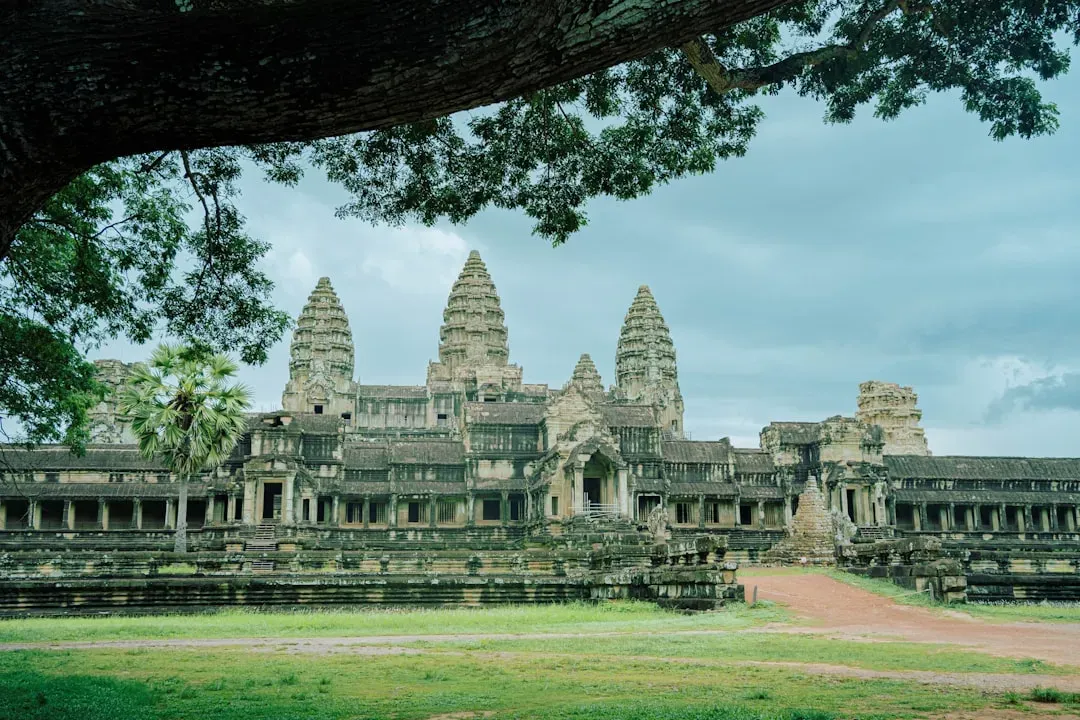
Hidden within Cambodia’s lush jungles lies a temple complex so vast and intricate it defies belief. Angkor Wat is a Hindu-Buddhist complex in Cambodia originally constructed in 1150 CE as a Hindu temple dedicated to the deity Vishnu. Hailed as the largest religious structure in the world, it is one of the best examples of Khmer architecture and a symbol of Cambodia.
Angkor Wat is a temple complex at Angkor, near Siem Reap, Cambodia, that was built in the 12th century by King Suryavarman II. It is the world’s largest religious structure, covering some 400 acres. Every surface seems to tell a story. Angkor Wat shows off an amazing civilization’s achievements. The temple walls tell stories through countless sculptures and bas-reliefs of important events and daily life.
The five central towers rise majestically, representing Mount Meru from Hindu and Buddhist mythology, the sacred home of the gods. Sunrise at Angkor Wat is legendary among travelers, when soft morning light illuminates the temple’s reflection in the surrounding moat. Though much of the complex faced overgrowth from the jungle for centuries, restoration efforts have revealed the true grandeur of the Khmer Empire’s architectural brilliance.
5. Petra, Jordan
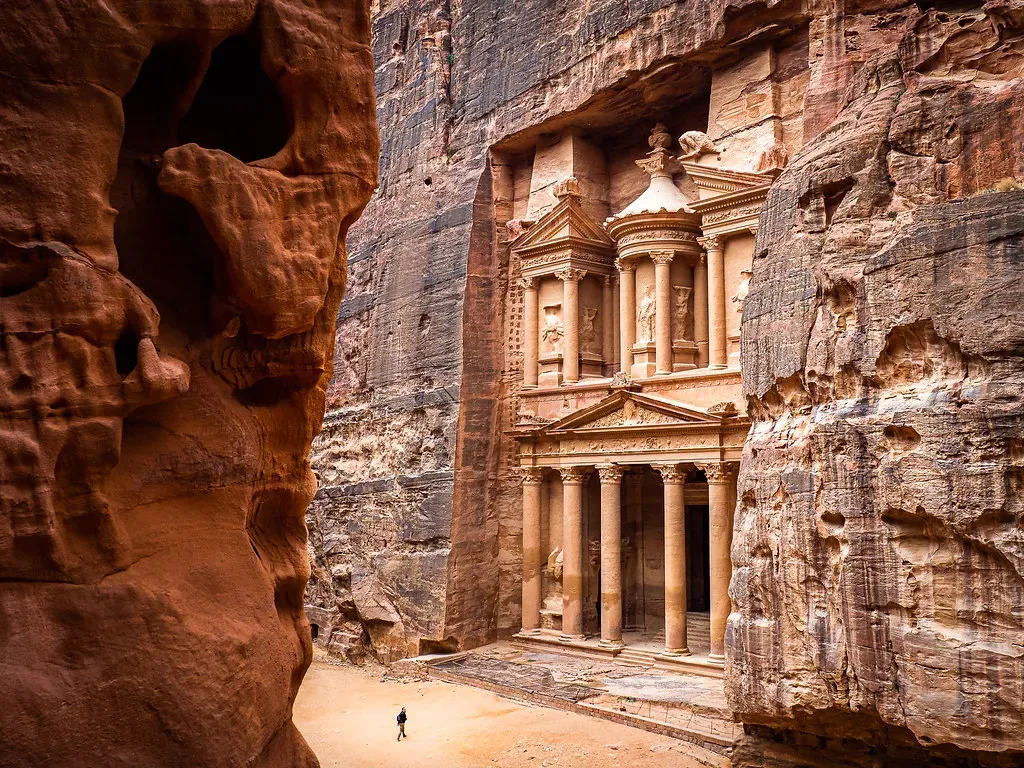
Imagine approaching a narrow canyon, walls towering above you on both sides, sunlight barely penetrating the gap. Then suddenly, you emerge to face an enormous facade carved directly into rose-colored rock. Petra is known as the Rose City due to its red sandstone cliffs and features elaborate tombs and temples carved into the rock. It was once the capital of the Nabataean Kingdom and is a UNESCO World Heritage Site.
This ancient city was a thriving trade hub over two millennia ago. The Nabataeans who built it were master engineers, creating an elaborate water management system in the desert. Walking through the Siq, the narrow gorge leading to Petra’s most famous structure, the Treasury, feels like stepping into another dimension. The craftsmanship is exquisite.
To fully experience Petra’s grandeur, plan to spend at least two days exploring the site, beginning your journey by walking through the Siq, a narrow gorge leading to The Treasury, and continuing to landmarks such as the Monastery and the High Place of Sacrifice. Few places on Earth offer such a powerful connection to the ingenuity of ancient civilizations.
6. The Acropolis, Athens
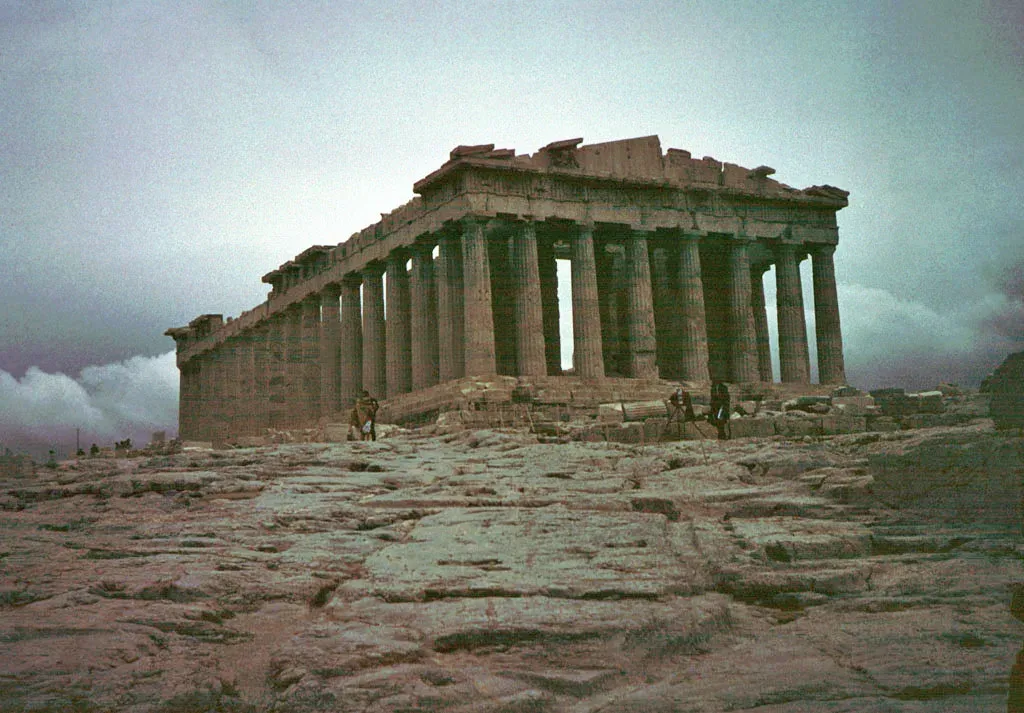
The Acropolis, a symbol of Classical Greece, sits 150 meters above Athens on a rocky outcrop. This magnificent citadel welcomes about 1 million visitors each year. It’s hard not to feel overwhelmed standing on this ancient hill where democracy itself was born.
Its architectural masterpieces include the Parthenon, Propylaea, Erechtheion and Temple of Athena Nike. The Parthenon, dedicated to the goddess Athena, dominates the site with its elegant columns and timeless proportions. Despite wars, explosions, and pollution damage over millennia, the Acropolis remains a powerful symbol of Western civilization’s roots.
Visiting during late afternoon offers spectacular views across Athens as the sun sets, painting the marble structures in warm hues. The nearby Acropolis Museum showcases incredible artifacts and sculptures that once adorned these temples, bringing ancient Greek culture vividly to life.
7. Stonehenge, England
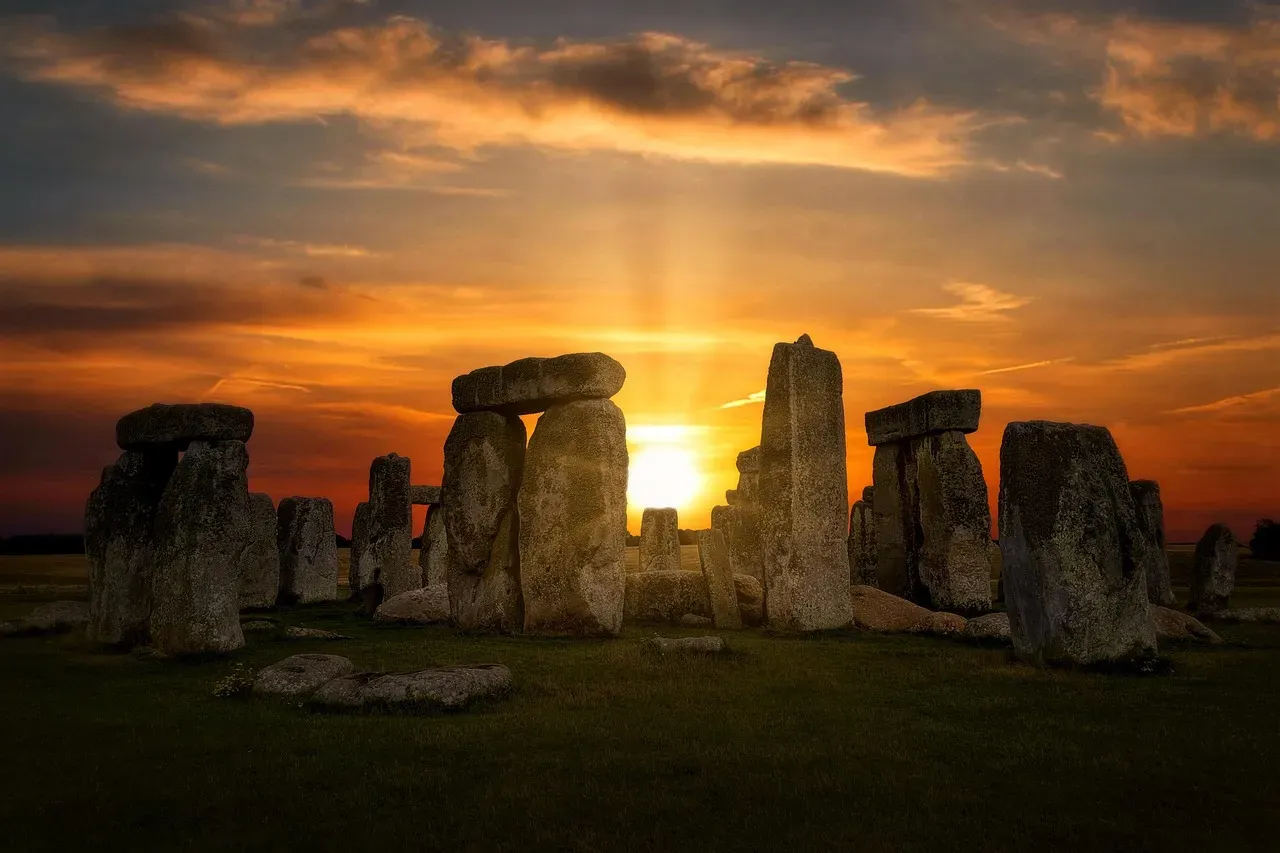
Stonehenge is a prehistoric monument of massive standing stones arranged in a circular pattern. Its purpose remains a mystery, attracting archaeologists and visitors alike. There’s something deeply mysterious about this ancient stone circle rising from the Salisbury Plain.
These massive stones, some weighing over 25 tons, were transported from quarries miles away, then precisely positioned. How did prehistoric people accomplish this feat roughly 5,000 years ago? Was it an astronomical observatory, a healing temple, or a burial ground? Honestly, we still don’t know for certain.
Standing among these monoliths, you can’t help but wonder about the people who dedicated generations to building this enigmatic structure. Its ancient origins and enigmatic atmosphere make it a uniquely intriguing historical landmark. The site continues to fascinate researchers and inspire countless theories about its true purpose.
8. The Great Wall of China
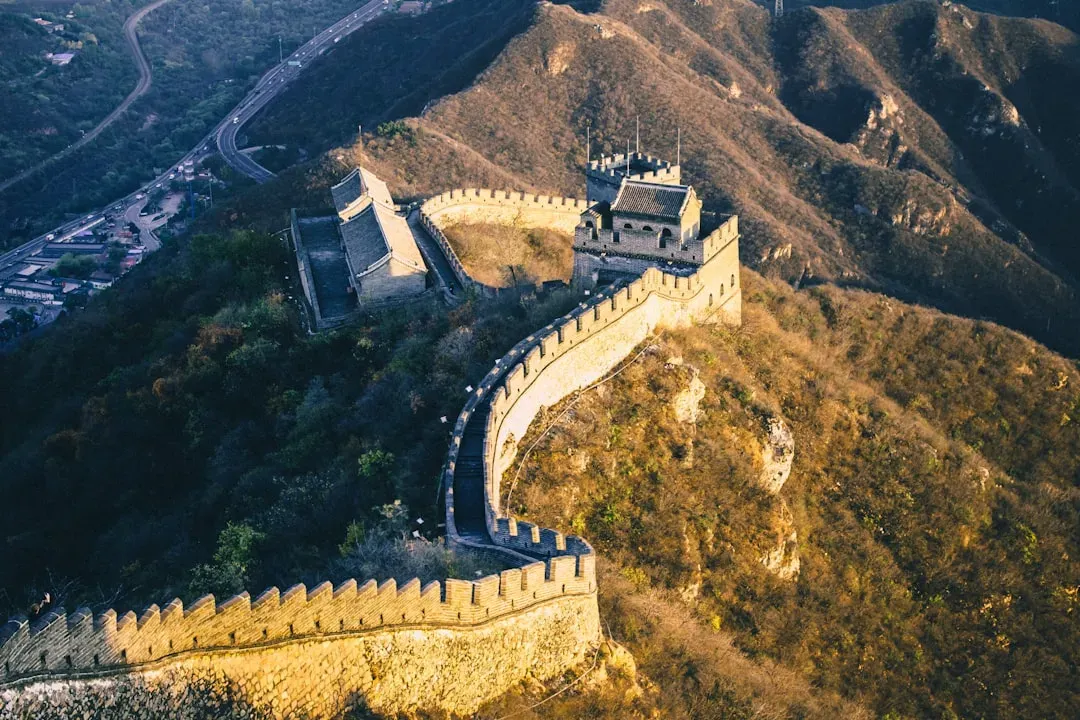
Stretching just over 21,000km and over 2,300 years old, the Great Wall of China is one of the greatest historic sites in the world. The wall was built as a way to defend North China from nomads and later to also protect the Silk Road. Now it is one of the 7 Wonders of the World.
This isn’t just a wall. It’s an immense series of fortifications snaking across mountains, deserts, and grasslands. Construction spanned multiple dynasties, involving millions of workers over centuries. The sheer scale is incomprehensible until you’re actually standing on it, gazing at how it undulates endlessly along mountain ridges.
Popular sections near Beijing offer restored walkways and stunning views, though they can get crowded. More adventurous travelers seek out wild, unrestored sections where the wall crumbles naturally, offering a haunting glimpse into its ancient past. Either way, walking the Great Wall connects you to one of humanity’s most ambitious construction projects ever undertaken.
9. The Taj Mahal, India
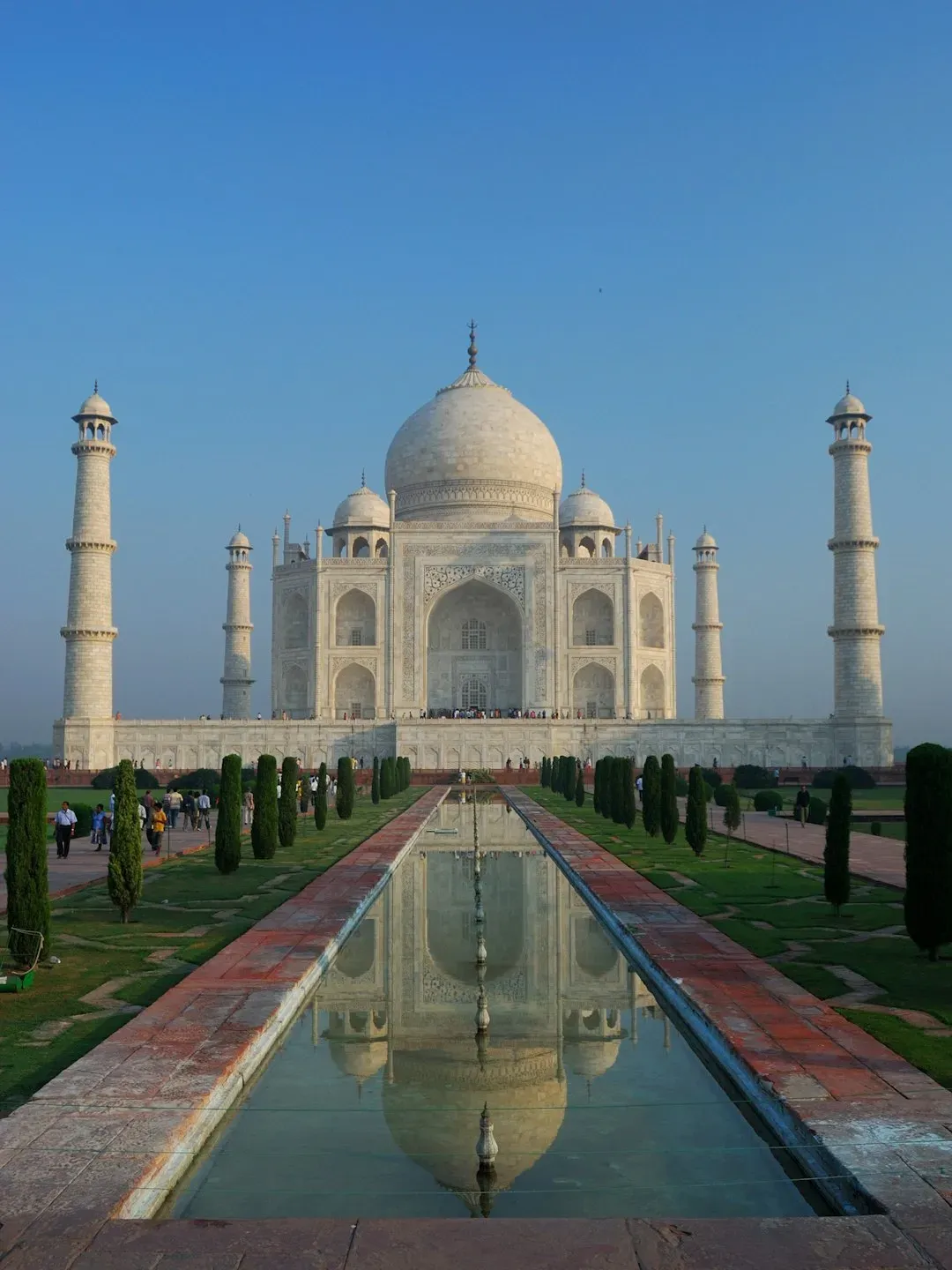
Mughal emperor Shah Jahan commissioned the Taj Mahal in Agra in 1631 to honor his late wife Mumtaz, and artisans from all over the empire, Central Asia, and Iran were summoned. The final result of their stonework, calligraphy, carvings, and gardening can be seen at this white marble mausoleum.
This monument to eternal love took over 20 years to complete and remains one of the most recognizable buildings on the planet. The white marble facade changes color throughout the day, appearing pink at sunrise, dazzling white at midday, and golden at sunset. The intricate inlay work, featuring precious and semi-precious stones, is breathtaking.
The Taj Mahal is a stunning white marble mausoleum built by Emperor Shah Jahan as a symbol of love. Known for its perfect symmetry and beautiful gardens, it is a UNESCO World Heritage Site and one of the New Seven Wonders of the World. Visiting at sunrise offers the most magical experience, when morning mist rises from the Yamuna River and the monument glows softly in the early light.
10. Chichén Itzá, Mexico
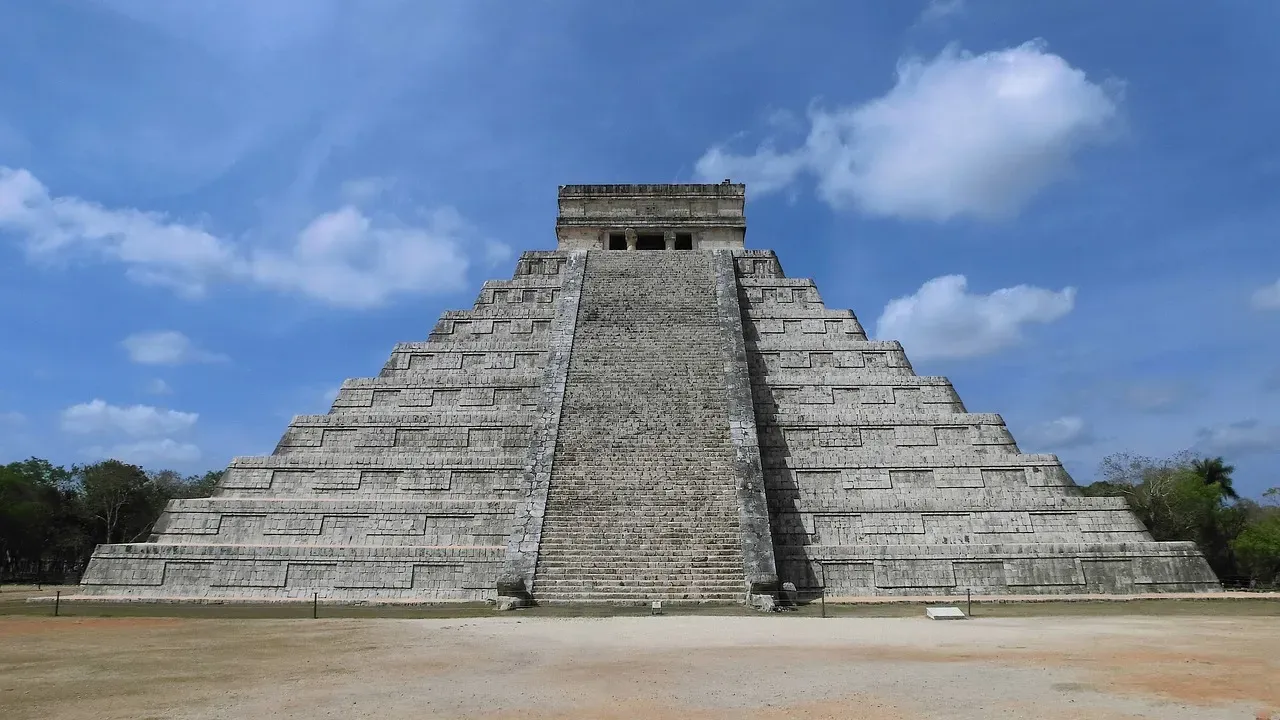
Chichén Itzá is one of the Wonders of the World and home to the most famous ancient pyramid in Mexico. The ancient Mayan city dates back to 700 to 900 C.E. and showcases ancient ball courts, temples, and palaces throughout.
The centerpiece, El Castillo (the Kukulkan pyramid), is an architectural marvel. The Castillo de Kukulcán pyramid was designed so that, on the spring and fall equinoxes, the play of sunlight and shadow would create the illusion of a snake descending to earth. Witnessing this phenomenon is incredible, as shadows form a serpent that appears to slither down the pyramid’s steps.
The site includes a massive ball court, sacred cenote (natural sinkhole), and numerous intricately carved structures. Each building reveals the Maya’s sophisticated understanding of astronomy, mathematics, and architecture. Arrive early to beat the heat and crowds, and consider hiring a knowledgeable guide to unlock the stories carved into every stone.
11. The Alhambra, Spain
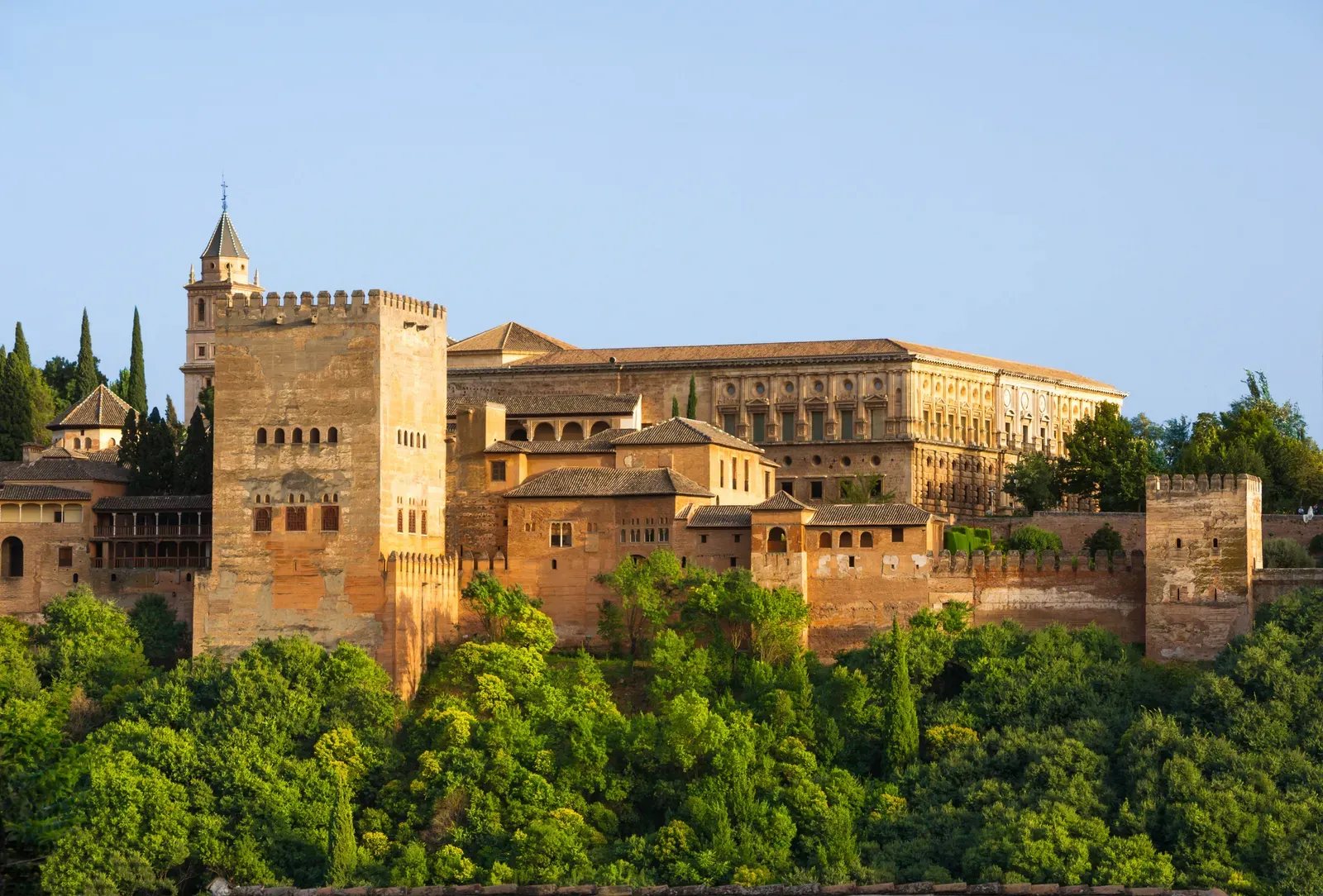
Located in the historic city of Granada in Spain’s Andalusia region is Alhambra, meaning “the red fortress,” a spectacular palace and fortress complex dating back to the mid-13th century, built during the Nasrid Dynasty showcasing intricate Islamic architecture and design with the Sierra Nevada mountains providing a stunning backdrop.
This architectural masterpiece represents the pinnacle of Moorish art and culture in Europe. Walking through the Alhambra feels like entering an Arabian Nights fantasy. Delicate stucco work covers the walls, geometric tile patterns dazzle the eye, and fountains trickle peacefully in lush courtyards.
Visitors here can explore the Nasrid Palaces, Generalife gardens, and the Alcazaba fortress, admiring the delicate stucco work, vibrant tiles, and captivating courtyards seen throughout the site. The interplay of light, water, and architecture creates spaces of serene beauty. Because visitor numbers are limited, booking tickets well in advance is essential. Granada’s hillside setting adds to the magic, especially at sunset when the palace glows against mountain silhouettes.
12. Tikal, Guatemala
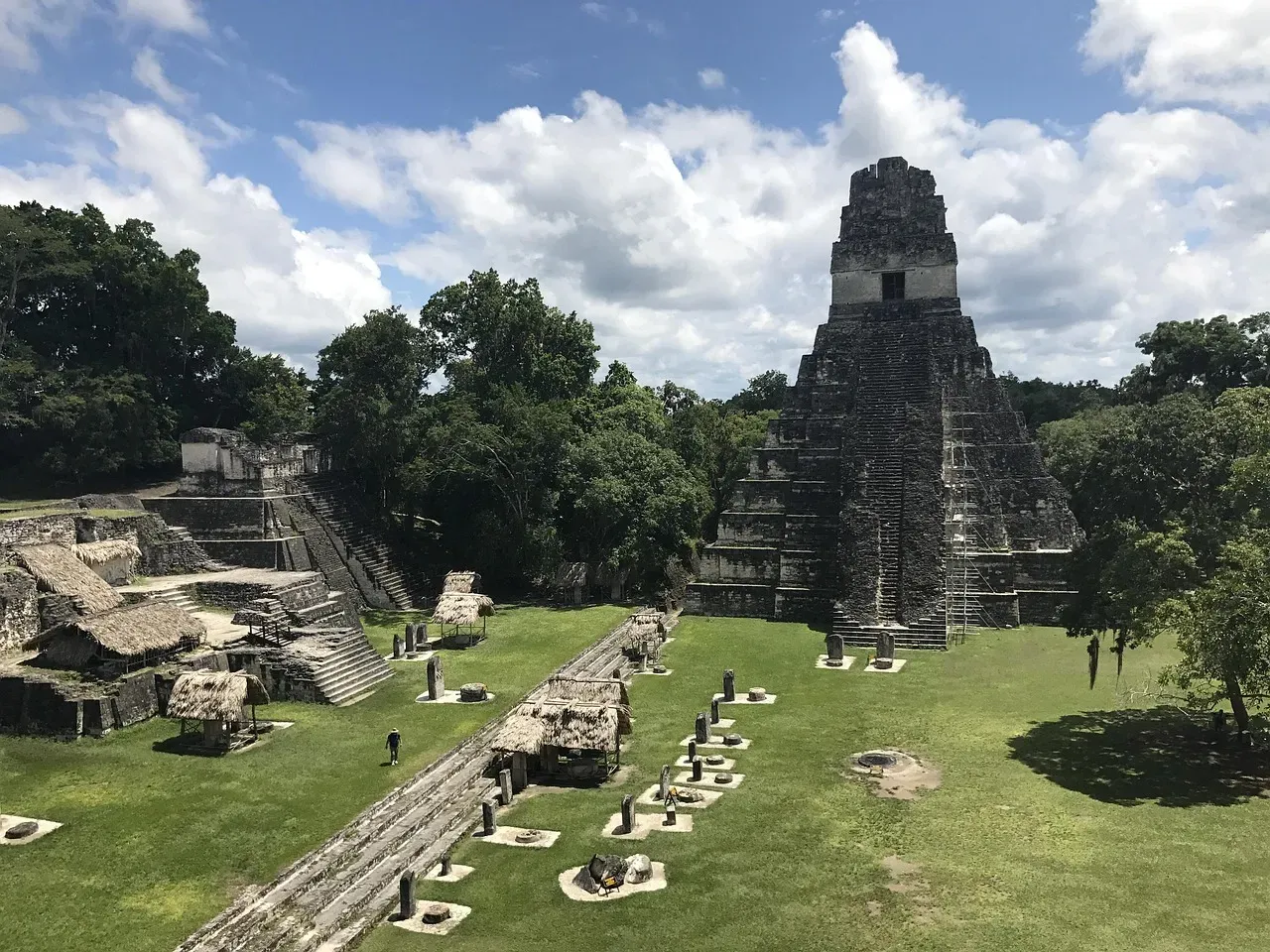
Deep in Guatemala’s rainforest, ancient Mayan pyramids rise above the jungle canopy. Visiting Tikal today provides a unique opportunity to delve into Maya history amidst a vibrant ecosystem. The surrounding Tikal National Park, a UNESCO World Heritage Site, encompasses 57,600 hectares of lush jungle, home to diverse wildlife such as howler monkeys, toucans, and coatis. Exploring the site at dawn allows visitors to experience the awe-inspiring sight of temple tops emerging through the mist, accompanied by the symphony of the awakening rainforest.
The temples here are staggering in scale. Climbing the steep steps to the top of Temple IV, you’re rewarded with panoramic views of the jungle stretching endlessly in every direction, with other pyramid tops punctuating the green sea. It’s easy to imagine the ancient city bustling with life.
Tikal was one of the most powerful Mayan city-states, thriving for over a thousand years. The massive plazas, intricate carvings, and towering structures reveal a civilization of remarkable sophistication. Wildlife encounters add another dimension to the experience, as howler monkeys roar in the distance and colorful birds flit through the canopy overhead.
Conclusion
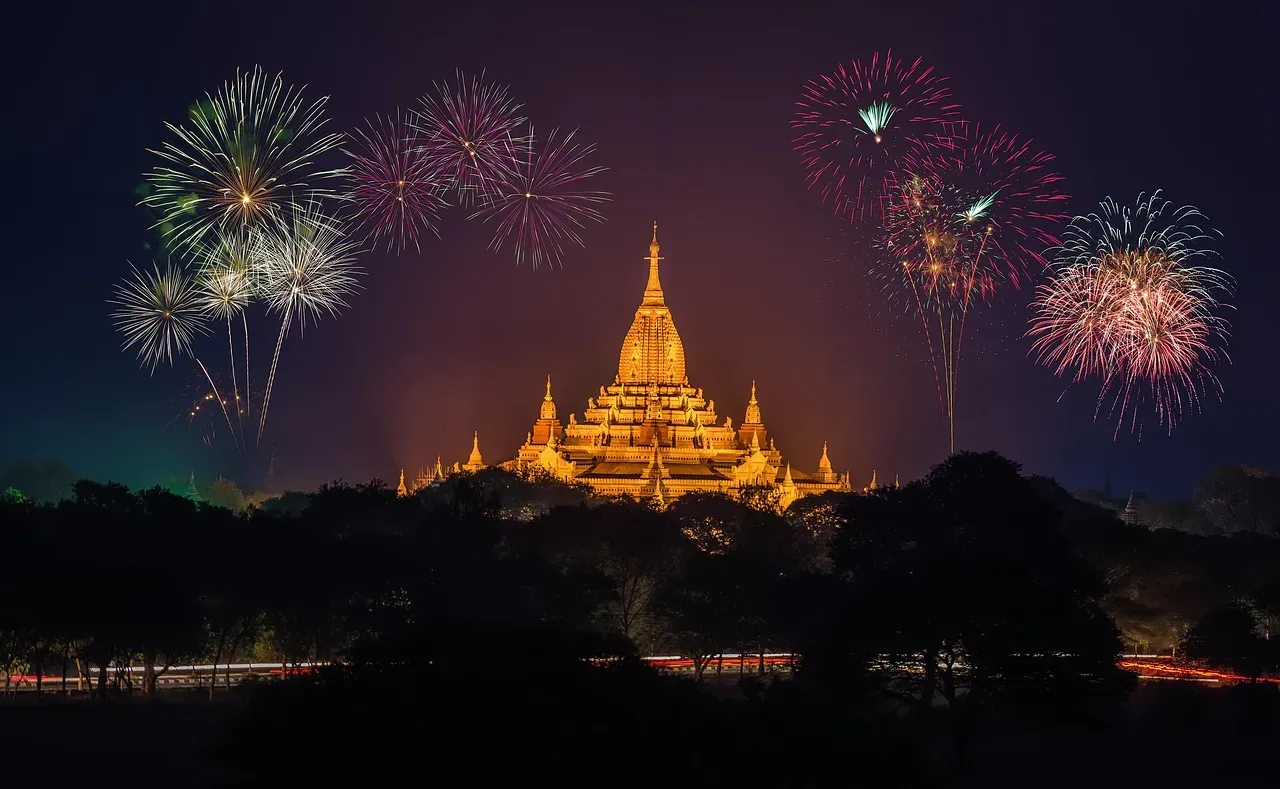
These twelve ancient landmarks represent humanity’s most extraordinary achievements across different continents, cultures, and millennia. Each offers something unique, whether it’s architectural brilliance, historical significance, or simply the awe of standing where countless generations stood before you.
Visiting these sites isn’t just about ticking boxes on a travel list. It’s about connecting with our shared human story, understanding how ancient peoples shaped the world, and marveling at accomplishments that still baffle modern minds. These monuments have survived wars, natural disasters, and the relentless march of time, yet they continue to inspire wonder.
Which of these ancient wonders will you visit first? What stories will you discover in their weathered stones?

- 12 World’s Most Famous Ancient Landmarks Everyone Should Visit - July 17, 2026
- 12 Most Mysterious Archaeological Artifacts Discovered - July 17, 2026
- The Hidden Reason Why Some Dogs Never Seem to Age - July 17, 2026