

When you think of venomous creatures lurking in the American wilderness, your mind probably drifts to rattlesnakes or black widow spiders. Most people overlook something far stranger and more ancient. Tucked away in the scorching deserts of the Southwest lives a reptile that defies expectations at every turn. It’s been mythologized, misunderstood, and surprisingly, has saved countless human lives. What makes this creature so special isn’t just its venom. It’s the secrets hidden within that venom, the way it moves through its harsh world, and the sheer resilience it embodies. Let’s dive in.
It’s America’s Only Native Venomous Lizard
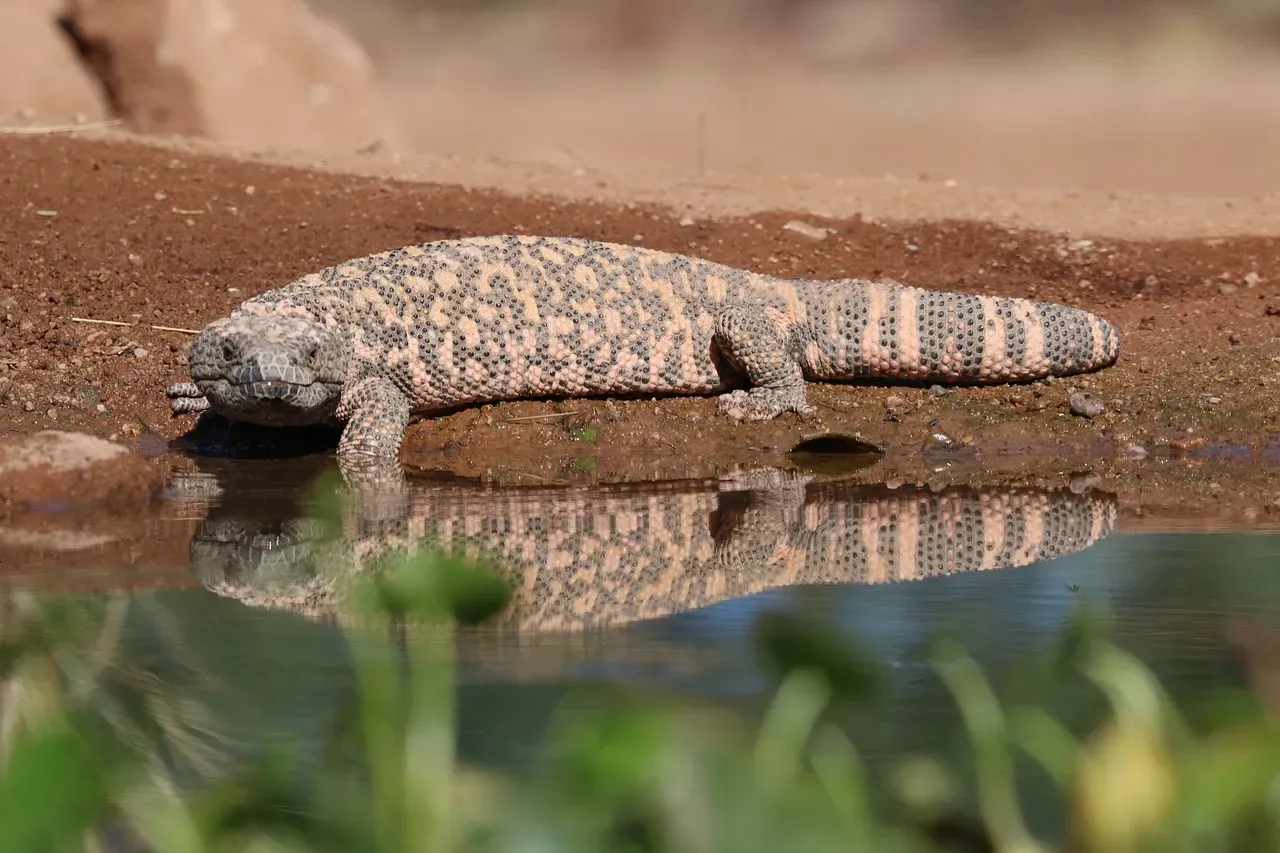
The Gila monster is the only venomous lizard native to the United States, a distinction that sets it apart in the American reptile world. Among venomous lizards globally, only a small number exist, including the Mexican beaded lizard, the Komodo dragon and some Australian species. What’s remarkable is how this lizard has carved out its niche in the harsh desert ecosystems of Arizona, California, Nevada, New Mexico, and Utah.
The species, scientifically known as Heloderma suspectum, is native to the Southwestern United States and the northwestern Mexican state of Sonora. Despite its fearsome reputation, it’s actually quite sluggish and slow to anger. The Gila monster is sluggish in nature, so it is not generally dangerous and very rarely poses a real threat to humans, though it has a fearsome reputation and is sometimes killed despite the species being protected by state law in Arizona.
Their Venom Delivery System Is Completely Unique
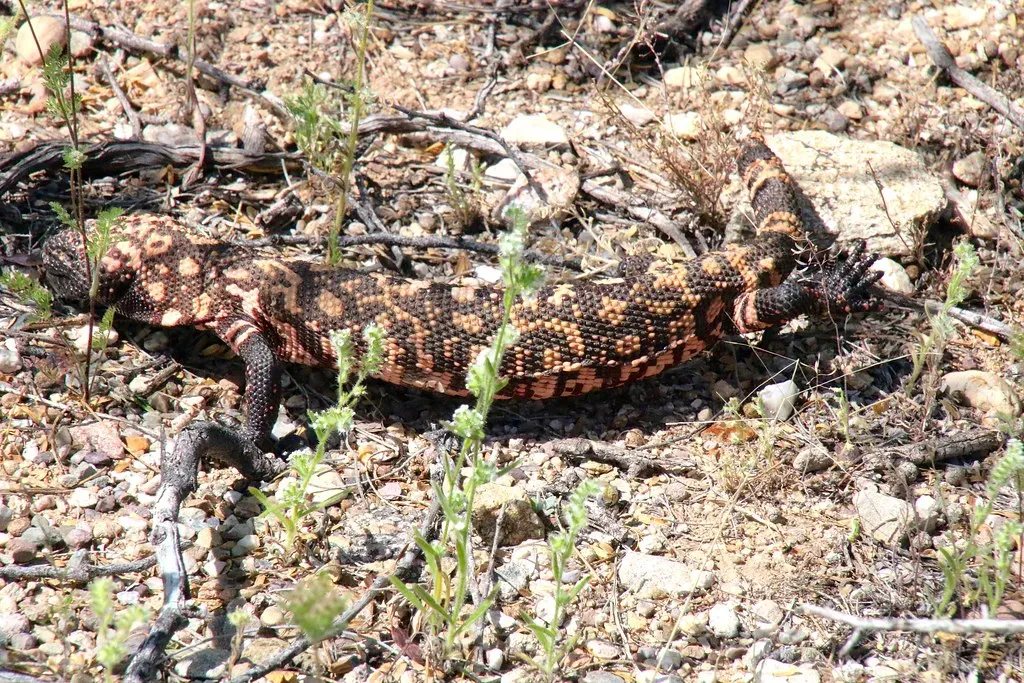
Forget everything you know about how venomous animals work. Rather than injecting venom through hollow fangs like venomous snakes, Gilas have enlarged, grooved teeth in their lower jaw, and when they bite, their powerful jaws chew the venom in through capillary action along the grooves in these teeth. It’s a grinding, determined process that requires the lizard to hold on tight.
This chewing action is what makes their bite so distinctive and difficult to escape. Gila monsters may hold onto a predator for more than ten minutes. The longer they clamp down, the more venom seeps into the wound. Interestingly, Gila monsters appear to use their venom almost exclusively for defensive purposes, since most of their prey can’t fight back anyway.
They’re Underground Hermits for Most of Their Lives
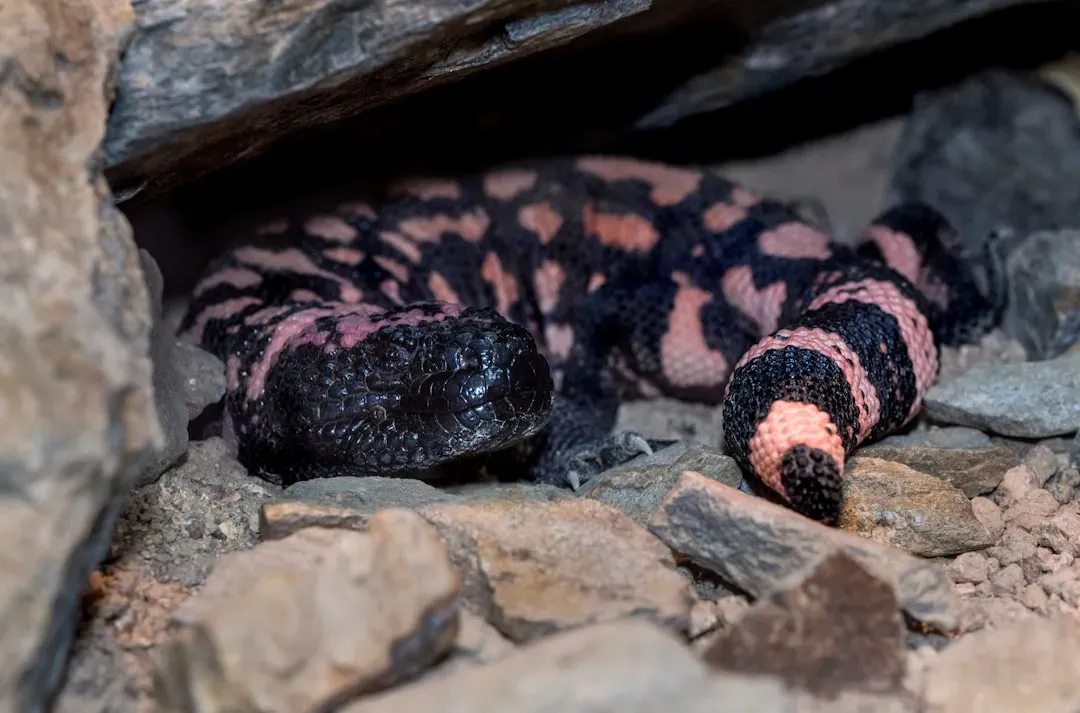
If you’ve never spotted one in the wild, there’s a good reason for that. They spend about 95 percent of their time underground and emerge only to hunt for food or to take a sunbath. This secretive lifestyle makes them incredibly difficult for scientists to study and even harder for casual hikers to encounter.
Most of their aboveground activity occurs in three months in the spring. The rest of the year, they remain buried beneath the surface in burrows, staying cool during the brutal summer heat and warm during the winter chill. Their underground existence is a survival strategy perfectly adapted to desert extremes.
Their Name Comes From Ancient Greek and an Arizona River
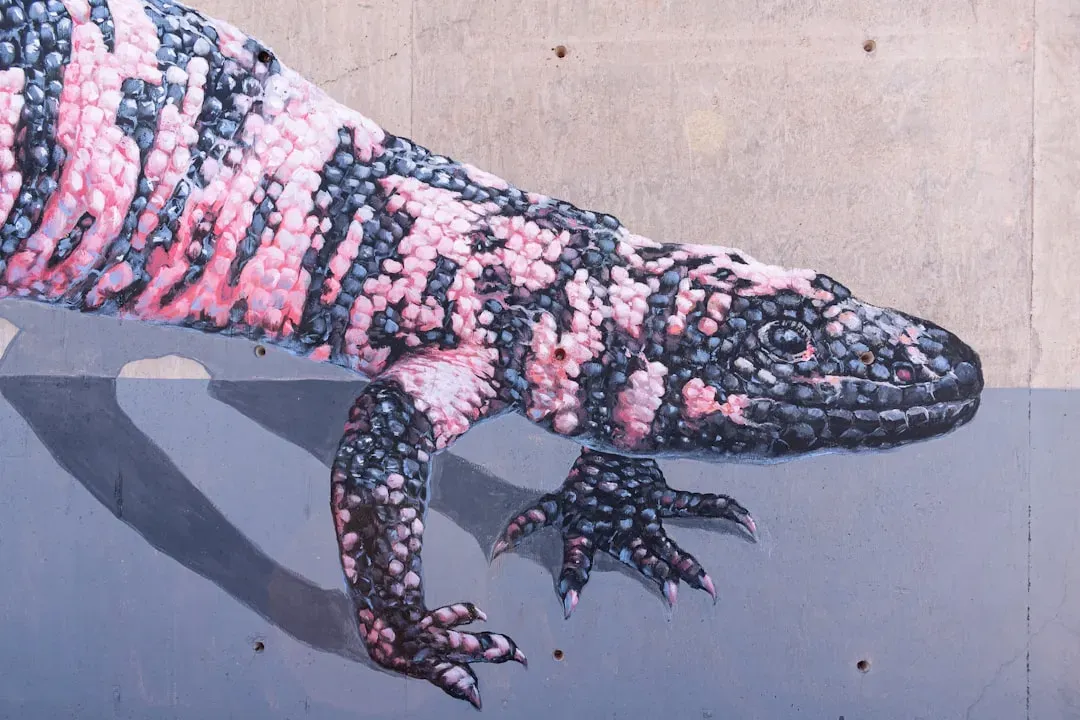
The name “Gila” refers to the Gila River Basin in the U.S. states of Arizona and New Mexico, where the Gila monster was once plentiful. It’s a name rooted in geography, marking the territories where these creatures thrived before human development encroached on their habitat. The scientific name tells another story entirely.
Heloderma means “studded skin”, from the Ancient Greek words helos, “the head of a nail or stud”, and derma, “skin”. Their skin really does look like beaded armor, with bumpy scales covering most of their bodies. This textured exterior isn’t just for show – it provides protection from predators and helps them blend into rocky desert terrain.
They Can Go Months Without Eating a Single Meal
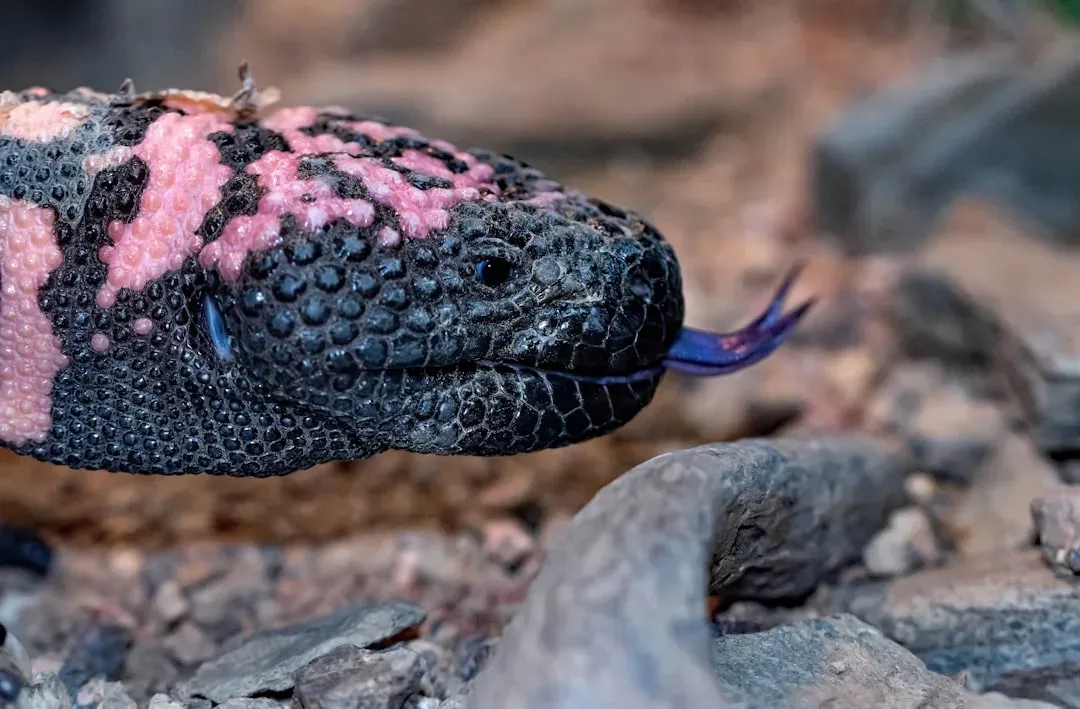
Here’s where things get wild. Gila monsters can survive on as little as three meals each year. Think about that for a moment. Most animals, humans included, need to eat daily or at least weekly to maintain their energy. Not the Gila monster.
They can eat up to one-third of their body weight in one meal, storing the calories as fat in their tails and bodies. It has been suggested that Gilas can consume all the calories they need for a year in three or four large meals. Their slow metabolism and infrequent feeding schedule mean they don’t need to venture out often, reducing their exposure to predators and harsh conditions.
Their Venom Inspired Life-Saving Diabetes Drugs
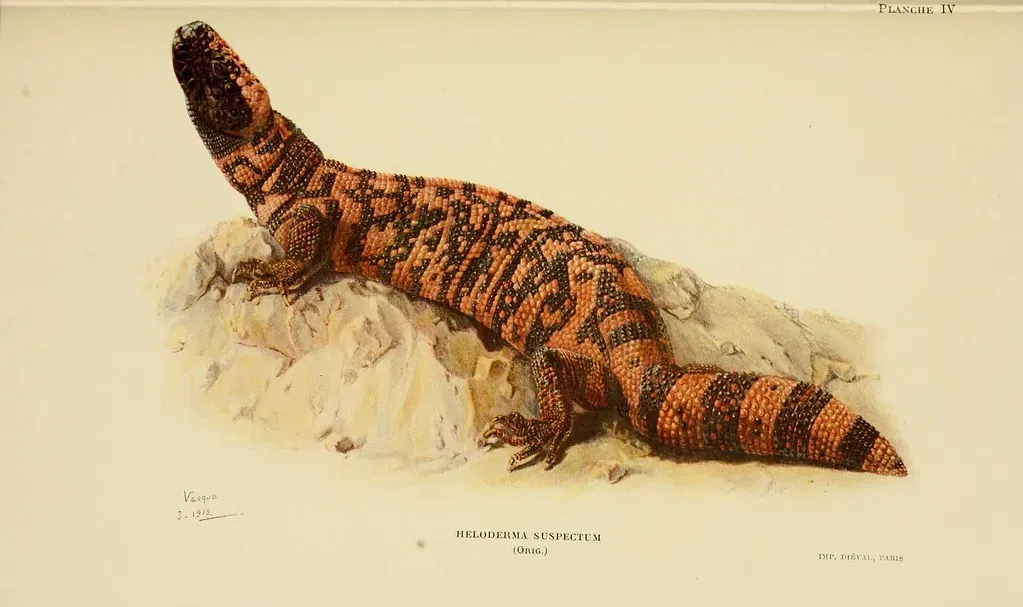
In the mid 1990s, researchers found that a hormone in the venom of the Gila monster stimulates the body’s insulin production. The hormone, called exendin-4, functions similarly to a human hormone called GLP-1 that regulates blood sugar. The difference? Exendin-4 degrades in the body much slower than GLP-1.
A synthetic version of exendin-4, called exenatide, was approved for medical use by the FDA in 2005 and is sold commercially as Byetta or Bydureon, taken as a shot by people with Type 2 diabetes. More recently, scientists have used its chemical composition to inspire novel medicines for diabetes and obesity, including semaglutide marketed under the brand names Ozempic, Wegovy, and Rybelsus. A monster’s venom turned into medicine – how’s that for irony?
They Have Beaded Armor Embedded in Their Skin
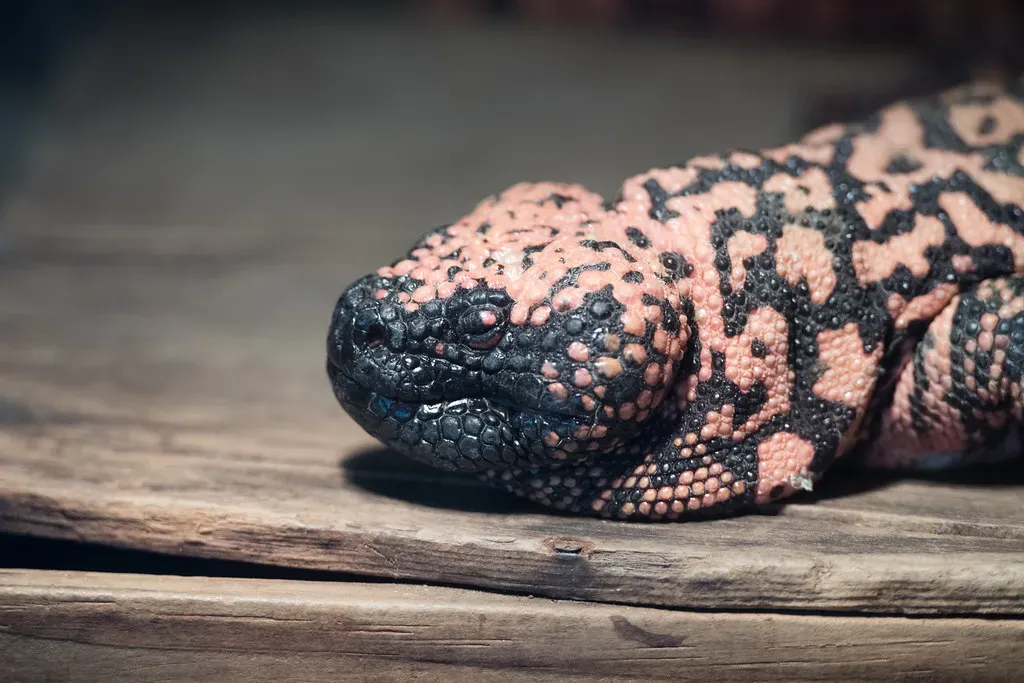
Gila monsters appear pebbly in appearance due to a living coat of armor, with osteoderms, or tiny chips of bone embedded within the skin, giving the lizards a degree of protection against predators, such as coyotes and hawks. These bony deposits create a sort of natural chainmail, making them tougher to bite or claw through.
Their striking coloration also serves a purpose. Gila monsters are black, patterned along their backs with contrasting pink or orange, and in the southern subspecies, the reticulated Gila monster, the light markings are broken up to form a reticulated pattern. These bright warning colors signal to predators that this isn’t an easy meal – it’s a fight they’ll regret starting.
They’re Surprisingly Slow but Excellent Climbers
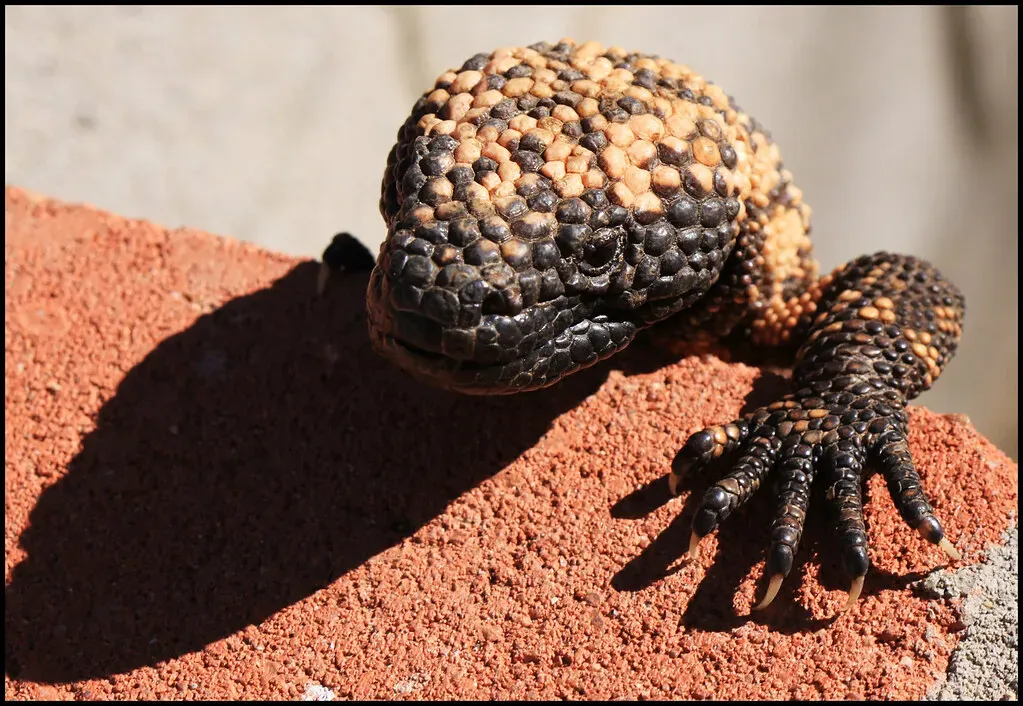
Don’t let the name fool you – these “monsters” aren’t exactly fast. Their top speed is only 1.5 miles per hour. You could leisurely walk past one without breaking a sweat. Their slowness is part of what makes them seem less threatening, though it also means they rely heavily on camouflage and defensive biting rather than speed.
What many people don’t expect is their climbing ability. Gila monsters are able to climb trees, cacti, and even fairly straight, rough-surfaced walls. Sometimes, the lizards will even climb tall cacti in search of bird nests and the tasty treats they contain. Their powerful claws and determination allow them to scale heights that seem impossible for such a stocky creature.
They Were the First Venomous Animal to Receive Legal Protection
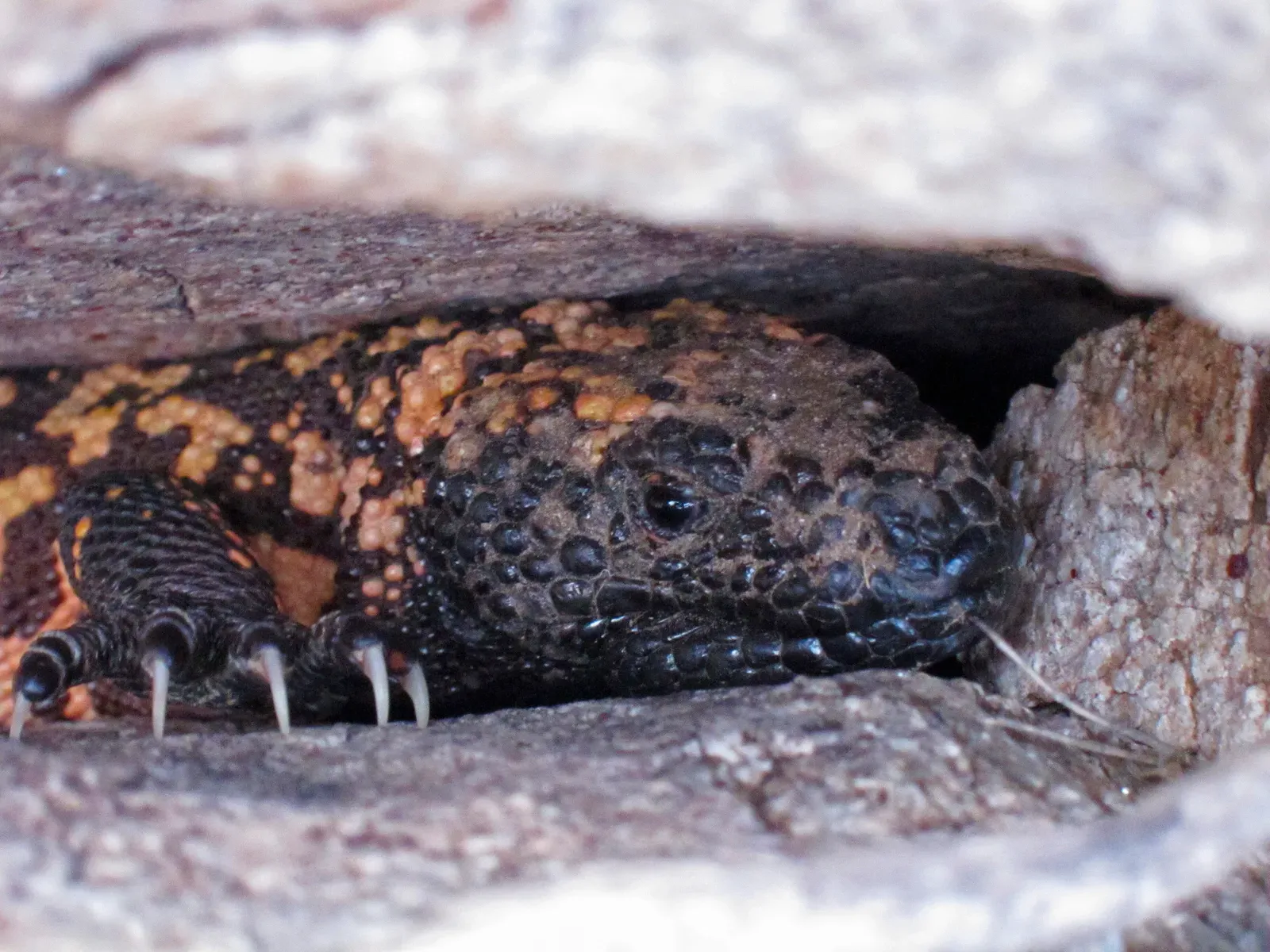
Back in the early 20th century, Gila monsters faced relentless persecution from humans who feared and misunderstood them. People killed them on sight, believing exaggerated myths about their lethality. The tide began to turn with groundbreaking legislation.
In 1952, Gila monsters became the first venomous wildlife in North America to be given legal protection. Today, they’re protected in every state where they naturally occur. This was a major milestone in conservation history, recognizing that even feared creatures deserve protection and play important roles in their ecosystems.
Myths and Legends Surrounding Them Are Absolutely Wild
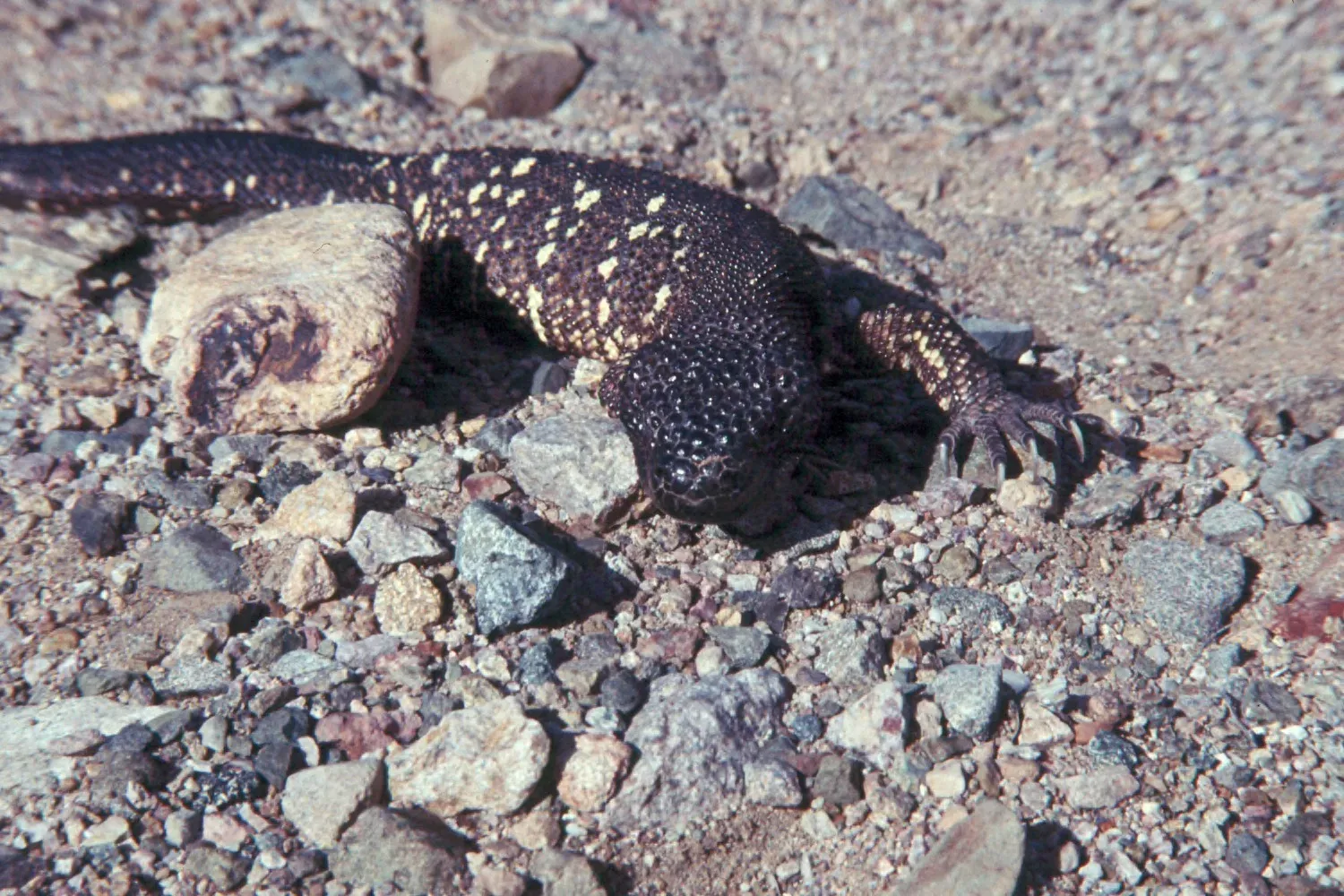
Myths that have formed about the Gila monster include that the animal’s breath is toxic enough to kill humans, that it can spit venom like a spitting cobra, that it can leap several feet in the air to attack, and other fantastical claims. These tall tales spread like wildfire in the Old West, painting the lizard as far more dangerous than reality suggests.
Among Native American tribes, the Apache believed its breath could kill a man, and the Tohono O’Odham and the Pima believed it possessed a spiritual power that could cause sickness, while in contrast, the Seri and the Yaqui believed the Gila monster’s hide had healing properties. These varied cultural perspectives show how deeply this creature has been woven into the fabric of Southwestern folklore. Some feared it, others revered it – but nobody ignored it.
Conclusion
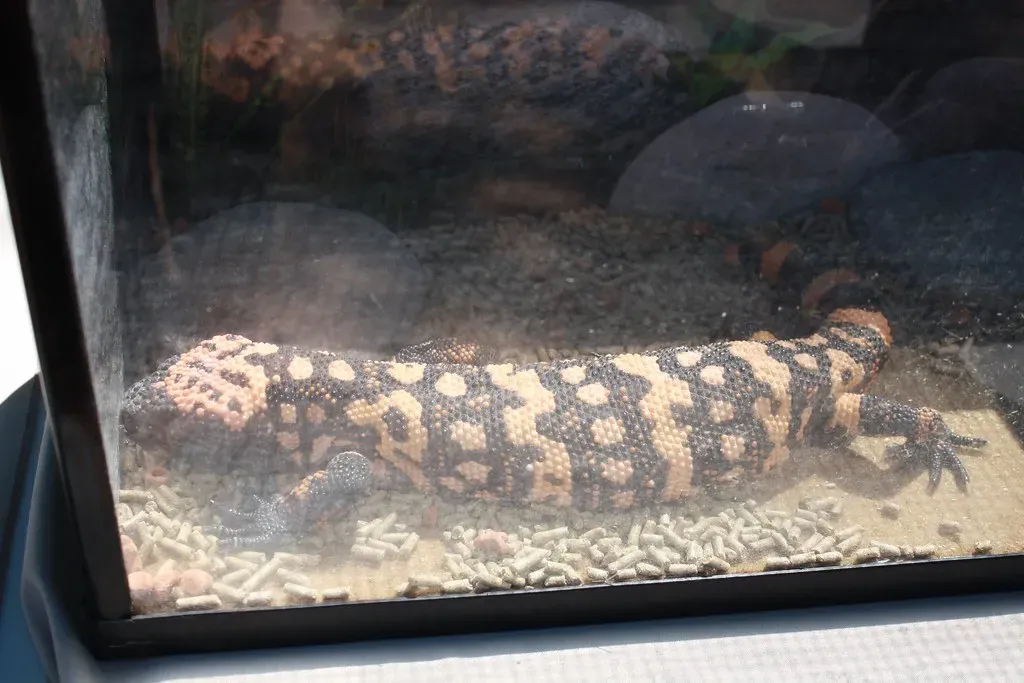
The Gila monster is proof that nature’s most misunderstood creatures often hold the greatest secrets. From its unique venom delivery system to its role in modern medicine, this slow-moving desert dweller challenges everything we think we know about dangerous animals. It’s not a monster at all – it’s a survivor, a healer, and a living relic of ancient times.
Next time you hear about breakthrough diabetes treatments or weight-loss medications, remember the humble lizard that made it all possible. What do you think – does the Gila monster deserve more recognition for its contribution to medical science? Share your thoughts in the comments.

- 7 Signs Your Dog Thinks You're Family - July 21, 2026
- 10 Fascinating Facts About the Gila Monster – America’s Only Venomous Lizard - July 21, 2026
- 10 Fascinating Facts About Birds of Prey You Never Knew Existed - July 21, 2026