
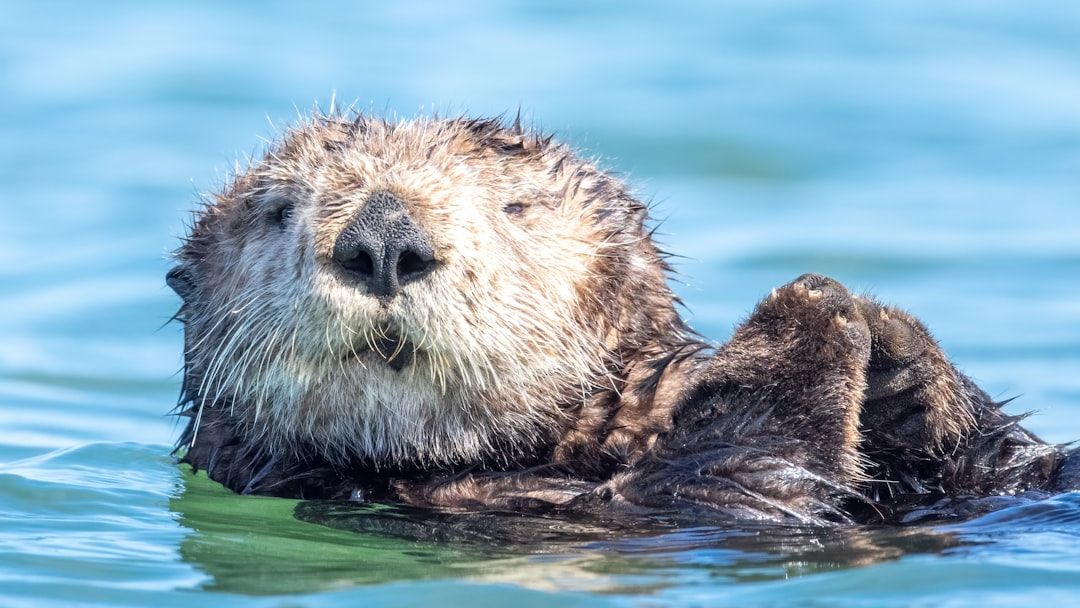
When you picture intelligence, your mind probably wanders to dolphins, maybe chimpanzees, or even your neighbor’s clever dog. Rarely do we imagine creatures lurking beneath ocean waves, where the water is cold and dark, and the rules of survival are completely different from anything we know on land. Yet the deep blue holds some of the planet’s most astonishing minds, creatures that can solve puzzles, use tools, communicate in complex dialects, and even recognize their own reflections.
Let’s be real, most of us underestimate what swims below the surface. We think fish are, well, just fish. That couldn’t be further from the truth. Some marine animals possess cognitive abilities that rival those of land mammals, and a few might even challenge what we think intelligence actually means. From cephalopods with distributed brains to marine mammals with emotional depth that borders on human, the ocean is a classroom of brilliance we’re only beginning to understand. So let’s dive in and meet ten of the ocean’s smartest residents.
1. Bottlenose Dolphins: The Ocean’s Social Geniuses
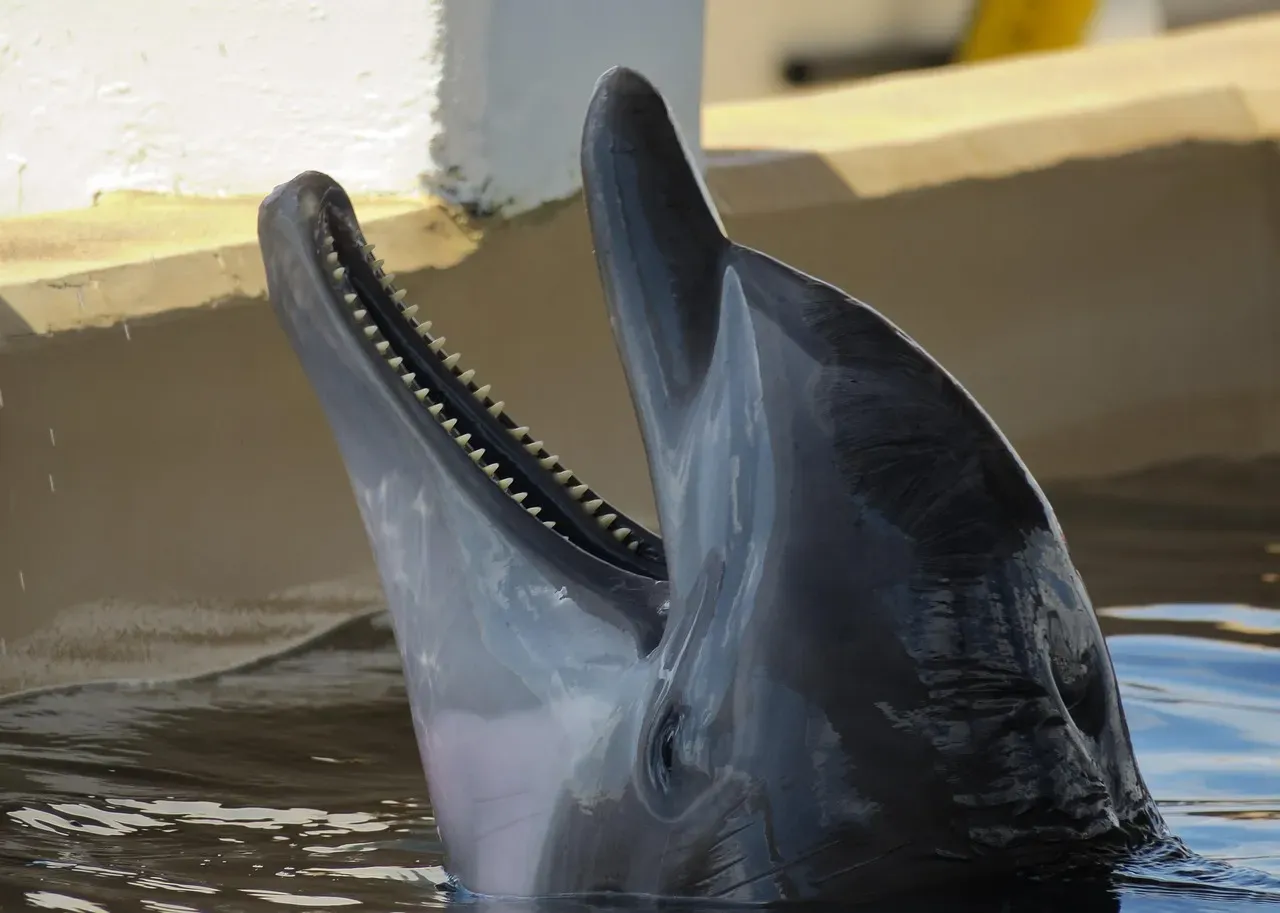
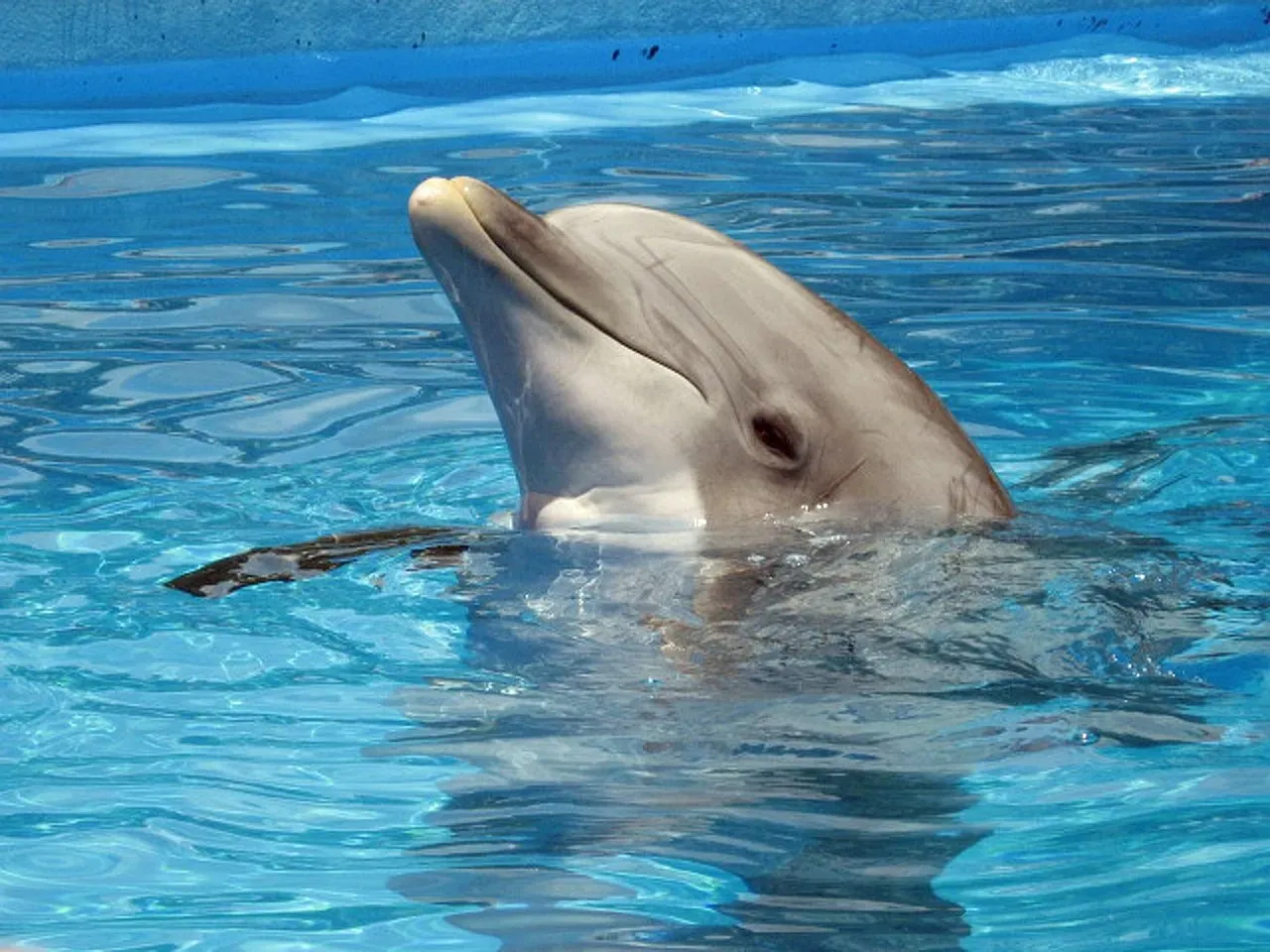
Dolphins are estimated to have an IQ of around 45, making them one of the smartest animals in the world, and honestly, spending even five minutes watching them makes that figure feel conservative. Their brains are huge relative to their body size, packed with neurons that handle everything from echolocation to complex emotional states. They exhibit problem-solving skills, self-awareness, communication, and tool usage, which puts them in rare company.
What really sets dolphins apart is their social sophistication. They live in tight-knit groups, form lifelong friendships, and even hold grudges. A study found that dolphins can remember the whistles of old tank-mates even after 20 years apart, which is the longest recorded social memory in any non-human species. That’s better than most people can manage at a high school reunion.
Dolphins can recognize themselves in mirrors, displaying self-awareness, and very few animals can do it. They’ve also been observed using sponges to protect their snouts while foraging on the seafloor, a learned behavior passed down through generations. It’s not instinct; it’s culture. When you think about it, that’s incredible. These animals are teaching each other survival techniques like master craftspeople passing down trade secrets.
Their communication abilities border on language. Dolphins use a sophisticated system of clicks, whistles, and body movements to convey information. They name each other with unique whistles and respond when called. Some researchers believe they might even have a sense of humor, playing pranks on each other and engaging in what can only be described as laughter.
2. Octopuses: The Invertebrate Einsteins
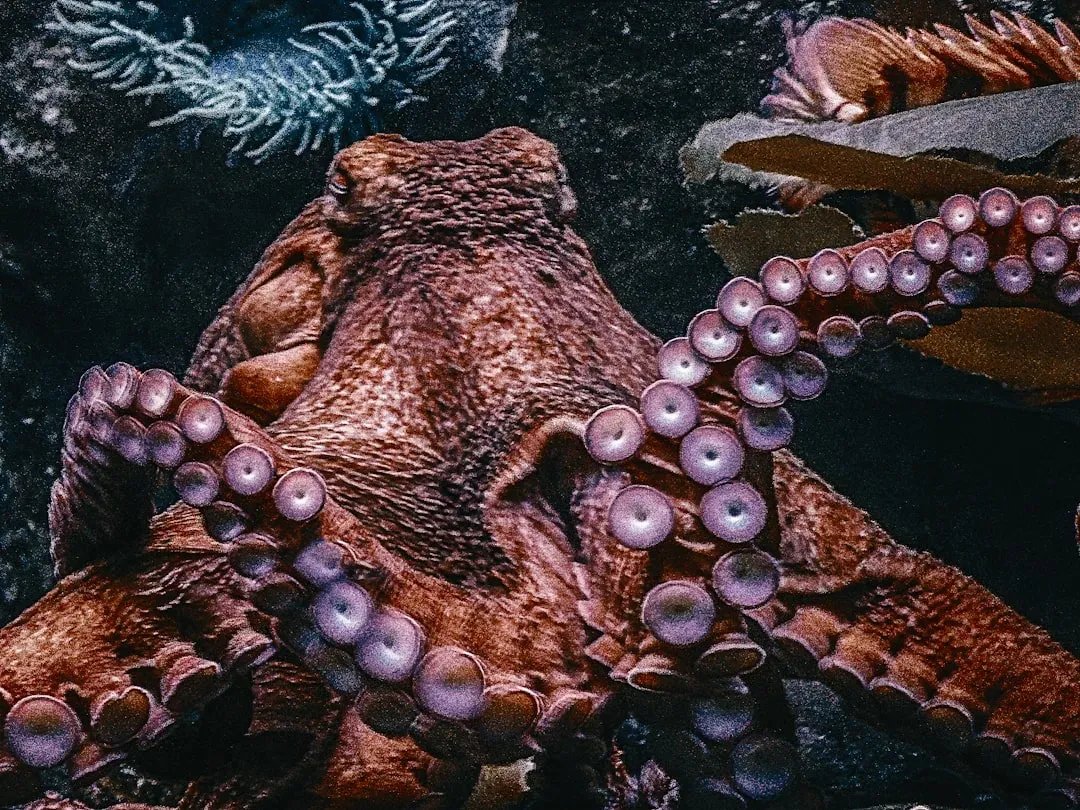
If aliens exist on Earth, they’re probably octopuses. These clever cephalopods have one central, doughnut-shaped brain but two-thirds of their neurons are in their arms, meaning each arm has its own mini-brain and can act independently. Imagine having eight semi-autonomous limbs that can taste, touch, and think on their own. That’s not just smart; that’s science fiction made real.
Octopuses’ brilliant problem-solving abilities have been documented time and time again, including the infamous Inky the Octopus who slipped through a gap in its tank and slid down a 164-foot-long drainpipe into the ocean. They’ve opened jars from the inside, navigated mazes, and even learned to turn off aquarium lights by squirting water at electrical switches. These aren’t party tricks; they’re evidence of genuine intelligence.
What makes octopuses truly remarkable is how they achieved this level of cognition. The Social Intelligence hypothesis suggests higher intelligence evolved to navigate social group dynamics, which holds true for dolphins and humans, but octopuses are solitary, making them the exception. They evolved big brains not for socializing but for surviving in complex environments filled with predators and elusive prey.
Their camouflage abilities are legendary. They can change color, texture, and pattern in milliseconds, blending perfectly into coral, rocks, or sand. Strangely, they’re colorblind, yet their skin somehow processes visual information independently. It’s like having eyes all over your body. Tool use among octopuses includes carrying coconut shells for portable shelters, showing forward planning and environmental manipulation.
Despite their brilliance, octopuses live tragically short lives, usually just one to two years. They pack an entire lifetime of learning, adapting, and problem-solving into that brief existence. It makes you wonder what they could achieve with more time.
3. Orcas: The Ocean’s Apex Intellectuals
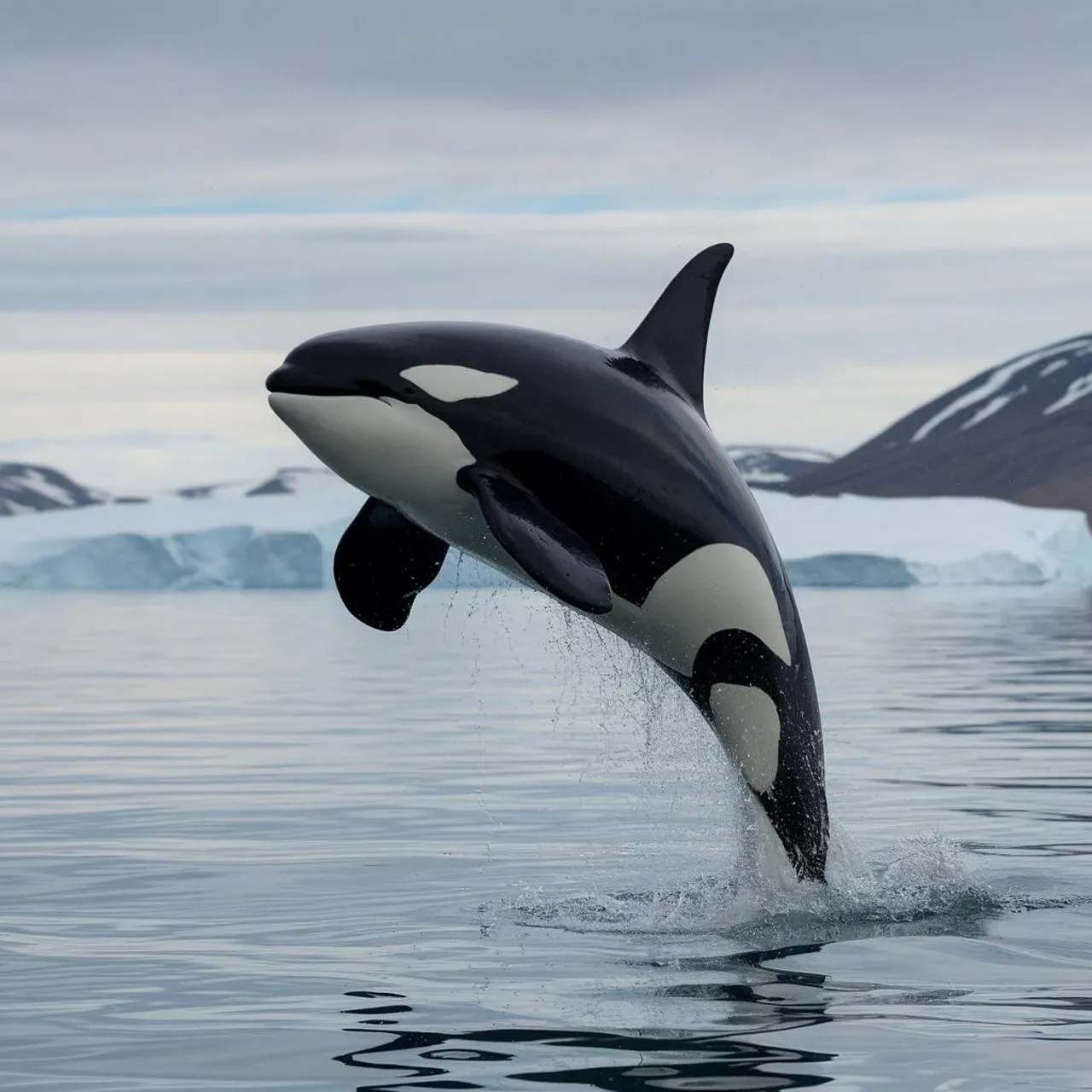
With a brain almost four times as large as a human’s, orcas have the second largest brain among ocean mammals, behind sperm whales. Their intelligence isn’t just about size, though. Orcas have parts of their brain associated with memory and emotion that are significantly more developed than even in the human brain, which might explain their deep social bonds and emotional complexity.
They display remarkable problem-solving skills, communication techniques, and even cultural traditions within their pods. Different orca populations have distinct dialects, hunting techniques, and social customs. Regional groups have developed their own dialects, with scientists finding regional differences in the clicks and whistles they use to communicate. It’s not just accents; it’s entire languages unique to specific communities.
Their hunting strategies are downright terrifying in their sophistication. Orcas in Antarctica have been observed working together to create waves that wash seals off ice floes, showing coordinated behavior, tactical planning, and execution. Off the coast of South Africa, they’ve learned to surgically remove shark livers with near-perfect precision, discarding the rest of the carcass. That’s not random behavior; that’s targeted nutritional strategy.
Orcas have shown signs of mourning, with one orca carrying her dead calf for 17 days, pushing it over 1,000 miles in the longest display of grief ever recorded. That level of emotional depth suggests they experience loss much like we do. They’re not just smart; they’re deeply feeling beings navigating complex emotional landscapes.
4. Manta Rays: The Gentle Giants with Big Brains
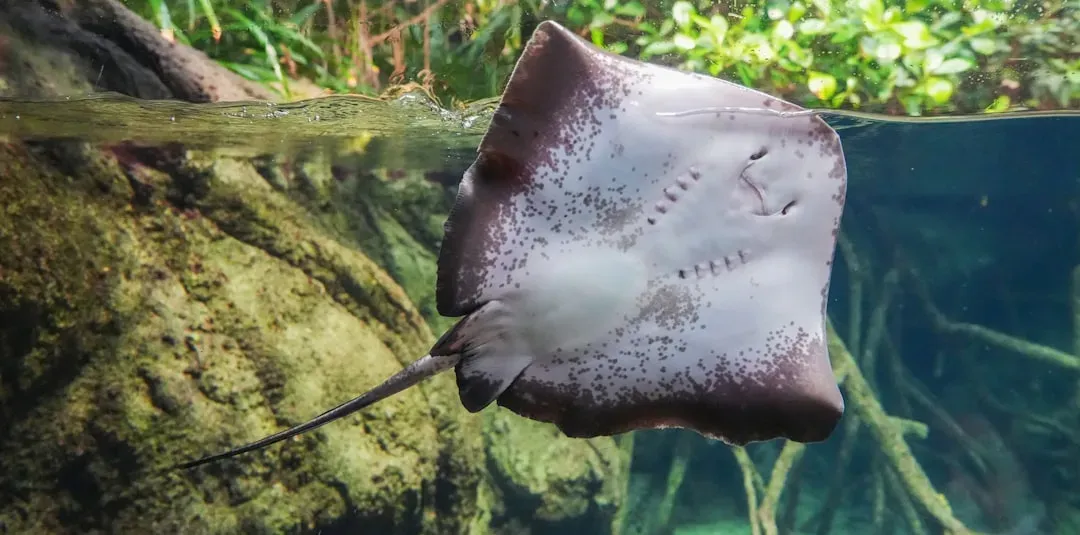
Manta rays have the largest brain of any fish, which seems odd for creatures that glide so gracefully and peacefully through the water. Yet their cognitive abilities are genuinely surprising. Research claims that giant manta rays can recognize their reflection, an ability shared only with great apes and bottlenose dolphins. Self-awareness is considered one of the hallmarks of higher intelligence, and mantas have it.
They’re playful creatures, too. Mantas love flying, and whole schools jump together at dawn and dusk, which suggests they engage in play for its own sake, not just survival. Play behavior is often linked to intelligence, as it requires imagination, curiosity, and social coordination. Mantas also interact with divers, approaching them with what appears to be genuine curiosity rather than fear or aggression.
The gentle giant manta has one of the largest and most highly developed brains relative to their body size, allowing them to adapt to constantly changing environments and engage in complex social behaviors. They’re not just reacting to stimuli; they’re processing, learning, and adjusting their behavior based on experience. That’s cognition in action.
Their memory is impressive as well. Mantas will travel vast distances to return to specific feeding grounds, suggesting they create mental maps and remember productive locations across seasons. This spatial intelligence, combined with social awareness, places them among the ocean’s most cognitively advanced species.
5. Sea Otters: Tool Users of the Marine World
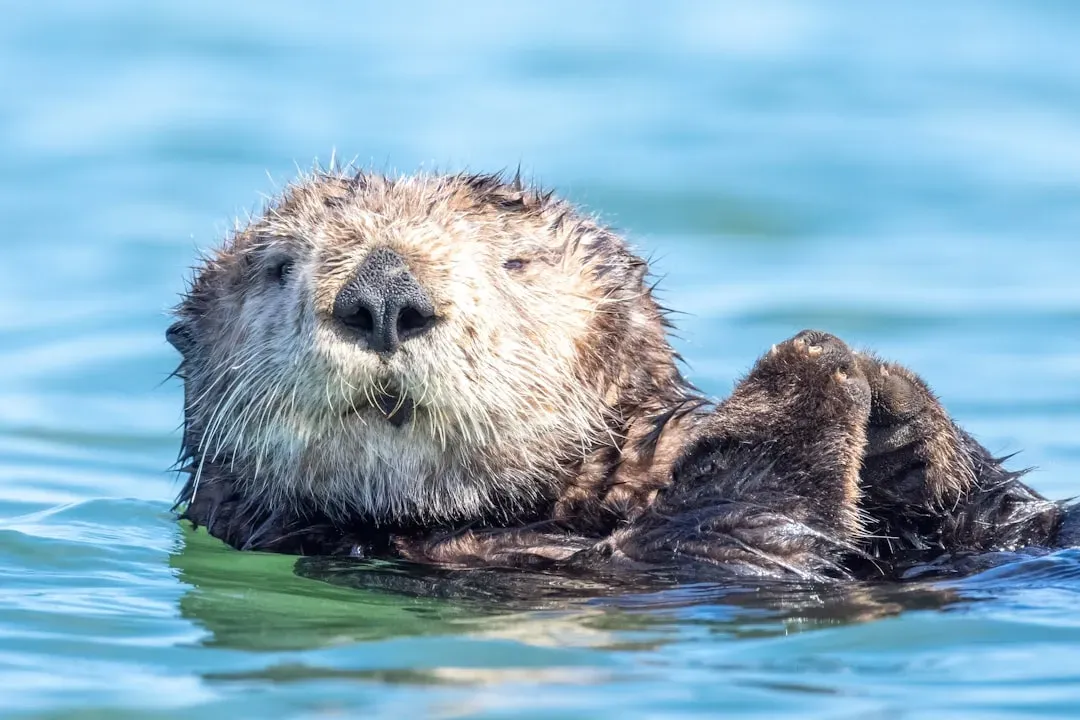
Sea otters’ ability to use rocks to open clams is rare in the animal world, placing them among a select group of species capable of tool manipulation. What makes this even more remarkable is that research indicates sea otters may have evolved this ability long before other species, with studies showing their ancestors have been using tools for millions of years. That’s an ancient lineage of innovation.
They don’t just use tools; they’re resourceful problem-solvers. Sea otters have been observed playing basketball, stacking cups, and even going into vending machines to get goodies. Sure, some of that happened in captivity, where they had exposure to human objects, but it demonstrates an adaptability and curiosity that many animals lack. They see a challenge and figure it out.
These mammals have been seen opening clams with rocks, playing basketball, and solving puzzles, showcasing cognitive flexibility across different contexts. Their intelligence isn’t limited to one domain. They’re generalists in the best sense, able to apply problem-solving skills to novel situations. That’s the kind of thinking that defines true intelligence.
Northern sea otters also care about their hygiene, regularly cleaning and caring for their coats. While grooming might seem mundane, it’s actually quite complex. They understand that a clean coat traps air better, providing insulation in cold water. That’s applying knowledge to maintain survival, not just instinct.
Despite their adorable appearance, sea otters are serious survivors. They’ve carved out a niche in some of the harshest marine environments and continue to thrive by using their wits and dexterity. Honestly, they deserve more credit than they get.
6. Cuttlefish: Masters of Deception
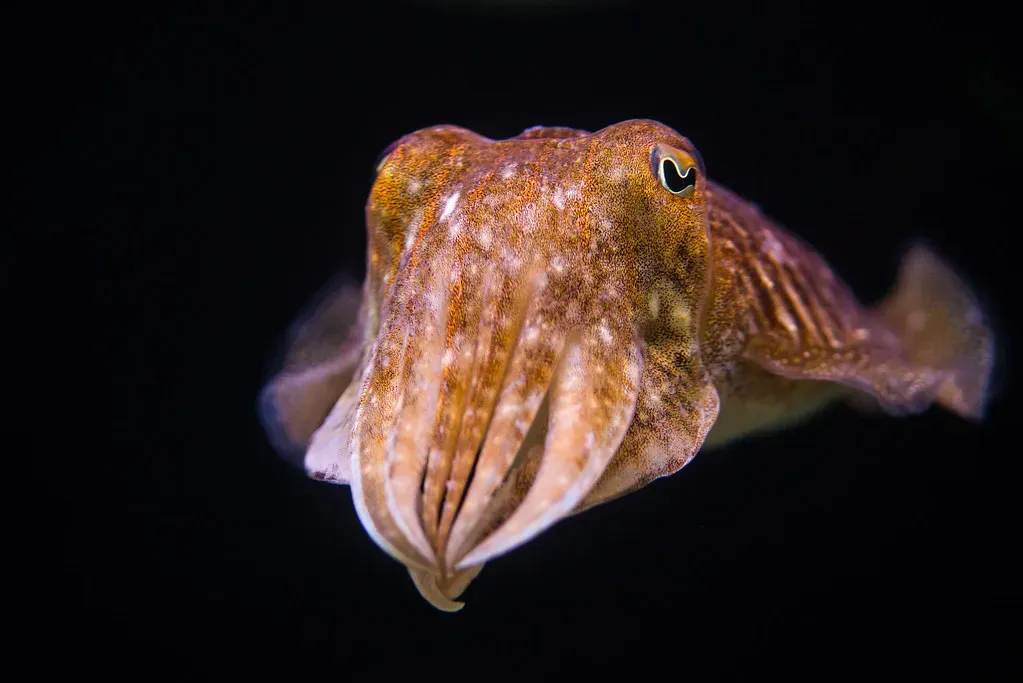
Cuttlefish are like the octopus’s flashier cousin, equally brilliant but with a flair for theatrics. Common cuttlefish are some of the most intelligent invertebrates on the planet, lacking hard armor, so they must rely on their intelligence to outsmart predators with their large brains enabling them to camouflage and trick predators. Their camouflage isn’t just hiding; it’s active communication and deception.
Common cuttlefish demonstrate memory of past experiences, allowing them to make smart decisions when hunting, socializing, and problem-solving. They remember what they ate, where they found it, and when. When hunting, common cuttlefish remember what, where, and when they ate, making their strategy more efficient. That’s episodic memory, a type of cognition once thought exclusive to humans and a few mammals.
They’re capable of remarkable self-control, too. Studies have shown cuttlefish can delay gratification, waiting for a better food reward rather than taking an immediate, lesser option. That requires impulse control and future planning, traits that suggest a sophisticated understanding of time and consequence. It’s like choosing to skip dessert now because you know something better is coming later.
Their communication through rapid color changes is mesmerizing. They can display different patterns on each side of their body simultaneously, sending one message to a potential mate while showing aggression to a rival. That’s not just camouflage; it’s tactical communication. Imagine being able to have two completely different conversations at once, visually, without saying a word.
Cuttlefish are proof that intelligence doesn’t require a backbone. They’ve evolved cognitive abilities independently from vertebrates, suggesting that the universe might favor smart solutions regardless of biological architecture. That’s a humbling thought.
7. Sea Lions: The Playful Learners
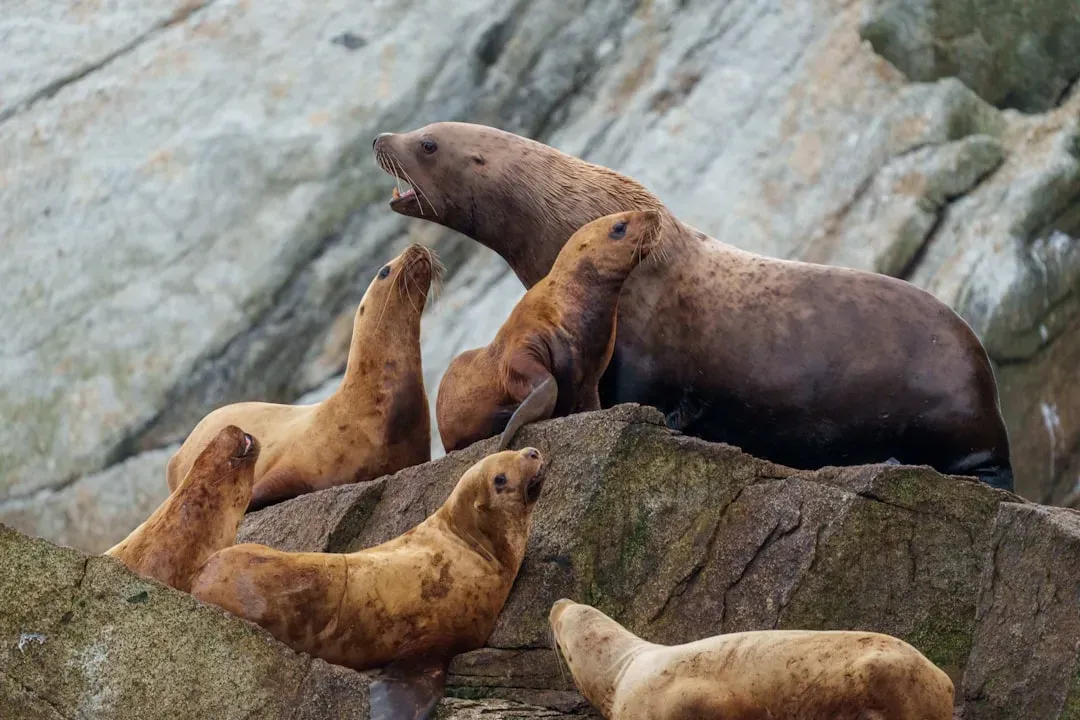
Marine researchers in the United States have concluded that sea lions are so intelligent they should be given their own marine mammal program. That might sound like bureaucratic language, but it’s actually a big deal. It means scientists recognize their cognitive capabilities are distinct and deserve specialized study.
Sea lions are known for their playful nature, but beneath their charming exterior lies a sharp intellect with effective communication skills and impressive memory capabilities aiding in social learning and problem-solving. Their playfulness isn’t just for fun; it’s practice. Young sea lions hone hunting techniques, test social boundaries, and develop coordination through play, much like human children learn through games.
They’re excellent learners, capable of understanding abstract concepts. In laboratory settings, sea lions have mastered tasks involving symbolic logic, equivalence relationships, and even basic syntax. They can follow complex commands and distinguish subtle differences in patterns and sounds. That’s not rote learning; that’s genuine comprehension.
Their memory is formidable. Sea lions can remember tasks and recognize individuals years after initial exposure. This long-term memory supports their complex social structures, where relationships matter and history influences behavior. They’re not just living in the moment; they’re building a narrative of experience.
8. Great White Sharks: The Calculating Hunters
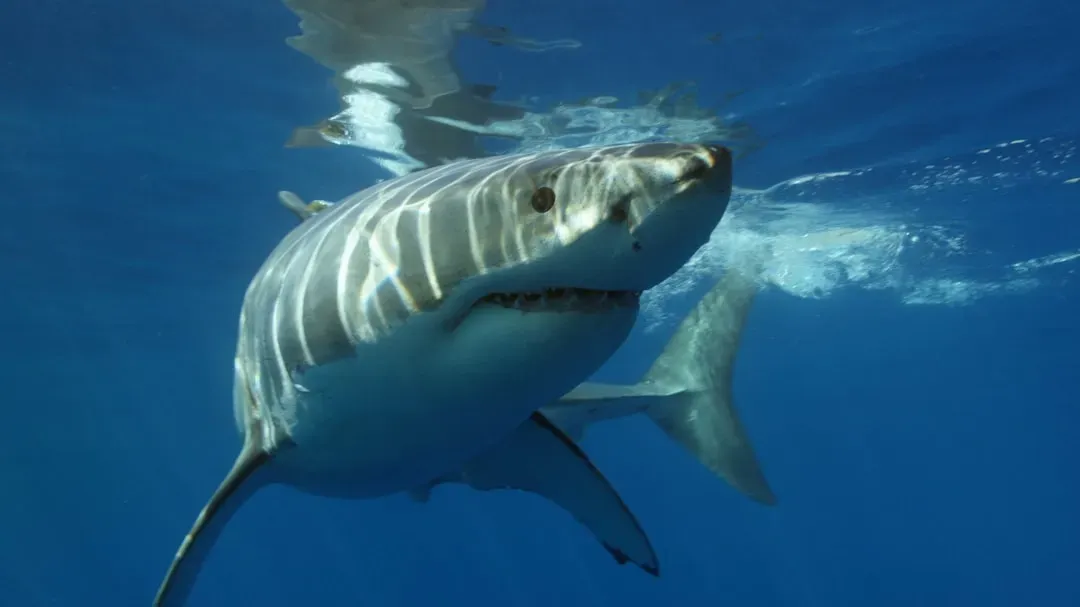
Great white sharks have a remarkable brain that coordinates highly developed senses, allowing them to outsmart intelligent prey like seals and dolphins. We often think of sharks as mindless eating machines, but that stereotype crumbles under scientific scrutiny. Great whites are strategic, patient, and capable of complex decision-making.
These apex predators possess impressive memory retention and fast learning capabilities, with observations showing they learn hunting strategies by watching other sharks. That’s social learning, something we associate with mammals and birds, not fish. They observe, process, and imitate successful techniques, which is exactly how culture develops.
They adapt their hunting methods to different prey and environments. A great white hunting seals near South Africa behaves differently from one hunting sea lions off California. They assess situations, calculate angles of attack, and adjust their approach based on success rates. That’s not instinct alone; that’s learning from experience.
Great whites also show curiosity. They’ll investigate objects, test them gently, and move on if they’re not food. Those infamous shark attacks on humans? Often investigatory bites, not predatory strikes. They’re trying to figure out what we are, which suggests a capacity for curiosity-driven behavior, another marker of intelligence.
9. Sperm Whales: The Deep-Thinking Giants
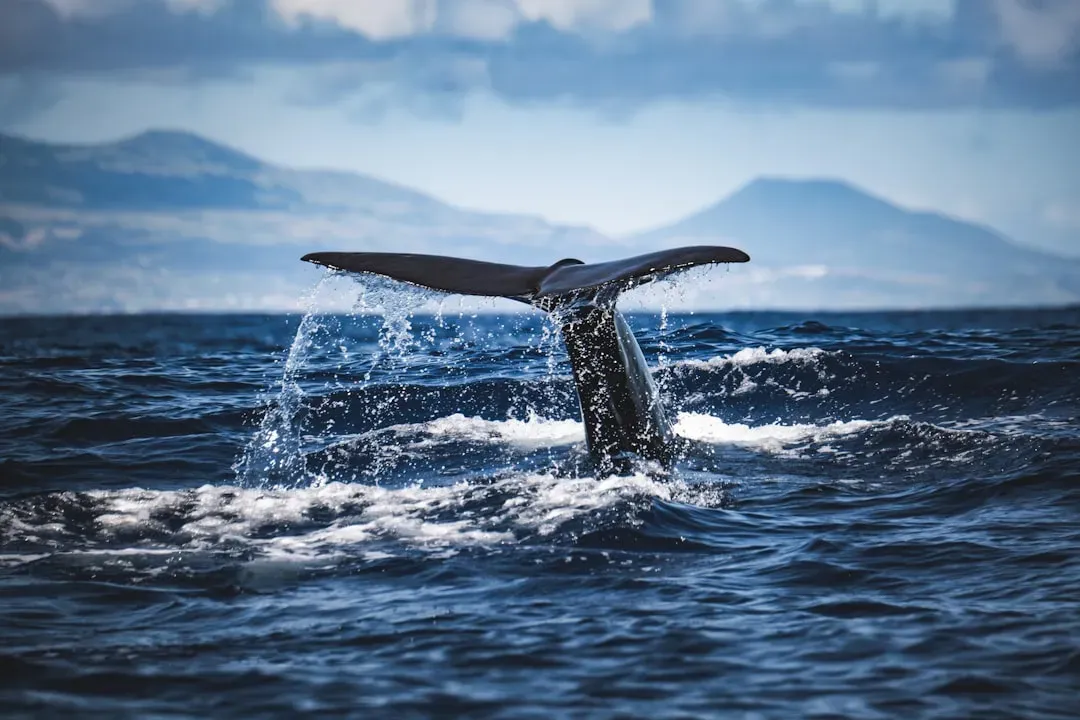
Sperm whales are the largest toothed predators on the planet with the biggest brain of any animal. We’re talking about brains that can weigh up to 20 pounds. Size isn’t everything, but they use these brains to exhibit seriously impressive intellectual capacities. Their cognitive abilities are only beginning to be understood, and what we’ve learned so far is astounding.
These creatures are renowned for their use of echolocation to navigate the seas and locate prey, and they have distinct dialects, communicate through complex patterns, and have been observed engaging in communal childcare. Female sperm whales form nursery groups where they collectively protect and teach the young, demonstrating cooperation and shared responsibility. That’s a social structure requiring trust, communication, and coordination.
They dive deeper than almost any other mammal, descending more than 6,000 feet into pitch-black water to hunt giant squid. Navigating such an alien environment requires spatial memory, sensory processing, and decision-making under extreme pressure, literally and figuratively. They’re operating in conditions that would obliterate most life forms, and they do it with apparent ease.
Their communication is hauntingly complex. Sperm whales produce sequences of clicks called codas, which vary between different groups and seem to function like names or group identifiers. Recent research suggests these patterns might carry more information than we realize, potentially forming a rudimentary language. We’re only scratching the surface of what they’re actually saying to each other.
10. Penguins: The Navigators and Team Players
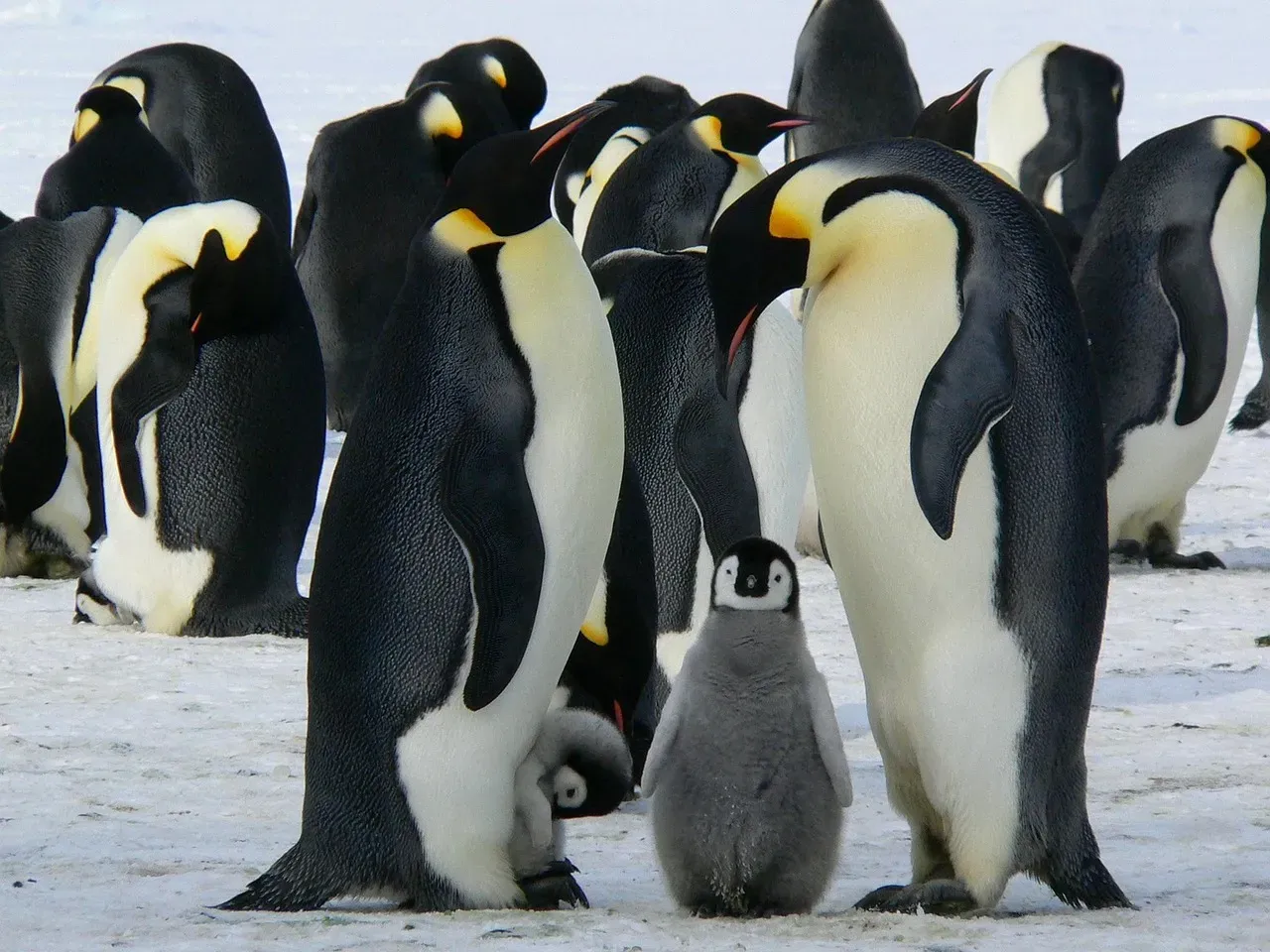
Penguins showcase impressive cognitive abilities, particularly in social intelligence and navigation, excelling at creating mental maps for hunting in teams. Yes, they waddle adorably, and yes, they’re often portrayed as comical, but beneath that tuxedo exterior lies a surprisingly capable mind. Their survival in some of Earth’s harshest environments demands intelligence, coordination, and memory.
Penguins can recognize each other’s calls in large colonies, using this ability to locate their mates and chicks among thousands of similar-looking individuals, demonstrating both memory and advanced cognitive mapping skills. Imagine a stadium full of people all wearing identical outfits, and you need to find your family using only sound. That’s what penguins do routinely, and they rarely get it wrong.
Their navigational abilities are extraordinary. Emperor penguins travel vast distances across featureless ice, often in complete darkness, yet they return to the exact same breeding grounds year after year. That requires spatial memory and possibly even an internal compass. They’re not wandering randomly; they know precisely where they’re going.
Teamwork is central to penguin survival. They huddle together in Antarctic winters, rotating positions so everyone gets time in the warmer center. That’s not instinct; it’s cooperation requiring patience, social awareness, and an understanding of fairness. They’ve basically invented a rudimentary social contract, which is pretty remarkable for a bird.
Conclusion
The ocean is filled with minds we’re only beginning to comprehend. From octopuses with distributed intelligence to orcas with emotional depth rivaling our own, marine animals challenge every assumption we’ve made about what it means to be smart. Intelligence isn’t one-size-fits-all. It evolved in countless forms, shaped by environment, necessity, and the relentless pressure to survive.
What strikes me most is how much we still don’t know. Every study reveals new layers of complexity, new behaviors that defy our expectations. These creatures have been evolving for millions of years, perfecting strategies we’re just now discovering. Maybe it’s time we stopped thinking of ourselves as the only intelligent species worth studying and started listening to what the ocean has been trying to tell us all along.
Did any of these surprise you? Which marine animal do you think deserves more recognition for its intelligence? The deep still holds secrets, and the more we learn, the more fascinating it becomes.

- 14 Signs a Dog Near the Rainbow Bridge Is at Peace With Its Person - July 21, 2026
- 15 Ways a Shelter Animal Tells You It Was Always Meant to Be Yours - July 21, 2026
- 14 Ways a Dog Shows You Are the Center of Its Whole World - July 21, 2026