
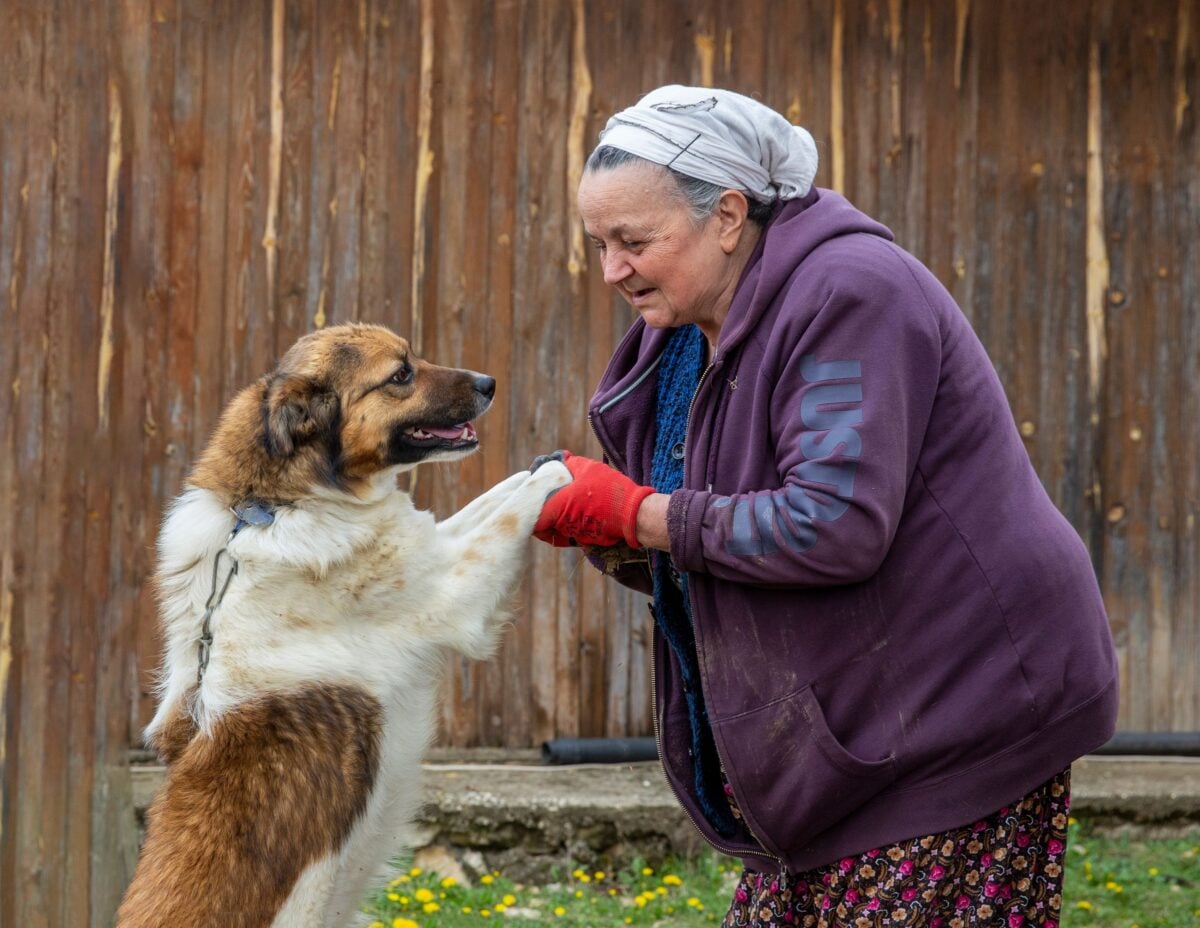
Most people think a dog “chooses” whoever fills the food bowl. That’s the story everyone tells, and it’s mostly wrong – especially once a dog gets old. By the time a dog has gray on its muzzle and a little hitch in its walk, it isn’t performing loyalty for treats anymore. It has already decided, quietly and permanently, who it belongs to.
The tricky part is that old dogs don’t announce this the way puppies do. There’s no frantic tail-wagging, no leaping at the door. Instead, the proof shows up in small, almost invisible rituals – the slow walk to your chair, the weight shifted onto your foot, the way they check every room before they’ll let themselves rest. Vets and behaviorists say these tiny habits are actual trust signals, hard-won decisions from a brain that’s seen a lot of life and picked you on purpose. Here are the 13 small ways an old dog quietly tells you it chose you, and only you.
#1 – They Always Know Exactly Where You Are
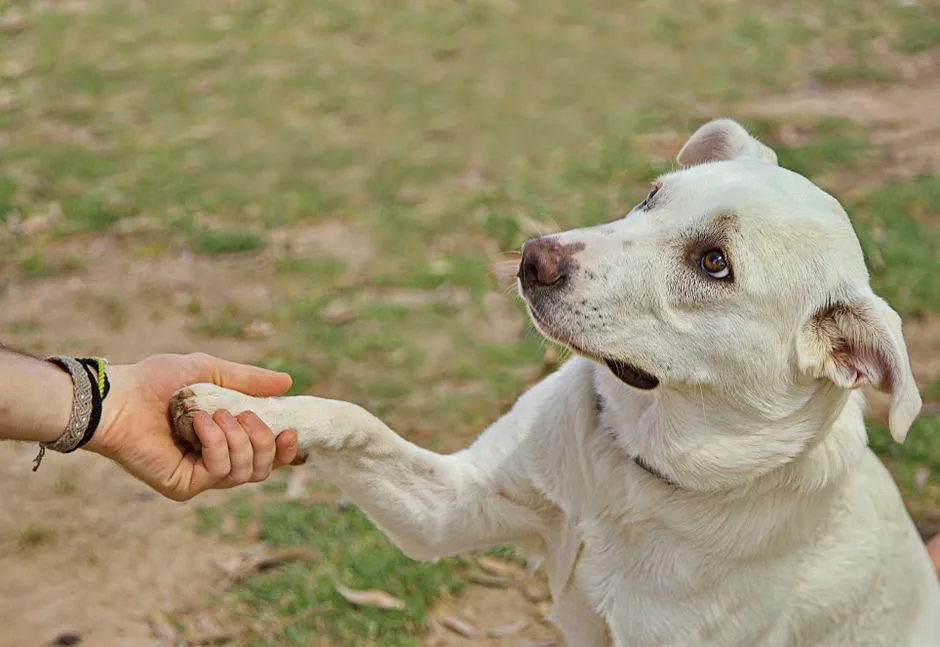
An old dog that has truly chosen you turns into a quiet shadow, even if it can’t move like it used to. There’s nothing dramatic about it – no zoomies, no constant pawing. You’ll just notice they always seem to know which room you’re in, even when their eyes or ears aren’t what they used to be.
They may not follow you every time, but they track you: head lifting when you stand, eyes locking on the doorway the second you leave. Behaviorists call this “location checking,” and it’s really a trust metric – your dog is quietly managing its whole world around one fixed point. They can sleep through a teenager crashing around the kitchen, but your footsteps down the hall are what make their head lift.
#2 – They Wait to Eat Until You’re Settled
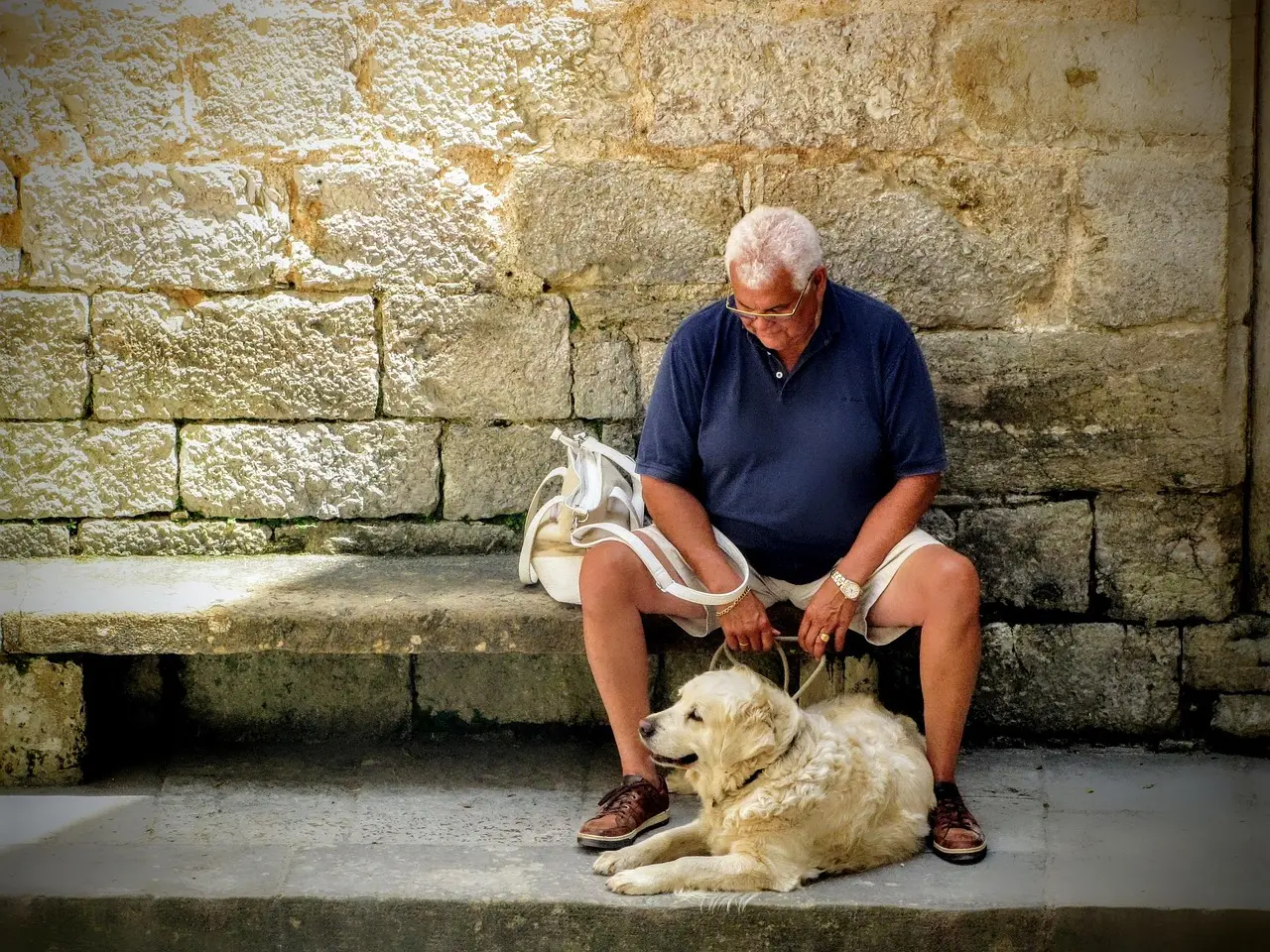
Most people assume the dog that rushes the bowl loves them most. Older dogs flip that script completely. A senior dog that’s truly bonded will often pause at the bowl and glance back at you, as if confirming you’re nearby before they let themselves start eating.
For a prey animal’s descendant, eating is a genuinely vulnerable moment. Choosing to eat only when you’re around is a quiet way of saying, “I feel safest when you’re here.” If they ignore everyone else calling them for dinner but dig in the instant you walk into the room, that’s not pickiness – that’s an old soul making it crystal clear where their anchor is.
#3 – They Lean Their Whole Weight Into You
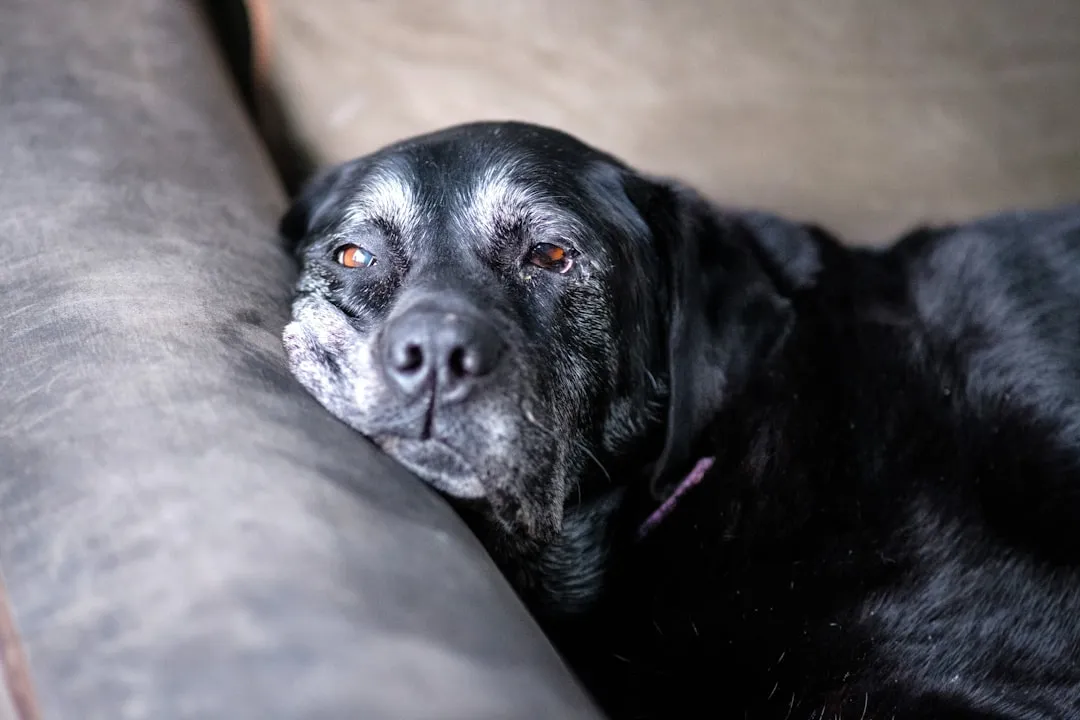
Young dogs jump, paw, and demand attention. Old dogs lean. When a senior dog chooses you, you’ll feel it literally, as they sink their full, heavy weight against your leg, hip, or shoulder – even when stiff joints make the effort real work.
Leaning is a trust behavior, plain and simple. A dog that leans is putting itself off balance, betting entirely that you’ll be the one who keeps it steady. For an older dog with arthritis or muscle loss, that’s an actual physical risk, and they’ll only take it with the one person they consider their safest place – bypassing guests and kids to come lean into you the second the house feels chaotic.
Worth Knowing
- Leaning shifts a dog’s center of gravity, so it only works if the dog trusts you to hold steady.
- Arthritis and joint pain make that lean-in effort more costly for seniors than for young, agile dogs.
- Many vets note this behavior increases, not decreases, as dogs age and mobility declines.
- A lean toward one specific person, while ignoring others nearby, is considered a strong bonding signal.
#4 – They Do “Room Checks” Before They’ll Settle Down
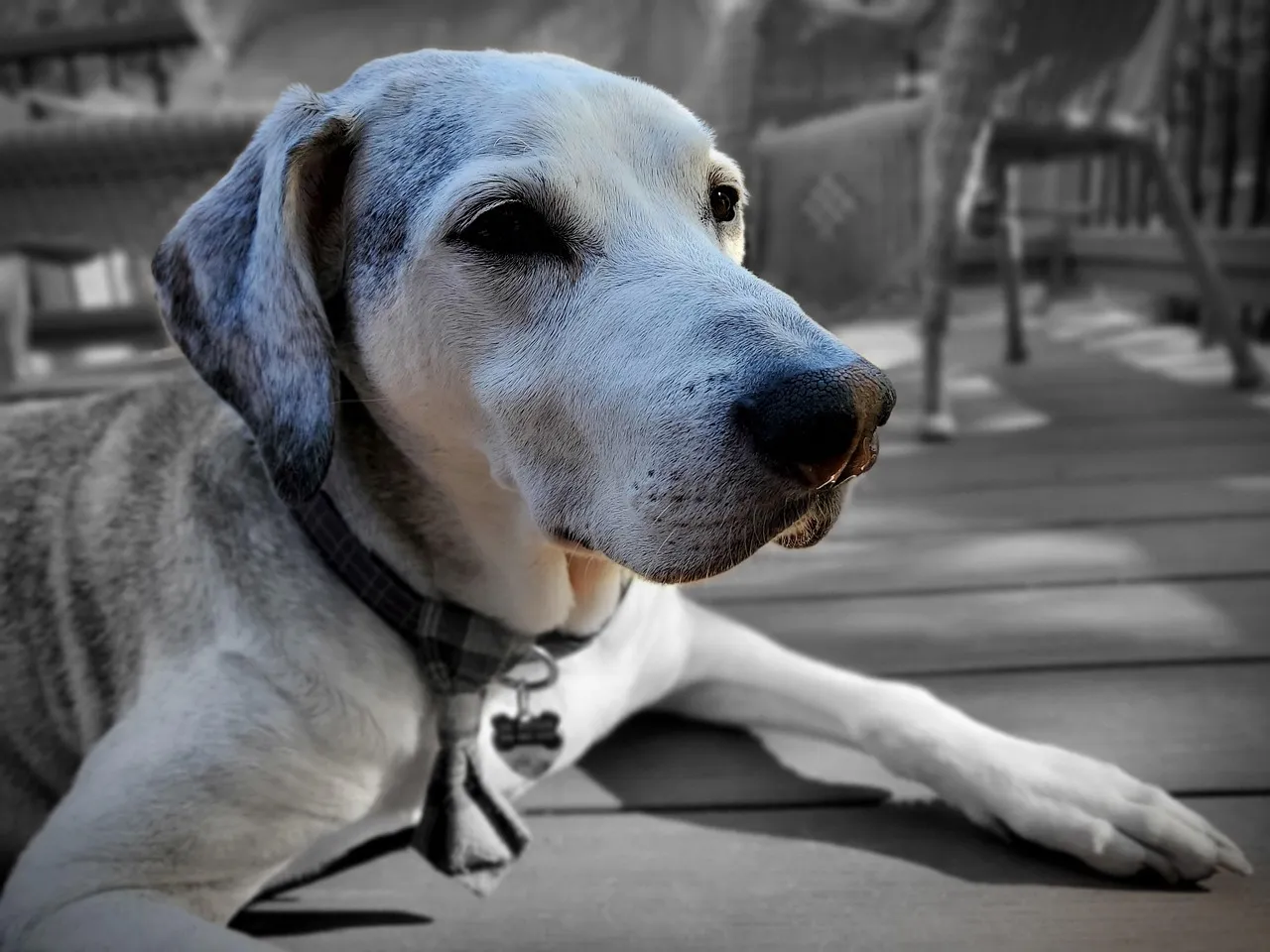
If you’ve watched your old dog make a slow lap through the house before finally curling up, you probably chalked it up to confusion or restlessness. In many cases, it’s the exact opposite. Senior dogs who are deeply bonded often perform a purposeful sweep of the house, quietly checking who’s where – especially you – before they’ll allow themselves to rest.
They might walk past other family members with barely a glance, but they’ll pause at your doorway or look toward the spot where you usually sit. Once they confirm you’re accounted for, they exhale, circle once or twice, and finally lie down. It’s a small, almost invisible ritual – protector turned guardian, even in old age, still quietly taking emotional attendance before bed.
#5 – They Tolerate From You What They’d Never Accept From Anyone Else
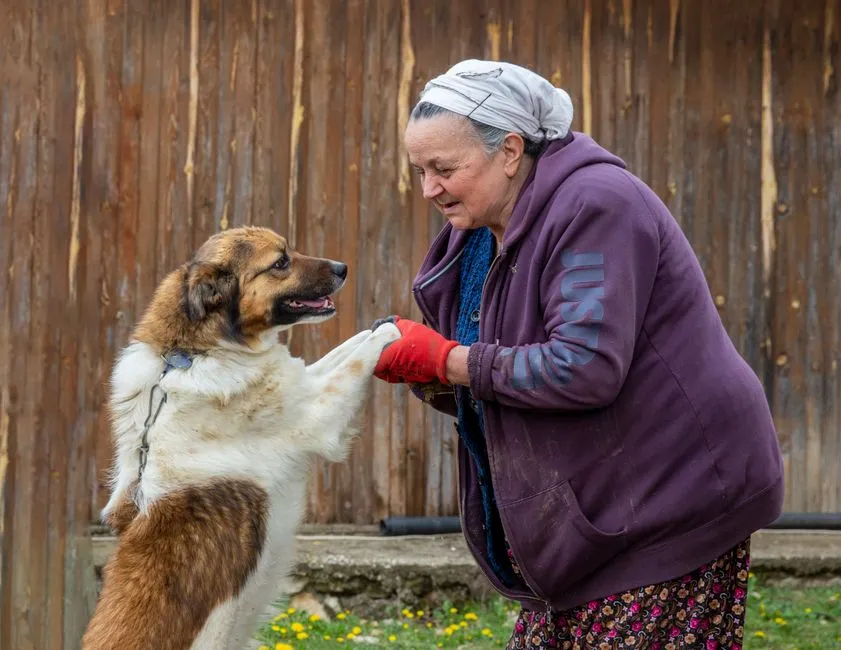
Most people don’t realize how selective older dogs become about physical contact. A senior dog with a stiff back or sore hips might flinch from a stranger’s touch, dodge the grandkids, or fight the vet at every turn. Yet with you, they let it all happen – the nail trims, the eye drops, the awkward harness, the clumsy lift into the car.
That’s not because it doesn’t hurt. It’s because, after years together, they’ve decided you’re worth the risk. They know you’ve learned their sore spots and their limits, and even when you accidentally bump a tender area, they sigh and stay instead of pulling away. In old-dog language, that stillness isn’t submission. It’s chosen trust, reserved for exactly one person.
#6 – They Use You as Their “Safe Spot” in New Places
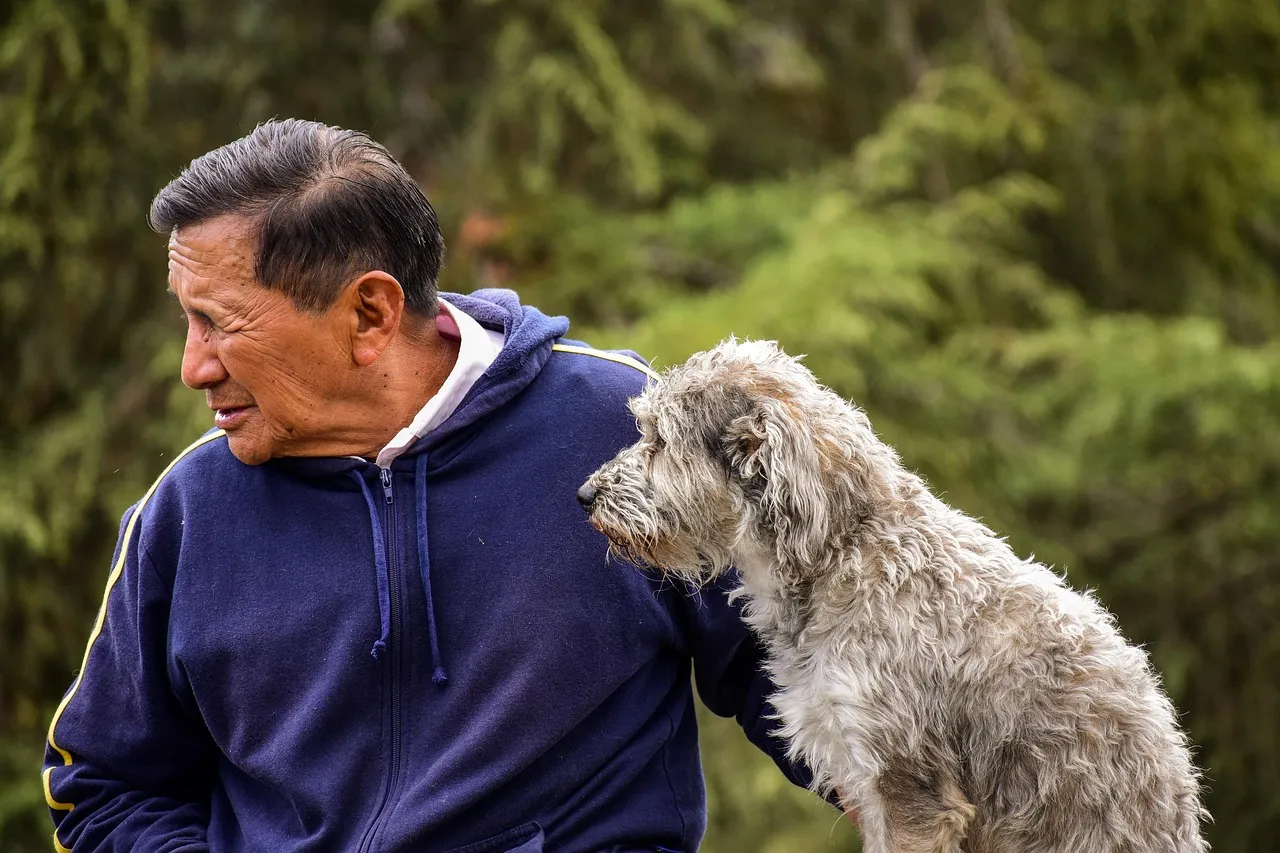
Take an older dog somewhere unfamiliar – a friend’s house, a cabin, a hotel room – and watch what happens. A dog that has chosen you doesn’t wander off and forget you exist. They’ll sniff around for a minute, then come back to physically touch you: a paw on your shoe, a hip against your leg, a head pressed under your hand.
This “safe spot” behavior shows up most clearly in anxious or shy seniors. They’ll sit close enough that you can feel them breathing, even in a room full of friendly strangers offering treats. They’ll happily take a snack from someone else, sure – but they only fully relax once they can feel you nearby, sometimes choosing a cramped corner by your chair over a plush dog bed across the room.
#7 – They Greet You Differently Than They Greet Anyone Else
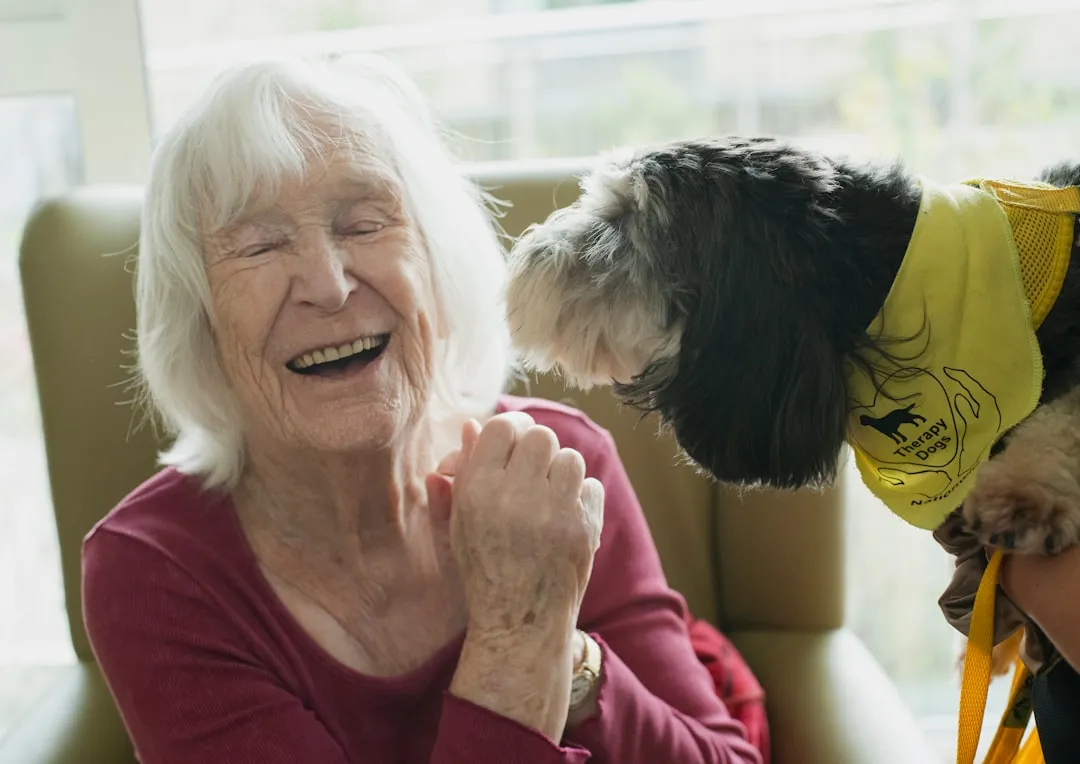
Every household has that one argument: “He loves me more, look how excited he gets!” With senior dogs, the real answer is much quieter. An old dog that chose you doesn’t need to explode at the door. Instead, you’ll see a specific, reserved greeting they save only for you – a soft tail wag, a relaxed jaw, maybe a little “chuff” they never make for anyone else.
For older dogs, that signature greeting might just be dragging themselves up when it’s hard, or trotting three stiff steps toward you when they wouldn’t bother rising for a guest. The effort itself is the message. If they stay lying down for everyone else but struggle to their feet the second you walk in, that painful little choice is a love letter written in the only currency they have left – energy.
Quick Compare
- Puppy greeting: Full-body wiggles, jumping, barking at everyone equally.
- Senior dog greeting a stranger: Calm tail wag, polite sniff, quick return to rest.
- Senior dog greeting “their” person: Slow rise, soft tail wag, held eye contact, sometimes a quiet “chuff.”
#8 – They Rearrange Their Sleep Just to Hear You Breathe
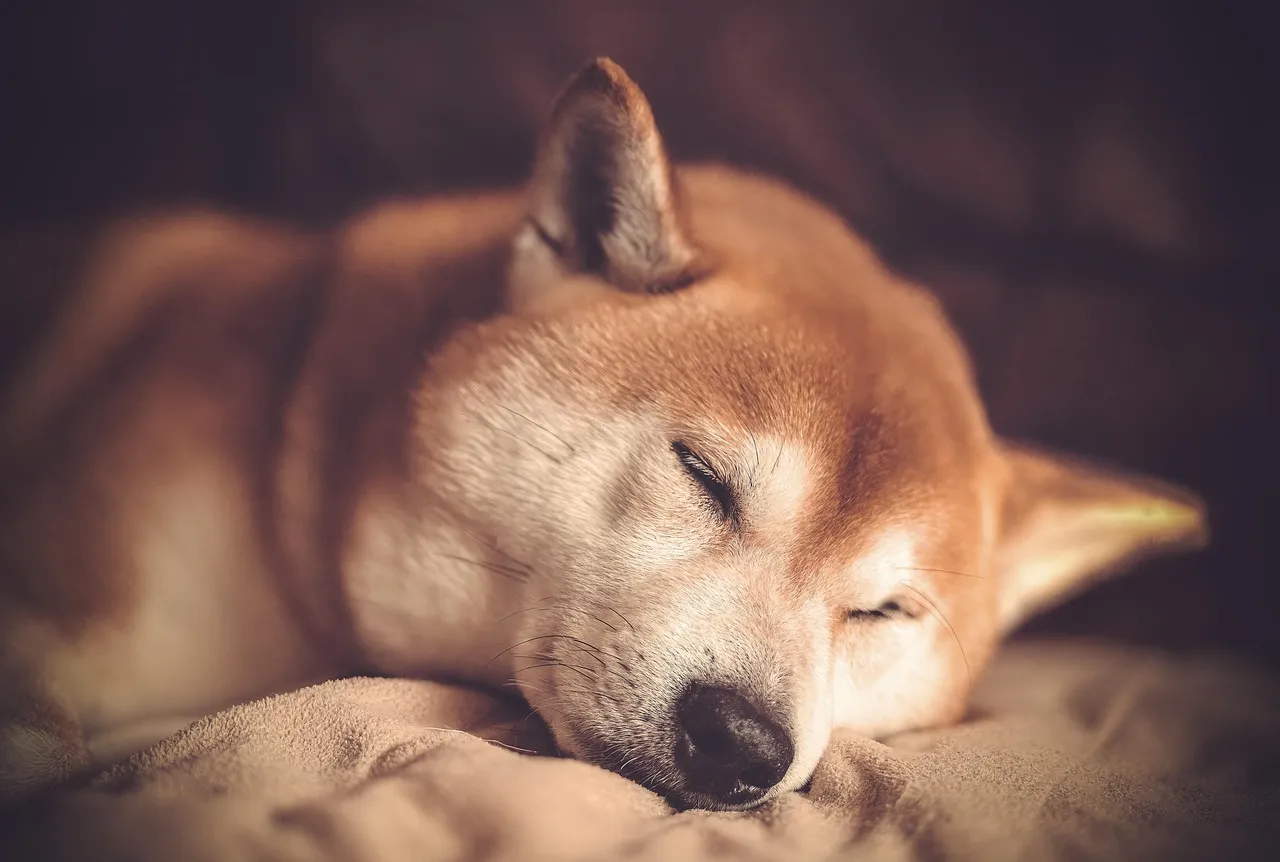
Sleep is when an older dog is at its most vulnerable, so where they choose to do it is never random. A dog that has truly chosen you will quietly adjust their favorite spot so they can hear you, smell you, or reach you fast – dragging their bed from the door to the side of yours, or giving up a sunny window seat for a drafty hallway outside your bedroom.
This isn’t about comfort at all. Many senior dogs will choose the harder floor right next to your chair over the plush bed across the room, positioning themselves at the exact spot where they can watch both the hallway and your door. If they only finally drift off once they’ve settled into “rescue range” of you, that’s not clingy. That’s commitment, quietly negotiated every single night.
#9 – They Mirror Your Routines Without Ever Being Asked
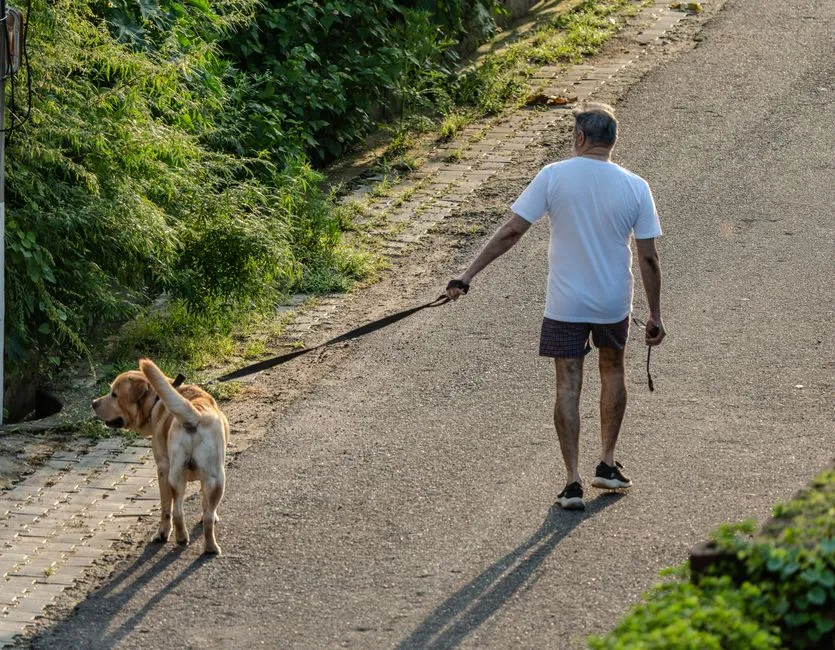
When a young dog follows you around, people call it needy. When an older dog silently rearranges its whole day to match yours, that’s something else entirely. You’ll notice your senior dog gets up when you get up and rests when you rest, syncing to little “you and me” moments at the same time every day, without ever being trained to do it.
Dogs are pattern machines, but old dogs choose which patterns to keep. It’s telling when they drop old habits – like watching out the front window all afternoon – yet keep the ones built entirely around you: waiting by the bathroom door each morning, appearing on the couch right when you sit down, nudging you at the exact minute you usually leave for a walk. That kind of self-selected scheduling isn’t obligation. It’s proof their day doesn’t really start until you’re in it.
#10 – They Come to You First When They Don’t Feel Well
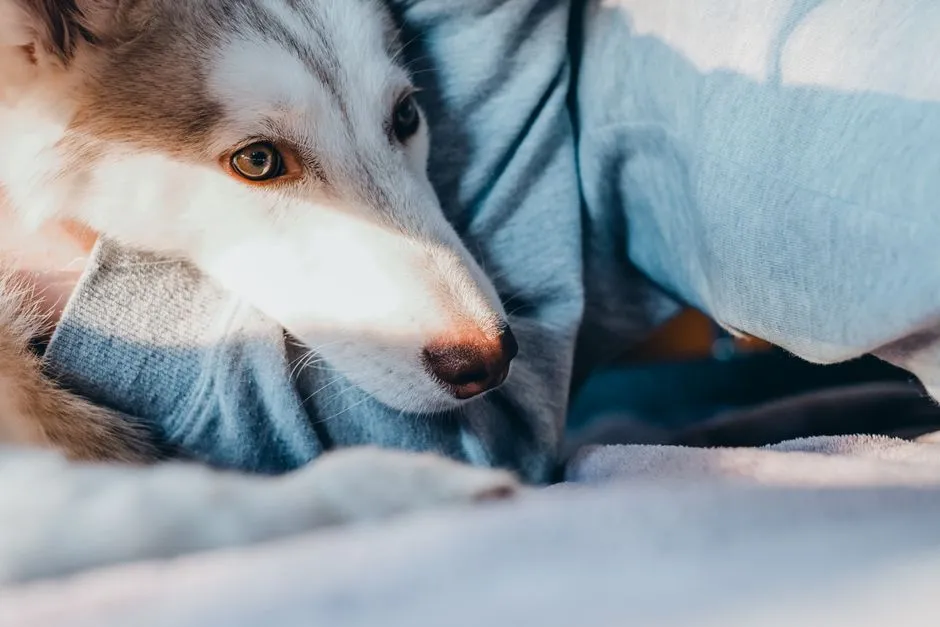
Here’s where a lot of people miss the signal entirely. When an older dog is in pain, nauseous, or just “off,” some instinct tells them to hide. But the ones who have truly chosen a person often do the exact opposite – they seek that person out first, standing in front of you and staring, nudging your hand, or lying down at your feet in a way that feels heavier, more serious.
Plenty of owners notice their senior dog turning suddenly “clingy” right before a health crisis or diagnosis. That isn’t drama. In the wild, showing weakness is dangerous, so turning toward you in that exact moment is a loaded decision. If they drag themselves into whatever room you’re in instead of hiding when they’re shaky or disoriented, they’ve already cast their vote. You’re the one they trust to see them at their worst.
#11 – They Skip the Better Bed Just to Stay Near You
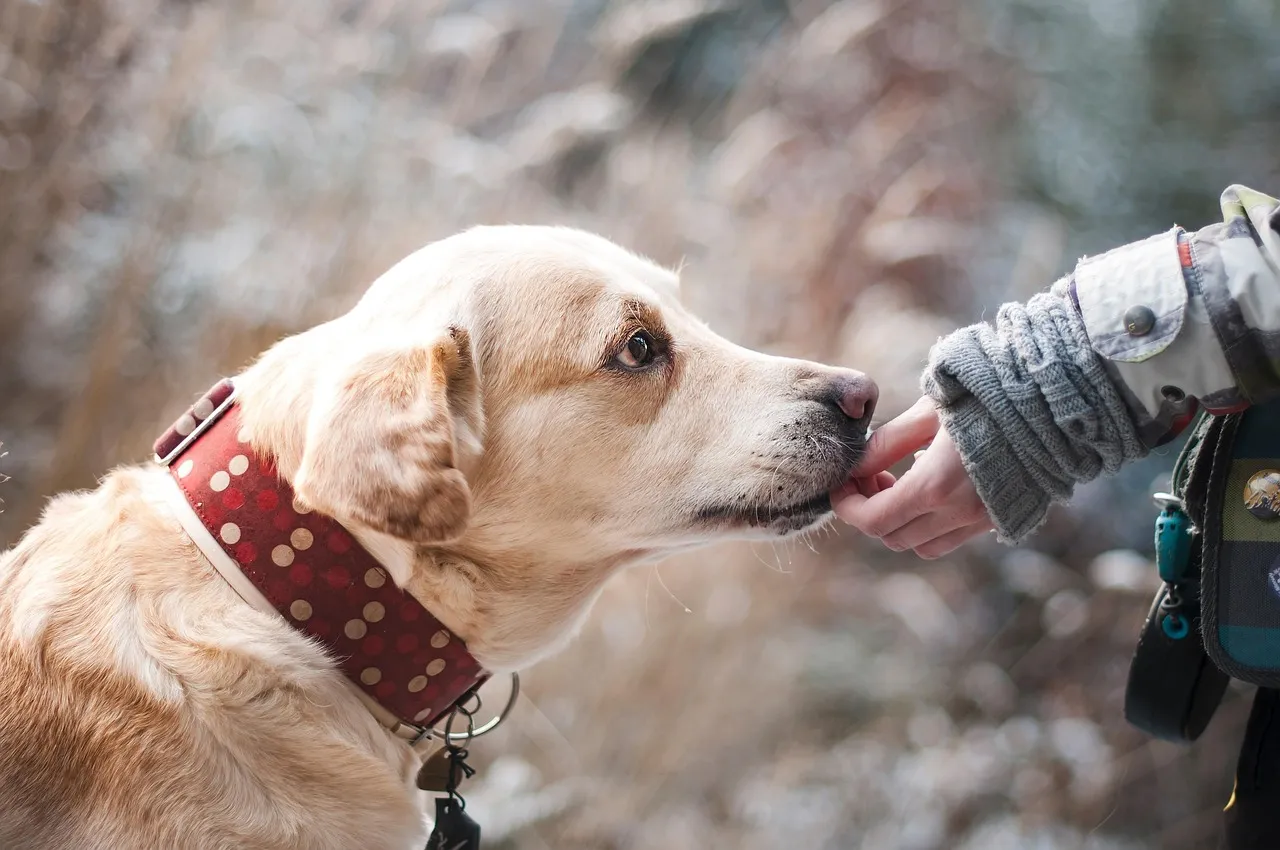
An old dog’s world gets smaller with time – fewer stairs, shorter walks, more naps. That makes the choices they do still make so much louder. When a senior dog has picked you, they will actively pass up more comfortable options if those options mean being away from you, skipping the cool basement or the soft spare-room bed just to sprawl in your noisy, cramped living room.
To outsiders, this looks almost irrational. Why lie on cold kitchen tile when there’s a memory foam bed two rooms away? Because you’re in the kitchen, and location beats luxury every time. This is where people misjudge loyalty the most, assuming a dog loves whoever gives the fanciest bed – when really, a tired old body dragging itself next to your desk instead of resting in perfect comfort elsewhere is saying something stubborn and clear: “If you’re here, I’m here.”
Fast Facts
- Proximity-seeking often outweighs comfort-seeking once a dog has bonded deeply with one person.
- Cooler, harder surfaces near an owner are frequently chosen over soft bedding farther away.
- This trade-off becomes more noticeable in senior dogs, since energy for movement is more limited.
#12 – They Only Fully Relax When It’s Just the Two of You
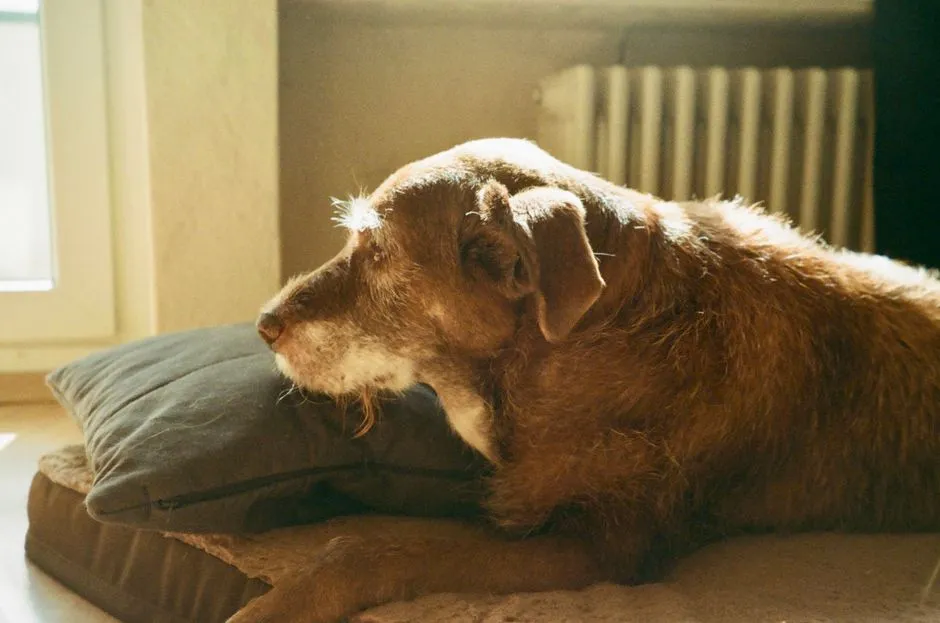
Watch your old dog’s body language when the house finally empties out. Guests leave, the kids go to bed, the noise dies down – and suddenly their whole body seems to soften. The sigh gets louder, the stretch gets longer, the eyes droop faster.
Many senior dogs reveal their most relaxed, most vulnerable selves only in that one-on-one space, rolling onto their backs, exposing their bellies, or falling into a deep sleep they can never quite manage when the house is busy. Some will even bring out a “private toy” they never share around others. This secret personality is a huge tell – it means they feel safe enough with you, specifically, to let the guard drop all the way.
#13 – They Start Saying Goodbye With You, Not To You
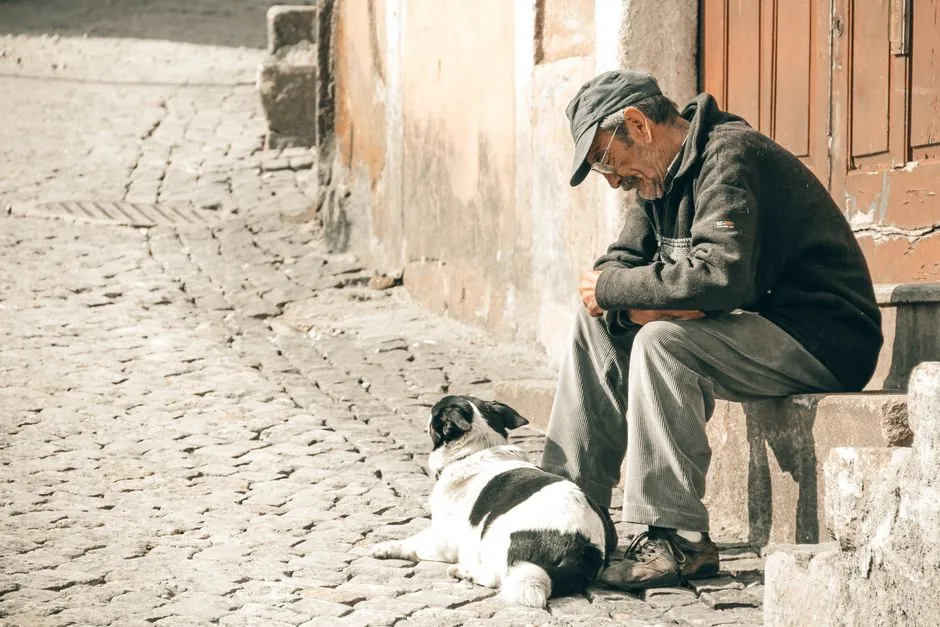
This is the hardest one to talk about, and it’s where opinions get heated – but anyone who’s lived with a very old dog knows it’s real. As dogs reach the final stretch, many begin a quiet, heartbreaking ritual: they spend more time close, but demand less. They stop asking for extra walks or pushing for new games, and instead simply choose to be with you – long, still hours pressed against your leg, head on your lap, eyes half-closed, taking you in.
People argue endlessly over whether dogs “understand” death. What’s clearer is that senior dogs seem to understand time running out with a particular person. They follow you less but watch you more, sleep more but stay in closer contact, nuzzle your hand and then just stay there.
The bond with a dog is as lasting as the ties on this earth.
Konrad Lorenz
It’s like they’re saying, “I chose you, I still choose you, and I’m going to spend whatever I’ve got left right here.” You don’t imagine that. You feel it – and once you’ve felt it, you know exactly what it means to have been chosen.
The Bottom Line
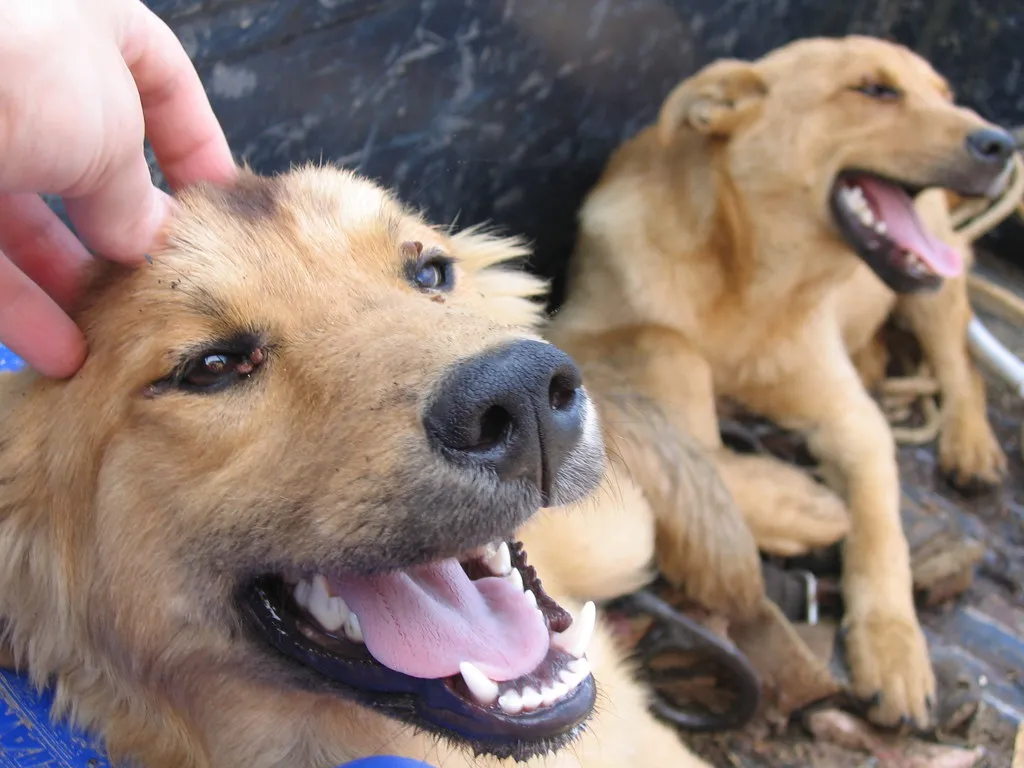
An old dog doesn’t shout its love. It edits. It trims away the casual habits and the random chaos, and leaves only the choices that matter most – where to rest, who to watch, whose hands to trust when everything aches.
At a Glance
- Proximity: Choosing you over comfort, corners, or better beds.
- Vulnerability: Eating, sleeping, and health struggles shared only with you.
- Effort: Getting up, moving, or greeting you despite pain.
- Routine: Syncing their whole day to your comings and goings.
- Farewell: Quieter, closer, less demanding as time runs short.
Social media loves puppies and dramatic reunions, but the real loyalty test happens in those small, stubborn decisions a senior dog makes every single day, when nobody’s filming and nobody’s clapping. If your old dog gives up comfort to be near you, tracks your footsteps when it’s hard to move, or spends its worst days pressed gently against your leg, that’s not just “being a good dog.” That’s a being with very little energy left, choosing to spend all of it on you.
Not everyone gets that privilege. If you do, the real question isn’t whether your dog chose you – it’s whether you’re willing to admit how much that choice changed you. Did we miss one of your old dog’s “I chose you” habits? Share it in the comments.

- 14 Signs a Dog Near the Rainbow Bridge Is at Peace With Its Person - July 21, 2026
- 15 Ways a Shelter Animal Tells You It Was Always Meant to Be Yours - July 21, 2026
- 14 Ways a Dog Shows You Are the Center of Its Whole World - July 21, 2026