
Picture a place where ancient temples sit peacefully beside neon skyscrapers, where robots greet you in hotels, and where entire islands are ruled by cats. That’s Japan for you. This island nation has been capturing imaginations for centuries, mixing the old with the wildly futuristic in ways that constantly surprise visitors.
There’s something almost magical about how Japan balances respect for tradition with an obsession for innovation. Whether you’re wandering through a quiet bamboo forest or standing at the world’s busiest intersection, the country never stops revealing new layers. Let’s dive into some of the most captivating aspects of Japanese culture and daily life that make this place truly unlike anywhere else on Earth.
The Vending Machine Wonderland
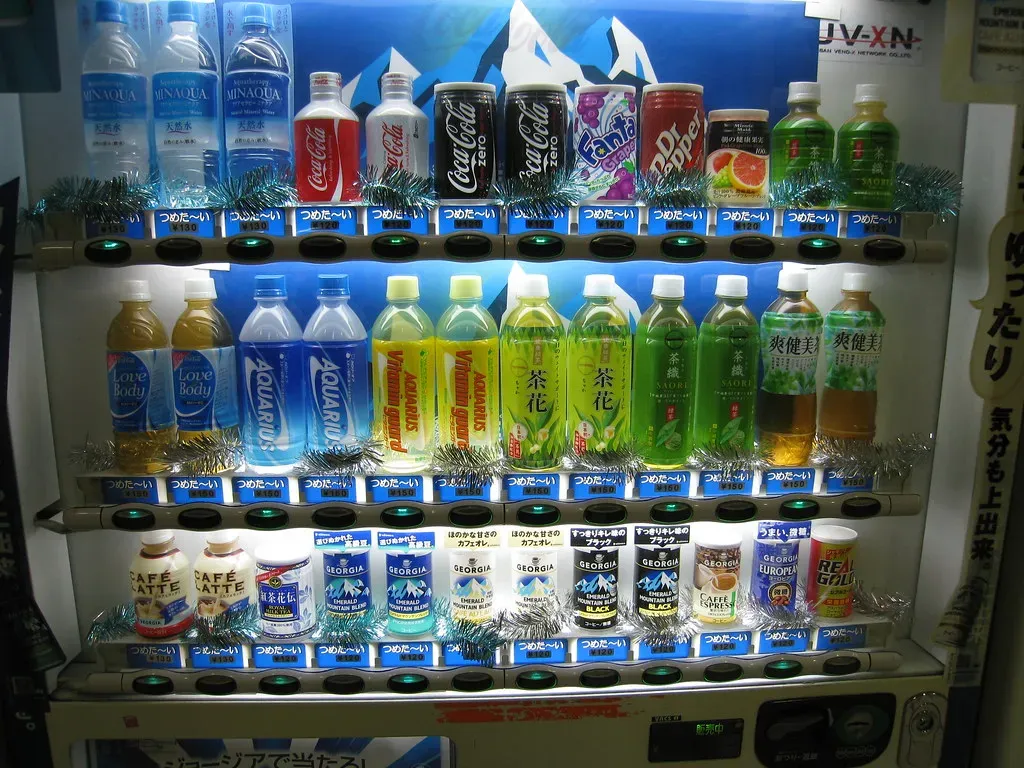
Japan’s obsession with vending machines means you’ll find them everywhere, even in remote mountain villages. Imagine hiking up a trail and stumbling upon a machine selling hot soup or fresh eggs. With estimates ranging from over 4.1 million according to The Japan Times, there’s roughly one vending machine for every 23 to 31 people in the country.
The variety gets genuinely weird fast. While you can grab a standard soda, things get weird fast – hot soup, fresh eggs, canned bread, or even a mystery toy are all available at the push of a button. Some newer models even use artificial intelligence to recommend products based on your preferences. It’s not just about convenience; it’s a reflection of Japan’s love for automation and efficiency.
One of the reasons why Japanese people make vending machines so functional “may have something to do with our national character,” says Ishida. “I think Japanese people love automation. The country has basically turned the humble vending machine into an art form, constantly evolving them with touchscreens, disaster relief functions, and contactless payment systems.
You can even find wedding ring vending machines and good-luck amulet dispensers at shrines. Let’s be real, where else in the world would you buy your engagement ring from a robot box at midnight? You’ll find them not just in bustling cities, but also in remote villages, quiet hiking trails, and even near the summit of Mount Fuji.
Hotels Run Entirely By Robots
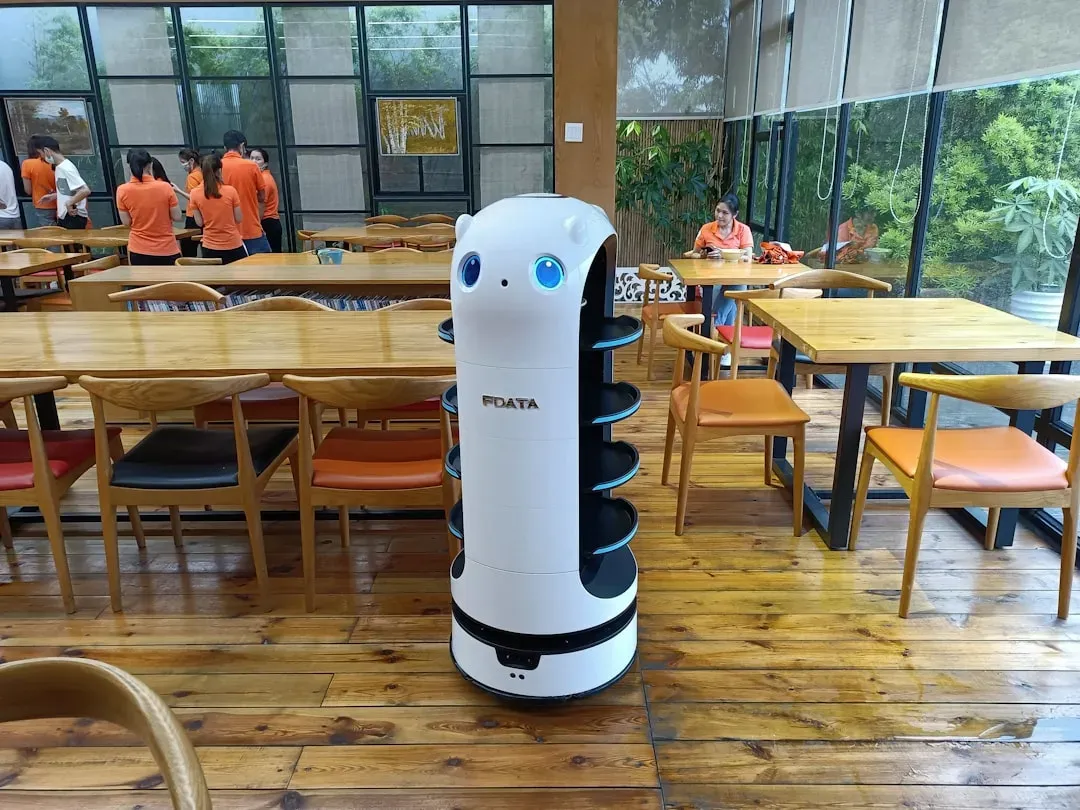
Japan’s Henn na Hotel is staffed almost entirely by robots. At check-in, a multilingual humanoid or even a dinosaur-shaped receptionist will greet you. Facial recognition technology replaces room keys and robotic arms store luggage. Yes, you read that correctly. A dinosaur might check you into your hotel room.
This isn’t some gimmick either. These robot hotels represent Japan’s practical approach to labor shortages and their genuine comfort with technology. While some travelers might find it unsettling at first, most end up charmed by the experience.
The robots aren’t perfect, admittedly. Sometimes they struggle with heavy accents or unusual requests. Still, they represent something bigger about Japanese culture – the belief that humans and machines can coexist harmoniously. It’s like living in a science fiction movie, except the future is already here.
Beyond the novelty factor, these hotels are surprisingly efficient. Check-in takes minutes, there are no language barriers with the multilingual robots, and the rooms are equipped with smart controls. The whole experience feels oddly futuristic yet strangely welcoming.
Animal Cafés Beyond Your Imagination
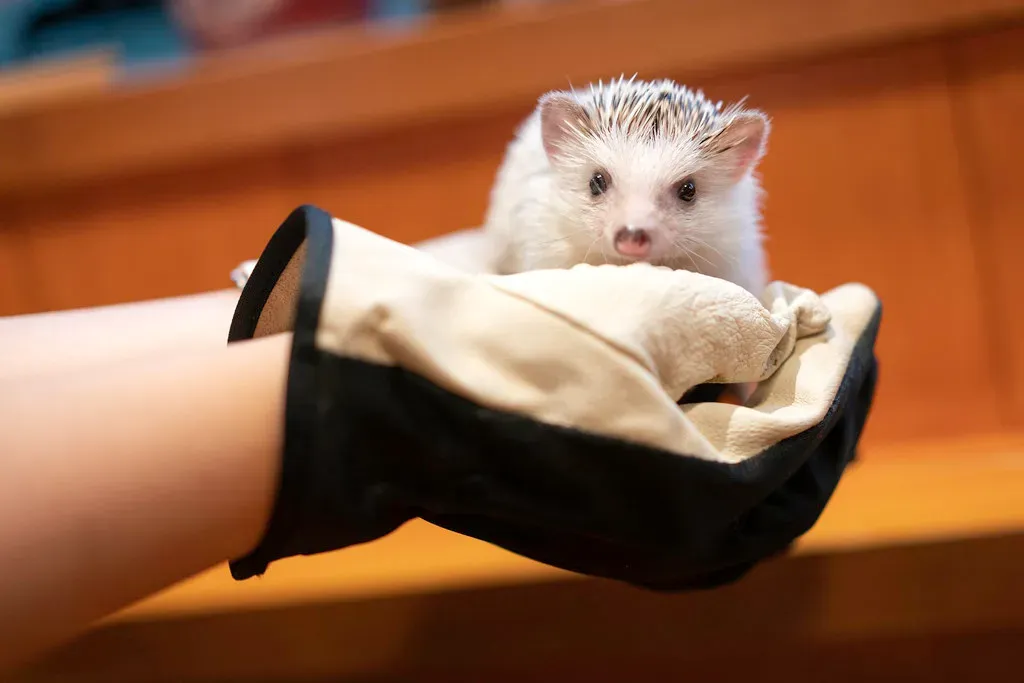
Cat cafés might be somewhat known worldwide now, but Japan takes the concept to an entirely different level. Japan takes animal cafés to the next level. Beyond cat cafés, you’ll find places dedicated to owls, micro-pigs, and even hedgehogs. At Harry Hedgehog Café in Tokyo, you can hold and feed these tiny, spiky creatures while sipping coffee.
The hedgehog café experience is surprisingly therapeutic. These little creatures waddle around, occasionally poking you with their quills, while you enjoy your latte. It’s adorable, slightly absurd, and quintessentially Japanese in its creativity.
Honestly, only in Japan would someone think, “You know what would make coffee better? Hedgehogs.” The country has perfected the art of combining relaxation with unexpected animal encounters. Owl cafés let you interact with these majestic birds up close, their enormous eyes staring into your soul while you sip green tea.
These establishments aren’t just tourist traps either. Many locals regularly visit them for stress relief after long workdays. There’s something deeply calming about spending an hour with gentle animals in a cozy environment, away from the city’s chaos.
Islands Ruled By Cats And Rabbits
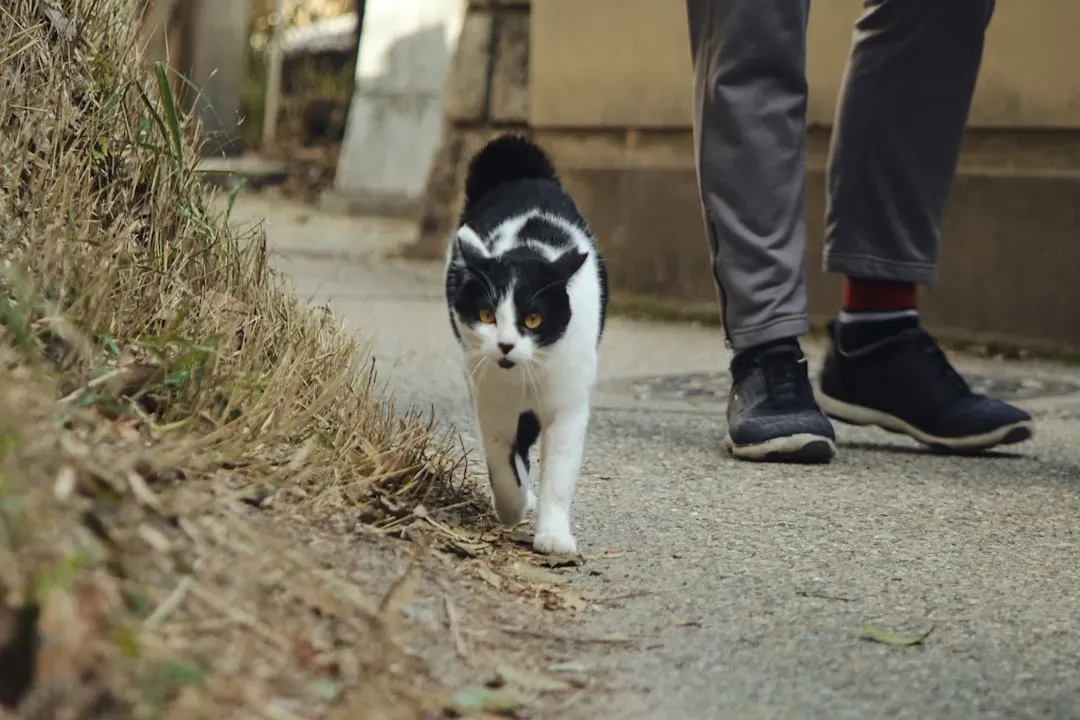
Japan has islands where cats outnumber humans. Aoshima, Tashirojima and a few others are known for their thriving feline populations. They’ve become a small phenomenon – the cats attract tourists, which supports the local community in a quirky way. Picture stepping off a ferry and being immediately swarmed by dozens of friendly cats begging for attention.
These islands weren’t always feline paradises. Cats were originally brought to protect fishing nets from rodents. Over time, with declining human populations, the cats took over. Now they reign supreme, lounging on doorsteps and demanding tribute from visitors in the form of treats and head scratches.
There’s also Ōkunoshima, better known as Rabbit Island. Hundreds of friendly rabbits hop freely across this small island, approaching visitors without fear. The contrast between their fluffy cuteness and the island’s dark history as a former military site creates an unexpectedly poignant experience.
Visiting these animal islands feels like entering an alternate reality. The usual rules don’t apply when cats or rabbits are clearly in charge. It’s charming, photogenic, and somehow perfectly represents Japan’s ability to create unique experiences you simply can’t find elsewhere.
The Art Of Fixing Broken Things With Gold
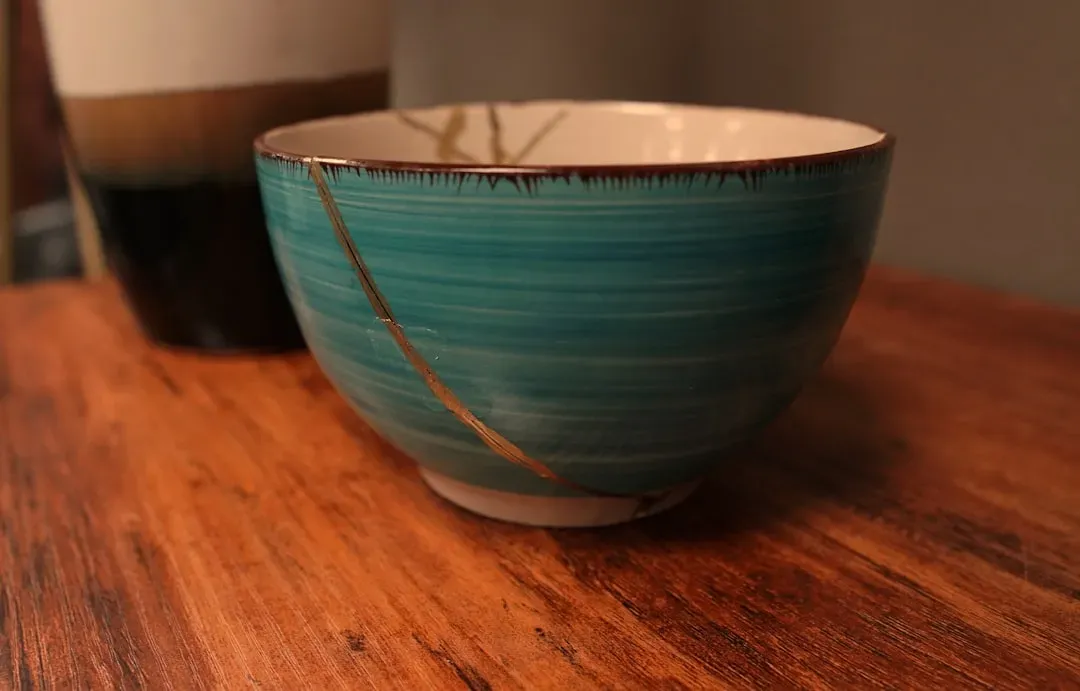
The Japanese have an art form called Kintsugi, which translates as “golden joinery.” It is a rather unusual practice involving mending broken pottery with lacquer mixed with powdered precious metals. The philosophy behind Kintsugi is similar to wabi-sabi, which teaches appreciation of the imperfect things in the world.
Here’s the thing: instead of hiding the cracks or throwing broken items away, Kintsugi celebrates them. The gold-filled seams become the most beautiful part of the piece, telling its story. It’s a profound metaphor for accepting our own flaws and scars.
Instead of discarding damaged objects, Japanese people often repair them and use them for centuries. This art also represents appreciating our scars and failures. This philosophy extends beyond pottery into how many Japanese people approach life itself – finding beauty in imperfection rather than pursuing impossible perfection.
Watching a Kintsugi artist work is mesmerizing. Their careful hands piece together fragments, filling gaps with shimmering gold. The finished product looks more valuable than it did when new, transformed by its history rather than diminished by it.
Slurping Noodles Is Actually Polite
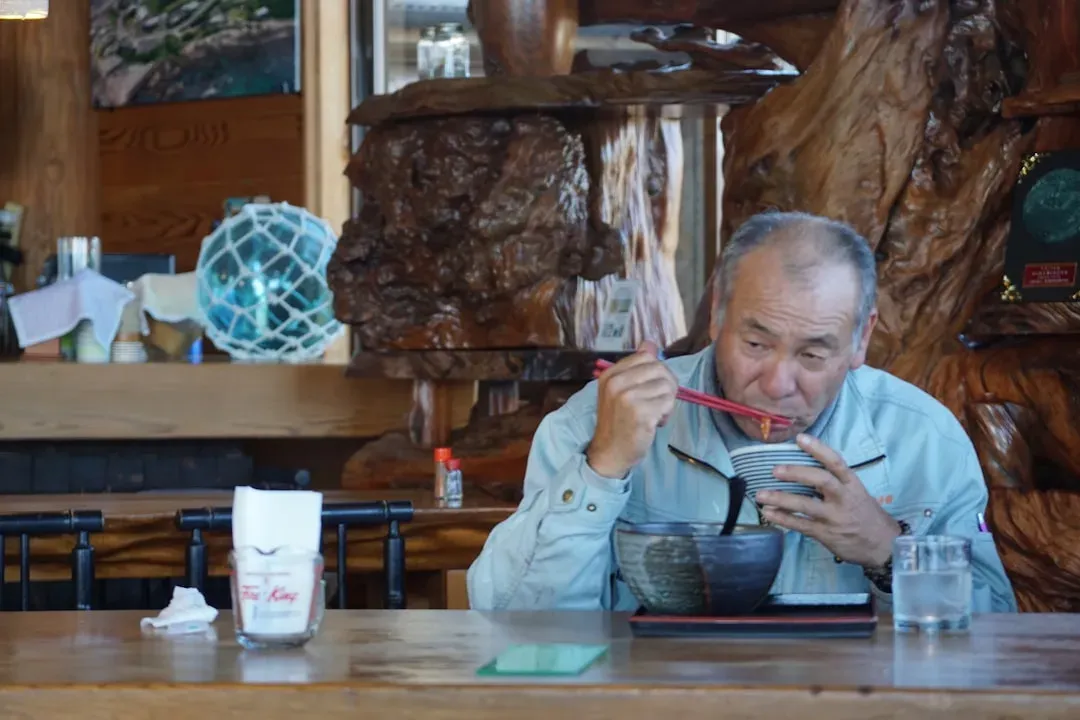
In Japan, slurping your noodles is not rude – it’s a sign of appreciation for the food. The sound is believed to enhance the flavors and cooling effect of hot noodles. Many locals consider it a joyful, satisfying part of the dining experience. Your grandmother might have scolded you for making noise while eating, but in Japan, silence at the ramen counter would be strange.
The louder you slurp, the more you’re showing the chef you’re enjoying their creation. It took me ages to get comfortable doing this without feeling self-conscious. Now it feels liberating to make noise while eating without judgment.
There’s actually technique involved. Proper slurping aerates the noodles and broth, allowing you to taste the complex flavors better while cooling the piping hot soup. It’s not just about manners; it’s about maximizing the culinary experience.
Walk into any ramen shop at lunchtime and you’ll hear a symphony of slurping from every direction. It creates this communal atmosphere where everyone’s collectively enjoying their meal without pretense or restraint.
High-Tech Toilets That Do Everything

Japanese toilets are legendary, and for good reason. They come with heated seats, multiple bidet spray options, music to mask embarrassing sounds, automatic lids, and deodorizers. Some even analyze your health metrics. It’s overwhelming the first time you encounter one.
One theory suggests that Japanese culture expects an individual to always be social. From sharing meals to public baths to communal Sakura viewing, people hardly ever get private time to introspect – except in the bathroom. Perhaps that explains why they’ve made toilets into such comfortable sanctuaries.
The control panels look like spaceship dashboards with dozens of buttons. Finding the flush button becomes an adventure. Press the wrong one and you might accidentally activate the bidet at maximum pressure, learning a valuable lesson about reading instructions.
Public restrooms in Japan often feature these high-tech marvels, not just fancy hotels. Even train station bathrooms offer heated seats and basic bidet functions. It completely changes your expectations about what a bathroom experience should be.
Snow Monkeys Taking Hot Spring Baths
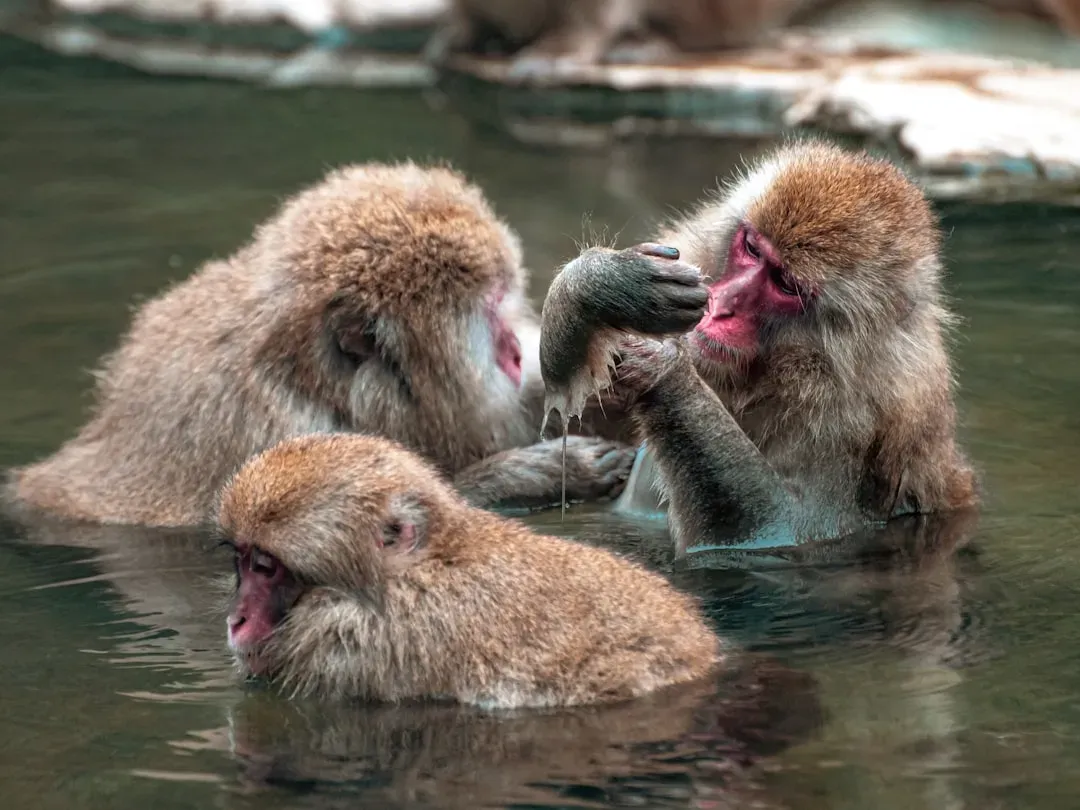
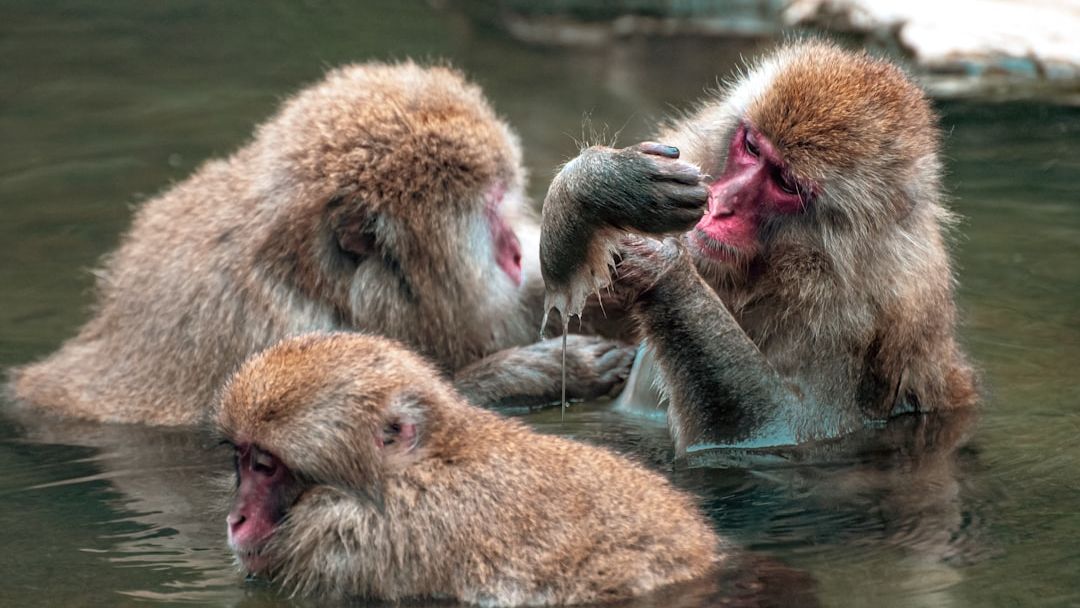
Japan is home to the Japanese macaque, or snow monkey, which lives in colder climates than other primates. The Nagano Prefecture is known for its macaques, who bathe in hot springs in the winter. Watching these furry creatures lounging in steaming pools with snow falling around them is surreal.
The monkeys discovered the hot springs on their own and now treat them like their personal spas. They sit in the water with their eyes half-closed, looking more relaxed than most humans on vacation. Their red faces peek out from the steam, utterly content.
Visiting the snow monkey park in winter feels like witnessing something almost mythical. The contrast between the freezing air and hot water, the peaceful expressions on the monkeys’ faces, and the pristine snowy landscape creates an unforgettable scene.
Baby monkeys play at the edges while older ones meditate in the deeper pools. They’re completely unfazed by human observers, too absorbed in their bathing ritual to care. It perfectly captures Japan’s unique relationship with nature and wildlife.
The Baby Crying Competition

The Nakizumo Crying Baby Festival is one of Japan’s most charming and quirky traditions. Held each spring at Tokyo’s Sensoji Temple and other spots across the country, the event features sumo wrestlers gently holding babies in a ring and trying to make them cry; the first or loudest crier is declared the winner.
This might sound cruel, but it’s actually hilarious and strangely wholesome. This 400 year old tradition is said to keep the babies in good health! Parents believe their children will grow up strong and healthy if they cry loudly at this event.
Imagine massive sumo wrestlers cradling tiny babies, pulling funny faces and wearing scary masks to provoke tears. The babies’ reactions range from confused stares to full-blown meltdowns. Parents cheer when their child cries hardest, completely reversing normal parenting instincts.
It’s one of those traditions that seems bizarre from the outside but makes perfect sense within Japanese cultural context. The festival celebrates vitality and health while providing entertainment and community bonding. Did you expect babies crying to be a competitive sport?
Baseball Is More Popular Than Sumo

Many people assume sumo wrestling dominates Japanese sports, but that’s not quite accurate. Baseball, introduced from the United States in the 1870s, has stolen the nation’s heart. Today it is Japan’s most popular sport and stadiums are packed with cheering fans waving team flags and singing coordinated chants.
Japanese baseball culture is intense and organized. Fan sections perform synchronized cheering routines with specific songs for each player. They bring drums, trumpets, and elaborate costumes. The energy rivals any American stadium but with distinctly Japanese coordination and enthusiasm.
Though food wise expect bentos not hot dogs! The stadium food reflects Japanese tastes, with beautifully packaged bento boxes replacing typical stadium fare. You can enjoy perfectly seasoned chicken karaage while watching a home run.
High school baseball tournaments are televised nationally and taken incredibly seriously. Teams practice year-round with military-like discipline. The entire country practically stops to watch the summer tournament finals, demonstrating just how deeply baseball has embedded itself in Japanese culture.
Conclusion: Where Tradition Meets Tomorrow
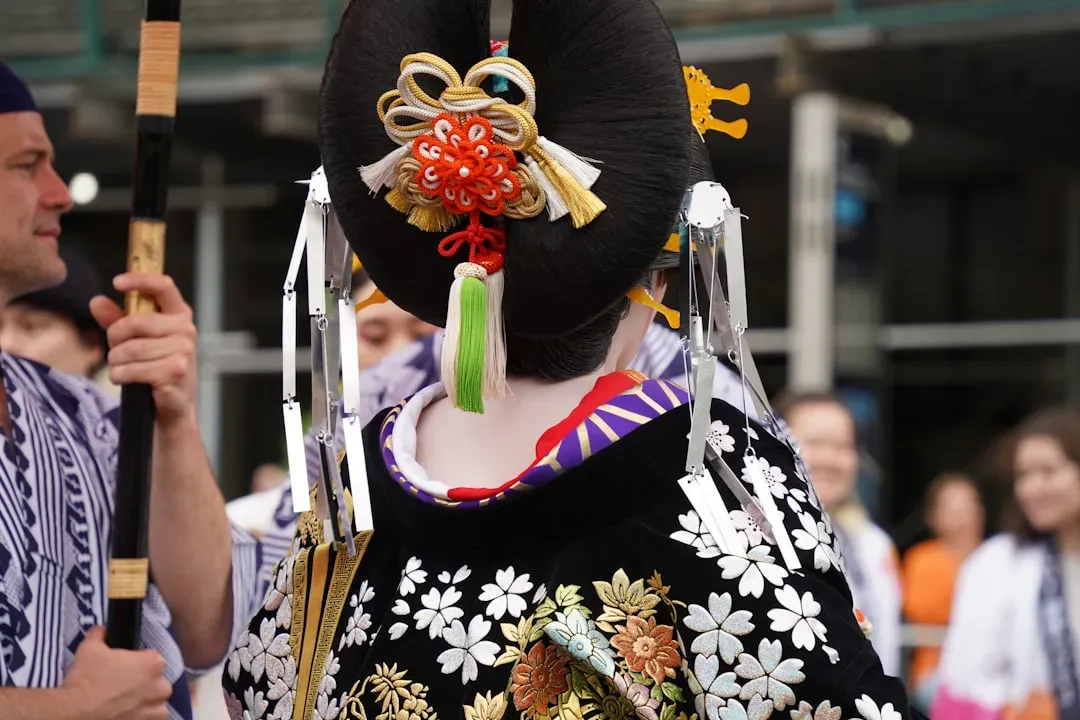
Japan manages something truly special – honoring centuries-old traditions while enthusiastically embracing the future. This unique balance creates a country where you can experience a formal tea ceremony in the morning and have a robot serve you ramen at night. The juxtaposition never gets old.
What makes Japan genuinely fascinating isn’t just individual quirks like cat islands or high-tech toilets. It’s how these elements combine to create a culture that’s simultaneously ancient and futuristic, serious and playful, traditional and innovative. The country constantly challenges expectations while remaining true to its core values of respect, harmony, and attention to detail.
Japan is known to have the world’s second-highest life expectancy, next to Hong Kong. In 2024, there were 2.31 million Japanese people over the age of 90, with over 71,000 of them being over 100! Perhaps there’s something to their approach to life – finding joy in small details, respecting imperfection, and accepting both robots and ancient rituals as equally valid parts of modern existence.
From vending machines that dispense everything imaginable to islands where animals reign supreme, Japan keeps surprising even repeat visitors. The country invites you to look closer, think differently, and appreciate both the profound and the playful. What aspect surprised you most? Would you try slurping your noodles or visiting a hedgehog café?

- 6 Exotic Bird Species You Can Spot in U.S. National Parks - July 19, 2026
- 11 Iconic American Birds Facing New Challenges and How You Can Help - July 19, 2026
- 10 Friendliest Animals in the World - July 19, 2026