

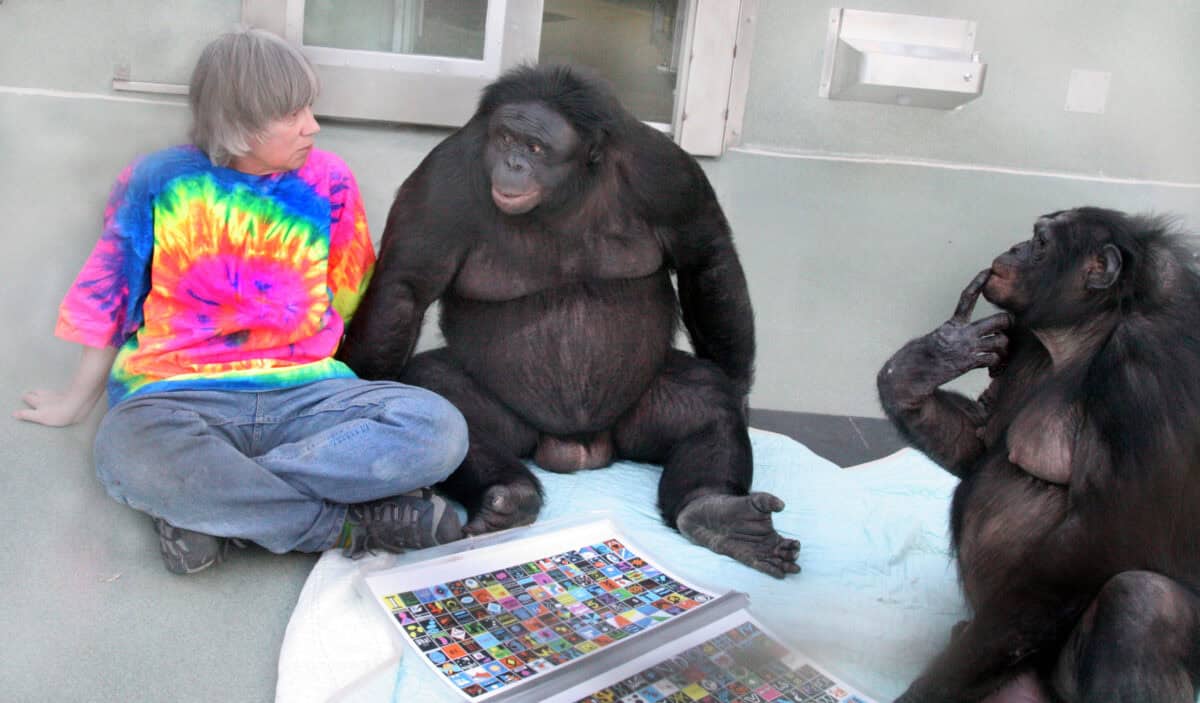
For decades, scientists and researchers have been fascinated by the prospect of establishing meaningful communication with non-human animals. From teaching great apes to use sign language to training dogs to press buttons that “speak” words, these pioneering efforts have revolutionized our understanding of animal cognition and challenged long-held beliefs about the uniqueness of human language. This article explores the remarkable journey of interspecies communication, examining various methodologies, breakthroughs, challenges, and ethical considerations in teaching animals to communicate with humans. As we’ll discover, these endeavors have not only expanded our knowledge about animal intelligence but have also transformed our relationship with other species, prompting profound questions about consciousness, language, and what it truly means to communicate.
The Evolution of Animal Communication Research
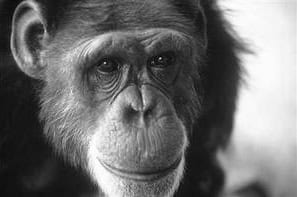
The scientific study of animal communication traces back to the early 20th century, but it was in the 1960s that research took a transformative turn. Prior to this period, behaviorists like B.F. Skinner dominated the field with stimulus-response theories that viewed animals as primarily reactive beings. The cognitive revolution challenged these perspectives, opening doors to investigations of animal minds as active, thinking entities. Early pioneers like psychologists Allen and Beatrice Gardner began teaching American Sign Language (ASL) to a chimpanzee named Washoe in 1966, marking the beginning of systematic attempts to teach human language systems to non-human animals. Their groundbreaking work inspired a wave of similar projects with other great apes, dolphins, and eventually a wide range of species. Over the decades, technological advancements have dramatically expanded both the methods available to researchers and our understanding of natural communication systems that animals already use in the wild, creating a rich, multidisciplinary field that continues to evolve today.
Great Apes and Sign Language: The Pioneering Studies
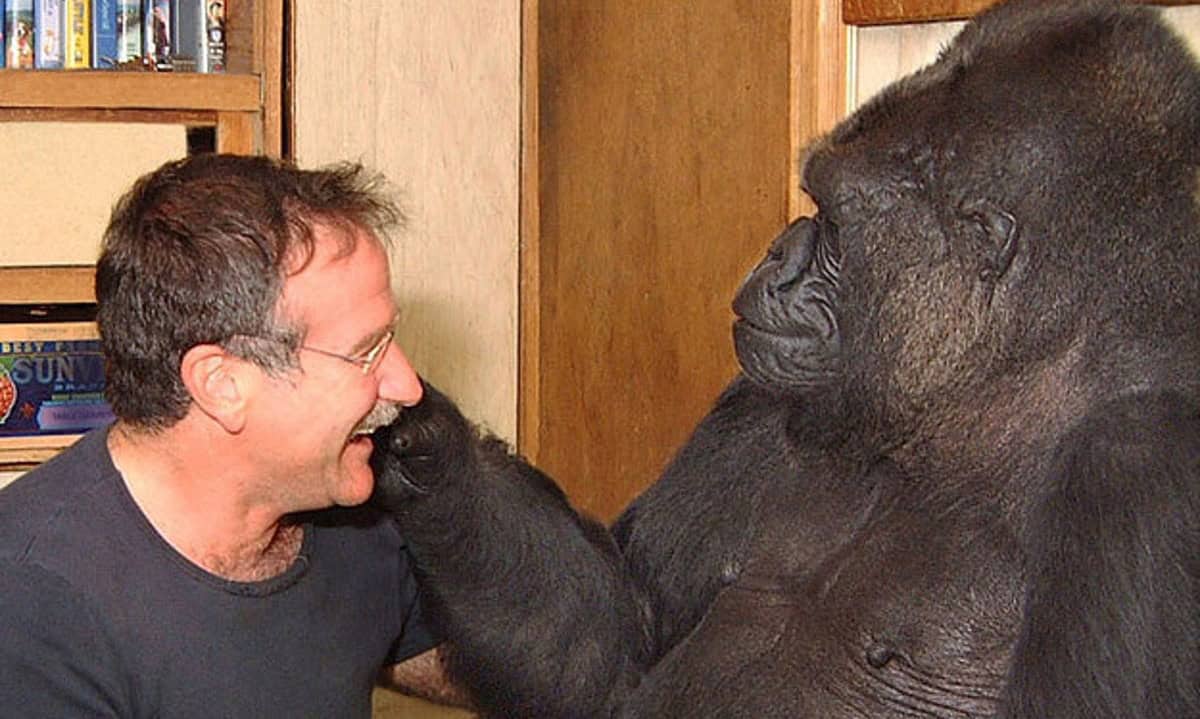
The efforts to teach sign language to great apes represent some of the most ambitious and controversial studies in animal communication. After Washoe demonstrated the ability to learn and use approximately 350 signs, other projects followed. Koko, a female gorilla who worked with researcher Penny Patterson, reportedly mastered over 1,000 signs and understood thousands of English words. Nim Chimpsky, studied by Herbert Terrace, and Chantek, an orangutan taught by Lyn Miles, were other notable subjects. These studies revealed that great apes could not only learn individual signs but also combine them in meaningful ways, demonstrating rudimentary grammar. They showed emotional expression, creativity, and even humor through their signing. However, these projects have faced scientific criticism regarding methodology, potential cueing from researchers, and whether the apes truly understood the symbolic nature of language or were simply associating signs with rewards. Despite these controversies, the ape language studies fundamentally changed our perception of the cognitive abilities of our closest evolutionary relatives and narrowed the perceived gap between human and animal communication capabilities.
Lexigrams and Computer-Based Communication Systems

As technology advanced, researchers developed sophisticated computer-based communication systems for working with animals. One of the most successful examples is the work with Kanzi, a bonobo who learned to use lexigrams—geometric symbols representing words—on a specialized keyboard. Supervised by Sue Savage-Rumbaugh, Kanzi demonstrated remarkable capabilities, learning lexigrams primarily through observation rather than direct training. Unlike earlier ape studies, Kanzi’s learning was documented with rigorous controls against cueing. He not only mastered hundreds of lexigrams but showed understanding of spoken English sentences and novel combinations of words. Computer interfaces offered several advantages over sign language: they provided permanent records of communications, reduced interpretation ambiguities, and allowed for more controlled experimental conditions. Similar systems have been adapted for work with dolphins, sea lions, and even dogs in recent years. The development of touchscreens and AI-enhanced interfaces continues to expand the possibilities for animal-computer interaction, creating new avenues for research while simultaneously raising questions about how technology mediates our understanding of animal cognition.
Talking Birds: Vocal Learning and Semantic Understanding

Birds represent a fascinating case in animal communication studies due to their natural vocal learning abilities. African grey parrots, in particular, have demonstrated remarkable capabilities. Dr. Irene Pepperberg’s work with Alex, an African grey parrot, shattered expectations when Alex learned to use over 100 English words meaningfully, identify colors, shapes, and numbers, and even grasp abstract concepts like “same” and “different.” Unlike mere mimicry, Alex could answer novel questions about objects, demonstrating genuine comprehension. Griffin and Athena, parrots who continued in Pepperberg’s research program after Alex’s death in 2007, have shown similar cognitive abilities. Beyond parrots, corvids (crows, ravens, and jays) have demonstrated sophisticated problem-solving and tool use, though their vocal apparatus limits their ability to reproduce human speech. The success of avian subjects is particularly significant because birds are phylogenetically distant from humans compared to primates, suggesting that advanced cognitive and communicative abilities have evolved independently multiple times. These studies highlight that the capacity for complex communication is not limited to mammals with brain structures similar to humans, broadening our understanding of the diverse paths to intelligence in the animal kingdom.
Marine Mammals: Communication in Aquatic Environments

Research with dolphins and other marine mammals has revealed some of the most sophisticated communication systems outside of primates. Dolphins possess large, complex brains and naturally communicate using a variety of whistles, clicks, and body movements. Louis Herman’s pioneering work with bottlenose dolphins at the Kewalo Basin Marine Mammal Laboratory demonstrated that dolphins could understand artificial languages based on both gestures and sounds. The dolphins comprehended not only individual symbols but also the syntax of sentences, following instructions with multiple components in the correct order. More recent studies have focused on understanding dolphin natural communication, with researchers like Denise Herzing working to decode dolphin whistles and develop two-way communication systems. Orcas (killer whales) have also shown evidence of distinct “dialects” among different pods, suggesting cultural transmission of vocalizations. The aquatic environment presents unique challenges for researchers, but it has also inspired innovative methodologies using underwater keyboards, touch-sensitive panels, and acoustic interfaces. The cognitive abilities demonstrated by marine mammals underscore the relationship between social complexity and communication skills, as these highly social animals naturally develop sophisticated ways to coordinate with their conspecifics in the wild.
The “Talking Dog” Phenomenon: Button Communication

In recent years, a new approach to animal communication has gained popularity: teaching dogs to “speak” by pressing soundboards with pre-recorded words. This method was popularized by speech-language pathologist Christina Hunger, who documented her dog Stella’s use of a custom-built button board with words like “outside,” “play,” and “water.” The approach has since been adopted by thousands of pet owners, with some dogs reportedly using dozens of buttons to form multi-word expressions. The most famous example is Bunny, a sheepadoodle whose owner Alexis Devine has documented her apparent use of over 90 buttons, including abstract concepts like “yesterday” and questions like “why.” While these demonstrations are compelling, scientific evaluation is still catching up with the phenomenon. The research project “They Can Talk” is collecting data from participating owners to analyze patterns systematically. Skeptics point to potential cueing from owners, selective reporting of successful communications, and anthropomorphic interpretation of random button presses. Nevertheless, even if button-pressing dogs aren’t using language as humans do, these interactions reveal interesting aspects of canine cognition, including their attention to human communicative cues and their ability to form associations between symbols and outcomes. The accessibility of this method has democratized animal communication research, allowing citizen scientists to contribute observations from daily life with their pets.
Artificial Languages and Symbol Systems

Researchers have developed various artificial languages and symbol systems specifically designed for interspecies communication. These systems typically use visual symbols, tactile cues, or sounds that animals can perceive and reproduce more easily than human language. One notable example is “Yerkish,” a language created by Ernst von Glasersfeld for use with great apes, consisting of lexigrams arranged on keyboards. Unlike natural human languages, these artificial systems can be tailored to the perceptual and cognitive abilities of the specific species. For instance, dolphins have been taught to understand an artificial gestural language where different arm movements represent different objects and actions. In some studies, animals have learned to use symbols not only to request things but also to comment on their environment or answer questions about abstract properties like color or quantity. The development of these custom communication systems highlights an important shift in approach: rather than forcing animals to adapt to human communication methods, researchers increasingly design interfaces that accommodate animal bodies and minds. This “meeting in the middle” approach recognizes that meaningful interspecies communication requires adaptation from both human and animal participants, with technologies serving as bridges between different cognitive and perceptual worlds.
Challenges and Controversies in Animal Communication Research

Despite significant advances, animal communication research faces substantial methodological and interpretive challenges. The “Clever Hans effect”—named after a horse that appeared to solve arithmetic problems but was actually responding to subtle, unconscious cues from humans—remains a persistent concern. Researchers must implement rigorous controls to ensure animals are truly understanding symbols rather than responding to inadvertent cues. Another major controversy concerns what constitutes “language.” Critics like linguist Noam Chomsky have argued that animal communication lacks the recursive grammar and generative capacity that define human language. The distinction between associative learning (connecting symbols with outcomes) and genuine symbolic understanding (grasping that symbols represent concepts) is also heavily debated. Replication challenges plague the field as well; working with individual animals over many years creates difficulties in reproducing results across different subjects and settings. Additionally, interpretation of animal communications often involves a degree of anthropomorphism that can lead to overestimation of abilities. Some scientists argue that research focus should shift from teaching human communication systems to better understanding animals’ natural communication in their own terms. These controversies reflect deeper philosophical questions about the nature of language, thought, and the human-animal relationship that continue to drive this fascinating field forward.
Beyond Words: Multimodal Communication and Emotional Expression

Communication encompasses far more than words alone, and research increasingly focuses on the multimodal nature of animal expression. Animals naturally communicate through combinations of vocalizations, gestures, body postures, facial expressions, and even chemical signals. Studies with great apes have documented rich gestural repertoires that they use flexibly depending on the attention state of their audience. Dogs have been shown to produce different facial expressions when humans are looking at them versus when they’re not, suggesting awareness of the communicative function of expressions. Research with horses has revealed their ability to interpret human emotional states from facial expressions and body language. Even species like rats demonstrate empathic responses to distress in conspecifics. These findings highlight that focusing exclusively on word-like symbols may miss important aspects of animal communication. Emotional states are particularly important in this broader view; many animals clearly communicate emotional information through vocalizations, postures, and physiological changes. The development of technologies like infrared cameras to detect subtle temperature changes associated with emotional states and AI systems that can identify patterns in vocalizations is expanding our ability to recognize and interpret these non-verbal communications. This holistic approach acknowledges that meaningful communication involves not just exchanging information but also connecting emotionally—a capacity that appears widely distributed across species.
Ethical Considerations in Animal Communication Studies

Teaching animals to communicate with humans raises profound ethical questions. Early ape language studies often involved removing infant apes from their mothers and raising them in human environments—practices now widely considered ethically problematic. The welfare implications of captivity, particularly for highly intelligent, social species like great apes and dolphins, have prompted a shift toward research with animals already living in captivity or studies of wild populations using non-invasive methods. Beyond welfare concerns, the capacity for animals to communicate raises questions about their moral status. If animals can express preferences, desires, and perhaps even rights claims, what obligations does that create for humans? Some philosophers argue that the demonstration of complex cognitive and communicative abilities strengthens the case for enhanced legal protections for certain species. There are also concerns about informed consent—animals cannot meaningfully agree to participate in research—and about the potential exploitation of animal communicative abilities for entertainment rather than legitimate scientific or welfare purposes. As our understanding of animal communication deepens, researchers increasingly emphasize the importance of respectful methodologies that recognize animals as subjects rather than objects, considering what benefits the research might offer to the animals themselves or their species. This ethical evolution reflects broader societal reconsideration of human-animal relationships and responsibilities.
Applications in Animal Welfare and Conservation

The insights gained from animal communication research have significant practical applications. Understanding how animals communicate their needs and emotional states can dramatically improve welfare in captive settings. Zoos and sanctuaries increasingly design environments and care protocols based on animals’ expressed preferences rather than human assumptions. For example, preference testing using simple choice mechanisms allows animals to indicate their environmental preferences without requiring complex symbol use. In veterinary medicine, better recognition of pain signals across species has led to improved pain management protocols. Conservation efforts benefit as well; understanding vocal dialects in endangered species like whales can help track population movements and inform protection measures. For domestic animals, communication tools offer practical benefits in daily care. Service dogs can use specialized harnesses with attached buttons to alert their handlers to medical emergencies or environmental hazards. Working animals like detection dogs or assistance animals can communicate specific findings more precisely with trained indication behaviors or communication devices. Perhaps most significantly, improved understanding of animal communication helps break down the perceived communication barrier that has historically been used to justify exploitation of other species. By recognizing the rich communicative lives of animals, both in their natural systems and in human-animal interactions, we develop more respectful and responsive relationships with the other beings with whom we share our planet.
Future Directions in Animal Communication Research

The field of animal communication stands at an exciting frontier, with new technologies and approaches continually expanding possibilities. Artificial intelligence and machine learning are revolutionizing the analysis of animal vocalizations, potentially decoding communication systems that were previously inaccessible to human understanding. Projects like the Earth Species Project aim to use AI to translate animal communications across species. Advanced neuroimaging techniques now allow researchers to observe brain activity in awake animals, offering insights into how different species process communicative signals. Non-invasive field technologies like drone-mounted recording devices and automated camera traps enable studies of natural communication in previously inaccessible environments. The growing field of comparative cognition provides important context for communication studies by mapping the cognitive capacities that underlie different communicative behaviors across species. Interdisciplinary collaboration is increasingly common, with linguists, computer scientists, ethologists, and philosophers working together to address complex questions about animal communication. As methodologies improve, research is expanding beyond the traditional focus on great apes, dolphins, and parrots to include a wider diversity of species, including social insects, reptiles, and fish—groups whose communication systems have been historically understudied. Perhaps most importantly, there’s growing recognition that the goal should not be simply to teach animals to communicate in human-like ways, but to develop a deeper understanding of and respect for the diverse ways that different species naturally make meaning in their worlds.
The journey to teach animals to communicate with humans has profoundly transformed our understanding of both animal cognition and the nature of communication itself. What began as attempts to find human language capabilities in other species has evolved into a more nuanced appreciation of the diverse ways that animals make meaning—both in their natural communication systems and through human-designed interfaces. These studies have conclusively demonstrated that many animals possess far greater cognitive and communicative capacities than previously recognized, challenging long-held assumptions about human uniqueness. Perhaps the most important lesson has been one of humility: effective interspecies communication requires humans to step outside our linguistic comfort zones and meet other species where they are, adapting our expectations and methods to their perceptual and cognitive worlds. As we continue to explore the communicative lives of animals, we’re not just learning about them but also gaining new perspectives on ourselves—on the nature of language, thought, and the countless ways to share meaning across the boundaries that separate species. In this ongoing dialogue between humans and other animals, we may ultimately discover that communication is less about words themselves and more about the connections they create—connections that are possible in many forms across the remarkable diversity of minds that inhabit our planet.

- How Crickets Chirp Using Their Wings - July 20, 2026
- The Largest Sea Turtle Ever Rescued Off North Carolina - July 20, 2026
- The Ocean’s Escape Artist: Why Octopuses Outsmart Us All - July 20, 2026