
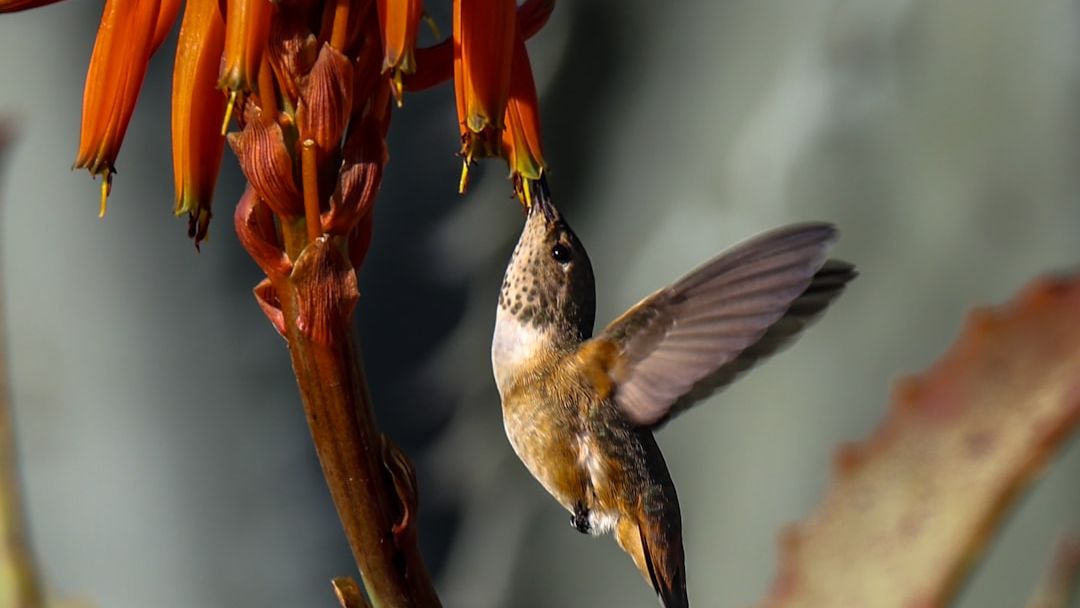
There’s something genuinely startling about the first time a hummingbird stops in your yard. One second the garden is still. Then there’s a metallic flash, a faint hum like a playing card against bicycle spokes, and it’s gone. Most people put out a feeder after that and wait. Most people also wonder why it doesn’t work as well as they hoped.
It’s tempting to think attracting them is as simple as hanging a bright red feeder and calling it a day. There’s more to drawing these tiny visitors than most people realize. What brings them in and keeps them coming back comes down to the bigger picture happening in your yard. The good news is that a few thoughtful, garden-based changes can make your outdoor space genuinely irresistible to them – no gimmicks needed.
#1: Plant Native, Nectar-Rich Flowers First
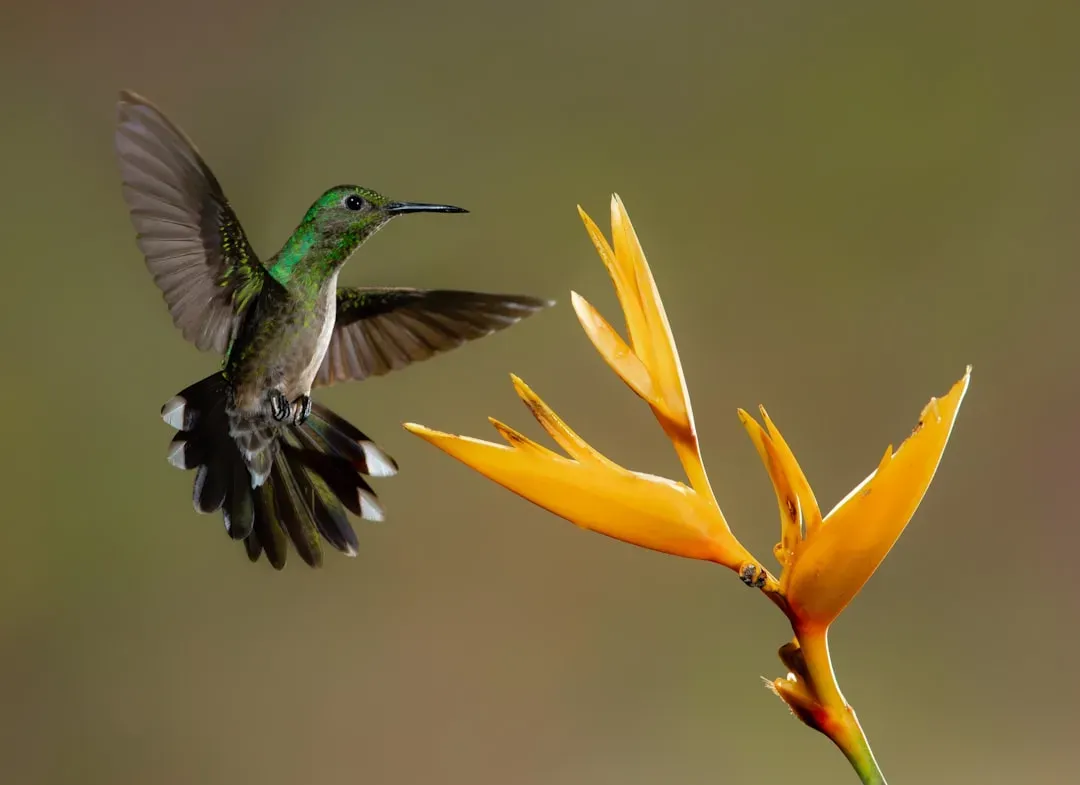
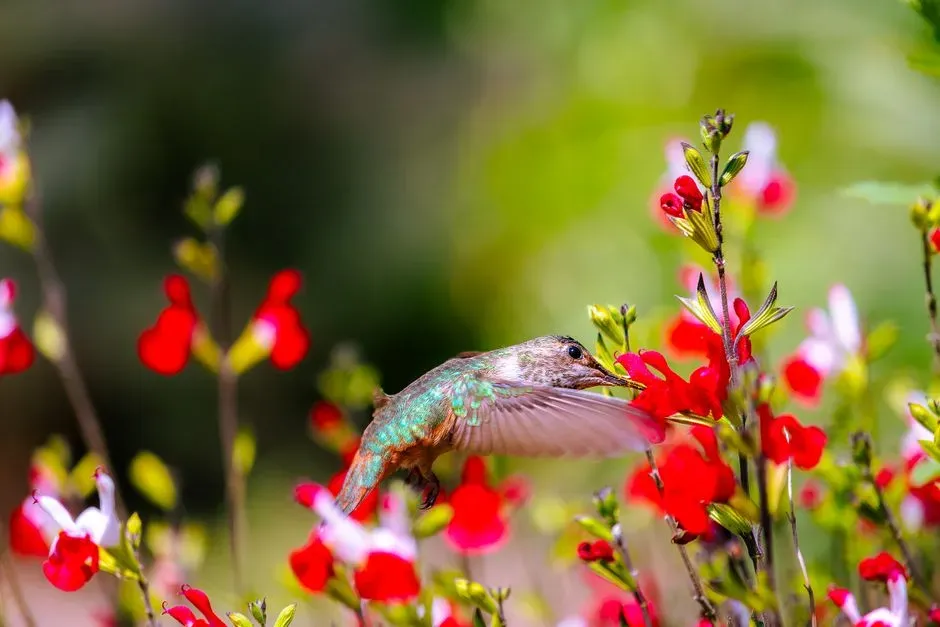
The single most powerful thing you can do is fill your garden with the right plants. Native red or orange tubular flowers are particularly effective for attracting hummingbirds, in addition to other native plants rich in nectar. The shape matters as much as the color – hummingbirds are specialized for nectar-eating, evident by their long bills and grooved tongues ideal for probing flowers.
Good native options to grow include salvia, fuchsia, trumpet creeper, lupin, columbine, bee balm, and foxglove. These aren’t just beautiful garden plants – they’re working plants that offer genuine food value. Keep in mind that cultivated varieties of impatiens and rhododendrons may look promising, but have little value to hummingbirds, as these are selected for flower size, color, and shape, but are not good nectar producers.
#2: Choose Plants That Bloom at Different Times of the Season
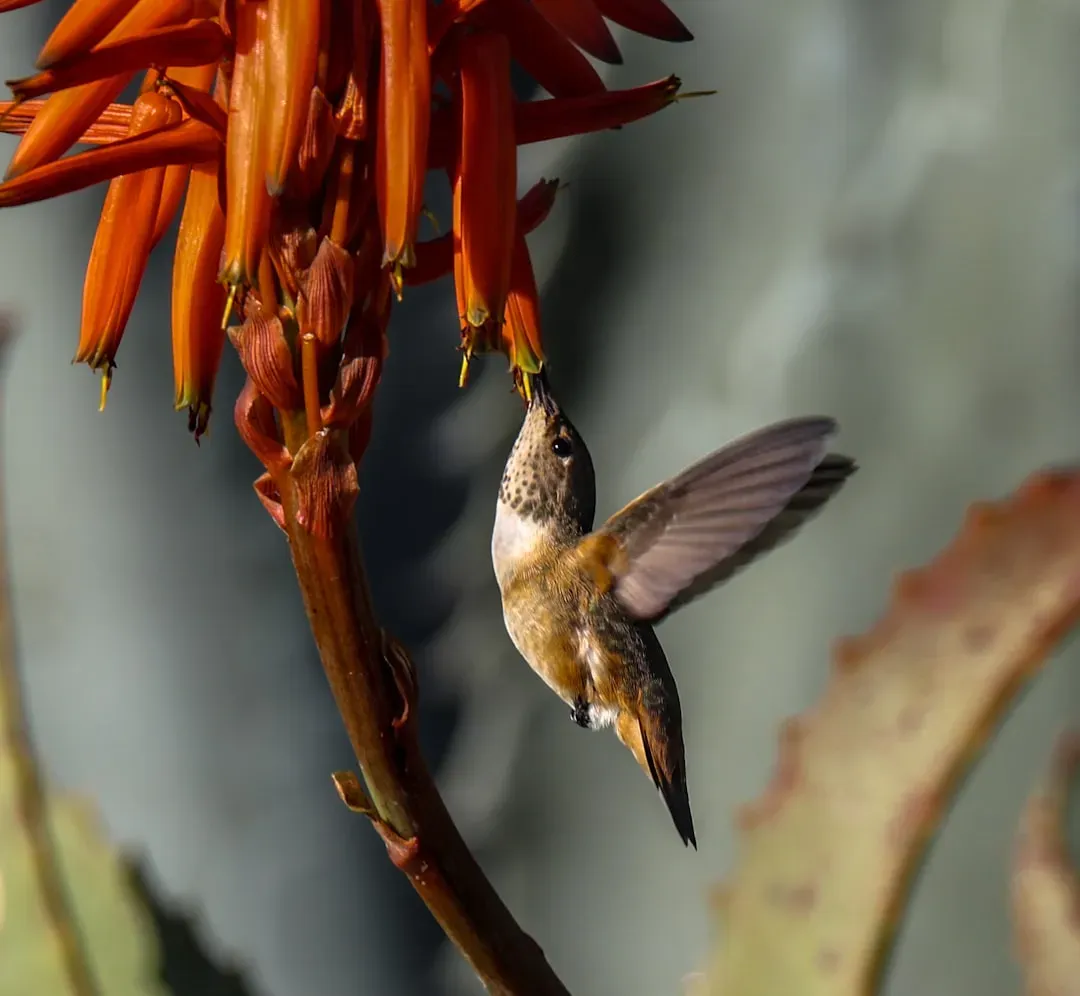
Selecting plants that bloom at different times of the year provides nectar throughout the hummingbird season. This is a detail that many gardeners overlook when they first set up a hummingbird-friendly space. A garden that peaks in July and goes quiet by August is going to lose its visitors.
Planting across seasons makes a real difference. Columbine is a good early season option, and hummingbirds will also get nectar from red bee balm and jewelweed, with sightings on anise hyssop and zinnias as well. Keep plants deadheaded for maximum bloom and nectar. A small tweak to your pruning routine can extend the attractiveness of your garden by weeks.
#3: Plant in Clusters, Not Scattered Singles
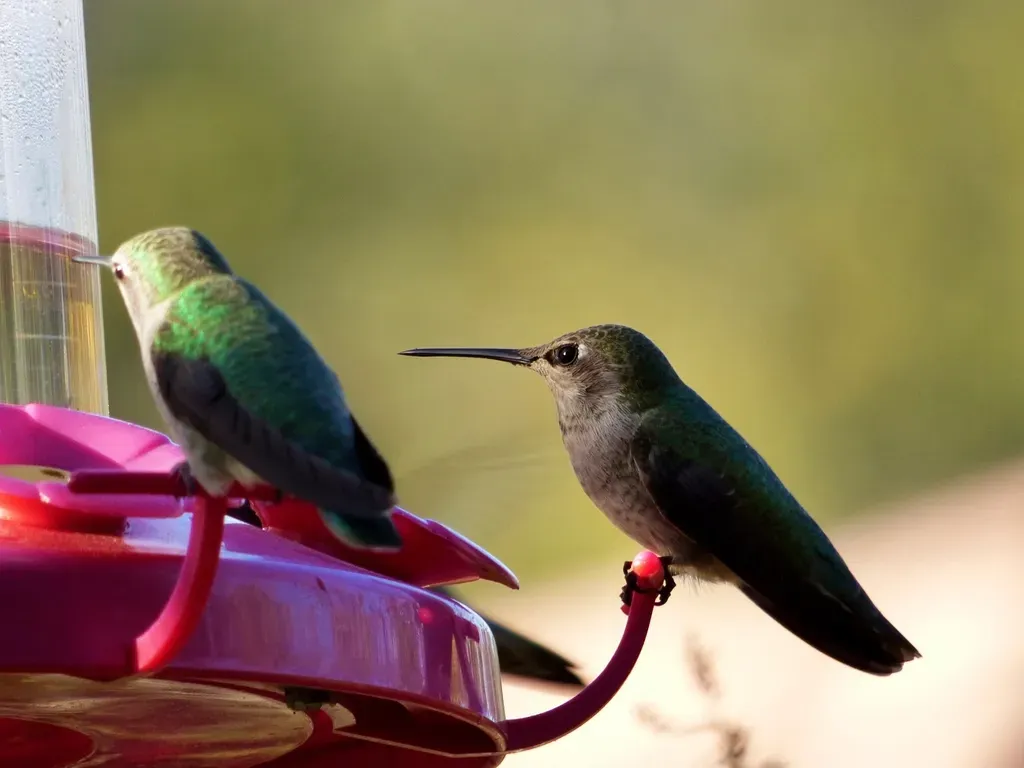
Planting an abundance of hummingbird-friendly plants in masses creates a visually stunning display that is highly attractive to hummingbirds, while also increasing the chances of them visiting and feeding. Mass plantings provide a concentrated and abundant source of nectar, making it easier for hummingbirds to locate and access the flowers, resulting in more frequent and prolonged visits.
Plant flowers in clusters rather than scattering individual flowers throughout your garden, as this creates a more visible target for passing hummingbirds. Think of it from their perspective – a single salvia tucked between unrelated plants is easy to miss in flight. Three or five planted together become a destination. It’s a simple shift in how you organize the garden, but the difference in hummingbird traffic can be significant.
#4: Go Organic and Drop the Pesticides
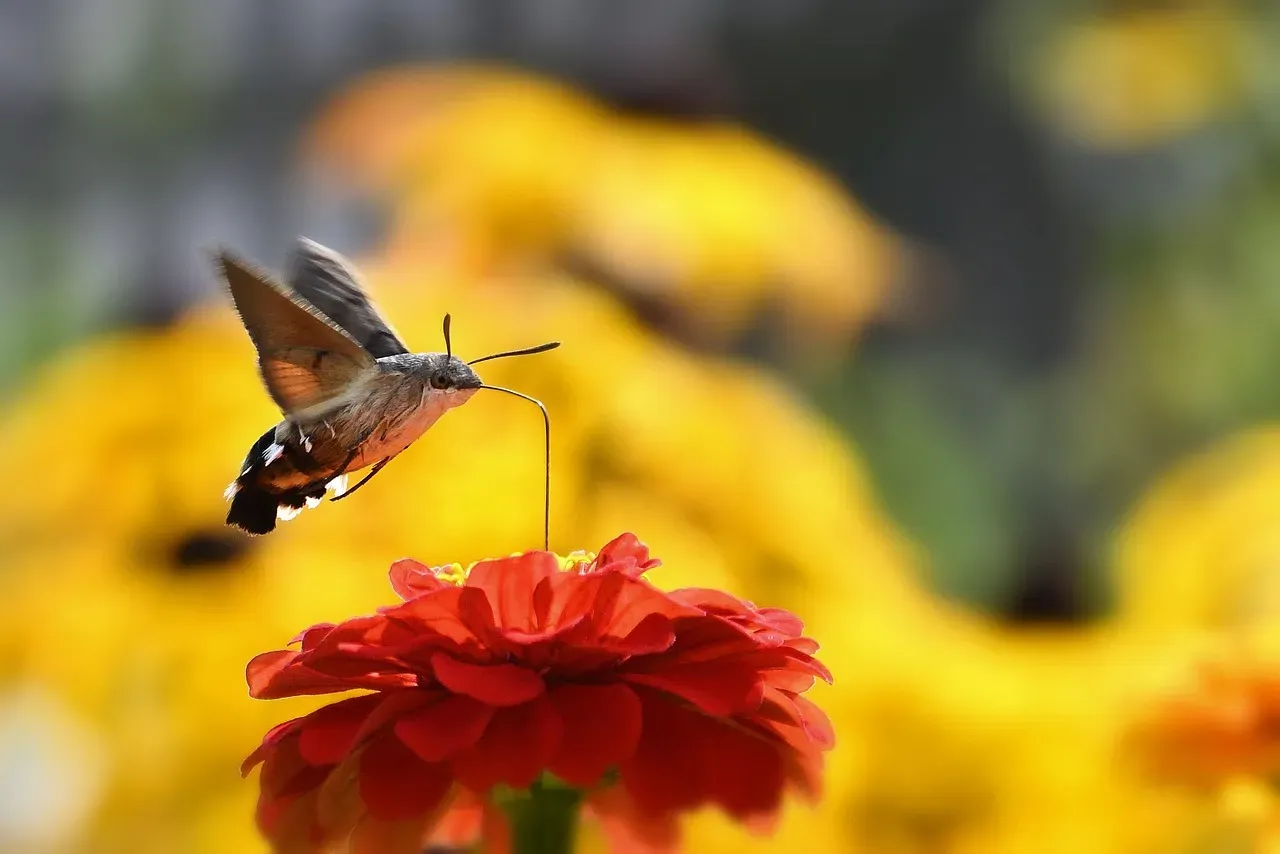
Eliminating and avoiding the use of pesticides and herbicides is essential, as these are toxic to birds. Not only are hummingbirds attracted to flowers that may carry pesticides, but those chemicals can also eliminate the insects that hummingbirds rely on for food. This is often the overlooked half of the equation – hummingbirds don’t live on nectar alone.
Sugary nectar supplies fast energy and makes up roughly ninety percent of a hummingbird’s diet, but protein from insects fills in the rest. A few insect pests actually benefit hummingbirds by providing easy protein sources. A perfectly pest-free garden may lack the diverse ecosystem these birds need to thrive. Letting go of the idea that a pristine garden is the goal is genuinely one of the more liberating shifts you can make as a gardener.
#5: Add a Mister or Shallow Water Feature
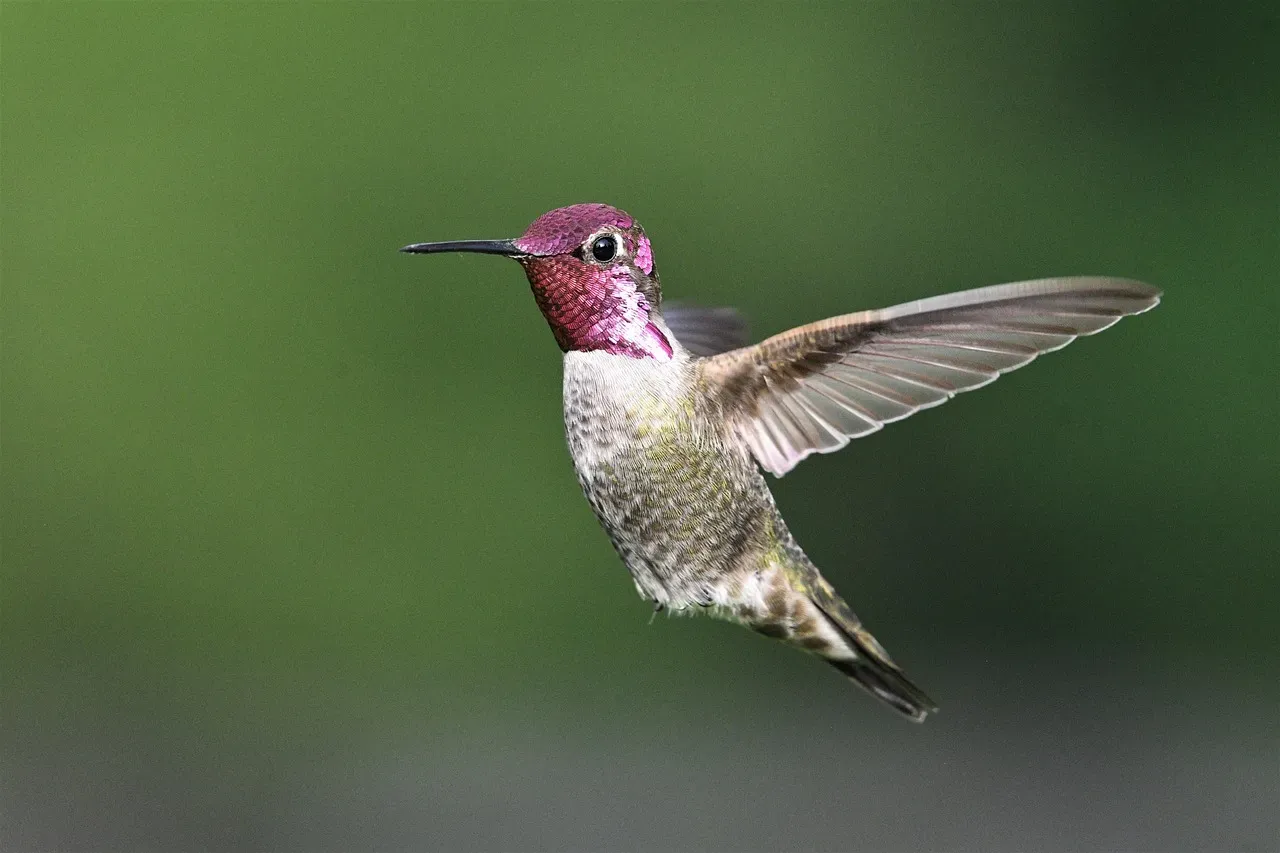
A mister aimed at a leafy shrub is probably the simplest water option of all. Hummingbirds fly through the mist and rub against wet leaves to bathe, and this seems to be what many of them actually prefer. Standard birdbaths built for larger birds are often too deep and too still to hold much appeal for hummingbirds.
Moving water is more likely to pull them in than still water, and a solar-powered fountain pump added to an existing birdbath handles that inexpensively. About twenty minutes in the morning, when they’re most active, is enough to make the yard a regular stop. Placement near flowering plants also helps – a water feature sitting in isolation across the yard gets far less attention than one tucked close to blooms.
#6: Create Dedicated Perching Spots
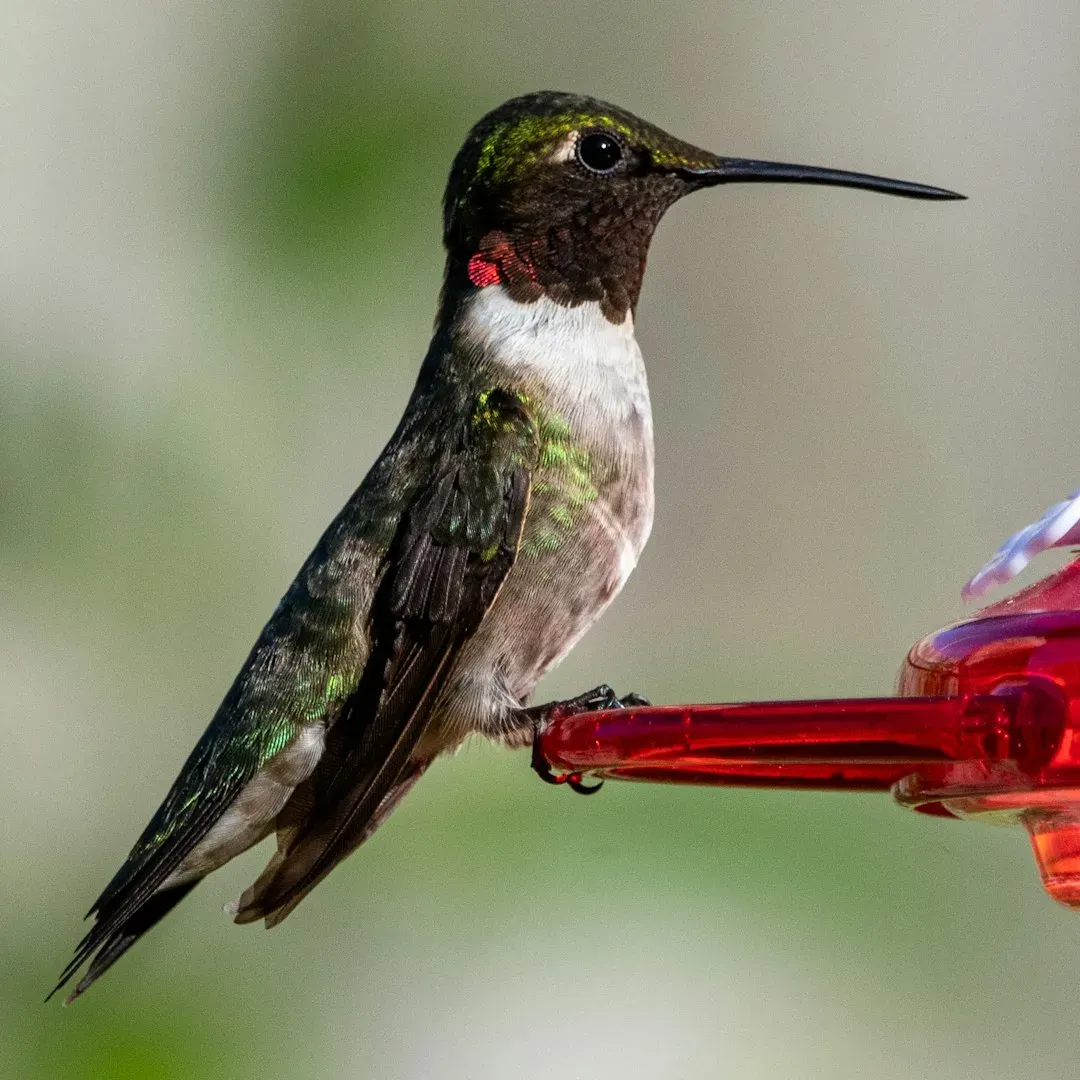
Despite all the hovering, hummingbirds actually spend a notable portion of their time sitting still. Hummingbirds are territorial and spend more time perching than many people realize. They’ll perch for feeding bouts, watching for rivals, and reading the yard. If there’s nowhere obvious to land, the yard feels less settled and less worth defending as a territory.
Leaving small, bare twigs or thin branches exposed gives hummingbirds places to rest between feeding flights and keep watch over their territory. These lookout points are especially valuable during the breeding season. Leaving some sticks and small branches on bushes and trees enables ready perches for hummingbirds. It’s one of those tips that costs nothing and requires no extra planting.
#7: Build Vertical Structure Into Your Garden Design
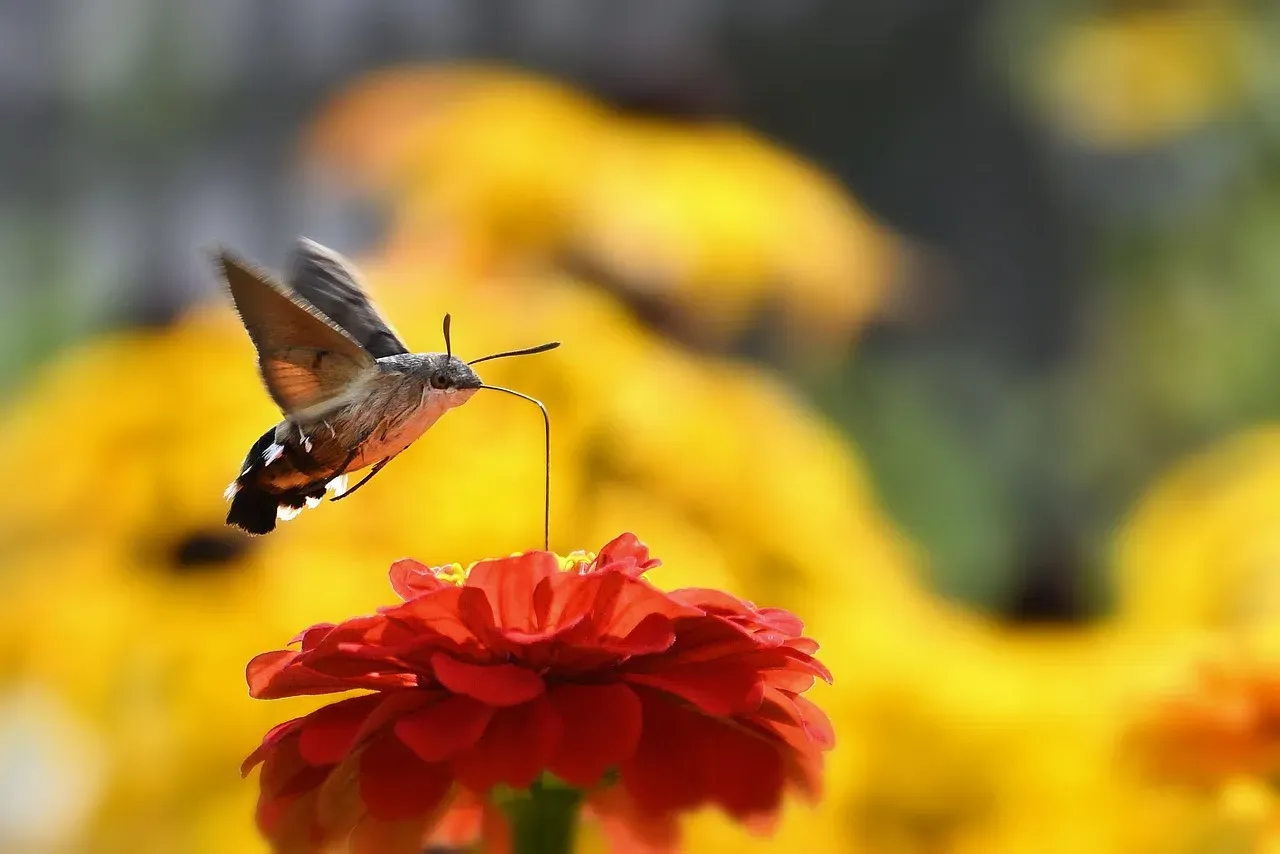
Thinking vertically when planning your hummingbird garden pays off. Using trellises, trees, garden sheds, or other structures to support climbing vines and adding window boxes, wooden tubs, or ceramic pots creates a terraced effect and provides growing places for a variety of plants. Vertical variety gives hummingbirds options at different heights, which mirrors the layered environments they naturally favor.
Maintaining layered vegetation with trees, shrubs, and flowering plants provides the structure and protection hummingbirds rely on year after year. Hummingbirds prefer to nest near a ready supply of nectar and other food, and you can encourage them to nest in your yard by maintaining some shrubbery and small deciduous trees in which they can seek protective cover, especially around the edges of your yard. A garden that looks like layered habitat reads as home to a hummingbird far more readily than a flat, open space.
#8: Leave Spiderwebs and Natural Nesting Materials Alone
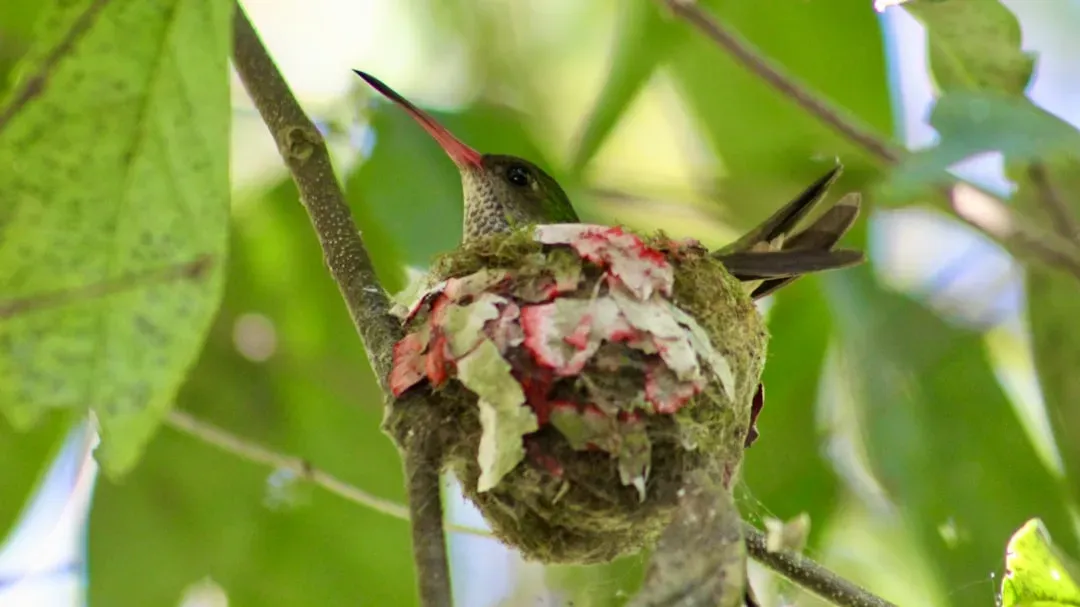
This one surprises people. Even spider webs serve a purpose – hummingbirds use the silky strands as binding material to hold their delicate nests together. Knocking down every web in the garden in the name of tidiness is quietly working against you. During nesting season especially, this seemingly small habit can matter.
Hummingbird nests are built from plant fibers and held together with spider silk. This combination makes them elastic enough to expand as chicks grow. Providing the soft materials they look for is a low-effort way to make a yard more useful during nesting season. Plant fibers, small amounts of cotton, and dried moss are all things they pick up when you see them hovering near ground level. A small mesh bag or open basket filled with natural fibers, left near flowering plants or a tree canopy, is all it takes.
#9: Use Supplemental Feeders the Right Way
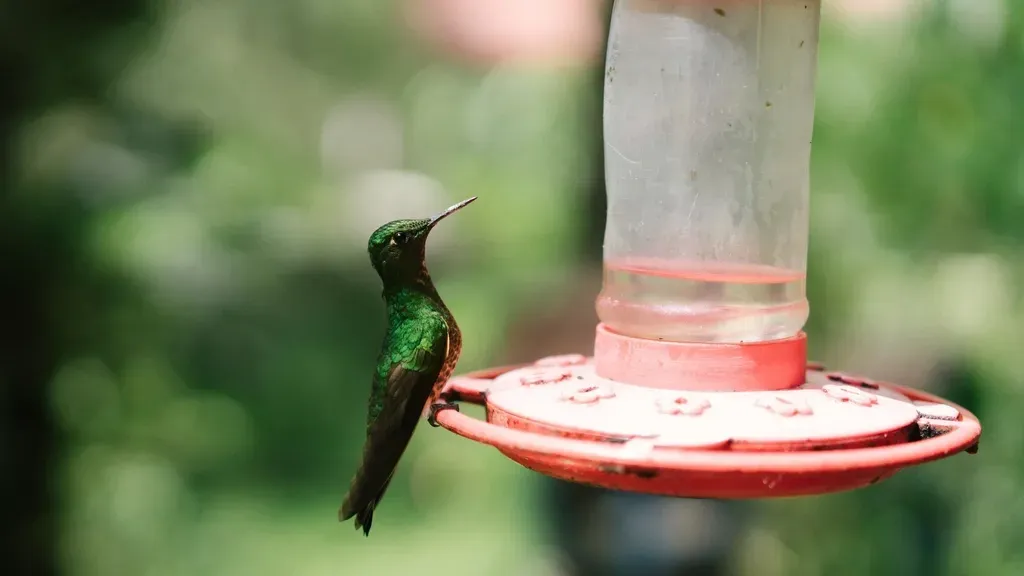
Once your yard provides shelter, structure, and natural food sources, feeders can serve as supporting features to attract more hummingbirds. When used thoughtfully, feeders enhance a well-designed habitat. They are most effective when used strategically and adjusted to the season. In early spring, feeders are especially important when hummingbirds return from migration and natural blooms may still be limited.
The best nectar recipe uses a simple four-to-one ratio of water to white sugar. This is the best way to attract hummingbirds naturally, without using dyes, honey, or sugar substitutes. Changing hummingbird nectar every three to five days, or more often in hot weather, keeps feeders safe and attractive. Fresh nectar is one of the most effective ways to keep hummingbirds coming to feeders, since spoiled nectar can grow mold and harm the birds.
#10: Stay Consistent and Give Your Garden Time
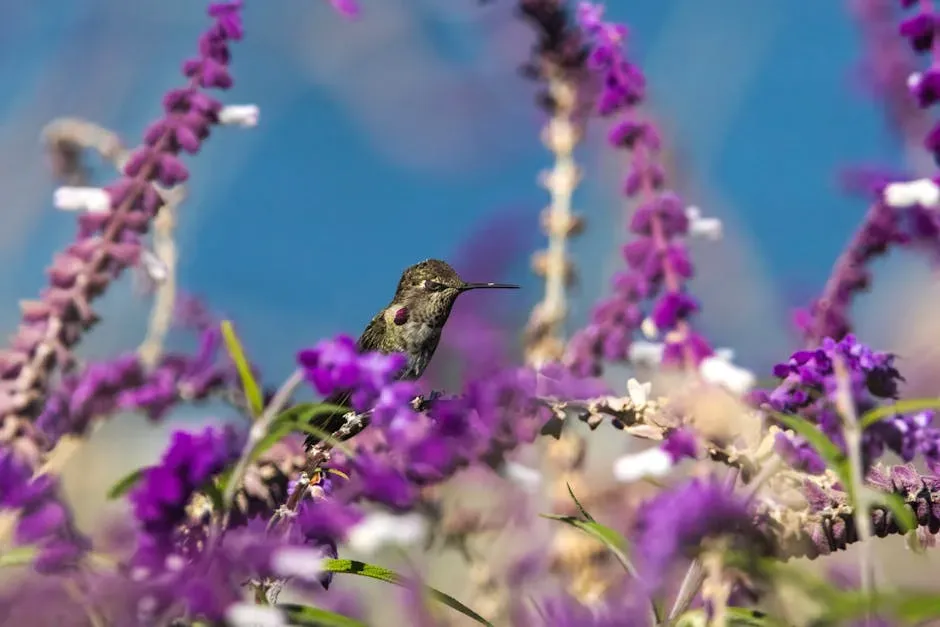
Hummingbirds may appear minutes after you set out inviting plants, but sometimes it takes several weeks before they chance on your garden. Even with attractive red flowers as bait, pure chance may keep your feeder a secret until the first migrant discovers it. Once hummingbirds do start visiting your garden, they are likely to continue throughout the season and will usually return the following year.
Consistency is key to attracting hummingbirds. Many species exhibit site fidelity, returning to the same areas year after year if conditions remain favorable. Hummingbirds often return to the same area where they hatched to feed, nest, and raise the next generation. A yard designed with structure, shelter, and seasonal blooms will not only attract the tiny birds but also keep them coming back year after year. Think of year one as planting the seed. The real reward tends to arrive on the second visit.
A Garden Worth Coming Back To
What connects all ten of these tips is a single underlying idea. Attracting hummingbirds is not about hanging a single feeder and hoping for the best. It is about creating a living, layered habitat that provides food, shelter, water, and protection throughout the season. When you build the right ecosystem, feeders simply enhance what is already working.
The gardeners who see the most hummingbirds aren’t necessarily the ones with the fanciest setups. They’re the ones who paid attention to what was already missing. A patch of native salvia here, a mister near the shrubs there, a few spider webs left undisturbed – individually these feel like small gestures. Together they add up to a yard that hummingbirds recognize as genuinely useful, and one they’ll want to return to season after season.

- 12 Architectural Wonders From The Ancient World That Inspire Us Today - July 18, 2026
- 6 Beautiful Ancient Cities That Time Forgot (But Shouldn’t) - July 18, 2026
- 6 Common Animal Behaviors That Are Often Misunderstood by Humans - July 18, 2026