

We’ve conquered deserts and Antarctica, we’ve adapted to life at high altitudes and in scorching heat. But honestly, Earth might be running out of extreme environments for us to explore. The next frontier waiting for humanity isn’t another continent or climate zone. It’s somewhere far more radical and unforgiving: the vast expanse of space itself. What if the key to our evolutionary future doesn’t lie here on our home planet, but among the stars?
Think about it for a moment. Evolution has always been driven by organisms encountering new environments and adapting to survive. Space presents an entirely different playing field with conditions so extreme that our bodies were never designed to handle them. Let’s dive in.
Evolution at Warp Speed in the Cosmos
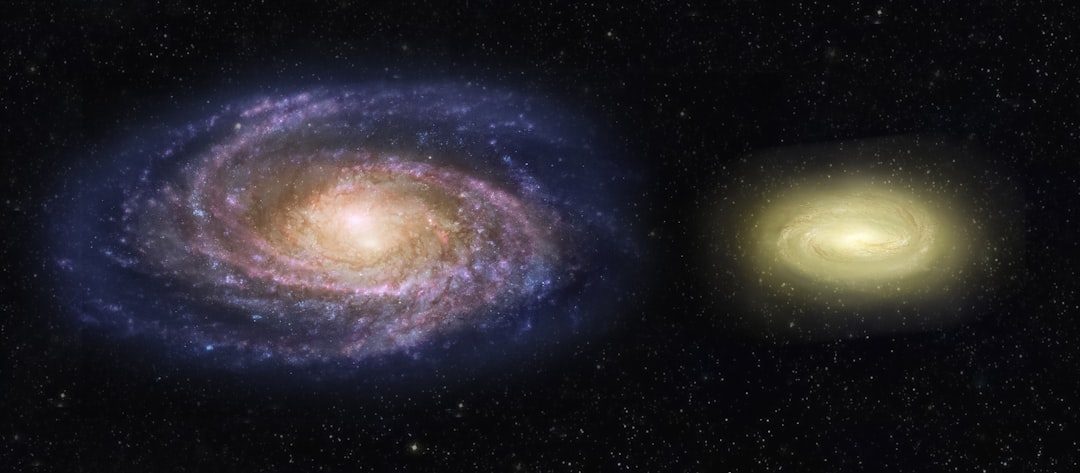
Migration to extraterrestrial environments will be unequivocally the most profound catalyst for evolution in the history of humankind, affecting not just our species but the environments we’ll eventually inhabit. Space doesn’t play by Earth’s rules. The combination of intense radiation and microgravity creates an evolutionary pressure cooker unlike anything we’ve experienced in millions of years.
Recent research reveals something astonishing: evolution rates could be 1,000 to 10,000 times faster than on Earth for beneficial mutations, with the time until fixation being 0.002 to 0.004 times shorter, assuming mutation rates are significantly higher in space. This isn’t gradual change measured in millennia. We’re talking about observable genetic shifts that could occur within generations, potentially creating what some call a “Big Bang of Evolution” when life ventures beyond our atmosphere.
The Genetic Lottery in Microgravity
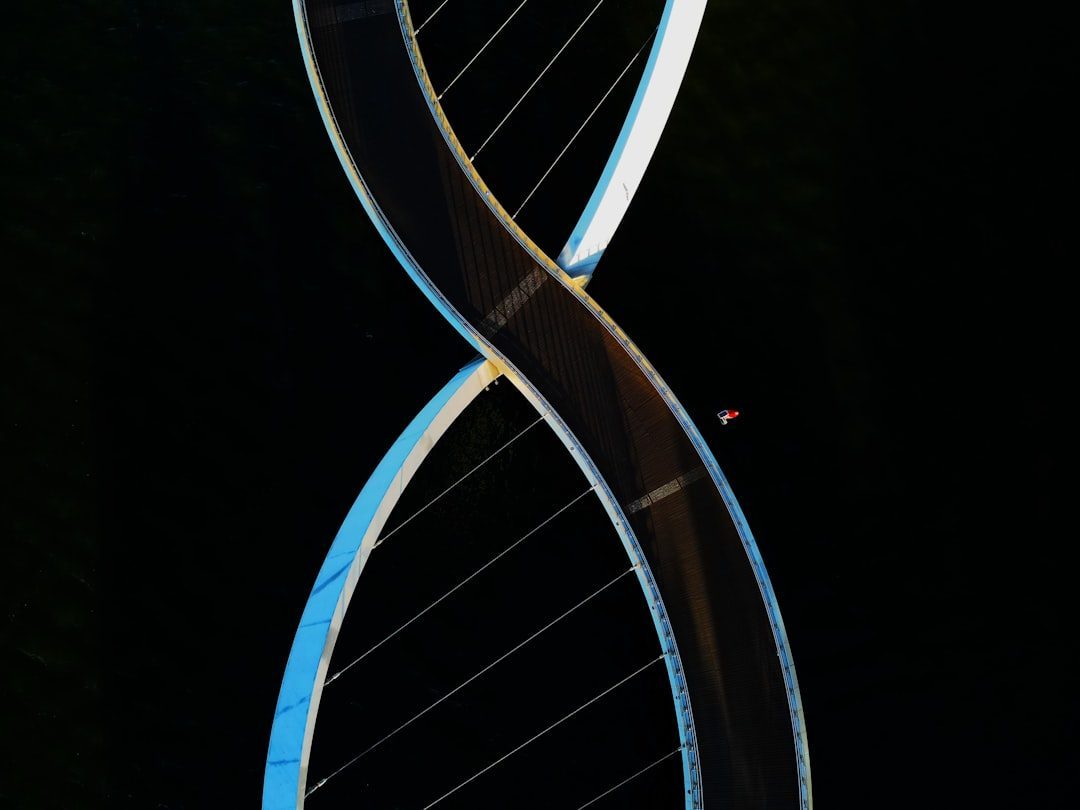
Radiation becomes the wildcard dealer in space’s genetic casino. Astronauts work in an extreme environment where many factors can result in somatic mutations, most importantly space radiation, creating risks for conditions like clonal hematopoiesis. Studies analyzing blood samples from astronauts have discovered something unsettling. Researchers identified 34 nonsynonymous mutations in 17 CH-driver genes, with the most prevalent mutations in TP53 and DNMT3A from astronauts who flew relatively short shuttle missions.
Space doesn’t just damage DNA randomly. The increased expression of DNA repair genes could be a result of increased levels of radiation in space, causing DNA damage and genome changes. Our bodies respond by kicking repair mechanisms into overdrive. Still, not everyone responds the same way. The variability in how individual astronauts handle radiation exposure suggests that some people carry genetic advantages that make them naturally better suited for life beyond Earth.
Bodies Built for Other Worlds
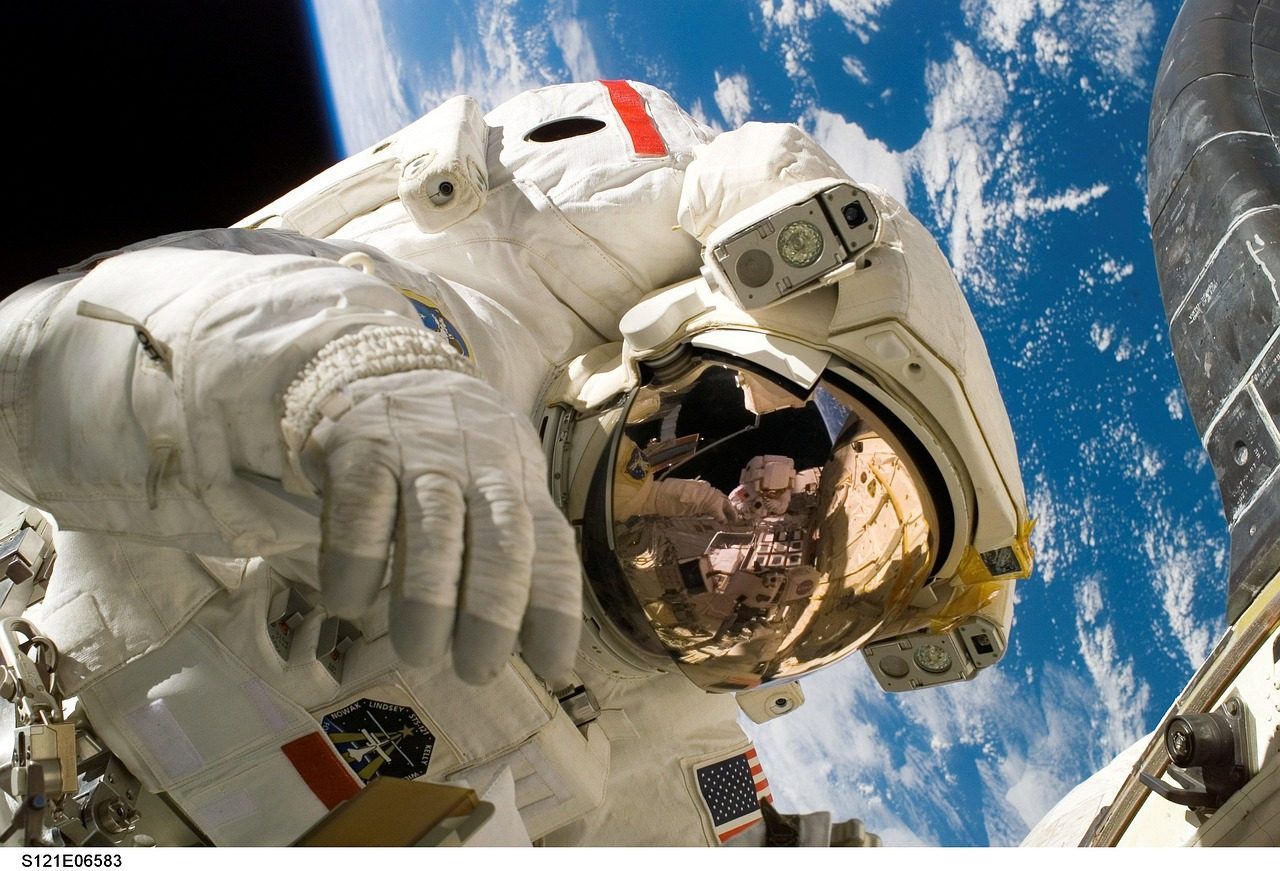
Within five 30-year generations, about 150 years, biological changes will be apparent in the extraterrestrial human body, with adaptations depending heavily on the atmospheric and chemical environments of the habitats we build. Yet gravity and radiation remain the two factors we cannot easily control. Picture future Mars colonists: their bodies wouldn’t look quite like ours.
Mars travelers will feel just a third of Earth’s gravity, and those conditions will select for a more lithe body stature that can move with less effort than the bulky, relatively muscular builds we use to counteract Earth’s gravity. Bones would become lighter, muscles would reshape themselves. This isn’t science fiction. It’s basic evolutionary biology responding to a new gravitational reality.
Microbes Leading the Charge
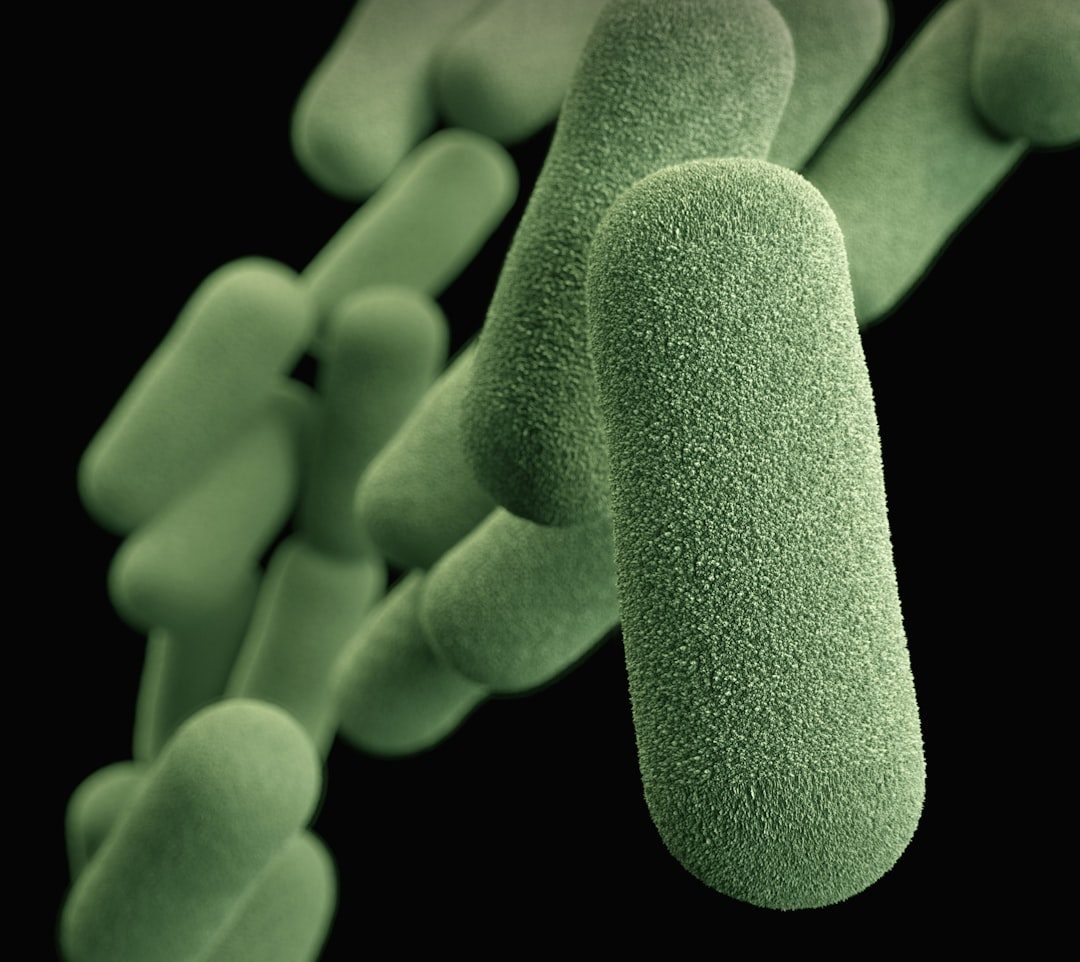
Here’s the thing: bacteria are beating us to the punch. Put a microbial organism under any stress conditions or in a new kind of environment and over a period of time it will start undergoing mutations that help it gain some growth advantage to survive. Experiments aboard the International Space Station have already demonstrated this adaptive evolution in action.
The implications stretch far beyond simple bacterial growth. The ability of human cells to adapt to space radiation is essential for astronaut well-being during long-distance expeditions, such as voyages to Mars or other deep space destinations, however, the adaptation of the microbiomes should not be overlooked. Our bodies house trillions of microbes that help us digest food, fight disease, and maintain health. If those microbes evolve in space, we evolve with them.
The Speciation Question Nobody Wants to Ask
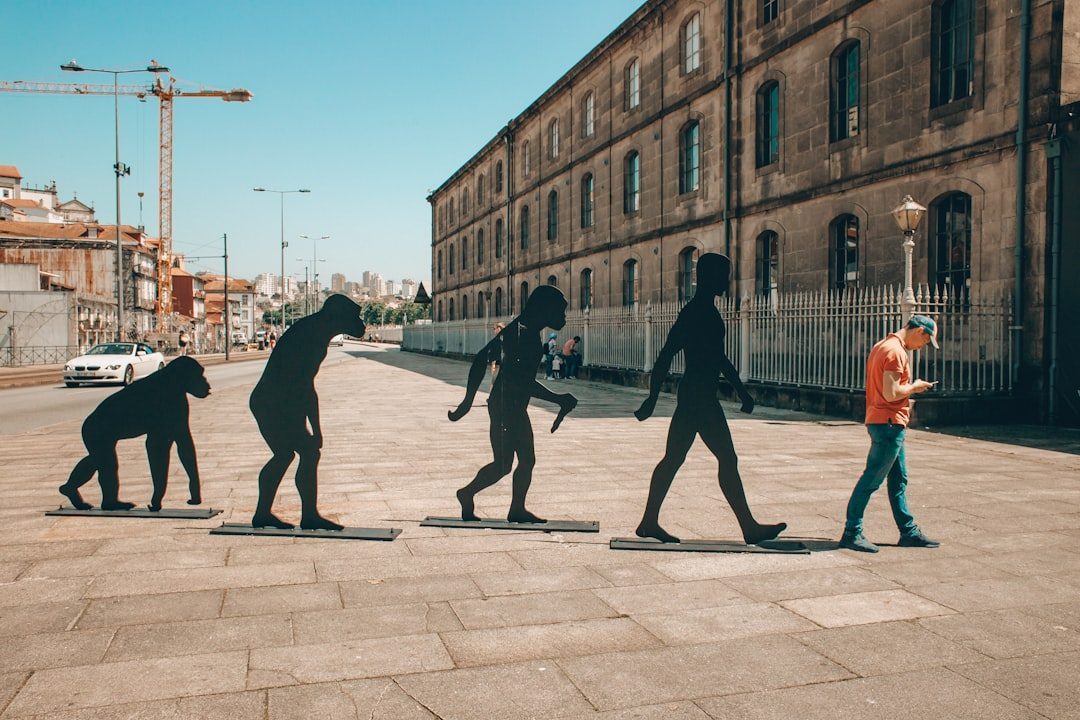
A single species becomes many species because its descendants necessarily adapt to environments they find themselves in, and the sheer scale of the landscape in which a spacefaring species will find itself must change it. It will cause speciation. Let’s be real: humans born and raised on Mars might eventually become so different from Earth humans that interbreeding becomes difficult or impossible.
Small populations can change quickly, but anatomically modern humans have gone more than 100,000 years migrating from Africa into various environments apparently without biological speciation, largely because we use culture and technology to adapt more than biology alone. Technology might be our advantage, slowing down the speciation process. Or it could accelerate it if we start using genetic engineering to help colonists survive.
The Acceleration We Cannot Stop

The evolution of human traits may require a much longer time-scale, thousands of years at least, to adapt to space conditions. That’s the traditional view. Reality might be different. There are genotypes and phenotypes within the human population that may offer some degree of short-term resistance to space environment, meaning natural selection could favor those individuals first.
Because plasticity is more prominent in early development, key adaptations to space environments may occur at this stage, generating adjustments in the human phenotype across generations and thus increasing survival and reproductive success in such environments. Children conceived and born in space would be the true space-adapted humans, their bodies shaped by extraterrestrial forces from the very beginning. I know it sounds crazy, but this might be the only way humanity truly becomes a spacefaring species.
Evolution doesn’t wait for permission. It happens wherever life pushes into new territories. As we venture beyond Earth, we’re not just exploring space. We’re potentially creating the conditions for humanity’s next evolutionary chapter, one written in the language of cosmic radiation, altered gravity, and environments utterly alien to anything our ancestors knew. The next great leap might not be a choice we make consciously. It might simply be what happens when life does what it’s always done: adapt, survive, and transform. What would you have guessed about where we’re headed?

- Why Veterinarians Say If Your Cat Sleeps With Their Back to You, It's the Highest Form of Trust in Feline Behavior - July 20, 2026
- Animal Science Says Ravens Remember Human Faces for Years and Warn Other Ravens About Dangerous People - July 20, 2026
- Marine Biology Says When Dolphins Suddenly Go Silent in Open Water It's Not Rest – They've Detected a Predator You Cannot See and Their Survival Strategy Reveals How They Read Danger - July 20, 2026