
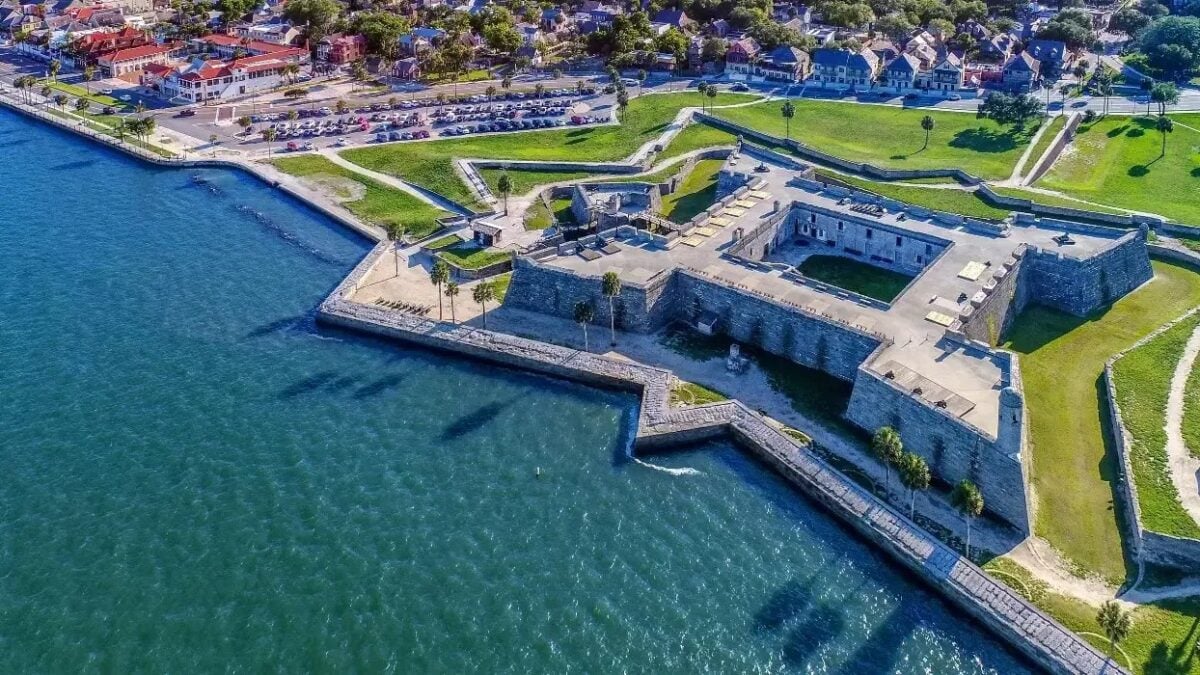
Every stone wall, every earthen rampart, every weathered cannon tells a story. Across the vast American landscape, from Atlantic shores to frontier plains, historic forts stand as silent witnesses to the birth and growth of a nation. These structures weren’t just military installations. They were the backbone of national security, the guardians of expanding borders, and the flashpoints where history itself was made. Some withstood brutal sieges that inspired our national anthem. Others marked the dangerous line between wilderness and civilization during westward expansion.
Let’s be real, most people think of forts as dusty museum pieces. Yet these places shaped everything from our independence to the very borders we recognize today. Walk through their corridors and you’re tracing the footsteps of soldiers who defended ideals, settlers who risked everything, and leaders who changed the world. So let’s dive in.
Fort Sumter: Where a Nation Divided
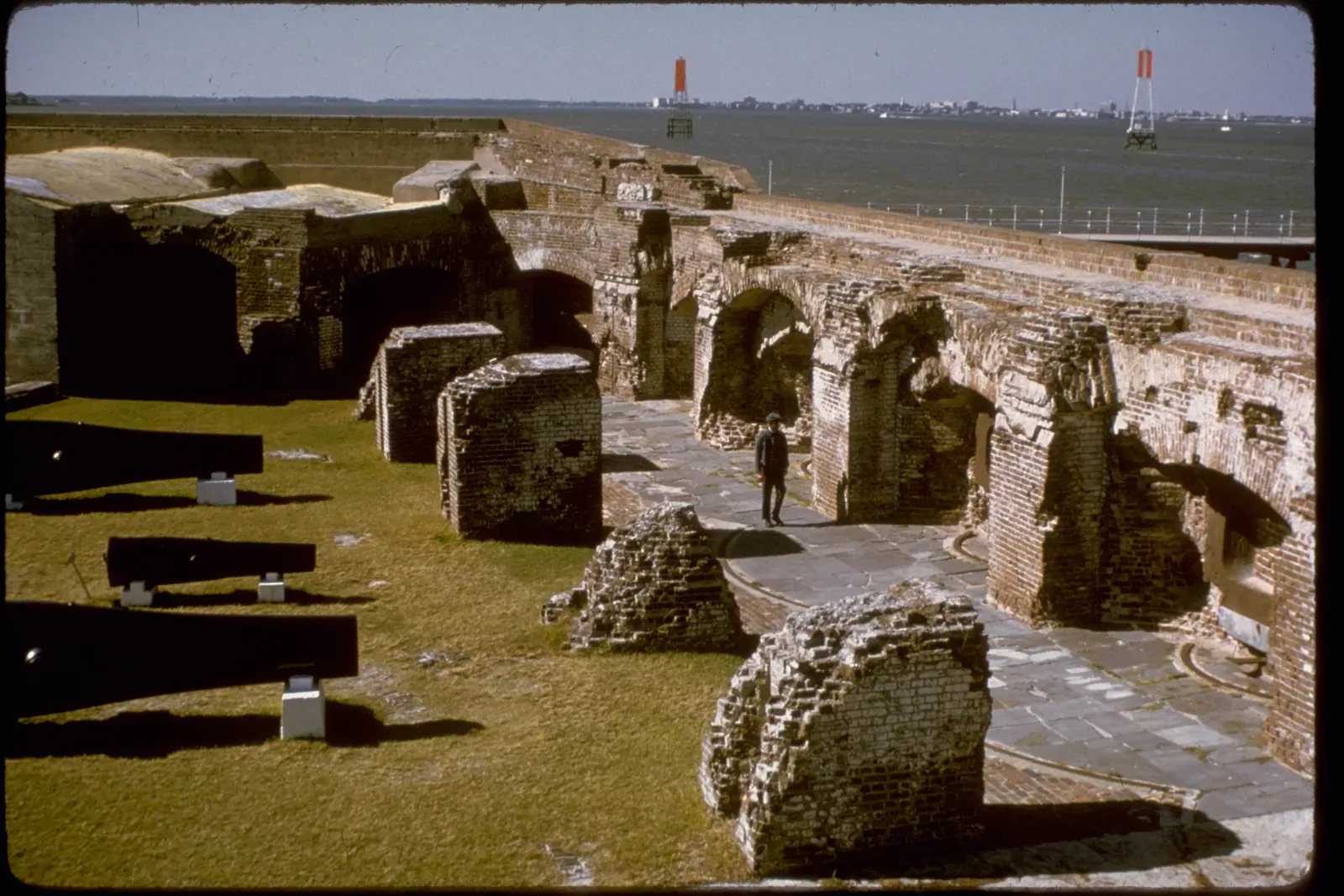
Fort Sumter in Charleston, South Carolina, holds the somber distinction of being where the American Civil War began when Confederate guns opened fire early on the morning of April 12, 1861. Think about that moment. The first shots that would tear the nation apart for four bloody years rang out from this coastal fortification. These first shots of the Civil War were fired at Fort Sumter, marking a turning point from which there was no peaceful return.
Built as a defense for the city of Charleston against the threat of naval assault, the fort became a symbol far greater than its military function. The bombardment lasted roughly a day and a half before Union forces surrendered, setting the stage for a conflict that would reshape American society. The fort witnessed not just the start of war but the collision of two fundamentally opposed visions for the nation’s future.
Honestly, it’s hard to stand at Fort Sumter today without feeling the weight of that history. The structure itself remains as a National Monument, where visitors can reflect on how a single location became the powder keg that ignited America’s deadliest conflict. The harbor views are stunning, yet they carry an undercurrent of the tragedy that unfolded there.
Fort McHenry: Birthplace of the Star-Spangled Banner
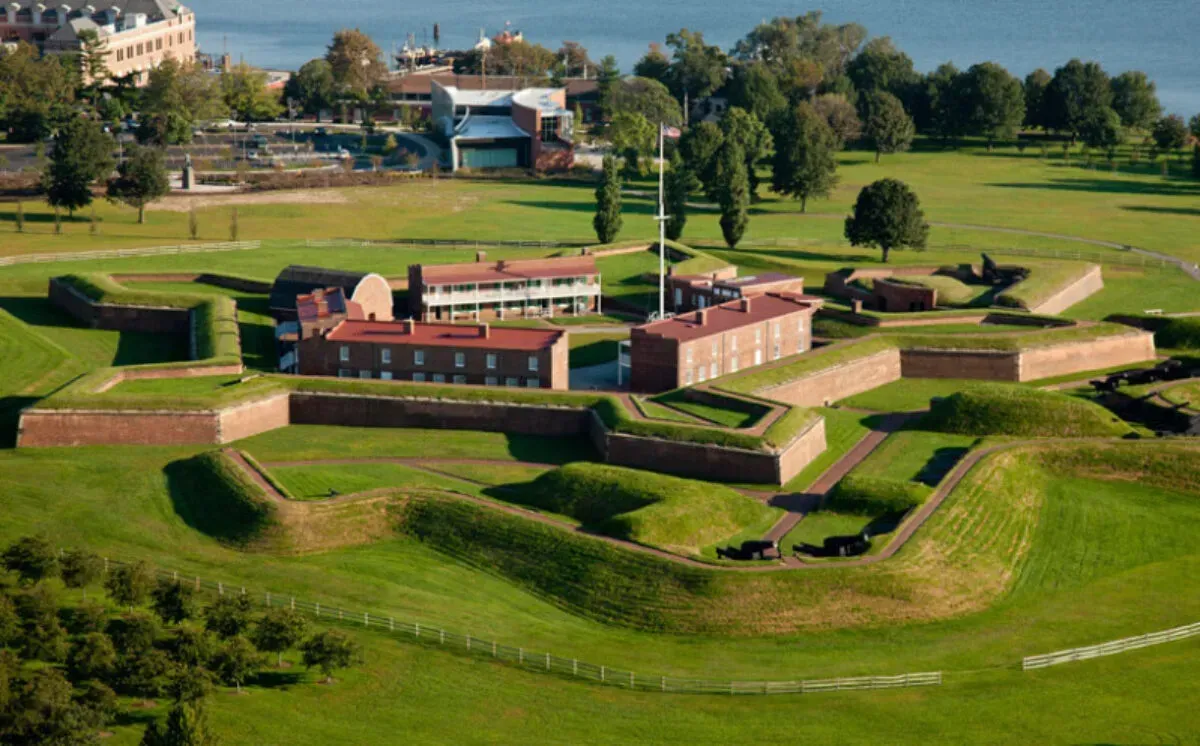
During the War of 1812, American forces at Fort McHenry resisted a dramatic British bombardment, proving they could stand up to a great world power. Picture this: September 1814, British warships unleashing a relentless barrage for roughly a full day. British warships under Vice Admiral Alexander Cochrane continuously bombarded Fort McHenry for 25 hours beginning at 6:00 a.m. on September 13, 1814. The fort’s defenders held firm, and when dawn broke, that massive American flag still flew defiantly above the ramparts.
The sight of the flag inspired Francis Scott Key to write the poem that was later set to music in the song that became known as the national anthem of the United States. It’s nearly impossible to overstate the cultural impact of this single battle. The fort wasn’t just defending Baltimore – it was defending the young nation’s sense of identity and resilience.
Built as a bastioned pentagon, surrounded by a dry moat, Fort McHenry was strategically designed to repel both land and sea assaults. The coquina and brick construction proved sturdy enough to withstand the British onslaught, even though accuracy on both sides left much to be desired. During the Civil War, Fort McHenry served as a military prison, confining both Confederate soldiers and Maryland political figures who criticized President Abraham Lincoln, and also trained artillery.
Today the fort stands as both a National Monument and Historic Shrine, the only site in America with that dual designation. Walking its star-shaped walls, you can almost hear the rockets’ red glare echoing through time.
Fort Ticonderoga: The Key to a Continent
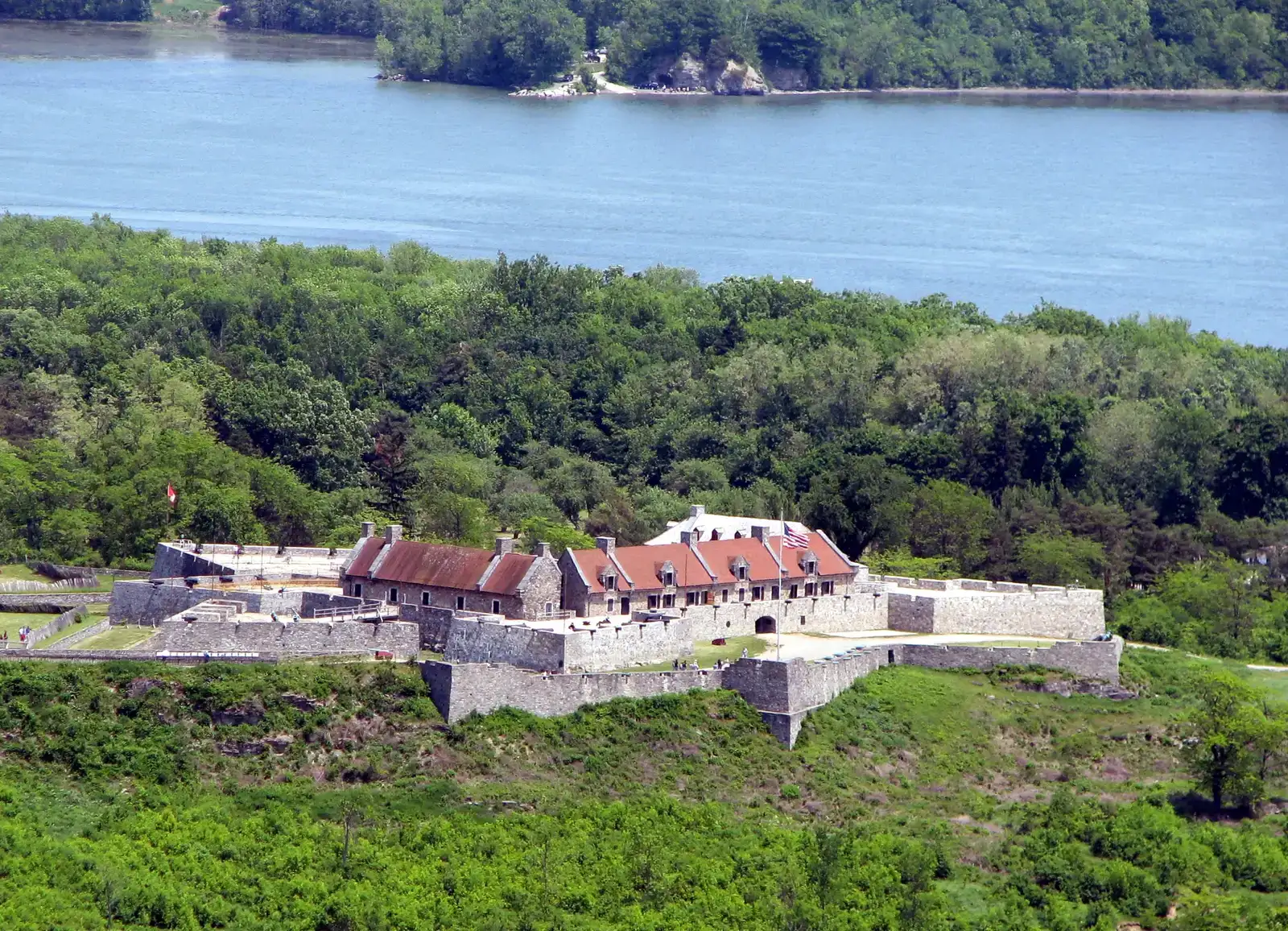
Fort Ticonderoga is a large 18th-century star fort built by the French between October 1755 and 1757 near the south end of Lake Champlain in northern New York. Originally called Fort Carillon by the French, this fortress occupied one of the most strategically vital positions in colonial North America. It controlled a river portage alongside the mouth of the rapids-infested La Chute River between Lake Champlain and Lake George, strategically placed for the trade routes between the British-controlled Hudson River Valley and the French-controlled Saint Lawrence River Valley.
The capture of Fort Ticonderoga was the first offensive victory for American forces in the Revolutionary War, securing the strategic passageway north to Canada and netting the patriots an important cache of artillery. On May 10, 1775, Ethan Allen and Benedict Arnold led a daring pre-dawn raid. A small American force surprised the 48 British soldiers within the fort, less than one month after the American Revolutionary War was ignited with the battles of Lexington and Concord.
The captured cannons became legendary. Colonel Henry Knox, sent by George Washington, gathered the artillery left at Ticonderoga and organized the transfer of the heavy guns over frozen rivers and the snow-covered Berkshire Mountains, and when mounted on Dorchester Heights, the guns compelled the British to evacuate Boston in March of 1776. Talk about changing the course of history with sheer determination and ingenuity.
Though the British recaptured it in 1777, the fort’s role in early American independence remains undeniable. It’s arguably one of the best-preserved 18th-century forts on the continent.
Castillo de San Marcos: An Unconquerable Spanish Fortress
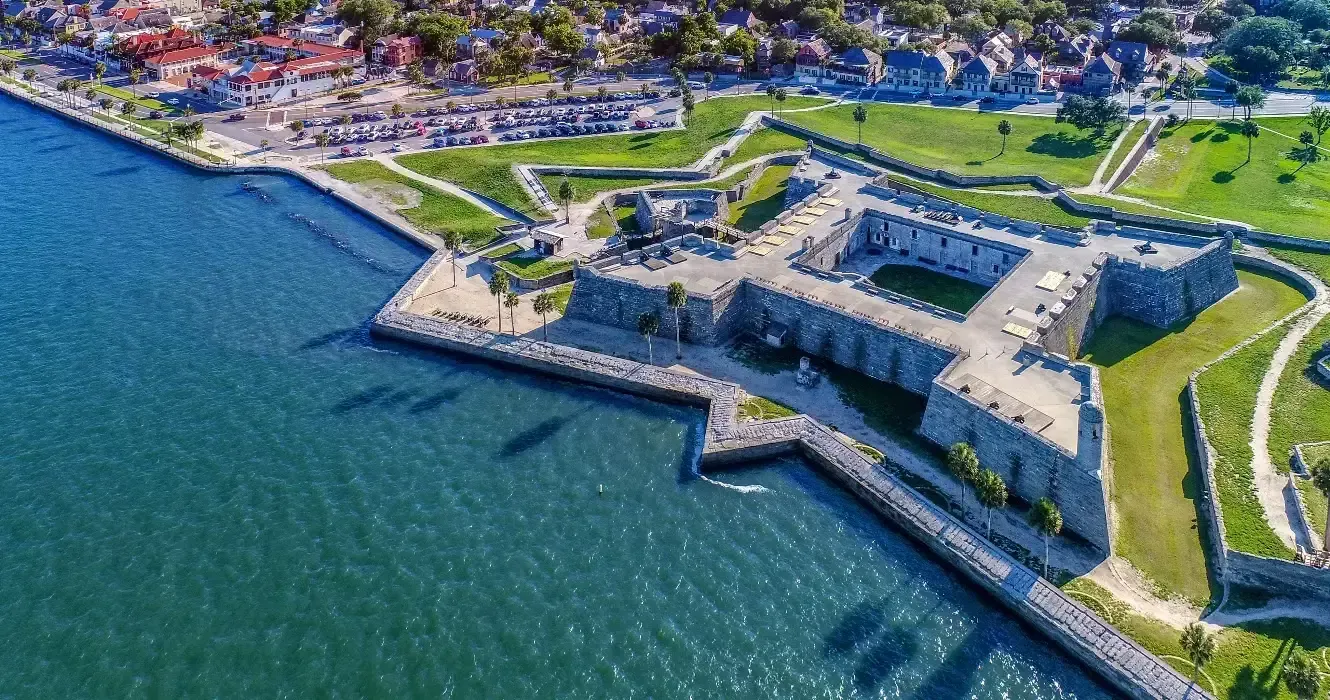
The Castillo de San Marcos is the oldest masonry fort in the continental United States, located on the western shore of Matanzas Bay in St. Augustine, Florida, designed by Spanish engineer Ignacio Daza with construction beginning in 1672. Here’s the thing: this fort has never been taken by force in battle. Let that sink in. Over more than three centuries, it withstood siege after siege and remained unconquered.
Construction was ordered by Governor Francisco de la Guerra y de la Vega after English privateer Robert Searles destroyed much of St. Augustine in 1668, with the first coquina stones laid in 1672, and the core of the fortress completed in 1695. Coquina, a unique stone composed of compressed shells, proved to be the perfect building material – cannonballs would embed themselves in the soft stone rather than shattering it.
The fort changed hands through treaties rather than conquest. When Britain gained control of Florida in 1763, it was renamed Fort St. Mark, and after the United States acquired Florida in 1821, it became Fort Marion. During the Civil War and later conflicts, it served as a military prison. The fort was declared a National Monument in 1924, deactivated in 1933, and in 1942 the original name, Castillo de San Marcos, was restored by an Act of Congress.
Visitors today can explore its thick walls, climb to the gun deck, and witness living history demonstrations. It’s a testament to Spanish engineering and the layered history of colonial America.
Fort Laramie: Gateway to the Western Frontier
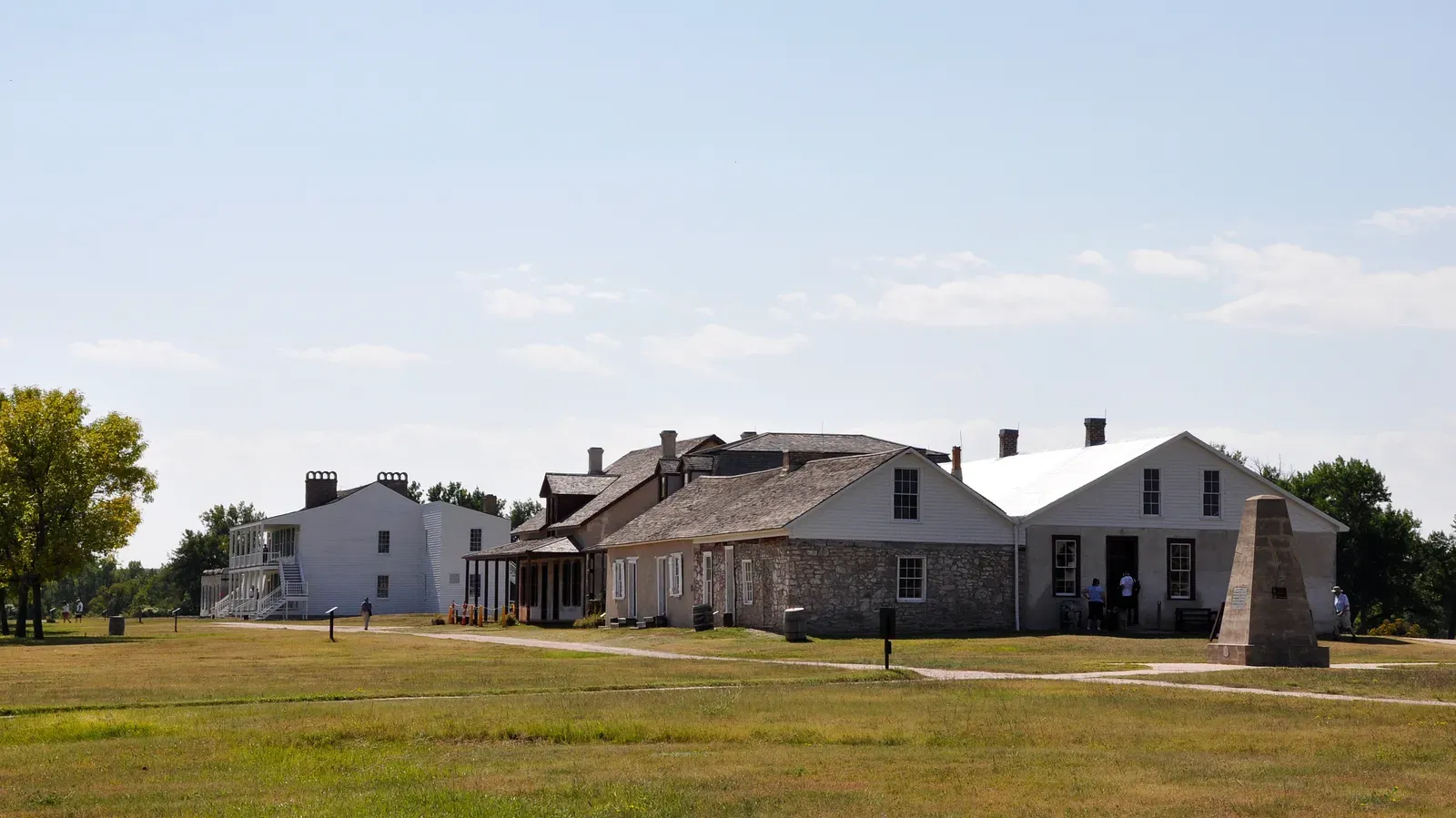
Originally established as a private fur trading fort in 1834, Fort Laramie evolved into the largest and best-known military post on the Northern Plains before its abandonment in 1890. Located at the confluence of the Laramie and North Platte Rivers in present-day Wyoming, this fort became an essential waypoint for thousands of emigrants heading west. In 1849, the U.S. Army purchased the fort to protect wagon trains of migrant travelers on the Oregon Trail and the subsidiary California and Mormon Trails.
The fort witnessed some of the most significant negotiations between the United States and Plains Indian tribes. Fort Laramie became an administrative center at which to negotiate peace, with the Fort Laramie Treaty of 1868 its most notable legacy. This treaty established the Great Sioux Reservation and represented a rare moment when the U.S. government made substantial concessions to Native nations, though those promises would eventually be broken.
Fort Laramie and the second Fort Kearny defined the early years of westward expansion, with emigrants depending on these outposts for resupply, medical attention, and blacksmithing, though increased traffic resulted in more armed conflicts with Native Americans. The fort wasn’t surrounded by walls like Hollywood depicts – it was an open post that relied on its garrison and strategic location.
Life at Fort Laramie was a blend of monotony and sudden violence, diplomacy and frontier justice. Today it stands as a National Historic Site, preserving nearly two dozen original structures that tell the complex story of westward expansion, cultural collision, and the transformation of the American West.
Fort Monroe: Guardian of Hampton Roads
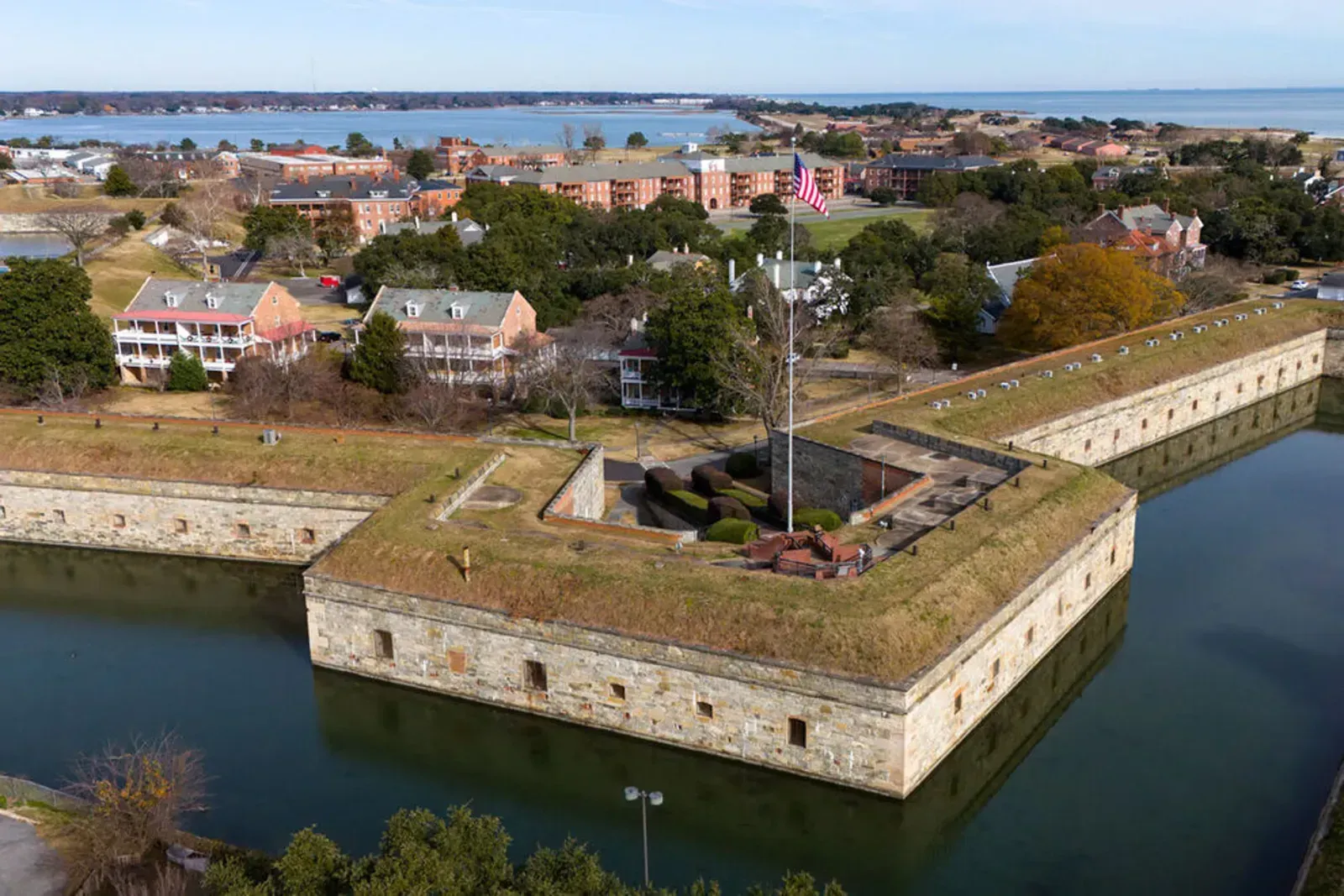
Fort Monroe in Virginia represents the pinnacle of American coastal defense engineering. Constructed as part of the Third System of fortifications following the War of 1812, it earned the nickname “Freedom’s Fortress” during the Civil War. The fort remained in Union hands throughout the conflict, serving as a crucial base of operations in Confederate territory. Its strategic position at Old Point Comfort controlled the entrance to Hampton Roads and Chesapeake Bay.
The fort gained additional historical significance when it became a refuge for enslaved people seeking freedom. Union General Benjamin Butler declared escaped slaves “contraband of war,” refusing to return them to Confederate owners – a policy that effectively began undermining slavery before the Emancipation Proclamation. Thousands of freedom seekers found sanctuary within its walls.
After the war, Fort Monroe continued its military role for over a century. Confederate President Jefferson Davis was imprisoned there for two years following the war’s end, adding another layer to its complex history. The massive moat surrounding its stone walls still impresses visitors today.
The fort was decommissioned in 2011 and designated a National Monument. Its preservation ensures that future generations can explore where military strategy, the fight for freedom, and American history converged in profound ways.
Fort Necessity: Where a Young Washington Fought
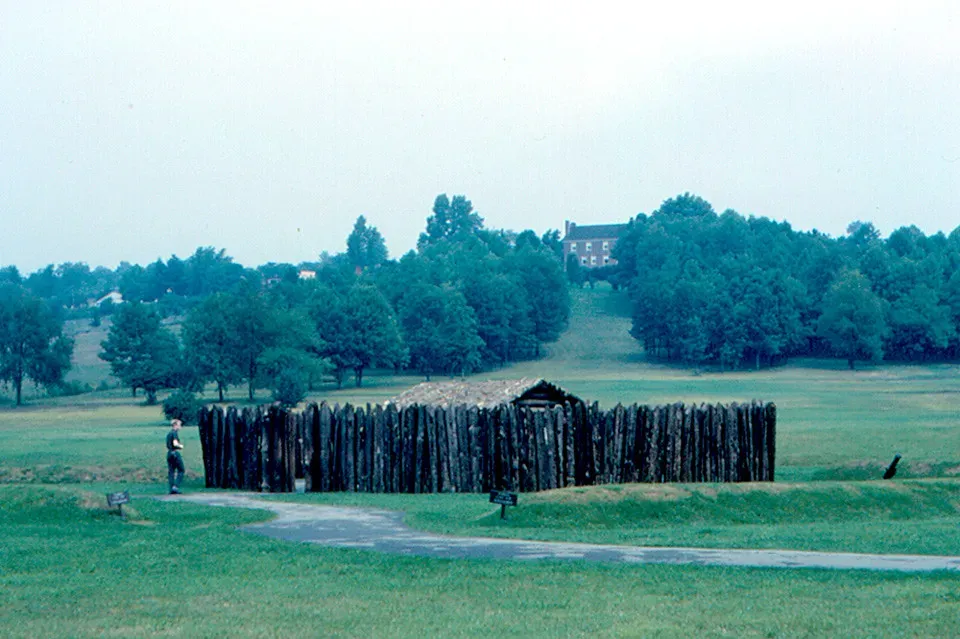
Fort Necessity in southwestern Pennsylvania may seem modest compared to grand coastal fortifications, but its significance is enormous. This small, hastily constructed stockade was where a young George Washington experienced his first military command and, frankly, his first defeat. In July 1754, French and Native American forces overwhelmed Washington’s Virginia militia during a daylong battle fought in pouring rain.
This skirmish at Fort Necessity actually ignited the French and Indian War, which eventually drew in European powers and became part of the global Seven Years’ War. Washington’s surrender here set in motion a chain of events that would reshape North America. The young colonel learned hard lessons about warfare, leadership, and the harsh realities of frontier conflict – lessons that would serve him well decades later during the Revolution.
The fort’s location along a crucial wilderness road made it a contested prize. Though Washington’s initial campaign failed, the experience forged his character and military acumen. He would return to western Pennsylvania a few years later as part of General Braddock’s ill-fated expedition, witnessing firsthand the differences between European and frontier warfare.
Today, Fort Necessity is a National Battlefield where visitors can see a reconstruction of the original circular stockade. Standing in that grassy clearing surrounded by forest, you can imagine the chaos, fear, and determination of that rainy July day when empires clashed and a future president learned his craft.
Fort Union: Lifeline of the Southwest
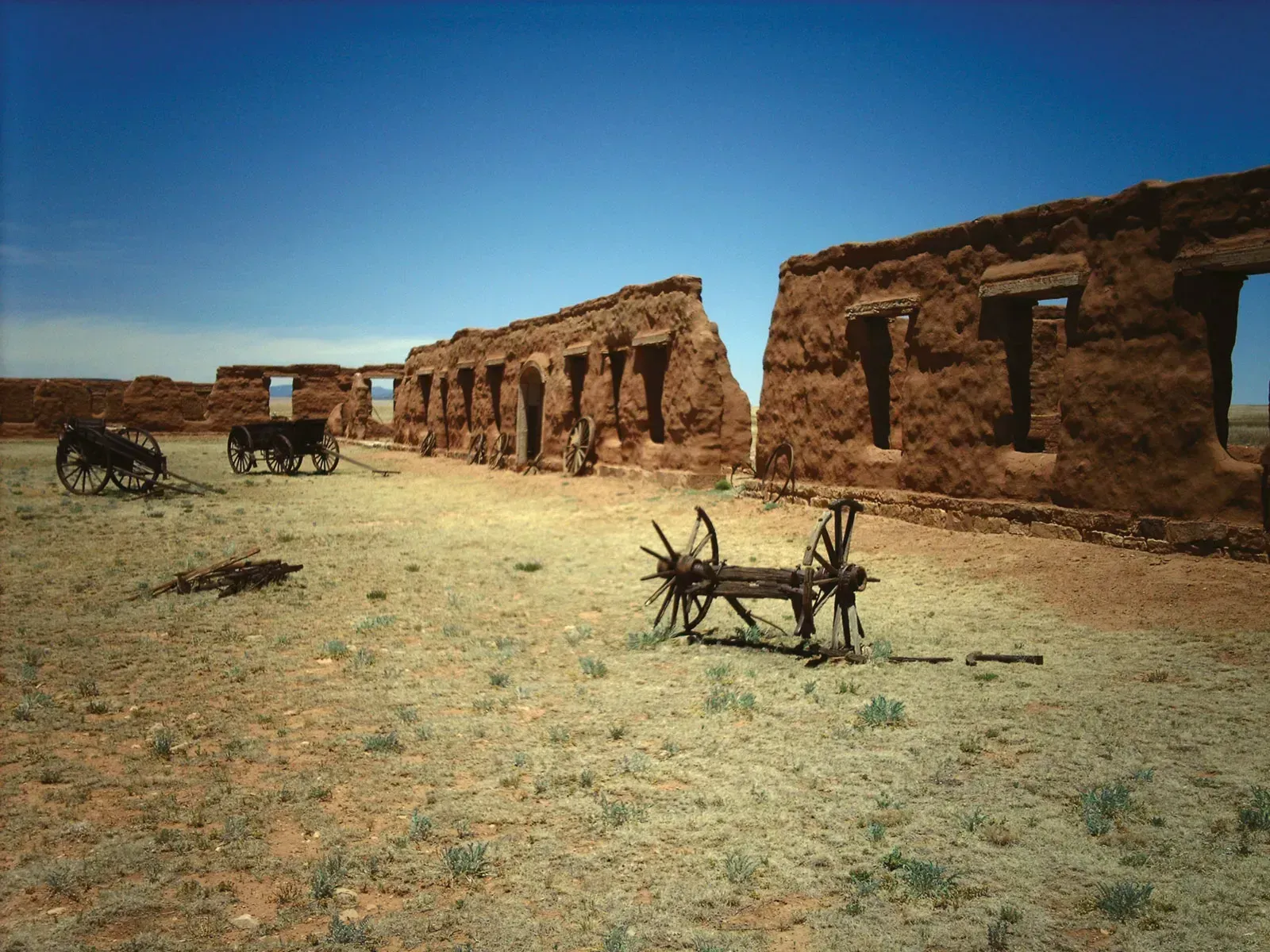
Fort Union in New Mexico Territory served as the largest military depot in the Southwest for four decades. Established in 1851, it anchored American control of the region during turbulent times. The fort sat at the junction of the Mountain and Cimarron branches of the Santa Fe Trail, making it a vital supply and communication hub.
Three different forts actually occupied the site over time, each reflecting changing military needs. The first was a simple log and adobe affair. The second, built during the Civil War, became a massive earthwork fortification designed to repel Confederate forces advancing from Texas. The third and final fort, constructed in the 1860s, grew into an extensive territorial arsenal and quartermaster depot.
Fort Union played crucial roles in conflicts with Apache and Navajo peoples, serving as a launching point for military campaigns across the Southwest. Wagon trains loaded with supplies rolled out from its gates to dozens of smaller posts scattered across the harsh landscape. The fort’s presence represented federal authority in a region where multiple cultures and interests collided.
After the railroad bypassed it in the 1870s, Fort Union’s importance gradually waned. It was abandoned in 1891, and weather and time have since reduced most structures to ruins. Yet those crumbling adobe walls and stone foundations remain hauntingly beautiful, offering visitors a tangible connection to the military history of the American Southwest.
Fort Niagara: Centuries of Strategic Value
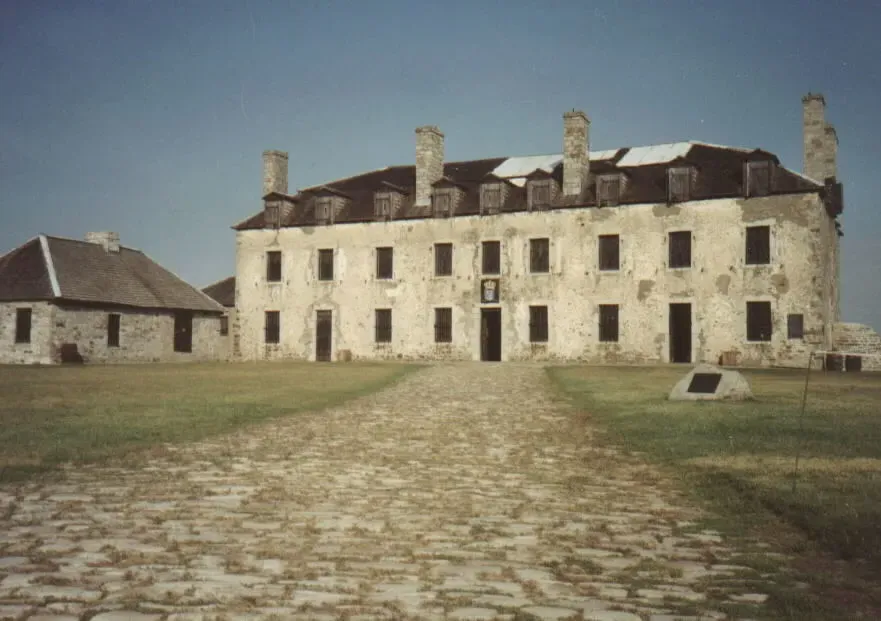
Perched at the mouth of the Niagara River where it flows into Lake Ontario, Fort Niagara controlled access between the Great Lakes and the Atlantic seaboard for centuries. The French built the original fort in the early 1700s, constructing a stone building disguised as a trading post to avoid violating treaties. This structure, known as the “French Castle,” still stands and is the oldest building in the Great Lakes region.
The fort changed hands multiple times through its history. The British captured it in 1759 during the French and Indian War and held it even after American independence, finally surrendering it in 1796. During the War of 1812, British forces recaptured the fort in a daring nighttime assault and occupied it until the war’s end.
Fort Niagara’s strategic importance derived from its location. Whoever controlled this point could dominate lake traffic and influence the balance of power across the northern frontier. The fort witnessed nearly constant military activity through multiple conflicts, from colonial wars through the Cold War era.
The fort remained an active military installation until 1963, serving training and administrative functions in later years. Today it operates as a living history museum where period-dressed interpreters demonstrate military life from different eras. The view across the river into Canada serves as a reminder of the fort’s role guarding an international boundary.
Fort Pulaski: When Technology Changed Warfare
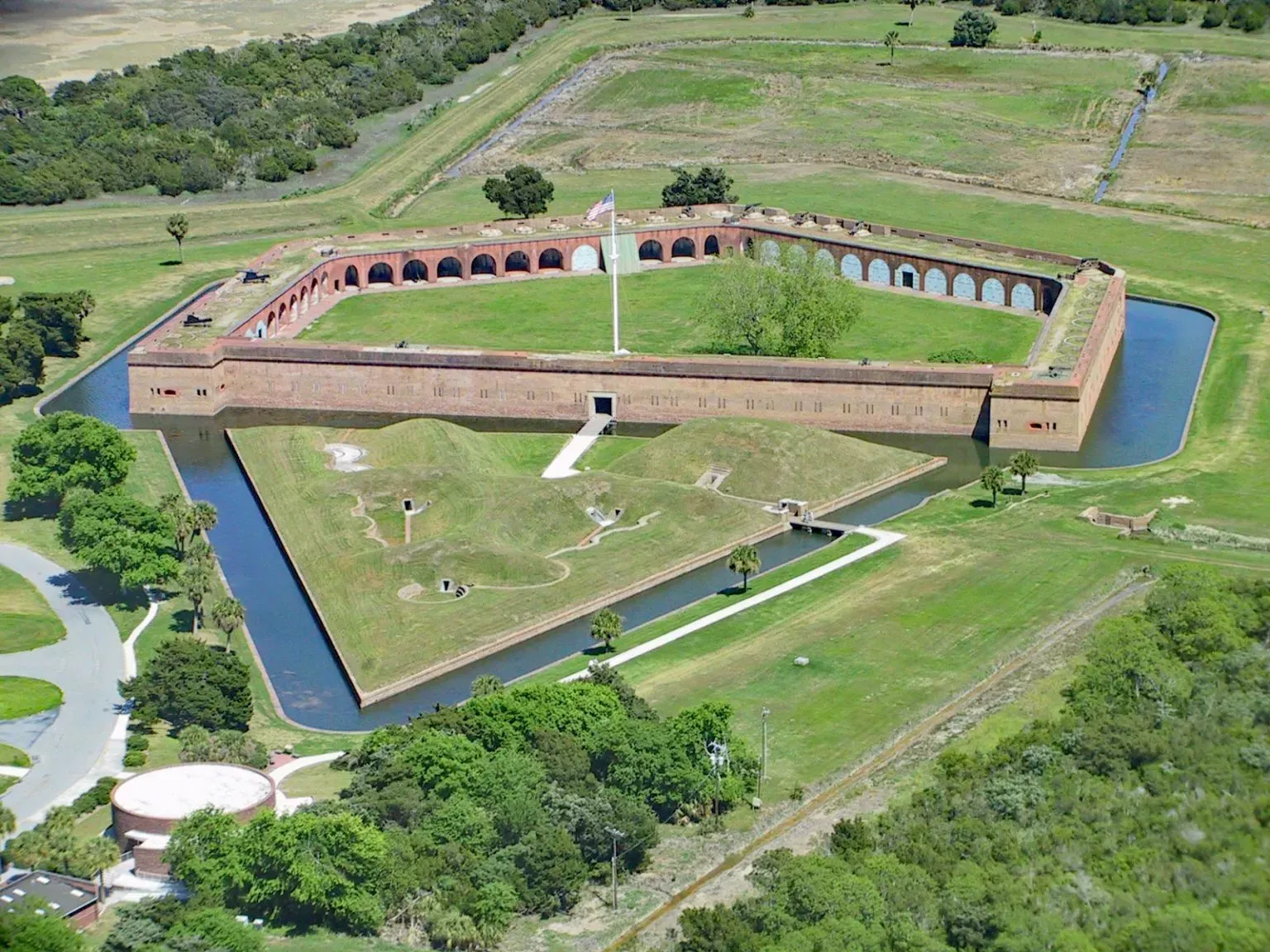
Fort Pulaski near Savannah, Georgia, represents both the peak and the obsolescence of masonry fortification. Constructed between 1829 and 1847, this massive five-sided fortress was considered virtually impregnable. Its walls stood nearly eight feet thick, built to withstand any known artillery.
Then came April 1862. Union forces positioned experimental rifled cannons on Tybee Island, roughly a mile away. Military experts predicted the fort could hold out for weeks or longer. Instead, within 30 hours of bombardment, those new rifled guns had blown massive breaches through the supposedly invincible walls. The Confederate garrison surrendered, and military theorists across the world took notice.
Fort Pulaski’s fall demonstrated that the era of brick and stone fortifications had ended. The rifled cannon, with its far greater accuracy and penetrating power, rendered centuries of defensive architecture obsolete overnight. This single battle changed military engineering forever, accelerating the shift toward earthwork fortifications and armored structures.
The fort’s preservation is remarkable. Visitors can still see the precise spots where Union shells punched through the masonry, frozen evidence of that technological revolution. Named for Polish Revolutionary War hero Casimir Pulaski, the fort now serves as a National Monument where the clash between old and new military technology remains starkly visible.
Conclusion: Stones That Built a Nation
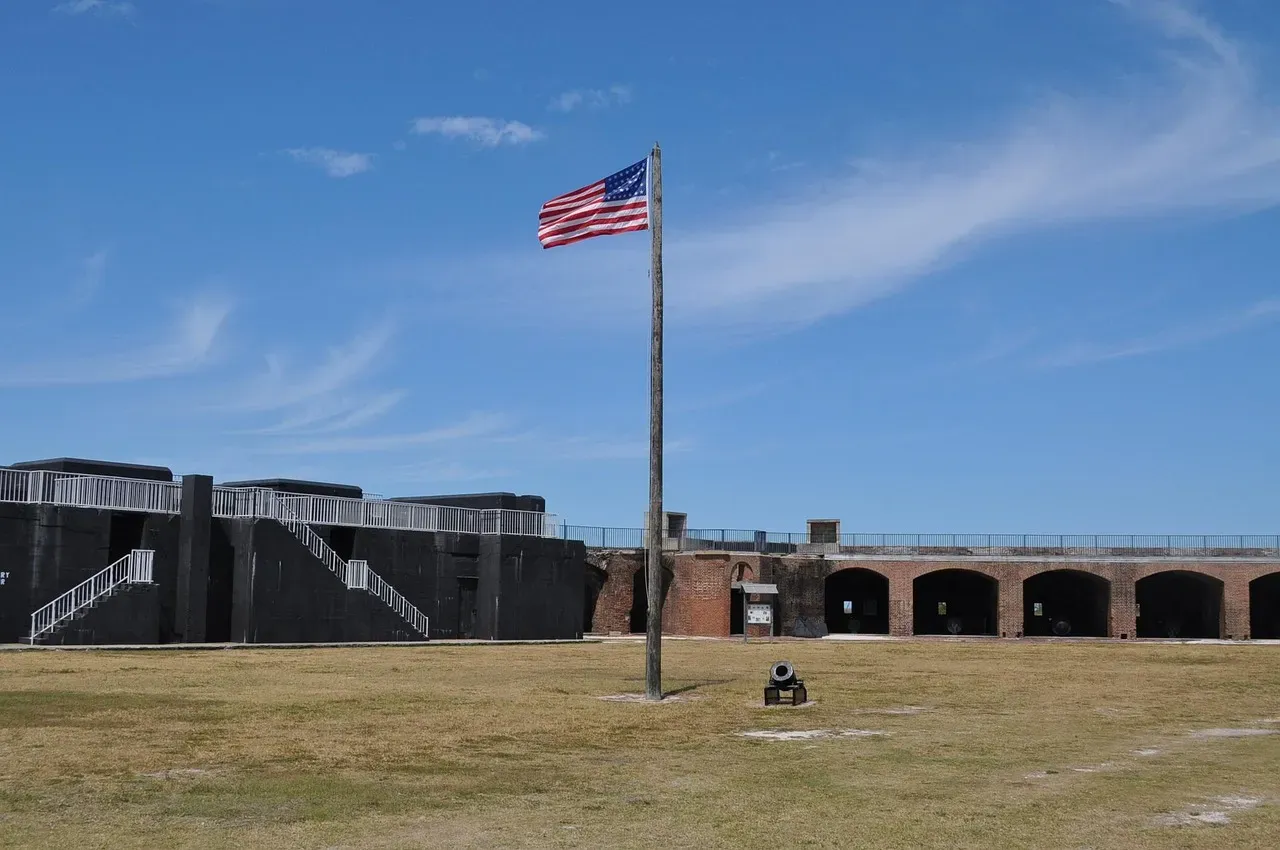
From coastal bastions to frontier outposts, these ten historic forts tell the story of America itself. They witnessed the birth of a nation, the expansion across a continent, and the conflicts that defined who we would become. Each fort defended not just territory but ideas – independence, freedom, expansion, and national identity.
Walking through these preserved sites today offers something movies and books cannot quite capture. You can touch the same stones that sheltered revolutionary soldiers. Stand where cannons roared. Trace the paths of those who fought, lived, and sometimes died defending what they believed in. These aren’t just monuments to military history. They’re windows into the human experience of building a nation from wilderness and conflict.
The forts endure as reminders that defense of a nation has always required more than just military might. It demanded vision, sacrifice, engineering skill, and the willingness to stand firm when everything hung in the balance. What do you think – which of these historic forts would you most want to visit?

- 6 Unusual Animal Habitats Around the World You Won’t Believe - July 19, 2026
- 7 Incredible Journeys Animals Take That Will Leave You Breathless - July 19, 2026
- What It Means When Your Cat Stares at the Same Empty Corner at the Same Time Every Night – and the Three Explanations Competing for It - July 19, 2026