

The African lion, an iconic symbol of strength and majesty in the animal kingdom, faces an uncertain future. Once roaming across most of Africa and parts of Europe and Asia, these magnificent big cats have experienced a dramatic decline in population over the past century. Today, African lions are primarily confined to protected areas and reserves, with their numbers continuing to dwindle at an alarming rate. Conservation experts and wildlife biologists have raised serious concerns about the long-term survival of these apex predators, with some projections suggesting that wild African lions could potentially disappear within the next five decades. This article explores the current status of African lion populations, the threats they face, and the conservation efforts underway to prevent their extinction.
The Current State of African Lion Populations
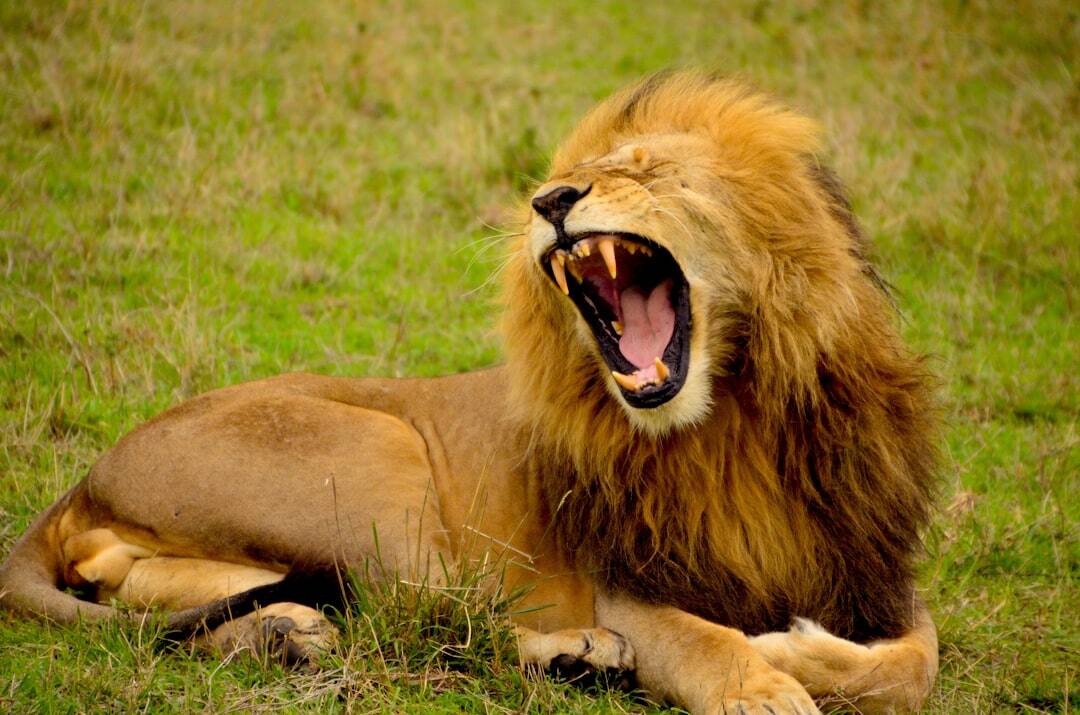
According to the International Union for Conservation of Nature (IUCN), African lion populations have decreased by approximately 43% over the past three generations (approximately 21 years). Current estimates suggest that only 23,000 to 39,000 lions remain in the wild, down from around 100,000 in the 1960s. These statistics paint a troubling picture of a species in rapid decline. The lions are now classified as “Vulnerable” on the IUCN Red List, though populations in West Africa are considered “Critically Endangered.” Most remaining lions exist in fragmented habitats across sub-Saharan Africa, with the largest populations found in Tanzania, South Africa, Botswana, Zimbabwe, and Kenya. Some researchers argue that without significant intervention, the African lion could indeed vanish from much of its range within 50 years.
Habitat Loss and Fragmentation
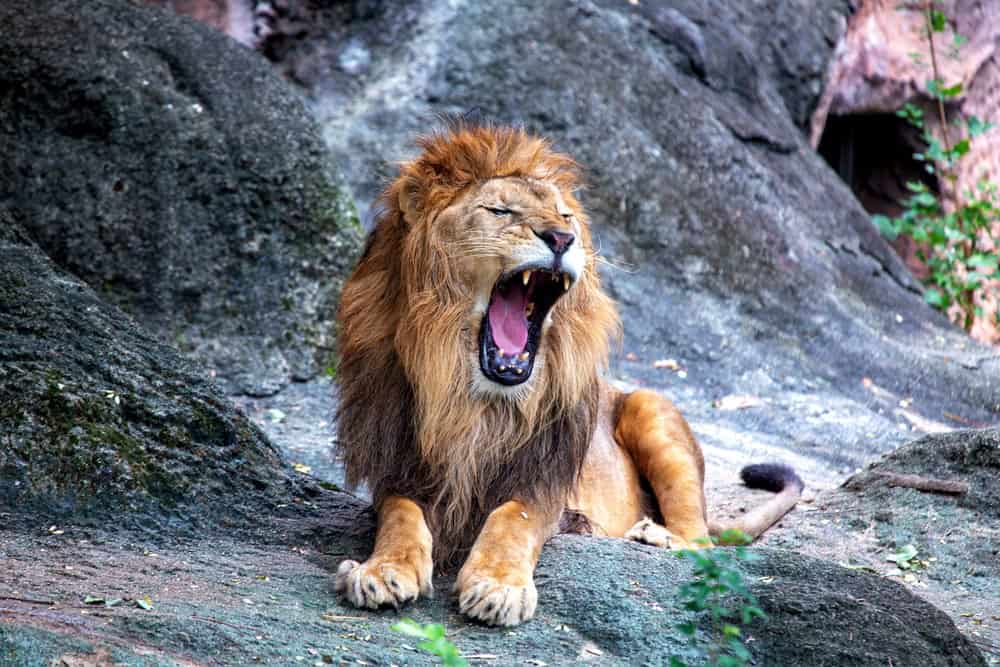
One of the primary threats facing African lions is the loss and fragmentation of their natural habitat. As human populations expand across Africa, wilderness areas are increasingly converted to agricultural land, settlements, and infrastructure. Lions require vast territories to hunt, establish prides, and maintain genetic diversity. Historical lion habitat has decreased by approximately 75% over the past century. This fragmentation creates isolated lion populations that cannot connect with other groups, leading to inbreeding and reduced genetic resilience. Protected areas often become “islands” of habitat surrounded by human development, limiting lions’ ability to follow natural migration patterns or expand their range. Without addressing habitat connectivity, many small lion populations face eventual local extinction.
Human-Wildlife Conflict

As human communities expand into traditional lion territory, encounters between people and lions become more frequent and often result in conflict. Lions occasionally prey on livestock, which represents a significant financial loss for rural farmers who may retaliate by killing lions through poisoning, trapping, or shooting. In some regions, these retaliatory killings account for a substantial percentage of lion mortalities. Between 2002 and 2012, researchers documented the poisoning of over 60 lions in southern Kenya alone. Additionally, lions sometimes attack humans, particularly in areas where their natural prey has been depleted. This human-wildlife conflict creates negative attitudes toward lions and undermines conservation efforts. Finding sustainable solutions to this conflict is essential for lion conservation.
Prey Depletion
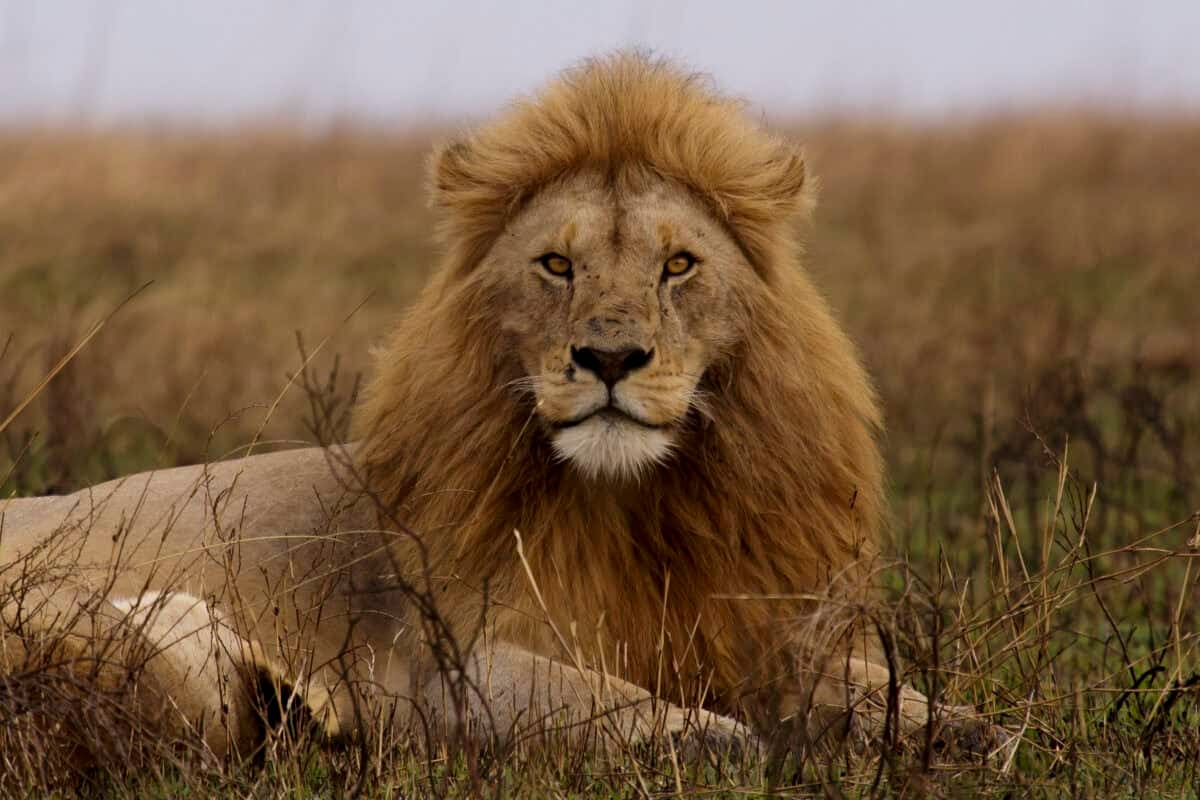
African lions rely on a diet of large herbivores such as zebra, wildebeest, buffalo, and various antelope species. However, many of these prey species are experiencing population declines due to bushmeat hunting, habitat loss, and competition with livestock. Studies have shown a direct correlation between prey abundance and lion population density. In areas where prey animals have been significantly reduced, lion populations inevitably follow suit. The bushmeat trade, which involves hunting wild animals for human consumption, removes an estimated 1-4 million tons of wild meat annually from the African landscape. This unsustainable harvest directly impacts lion survival by eliminating their food source. Conservation strategies must therefore address not only lion protection but also the preservation of their prey base.
Trophy Hunting Controversies
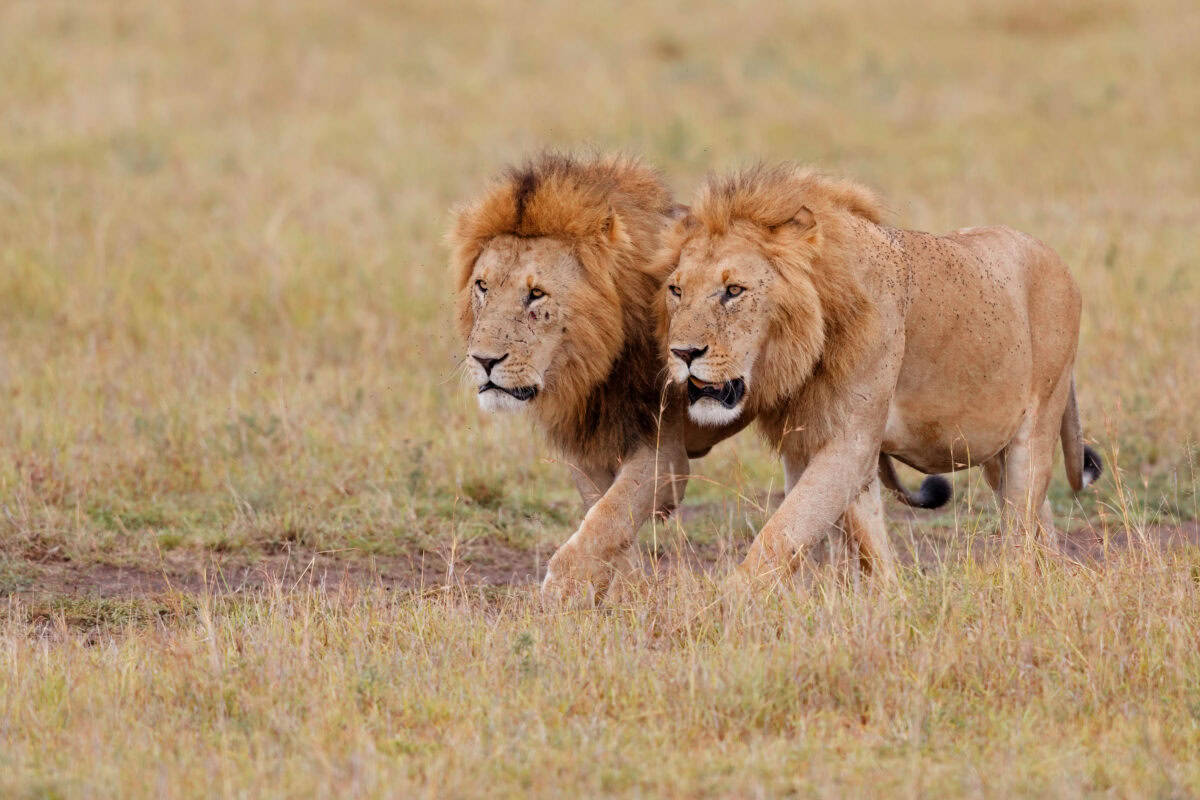
Trophy hunting of African lions remains a contentious conservation issue. Proponents argue that well-regulated hunting generates significant revenue for conservation and creates economic incentives to protect lion habitat. For example, in countries like Tanzania and Zimbabwe, hunting concessions have helped maintain large tracts of wilderness that might otherwise be converted to other uses. However, critics point to numerous cases of poorly managed hunting that has contributed to lion population declines. The controversy intensified after the 2015 killing of Cecil, a well-known lion in Zimbabwe, by an American dentist. Following this incident, several countries implemented stricter regulations on lion trophy imports. The impact of trophy hunting varies greatly depending on how it’s managed, but when poorly regulated, it can accelerate population declines, particularly by removing prime breeding males.
Disease Threats

African lions face growing threats from various diseases, some of which have been exacerbated by climate change and increased contact with domestic animals. Canine distemper virus (CDV), which can be transmitted from domestic dogs to lions, has caused significant mortality events in lion populations. In 1994, an outbreak in Tanzania’s Serengeti National Park killed approximately one-third of the lion population. Bovine tuberculosis, primarily transmitted through infected prey, has become prevalent in some lion populations, particularly in South Africa’s Kruger National Park. As climate patterns shift, vector-borne diseases like trypanosomiasis are appearing in new regions, potentially affecting lions and their prey. Disease management has become an increasingly important component of lion conservation, requiring collaboration between wildlife veterinarians, ecologists, and local communities.
Climate Change Impacts

Climate change represents an emerging threat to African lion populations. Increasing temperatures and changing rainfall patterns are altering ecosystems across Africa, affecting prey distribution and abundance. Prolonged droughts can reduce prey populations, forcing lions to range farther for food and increasing the likelihood of human-lion conflict. Climate change models predict that suitable habitat for lions could decrease significantly over the next 50 years. Some studies suggest that by 2070, climate change could cause a 30-50% reduction in suitable lion habitat across Africa. These changes may be particularly severe in West Africa, where lion populations are already critically endangered. Climate adaptation strategies, including maintaining habitat connectivity to allow for range shifts, will be crucial for lion conservation in the coming decades.
The Bushmeat Trade and Poaching

While African lions are not typically the direct targets of the bushmeat trade, they are severely impacted by the hunting of their prey species. However, lions do face targeted poaching for various body parts used in traditional medicine. Lion bones have become increasingly valuable as substitutes for tiger bones in Asian traditional medicine markets, particularly as tiger populations have declined. In some regions, lion parts are used in traditional ceremonies or as status symbols. Between 2008 and 2016, the legal export of lion skeletons from South Africa increased dramatically, raising concerns about stimulating demand for wild lion products. Poaching for the illegal wildlife trade represents a growing threat that could accelerate lion population declines if left unchecked. International cooperation to combat wildlife trafficking is essential for lion conservation.
Genetic Concerns and Population Viability

As lion populations become increasingly isolated in protected areas, genetic diversity becomes a critical conservation concern. Small, isolated populations are vulnerable to genetic problems such as inbreeding depression, which can reduce reproductive success and resilience to disease. Research in the Ngorongoro Crater of Tanzania, where a small lion population has been isolated for many decades, has documented reduced sperm quality and abnormal sperm morphology in male lions. Population viability analyses suggest that lion populations numbering fewer than 50 individuals face significant extinction risk within 50-100 years if they remain isolated. Even larger populations of several hundred lions may not be viable long-term without genetic connectivity to other groups. Conservation initiatives increasingly focus on creating wildlife corridors to connect isolated populations and maintaining genetic diversity through carefully managed translocations.
Conservation Success Stories
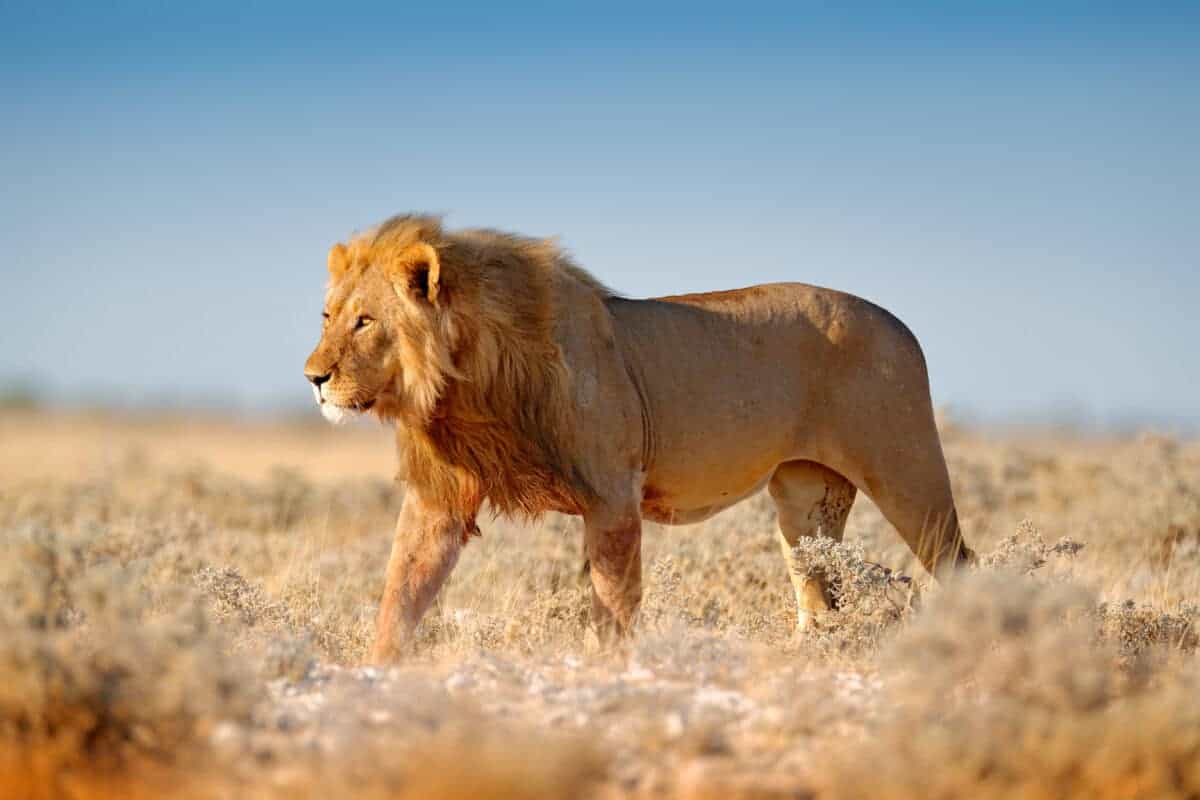
Despite the numerous challenges facing African lions, there have been notable conservation successes that provide hope for the species’ future. In Kenya’s Amboseli ecosystem, community-based conservation programs have helped lion populations increase by over 50% between 2014 and 2020. In Namibia, innovative conservation models that give local communities rights to manage wildlife have led to expanding lion populations. The Lion Recovery Fund, established in 2017, has supported over 150 projects across Africa, helping to improve protection in key lion habitats. Successful reintroductions have established new lion populations in areas where they had previously been extirpated, such as in Rwanda’s Akagera National Park. These successes demonstrate that with proper protection, habitat management, and community engagement, lion declines can be reversed. The challenge lies in scaling up these successful approaches across the species’ range.
Innovative Conservation Approaches
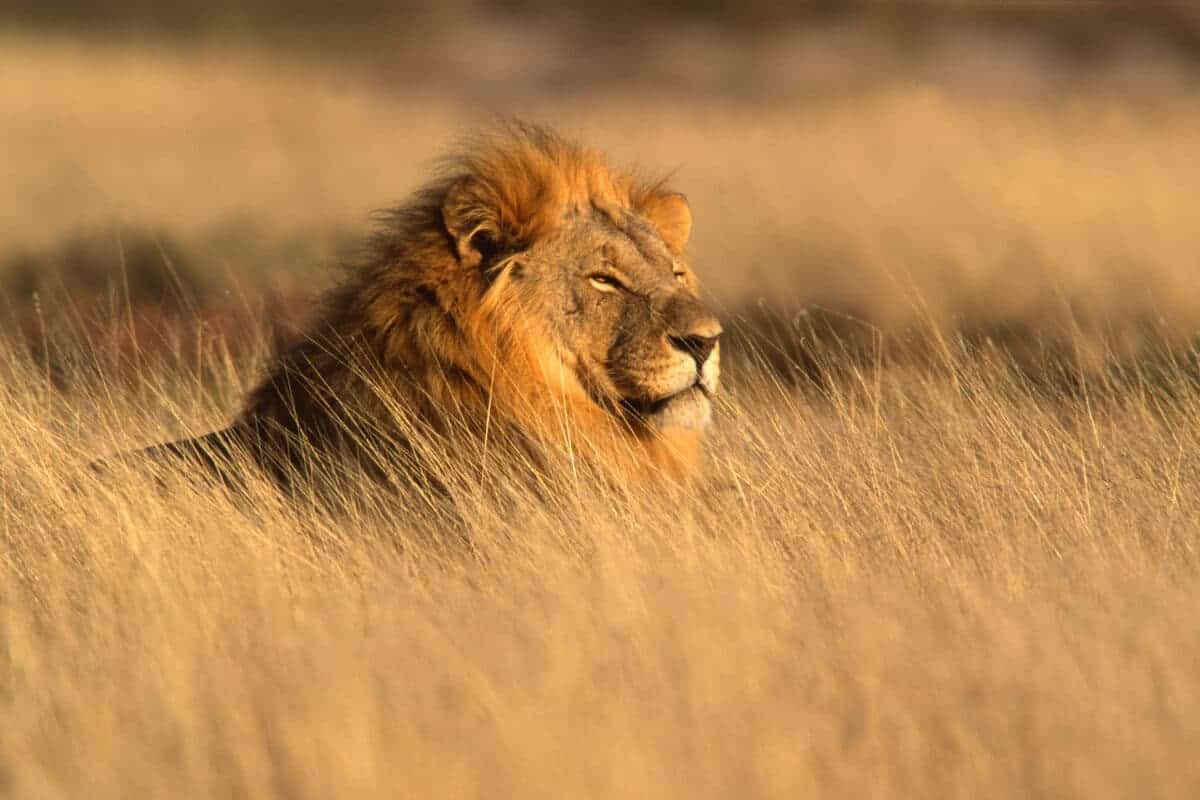
Conservationists are developing innovative approaches to address the complex challenges of lion conservation. In Kenya and Tanzania, lion guardians programs train local Maasai warriors to monitor lions and prevent conflicts with livestock, transforming former lion hunters into lion protectors. Technology is increasingly employed in conservation efforts, including GPS collars that provide real-time alerts when lions approach livestock areas, allowing for proactive conflict prevention. Some communities have established specialized predator-proof livestock enclosures that have reduced nighttime predation by over 90%. Economic incentives that link tourism revenue directly to lion conservation have proven effective in creating local support for protection efforts. Conservation organizations are also working with governments to establish transboundary protected areas that allow lions to move freely across international borders, maintaining genetic connectivity between populations.
The Role of International Policy and Funding
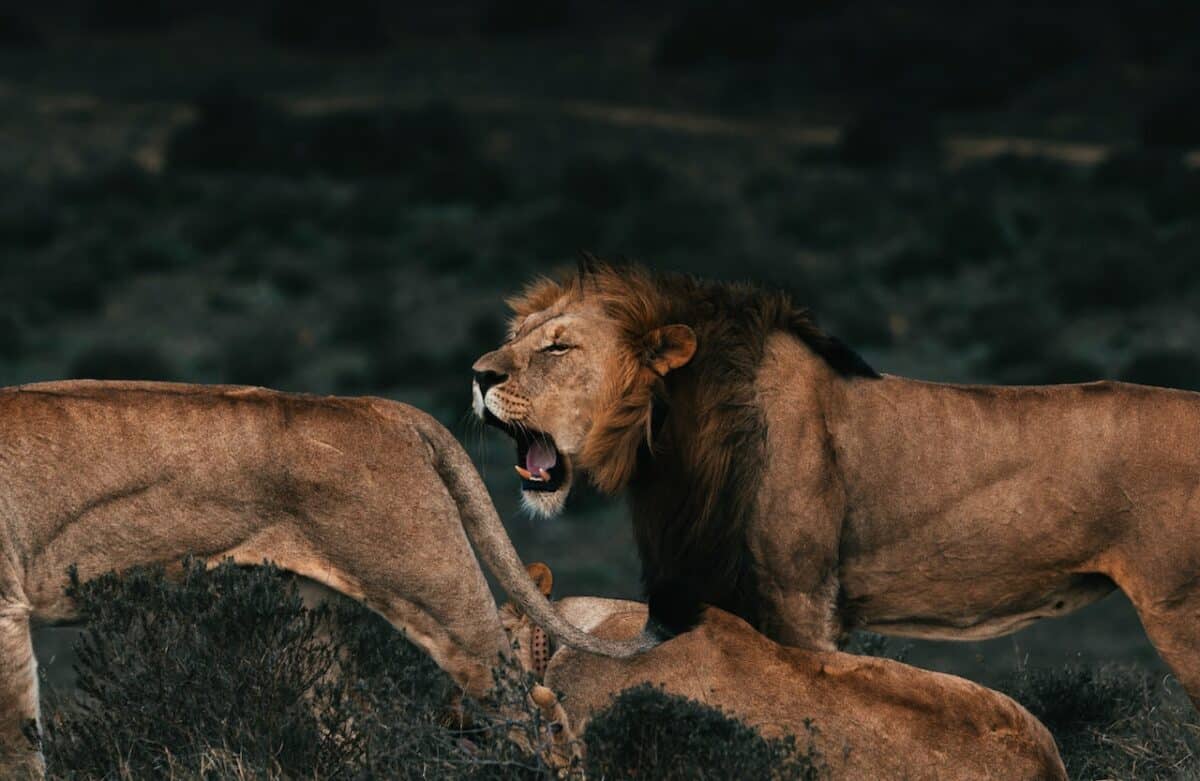
International policy and funding play crucial roles in African lion conservation. In 2016, lions received increased protection under the Convention on International Trade in Endangered Species (CITES), with all lion populations listed on either Appendix I or Appendix II. This strengthened regulation of international trade in lion parts and products. The U.S. Endangered Species Act listing of lions as threatened or endangered (depending on population) has restricted the import of lion trophies into the United States. Major funding initiatives, such as the Lion Recovery Fund and the IUCN SOS African Wildlife Initiative, have mobilized millions of dollars for lion conservation projects. However, funding remains insufficient relative to the scale of the challenge. Estimates suggest that effectively managing protected areas with lions requires approximately $1,000-$2,000 per square kilometer annually, yet many protected areas operate on budgets of less than $50 per square kilometer. Increasing international financial support for lion conservation is essential to prevent further declines.
Conclusion: Can Lions Survive the Next Half Century?
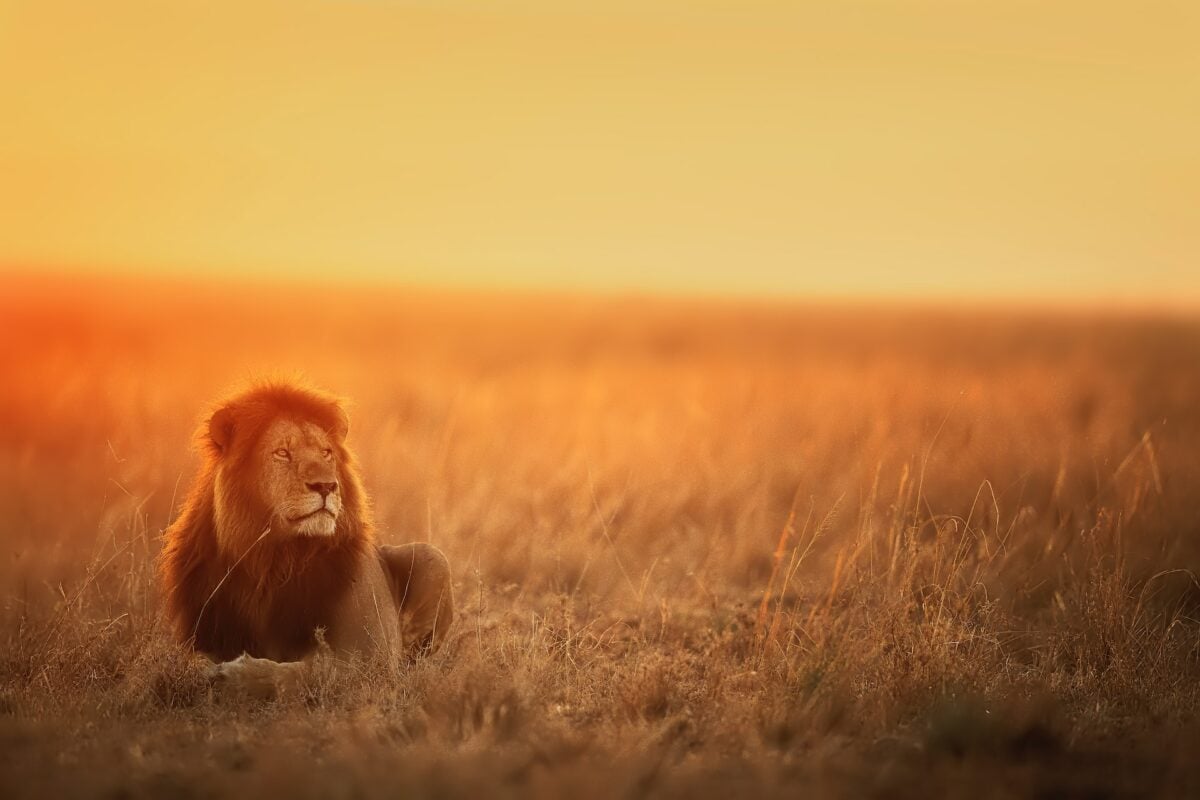
The question of whether African lions will still exist in the wild 50 years from now remains uncertain, with the outcome largely dependent on the conservation actions taken in the coming decades. While the current trajectory is concerning, with populations continuing to decline across much of the species’ range, there are genuine reasons for hope based on successful conservation initiatives in several regions. The future of the African lion will ultimately be determined by humanity’s willingness to address the root causes of decline: habitat loss, human-wildlife conflict, poaching, and climate change. If sufficient resources are devoted to protection, habitat restoration, and community-based conservation, lions can recover even in areas where they have been severely depleted. Perhaps most critically, the fate of lions is inextricably linked to how effectively humans can learn to coexist with these magnificent predators in an increasingly crowded continent.

- You’re More Likely to Spot a Moose Than a Deer in This State - July 16, 2026
- Can Snakes Give Birth Without Mating? - July 15, 2026
- The Hidden Desert Beneath a U.S. Forest—A Strange Natural Twist - July 15, 2026