
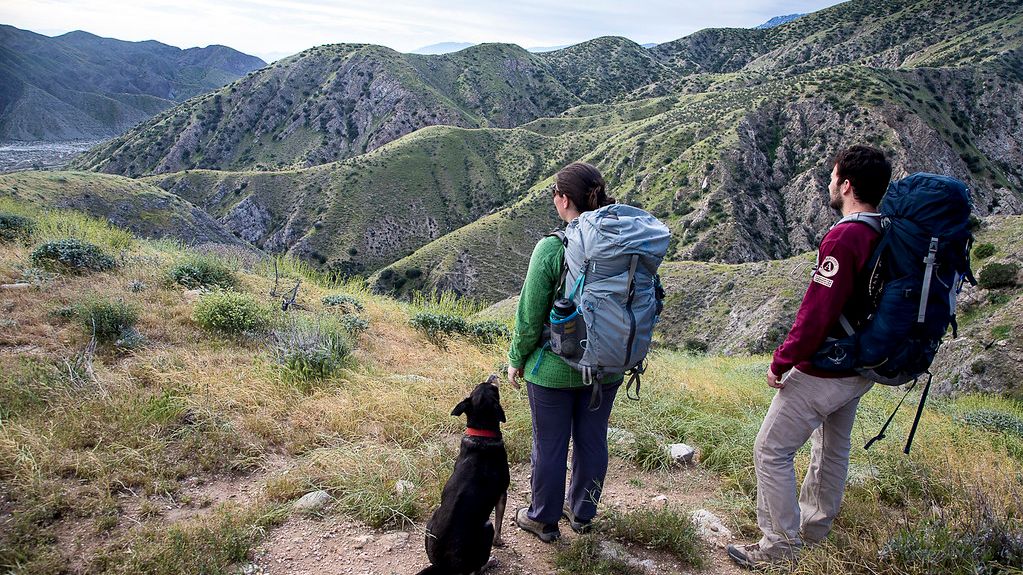
Picture this: you’re walking quietly through pristine wilderness when suddenly a majestic elk emerges from the forest shadows, or a family of mountain goats balances effortlessly on impossible cliff faces mere yards away. These magical moments define the true spirit of American trail hiking. transform ordinary hikes into unforgettable adventures that connect us deeply with nature’s raw beauty.
From the towering peaks of the Rocky Mountains to the steamy swamplands of Florida, America’s trail system offers some of the world’s most incredible opportunities to witness wild animals in their natural habitats. Whether you’re hoping to spot a grizzly bear from a respectful distance or watch eagles soar overhead, these legendary trails deliver experiences that will leave you breathless. Ready to discover where nature puts on her greatest shows?
Hidden Lake Overlook Trail, Glacier National Park, Montana
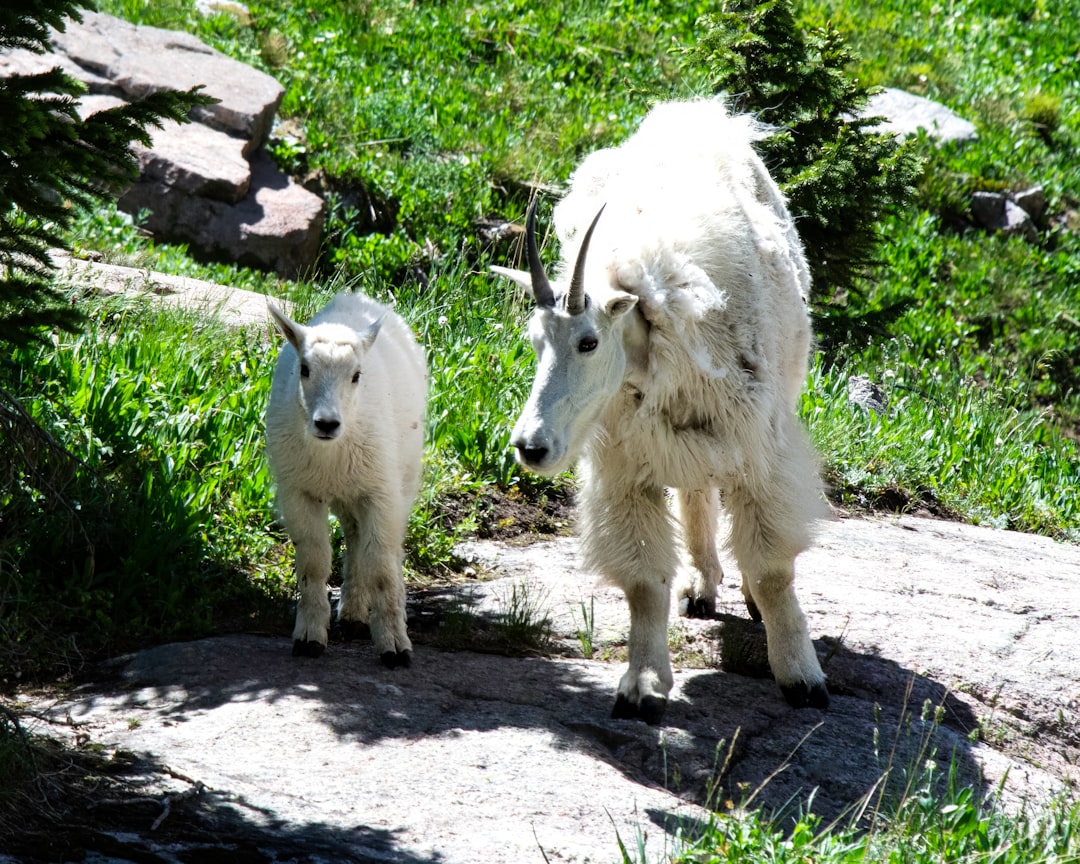
Glacier National Park in Montana is home to nearly 70 species of mammals, and the Hidden Lake Overlook trail is particularly well known for frequent wildlife sightings. You’ll find one of North America’s largest grizzly bear populations here, along with 270 species of birds and nearly 70 species of mammal such as mountain lions, moose, lynx, white-tailed deer, bighorn sheep, grey wolves, wolverines, and marmots.
You also stand a very good chance of spotting the sure-footed and nimble white mountain goat that can scale near-vertical rock faces and jump 12-feet-high in one leap. The trail winds through alpine tundra using boardwalks to protect fragile plant life, offering exceptional views that showcase why this region remains a wildlife paradise. For famous sightings of mountain goats licking the mineral-laden cliffs, head to the appropriately-named Goat Lick Overlook along US Highway 2.
Appalachian Trail, Virginia Section
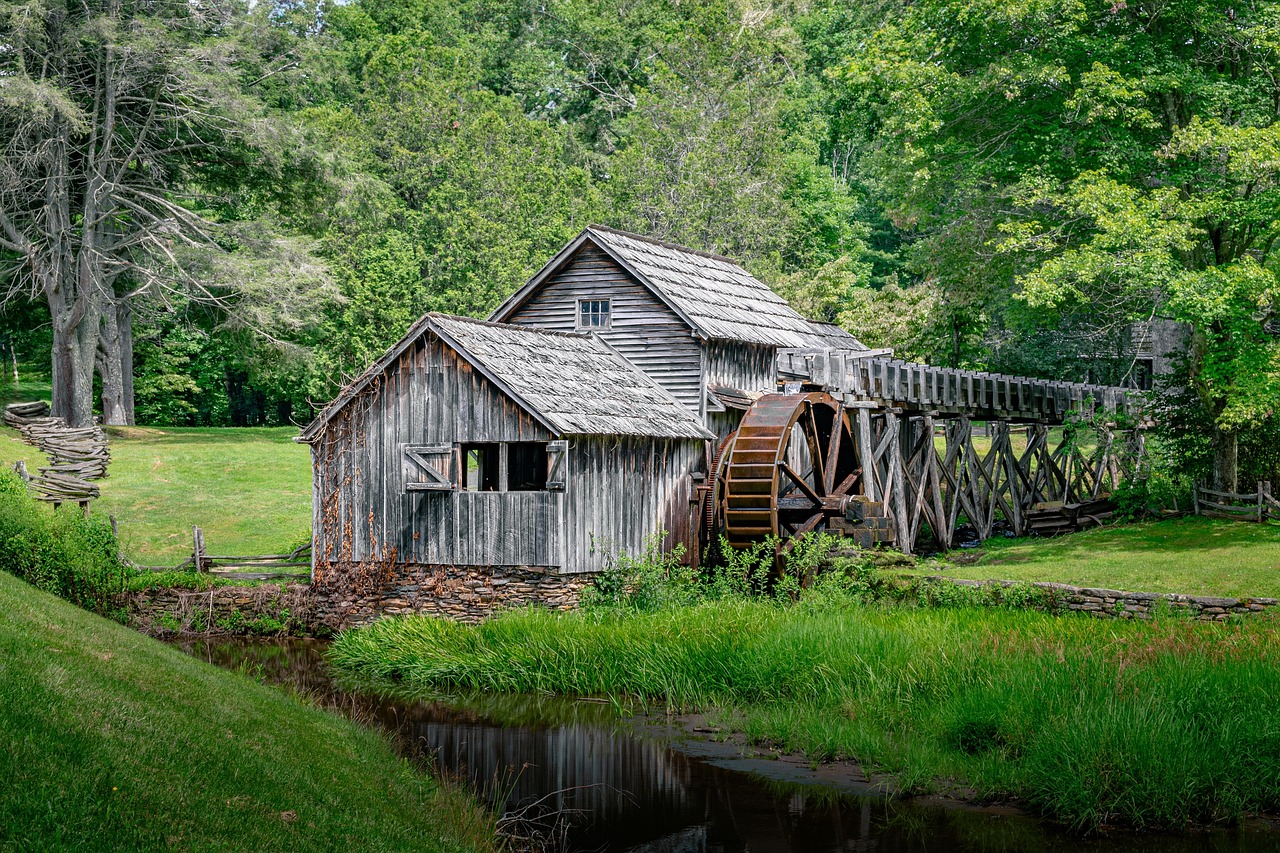
Despite the Appalachian Trail extending over two thousand miles, the best place to witness nature in all its glory is just outside Roanoke, Virginia, featuring McAfee Knob, Dragon’s Tooth, and Tinker Cliffs, with an abundance of butterflies, songbirds, white-tailed deer, chipmunks, wild turkeys, and if you’re fortunate, you might even see the elusive coyote.
Wildlife is common, especially bears, deer and mice in the shelters, with bears being a particular concern in the Smoky Mountains where shelters sometimes close due to nuisance bears, while ticks are prevalent and hikers should check themselves for ticks daily. Whether you’re a thru-hiker or day hiker, odds are you will encounter some wildlife since we are invading their homes. The Virginia section offers an ideal balance of accessibility and genuine wilderness experiences.
Continental Divide Trail, Colorado and Montana
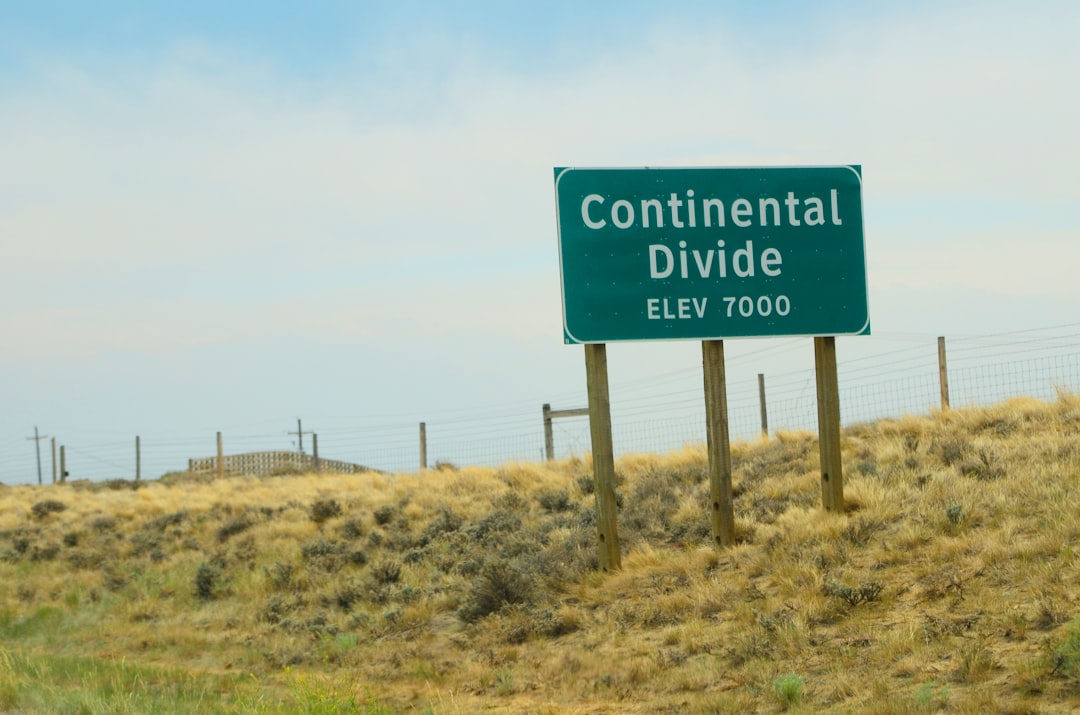
The CDT offers some of the most unique you’ll find on any long-distance trail, with its route through remote and diverse ecosystems meaning you’re likely to cross paths with creatures you won’t see on other trails, including grizzly bears north of Gunsight Pass in Wyoming, black bears throughout the entirety, and smaller fascinating creatures like marmots, pikas, and the eccentric grouse.
Continental Divide Trail wildlife surpasses Pacific Crest Trail wildlife offerings, and in reality, you will see a lot more wildlife hiking the CDT, with moose everywhere. The Continental Divide corridor is rich in wildlife, crossing many different biomes and wild stretches, making it home to a wide variety of creatures. The uncrowded nature of this trail means happen surprisingly often, creating almost-daily awe-inspiring interactions.
Pacific Crest Trail, Washington and Northern California
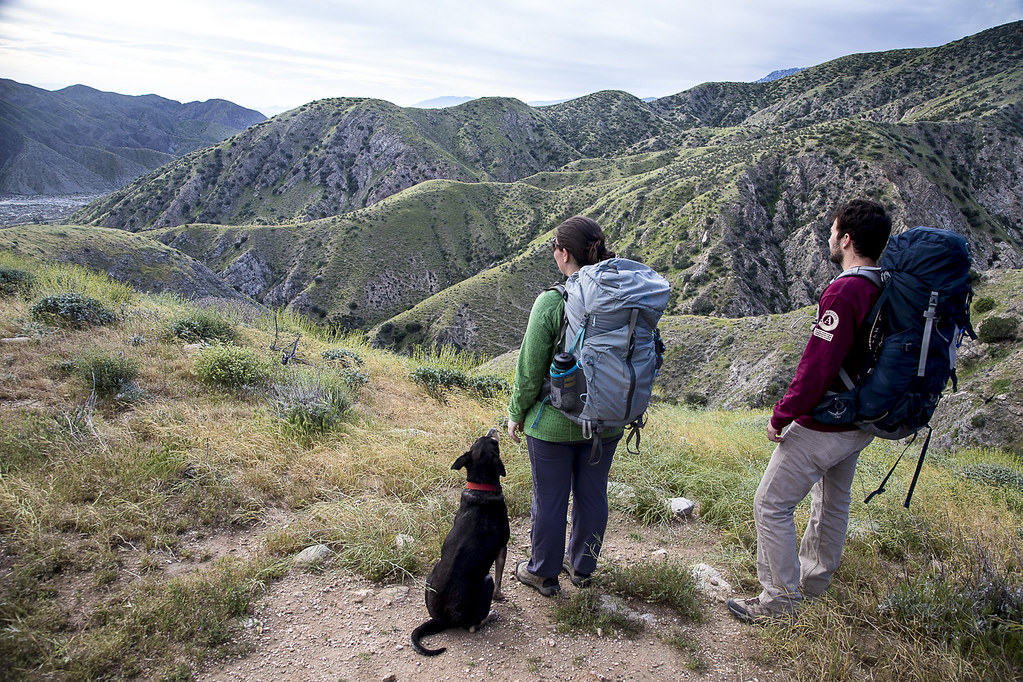
The North Cascades section has grizzly bears, and hikers often encounter enormous cinnamon colored bears standing on snow, showing off their massive profiles. In the Goat Rocks Wilderness, pristine white mountain goats graze alpine grass above 6000 feet on the rocks, though they bolt when approached, even when offered salt-containing snacks like pretzels.
The trail also provides encounters with porcupines, who use the trail as their highway system along with elk, bears, and quail. Indeed, elks, bears, and even quail use the trails to get around, with the trail serving as their freeway and their off ramps being numerous. The Pacific Northwest sections offer particularly diverse ecosystems where mountain and forest creatures thrive in close proximity.
Anhinga Trail, Everglades National Park, Florida
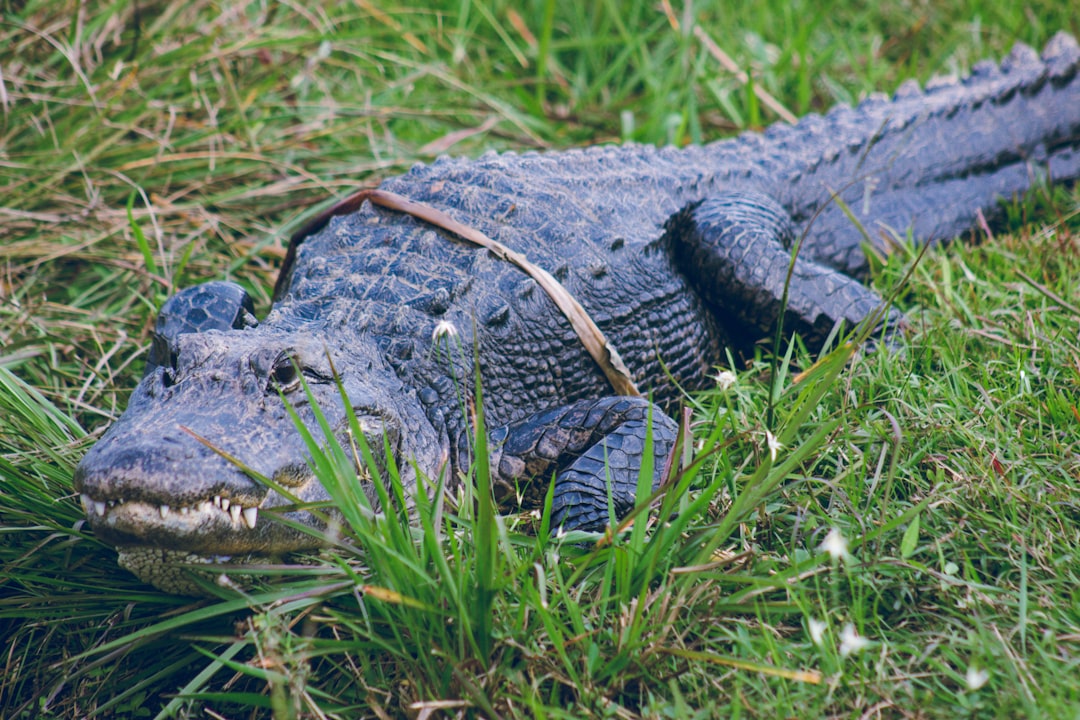
Part trail and part boardwalk, the Anhinga Trail is one of the best wildlife-viewing trails in the country. One of the many reasons visitors flock to this marshy peninsula is to explore the Everglades, particularly its living dinosaurs: the American alligators, which freely roam the area, making them simple to spot with or without a guide.
Take a guided boat tour of Florida’s Everglades where this is classic alligator territory with over 200,000 living in the sprawling wetlands, though even that’s just a drop compared with the wider state where some 1.5 million alligators live in Florida. The boardwalk design allows visitors to observe these prehistoric predators safely while they bask in the sun or glide silently through the dark waters. Beyond alligators, expect to see wading birds, turtles, and various reptile species that call this unique ecosystem home.
Rocky Mountain National Park Trails, Colorado
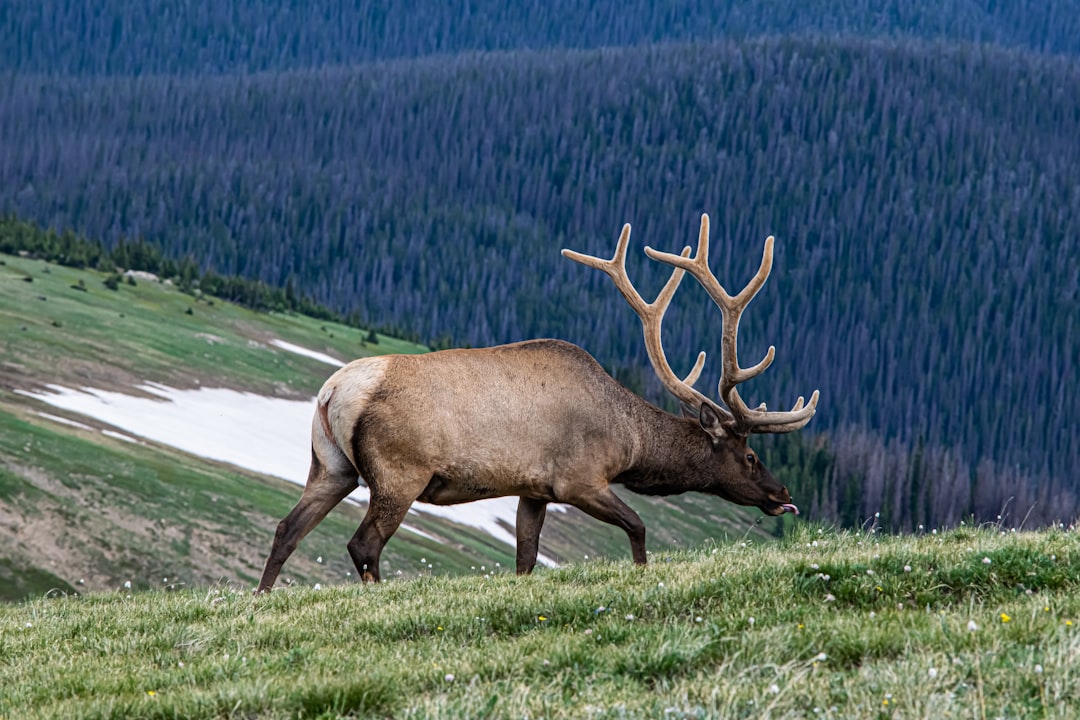
The wildlife is the obvious draw at this 265,461-acre park just 90 minutes north of Denver, and nothing beats hitting the park’s 355 miles of hiking trails for close-up encounters, delivering an elk herd numbering between 600 to 800 in the winter, around 350 bighorn sheep, numerous mule deer, and a decent number of moose.
If you’re lucky you may also see mountain lions, black bears, and coyotes, plus plenty of small mammals like pikas, yellow-bellied marmots, and Abert’s squirrels, with over 280 recorded bird species including golden eagles, prairie falcons, and the hard-to-spot white-tailed ptarmigans. Colorado is estimated to have more than 7,000 bighorns, more than any other state, with Horseshoe Park featuring the aptly named Sheep Lakes where bighorn sheep are often seen. The high-altitude environment creates perfect conditions for alpine wildlife viewing.
Theodore Roosevelt National Park, North Dakota
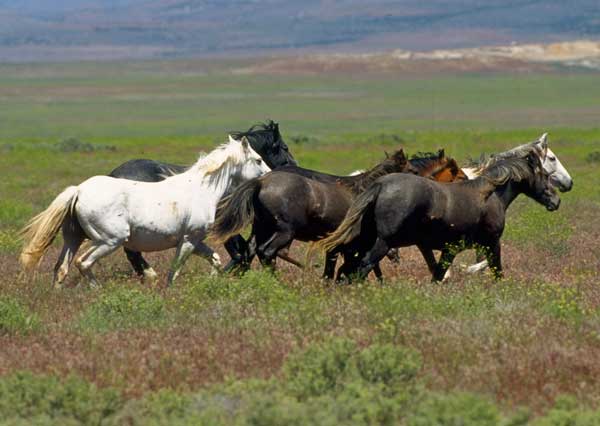
Whatever activities you choose in Theodore Roosevelt National Park, you’re virtually guaranteed to spot American bison grazing in the plains, with vast herds making it one of the best places to see wildlife in the USA. The prairies are home to elk, white-tailed deer, mule deer and wild horses (mustangs), with cunning coyotes roaming these lands and prairie dogs calling loudly when they spot one.
Backed by the imposing badlands and basking in later-afternoon sunlight, this is an epic, all-American sight. The park offers roughly 100 miles of trails for hiking and horseback riding, where the dramatic landscape of colorful rock formations provides a stunning backdrop for wildlife photography. It really doesn’t get more “cowboy” than this.
Olympic Coast Trail, Washington
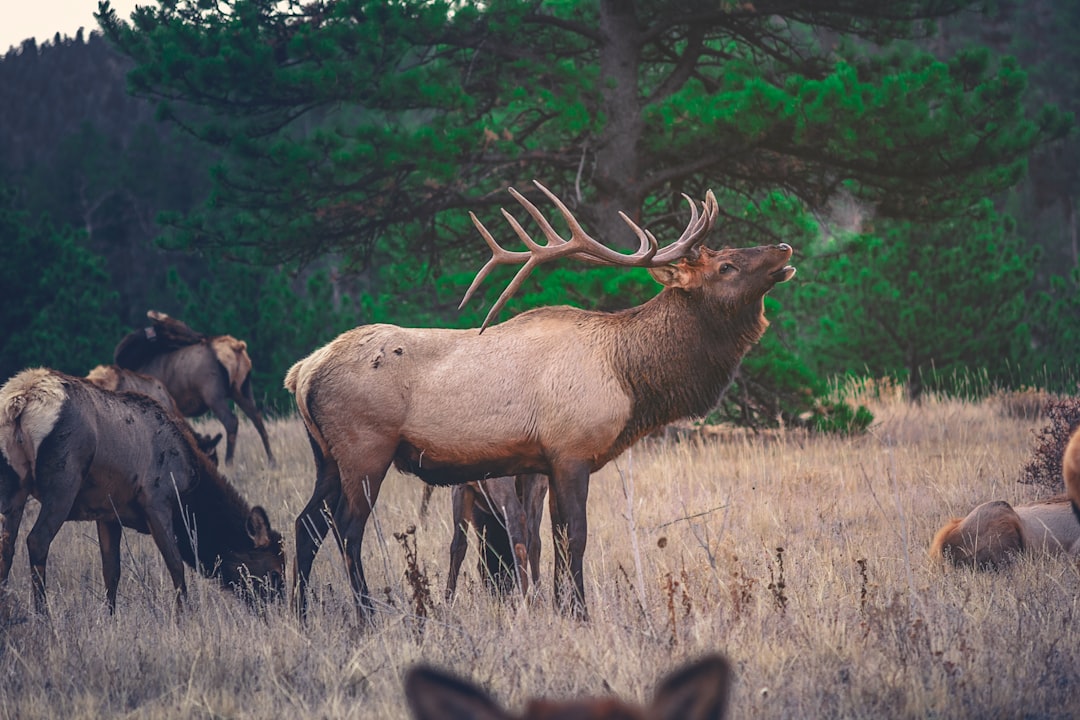
Between April and May and again in October and November, Rialto Beach on the Olympic Coast offers the unique opportunity to observe whales during their migration, though visitors should consult a tide chart before setting out as it’s easy to become caught unaware by high tides. Gray whales, orcas, and humpback whales can be spotted from the shoreline.
The many different landscapes in Olympic National Park, ranging from snowcapped mountains to sandy beaches and temperate rain forests, provide homes for deer and bears in the mountains, while the meadows are prime viewing areas for the majestic Roosevelt elk, with the park having the largest unmanaged Roosevelt elk herd in the Pacific Northwest. The combination of marine and terrestrial wildlife makes this trail system uniquely diverse among American hiking destinations.
North Country National Scenic Trail, Wisconsin
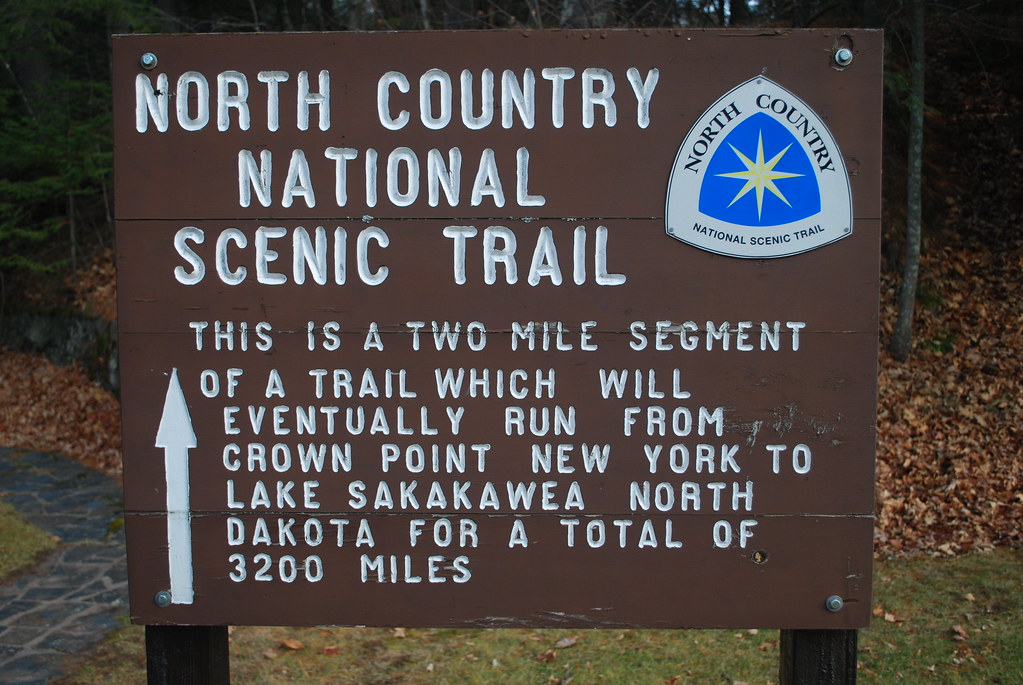
The North Country Trail is primarily an off-road hiking and backpacking trail that provides excellent opportunities for sightseeing, wildlife viewing and bird watching. The original 60-mile Northern Country Trail in the Chequamegon-Nicolet National Forest lent its name to the 4,600-mile National Scenic Trail, traveling through eight states with more than 140 miles completed in Wisconsin, connected by roadways and temporary routes in Douglas, Bayfield, Ashland and Iron counties for a total length of 220 miles.
This lesser-known trail segment offers incredible opportunities to spot the region’s diverse wildlife including black bears, white-tailed deer, various bird species, and smaller forest mammals. The trail’s remote sections provide peaceful encounters with nature away from crowded tourist destinations, while its connection to multiple forest systems creates diverse habitats for different species throughout the seasons.
Grizzly Lake Trail, Yellowstone National Park, Wyoming
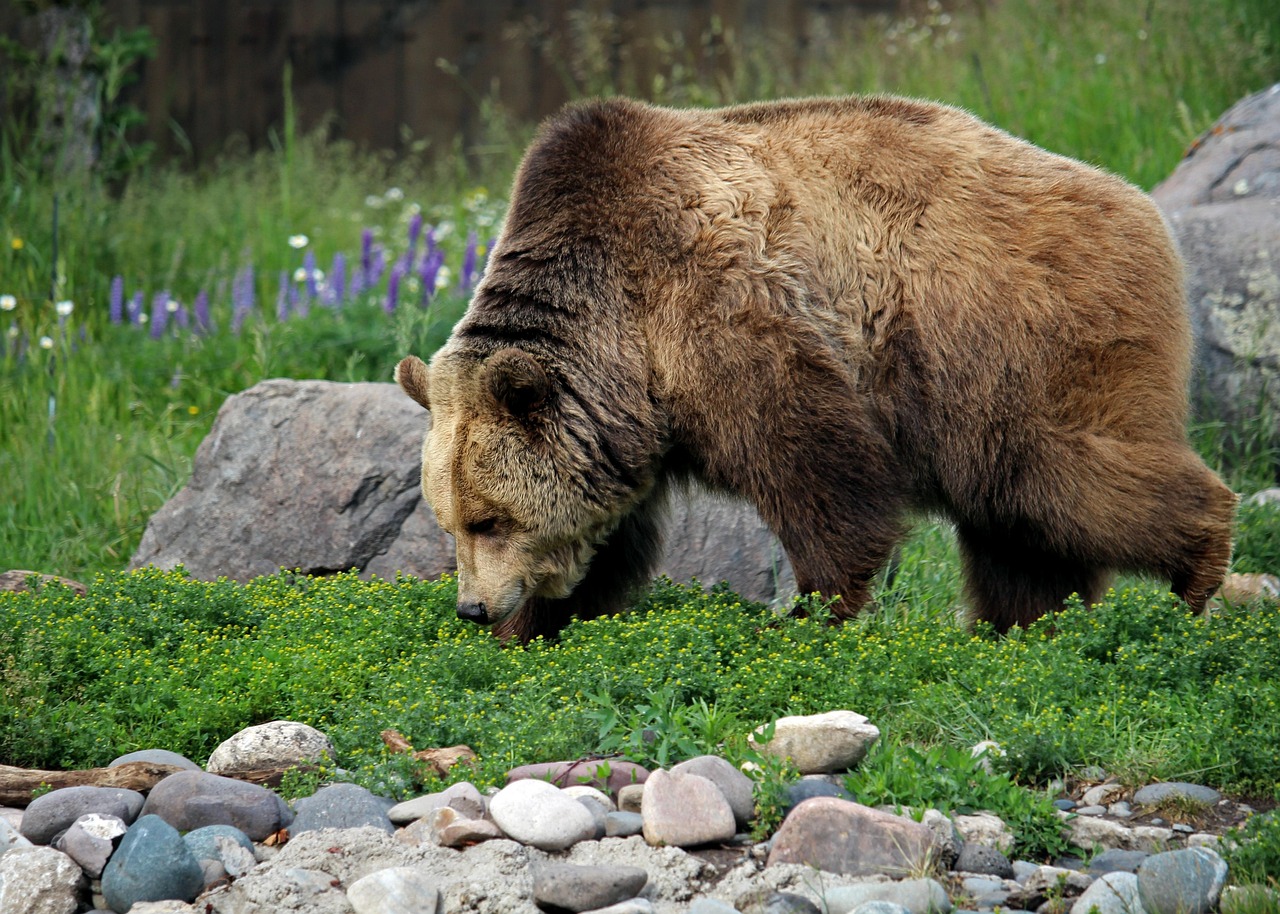
Located just outside West Yellowstone, Grizzly Lake Trail is a moderately challenging 3.6-mile trail featuring alpine meadows, lush forest surrounds, and spectacular views of Grizzly Lake itself, situated between Roaring Mountain and Obsidian Cliff, known for wildlife sightings including local elk, deer, and freshwater trout leaping.
If the US has anything close to an African safari, it’s found in Yellowstone National Park, where historic fauna like bison, mountain goats and cougars roam this valley, but no animal sighting quite matches up to that of the wolf. The park’s geothermal features create unique microclimates that support diverse wildlife populations, while the relatively short trail length makes it accessible to hikers of various skill levels seeking authentic wilderness encounters.
Conclusion

These ten iconic American trails represent the pinnacle of wildlife viewing opportunities across our nation’s most spectacular landscapes. From the grizzly bears of Montana’s glacier country to the alligators of Florida’s Everglades, each trail offers its own unique cast of wild characters waiting to be discovered. These encounters remind us why preserving these wilderness corridors remains so crucial for future generations.
What makes these trails truly special isn’t just the animals themselves, but the profound connection they foster between humans and the natural world. Standing face-to-face with a magnificent elk or watching eagles soar overhead creates memories that last a lifetime and often inspires a deeper commitment to conservation. Which of these incredible wildlife trails will you explore first?

- 16 Horse Breeds That Vets Say Are Nearly Impossible to Recommend to Beginners Anymore - June 13, 2026
- 6 Signs Your Home Has a Spider Infestation - June 13, 2026
- 8 Things You Should Never Do When Hiking In Angel’s Landing - June 13, 2026