
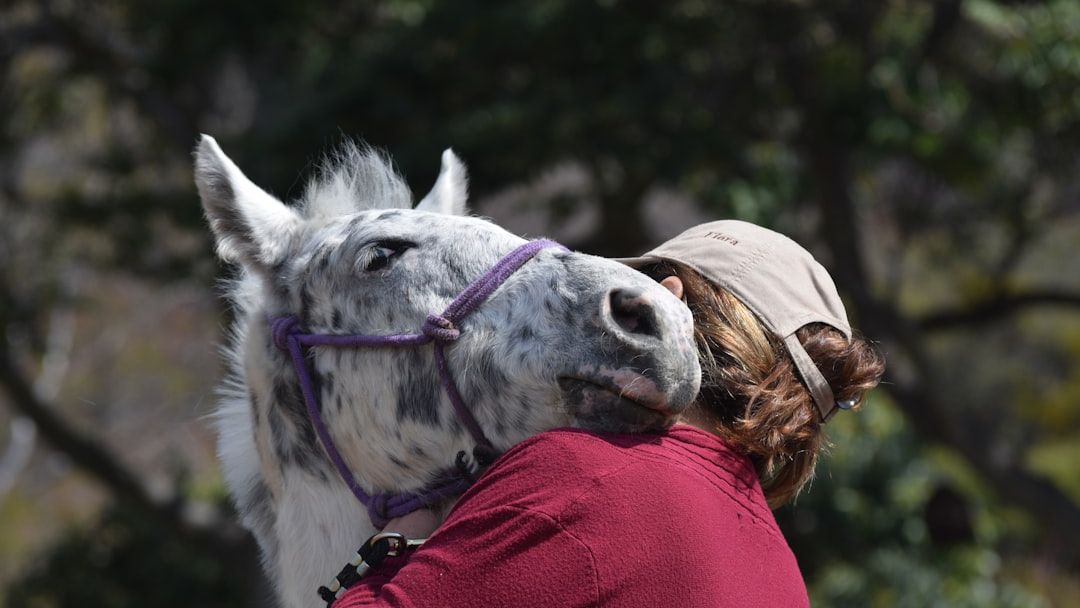
Have you ever watched a horse stand perfectly still in a field and wondered what’s really going on behind those large, expressive eyes? These magnificent creatures have been our companions for thousands of years, carrying us through wars, helping us plow fields, and bringing joy to our lives. Yet despite this long partnership, most of us barely scratch the surface when it comes to understanding just how extraordinary these animals truly are.
What makes horses so special goes far beyond their beauty and grace. From their unique sleeping habits to their remarkable social intelligence, horses possess abilities that can genuinely surprise even the most experienced handlers. Let’s dive into the fascinating world of equine biology and behavior, where you’ll discover things about horses that might just change the way you see them forever.
They Have a Built-In Locking System for Standing Sleep
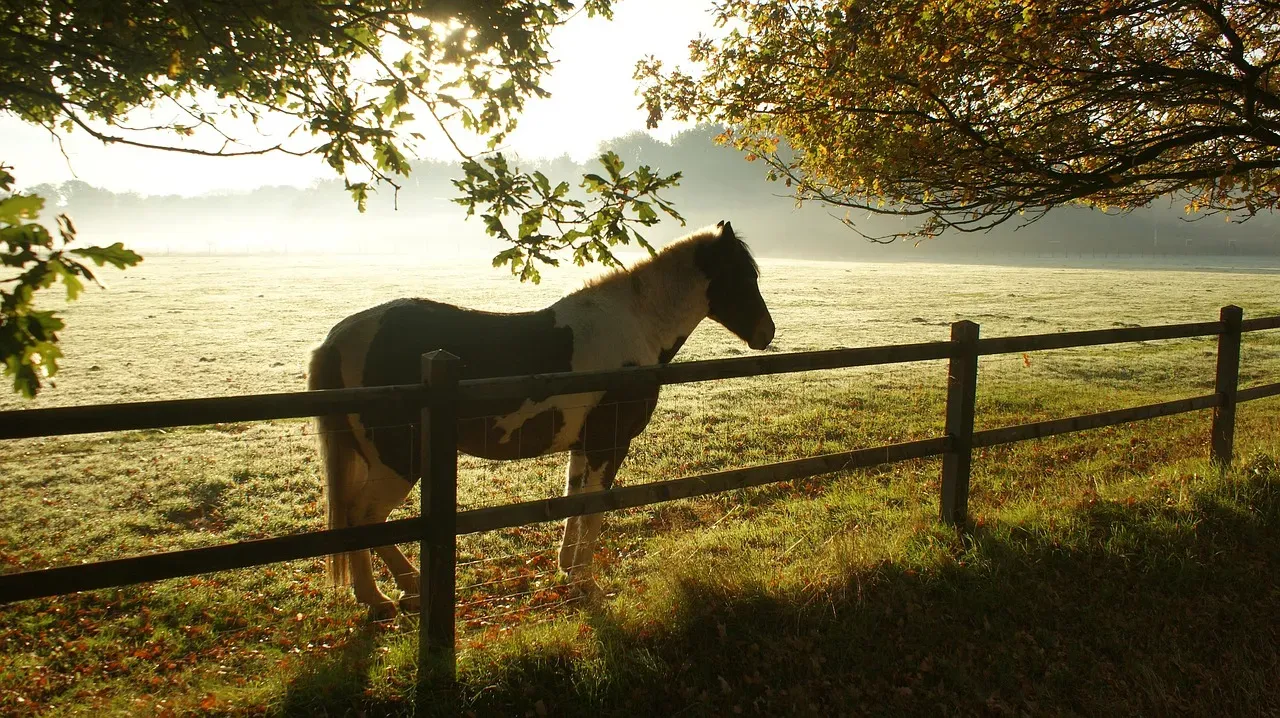
Here’s something that sounds like science fiction but is absolutely real. Horses possess a special anatomical feature called the stay apparatus, which is a group of tendons and ligaments that work together so the horse can remain standing with little muscular effort. This isn’t just a neat party trick. It’s a survival mechanism that has been refined over millions of years.
Think about trying to sleep while standing up yourself. You’d topple over within seconds, right? Horses can sleep standing up because their bodies are designed to allow them to do it, unlike ours, as horses can lock their legs to help keep their body in place. This incredible adaptation allows them to doze off while remaining upright, ready to bolt at the first sign of danger.
The stay apparatus means that horses can stand on three legs and rest the other leg, and they can change the leg they rest so all of their legs get a chance to have a break. Picture a horse standing peacefully in a pasture, one hind leg slightly bent and relaxed. That’s not laziness. That’s strategic rest rotation in action.
The reason behind this remarkable ability is rooted in their history as prey animals. Horses slumber while standing to balance their need for sleep against the ever-looming threat of predators, as horses come from a long line of prey animals in the family Equidae, and sleeping on their hooves is an adaptation against predation.
However, there’s a catch to this standing sleep arrangement. Horses will spend most of their time sleeping standing up, but they don’t actually reach full REM sleep when they’re standing, and an adequately rested horse requires at least 25 minutes of REM sleep per day, which can only happen while lying down. So while they can catch quick naps on their feet, horses still need to lie down for proper rest.
Their Eyes Are Bigger Than Any Other Land Mammal’s
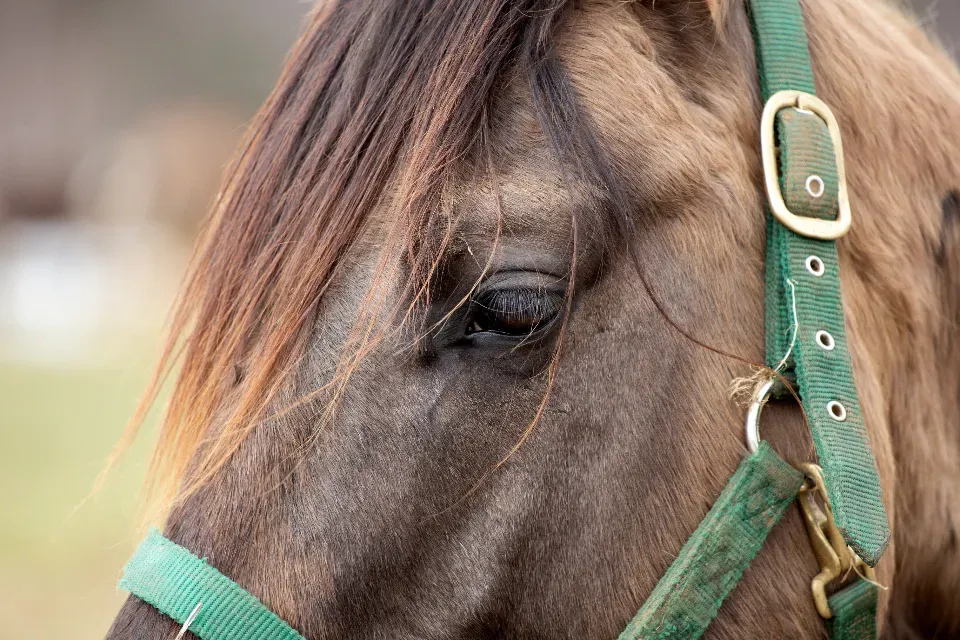
Horses have bigger eyes than any other land mammal. Let that sink in for a moment. We’re talking bigger than elephants, bigger than giraffes, bigger than any land creature walking the planet. These massive eyes aren’t just for show either.
Thanks to their eyes being positioned on the sides of their faces, horses have nearly 360 degrees of vision, and this broad view allows horses to detect movement from nearly every direction, with only a small blind spot directly behind their tail and another just in front of their nose. Imagine being able to see almost everything around you without turning your head.
But wait, there’s more to these remarkable eyes. Horses also have a third eyelid which lies on the inside of the eye and closes diagonally over it for added protection. It’s like having built-in safety goggles that can activate whenever needed.
Their vision at night is particularly impressive. Horse pupils can dilate greatly to capture sparse photons at night, and the retina is generally rod dominated, plus the reflecting tapetum lucidum in the back of the horse’s eye gives the non-absorbed photons a greater likelihood of capture by photoreceptors, resulting in good scotopic vision, the ability to see under low light conditions.
Despite all these advantages, horses aren’t seeing the world quite like we do. Horses only have two types of cones in their eyes compared to humans who have three types of cones, meaning they see in color, but it is a much more diluted palette than that of a human.
Horses Actually Cannot Vomit, Even If They Want To
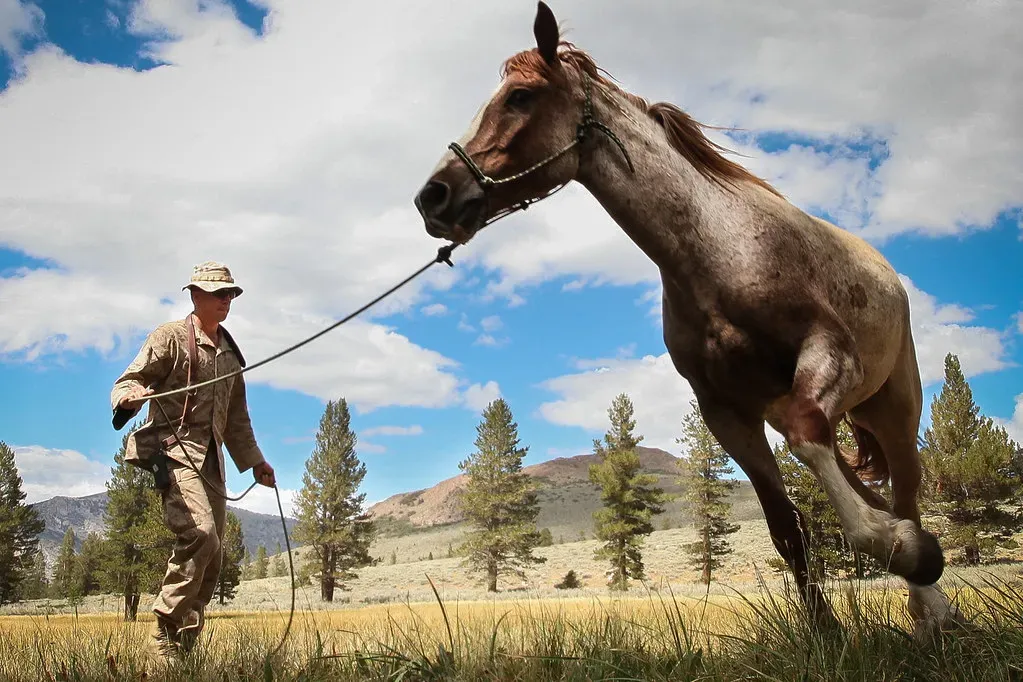
This fact tends to blow people’s minds. Horses can’t vomit unlike many other mammals, largely because their cardiac sphincter, also known as the lower oesophageal sphincter (the one-way valve between the oesophagus and the stomach), is incredibly strong and only lets content in, not out. It’s a one-way street with no U-turns allowed.
Horses can’t vomit due to them having a strong band of muscles around their oesophagus, and this band is so strong that a horse’s stomach would burst before the animal would vomit. Yes, you read that correctly. The pressure required to force food back up would literally rupture their stomach first.
This anatomical quirk makes horses incredibly vulnerable to digestive problems. If a horse eats something toxic or gets a blockage, they can’t just throw it up like most other animals. Horses must breathe through their noses as they’re obligate nasal breathers and cannot breathe through their mouths.
The inability to vomit means that horse owners need to be extremely careful about what their animals consume. There’s no safety valve, no way to reverse a bad dietary decision. This vulnerability explains why colic, a term for various digestive issues, can be so dangerous for horses.
Their stomachs are surprisingly small too. Compared to their size, a horse’s stomach is ridiculously small, only the size and shape of a rugby ball. For such a large animal, that’s remarkably tiny, which is why horses are designed to eat small amounts frequently throughout the day rather than large meals.
Baby Horses Can Run Within Hours of Being Born
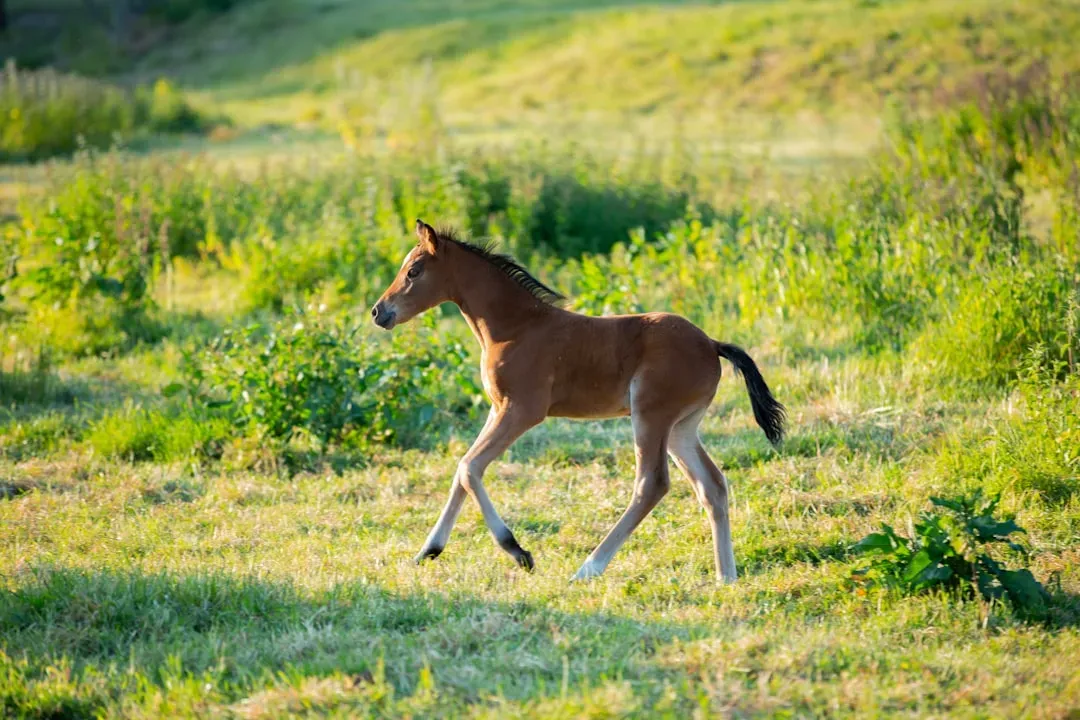
Newborn humans take roughly a year to even start walking. Baby horses? They’re basically ready for a marathon before lunchtime on their first day of life. Horses can stand within minutes of being born, and as prey animals, it is imperative they are able to get onto their feet within minutes and able to run with the herd within hours.
Baby horses can walk and run after just a few hours of being born. Picture the scene: a foal emerges into the world, wobbly and uncertain, and within mere hours that same foal is galloping alongside its mother. It’s honestly one of nature’s most impressive displays of rapid development.
This isn’t just about being athletic. It’s about survival. In the wild, a foal that can’t keep up with the herd becomes lunch for a predator. Natural selection has fine-tuned the horse’s development so that mobility comes first, questions later. The ability to flee from danger takes priority over everything else.
Foals can stand up and walk within a few hours of being born and can run within a day, and foals grow rapidly, reaching up to 90% of their adult height within their first year of life. That’s an absolutely staggering growth rate when you think about it. From newborn to nearly full-sized in just twelve months.
Watching a foal take its first steps is an emotional experience. Those spindly legs shake and buckle, but determination drives them forward. Within hours, what seemed impossible becomes routine.
They’re Led by a Dominant Mare, Not a Stallion
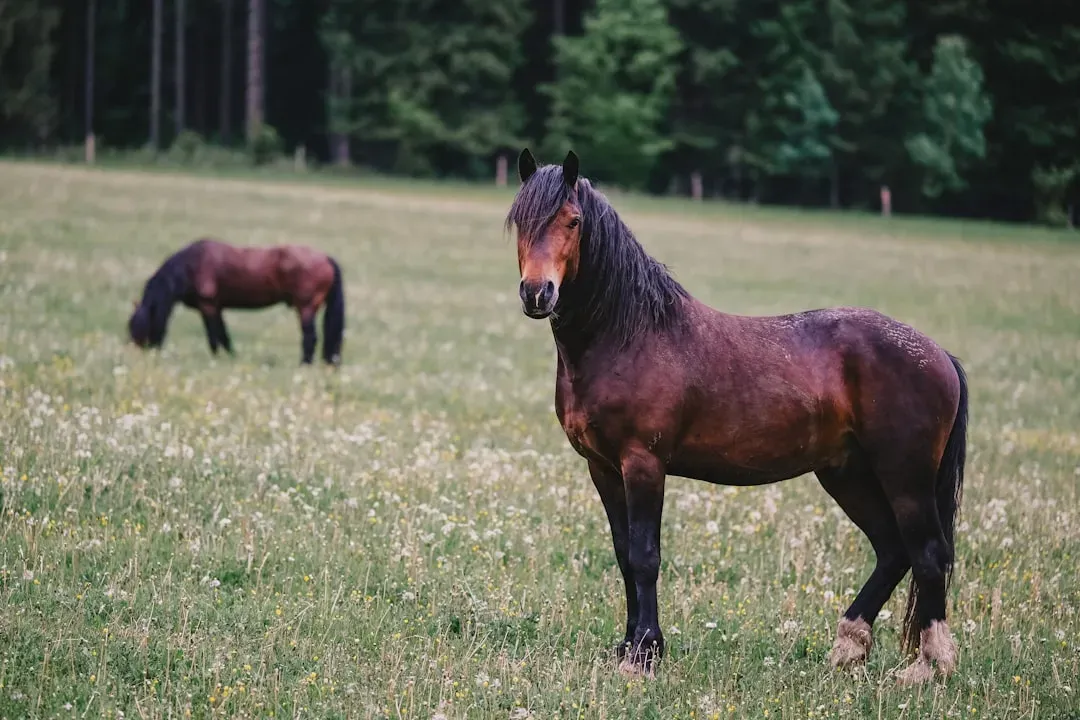
Popular culture has sold us a lie about horse society. We’ve been told that the powerful stallion rules the herd with an iron hoof, but reality tells a completely different story. The horse that tends to lead a wild or feral herd is most commonly a dominant mare, as the mare guides the herd to food and water, controls the daily routine and movement of the herd, and ensures the general wellbeing of the herd.
The stallion’s role is quite different from what most people imagine. Stallions tend to stay on the periphery of the herd where they fight off both predators and other males, and when the herd travels, the stallion is usually at the rear and apparently drives straggling herd members forward, keeping the herd together. So he’s more like a bodyguard than a leader.
This matriarchal structure makes perfect sense when you consider what a herd needs most. Finding food, locating water, and making smart decisions about when to move requires knowledge, experience, and wisdom. The lead mare typically holds this position because she’s proven herself capable of making decisions that keep everyone alive.
A 2014 study of horses in Italy observed that some herd movements may be initiated by any individual, although higher-ranked members are followed more often by other herd members. So there’s actually some democracy in horse society, though certain individuals carry more influence.
The dynamics within a herd are fascinating and complex, far more sophisticated than simple dominance hierarchies. These animals have social intelligence that rivals many primates.
Horses Produce Nearly Ten Gallons of Saliva Every Single Day
Want to hear something truly disgusting yet fascinating? Horses produce approximately 10 gallons of saliva a day. That’s roughly the same amount as a large bucket you’d use to wash your car. Every. Single. Day. Just imagine that sloshing around.
This isn’t just some weird biological quirk without purpose. Salivation is a mechanical response to chewing, and production of saliva aids in buffering stomach acid. Given that horses are designed to graze almost constantly throughout the day, all that saliva serves a crucial digestive function.
Think about it from an evolutionary perspective. Horses in the wild spend up to sixteen hours a day eating, mostly grass and other fibrous plants. All that chewing stimulates saliva production, which in turn helps break down food and protects their sensitive digestive systems from acid damage.
The sheer volume becomes less shocking when you consider the mechanics of equine digestion. Without the ability to vomit and with a stomach smaller than you’d expect for their body size, horses rely heavily on proper chewing and adequate saliva to keep their digestive processes running smoothly.
This is why horses need constant access to forage and why feeding them large grain meals can cause problems. Their entire digestive system is built around the steady production of saliva triggered by continuous chewing.
They Remember Faces and Emotional States of Humans
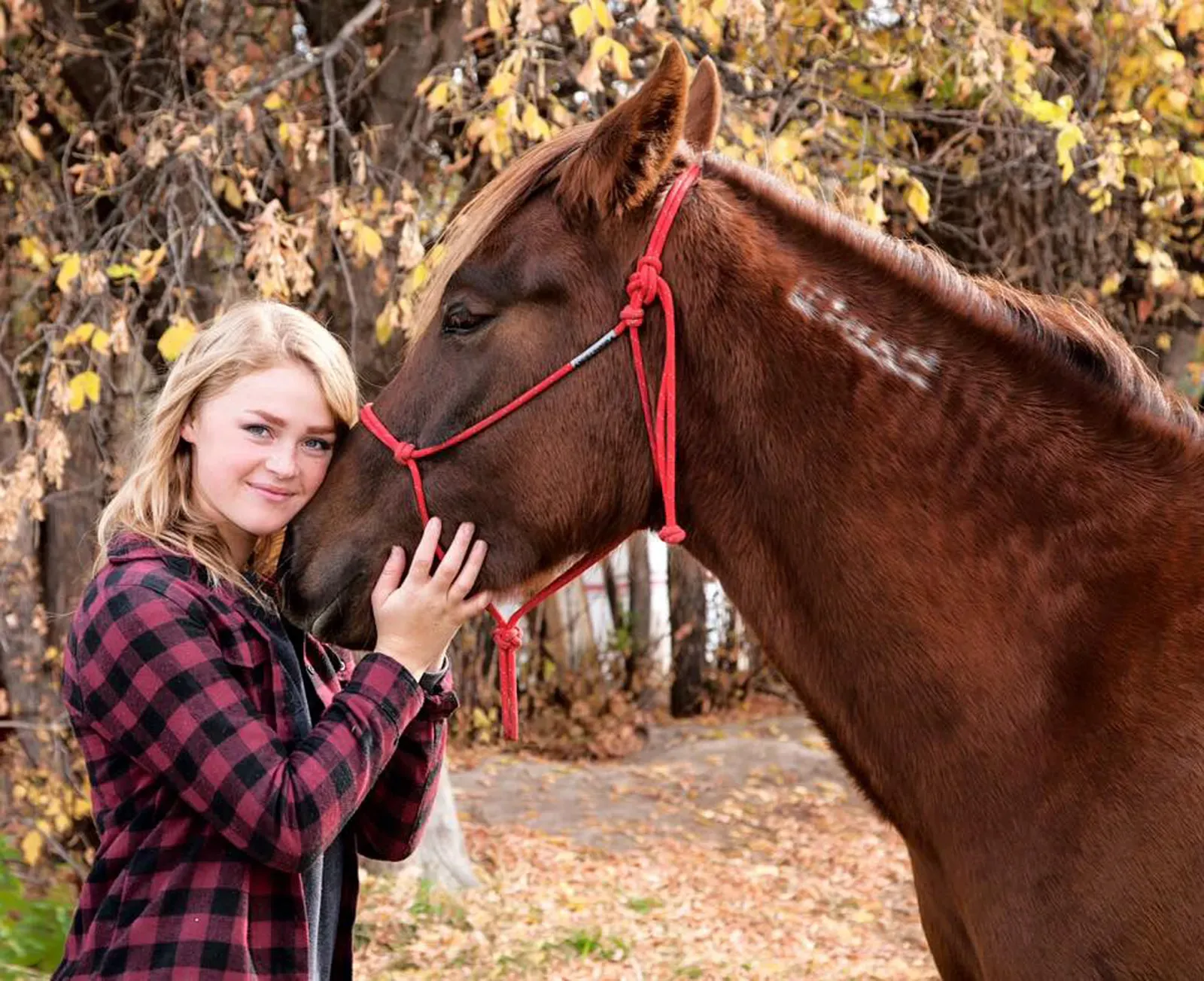
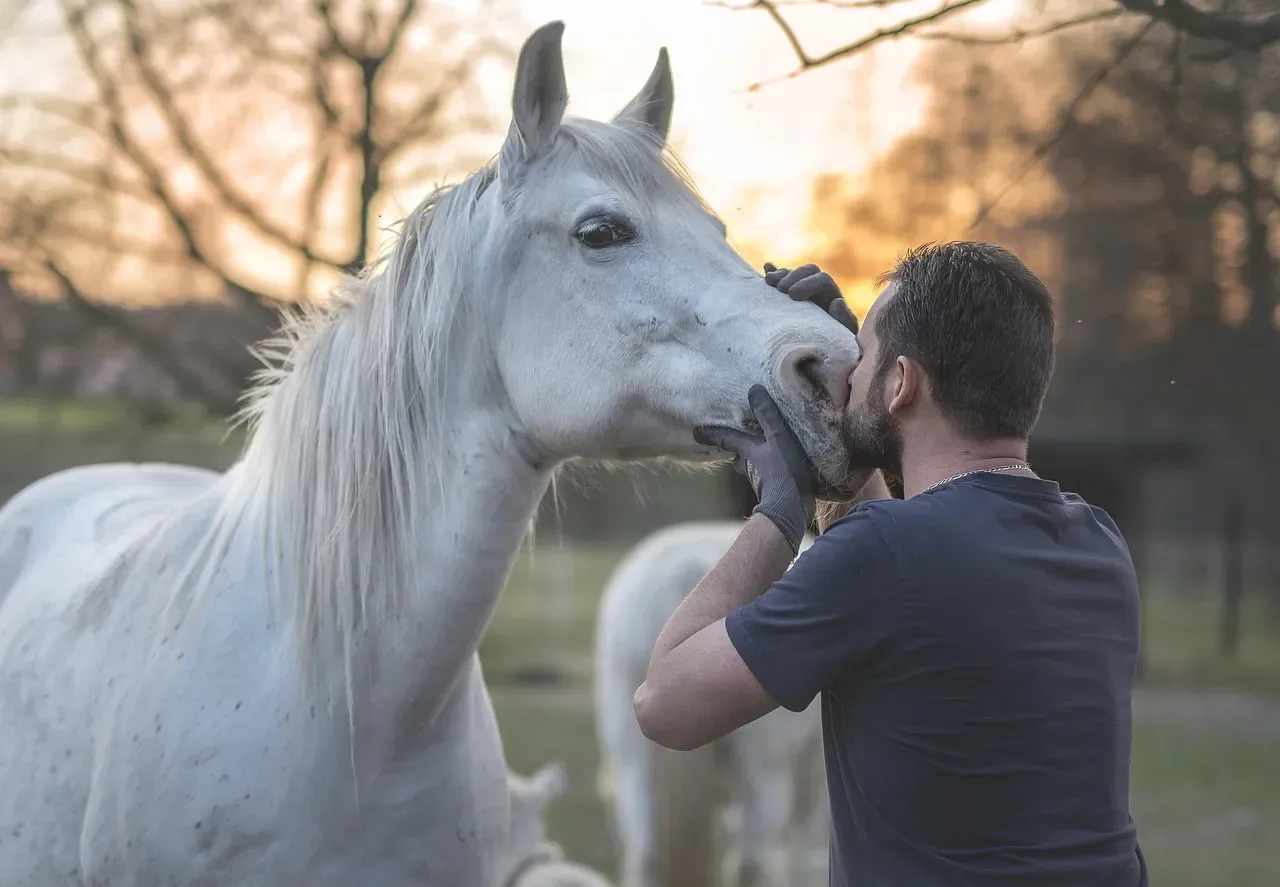
Horses remember faces and emotional tone, and they pick up on human expressions and remember emotional states. This isn’t just recognizing a familiar person by their smell or voice. Horses can actually identify individual human faces and recall whether their previous interactions with that person were positive or negative.
Horses can recognize a human by their facial features, communicate with them through body language, and learn new skills by observing a person’s behavior. They’re watching us far more carefully than most people realize, analyzing our movements, expressions, and energy.
Research has shown something even more intriguing. Studies have shown an increase in heart rate of horses when either handled or ridden by a nervous person. They’re not just seeing our stress, they’re physiologically responding to it. Your anxiety becomes their anxiety.
This emotional intelligence extends beyond simple fear responses. The horse is very emotional and can feel happiness, fear, love, trust, distrust, success, boredom, stress, frustration, curiosity, and jealousy. These aren’t simple stimulus-response machines. These are sentient beings with complex inner lives.
A horse can keep in its memory an unpleasant experience for the rest of its life, and this makes re-training an animal quite complicated, as the horse uses its memory to avoid repeating unpleasant situations. This remarkable memory means that how we treat horses matters profoundly and permanently.
Most Horses Have 205 Bones, But Arabians Have Fewer
In total, there are 205 bones in the skeleton of a horse. That’s just one less than humans, which is pretty remarkable when you consider the massive difference in our body structures and sizes. But here’s where things get interesting.
Some Arabian horses have fewer ribs and lumbar vertebrae than is typically found in other breeds of horse, having 5 lumbar vertebrae rather than 6 and 17 pairs of ribs rather than 18. This isn’t a defect or abnormality. It’s a distinctive breed characteristic that sets Arabians apart from other horses.
This skeletal variation doesn’t seem to cause Arabian horses any problems. In fact, these horses are known for their endurance, stamina, and overall hardiness. They’ve been prized for thousands of years, originally bred by Bedouin tribes in the Arabian Peninsula.
The reduced number of vertebrae might actually contribute to the characteristic high tail carriage that Arabians are famous for. The shorter back could also play a role in their agility and ability to carry weight efficiently relative to their often smaller size.
It’s fascinating that such a fundamental difference in skeletal structure exists within a single species. Imagine if some humans naturally had different numbers of ribs or vertebrae. It would be front-page news, yet in horses it’s just an accepted breed variation.
They Make 17 Different Facial Expressions
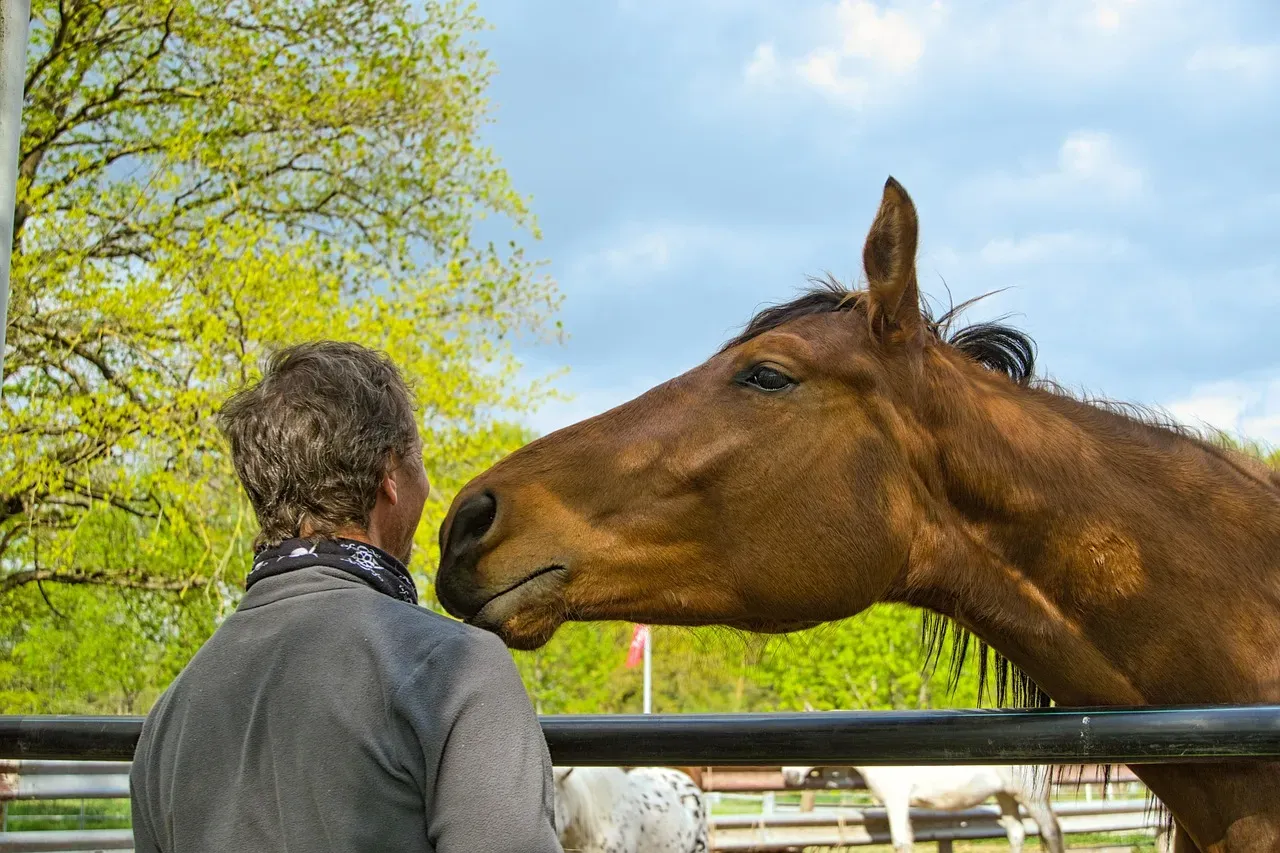
Horses make a total of 17 different facial movements, and for reference, chimpanzees only make 14, and humans make 27, meaning horses are pretty developed with their facial expressions, using them to communicate more than some of the most intelligent species on the planet. Let’s put this in perspective. Horses are beating chimpanzees in the facial expression department.
These aren’t just random muscle twitches either. Each expression conveys specific information about what the horse is feeling or intending to do. Their ears alone can tell you volumes about their emotional state and where their attention is focused.
Like humans, horses have different facial expressions to express their moods. Watch a horse’s face carefully and you’ll see subtle changes around the eyes, the position of the ears, the tension in the mouth, and the flare of the nostrils. Each combination means something different.
This level of facial communication is unusual in the animal kingdom and suggests a high degree of social sophistication. Horses evolved in herds where being able to quickly communicate your intentions and emotional state to other herd members could mean the difference between coordinated flight from danger and chaotic panic.
Learning to read horse facial expressions can dramatically improve human-horse interactions. When you can recognize the subtle signs that a horse is becoming stressed, uncomfortable, or frightened, you can adjust your approach before things escalate.
Horses Can Sense Whether Humans Are Optimistic or Pessimistic
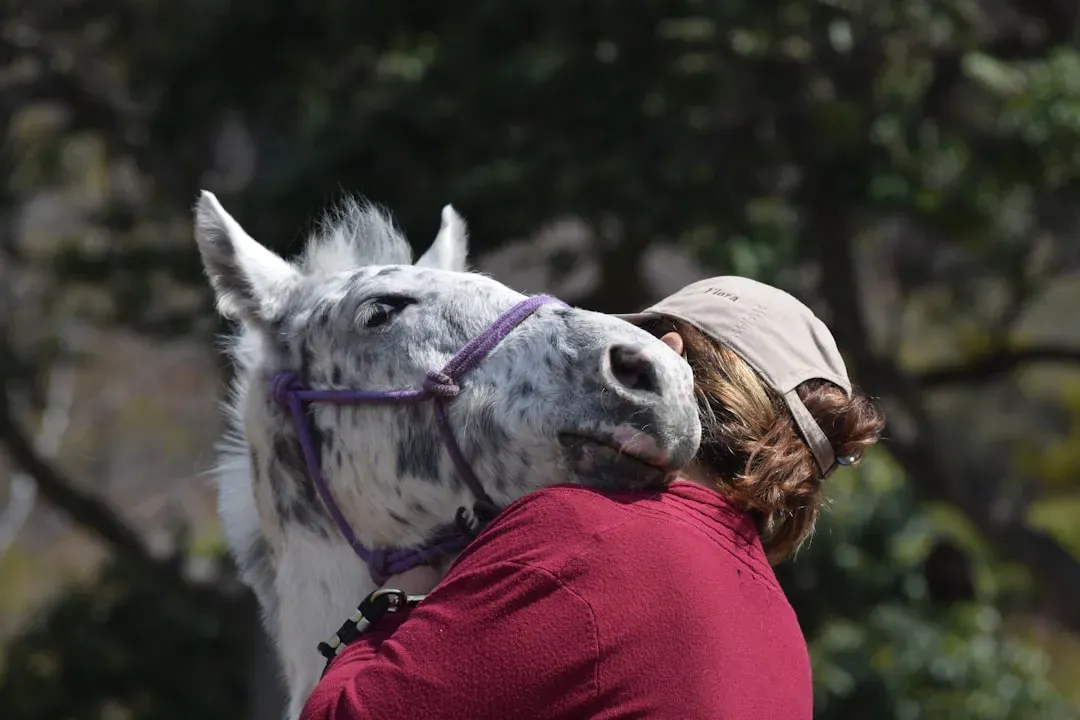
This might sound too bizarre to be true, but recent research has uncovered something remarkable about horses’ ability to read human emotional states. Researchers from Germany investigated the potential correlation between a horse’s state of mind and his motor laterality, discovering a surprisingly simple way to determine whether a horse is an optimist or a pessimist.
What’s even more intriguing is that horses can apparently detect these same tendencies in humans. Studies showed that rodents and humans who undergo stress, especially while maturing, tend to shift their motor laterality to the left and are ultimately more likely to be left-handed, and these animals tend to be more pessimistic, with horses displaying increased left laterality when stressed or challenged with frightening objects.
This sensitivity to emotional states goes beyond just detecting nervousness. Horses seem capable of picking up on subtle cues about whether a person approaches situations with generally positive or negative expectations. They’re reading something in our body language, our energy, or our behavior patterns that reveals our underlying outlook.
A negative or pessimistic horse may be more cautious than a positive or optimistic horse, and may expect new situations to be unpleasant, while positive horses would have no expectations or positive expectations for a novel situation. The same appears to apply to how they perceive humans.
Think about the implications. When you approach a horse feeling defeated, anxious, or expecting things to go wrong, the horse picks up on that. Your mental state becomes part of the interaction, influencing how the animal responds to you.
They Have Excellent Night Vision That Surpasses Ours
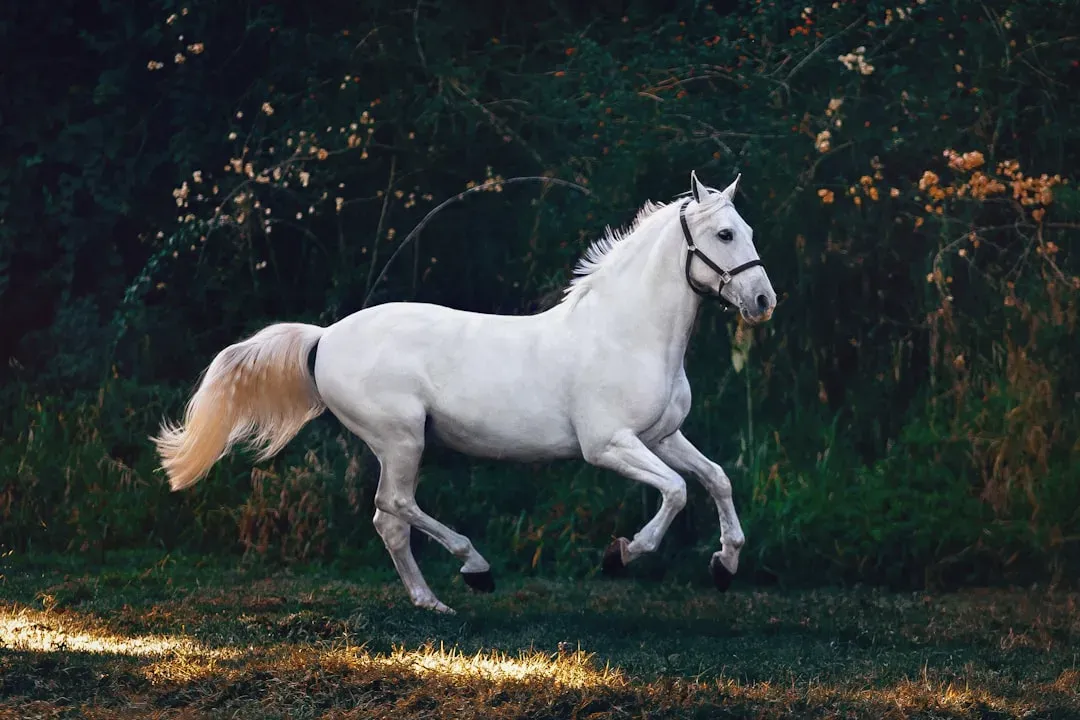
We already talked about their enormous eyes, but let’s explore what they can actually do with that impressive hardware. Unlike humans, horses see much better at night. This nocturnal visual advantage comes from several specialized adaptations working together.
Horse pupils can dilate greatly to capture sparse photons at night, the retina is generally rod dominated, and the reflecting tapetum lucidum in the back of the horse’s eye gives the non-absorbed photons a greater likelihood of capture by photoreceptors, thereby enhancing sensitivity further and resulting in good scotopic vision, the ability to see under low light conditions.
That tapetum lucidum is the same thing that makes a cat’s eyes glow when light hits them at night. It’s essentially a reflective layer that bounces light back through the retina, giving the photoreceptors a second chance to capture it. More light captured means better vision in darkness.
This makes perfect evolutionary sense. Horses in the wild don’t clock out when the sun goes down. They need to remain vigilant against predators 24 hours a day, and many predators are most active at dawn and dusk when light levels are low.
However, there’s a trade-off. While horses excel in low light, their visual acuity in general is poorer than ours. Studies indicate that horses have poorer acuity than most other terrestrial mammals. They’re specialists in different visual tasks than we are.
Conclusion: The Magic Hidden in Plain Sight
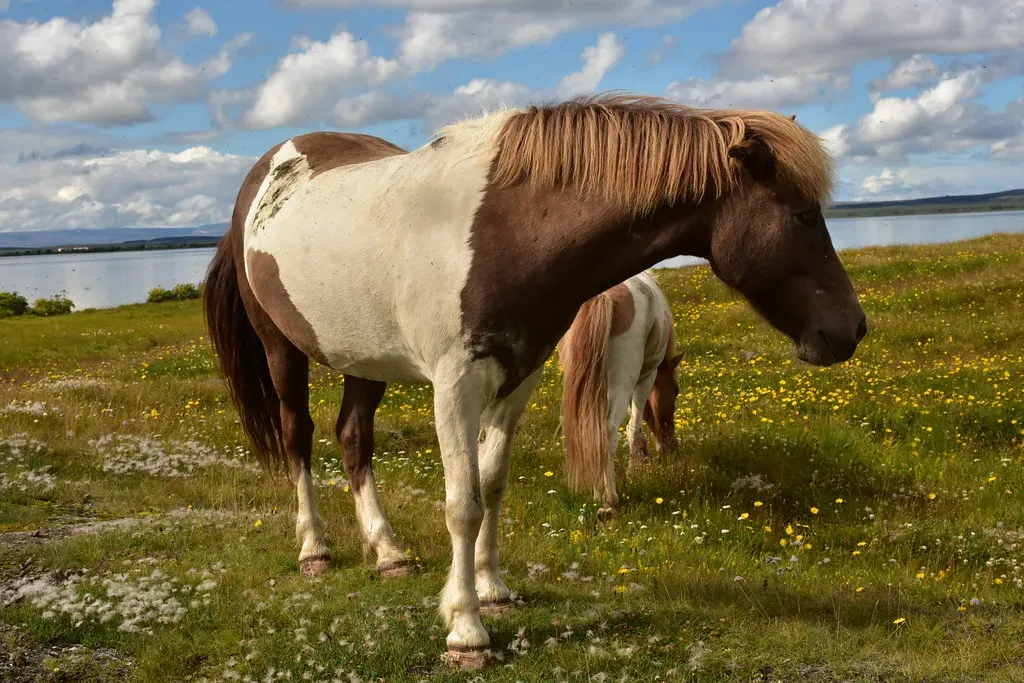
After exploring these ten incredible facts, it’s hard to look at horses the same way, isn’t it? These aren’t just beautiful animals we ride or admire from a distance. They’re complex, intelligent creatures with remarkable adaptations that have allowed them to thrive for millions of years.
From their unique sleeping arrangements to their emotional intelligence, from their extraordinary eyes to their inability to vomit, every aspect of horse biology and behavior tells a story of adaptation and survival. They’ve evolved to be vigilant, swift, and socially sophisticated, all traits that have served them well both in the wild and in partnership with humans.
The next time you see a horse, take a moment to appreciate the incredible biological machinery standing before you. Remember that those enormous eyes are watching the world in ways you can barely imagine, that the face you’re looking at can make nearly as many expressions as your own, and that the animal is quite possibly reading your emotional state more accurately than you realize.
What do you think is the most surprising fact about horses? Did any of these revelations change how you see these magnificent animals?

- Animal Psychology Says If You See a Large Gathering of Crows in Your Yard at Dawn It Is a Sign of Complex Social Behaviour – and the Cognitive Power Required for It Belongs to an Elite Group of Species - July 14, 2026
- 10 World’s Most Beautiful Gardens - July 14, 2026
- 10 Fascinating Facts About American Crows That Changed How Scientists See Birds - July 14, 2026