
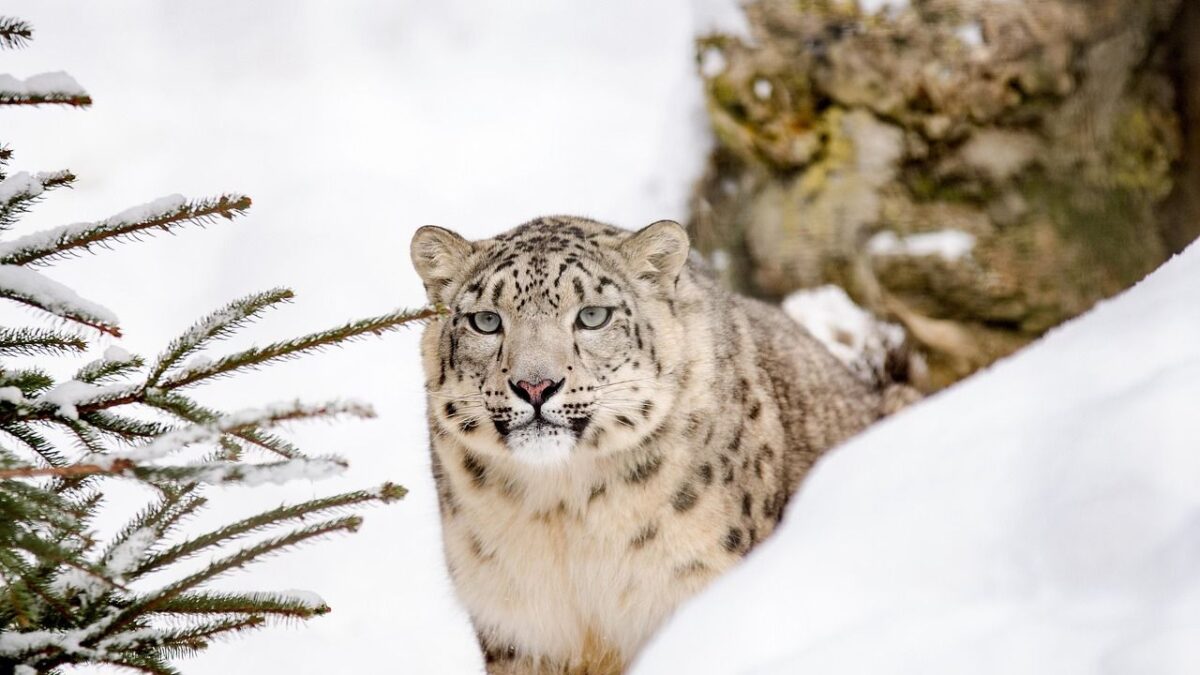
There’s a cat out there that most people will never see in the wild, and that might be exactly what makes it so captivating. It lives above the clouds, on frozen ridgelines where few other animals dare to venture, and it moves through those landscapes with an almost unsettling silence. Researchers have spent decades trying to study it properly, and even now, a meaningful part of its world remains unmapped and unexplored.
The snow leopard is one of those rare creatures that genuinely earns the word “mysterious.” It doesn’t demand attention. It simply exists, at extraordinary altitudes, on its own terms. The more you learn about it, the stranger and more remarkable it becomes.
#1: They’re More Closely Related to Tigers Than to Leopards
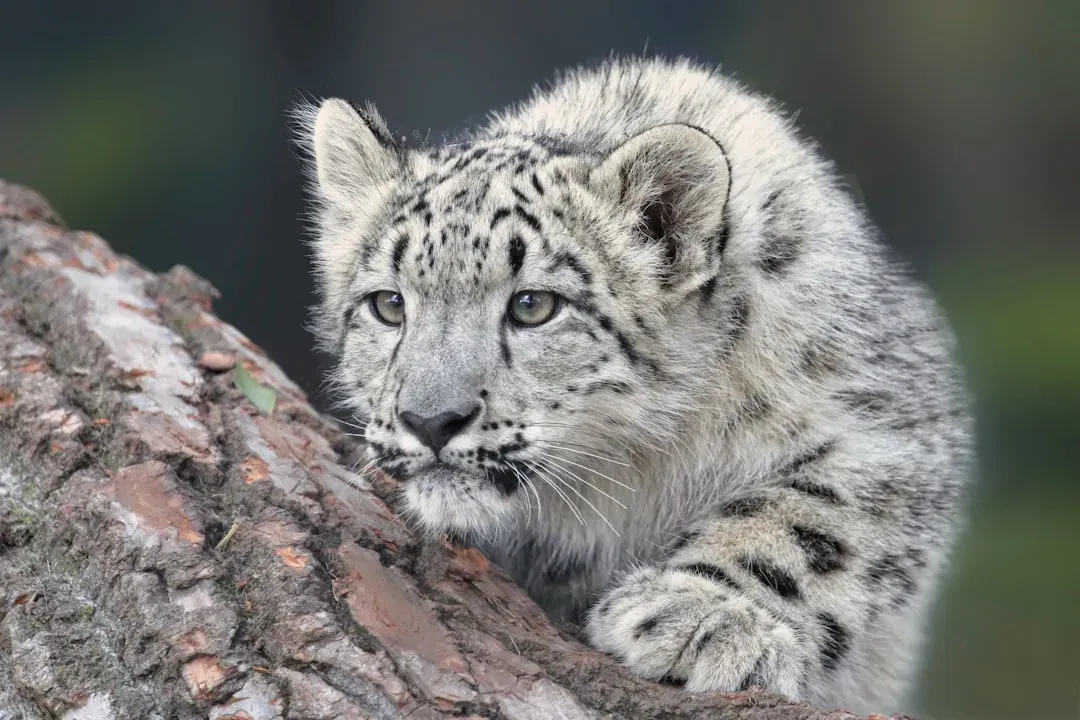
The name “snow leopard” is actually a bit misleading. Despite their name, are more closely related to tigers than to leopards. Genetically, the two species form what scientists call a sister group, meaning they share a more recent common ancestor with each other than either does with lions, jaguars, or actual leopards.
The snow leopard’s scientific name is Panthera uncia, and jaguars, leopards, lions, and tigers are also members of the genus Panthera. What’s particularly interesting is that the species spent many years classified in its own separate genus, Uncia, before modern genetic analysis reshuffled its place in the family tree. It’s a quiet reminder that appearances in the animal kingdom can be genuinely deceiving.
#2: Their Habitat Is Almost Incomprehensibly Remote
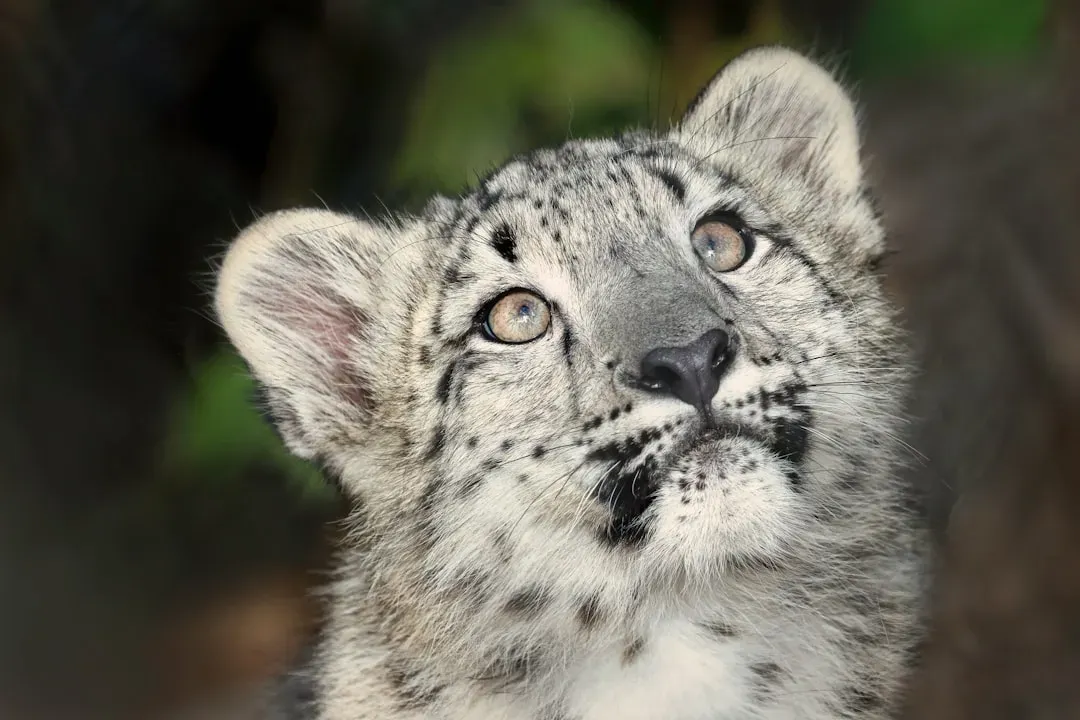
Surviving some of the harshest conditions on Earth, the snow leopard lives in the mountains of Central Asia, at elevations of about 1,800 to 5,500 meters, where the climate is cold and dry and only grasses and small shrubs grow. That upper limit puts them close to the altitude of base camp on Everest. They’ve even been recorded near the foot of the world’s highest mountain itself.
The range of the snow leopard covers roughly two million square kilometers, with 60% of that range located in China, and their habitat extends across 12 countries in total, including Afghanistan, Bhutan, India, Kazakhstan, Mongolia, Nepal, and Pakistan. Despite this vast territory, more than 70% of snow leopard habitat remains unexplored by humans. There is something quietly staggering about that figure.
#3: Their Coat Is a Masterpiece of Camouflage
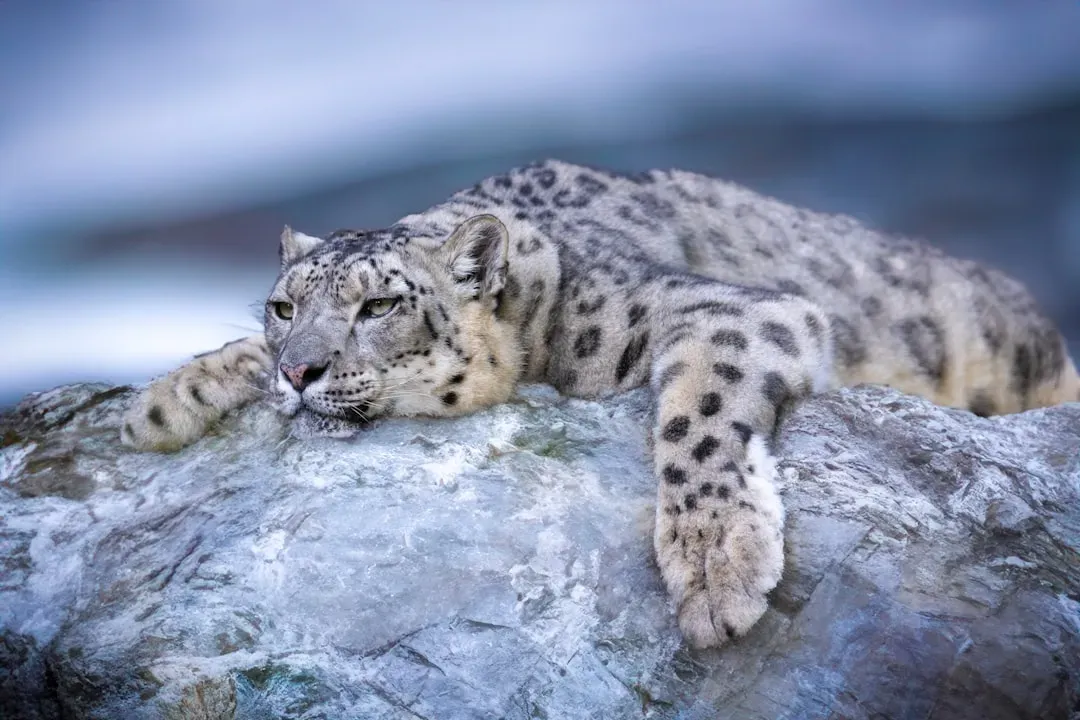
Their smoky-gray fur, adorned with black rosettes and spots, blends seamlessly into the rocky, snowy landscapes they inhabit. The camouflage is so effective that researchers with years of fieldwork under their belts have described looking directly at a snow leopard on a rocky slope and simply not seeing it. Their long fur and less distinctive markings that seem to change shape with body movement make identifying individual difficult compared to other big cats.
have spotted white-greyish fur that keeps them well insulated in cold weather, with fur that can be 5 centimeters long on their back and sides and almost 12 centimeters long on their belly. That belly fur isn’t just warmth insurance. It also cushions their bodies against the sharp, frozen rock they spend their days crossing. The unique pattern of rosettes and spots on their fur is like a fingerprint, and no two are identical.
#4: They Cannot Roar
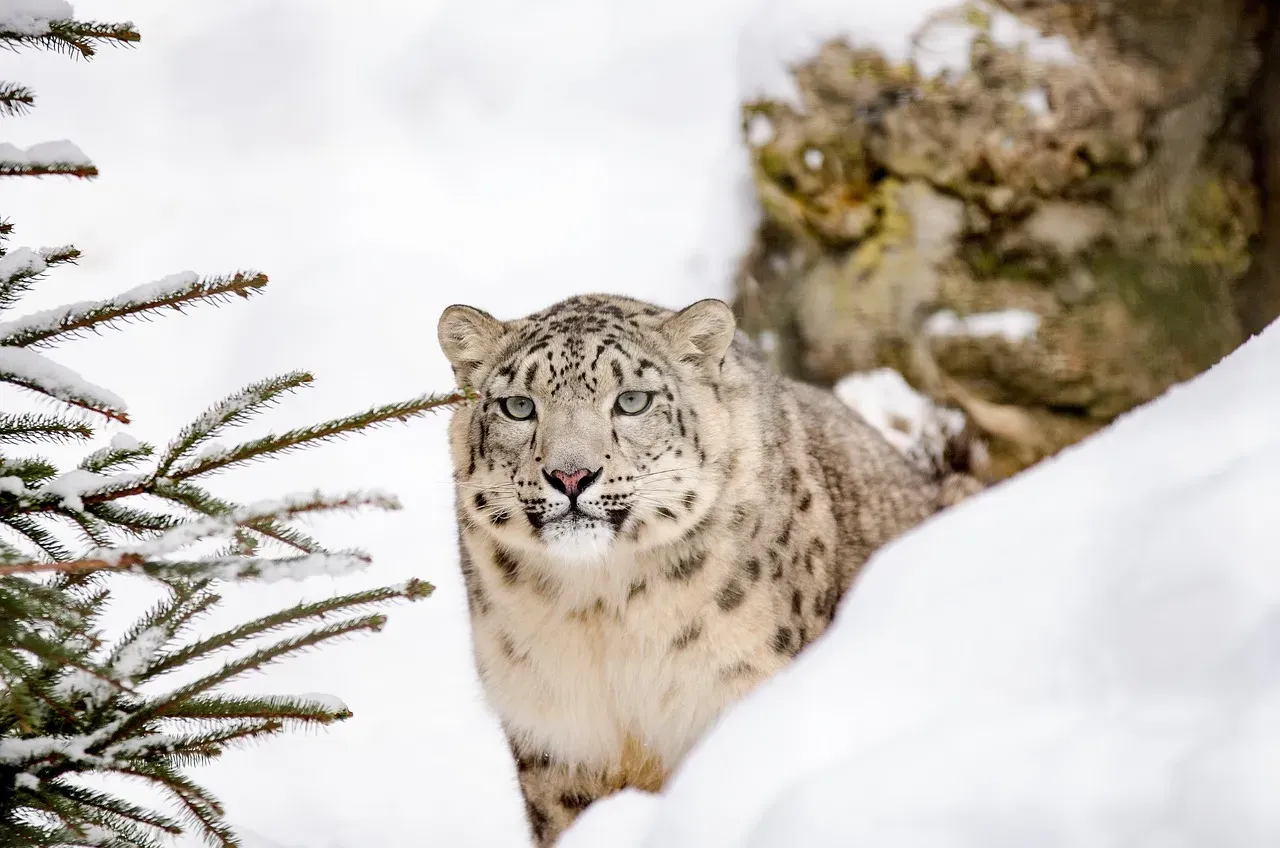
It’s one of the more surprising details about this big cat. Unlike other big cats, can’t roar. This is due to the absence of a special ligament in their larynx, which other roaring cats possess. In other words, the anatomy that produces the deep, resonant roar of a lion or tiger simply isn’t there.
can mew, growl, and puff, but they cannot roar. During breeding season, they compensate with something different. produce a distinctive call known as a yowl that echoes through their mountainous habitat, loud enough to carry across valleys and reverberate off cliff faces, serving as an important communication tool in their vast, remote environment. It’s eerie, echoing, and unmistakable to those who’ve heard it in the wild.
#5: Their Tails Are Extraordinary Tools
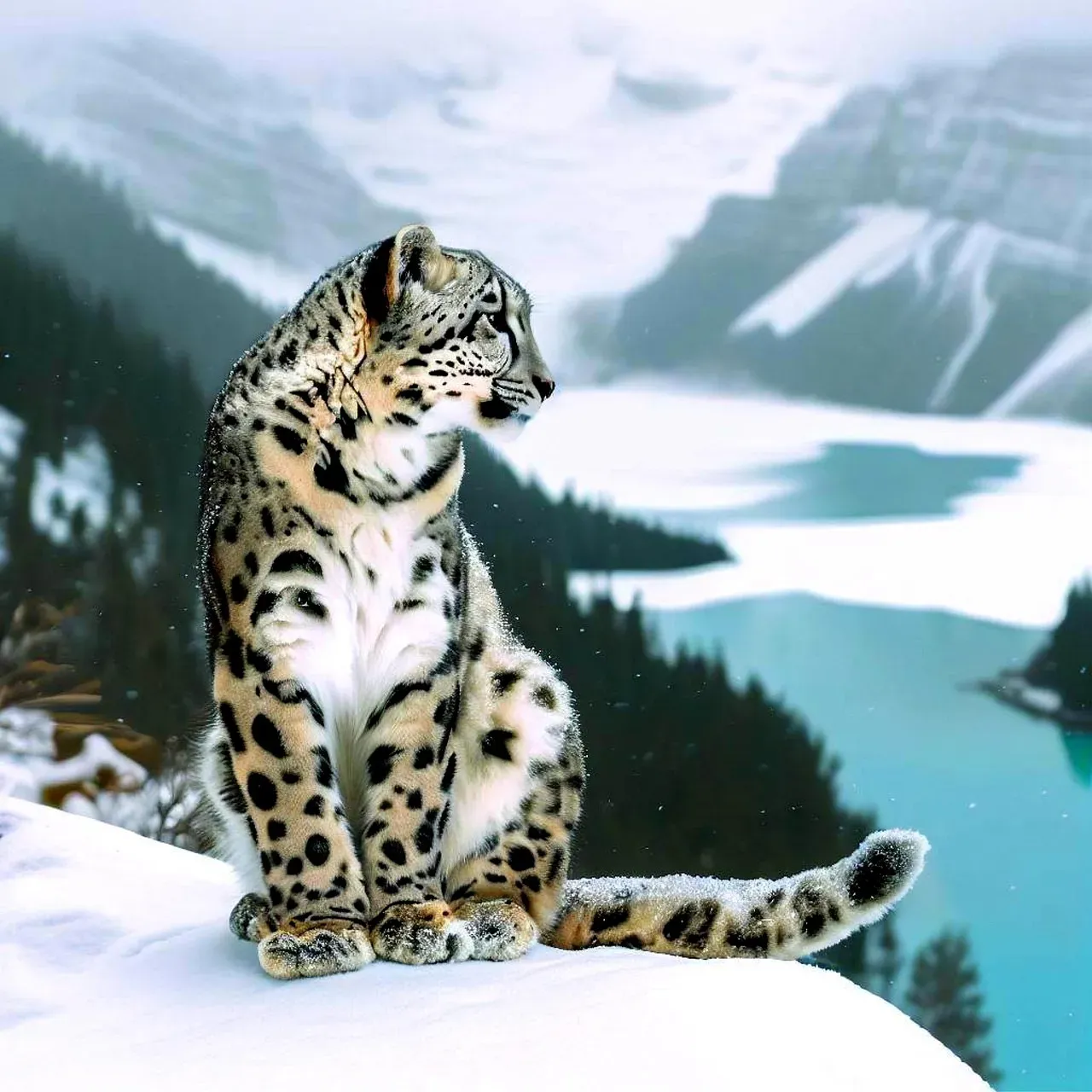
have very long, thick tails that they use for balancing on rocks and wrapping around their bodies for protection from the cold. The tail can reach between 80 and 105 centimeters in length, which is thought to help with balance as well as provide added warmth when wrapped around the body. No other wild cat has a tail so proportionally large relative to its body size.
In both running and leaping, the snow leopard is highly dependent on its tail for balance, and it is a tail unmatched by any other cat. At night, the behavior becomes almost endearing. The cats curl their tails around their bodies like a cozy scarf to keep warm and to stay hidden while sleeping. Function and survival, wrapped into one elegant adaptation.
#6: They’re Astonishing Athletes
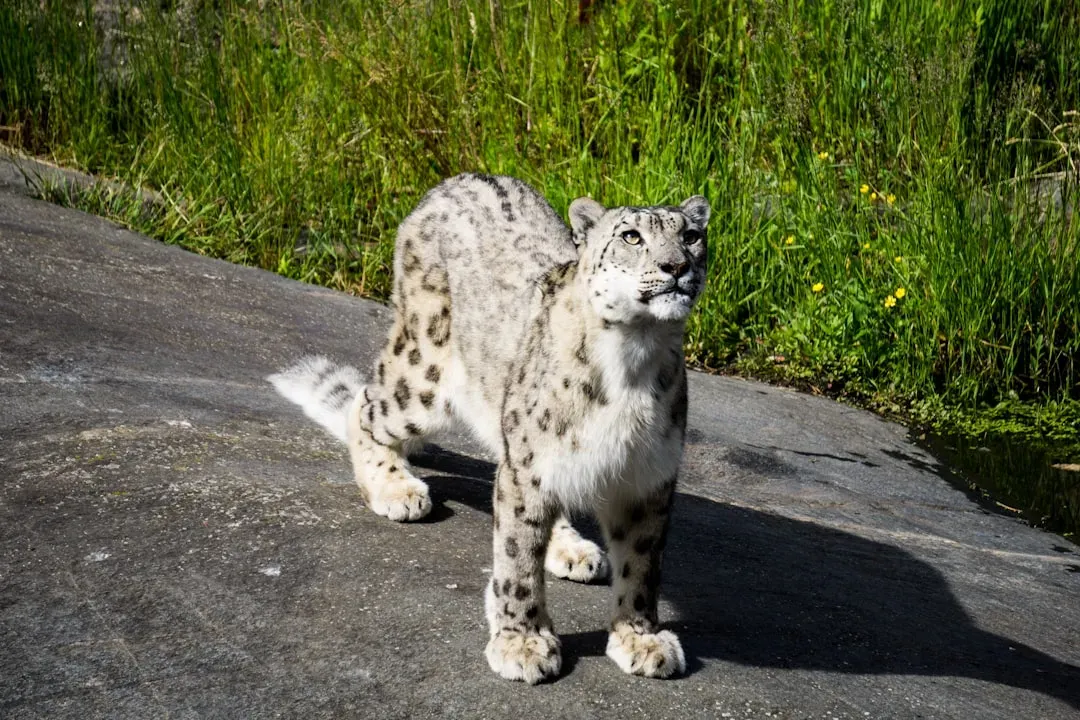
have short forelimbs and long hind limbs that make them very agile, and they can jump as much as 50 feet in length. To put that in perspective, that’s roughly the length of a city bus in a single bound. This incredible ability comes from their powerful hind legs, which are perfectly adapted for navigating steep cliffs and rocky outcroppings, and their jumping prowess helps them chase down prey and traverse challenging terrain with ease.
live in craggy, mountainous areas and usually have to ambush their prey at short distances, and along with their superb camouflage, the ability to leap, bound, and pounce has become this cat’s key adaptation for hunting. Unlike cheetahs, which rely on open-ground speed, rely almost entirely on stealth and explosive power from close range. It’s a hunting strategy perfectly matched to a vertical world of cliffs and ravines.
#7: They’re Built for Extreme Cold, Down to Their Paws
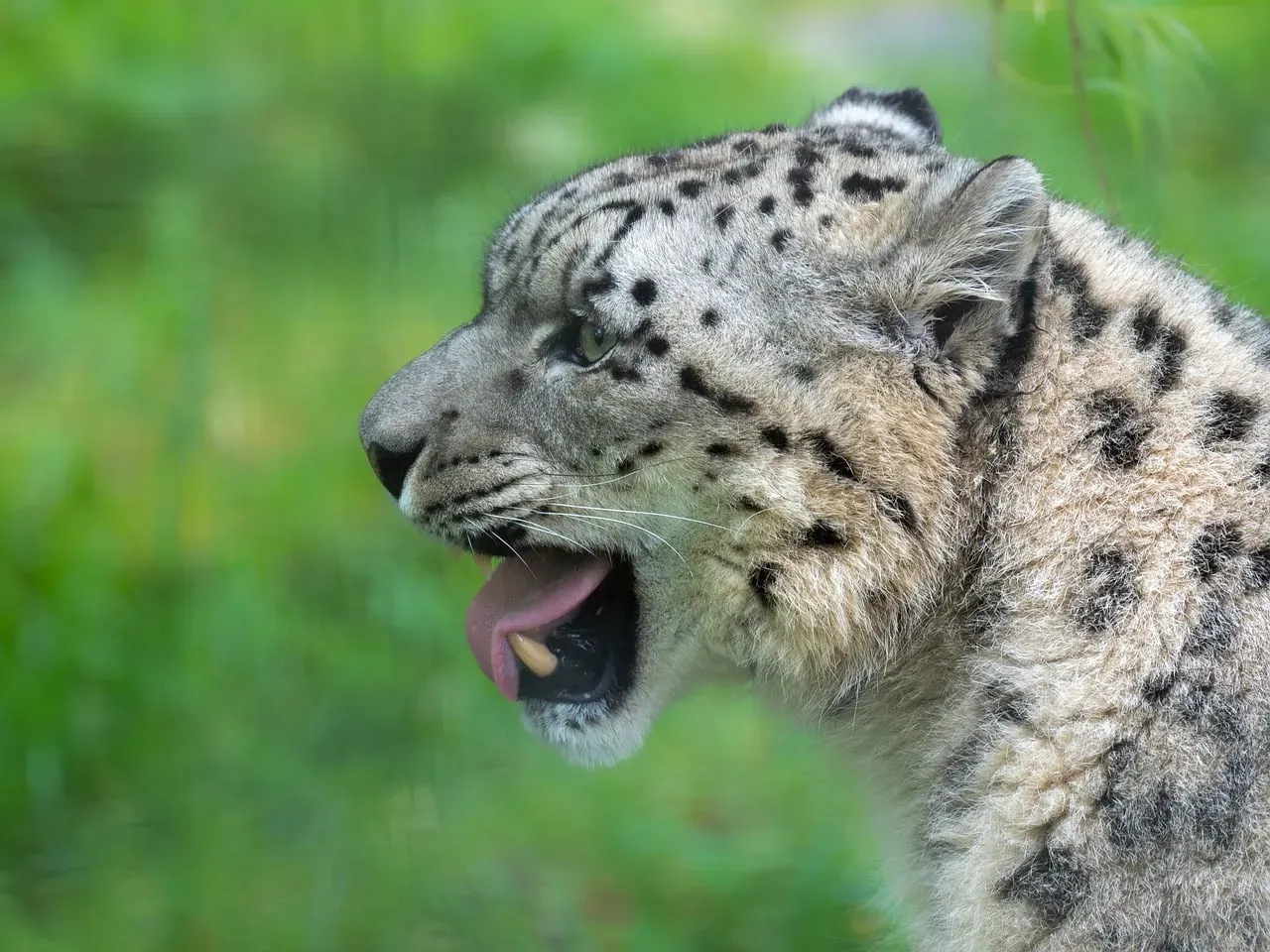
Their large, furry paws help distribute body weight and prevent them from sinking into the snow, essentially acting as natural snowshoes. The undersides of those paws are also furred, providing grip on icy surfaces and insulation against frozen ground. The broad paws well distribute the body weight for walking on snow, and the fur on their undersides increases grip on steep and unstable surfaces while also helping to minimize heat loss.
The snow leopard’s wide nose warms cold air before it enters its lungs, which is a subtle but critical adaptation at elevations where each breath delivers less oxygen and temperatures can plunge well below freezing. have developed remarkable adaptations to endure freezing temperatures, and their thick, dense fur not only provides camouflage but also helps regulate body heat, which is crucial for their survival in the cold. Every inch of this animal is a response to the environment it was shaped by.
#8: They Live Almost Entirely Alone
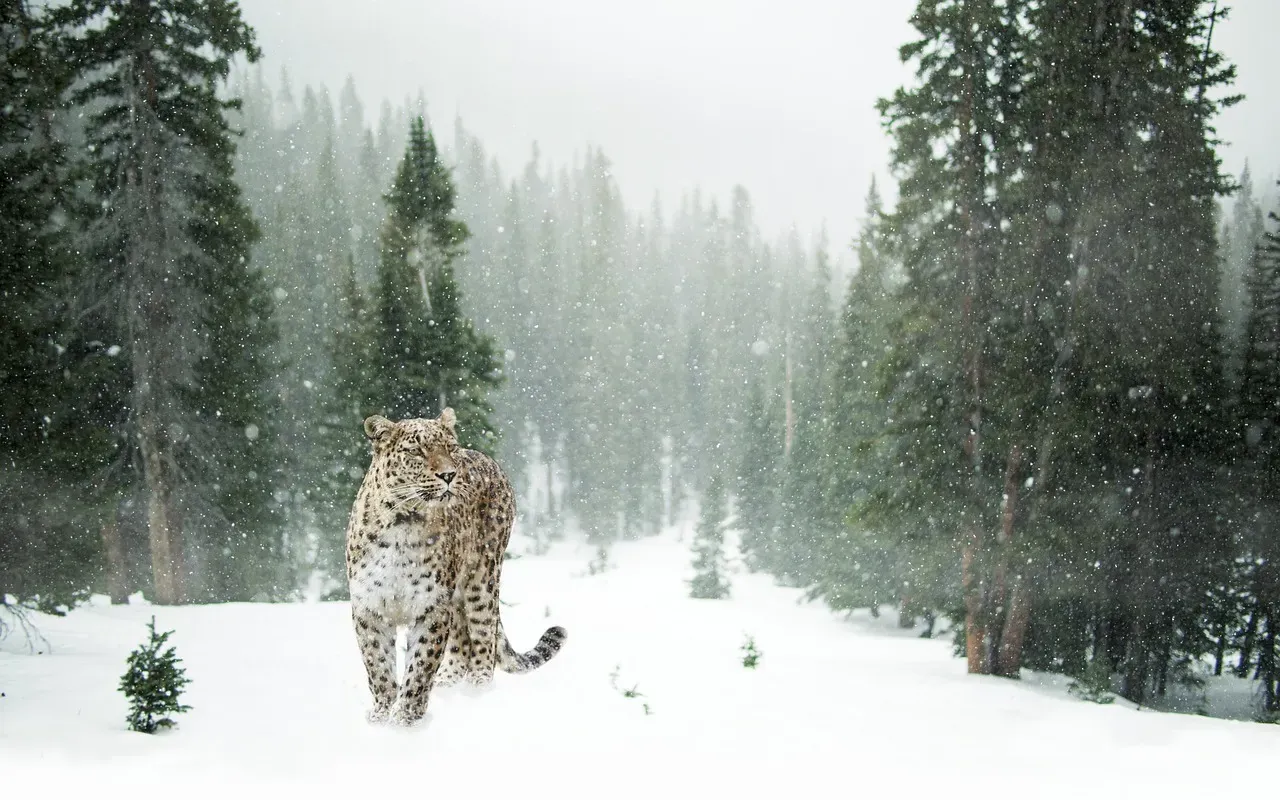
are solitary animals, only seen with company during mating season or while raising young. Home ranges can be enormous. Radio telemetry studies have measured home range sizes from 12 to 39 square kilometers in Nepal to as large as 500 square kilometers in Mongolia. A single cat might spend weeks without crossing paths with another of its kind.
A single snow leopard may traverse hundreds of square miles in search of food, mates, and safe resting spots, and to communicate and avoid unnecessary confrontations during their travels, they use scent marking rather than direct interaction. They use a range of scent-marking behaviors including scraping, claw raking, cheek rubbing, and urine spraying to signal their presence and readiness to mate. It’s a communication system built for creatures who rarely need to share space.
#9: Their Population Numbers Are Worryingly Low and Hard to Count
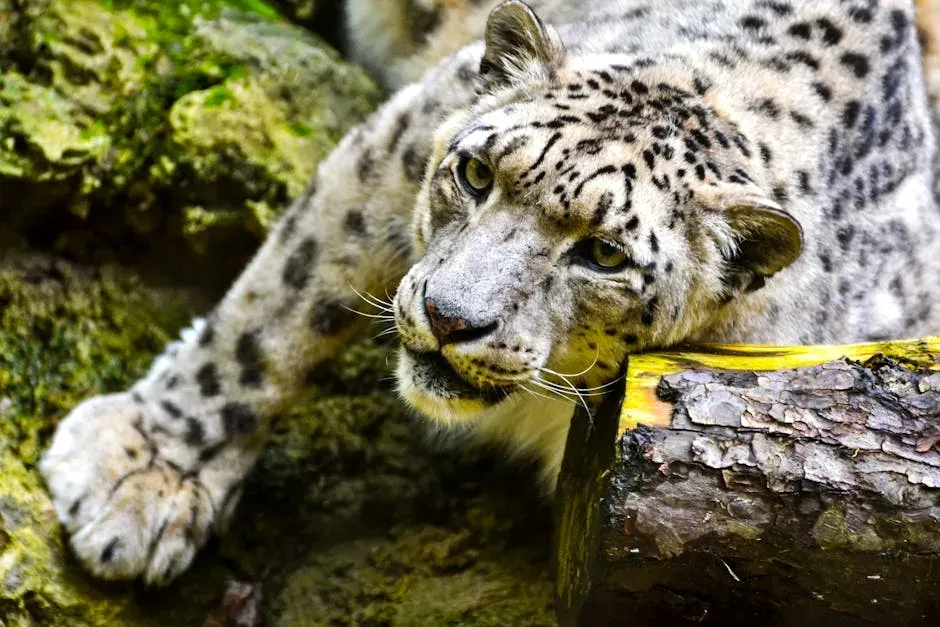
Despite a range of over two million square kilometers, scientists estimate there may only be between 3,920 and 6,390 left in the wild. The snow leopard is classified as vulnerable by the IUCN because their global population is estimated to be above 2,500 but below 10,000 mature individuals, and it is thought that their population has decreased by about 10% over the past three generations.
Getting a precise count is genuinely difficult. Nepal released its first consolidated national estimate in 2025, placing the population there at 397 individuals after synthesizing multiple studies conducted between 2015 and 2024, and despite covering just 2% of global snow leopard habitat, Nepal hosts nearly 10% of the global population. There are some signs of hope, though. Bhutan’s Second National Snow Leopard Survey revealed a population increase of 39.5% since 2016, suggesting that Bhutan’s conservation initiatives are succeeding and establishing the country as a stronghold for the species.
#10: They Are a Living Measure of Mountain Ecosystem Health
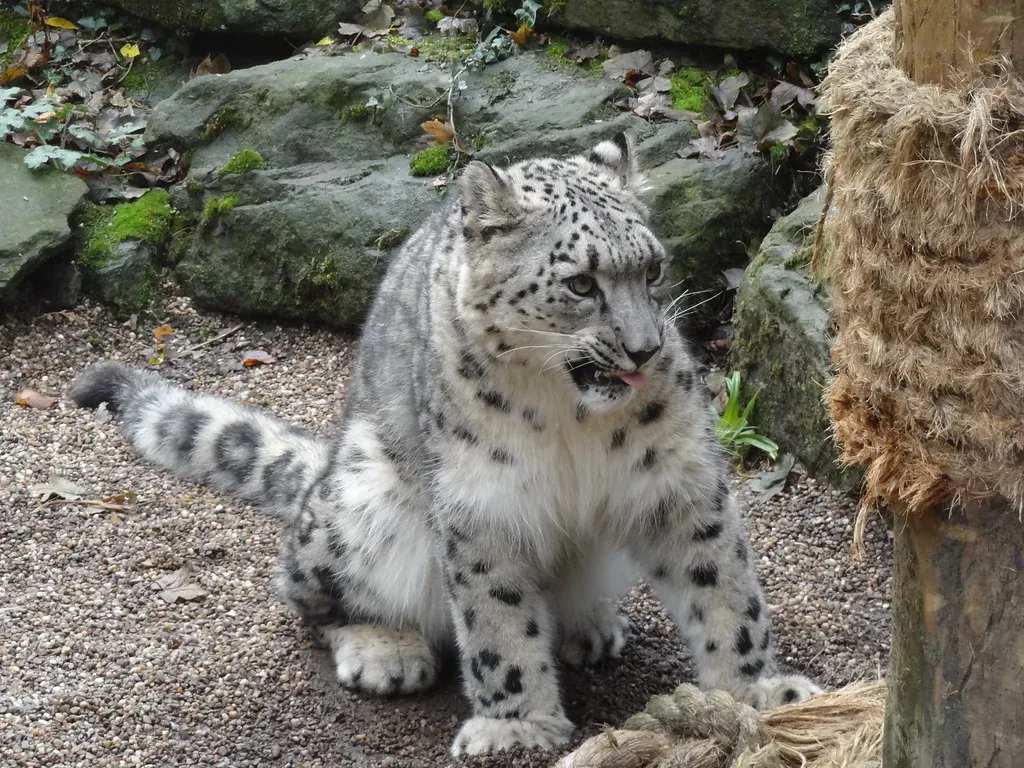
As apex predators, are an important indicator species for their habitats, meaning their presence signals the presence of other members of their food chain and various fauna and flora that help sustain that habitat, and in particular they help measure the impact of climate change in these cold, delicate mountain environments where even slight temperature changes can cause cascading effects throughout the ecosystem.
inhabit high-altitude Asian mountains, which are crucial “water towers” providing roughly one third of the Earth’s population with fresh water. Protecting snow leopard habitat, then, isn’t only about saving a single species. If the habitats of are protected, this means that those of many other species will also be protected. The ghost of the mountains, as it turns out, is holding together far more than it appears.
A Creature Worth Knowing
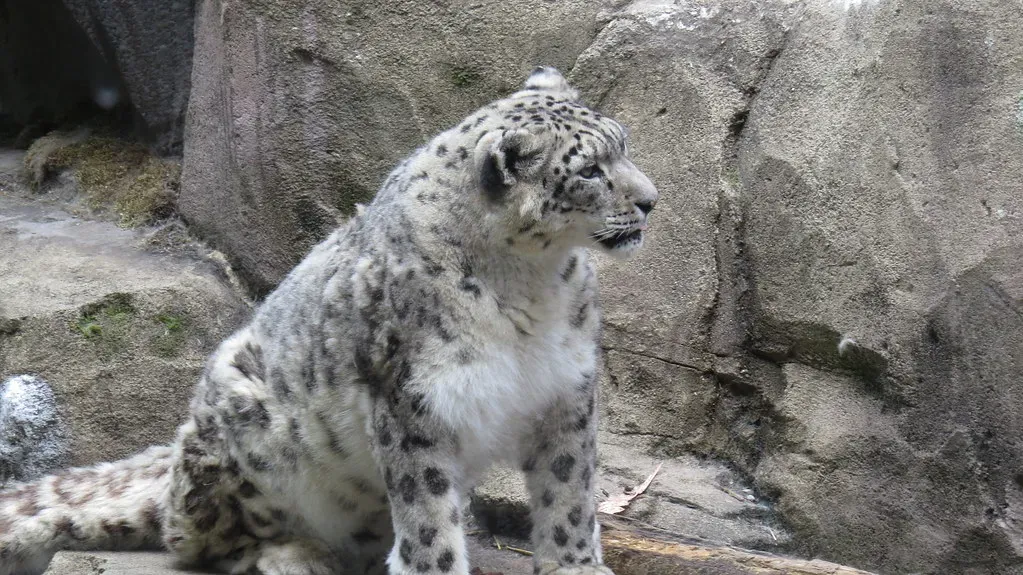
There’s a reason the snow leopard has captured the imagination of wildlife researchers, conservationists, and ordinary people who will never set foot in Central Asia. It lives in a world that seems designed to be inhospitable, and it thrives there quietly, on skill and adaptation alone.
The threats it faces are real, and the window for meaningful action is not unlimited. Climate change poses perhaps the greatest long-term threat to , and impacts from a warming planet could result in a loss of up to 30% of the snow leopard habitat in the Himalayas alone. The animal’s future is tied, in more ways than one, to decisions being made far below the snowline.
What stays with you, though, is not the threat but the animal itself. A cat that wraps its tail around itself like a scarf at night, that crosses mountain passes alone in the dark, that leaves scent marks on rocks no human may ever touch. Knowing it exists out there, somewhere above the clouds, feels like it matters.

- 7 Ways Cats Show They're Secretly Annoyed With You - July 19, 2026
- What Small Dog Breed Are you According to Your Zodiac Sign - July 19, 2026
- What Nocturnal Animal Are You According to Your Zodiac Sign - July 19, 2026