

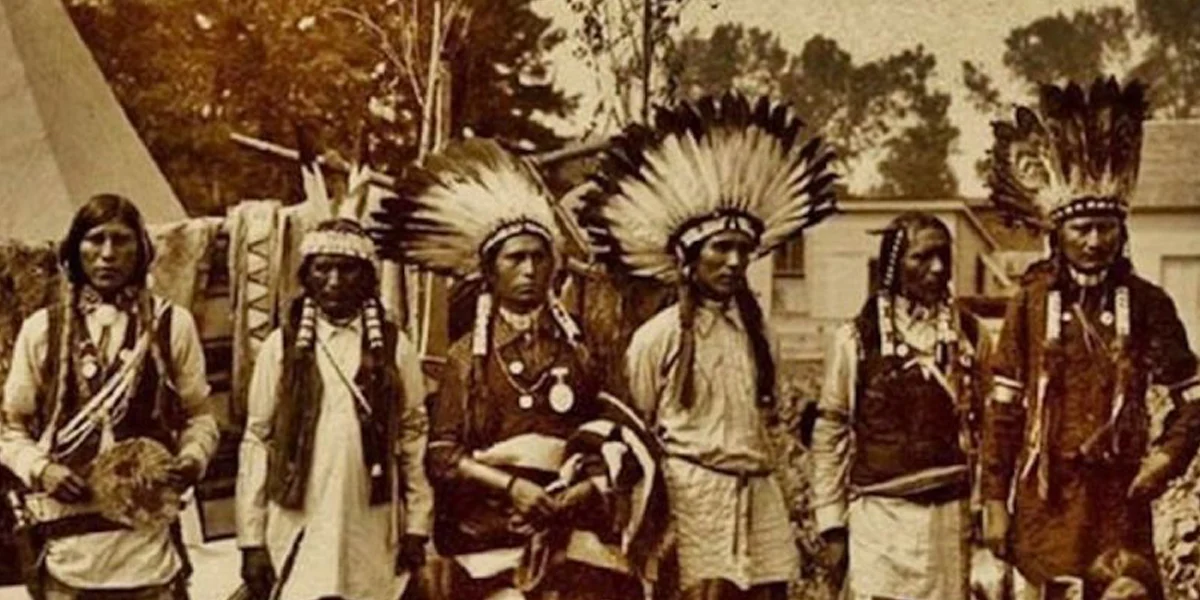
Most people have heard of Geronimo. Maybe they know a bit about fierce desert warriors or Hollywood westerns. Still, the real story of the Apache tribes runs far deeper than popular culture ever admits. These Native American peoples developed one of the most sophisticated warrior cultures in history, mastered extreme survival in impossible terrain, and resisted colonization with a tenacity that amazed even their enemies. Their legacy echoes today in military academies and their descendants, yet so much of their truth remains hidden beneath layers of myth.
Let’s be real. The Apache story isn’t about romanticized Hollywood braves or one-dimensional savagery. It’s about brilliant strategists, spiritual depth, female warriors who could outfight most men, and a people who turned harsh desert landscapes into tactical advantages. What follows are facts that might surprise you, facts rooted in the real lives of Apache peoples and their extraordinary warriors.
The Name “Apache” Was Given by Their Enemies
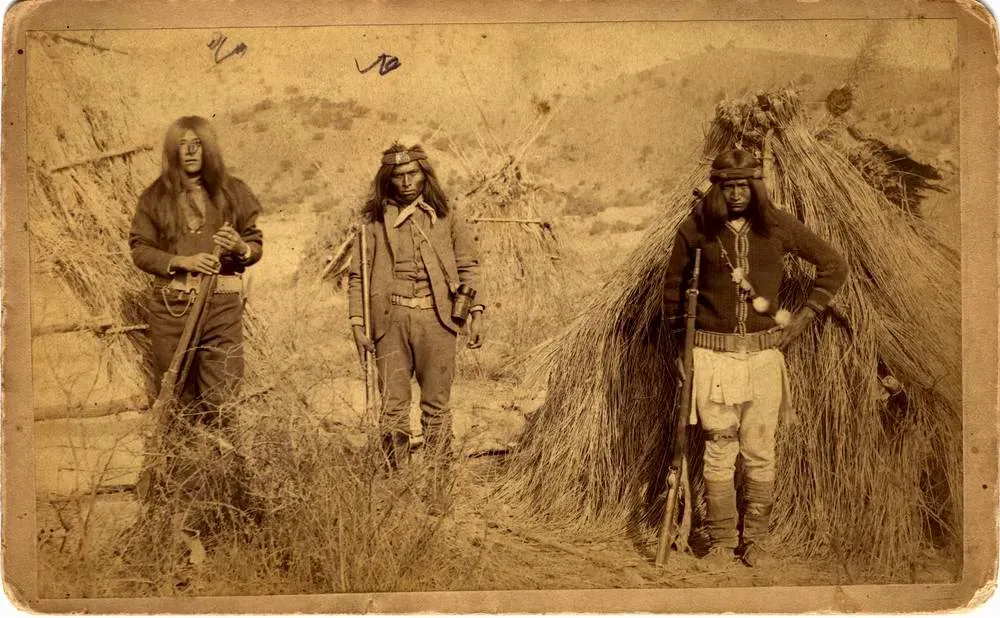
Here’s something that catches many people off guard. The name Apache comes from the Zuni Indian word for enemy, not from what these peoples called themselves. Think about that for a moment. The label that defines them globally originated from rival tribes who feared them. The Apache people refer to themselves as Nde, Inde, Tinde, or Tinneh, which means “the people”.
This linguistic twist reveals something important about Apache history. Their reputation as formidable opponents preceded them everywhere. The fame of the tribes’ tenacity and fighting skills was widely known among Europeans, and in early 20th century Parisian society, the word Apache was adopted into French, essentially meaning an outlaw. The name itself became synonymous with resistance and warrior prowess across continents.
Apache Warriors Were Trained From Childhood Through Brutal Physical Trials
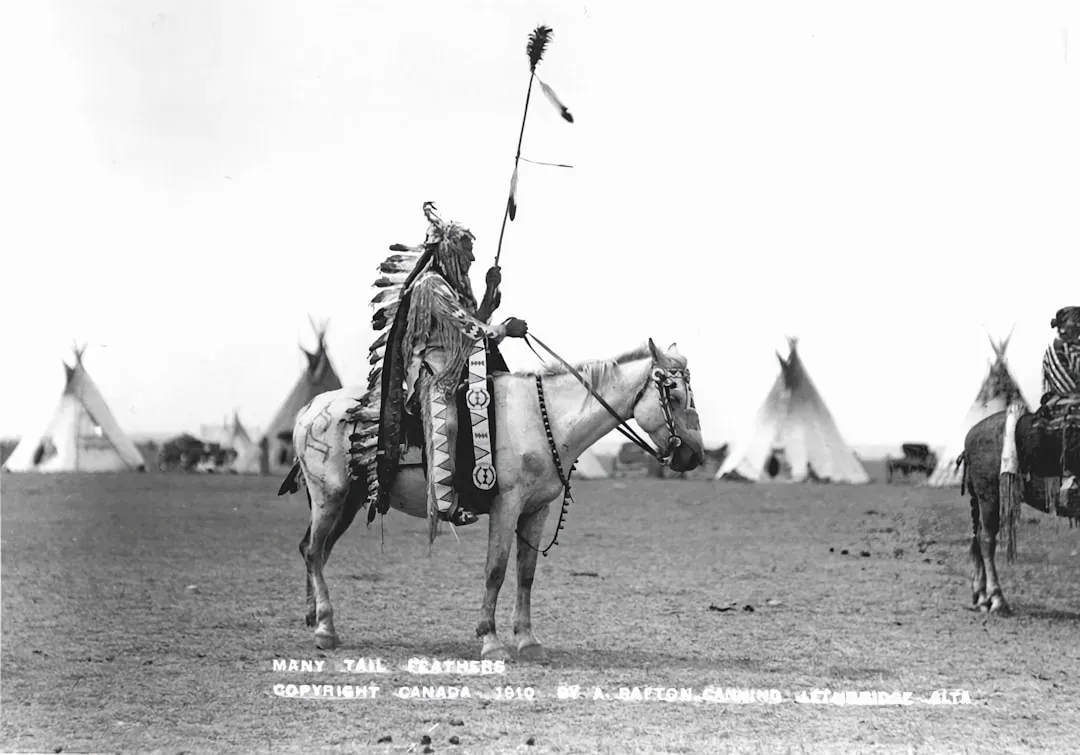
Becoming a warrior was a sacred calling and role in Apache communities, and both men and women could have this honor, with training beginning when they were young. This wasn’t gentle preparation. Young Apache underwent trials that would break most adults today. Trials included running for two days straight without food or sleep, learning to lie entirely still to disappear into their surroundings, and diving into frozen rivers.
Can you imagine the mental toughness this created? These weren’t exercises in building muscles alone. They forged psychological resilience and tactical thinking from an incredibly young age. The goal was producing warriors who could survive anything the desert, mountains, or enemies could throw at them. Every game Apache children played, every toy weapon they handled, was preparation for the life that awaited them.
They Migrated From Canada Over a Thousand Years Ago
The Apache weren’t always desert dwellers. They migrated from the Athabascan homelands in the north into the Southwest between 1000 and 1500 CE. This migration story connects them linguistically to peoples still living in western Canada and Alaska today. All other Athabaskan-speaking tribes were originally located in what is now western Canada.
Consider the journey itself. Over generations, Apache ancestors traveled thousands of miles from cold northern forests to scorching southwestern deserts. They adapted completely, transforming their lifestyles, survival skills, and warfare techniques to match radically different environments. This adaptability became their greatest strength. The Apache didn’t just survive climate extremes; they mastered them in ways that baffled their adversaries.
Apache Society Was Matrilineal, Not Patriarchal
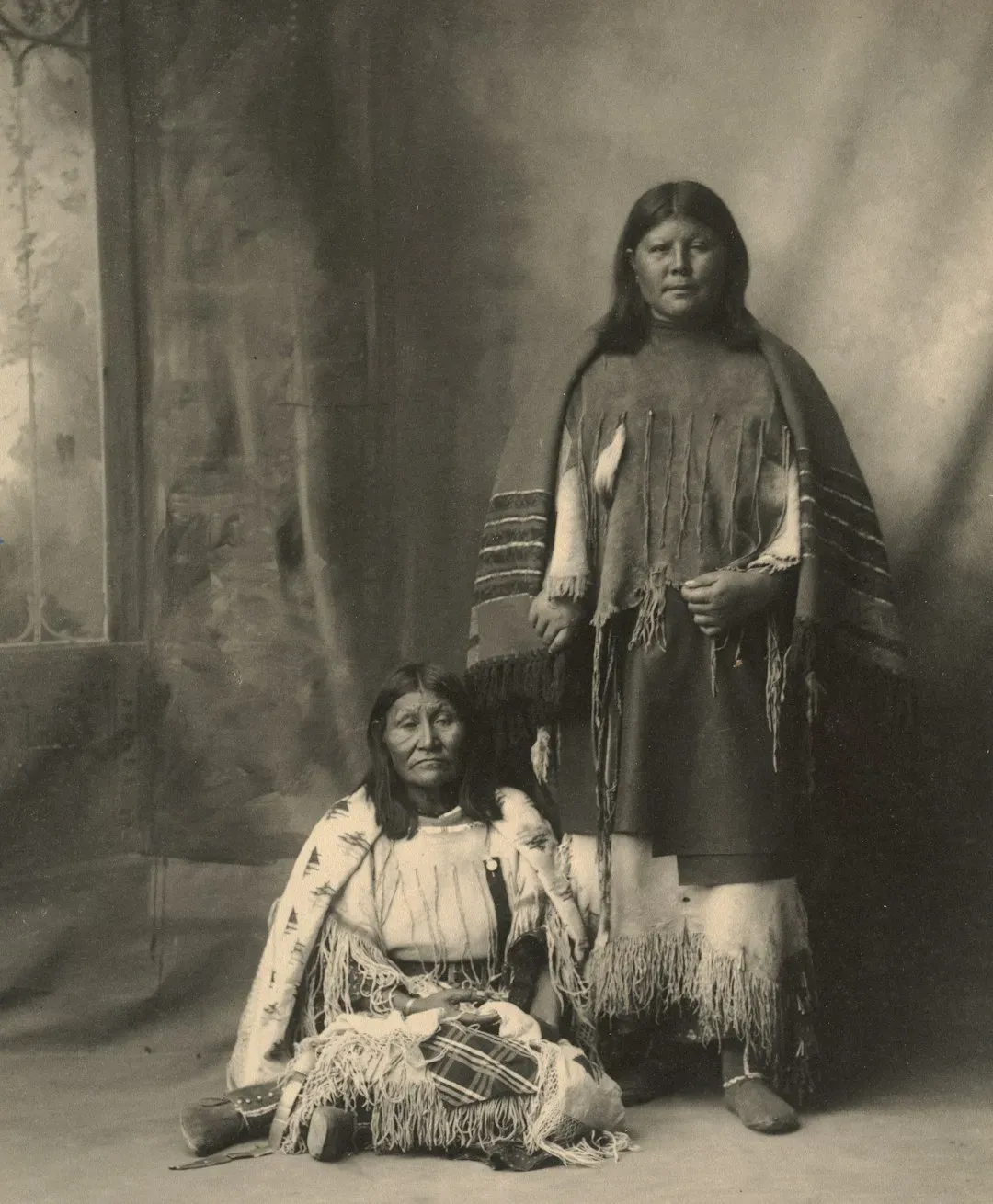
In stark contrast to the European societies that would later confront them, Apache are matrilineal, which means that the family tree is traced through the mother of each family. This wasn’t merely symbolic. Women held genuine power in Apache communities, and family structures revolved around maternal lines.
Throughout history, Apache families have been close and have lived together, with mothers and daughters completing much of their work together. This created tight-knit social bonds that proved crucial during times of conflict. When warriors needed to protect their people, they were defending not abstract concepts but the literal mothers, sisters, and daughters who formed the backbone of their society. Property, status, and tribal identity flowed through women, giving them authority that shocked European observers accustomed to patriarchal structures.
Lozen Was a Female Warrior Equal to Any Male Fighter
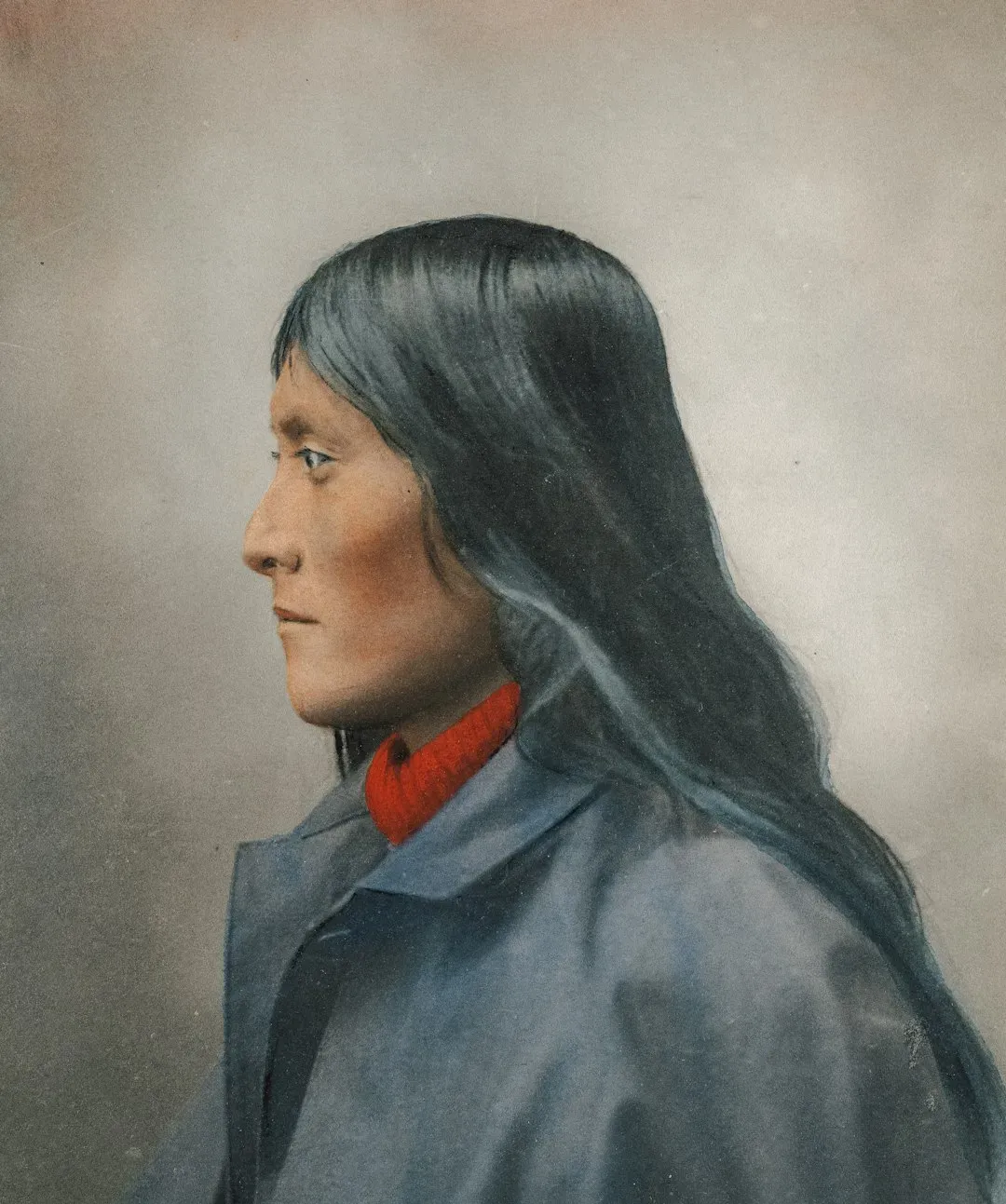
Among the most remarkable Apache warriors was Lozen, sister of the famous chief Victorio. Victorio introduced her to Nana, saying “Lozen is my right hand, strong as a man, braver than most, and cunning in strategy”. This wasn’t empty praise. Lozen fought in every major campaign alongside her brother and later with Geronimo.
Born into the Chihenne band during the 1840s, Lozen was able to use her powers in battle to learn the movements of the enemy. Apache tradition credited her with spiritual abilities that allowed her to detect enemy positions through ritual. A child at the time remembered seeing “a magnificent woman on a beautiful horse – Lozen, sister of Victorio. Lozen the woman warrior!” She led women and children across raging rivers while warriors held off cavalry. She never married, dedicating her entire life to protecting her people. Lozen wasn’t an exception proving a rule; she was proof that Apache warrior culture valued ability over gender.
Their Guerrilla Warfare Tactics Are Still Studied at West Point
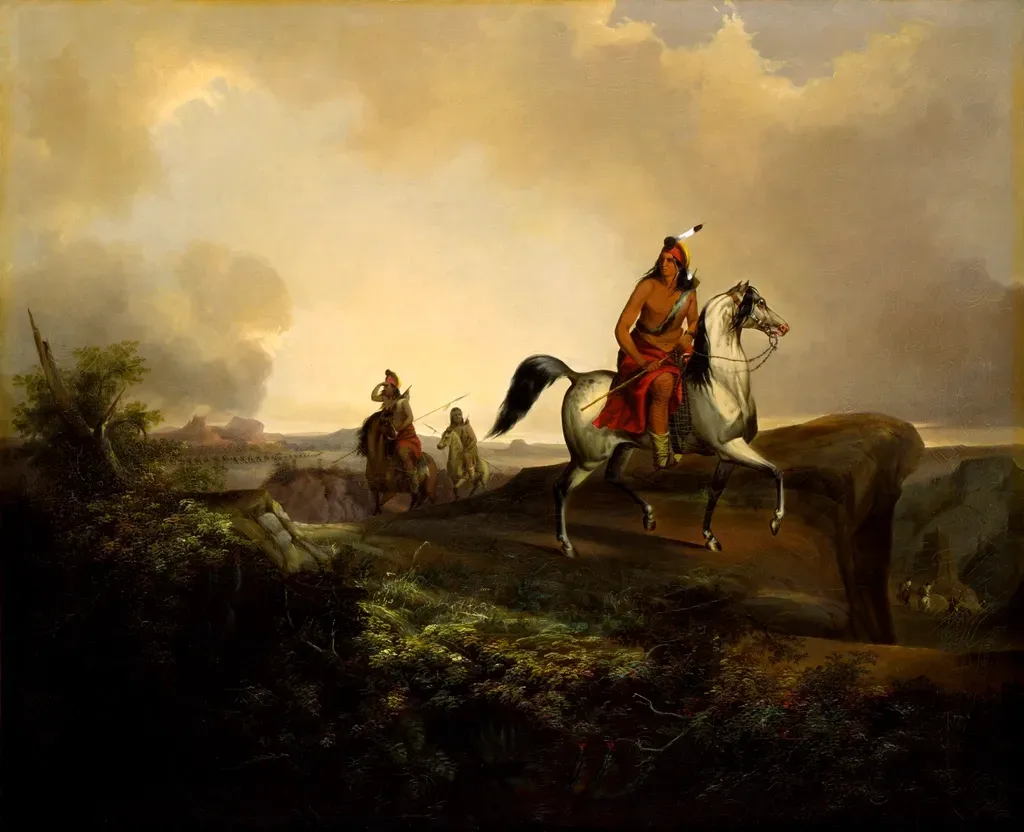
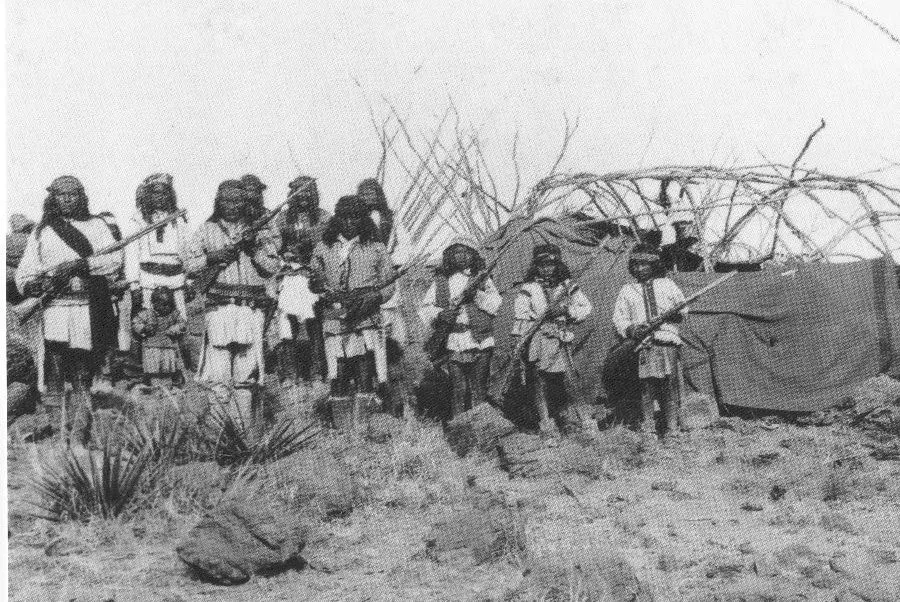
The Apache warriors developed one of the most effective fighting styles in history, which is still studied at West Point as one of the most effective uses of asymmetrical warfare. What made their approach so effective? They refused to fight on their enemies’ terms. Apache utilized guerrilla tactics in the face of United States and Mexican expansionist policies, with tactics including hit-and-run raiding and ambushes while avoiding major confrontations.
Think about the math here. Their forces generally did not exceed 3,000 men in any given conflict, and the last Apache resistance led by Geronimo before his surrender in 1886 involved fewer than 50 warriors. Fewer than fifty fighters held off thousands of U.S. troops for years. Apache warriors were known for using the landscape to their advantage, regularly using mountain ranges for long-distance lookouts and setting easily defensible camps on high ground with good vantage points and lines of escape. They turned every canyon, every ridge, every water source into either refuge or trap depending on need.
Dahteste Was Lozen’s Companion and a Skilled Linguist Warrior
Lozen wasn’t the only remarkable Apache woman warrior. Lozen’s companion, Dahteste, was known for her skills as a warrior and a linguist, and her people remember her as a great hunter and warrior. Unlike Lozen, Dahteste married and had children, proving that Apache women didn’t have to choose between family and warrior status.
Dahteste was fluent in English, a skill often helpful to her people when negotiating with the White-eyes. She rode with Geronimo’s band and fought for three years before surrender. After capture, Dahteste survived pneumonia and tuberculosis, two virulent diseases that decimated her people while confined in crowded, unsanitary old forts. Eventually released to the Mescalero reservation, Dahteste outlived Lozen by 65 years, and to the end of her life mourned Lozen. Their bond represented not just military partnership but deep friendship that endured through unimaginable hardship.
The Apache Distinguished Between Raiding and War
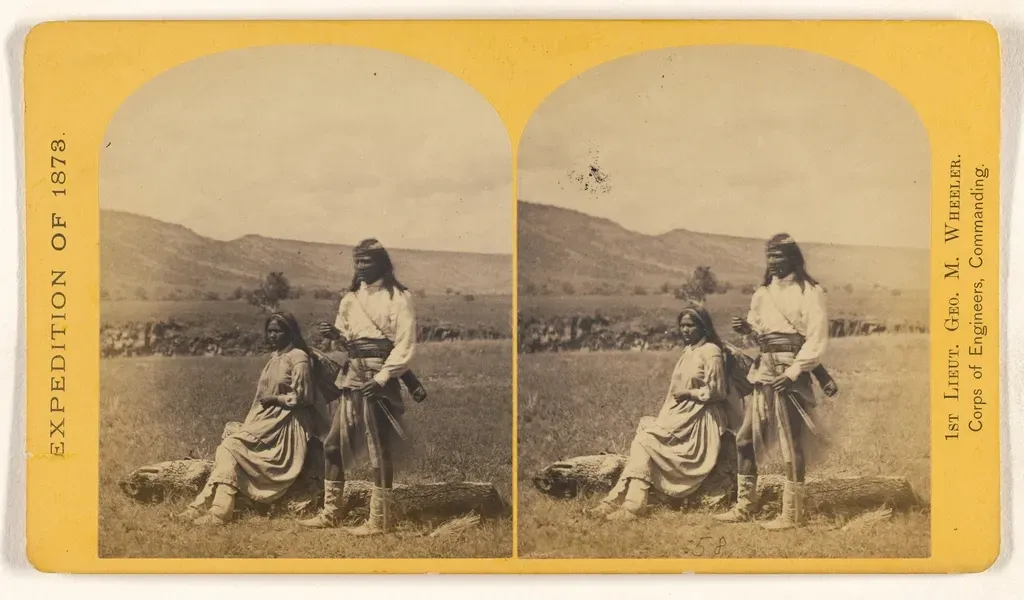
This distinction is crucial for understanding Apache culture. Apaches distinguished raiding from war, with raiding done in small parties with a specific economic purpose, while war was waged in large parties, usually to achieve retribution. Raiding wasn’t random violence. It was economic strategy, a way to acquire horses, cattle, and supplies necessary for survival.
Winter survival sometimes occasioned a raid on other tribes, but for the most part, the Apache existed peaceably with their neighbors and traded with more settled agricultural peoples. They had long trading relationships with Pueblo peoples before European arrival disrupted everything. War, by contrast, was serious business reserved for blood feuds, territorial defense, or retribution for specific wrongs. The distinction mattered immensely to Apache ethics and social structure, even if their enemies rarely understood or respected the difference.
Apache Code Talkers Served Alongside Navajo in World War II
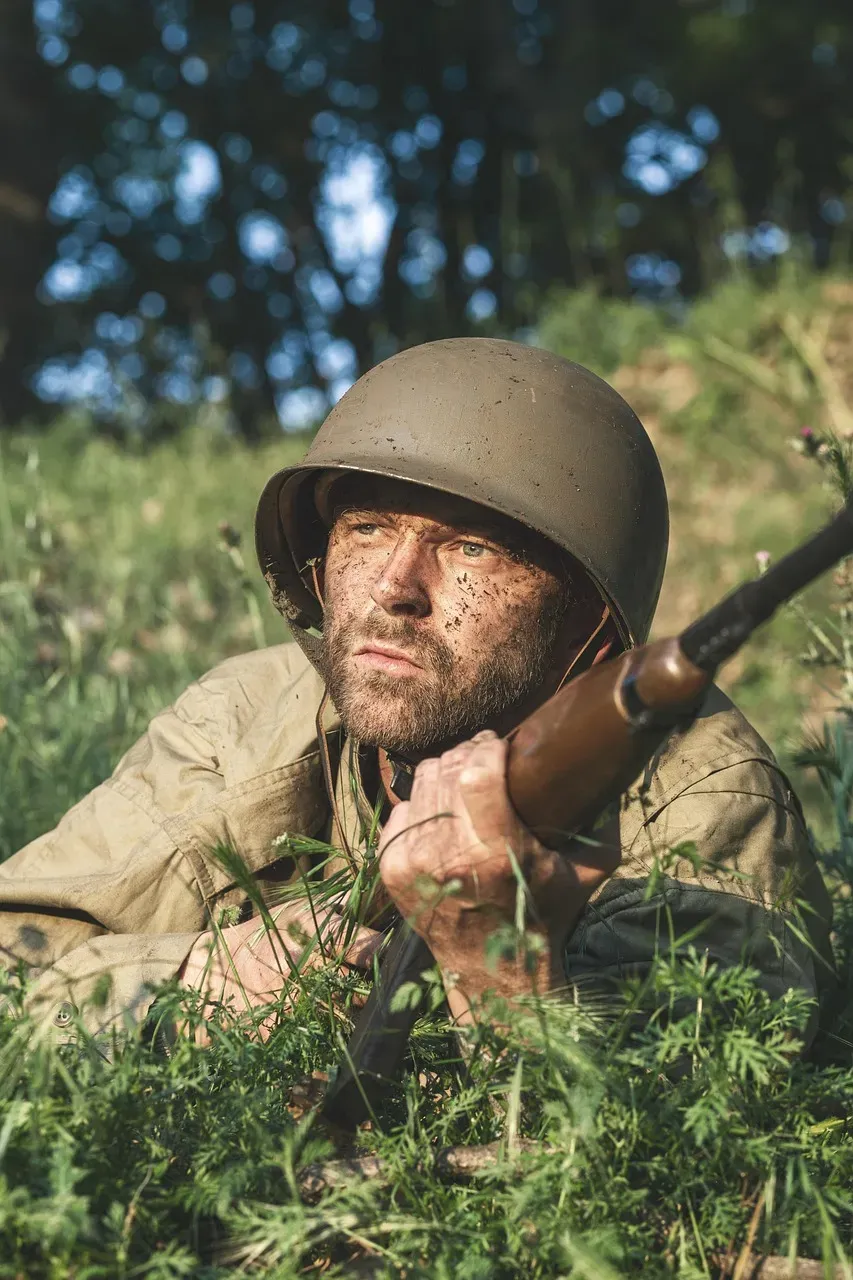
Most people know about Navajo Code Talkers, but Apache warriors also served. During World War II, code talkers included Apache among numerous tribes including Navajo, Comanche, Hopi, and many others. Paul Burdette, a Tonto Apache, served honorably as a code talker with his partner Nelson Danford, a White Mountain Apache, with code names Rebel and Tarter.
The irony runs deep. Many American Indian families were forced to send their children to boarding schools where they were forbidden to speak their Native languages, yet Code Talkers found it puzzling that the same government that had tried to take away their languages in schools later gave them a critical role speaking their languages in military service. Apache languages, once targeted for elimination, became weapons that helped win the Pacific theater. The unbreakable codes they created saved countless American lives precisely because their languages had remained strong despite decades of suppression attempts.
The Chiricahua Were Held as Prisoners of War for 27 Years
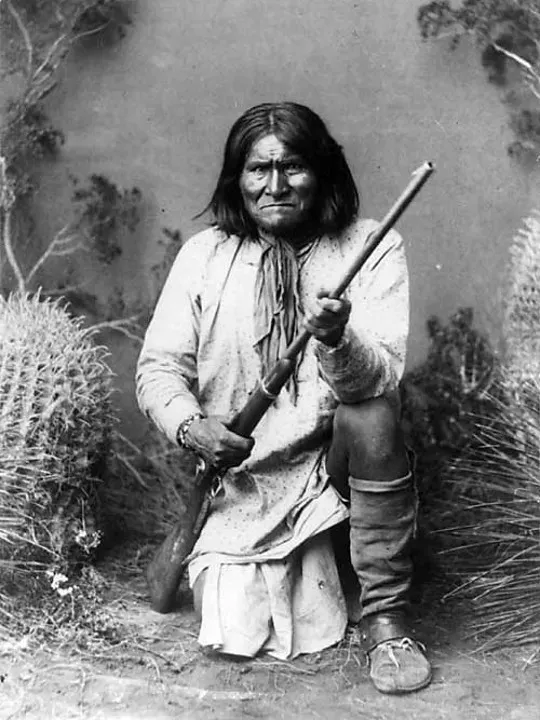
After Geronimo’s surrender in 1886, the punishment was severe and collective. The Chiricahua Apache were taken from the West as prisoners of war for 27 years, even though many had never fought against the U.S. government. They were shipped to Florida, then Alabama, then finally Oklahoma, enduring horrific conditions throughout.
Many Apache died in the prisons, and later Apache children were taken to the Carlisle Indian Industrial School in Pennsylvania, where fifty of them died. Think about what this means. An entire people, including those who had peacefully remained on reservations, were imprisoned for nearly three decades as collective punishment. Finally, in 1913, after 27 years of internment in Florida, Alabama, and Oklahoma, the government gave surviving Chiricahuas the choice to remain at Fort Sill or relocate to the Mescalero Apache Reservation. By then, hundreds had died from disease, malnutrition, and the psychological trauma of captivity. The survivors carried those scars for generations.
The Apache story doesn’t fit comfortable narratives. These peoples weren’t primitive savages, nor were they noble innocents. They were complex, sophisticated societies with warrior traditions that commanded respect even from enemies. Their tactics revolutionized guerrilla warfare. Their women fought beside men as equals. Their languages became unbreakable military codes. Their endurance through persecution and imprisonment speaks to resilience that defies easy summary.
Today, Apache tribes continue in Arizona, New Mexico, Oklahoma, and parts of Mexico, maintaining cultural traditions while navigating modern life. Their warrior legacy lives not in the Hollywood stereotypes but in the real stories of people like Lozen and Dahteste, in tactical manuals studied by soldiers, in code talking that helped win a world war. The Apache taught the world that small numbers with superior knowledge, strategy, and determination could challenge empires. What do you think is the most surprising fact about Apache warriors? Does knowing their real history change how you see the old narratives?
