


Picture this: you’re sipping your morning coffee when suddenly, a flash of emerald green whizzes past your window. You look up just in time to see a tiny bird, no bigger than your thumb, hovering at a bright red flower. That magical moment when you spot your first ruby-throated hummingbird can transform anyone into a backyard birding enthusiast. Everyone loves Ruby-throated hummingbirds! I have fond memories of watching these hummingbirds visit the many feeders my grandparents put out each year. You probably have a similar story!
These remarkable little creatures, only 3-1/2 inches long and weighing less than 1/4 of an ounce, are nature’s tiny acrobats. With wings that beat approximately 53 times per second, they’re the only birds that can fly backwards, sideways, and even upside down. Ruby-throated hummingbirds are the only ones found east of the Mississippi River, making them Mississippi’s exclusive summer residents from March through September.
Create a Stunning Red Color Display
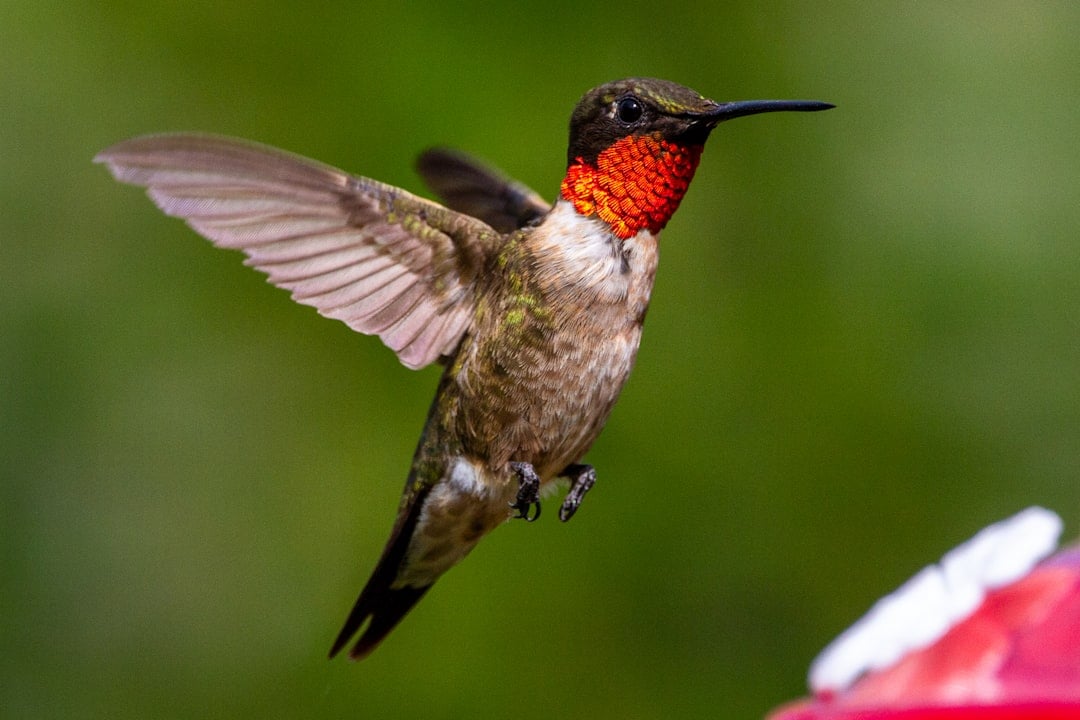
When it comes to attracting hummingbirds, nothing beats the power of red. Hummingbirds are drawn to red because they’ve evolved to associate this vibrant color with high-energy nectar sources. Think of red as nature’s dinner bell for these tiny visitors.
You can create an eye-catching red display by grouping together plants like red cardinal flowers, scarlet bee balm, and bright red salvia. Even a simple red plastic feeder placed strategically in your garden will let the birds know where your garden is located. The key is clustering your red elements rather than scattering them throughout your yard – hummingbirds are more likely to notice concentrated bursts of color.
Plant Native Mississippi Wildflowers
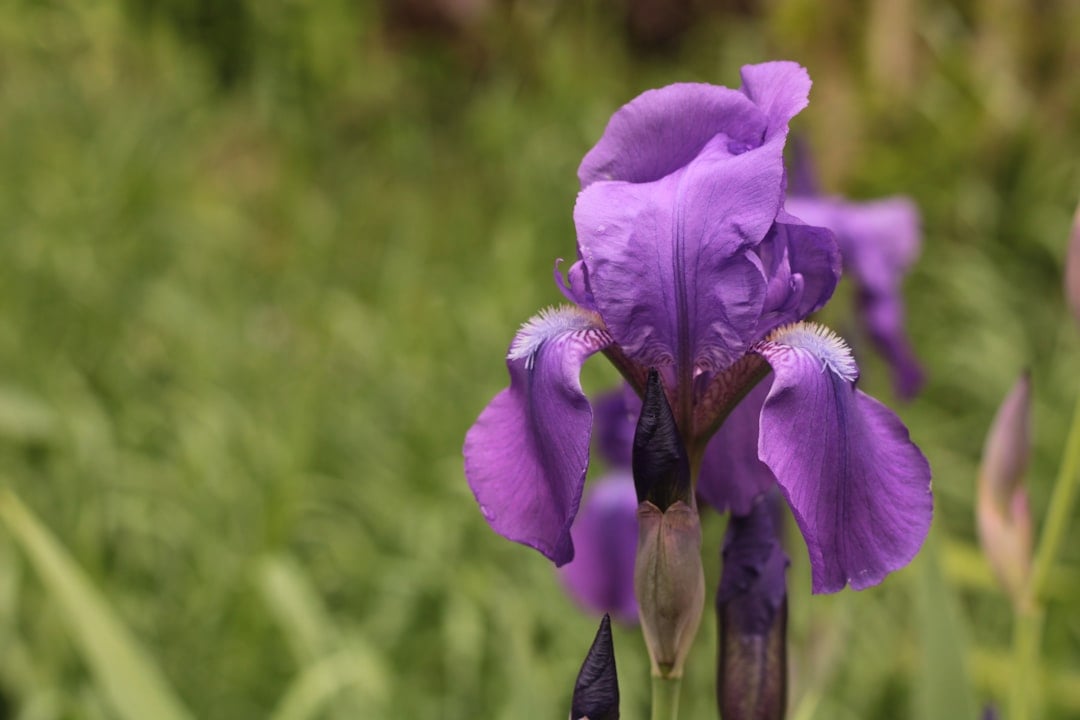
Native wildflowers that attract these birds include wild iris, salvia, wild mints and plants from the sunflower family. These indigenous plants have evolved alongside ruby-throated hummingbirds for thousands of years, creating the perfect relationship between flower and pollinator.
What makes native plants so special? They’re like a perfectly matched dance partner – they bloom exactly when hummingbirds need them most, provide the right amount of nectar, and require minimal care once established. Oftentimes, many of these native plants are already on your land or around your yard and can be encouraged by less frequent mowing and mowing fields and pastures after late fall. You can also cultivate these plants in gardens.
Install Trumpet-Shaped Flowering Vines
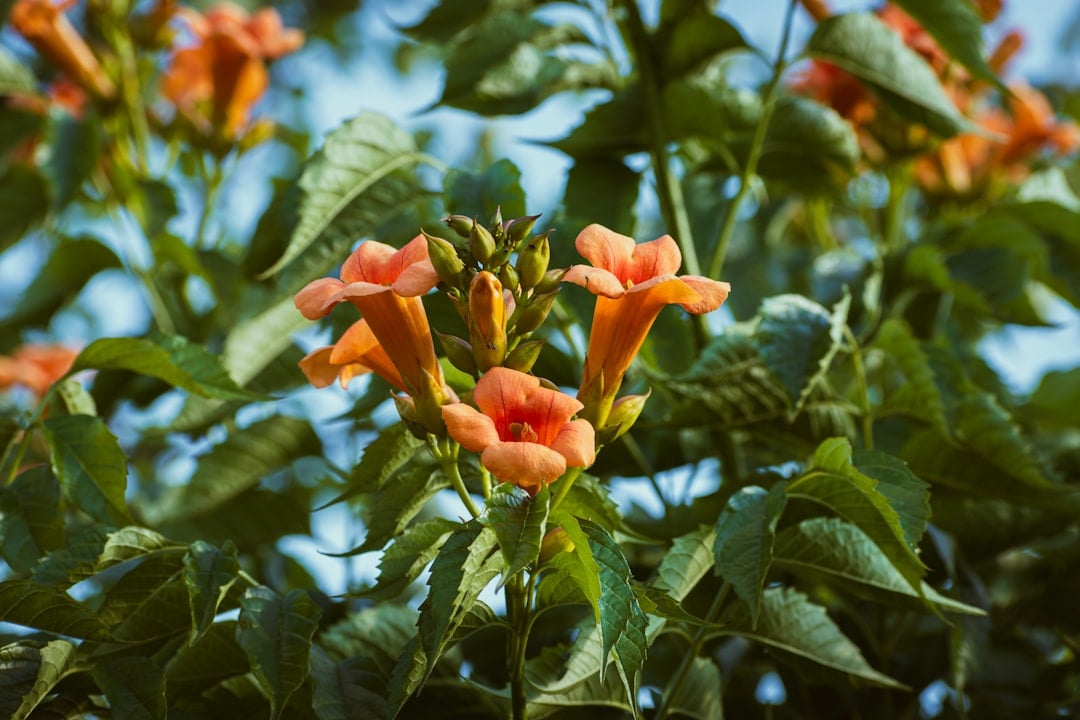
Vines that attract hummingbirds are crossvine, coral honeysuckle and trumpet creeper. These climbing beauties serve double duty in your garden – they provide vertical nectar sources while adding dramatic height and structure to your landscape design.
Imagine coral honeysuckle cascading over a trellis or fence, its tubular orange-red flowers creating a living wall of hummingbird heaven. The flowers of all of these plants tend to be tubular or trumpet-shaped, and hummingbirds access the nectar hidden deep inside with their exceptionally long, specialized tongues. These vines can transform boring vertical surfaces into hummingbird magnets while providing privacy and beauty.
Establish Early Spring Blooming Shrubs
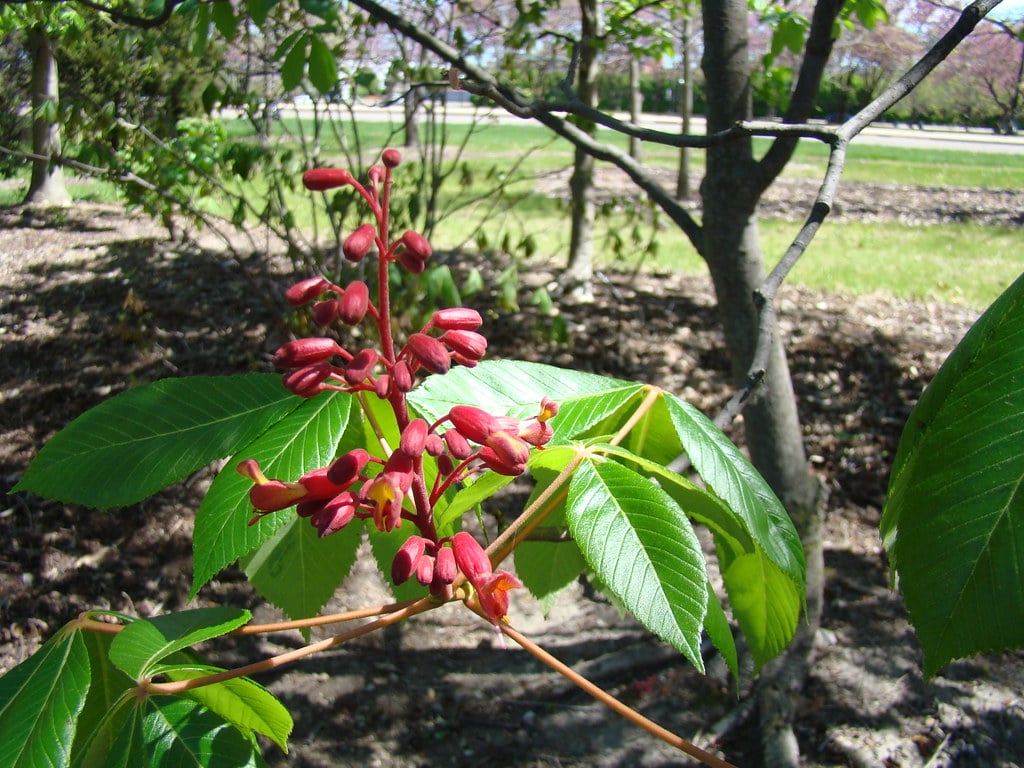
Hummingbirds typically arrive in Mississippi in March, at the time that red buckeye and native azalea shrubs are in bloom. Hummingbirds are said to follow the bloom time of these plants on their migration north, and these and other spring blooming plants will attract them earlier to your garden.
The red buckeye shrub (Aesculus pavia) really stands out, blooming in early spring. During this time, you’ll find many a hummingbird and black swallowtails feeding on the nectar. These early bloomers are like opening a restaurant just as hungry travelers arrive in town – perfect timing that ensures your garden becomes their first stop of the season.
Set Up Proper Hummingbird Feeders
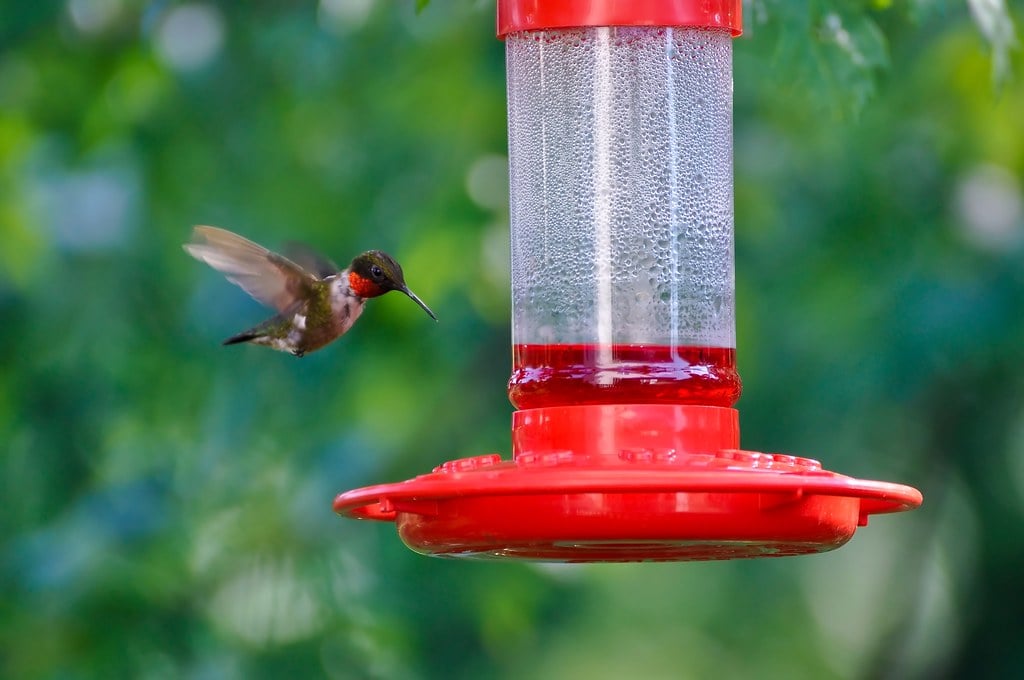
Make sugar water mixtures with about one-quarter cup of sugar per cup of water. Food coloring is unnecessary; table sugar is the best choice. The secret to successful feeder setup lies in simplicity and consistency – think of it as running a reliable diner for tiny customers with very specific dietary needs.
Choose feeders with red plastic parts and multiple feeding stations, since hummingbirds can be quite territorial. Position your feeders where you can easily observe them but hang your feeders at least four feet above the ground so they are beyond the reach of cats and other predators. The show these little acrobats put on during feeding time is pure entertainment gold.
Maintain Scrupulous Feeder Cleanliness
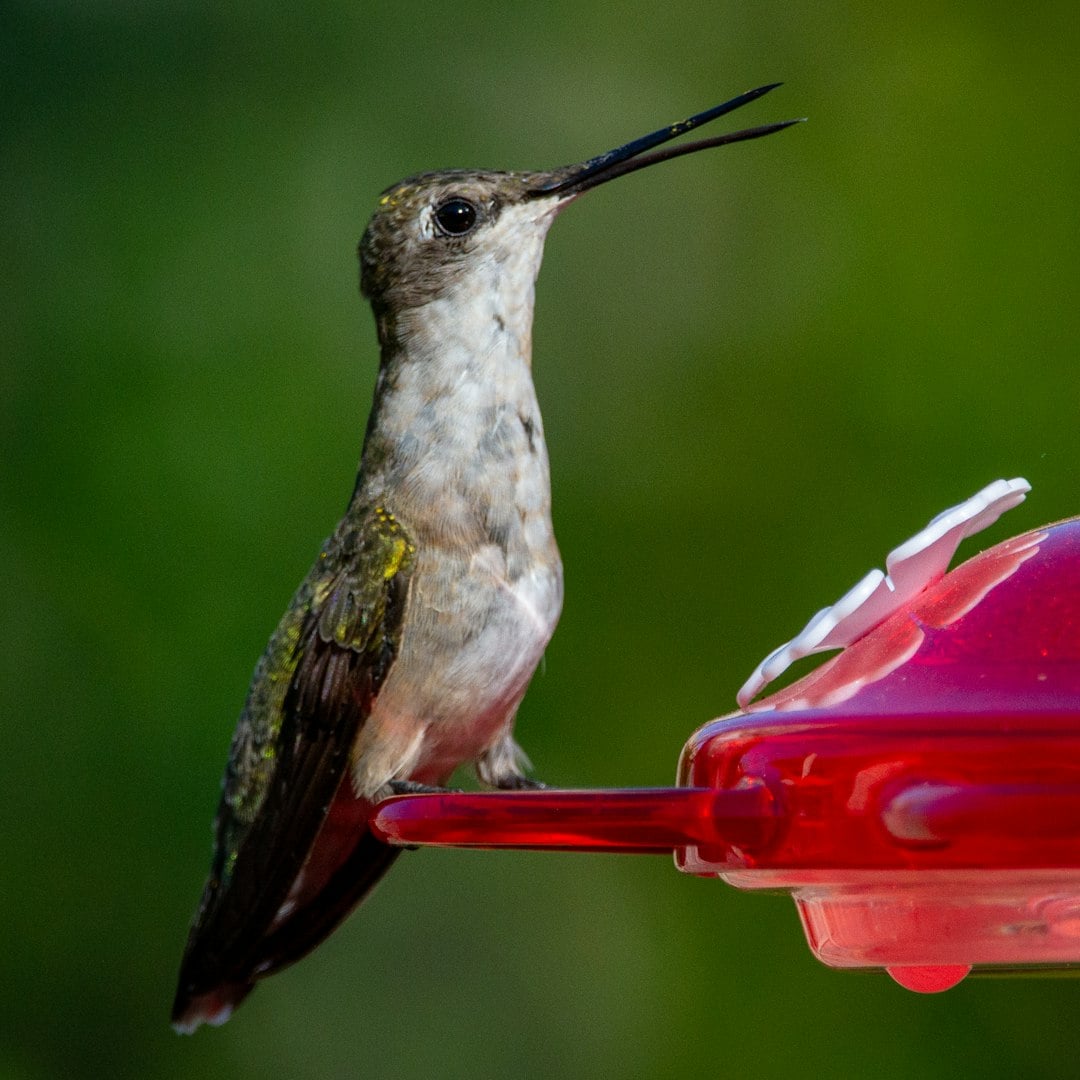
It is very important to keep the feeders clean, especially in hot weather, and the mixture should be changed regularly. Think of feeder maintenance like running a restaurant kitchen – cleanliness isn’t just important, it’s absolutely critical for your customers’ health.
In hot weather, the feeder should be emptied and cleaned every day or every other day. In temperate weather, every three days. In cooler weather, twice per week is enough. Neglecting this crucial step can lead to deadly bacterial infections. Drinking from old contaminated feeders, hummingbirds can contract a fungal disease called Hummer’s Candidiasis also known as “hummingbird’s tongue”. The condition causes their tongue and throat to swell, making it impossible to eat. It is almost always fatal to hummingbirds.
Design Multiple Garden Zones
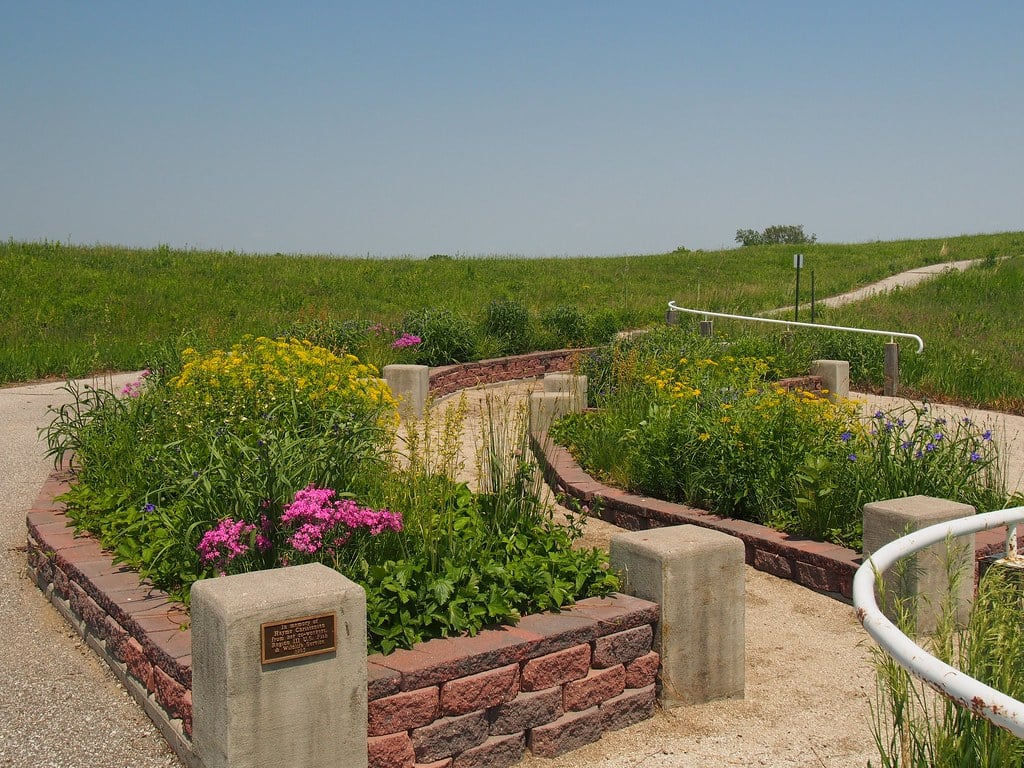
To attract hummingbirds, it is best to plant a large group of flowering plants rather than a single source. The extra blooms provide more food and are more noticeable. Since these birds are fiercely territorial, provide various locations of plants throughout the landscape.
Think of your garden like a medieval kingdom with different territories – each hummingbird can claim their own domain without constant battles. By creating separate flowering zones around your property, you can support multiple birds simultaneously. One area near your patio for close-up viewing, another by the mailbox for curb appeal, and perhaps a third tucked into a quiet corner where shy birds feel comfortable feeding.
Provide Fresh Water Sources
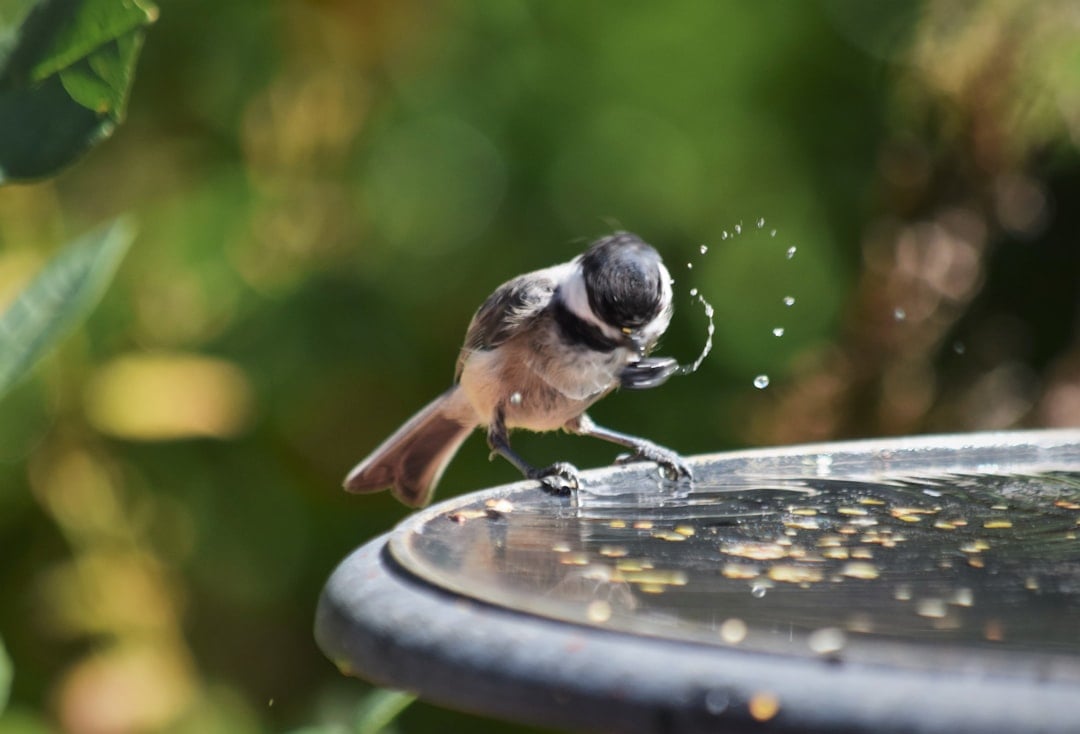
Hummingbirds like still water, such as a bird bath with a rock in it, and water misters like at a theme park. These tiny birds need water not just for drinking but also for bathing, and watching a hummingbird take a bath is like witnessing a miniature water ballet.
If you have a birdbath, place rocks in it to give the tiny birds a chance to bathe. Or add a drip fountain attachment! Misting devices are also an especially attractive water source for hummingbirds. Even a simple garden sprinkler can become a hummingbird attraction – bold individuals will dart through the spray like children running through a fire hydrant on a hot summer day.
Avoid All Chemical Pesticides
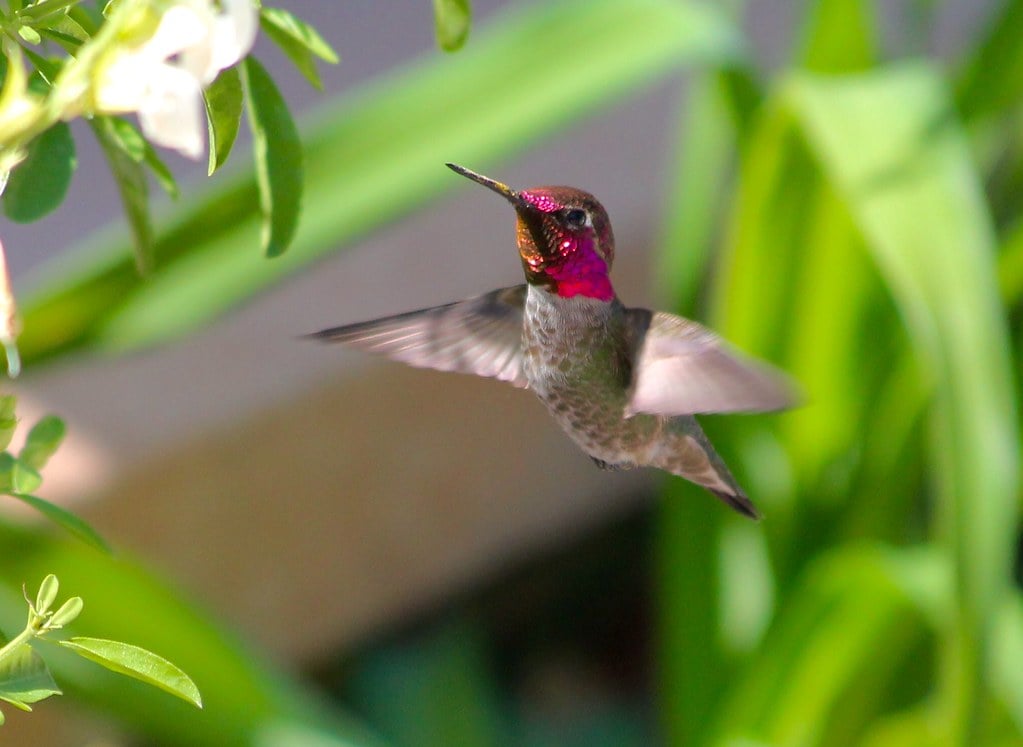
Insects are another important source of food, especially during the nesting season. They consume spiders and many types of flying insects. Because of this, it is very important not to use pesticides on plants when providing for the needs of hummingbirds.
Here’s a fact that might surprise you: while hummingbirds get most of their energy from nectar, they also rely heavily on insects and spiders for protein, especially during breeding season. Those tiny gnats and mosquitoes that annoy us are actually protein-packed meals for hummingbird families. Using pesticides in a hummingbird garden is like poisoning the very food source these birds depend on to raise their young.
Create Extended Blooming Seasons
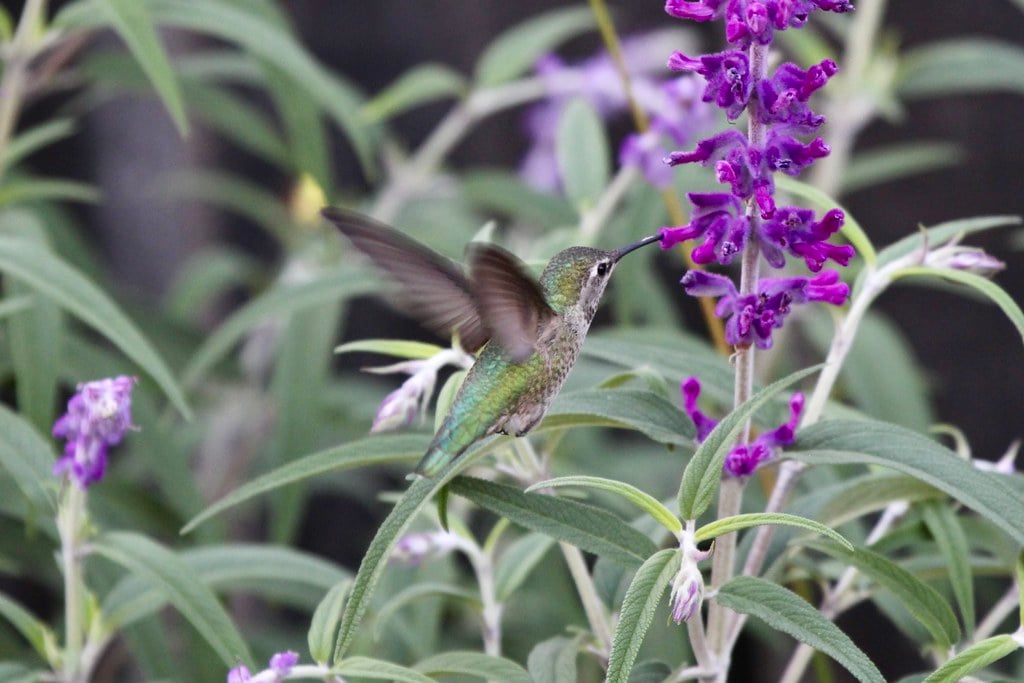
One of the keys to keeping hummingbirds coming is to set out annuals and perennials with different blooming periods. By doing so, you’ll be certain that there will be a steady supply of flowers in your yard from early spring until well into the fall.
When this approach is used, it is important to provide plant types that either flower throughout the growing season, or to use combinations of different plants that will extend nectar sources all year long. Think of your garden as a seasonal buffet restaurant, where the menu constantly changes but there’s always something delicious available. Start with spring bloomers like red buckeye, transition to summer stars like bee balm, and finish with late-season champions like cardinal flower.
Establish Nesting Habitat Areas
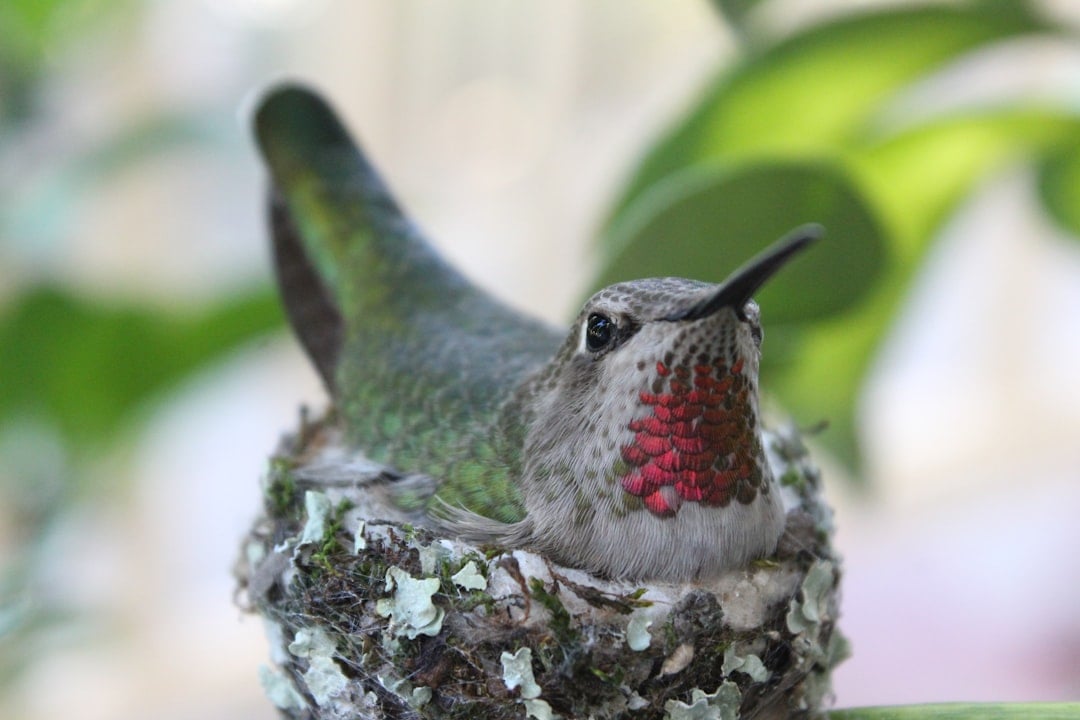
Hummingbirds usually use vines, shrubs or trees as nesting sites. The nest is most often attached to a branch or in the crotch of a forked limb. Plant fibers, fluffy seeds, lichens, and spider webs are used to construct the tiny nest.
Leave plenty of these items available in your yard throughout the year. Allow undisturbed areas of your yard to grow with thickets of trees, shrubs, and vines to provide for nesting space. Birds will not nest in high traffic areas. Creating quiet sanctuary spaces is like providing exclusive maternity wards for expectant hummingbird mothers. These areas don’t need to be large – even a small corner with native shrubs can become prime real estate for nesting pairs.
Plant Container Gardens for Close Viewing
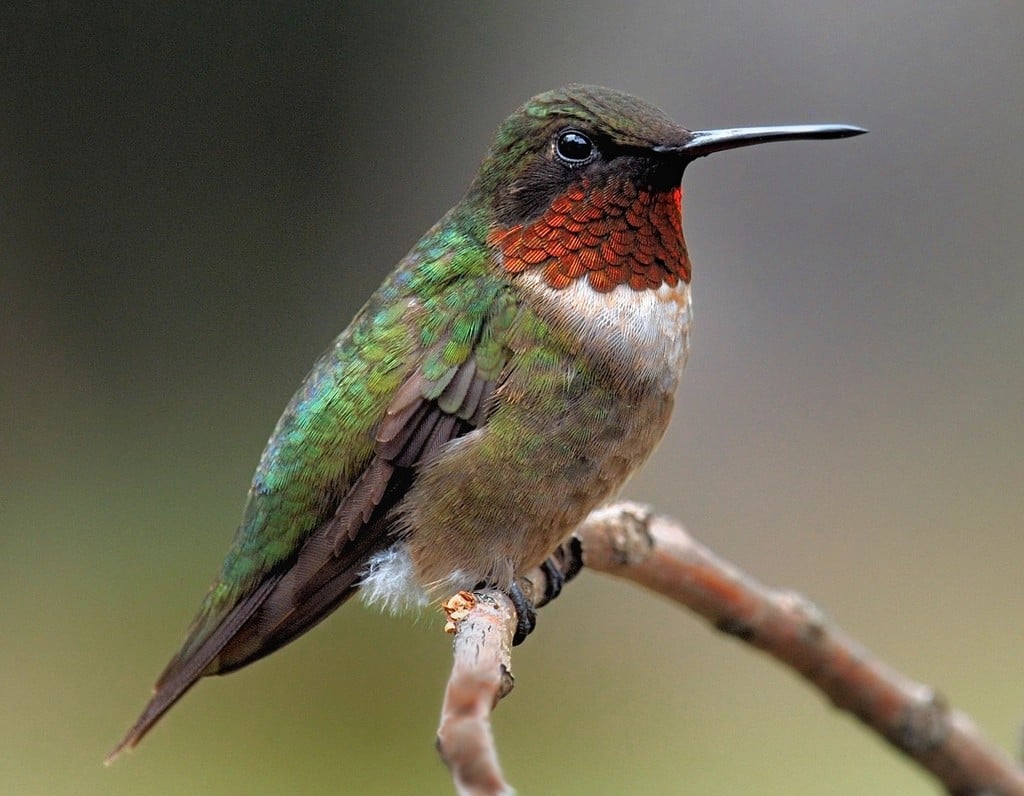
Even if there is little room in the landscape for hummingbird plants, patio containers or hanging baskets are perfectly suitable for attracting these birds. Container gardening opens up endless possibilities for apartment dwellers, condo owners, or anyone with limited yard space.
Flowers don’t have to be planted just in the garden, as hummingbirds will readily visit flowers in containers, too. Imagine stepping onto your balcony with your morning coffee and finding a hummingbird feeding just arm’s length away. Position containers near windows or seating areas for the ultimate front-row seats to nature’s most captivating aerial show.
Include Native Tubular Flowers
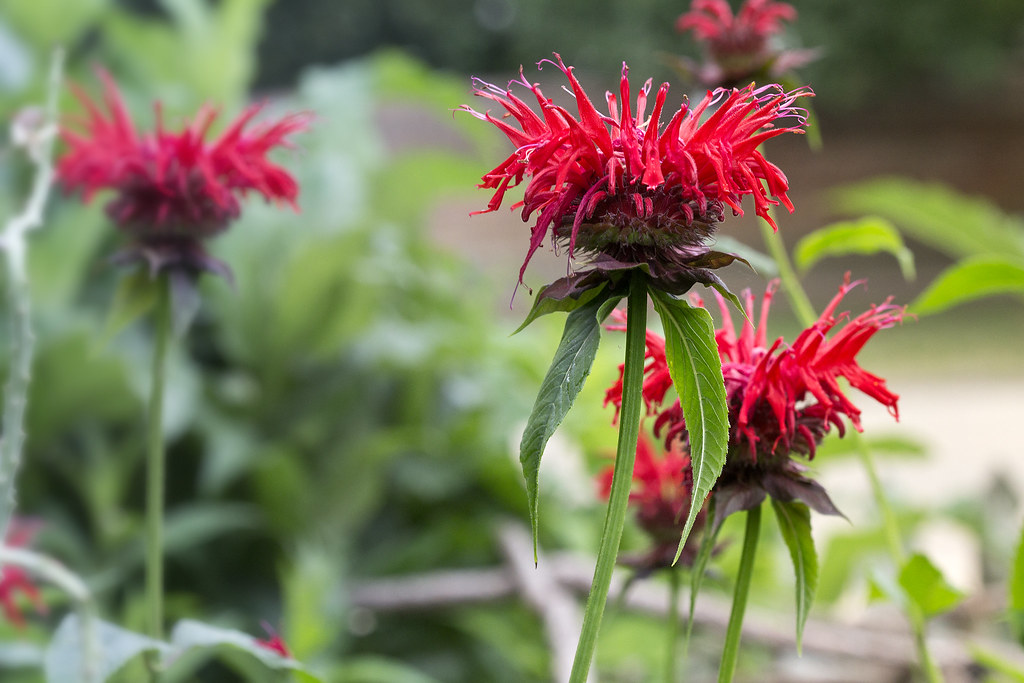
Hummingbirds are attracted to nectar-producing flowers native to the bird’s range, like coral honeysuckle, bee balm, buckeye, and cardinal flower. Many of the plants they naturally feed on have red or orange blooms.
Hummingbirds seem to prefer bright red or orange colored flowers, but also are attracted to blue, purple and white colored flowers. The hummingbird’s long bill is best suited for sipping nectar from tubular or funnel shaped blossoms. These specialized flower shapes have evolved as perfect hummingbird restaurants – the long tubes match the length of their bills and tongues, creating an exclusive dining experience that excludes most other nectar thieves.
Position Feeders Strategically
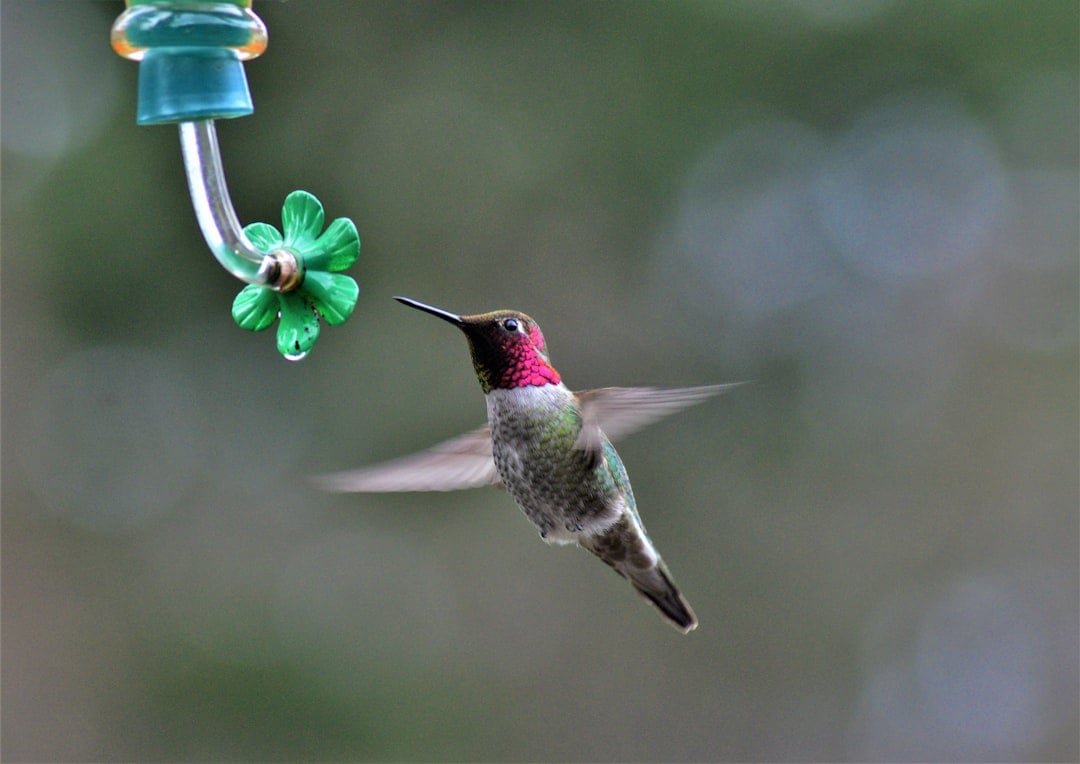
Position in an area with shade, especially one that gets afternoon shade to protect it from the hottest temperatures. Smart feeder placement is like choosing the perfect restaurant location – it needs to be visible, accessible, and comfortable for your clientele.
Place the feeder where you can see them through the window. There is nothing like watching hummingbirds come in to feed, especially when one gets protective of their food source. However, be aware that window collisions are one of the major killers of hummingbirds, so place the feeder at least 25 feet from the window or adjacent to the window, not in-between. Think of it as creating safe viewing theaters where both you and the birds can enjoy the experience without danger.
Maintain Year-Round Garden Elements
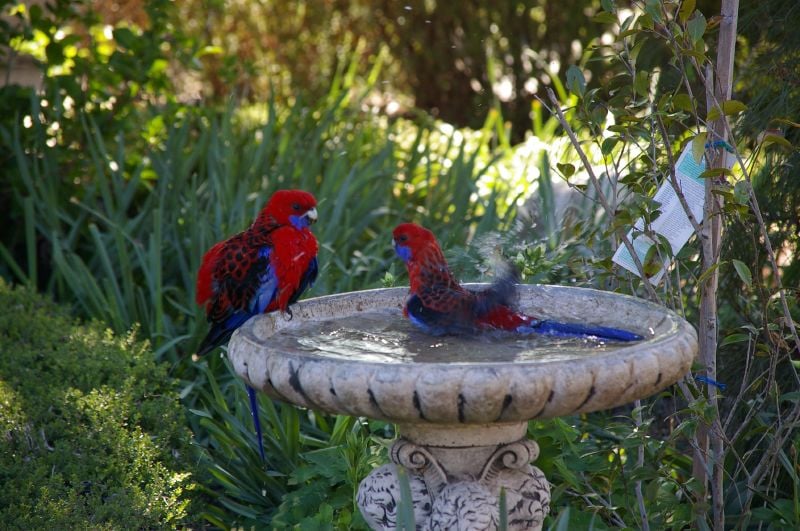
All birds, including hummers, need access to fresh water year round, so be sure to include a bird bath or water feature in the garden. Tall shrubs and vines make for good perches. Small trees provide nesting sites.
Even when hummingbirds aren’t present during winter months, maintaining garden structure helps create the perfect habitat for their return. You can leave your feeders out for as long as you have hummingbirds around. You can even continue to provide the feeder after your hummingbirds disappear – late migrants or out-of-range species can show up into early winter. Think of winter garden maintenance as setting the stage for next year’s performance – everything needs to be ready when the stars return for their spring engagement.
Conclusion
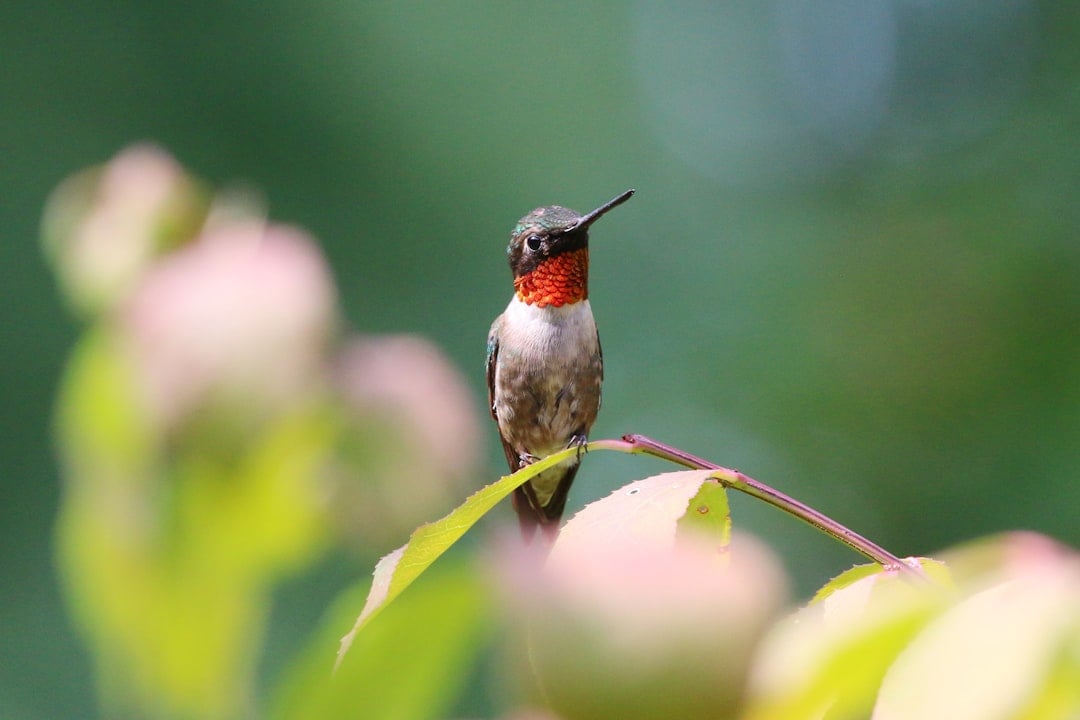
Creating a hummingbird haven in your Mississippi garden isn’t just about attracting birds – it’s about becoming part of an ancient relationship between flowers and their most faithful pollinators. These remarkable little creatures will reward your efforts with daily shows of aerial acrobatics, territorial disputes that resemble miniature dogfights, and moments of pure magic when they hover just inches from your face.
Remember, success with hummingbirds comes down to consistency, cleanliness, and patience. Start with just one or two strategies from this list, then gradually expand your hummingbird habitat as you gain experience and confidence. Before long, your garden will be buzzing with activity, and you’ll find yourself looking forward to those precious moments when time seems to stand still, and you’re sharing space with one of nature’s most extraordinary creatures.
What will be your first step in creating your own ruby-throated hummingbird paradise?

From exploring the marine wonders in the Azores and witnessing the vast savannas of Kenya, to delving deep into the rich biodiversity of South Africa and traversing iconic landscapes in Australia and the US like Yellowstone, Chris's experiences are vast.
With a penchant for diving alongside sharks, the ocean holds a special place in his heart.
Through his academic insights, he champions wildlife conservation, striving with 'Animals Around The Globe' to cultivate a profound connection between humans and animals, enhancing our mutual appreciation.
Connect with him at Feedback@animalsaroundtheglobe.com.
- A Bear Journey Through The USA: 18 Best Bear Photos from 18 US States - July 19, 2026
- Elephant Matriarchs Know Every Waterhole for Miles - July 19, 2026
- Top 10 Dinosaur Relatives Still Roaming Earth Today - July 19, 2026