
Ever wonder what secrets hide beneath the ocean waves when it comes to longevity? We’re used to thinking of ourselves as pretty impressive when we reach a century, yet under the surface of our seas, there are creatures that make human look like a blink of an eye. These animals aren’t just surviving – they’re thriving for hundreds, sometimes even thousands of years, defying what we think we know about aging and mortality.
It’s honestly wild to think that right now, swimming somewhere in the Arctic waters, there might be a shark that was alive before Shakespeare wrote his plays. The ocean keeps these incredible time travelers hidden in its depths, many of them living so slowly and quietly that we barely understand how they do it. What makes them so special? Let’s dive in and explore these remarkable beings that have mastered the art of living long.
Greenland Shark: The Arctic’s Ancient Wanderer
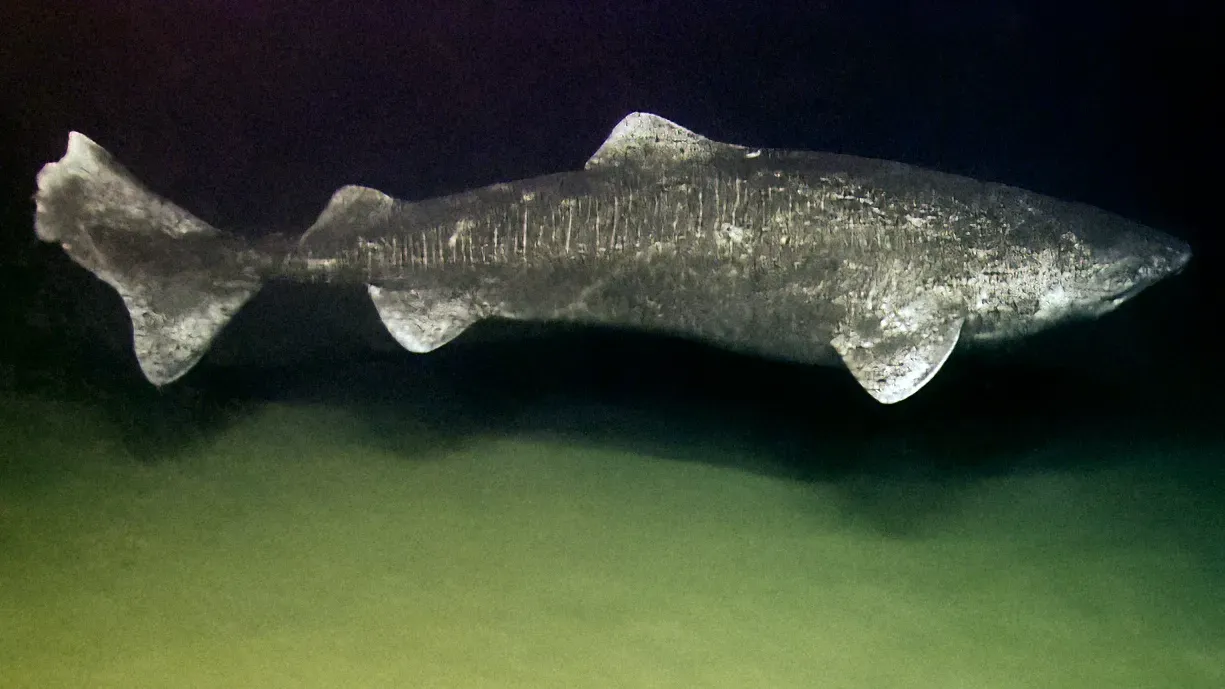
The Greenland shark holds the record as the longest-lived vertebrate known to science, with estimated between 250 and 500 years. Picture that for a moment – a single shark gliding through icy waters for half a millennium. Scientists examined one female measuring roughly 16 feet and estimated her age between 272 and 512 years old.
These massive creatures inhabit the frigid Atlantic waters surrounding Greenland, Iceland, and the Arctic, and can reach lengths exceeding 21 feet. Their incredibly slow growth rate of less than half an inch per year partly explains their longevity. Living in such cold waters probably helps slow down the metabolic processes and biochemical activity of these sharks, extending their .
There’s something deeply humbling about these animals. Female Greenland sharks aren’t ready to breed until they reach approximately 156 years of age. Think about waiting over a century just to start a family. There could be an individual swimming in the ocean today that was alive during the Great Plague of London in 1665 and even George Washington’s presidential inauguration.
Their eyes often host a peculiar parasite – a small crustacean that attaches itself and causes near-blindness. Yet this doesn’t seem to bother them much. They rely heavily on their keen sense of smell to hunt in the pitch-black depths. These sharks are truly living fossils, carrying secrets of centuries within their slow-moving bodies.
Ocean Quahog: The Silent Record Keeper
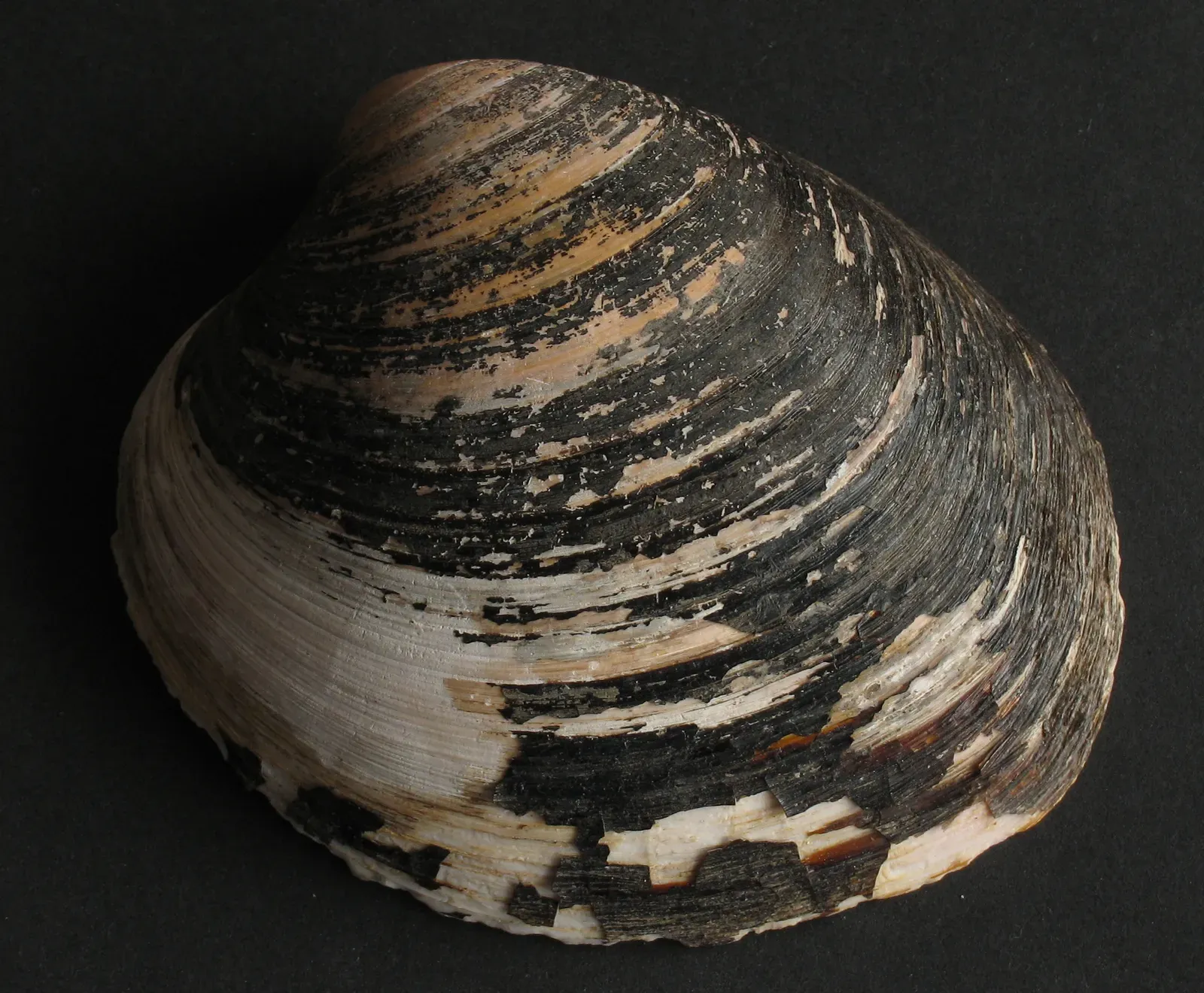
Don’t let the humble appearance of a clam fool you. One ocean quahog specimen was reported to have lived 507 years, making it the longest-lived non-clonal animal whose age was accurately known. Researchers even gave this particular clam a name – Ming – in reference to the Chinese dynasty that ruled when it was born.
These clams thrive in cold, nutrient-rich waters of the North Atlantic, commonly found at depths between 80 and 500 feet, where they burrow into sandy or muddy sediments on the seafloor. Their shells grow annual rings, much like trees, which scientists count to determine age. It’s painstaking work but reveals astonishing results.
Ocean quahogs exhibit negligible senescence, meaning they don’t show signs of aging as they get older, maintaining bodily and reproductive fitness while their minimal metabolic costs allow them to just tick over in cool northern waters. They essentially hit pause on aging.
These unassuming mollusks serve as natural archives of ocean history. As they grow, they record environmental changes in their shells – temperature fluctuations, pollution levels, even volcanic eruptions. Honestly, if these clams could talk, imagine the stories they’d tell about five centuries of ocean life.
Bowhead Whale: The Arctic’s Gentle Giant
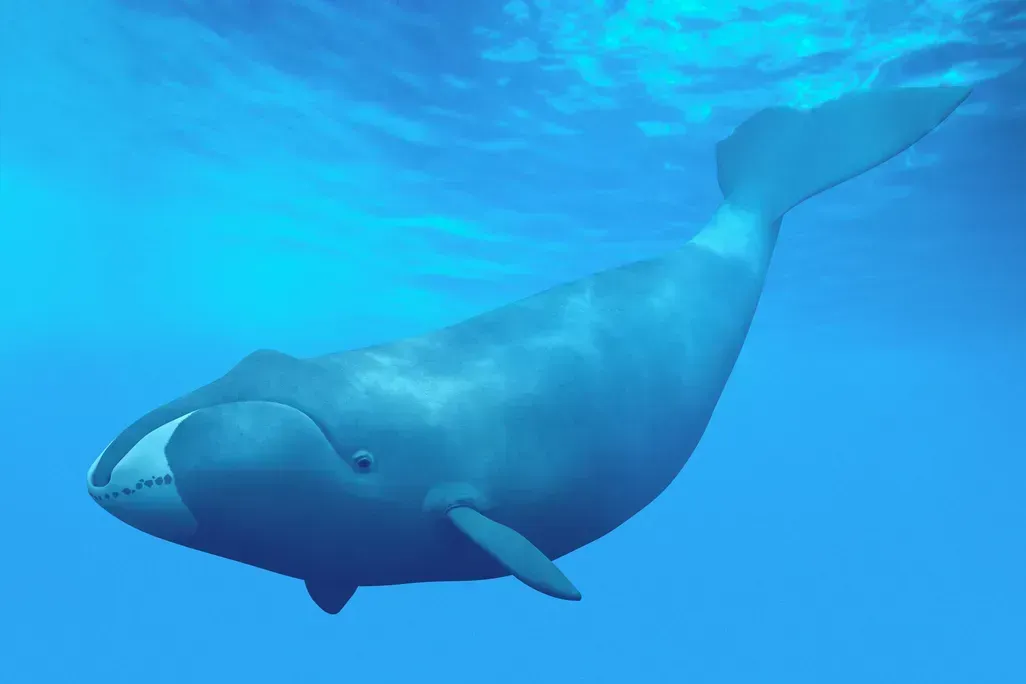
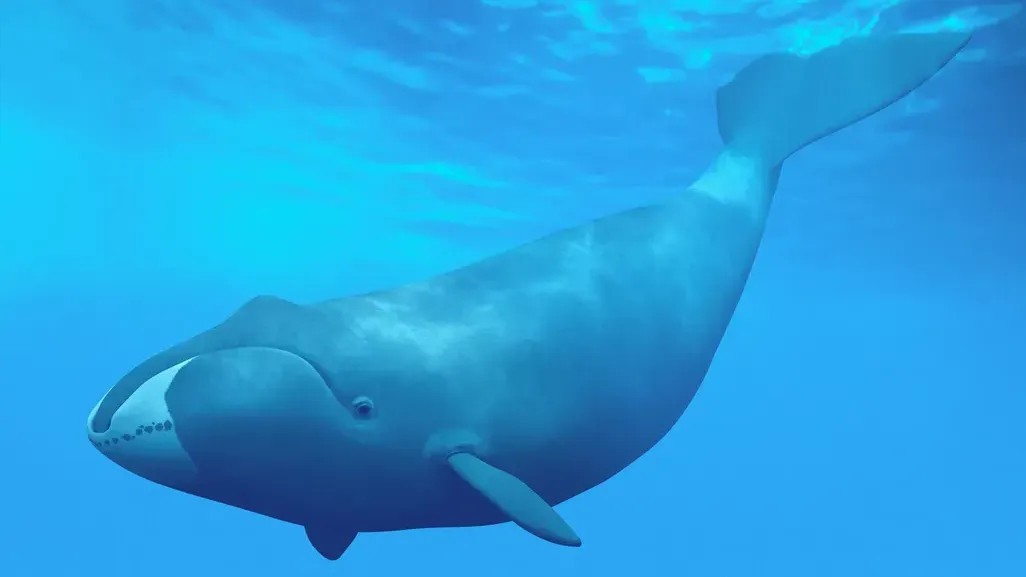
Bowhead whales are considered the longest-living mammals, with exceeding 200 years. These magnificent creatures spend their entire lives in Arctic and subarctic waters, never venturing to warmer climates. One specimen was estimated to be 211 years old, making it older than most nations.
Here’s where it gets really interesting. In 2007, hunters discovered an old bomb lance from the 1880s lodged in a bowhead’s blubber, indicating the whale had survived a Victorian-era whaling attack and lived another 130 years. That’s not just survival – that’s carrying history embedded in your body.
These whales can measure up to 62 feet long and weigh up to 200,000 pounds, with their huge mass and stocky body helping to conserve heat, plus an insulating layer of blubber that can be up to 20 inches thick. They’re basically swimming fortresses designed for Arctic life.
Scientists believe their remarkable longevity comes from special genetic adaptations. Two specific gene mutations linked to the bowhead whale’s ability to live longer are the ERCC1 gene and the PCNA gene, both related to DNA repair and increased cancer resistance, enabling bowhead whales to better repair DNA damage. Their bodies simply handle aging better than ours.
Rougheye Rockfish: The Deep Sea Survivor
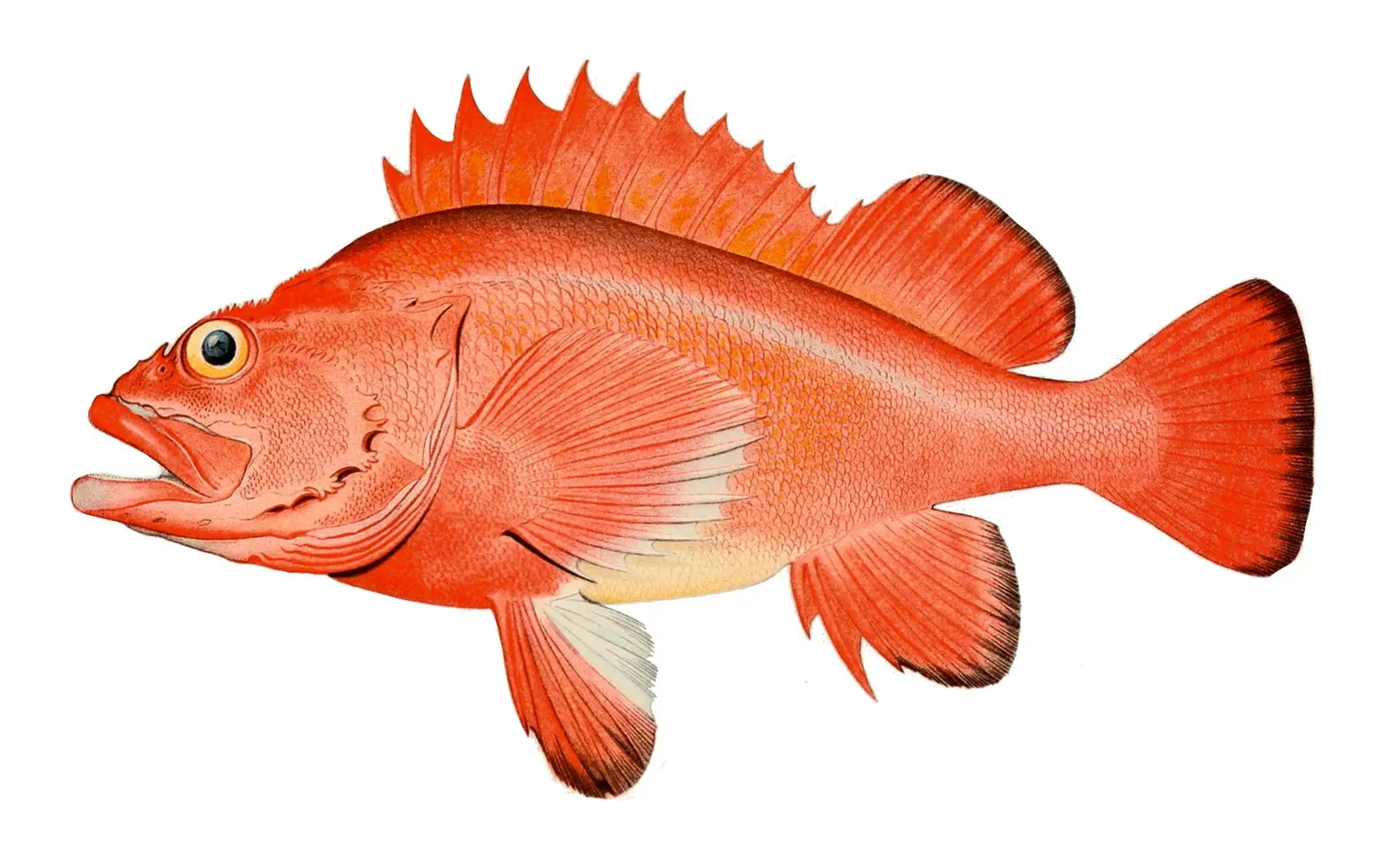
Rougheye rockfish are among the longest-living fish with a maximum lifespan of at least 205 years, according to marine biologists. These remarkable fish inhabit the deep coastal waters stretching from California all the way to Japan. Unlike surface-dwelling species, they prefer the darkness and pressure of depths between 500 and 1,500 feet.
They are found near the seafloor around caves and crevices, growing slowly, maturing late, and living long lives – characteristics that unfortunately make them highly vulnerable to overfishing, with recovery from fishing pressure being another thing rockfish do slowly. We’ve learned this the hard way.
Their name comes from the rough spines around their eyes, giving them a distinctive appearance among rockfish species. These creatures can grow over three feet long and weigh around 14 pounds at maturity. Living in such cold, deep waters where food is scarce seems to be part of their longevity formula – everything happens in slow motion down there.
The tragedy is that their incredible lifespan becomes their weakness. When we harvest them faster than they can reproduce, entire populations struggle to recover. It’s a stark reminder that longevity doesn’t equal invincibility.
Red Sea Urchin: The Spiny Elder
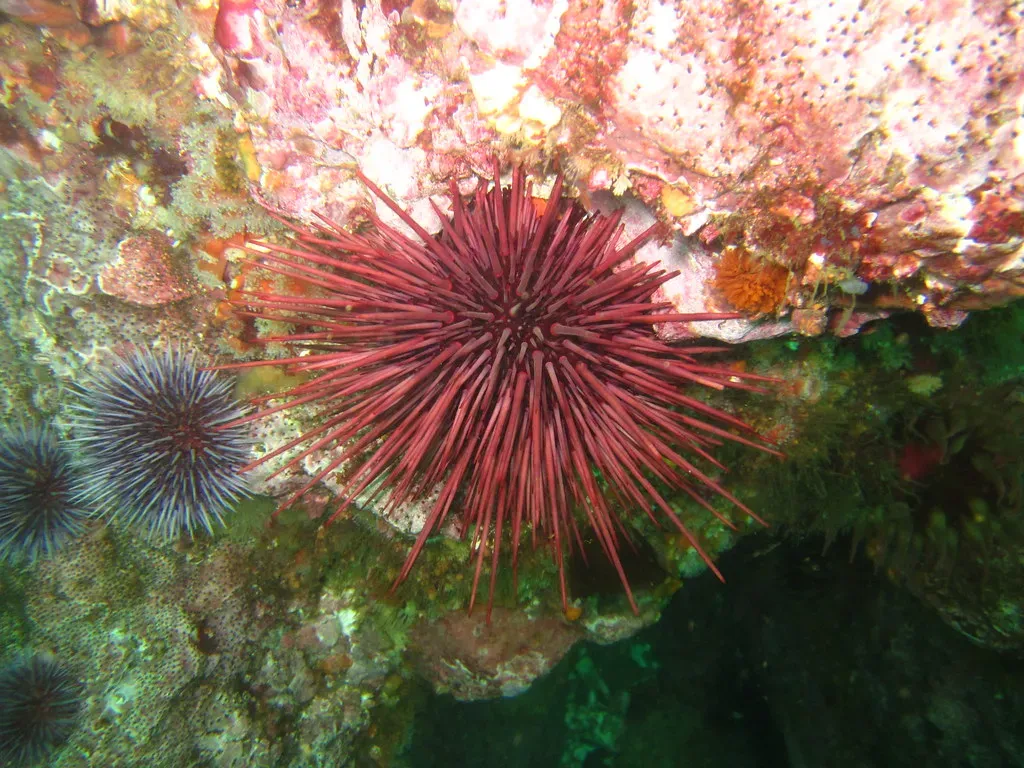
These prickly creatures hiding along the Pacific coast are more ancient than they appear. Specimens of the red sea urchin have been found to be over 200 years old. Southern California red sea urchins can live to be about 50 years old, whereas those in British Columbia can reach more than 100 years, with some Canadian urchins over 7.5 inches in diameter probably about 200 years old.
Living in the chilly waters from Alaska to Baja California, these echinoderms spend their days grazing on kelp forests. They’re vital to the marine ecosystem, though they can devastate kelp beds if their populations get out of control. Sea otters naturally keep their numbers in check, creating a delicate balance that’s existed for millennia.
Let’s be real – sea urchins don’t look like they’d be longevity champions. They’re essentially spiky balls that slowly inch across the ocean floor. Yet there they are, quietly outliving most mammals while munching on algae in the cold Pacific waters.
What’s fascinating is that, like the ocean quahog, they show minimal signs of aging even as centuries pass. Their reproductive systems keep functioning, and they maintain their physical abilities. It’s almost as if time moves differently for them beneath the waves.
Glass Sponge: The Timeless Filter
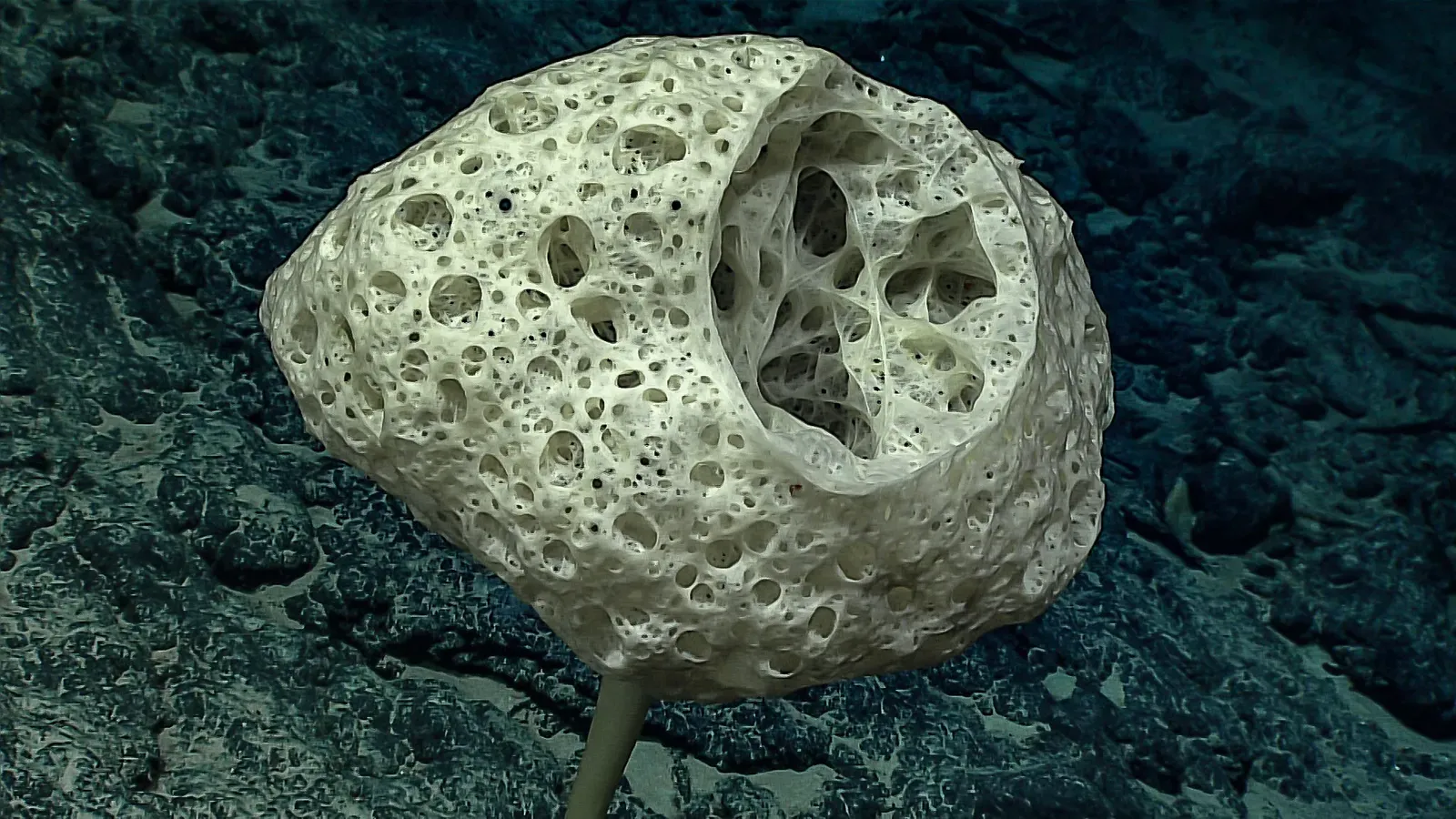
Glass sponges are often considered the longest-living animals on Earth, found in deep, cold waters, and can live for over 10,000 years, with some estimates reaching 15,000 years. Yes, you read that right. These aren’t just old – they’re ancient beyond comprehension.
These animals are commonly found in the deep ocean, firmly attached to the sea floor for their entire adult lives, surviving by pumping water through their porous bodies to extract very small food particles and dissolved substances. They’re living water filtration systems that have been operating since before recorded human history.
Glass sponge reefs were thought to have become extinct about 40 million years ago, but in 1987, scientists discovered 9,000-year-old living glass sponge reefs in Canada – the only current reefs of their kind that we know of. Finding them was like discovering a lost world.
Their extreme age raises philosophical questions about what it means to be alive. Their slow growth and low metabolic rates in frigid environments contribute to their longevity, and these ancient creatures often mistaken for plants or rocks raise questions about how we define “living” versus merely existing. I think that’s what makes them so captivating.
Black Coral: The Ancient Architect
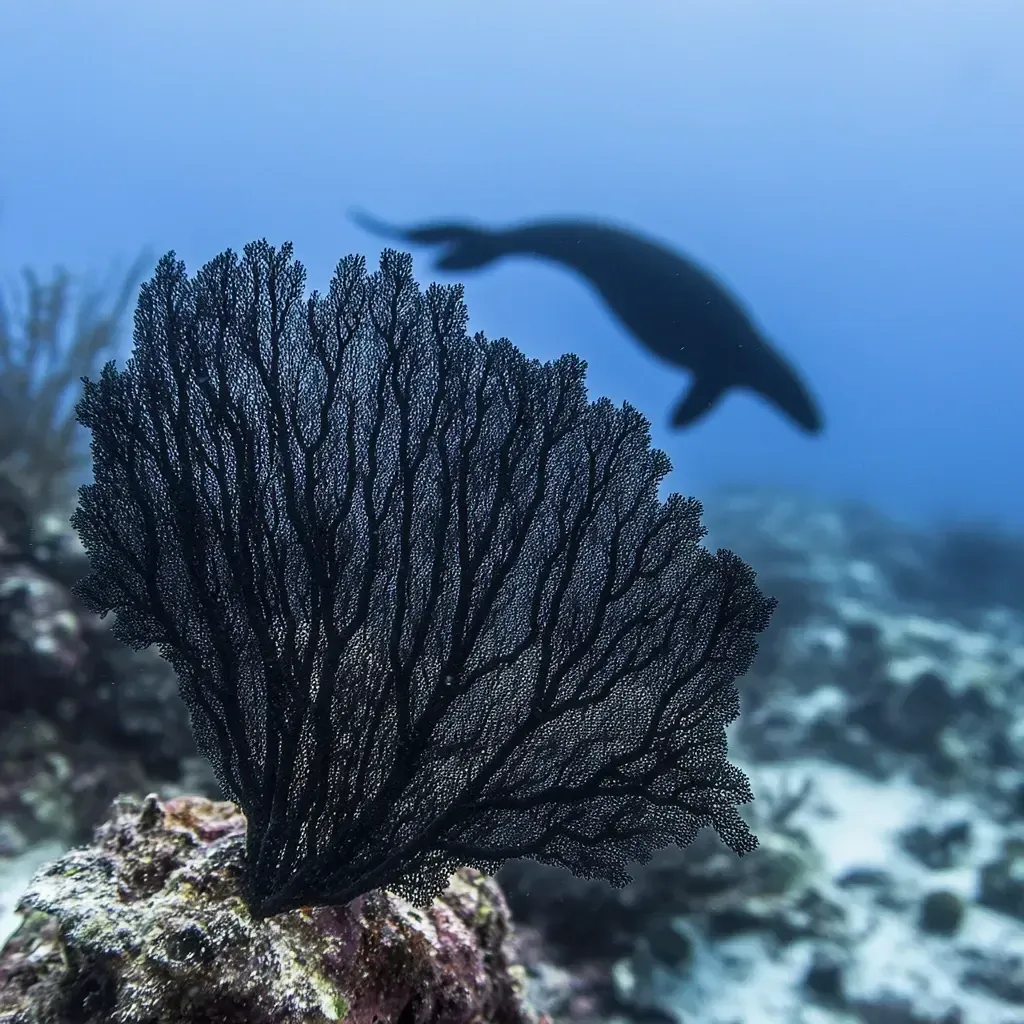
A black coral was estimated to be about 4,270 years old, which means it was alive during the Old Kingdom of Ancient Egypt. Let that sink in. While pharaohs were building pyramids, this coral was already growing on the ocean floor. Black coral Leiopathes annosa identified in 2015 in Hawaiian waters can live for over 4,000 years, with samples given an estimated age of 4,265 years.
These corals form beautiful, tree-like structures in the deep ocean, though you’d never know it from the surface. These slow-growing corals are found at depths between 1,000 and 1,600 feet within marine monuments and throughout the Hawaiian Islands. They grow just millimeters per year in the cold darkness.
Despite their incredible lifespan, black corals face severe threats. Black coral and all coral species face severe threats including pollution, overfishing, destructive fishing practices, and coral mining, with the world losing 14 percent of its coral cover in just nine years, while rising ocean temperatures cause coral bleaching. We’re destroying in decades what took millennia to build.
Their bright colors and rock-like formations make them targets for jewelry and decoration. It’s heartbreaking to think that a 4,000-year-old organism can be wiped out in moments for a trinket. These living time capsules deserve better from us.
Antarctic Sponge: The Frozen Elder
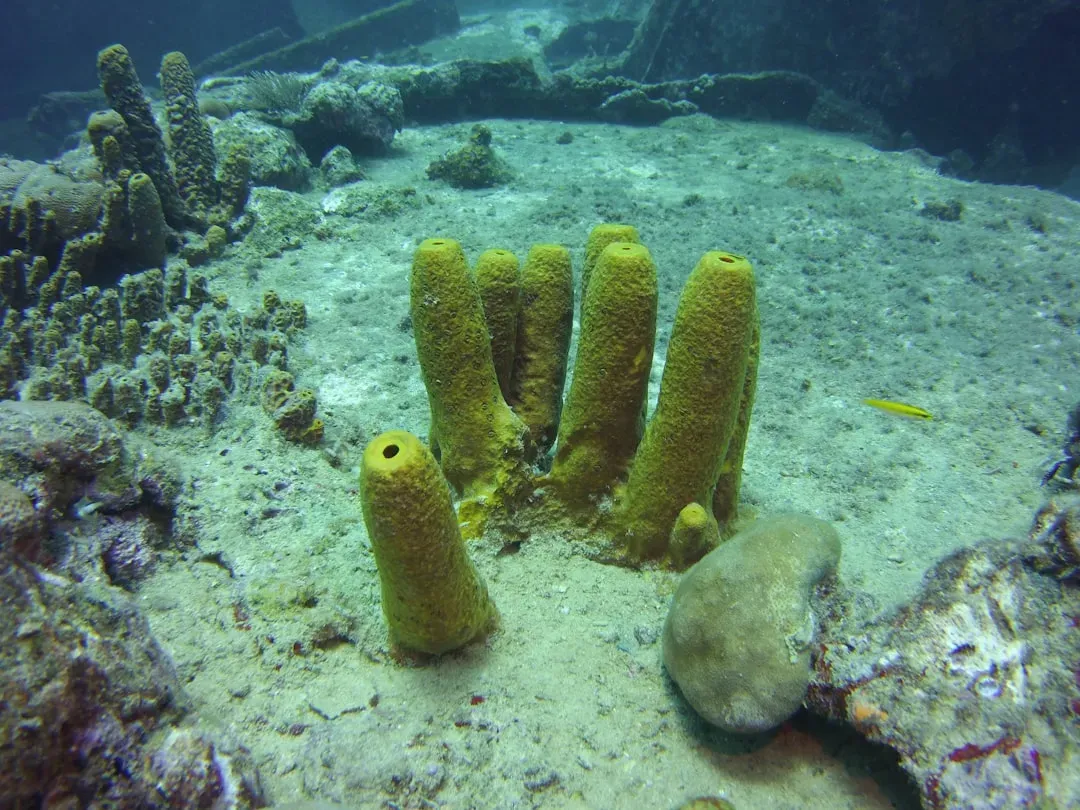
The Antarctic sponge Cinachyra antarctica has an extremely slow growth rate in the low temperatures of the Southern Ocean, with one specimen estimated to be 1,550 years old. Frozen waters apparently work wonders for longevity.
These immobile creatures live in the freezing waters of the Antarctic Ocean, and their immobility and slow growth rate mean they can live for centuries, with studies estimating some of the oldest-known sponges to be over 1,550 years old. They essentially entered a slow-motion existence that allows them to persist for ages.
The Antarctic environment is brutally harsh – frigid temperatures, crushing depths, limited nutrients. Yet these sponges have turned those challenges into advantages. Their metabolism operates at such a glacial pace that aging itself seems almost suspended. Every biological process happens frame by frame rather than in real time.
There’s something almost meditative about their existence. Attached to the same spot for over a millennium, filtering water particle by particle, never moving, never rushing. In our frenetic world, maybe there’s a lesson here about the virtue of slowness.
Giant Barrel Sponge: The Caribbean’s Living Monument
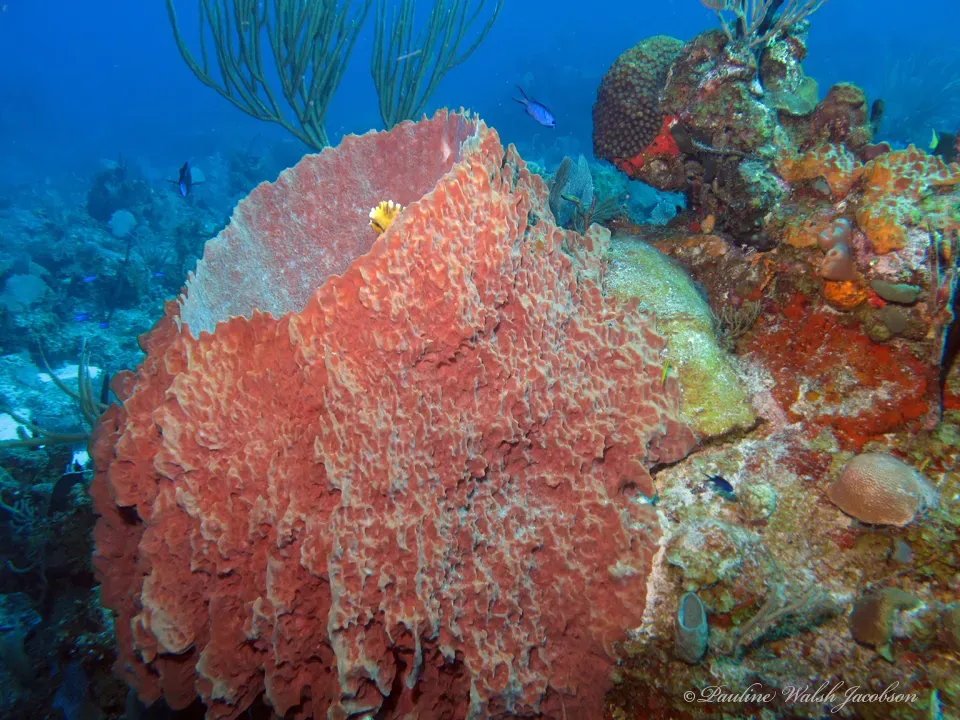
The giant barrel sponge Xestospongia muta is one of the longest-lived animals, with the largest specimens in the Caribbean estimated to be more than 2,300 years old. These massive structures can grow large enough for a diver to fit inside, like underwater barrels – hence the name.
Found throughout Caribbean waters, these sponges create distinctive underwater landscapes. They filter enormous volumes of seawater, playing crucial roles in nutrient cycling and providing habitat for countless other species. They’re basically apartment buildings for smaller marine life.
What strikes me most about these sponges is their silent endurance. Another stationary creature, the giant barrel sponge is one of the longest living animals on the planet, with scientists estimating that the largest specimens in the Caribbean are over 2,300 years old. They’ve witnessed the rise and fall of civilizations without ever moving an inch.
Their slow growth means damage can take centuries to repair. A careless boat anchor or diver can destroy decades or even centuries of growth in seconds. These ancient organisms are far more fragile than their size suggests.
Immortal Jellyfish: The Ultimate Survivor
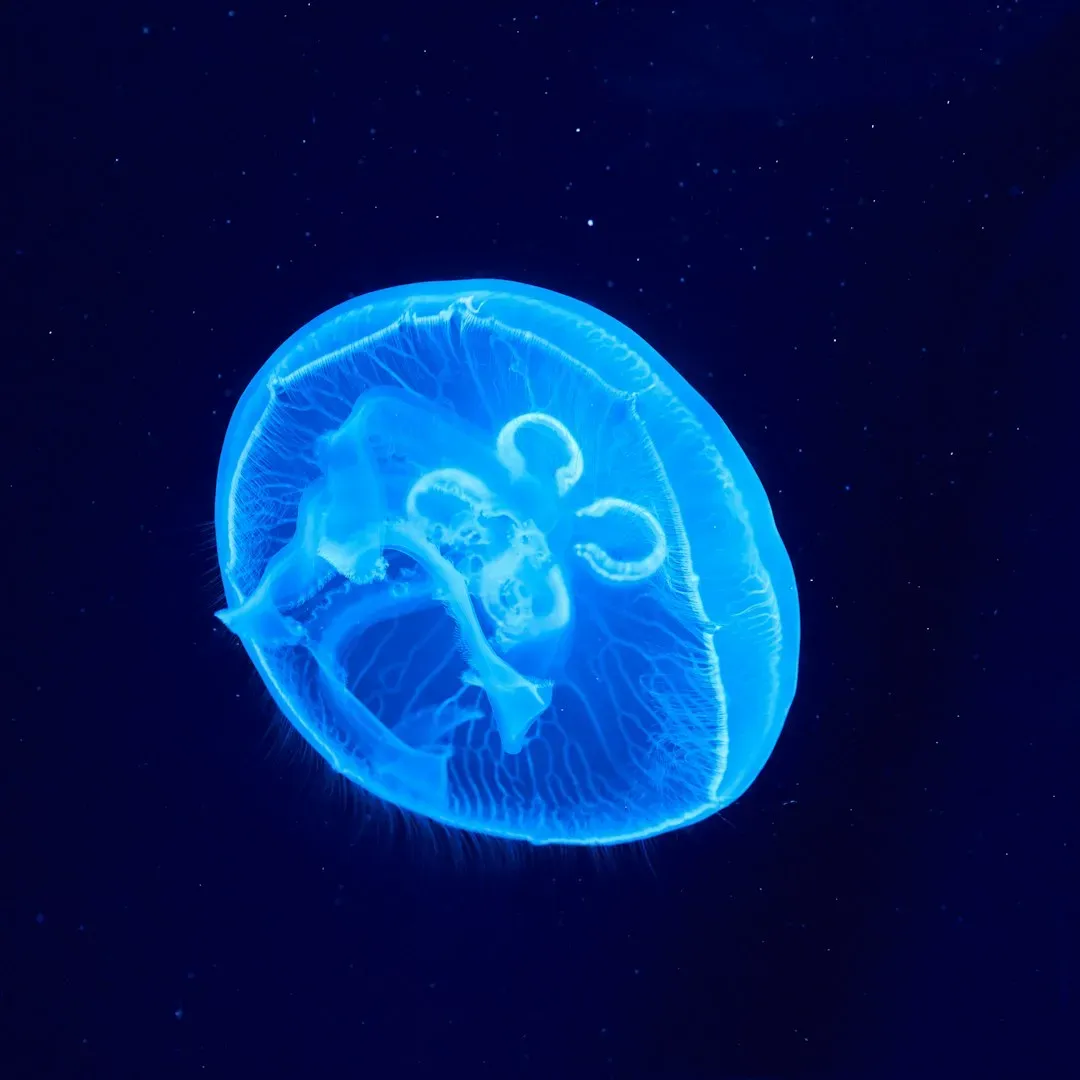
Now this one truly defies belief. Turritopsis dohrnii, known as the immortal jellyfish, is biologically immortal and is one of the few known cases of animals capable of completely reverting to a sexually immature, colonial stage after having reached sexual maturity. It basically hits the reset button on life itself.
This ability to reverse the biotic cycle in response to adverse conditions is unique in the animal kingdom, allowing the jellyfish to bypass death, rendering Turritopsis dohrnii potentially biologically immortal. When injured, starved, or stressed, it transforms back into its polyp stage and starts over. It’s like Benjamin Button, but real.
The hydrozoan Turritopsis dohrnii is an animal about 4.5 millimeters wide and tall, likely making it smaller than the nail on your little finger. Such immense power in such a tiny package seems almost unfair. During a two-year period, one colony of these jellyfish in captivity rebirthed itself 11 times.
Here’s the catch, though. Most individual medusae are likely to fall victim to the general hazards of life as mesoplankton, including being eaten by predators or succumbing to disease. Biological immortality doesn’t mean invincibility. They can still be eaten, crushed, or killed by environmental changes. Their superpower only works if they survive long enough to use it.
Conclusion: Lessons From The Deep
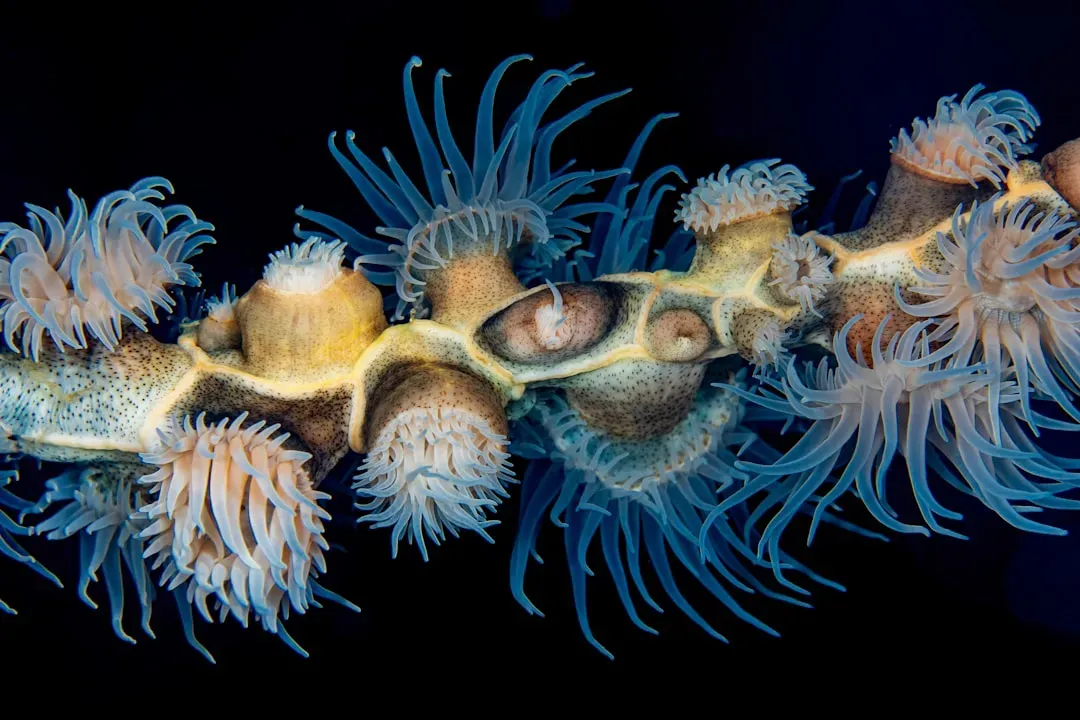
These ten remarkable creatures remind us that the ocean holds mysteries we’re only beginning to understand. From sharks that remember centuries to jellyfish that refuse to die, from clams recording history to sponges that predate human civilization – they all share something profound. They’ve found ways to slow down, persist, and endure in ways we can barely comprehend.
What secrets do their cells hold? Could studying their DNA repair mechanisms help us understand aging better? Perhaps. Scientists are already examining their genes, looking for clues that might one day benefit human medicine. These animals aren’t just fascinating – they’re potential teachers.
Yet here’s what troubles me. Many of these ancient beings face threats they’ve never encountered in their long lives. Climate change, pollution, overfishing, habitat destruction – human activities are endangering creatures that survived for millennia. We’re compressing thousands of years of existence into a few devastating decades.
Maybe the real lesson isn’t about living longer. Maybe it’s about respecting the time these creatures have already lived. They’ve earned their place in the ocean through sheer endurance. The least we can do is ensure they have the chance to continue their extraordinary journeys through time.
What do you think about these incredible marine elders? Does it change how you view the ocean knowing such ancient beings dwell beneath the waves?
