


In recent years, the allure of exotic pets has grown significantly. From colorful reptiles and unusual mammals to rare birds and aquatic species, more people are exploring beyond traditional companion animals. However, this trend raises important ethical questions that prospective owners must consider. The ethics of exotic pet ownership extends beyond personal desire, touching on animal welfare, environmental impact, public safety, and legal responsibilities. This comprehensive guide explores these complex ethical dimensions, helping you understand what’s truly involved in keeping exotic animals as pets and the responsibilities that come with such a decision.
Defining Exotic Pets: Beyond Dogs and Cats

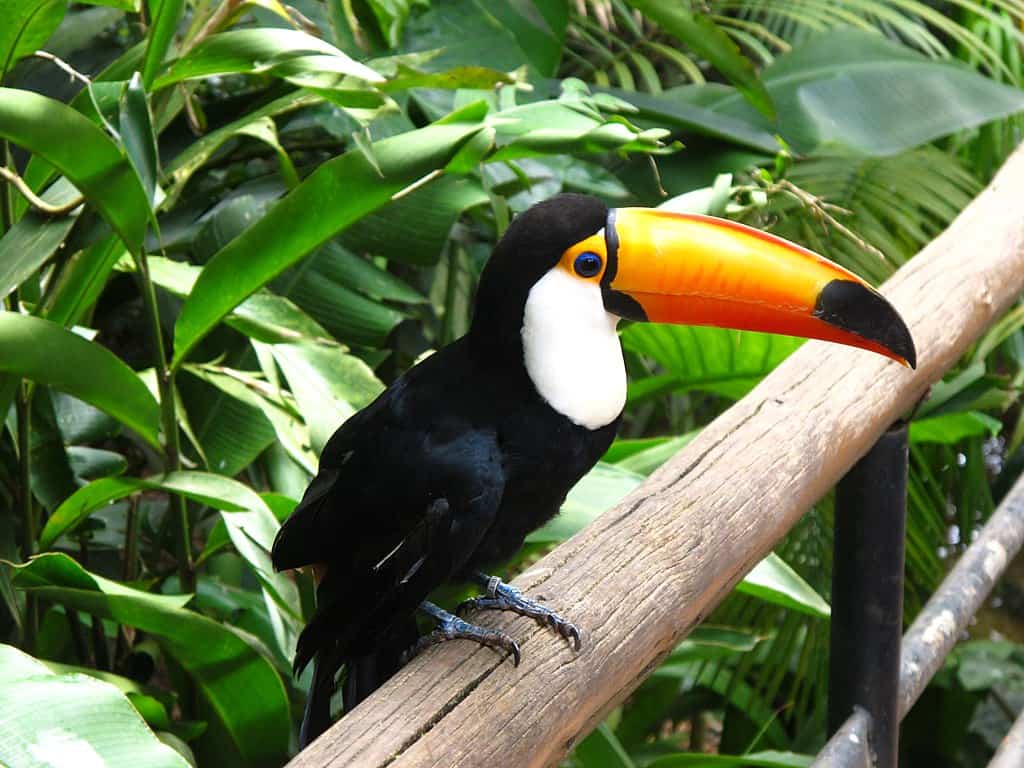
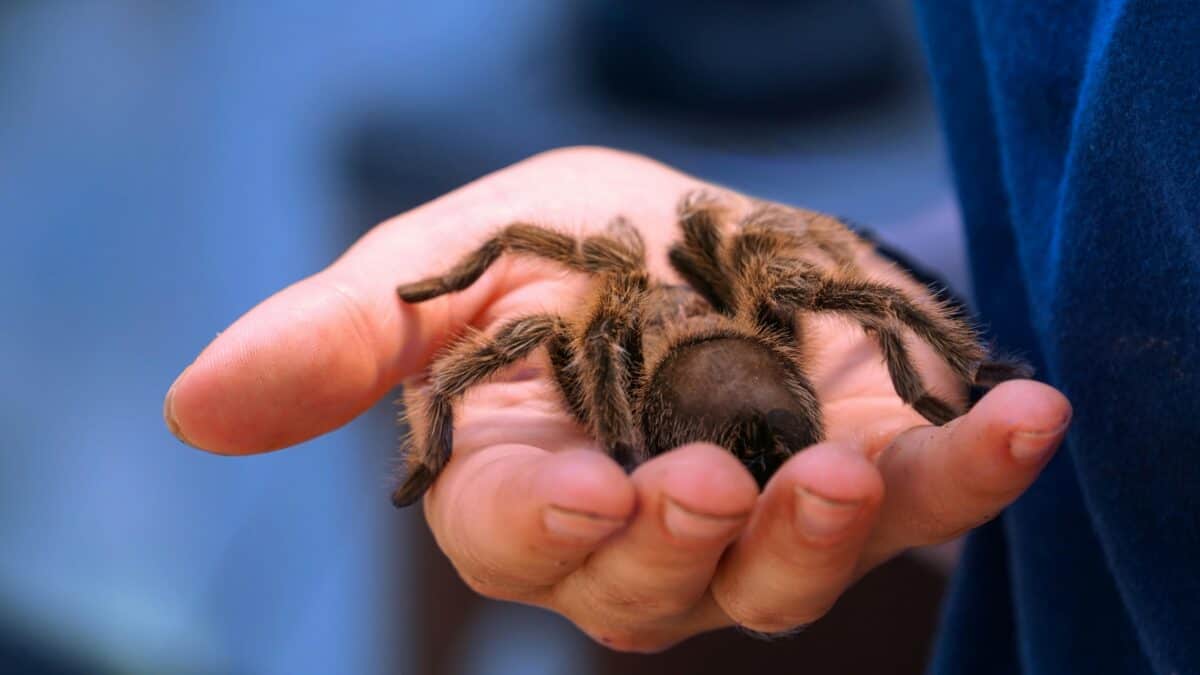
Exotic pets typically refer to wild, non-native animals kept for companionship or display. Unlike domesticated animals that have evolved alongside humans for thousands of years, exotic pets retain many of their wild instincts and natural behaviors. This category includes a vast array of species: reptiles like pythons and monitor lizards; mammals such as kinkajous, sugar gliders, and fennec foxes; birds ranging from toucans to macaws; amphibians like poison dart frogs; and various invertebrates including tarantulas and scorpions.
The distinction between exotic and domestic pets is important from an ethical standpoint. Domesticated animals have undergone genetic changes over generations that make them more suitable for human companionship. Exotic animals, even when bred in captivity for generations, retain wild traits that often make meeting their physical, psychological, and behavioral needs exceptionally challenging in a home environment. This fundamental difference forms the basis of many ethical concerns surrounding exotic pet ownership.
The Welfare Challenge: Meeting Complex Needs

One of the most significant ethical considerations in exotic pet keeping is whether owners can genuinely meet the complex needs of these animals. Unlike domestic pets with well-understood care requirements, exotic animals often have highly specialized diets, environmental conditions, social structures, and behavioral needs. For example, many primates require complex social interactions with their own kind, while large reptiles need precise temperature gradients and specialized ultraviolet lighting. Even the most dedicated owner may struggle to replicate the conditions these animals would experience in their natural habitats.
Research shows that inadequate care of exotic pets is distressingly common. A 2019 study published in the Journal of Veterinary Behavior found that over 75% of privately owned reptiles suffered from at least one husbandry-related health problem. Similarly, exotic mammals like sugar gliders often develop stereotypic behaviors (repetitive, purposeless movements) when their need for companionship and nocturnal activity is not accommodated. These welfare concerns raise serious questions about whether keeping many exotic species as pets can ever be truly ethical, regardless of an owner’s intentions or resources.
Environmental Impact: The Hidden Cost

The exotic pet trade has profound implications for wild populations and ecosystems worldwide. Despite legal protections, the illegal wildlife trade remains a multibillion-dollar industry, ranking alongside drugs and weapons trafficking in global illicit commerce. For many species, wild capture continues to feed demand, with devastating consequences for population numbers. Even when animals are captive-bred, the initial breeding stock often originated from wild-caught specimens. The International Union for Conservation of Nature (IUCN) has identified the pet trade as a significant threat factor for numerous endangered species, including certain parrots, reptiles, and primates.
Beyond direct impacts on wild populations, exotic pets can become invasive species when released or escaped. Florida’s Everglades provide a sobering case study, where released Burmese pythons have established breeding populations that have decimated native wildlife. Similarly, released red-eared slider turtles have become problematic invasive species on multiple continents. The ecological damage caused by invasive former pets creates an ethical responsibility for owners to consider not just the direct welfare of their animal, but the potential environmental consequences of their choice to keep exotic species.
Public Health and Safety Concerns

Exotic pets can pose significant risks to public health and safety that extend beyond the owner’s household. Zoonotic diseases—those that can be transmitted from animals to humans—represent a serious concern with exotic species. The COVID-19 pandemic has highlighted the potential dangers of wildlife trade and close contact with exotic animals. Other documented zoonotic diseases associated with exotic pets include salmonellosis from reptiles, herpes B from macaque monkeys, and psittacosis from birds. The Centers for Disease Control and Prevention (CDC) estimates that zoonotic diseases affect tens of thousands of Americans annually, with exotic pets representing a meaningful portion of this risk.
Physical safety risks also cannot be overlooked. Even smaller exotic animals can inflict serious injuries through bites, scratches, or venom. Larger species like big cats, primates, or large reptiles have caused fatalities. Between 1990 and 2014, captive big cats killed 24 people in the United States and injured hundreds more. Primates, despite their apparent similarity to humans, can be unpredictable and dangerous, with chimpanzees and macaques responsible for severe maulings. These risks create ethical questions about whether it’s responsible to keep potentially dangerous animals in residential settings, particularly when emergency responders may be ill-equipped to handle exotic animal emergencies.
Legal Landscape: Navigating Complex Regulations
The legal framework governing exotic pet ownership varies dramatically across jurisdictions, creating a complex patchwork of regulations. In the United States, regulations exist at federal, state, and local levels, with significant inconsistencies between regions. Some states like Nevada and Wisconsin have relatively permissive laws regarding exotic ownership, while others like California and Hawaii maintain strict prohibitions on most exotic species. At the federal level, laws like the Endangered Species Act, the Lacey Act, and the Animal Welfare Act provide some oversight, particularly for endangered species and interstate commerce.
Internationally, the Convention on International Trade in Endangered Species of Wild Fauna and Flora (CITES) regulates cross-border movement of thousands of species, though enforcement varies by country. These legal complexities create ethical obligations for prospective owners to thoroughly research and comply with all applicable regulations. Moreover, the frequent legislative changes in this area mean owners must stay informed about evolving requirements and be prepared for the possibility that animals legally acquired today might become prohibited in the future, creating difficult decisions about the animal’s fate.
The Psychological Bond: Different From Domestic Pets

The nature of the human-animal bond differs significantly between domestic and exotic pets. While cats and dogs have co-evolved with humans for millennia, developing communication systems and social behaviors that facilitate deep mutual understanding, exotic animals have not undergone this evolutionary process. This fundamental difference affects the quality of relationship possible between humans and exotic pets. Many exotic species don’t form the same attachment bonds with humans that domestic animals do, as their social systems evolved to recognize only conspecifics (members of their own species) as social partners.
This reality creates an ethical tension—while owners may feel strongly attached to their exotic pets, the animals themselves may experience the relationship very differently. For example, a study in the journal Applied Animal Behaviour Science found that many reptile species show no behavioral indicators of recognizing or preferring their owners over strangers. Similarly, exotic mammals like foxes may tolerate human interaction but typically don’t seek it out the way domesticated dogs do. These differences raise questions about whether keeping solitary animals or those that can’t form meaningful bonds with humans serves the psychological needs of either party in the relationship.
Financial and Lifetime Commitment Realities
The financial reality of exotic pet ownership extends far beyond the initial purchase price. Specialized housing, equipment, diet, and veterinary care create substantial ongoing costs that many prospective owners underestimate. For example, a proper habitat for a medium-sized monitor lizard can cost thousands of dollars to set up and hundreds monthly to maintain. Primates may require specialized diets costing $100-$200 weekly, along with enrichment items that need frequent replacement. Veterinary care for exotic species typically costs significantly more than for domestic pets, as specialized expertise is required and treatments may be more complex.
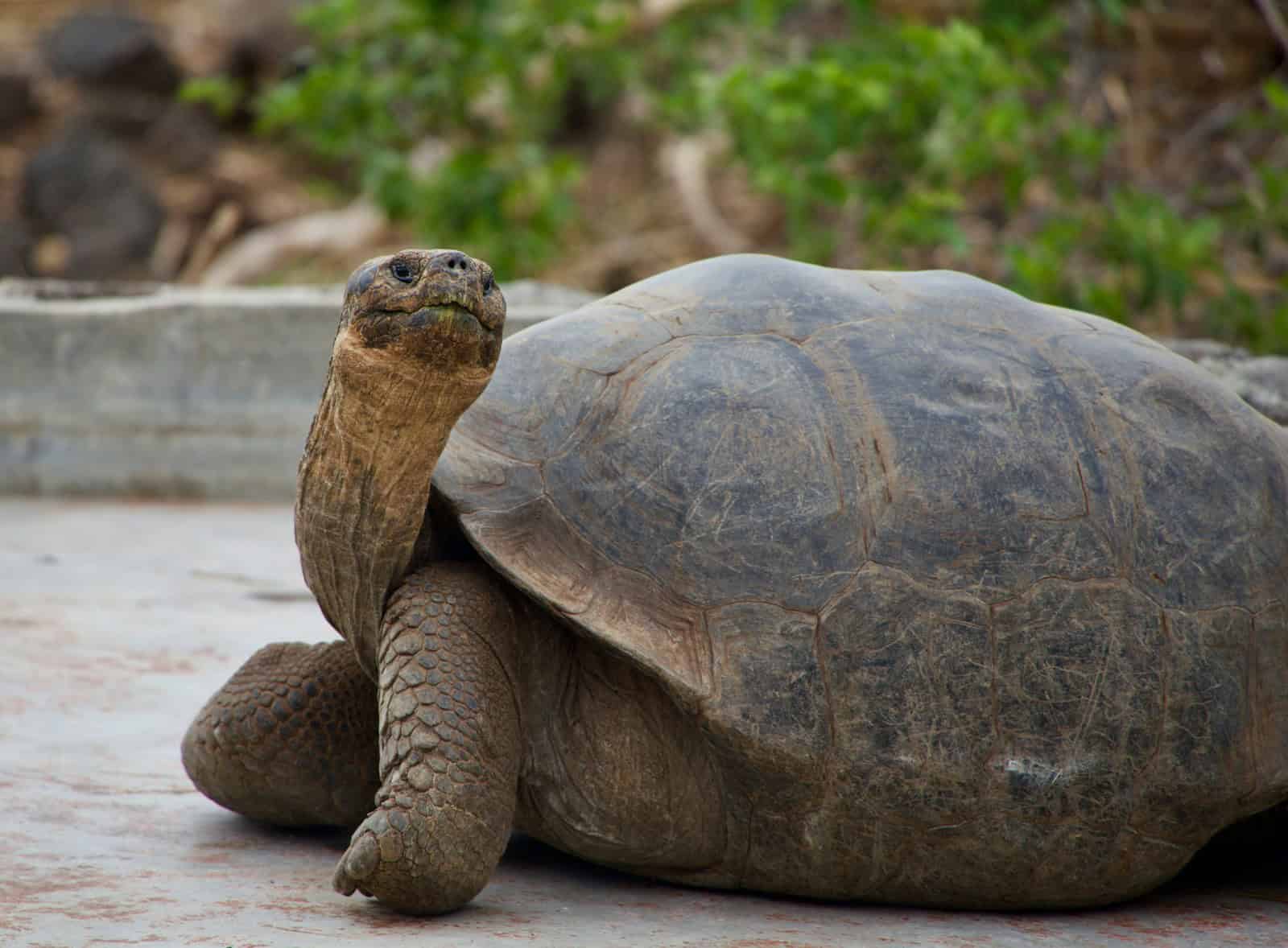
The lifetime commitment aspect presents another ethical dimension. Many exotic species have lifespans that exceed typical domestic pets—certain parrots live 60-80 years, tortoises can exceed 100 years, and even smaller species like sugar gliders commonly live 10-15 years. This creates an obligation to provide decades of specialized care and to have concrete plans for the animal’s welfare if the owner becomes unable to continue care. Unfortunately, rescue organizations report that many exotic pets are surrendered when owners realize the extent of the lifetime commitment required, creating welfare crises for animals that may be difficult to rehome due to their specialized needs.
Ethical Acquisition: Sources Matter

How an exotic animal enters the pet trade represents a crucial ethical consideration. Even when keeping a particular species is legal, the source of the animal raises important questions. Wild-caught specimens continue to enter the pet trade, often harvested using methods that cause significant suffering and mortality. For example, for every bird captured for the pet trade that reaches a final owner, an estimated 2-3 birds die during capture, transport, or quarantine. Similar mortality rates exist for wild-caught reptiles and amphibians. The environmental impact extends beyond the captured animals, as collection methods often damage habitats and disrupt wild populations.
Captive breeding represents a more ethical alternative, though important distinctions exist within this category. Large-scale commercial breeding facilities sometimes prioritize quantity over quality, resulting in genetic problems from inbreeding or poor welfare conditions. Responsible breeders, conversely, prioritize health, genetic diversity, and species-appropriate socialization. For prospective owners committed to keeping exotic pets, thoroughly researching the source becomes an ethical imperative. Documentation of legal acquisition, health records, and transparency about breeding practices provide important indicators of ethical sourcing. For certain species, adoption from reputable rescue organizations offers another ethical pathway to exotic pet ownership.
Alternatives to Ownership: Supporting Conservation
For those drawn to exotic animals but concerned about the ethical implications of ownership, multiple alternatives exist that can provide meaningful connections with wildlife while supporting conservation efforts. Volunteer opportunities at wildlife sanctuaries, zoos with strong conservation programs, and rehabilitation centers allow direct interaction with exotic species in appropriate settings. These experiences provide the opportunity to learn about animals’ natural behaviors and contribute to their welfare without the ethical complications of private ownership.
Financial support for conservation organizations working to protect exotic species in their natural habitats represents another powerful alternative. Many organizations offer “adoption” programs where supporters receive updates about specific animals or populations. For those specifically interested in a particular species, becoming involved in citizen science projects or conservation education creates meaningful connection without removing animals from their natural environments. These alternatives allow wildlife enthusiasts to channel their passion in ways that unambiguously benefit the species they admire, while still experiencing the wonder and connection that draws many to exotic pet ownership.
Responsible Ownership: If You Already Have Exotic Pets

For those who already keep exotic pets, ethical responsibility includes providing the highest possible standard of care throughout the animal’s life. This begins with continuous education—staying current with evolving understanding of species-specific needs and best practices for care. Joining specialty groups focused on particular exotic species can provide valuable support and information sharing. Establishing relationships with veterinarians specializing in exotic animal medicine before health emergencies arise ensures prompt, appropriate care when needed. Regular veterinary check-ups, even for species like reptiles that may not show obvious symptoms when ill, represent an important aspect of responsible ownership.
Responsible ownership also includes planning for the animal’s entire lifespan. This means creating contingency plans for the animal’s care if the owner becomes unable to provide it, whether through financial hardship, health issues, or other life changes. These plans might include designated caregivers familiar with the species’ needs, relationships with reputable sanctuaries that accept the species, or financial provisions for the animal’s ongoing care. Additionally, responsible owners must ensure their animals cannot escape or be released, both for the animal’s safety and to prevent ecological damage. Secure enclosures, proper identification (where applicable), and awareness of the serious consequences of release are essential aspects of ethical exotic pet ownership.
Species-Specific Ethical Considerations

The ethics of exotic pet ownership vary significantly depending on the species involved. Some exotic animals adapt relatively well to captivity when their specific needs are met. For instance, certain reptiles like leopard geckos and bearded dragons have been bred in captivity for many generations and, when provided appropriate habitats, nutrition, and veterinary care, can thrive in responsible homes. Similarly, some bird species like cockatiels and budgerigars, though still requiring specialized care, have biological needs that can reasonably be met in a home environment.
Conversely, other species present such complex or extensive needs that ethical keeping becomes nearly impossible in private settings. Primates, for example, require complex social structures, extensive space, and highly specialized care that few private homes can provide. Their cognitive and emotional complexity makes deprivation particularly harmful to their welfare. Large reptiles like Burmese pythons or green iguanas grow to sizes that make appropriate housing extraordinarily difficult. Animals with specialized dietary needs that cannot be reliably met in captivity, such as certain insectivorous or nectarivorous species, present similar ethical challenges. Prospective owners must honestly assess whether a particular species’ needs align with what they can realistically provide throughout the animal’s entire lifespan.
Conclusion: Navigating Ethical Complexity

The ethics of exotic pet ownership represent a complex intersection of animal welfare, environmental responsibility, public safety, and personal choice. While keeping certain exotic species can be done responsibly with sufficient knowledge, resources, and commitment, for many species, the ethical challenges may be insurmountable in private settings. Prospective owners must engage in honest self-reflection about their motivations and capabilities before taking on the significant responsibility of an exotic pet. Existing owners have ongoing ethical obligations to provide the highest standard of care possible and to continuously educate themselves about evolving best practices.
Ultimately, the most ethical approach to our fascination with exotic animals may lie in finding ways to appreciate and support them that don’t require keeping them in our homes. By volunteering with legitimate sanctuaries, supporting conservation efforts, or enjoying wildlife through educational programs and ethical ecotourism, we can develop meaningful connections with these remarkable animals while respecting their intrinsic nature and needs. As our understanding of animal cognition, emotion, and welfare continues to evolve, so too should our approach to the complex ethical questions surrounding exotic pet ownership.

From exploring the marine wonders in the Azores and witnessing the vast savannas of Kenya, to delving deep into the rich biodiversity of South Africa and traversing iconic landscapes in Australia and the US like Yellowstone, Chris's experiences are vast.
With a penchant for diving alongside sharks, the ocean holds a special place in his heart.
Through his academic insights, he champions wildlife conservation, striving with 'Animals Around The Globe' to cultivate a profound connection between humans and animals, enhancing our mutual appreciation.
Connect with him at Feedback@animalsaroundtheglobe.com.
- Scientists Uncover How Orcas Coordinate Attacks - July 12, 2026
- Florida Divers Stumble Upon a Prehistoric Shark Jaw - July 12, 2026
- 23 Popular Dog Breeds Wisconsin Vets Secretly Wish You’d Stop Choosing - July 12, 2026