
Rocky Mountain Ranges are among the most iconic natural features in North America, stretching thousands of miles and dominating the western skyline with their rugged peaks and valleys. These ancient giants hold secrets that span billions of years, from their mysterious geological origins to the incredible wildlife that thrives within their borders today.
Yet despite their fame, most people only scratch the surface of what makes the Rockies truly extraordinary. There’s far more to these mountains than meets the eye, from their surprising location to their ongoing transformation. Let me tell you, the more you dig into the story of the Rockies, the more fascinating they become.
The Rockies Are Geologically “Weird” and Shouldn’t Really Exist Where They Do
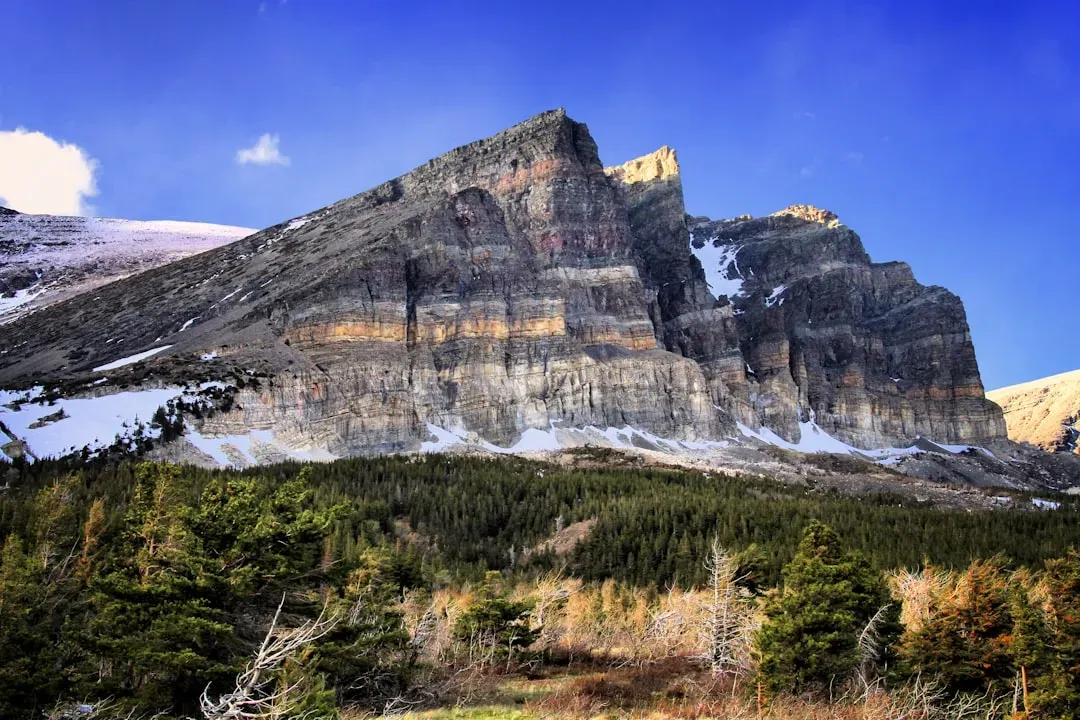
The modern-day Rocky Mountains are considered “weird” by geological standards, as most mountain ranges occur at tectonically active spots where tectonic plates collide, but the Rockies are located in the middle of a large, mostly inactive continental interior away from a plate boundary. Think about it for a second. Mountains typically form at the edges of continents where massive tectonic forces collide, yet here are the Rockies, sitting right in the middle of North America as if they defied the basic rules of geology.
The mountains that this region would be expected to support would only be about half the size of the mountains we see today. Scientists spent years scratching their heads over this puzzle. After years of research, geologists have a better understanding of their formation by studying ancient plate tectonic movement off the coast of California, discovering that at the beginning of the Laramide Orogeny roughly 70 million years ago, a small tectonic plate made of more dense oceanic crust began to slide underneath the North American plate very shallowly.
This shallow subduction angle is what created the unusual inland location and impressive height of the Rockies. The tectonic plate slid under North America at such a low angle that it caused uplift hundreds of miles inland, rather than just at the coast. It’s like nature decided to break its own rules and create something spectacular in the process.
These Mountains Have Risen and Fallen Multiple Times Over Billions of Years
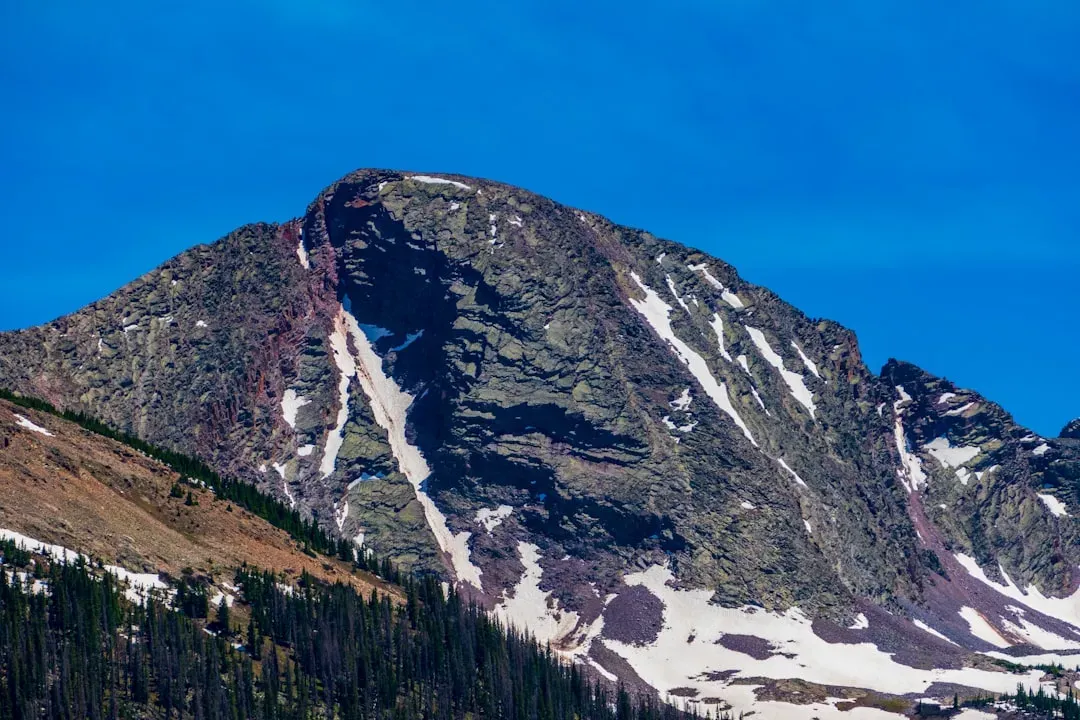
Evidence exists for other incarnations of the Rockies occupying somewhat similar geographic orientations, with the incarnation just prior to the present range termed the Ancestral Rockies, and it appears that other Rocky Mountain-like ranges existed at least two other times in earth’s history. The Rockies you see today aren’t the first mountains to stand in this location. They’re actually the latest version in a long series of mountain ranges that have risen and eroded away over geological time.
At about 285 million years ago, a mountain building process raised the ancient Rocky Mountains, and this ancient mountain range was much smaller than the modern Rockies, only reaching up to 2,000 feet high and stretching from Boulder to Steamboat Springs, Colorado. These Ancestral Rockies completely eroded away over millions of years.
Very ancient pre-Ancestral Rockies are evidenced by recrystallized, tightly folded rocks, which represent orogenies estimated to have occurred during the Late Precambrian eon, with very general ages for two orogenies of these Precambrian Rockies estimated at about 1.5 billion and 2.5 billion years before the present. Imagine mountains rising, wearing down to nothing, then rising again millions of years later. The landscape beneath your feet has been recycled multiple times throughout Earth’s history.
Some Rocks in the Rockies Are Over 3 Billion Years Old
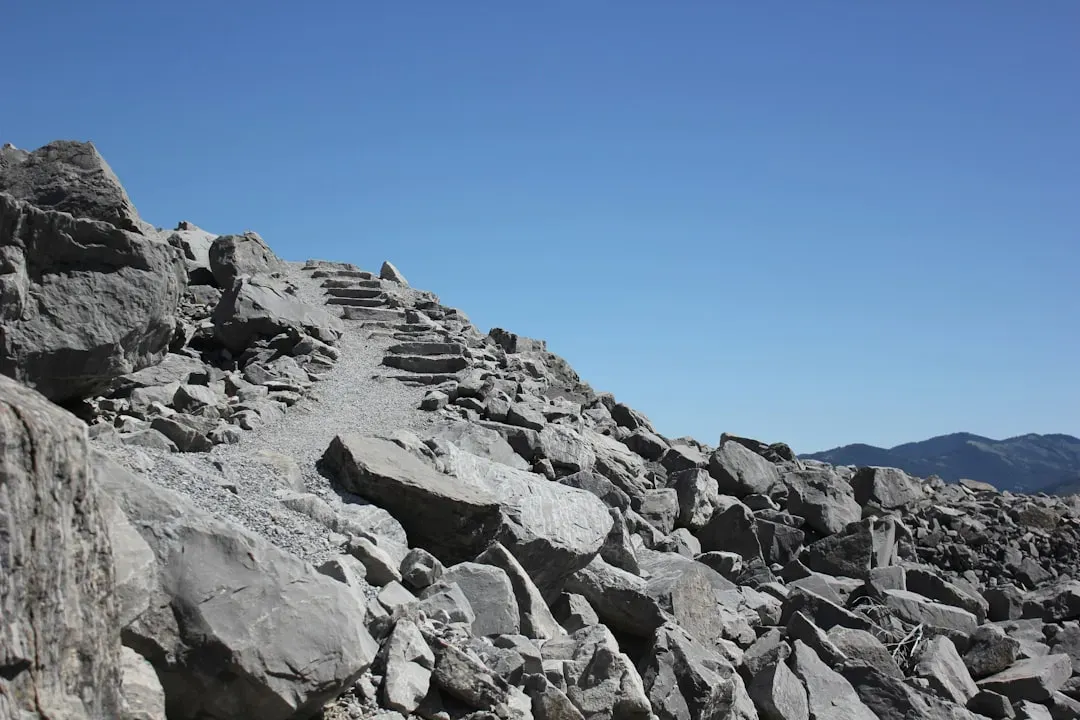
The Tetons and other north-central ranges contain folded and faulted rocks of Paleozoic and Mesozoic age draped above cores of Proterozoic and Archean igneous and metamorphic rocks ranging in age from 1.2 billion years to more than 3.3 billion years in the Beartooth Mountains. This is genuinely mind-blowing when you consider that Earth itself is only around 4.5 billion years old. The Beartooth Mountains contain some of the oldest exposed rock on the planet.
The creation of Rocky Mountain National Park has been over a billion years in the making, as 1.7 billion years ago, during the Precambrian Era, the oldest metamorphic rocks (such as schist and gneiss) were being formed, and shortly after that, relatively speaking, at 1.6 billion years ago a large volume of magma pushed into the older rock creating what is known as the Boulder Creek Batholith.
When you touch the ancient granite in Rocky Mountain National Park, you’re literally placing your hand on stone that existed long before the first complex life forms evolved on Earth. These rocks formed during a time when Earth’s atmosphere was still developing and the continents looked nothing like they do today. Honestly, it’s hard to wrap your mind around that kind of time scale.
The Rockies Once Stood as High as Tibet, Reaching Possibly 20,000 Feet
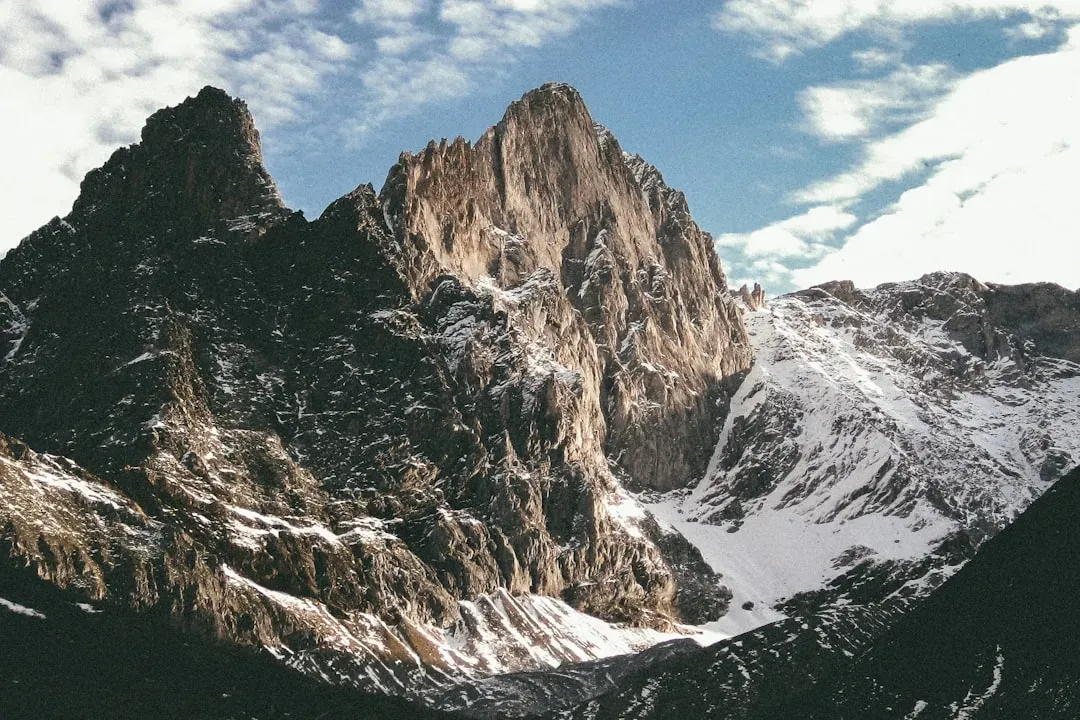
Just after the Laramide orogeny, the Rockies were like Tibet: a high plateau, probably 6,000 meters above sea level, and in the last 60 million years, erosion stripped away the high rocks, revealing the ancestral rocks beneath, and forming the current landscape of the Rockies. Picture the Tibetan Plateau, one of the highest and most dramatic landscapes on Earth. That’s what the Rocky Mountains looked like shortly after they formed.
The modern Rockies are actually the eroded remnants of a much more massive mountain system. Over tens of millions of years, water, wind, and ice have carved away thousands of feet of rock, sculpting the peaks and valleys we recognize today. The highest peak in the range is Mount Elbert at 4,400 metres (14,440 ft).
What you see now is essentially the skeleton of those ancient giants, the hard crystalline core that resisted erosion while softer rocks around it washed away. The erosion process continues today, constantly reshaping the mountains grain by grain, year by year.
Water From the Rockies Flows Into Three Different Oceans
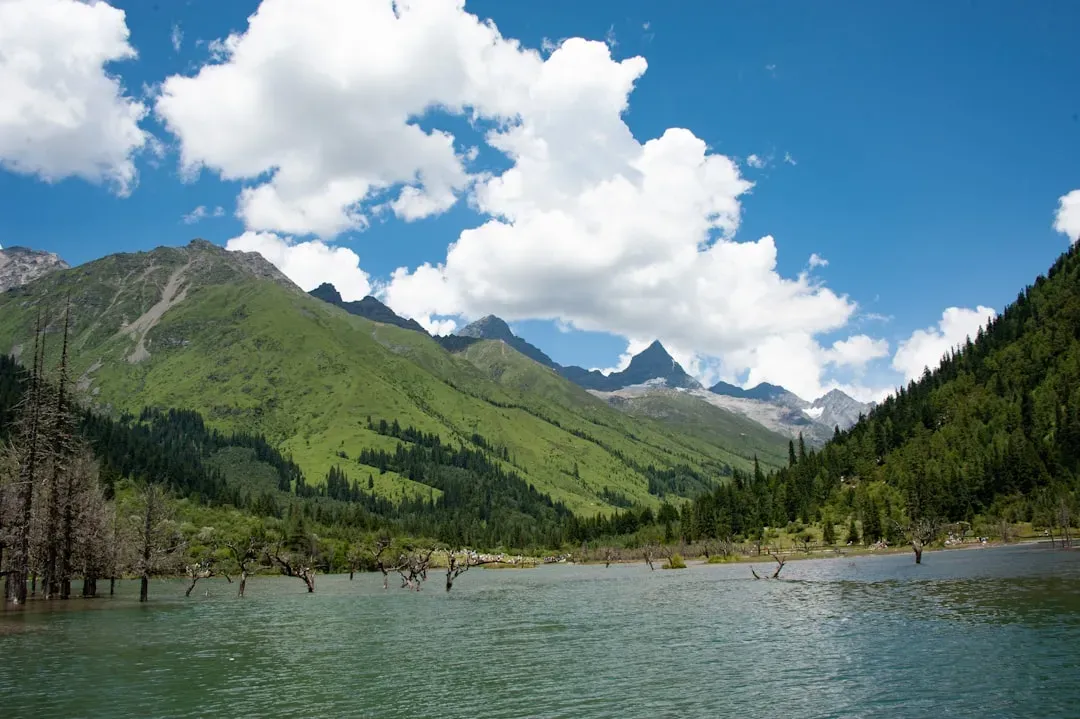
The Continental Divide of the Americas is in the Rocky Mountains and designates the line at which waters flow either to the Atlantic or Pacific Oceans, and Triple Divide Peak in Glacier National Park is so named because water falling on the mountain reaches not only the Atlantic and Pacific but Hudson Bay as well. This is one of the most remarkable hydrological features on the continent. A single raindrop’s destiny is determined by which side of the divide it falls on.
Runoff and snowmelt from the peaks feed Rocky Mountain rivers and lakes with the water supply for one-quarter of the United States, and the rivers that flow from the Rocky Mountains eventually drain into three of the world’s five oceans: the Atlantic Ocean, the Pacific Ocean, and the Arctic Ocean.
Think about what this means. The Rockies function as the water tower of North America, supplying fresh water to millions of people across multiple states and regions. Rivers flowing east eventually reach the Gulf of Mexico and Atlantic, while those flowing west pour into the Pacific. The fact that roughly one quarter of America’s water supply originates in these mountains underscores just how vital they are to the continent’s ecology and human civilization.
The Rockies Stretch Nearly 3,000 Miles From Canada to New Mexico
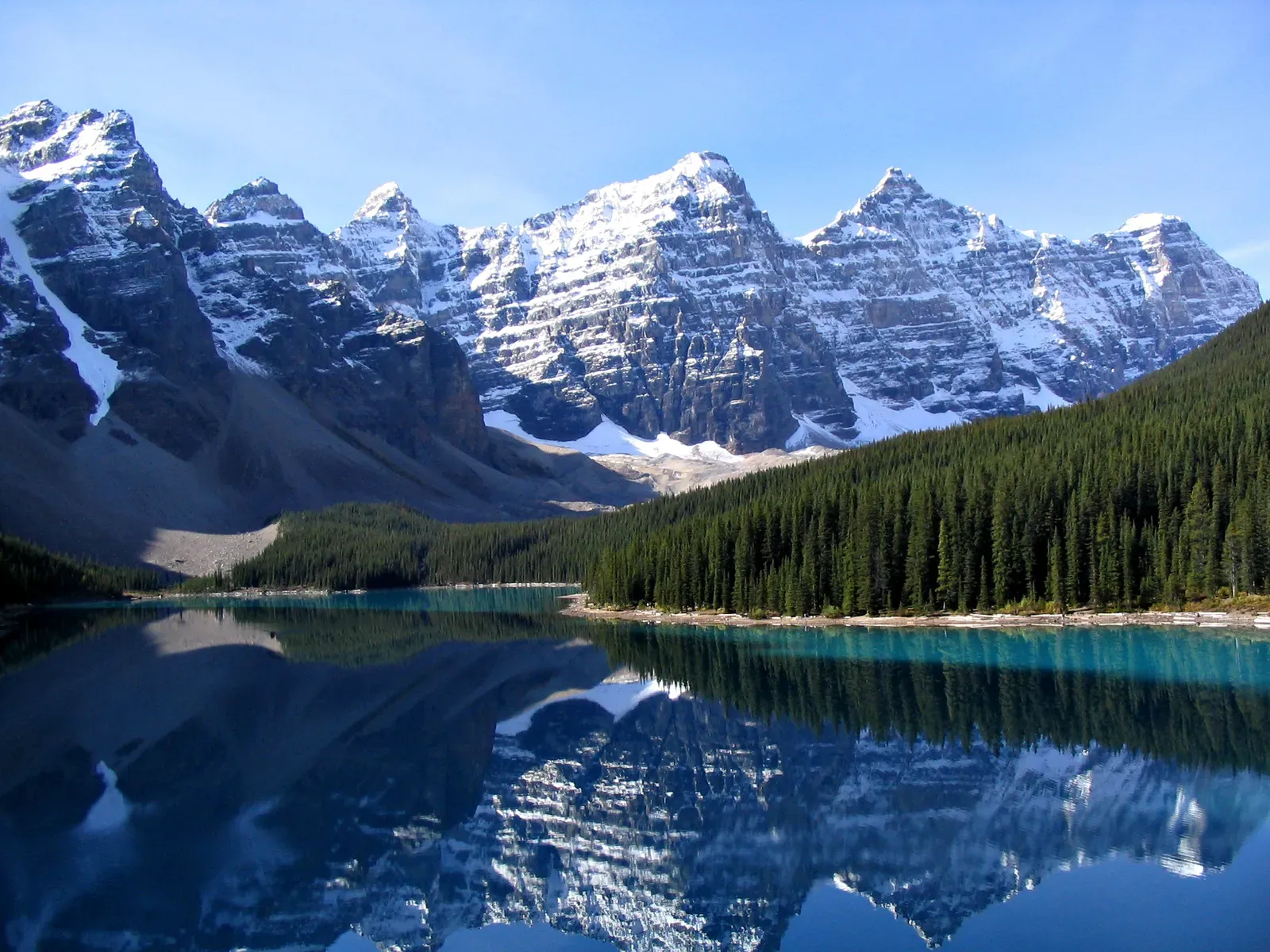
The Rocky Mountains of North America stretch from northern Alberta and British Columbia in Canada southward to New Mexico in the United States, a distance of some 3,000 miles, and in places the system is 300 or more miles wide. To put this in perspective, that’s roughly the same distance as traveling from New York City to Los Angeles. This isn’t just a mountain range; it’s a continental spine.
The width of the Rocky Mountains varies quite a lot, and at their widest point, the range spans over 1,600 kilometers (1,000 miles) from east to west. The sheer scale is difficult to comprehend unless you’ve driven through them or flown over them.
The Rocky Mountains include at least 100 separate ranges, which are generally divided into four broad groupings: the Canadian Rockies and Northern Rockies of Montana and northeastern Idaho; the Middle Rockies of Wyoming, Utah, and southeastern Idaho; the Southern Rockies, mainly in Colorado and New Mexico; and the Colorado Plateau in the Four Corners region. Each of these regions has its own distinct character, geology, and ecosystems.
Glaciers Sculpted the Modern Landscape You See Today
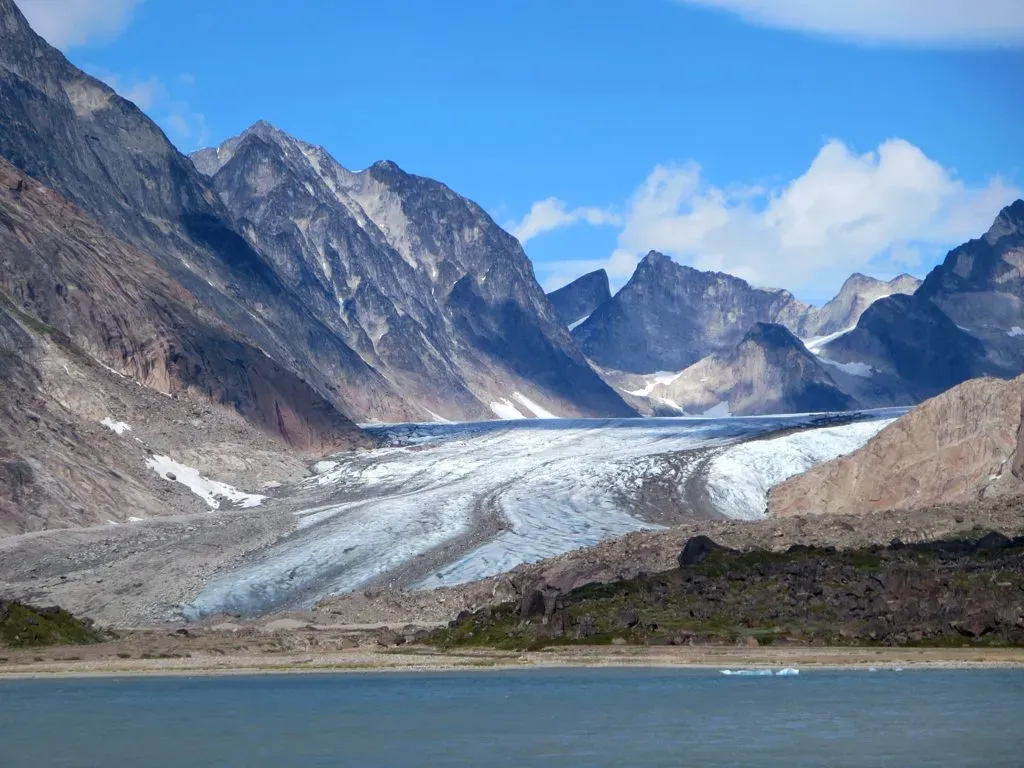
Glaciation is one of the strongest erosional forces on the planet and is responsible for shaping Rocky Mountain National Park as it is today, and in the last 700,000 years, there have been at least 6 major glaciation events, with the two most recent (Bull Lake and Pinedale) causing the most easily noticeable alterations to the landscape. The iconic U-shaped valleys, cirques, and sharp peaks that make the Rockies so photogenic are the handiwork of ice.
During the Ice Age, massive glaciers covered much of the high country, grinding their way downhill and carving deep valleys as they went. Rocky Mountain National Park is defined by its many broad U-shaped valleys instead of steep V-shaped valleys which come from rivers and streams, and at the edges and end of these valleys are depositional features called moraines which are the dumping grounds of glaciers, and moraines indicate the size of the glacier and they show how far the glacier flowed and how high in elevation it reached before the ice melted.
Glaciation helped to scour sedimentary layers from mountaintops, exposing the harder and older crystalline rocks lying beneath, and also widened and deepened downslope valleys, giving some a U-shaped cross section, characteristic of glacially influenced topography. Without glaciers, the Rockies would look completely different. The Ice Age was like a master sculptor, revealing the dramatic landscapes hidden within the rock.
The Rockies Are Home to an Astonishing Array of Wildlife
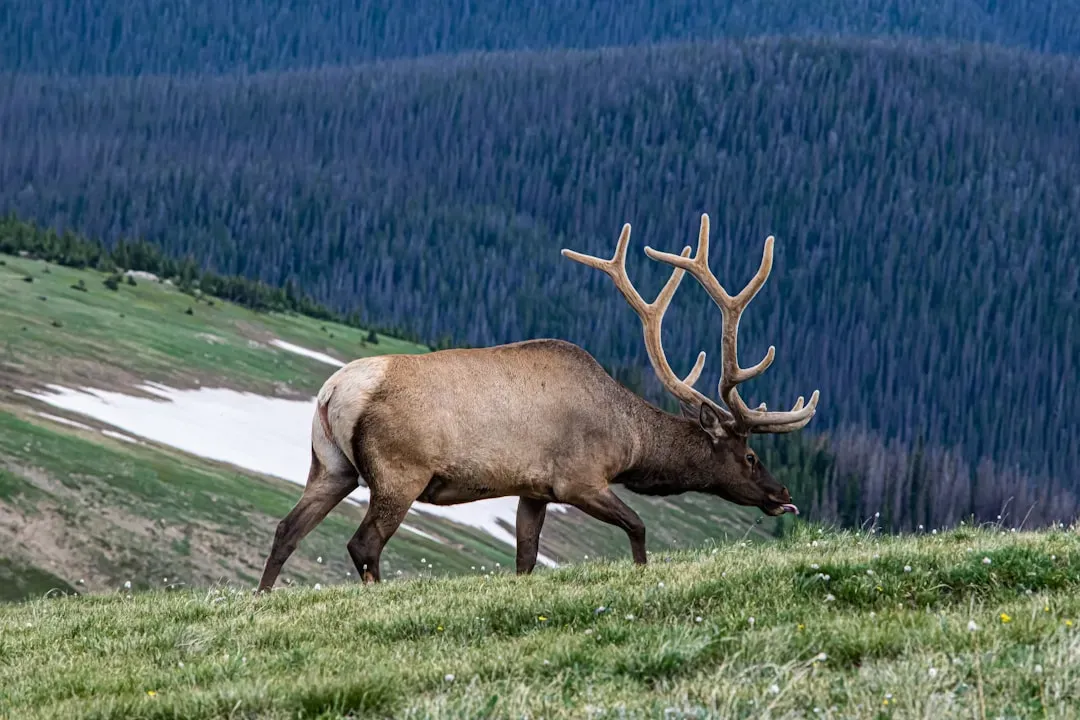
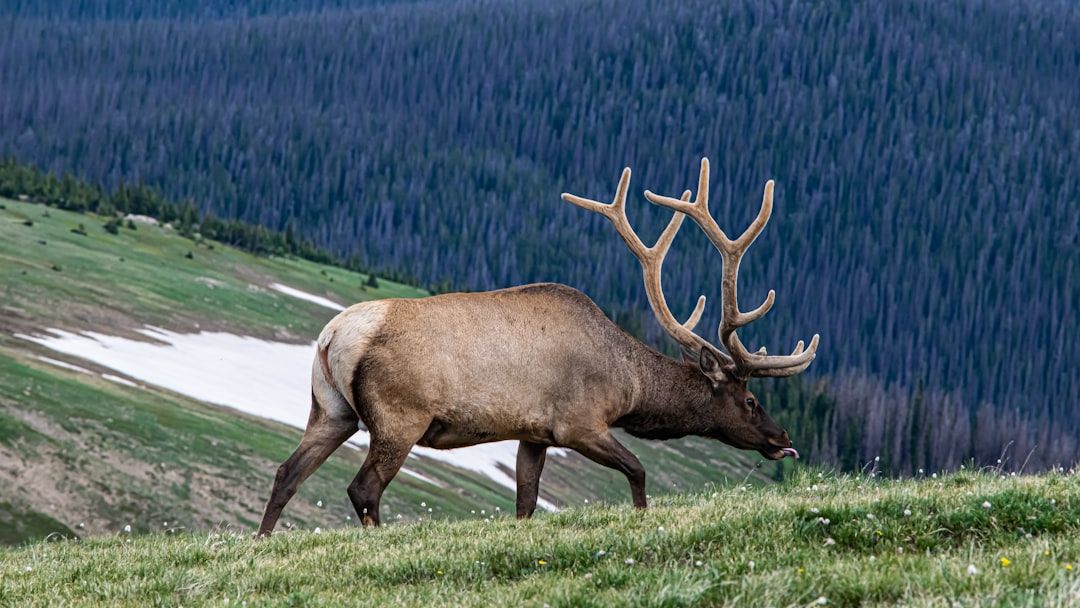
The Rocky Mountains are an important habitat for a great deal of well-known wildlife, such as wolves, elk, moose, mule and white-tailed deer, pronghorn, mountain goats, bighorn sheep, badgers, black bears, grizzly bears, coyotes, lynxes, cougars, and wolverines. The diversity of animals that call these mountains home is truly remarkable, from tiny pikas to massive grizzly bears.
Established in 1915, Rocky Mountain National Park covers approximately 415 square miles and is home to diverse plant and animal life, including more than sixty species of mammals and nearly 300 bird species, several amphibian, reptile, and fish species, and innumerable insects.
The elevation changes create distinct ecosystems stacked on top of each other, from prairie grasslands at the base to alpine tundra at the peaks. Each zone supports different communities of plants and animals adapted to specific conditions. The Rocky Mountains wildlife encompasses moose, elk, deer, cougars, and bears in certain parts of woodland, plus more than 280 different species of bird that circle the region. Let’s be real, encountering a grizzly bear or mountain lion in the wild is both thrilling and terrifying, a reminder that these mountains are still wild places.
Temperature Can Drop 20 Degrees Fahrenheit With Every Thousand Feet of Elevation
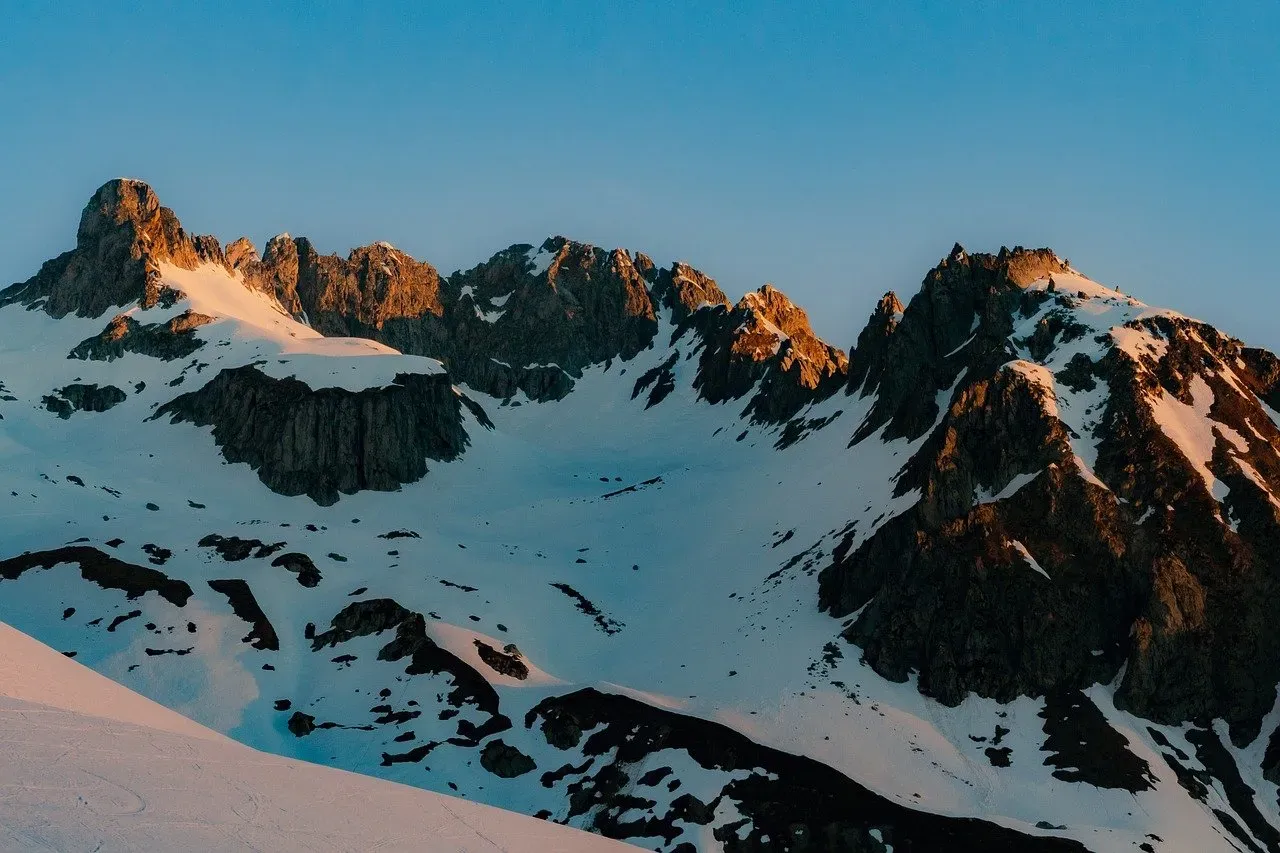
In the central Rocky Mountains, for every 100-meter increase in elevation, the mean annual temperature decreases by about 0.6 degrees Celsius and the growing season shortens by approximately a week. This means you can experience multiple climate zones just by driving up a mountain road. You might start your hike in a warm montane forest and end up in freezing alpine tundra within a few hours.
The top of Trail Ridge Road, at over 12,000 feet, is likely to be cold any time of year, and may see snow at any time, and it may be 20 degrees Fahrenheit cooler at this altitude than the lower parts of the park. This dramatic temperature variation creates the diverse ecosystems that make the Rockies so ecologically rich.
The Rocky Mountains have a highland climate, with the average temperature in the Rockies per year at 43 degrees Fahrenheit, July being the hottest month with an average temperature of 82 degrees Fahrenheit, and January the coldest month at 7 degrees Fahrenheit. The climate is harsh, especially at high elevations, which is why so many plants and animals here have evolved special adaptations to survive.
Human History in the Rockies Dates Back Over 10,000 Years
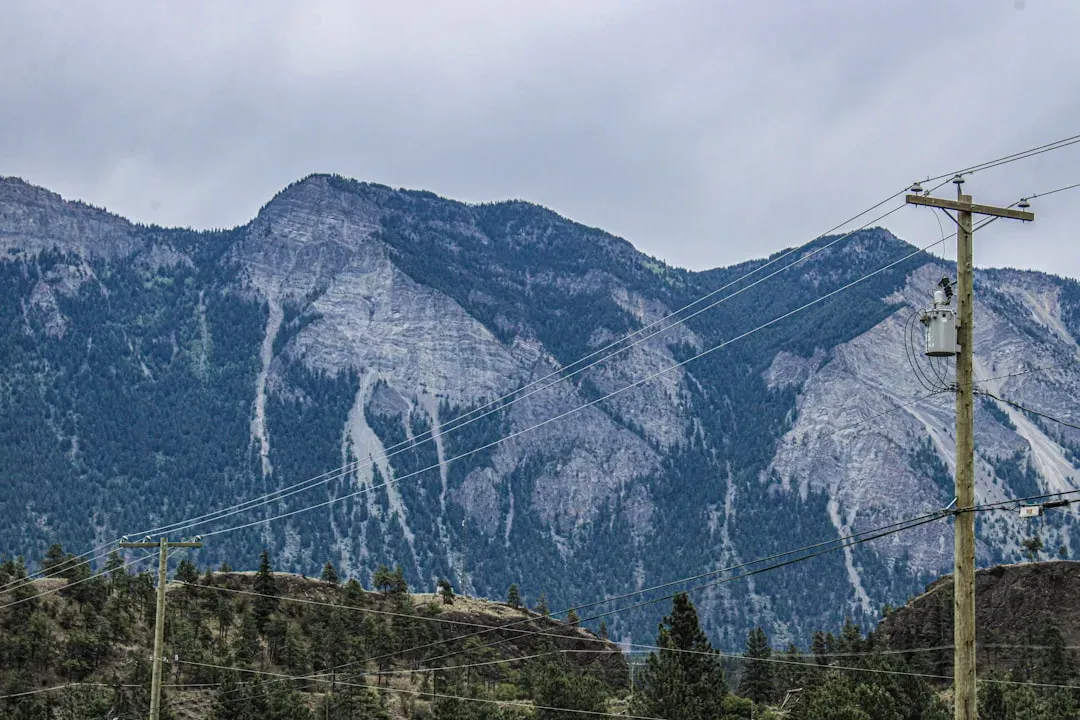
The human presence in the Rocky Mountains has been dated to between 10,000 and 8,000 BCE. Long before European explorers arrived, Indigenous peoples had been living in and around the Rockies for millennia, developing deep knowledge of the land and its resources.
Since the last great ice age, the Rocky Mountains were home first to indigenous peoples including the Apache, Arapaho, Bannock, Blackfoot, Cheyenne, and many others, and Paleo-Indians hunted the now-extinct mammoth and ancient bison in the foothills and valleys of the mountains, likely migrating to the plains in fall and winter for bison and to the mountains in spring and summer for fish, deer, elk, roots, and berries.
In Colorado, along with the crest of the Continental Divide, rock walls that Native Americans built for driving game date back 5,400 to 5,800 years, and a growing body of scientific evidence indicates that indigenous people had significant effects on mammal populations by hunting and on vegetation patterns through deliberate burning. These ancient peoples weren’t just passive inhabitants; they actively shaped the mountain ecosystems through their hunting practices and controlled burns. Their legacy is still visible today in archaeological sites scattered throughout the range.
Conclusion
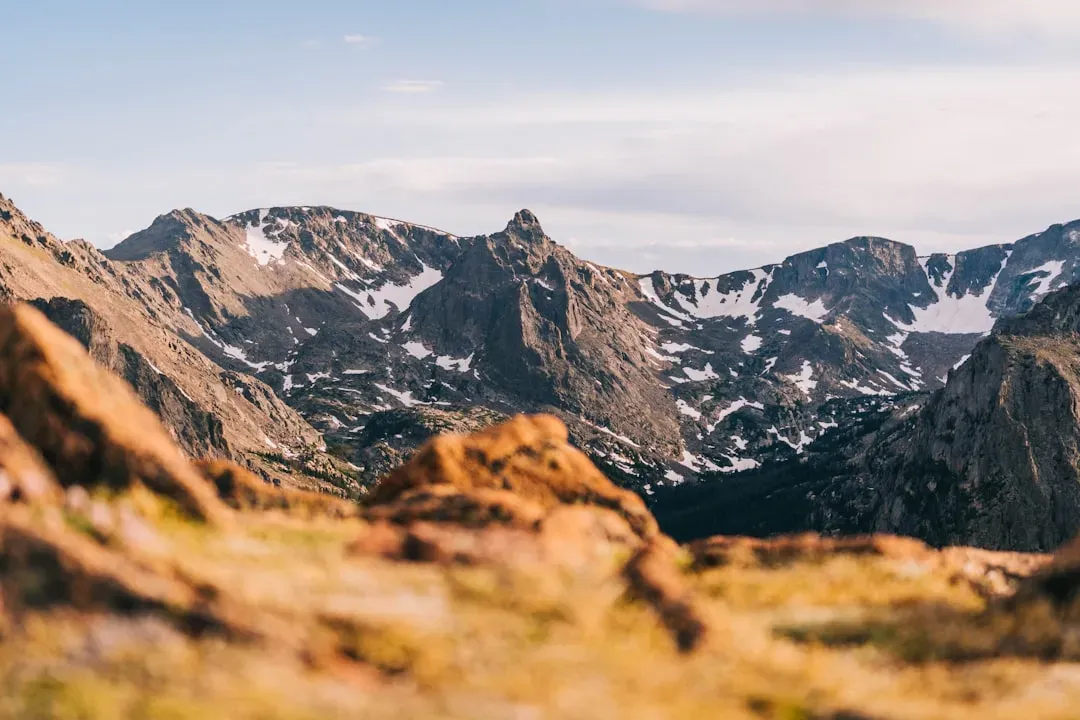
The Rocky Mountains are far more than just a pretty backdrop for vacation photos. They’re a living geological textbook, a wildlife sanctuary, and a testament to the raw power of natural forces acting over unimaginable spans of time. From their strange inland location to their ancient rocks and diverse ecosystems, every aspect of the Rockies tells a story of transformation and resilience.
These mountains have witnessed the rise and fall of countless species, the advance and retreat of glaciers, and the arrival of humans who would eventually call them home. They continue to evolve today, shaped by erosion, climate change, and the countless creatures that depend on them.
What do you think is the most surprising fact ? Did any of these details change how you see these iconic peaks? Share your thoughts in the comments below.
