

Imagine cruising down a quiet backroad under a massive sky, windows down, feeling that wild freedom. Suddenly, a massive shadow bolts across – pure adrenaline spike. These lands hide beasts that look peaceful but pack a lethal punch, turning a simple outing into a survival tale.
From venomous lurkers to charging giants, Dakota’s wildlife demands respect. Here’s the thing: most encounters end fine if you’re smart, but ignore the signs and regret hits hard. Let’s uncover the top 10 dangers lurking in prairies, forests, and your own backyard.[1][2]
1. American Bison
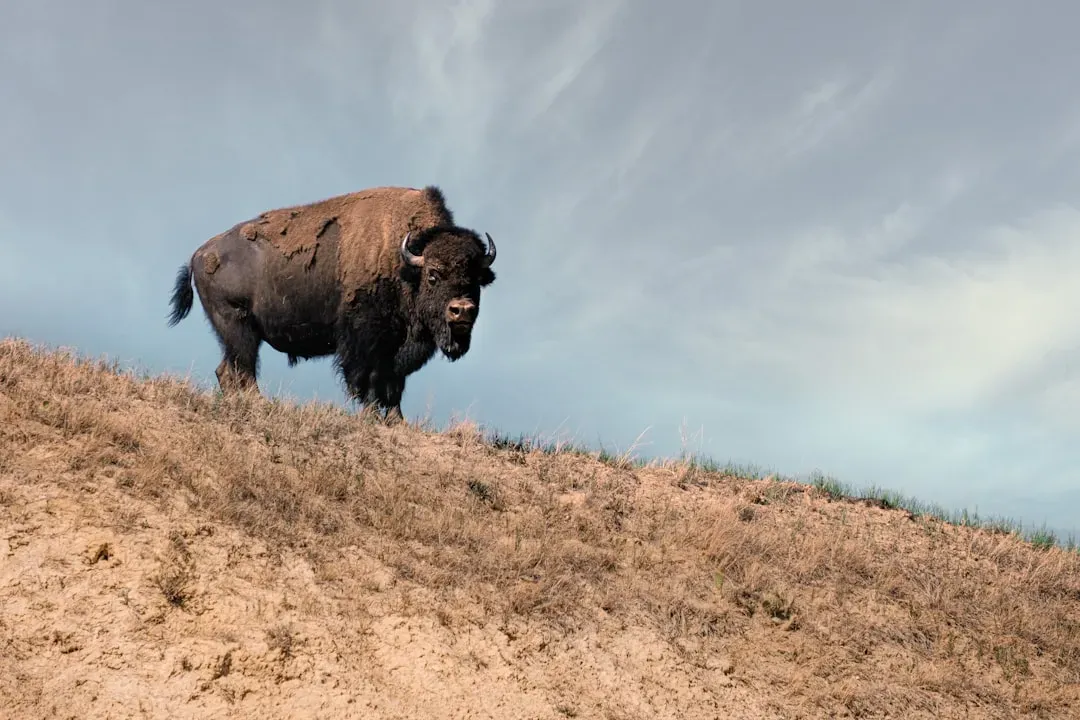
These colossal creatures weigh up to 2,000 pounds and charge at 30 miles per hour when provoked – imagine a freight train with horns barreling your way. Found roaming open grasslands and Theodore Roosevelt National Park in North Dakota, bison seem docile until you crowd their space. One wrong step near a mother with calf, and you’re facing horns that gore deep.[1]
Honestly, they’ve totaled cars on rural roads and sent hikers to hospitals. Keep at least 100 yards away, use the thumb test to gauge distance, and back off slowly if they stare. I think underestimating their speed is the biggest mistake folks make out here.
2. Prairie Rattlesnake
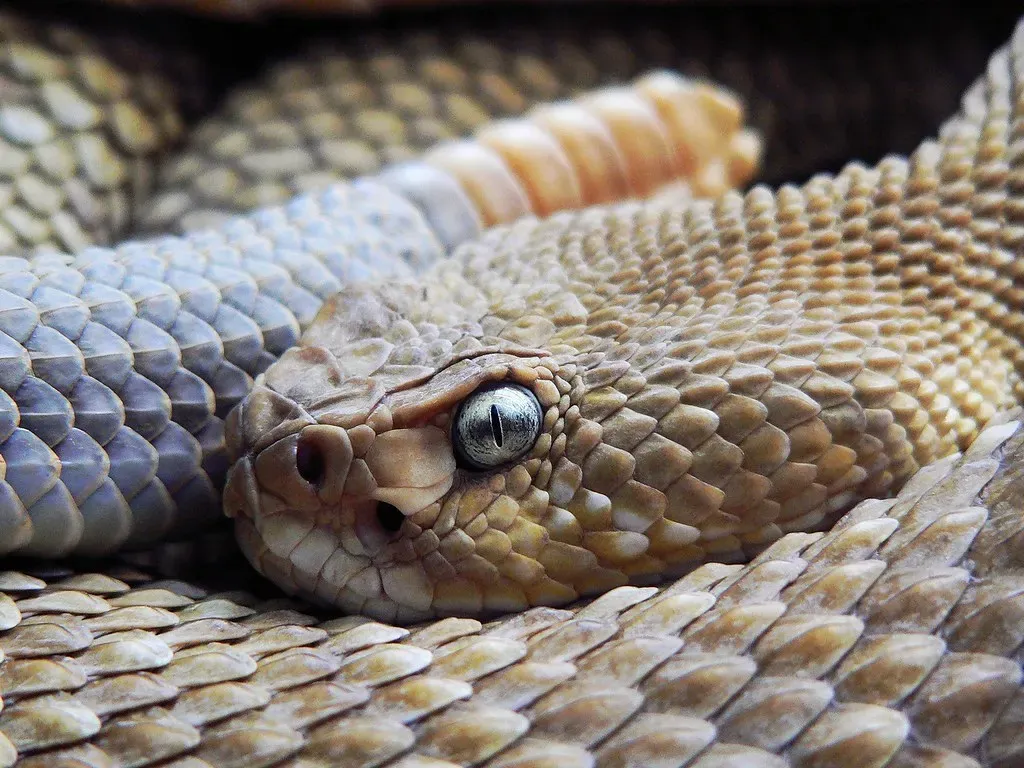
That eerie rattle you hear in the grass? It’s the only warning from this venomous viper slithering through western Dakota prairies. Growing up to five feet, their bite packs hemotoxic venom causing swelling, pain, and nasty complications if untreated. Bites stay rare, but step wrong off-trail and you’re in antivenom territory fast.[1][2]
They blend perfectly with dry earth, striking without much notice sometimes. Wear boots, stick to paths, and freeze at the rattle before easing away. It’s crazy how one overlooked coil changes everything.
3. Black Widow Spider
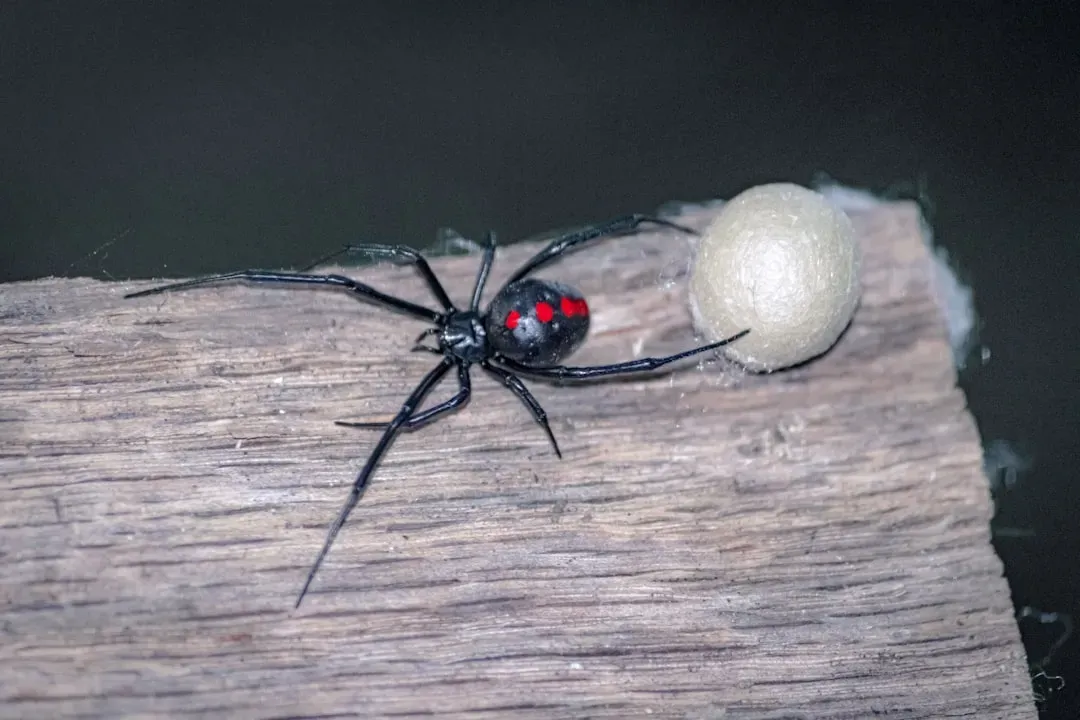
Hiding in woodpiles or sheds, this glossy black arachnid with a red hourglass packs neurotoxic venom that cramps muscles like a vice. Bites hit hard on kids or the elderly, though healthy adults usually pull through with meds. Common in dark corners across both Dakotas, they’re sneaky self-defenders.[1]
Gloves save lives when rummaging garages – trust me, pain lasts days. Seek help pronto if nausea kicks in. Small but shocking how much misery they deliver.
Picture reaching for tools and feeling that sharp prick. Prevention beats cure every time.
4. Cougar (Mountain Lion)
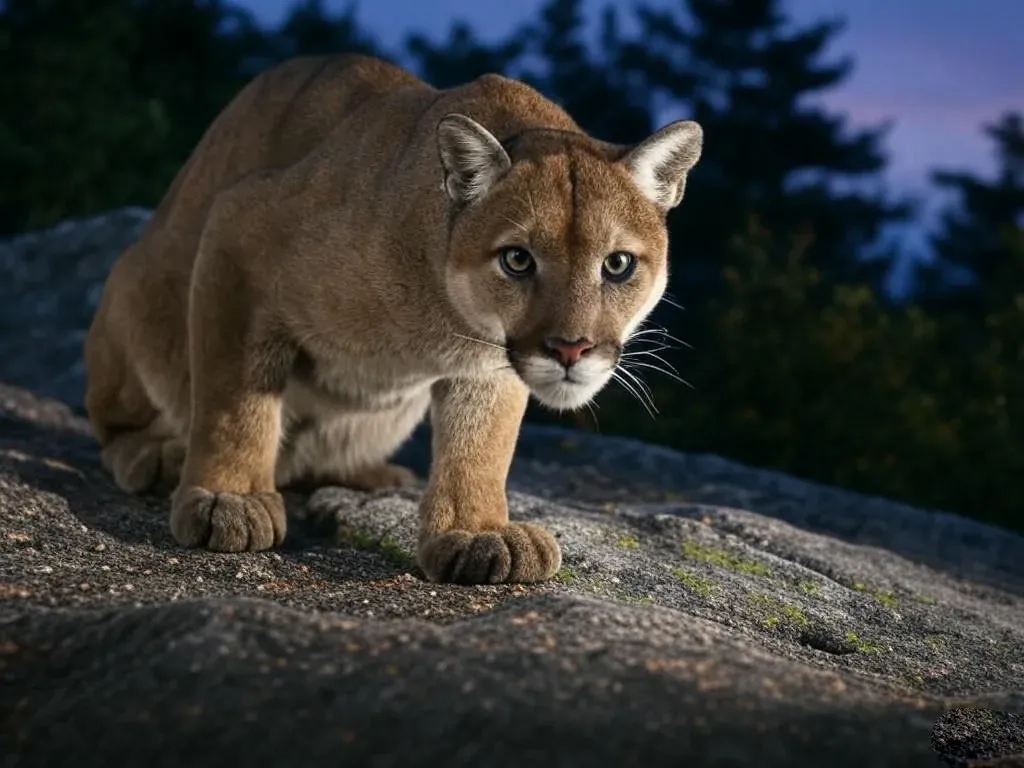
Silent stalkers in badlands and forests, these tawny predators leap 40 feet with claws and jaws built for takedowns. Attacks on humans? Rare, but solo hikers at dawn risk surprise pounces. Western Dakota sightings rise, especially where deer thrive.[1]
Face them tall, yell, back away – no running, that triggers chase. Groups and noise keep them at bay. Feels primal facing one, heart pounding.
5. White-Tailed Deer
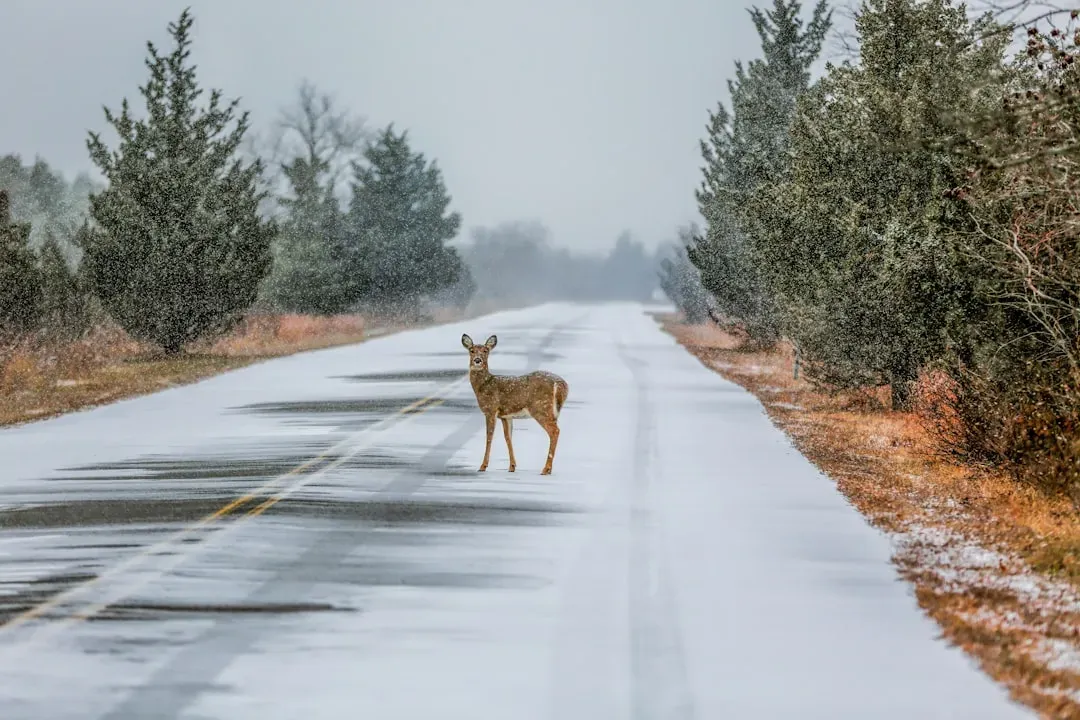
Not fangs or venom, but these graceful leapers cause thousands of crashes yearly, flipping cars at highway speeds. Dawn and dusk in fall? Prime collision time across Dakota roads. One in 73 drivers hits wildlife here – stats don’t lie.[3]
Slow near woods, scan hills, high beams help spot eyeshine. They’ve wrecked more lives indirectly than predators. Let’s be real: the “cute” ones top the fatality charts.
Next bend might hide a herd – stay alert.
6. Moose
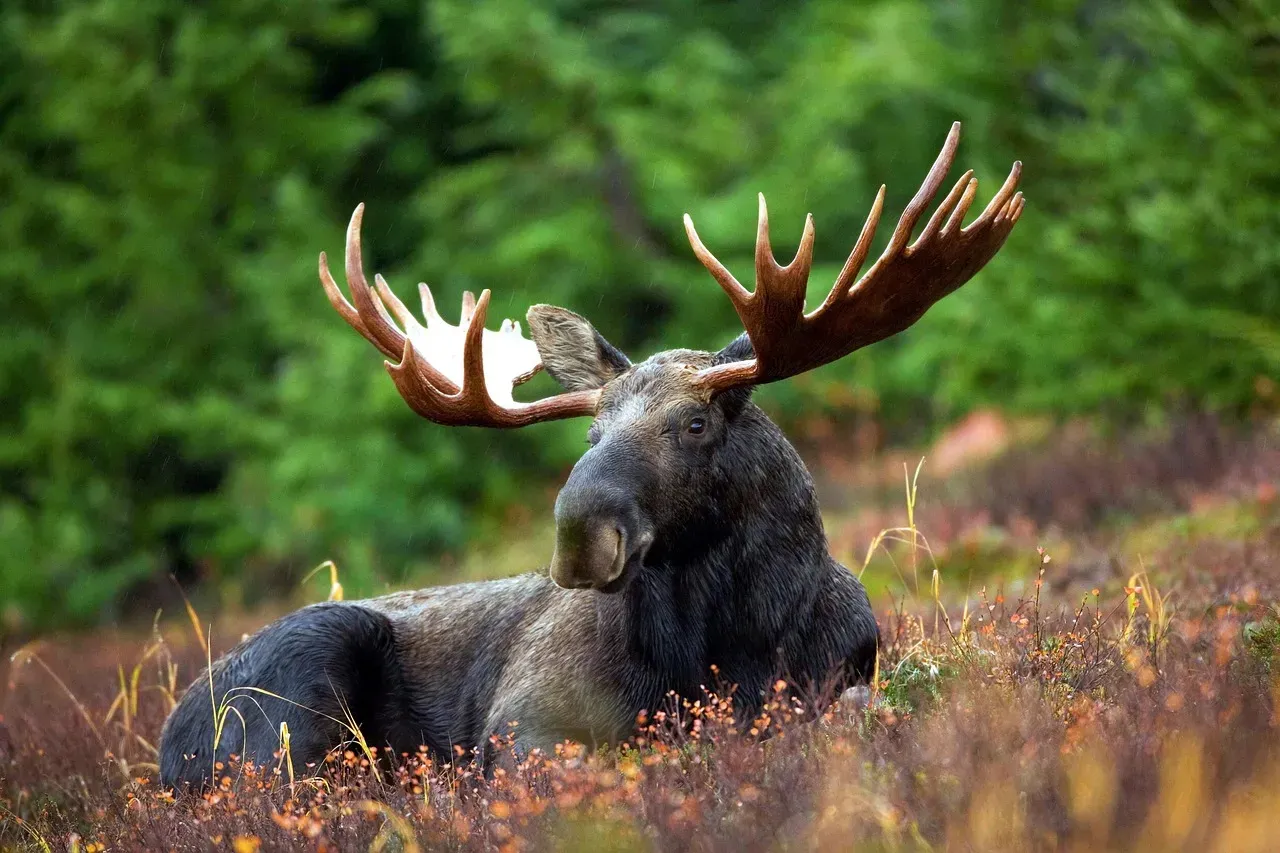
Towering with antlers spanning six feet, moose charge like tanks when rutting or guarding calves in Turtle Mountains wetlands. Powerful kicks crush bones; vehicle hits pulverize hoods. Aggressive doesn’t cover it – these brutes mean business.[1]
Spot one? Hide behind trees, give wide berth. Their size tricks you into complacency until too late. Honestly, I’d rather dodge snakes.
7. Deer Tick
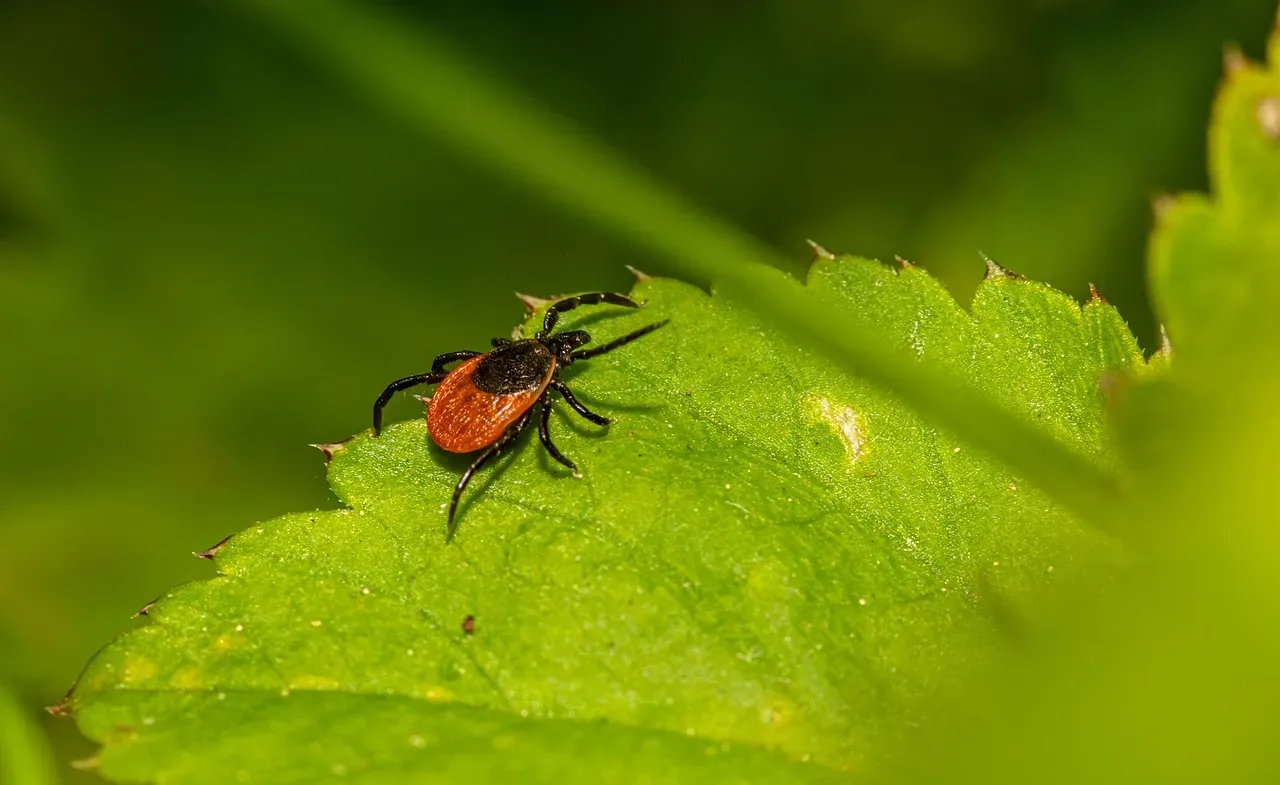
Tiny sesame-seed carriers of Lyme disease lurk in grasses, embedding unnoticed for days. Joint agony, heart issues follow untreated bites – chronic hell for some. Widespread in wooded Dakota spots, they hitch rides silently.[1]
DEET, long pants tucked, full checks post-hike. Remove with tweezers, watch symptoms. Insidious little vampires, ruining summers.
It’s hard to say for sure without a bite, but vigilance pays off big.
8. Black Bear
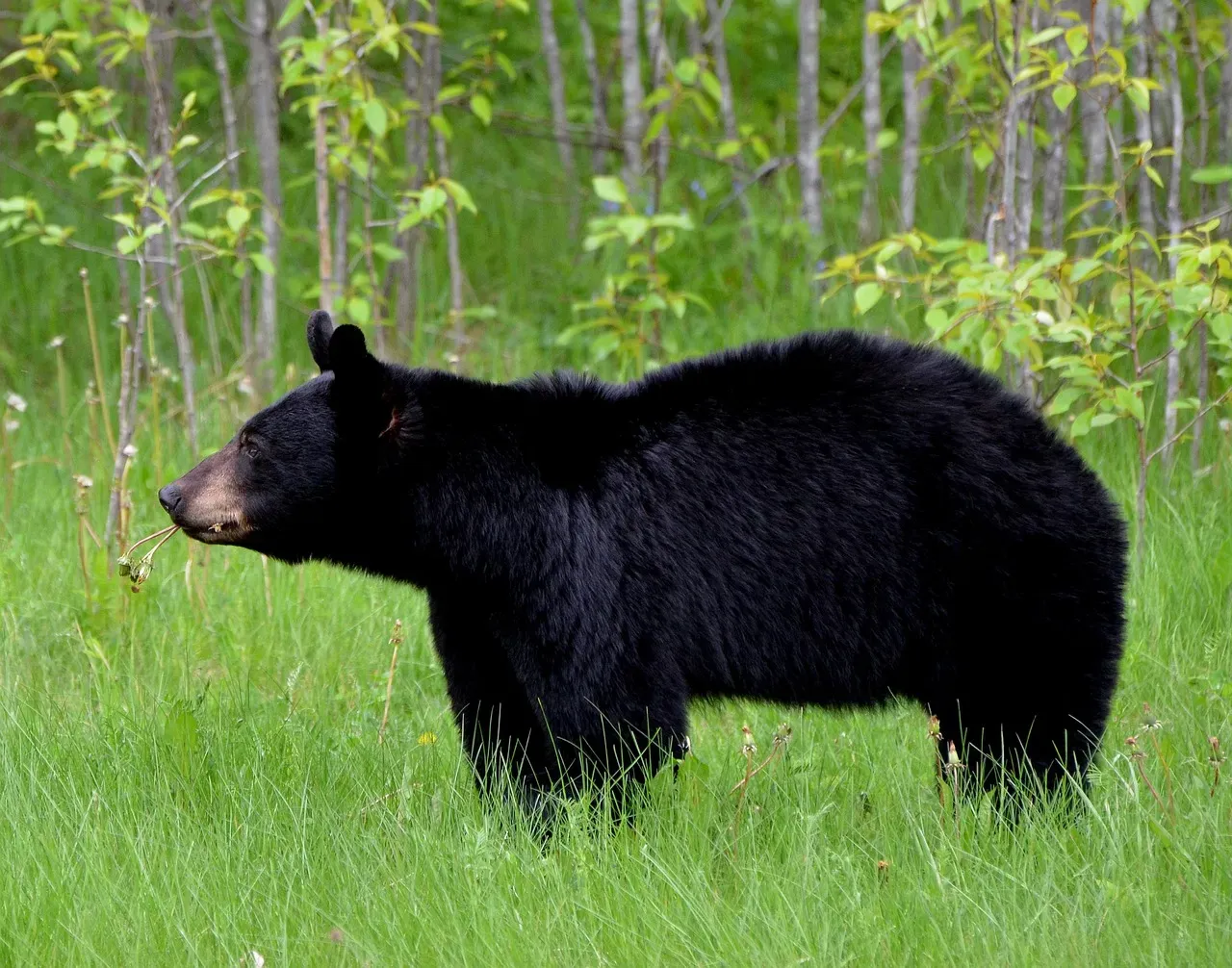
Occasional Black Hills wanderers scavenge boldly, swatting threats with paws like clubs. Rare attacks, but food-conditioned ones bold up near camps. South Dakota spots grow, pulling from prairies.[4]
No food outside, noise scares them. Play dead if mauled. Their curiosity turns fierce quick – respect the wild.
9. Mosquitoes
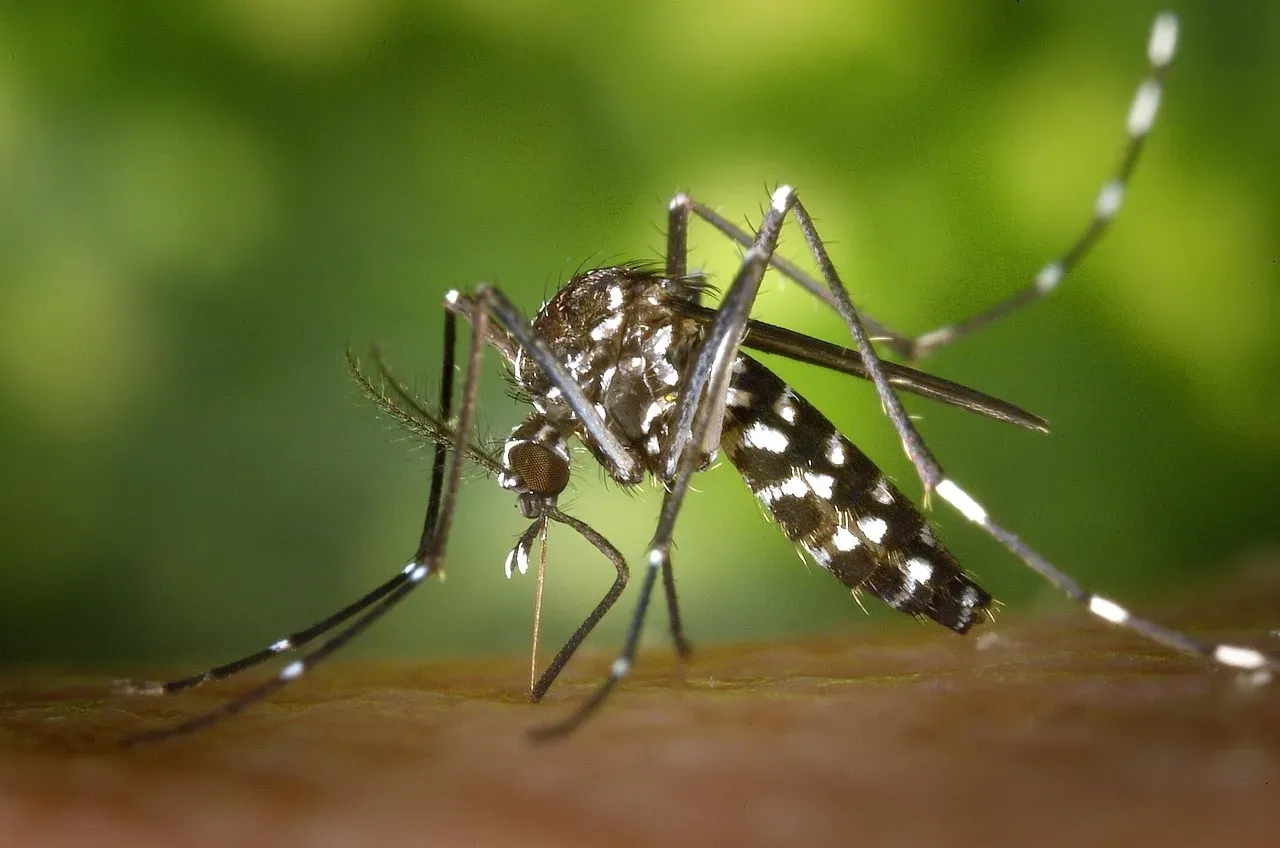
Swarms at dusk carry West Nile, turning bites into fevers or worse. Over 40 species buzz Dakota marshes, breeding in puddles. Diseases hit hard, no underestimating the whine.[1][2]
Dump water, slap on repellent. Screens save nights. Tiny terrors, massive impact – like death by a thousand itches.
10. Coyote
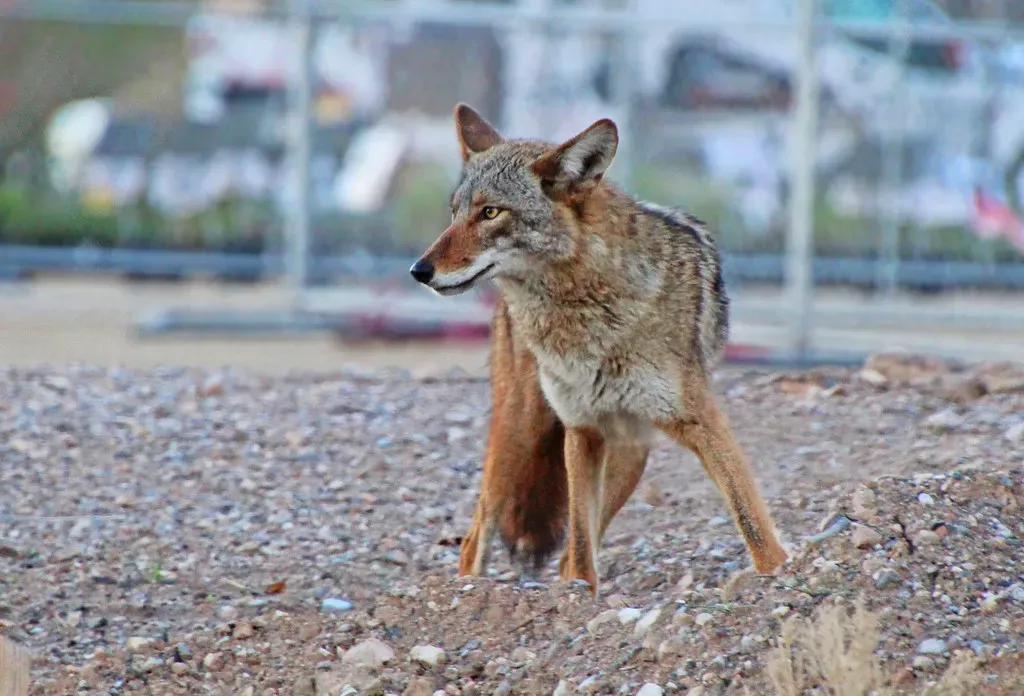
Opportunistic night prowlers snag pets and trash, rabies lurking in packs. Urban edges see bold ones, attacking small dogs. Statewide adaptable, they thrive everywhere.[1]
No feeding, secure garbage, scare with noise. Keep pets in. Clever survivors, but boundaries matter.
Dakota’s wild side thrills yet warns – nature doesn’t yield to carelessness. Stay informed, prepared, and these encounters become stories, not scars. Which beast surprises you most? Share below – what’s your closest call?

- 14 Signs the Backyard Birds That Left Your Yard Are Quietly Coming Back - July 21, 2026
- 12 Cat Breeds Vets Refuse To Recommend to First Time Owners - July 21, 2026
- 6 US States With the Most Alligators - July 21, 2026