

America’s national parks are renowned for their stunning landscapes and unique ecosystems. However, many of these parks are also located in geologically active regions, making them susceptible to earthquakes. Understanding the risks associated with these natural phenomena is crucial for ensuring visitor safety and environmental conservation. In this article, we delve into the ten most earthquake-prone national parks in America, exploring the geological features that contribute to their seismic activity.
Introduction to Earthquake-Prone Areas
The United States, situated along the Pacific Ring of Fire, is no stranger to seismic activity. This area is home to numerous fault lines and tectonic boundaries, where the Earth’s plates interact, often violently. Some of the nation’s most cherished national parks find themselves amidst this dynamic geology, offering both beauty and a lesson in the power of nature. Understanding the earthquake risk in these parks involves exploring the underlying geological structures that shape them.
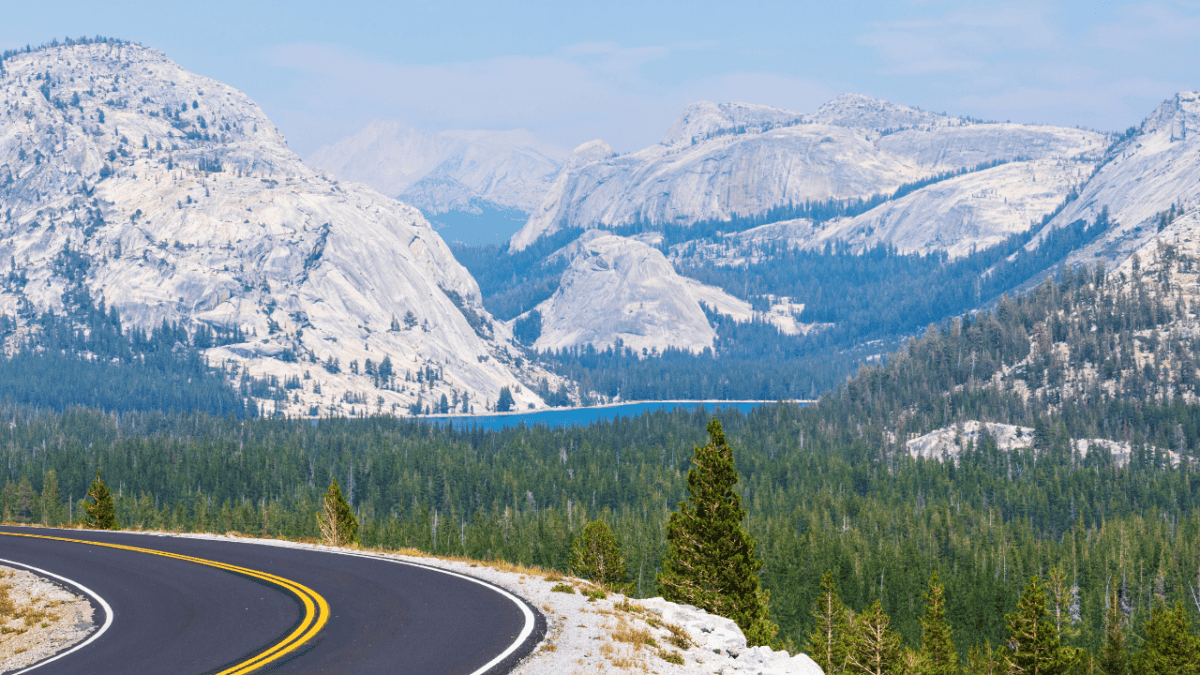
Yosemite National Park, California

Yosemite National Park is renowned for its granite cliffs and stunning waterfalls, but its proximity to fault lines makes it earthquake-prone. The Sierra Nevada Fault and other smaller faults contribute to seismic activity here. While major earthquakes are rare, smaller tremors are common, reminding us of the park’s dynamic geological setting.
Yellowstone National Park, Wyoming, Montana, and Idaho
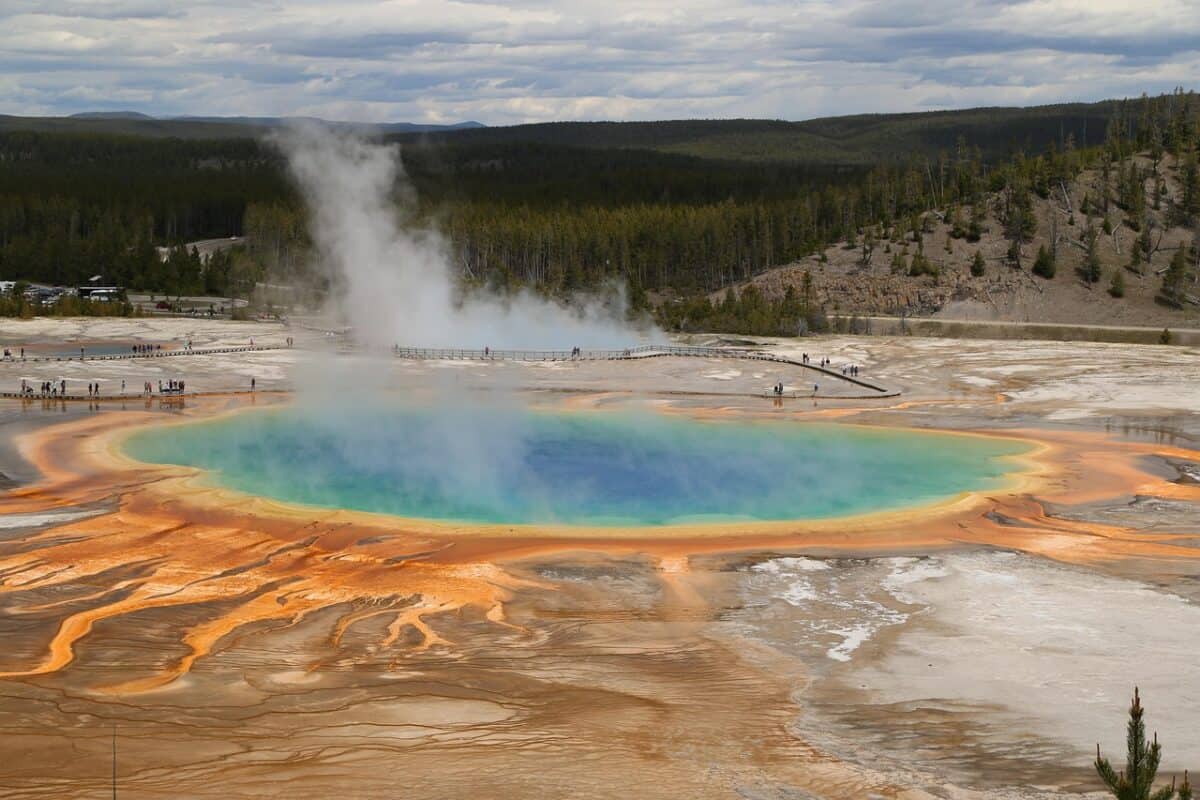
Yellowstone is a geothermal wonderland but also a hotspot for seismic activity. The Yellowstone Caldera, a supervolcano, is monitored closely for earthquake activity. Hundreds of small quakes occur yearly, often associated with the movement of magma beneath the surface. While the probability of a catastrophic eruption is low, the park remains under constant geological scrutiny.
Denali National Park, Alaska
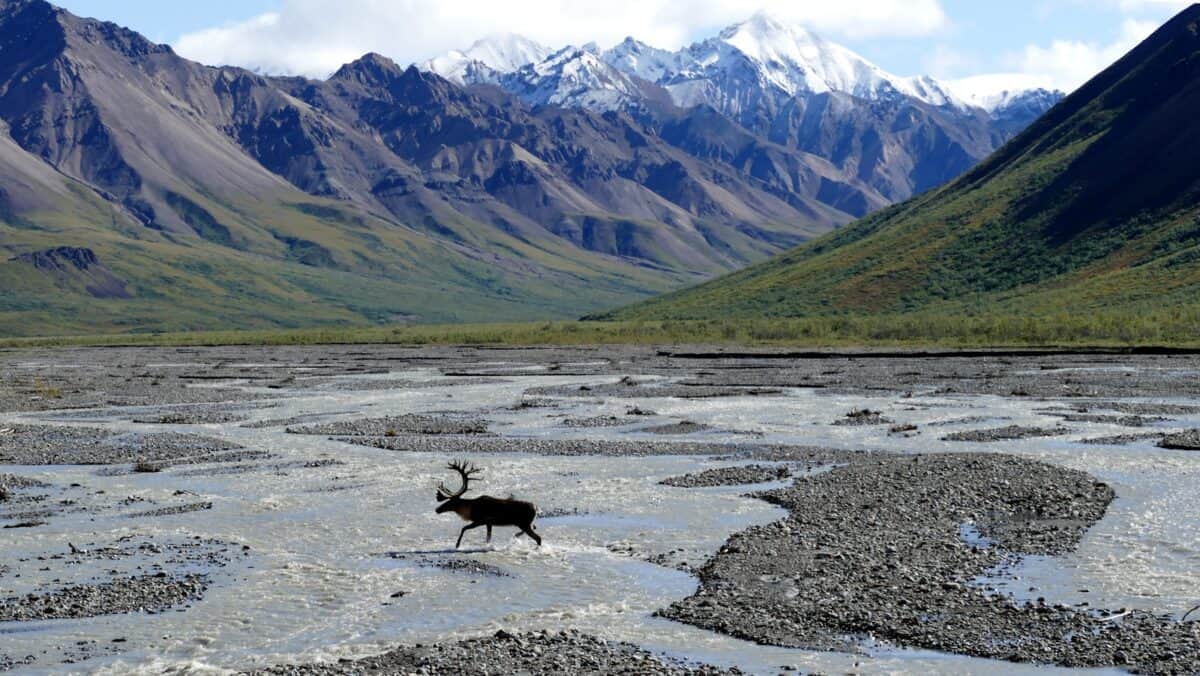
Denali National Park boasts North America’s tallest peak but also lies within one of the continent’s most active seismic zones. The Denali Fault runs through the park, responsible for large quakes, including the 2002 Denali earthquake, which reached a magnitude of 7.9. These seismic events help scientists better understand plate tectonics in this remote region.
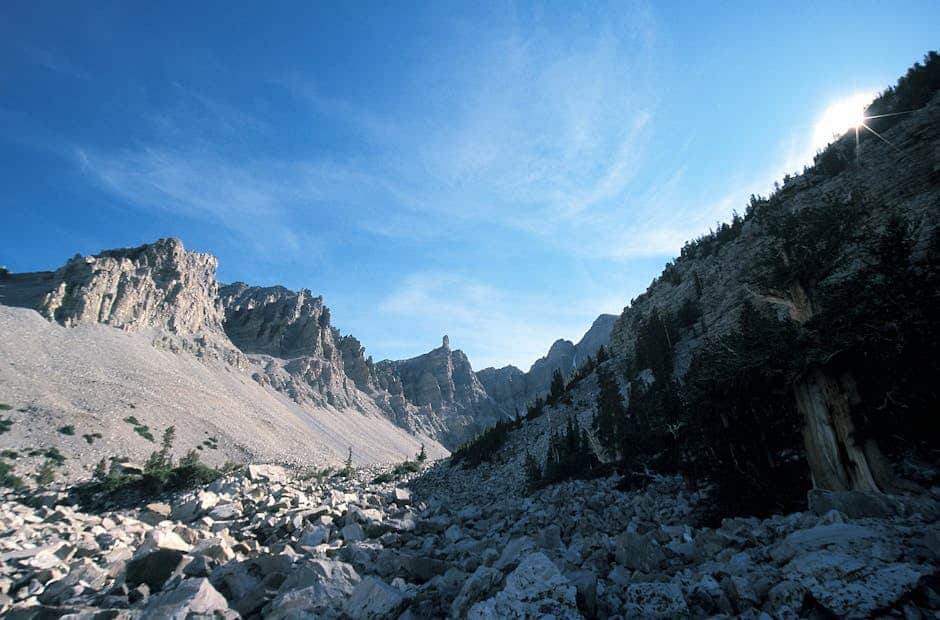
Great Basin National Park, Nevada

Nestled in Nevada, Great Basin National Park experiences frequent seismic activity due to its location within the Basin and Range Province. This area is characterized by faulting and extension, which contribute to frequent minor earthquakes. The park’s unique landscape offers insight into geological processes shaping the western United States.
Sequoia and Kings Canyon National Parks, California

Sequoia and Kings Canyon National Parks are situated along the western edge of the Sierra Nevada, a region marked by numerous faults. Earthquake activity, though often minor, underscores the geological forces responsible for the uplift of these majestic mountains, home to the iconic giant sequoias.
Joshua Tree National Park, California

Joshua Tree National Park lies at the junction of two major desert ecosystems, underlain by the San Andreas Fault among others. This complex network of faults makes the park susceptible to seismic activity. Understanding the park’s geology is essential for managing both natural and human-made hazards in this desert landscape.
Glacier National Park, Montana
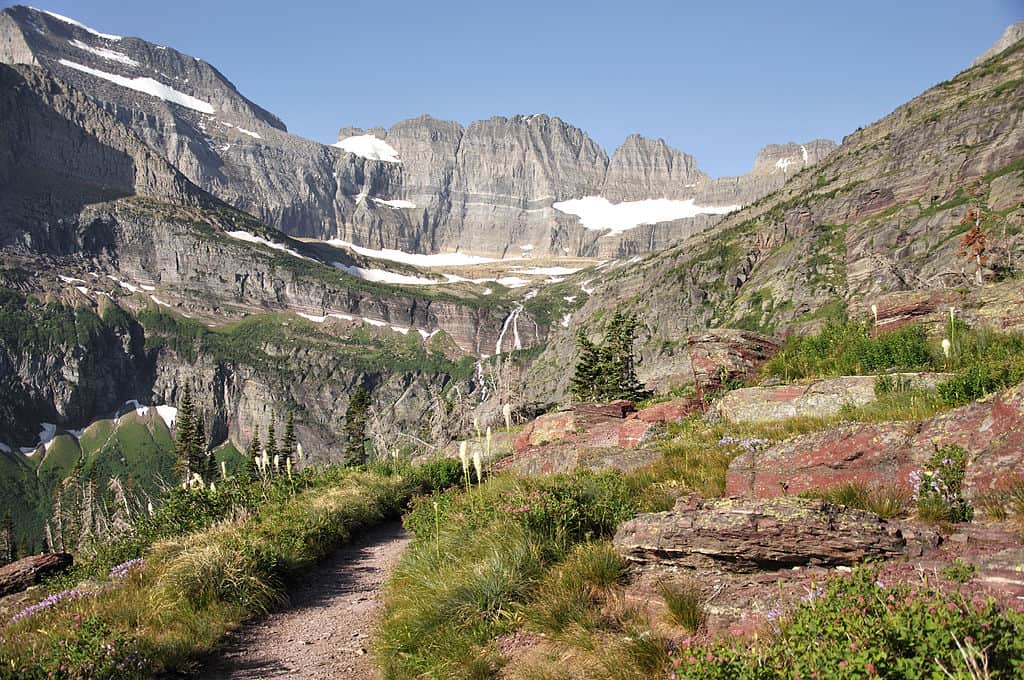
Though known for its stunning glacial landscapes, Glacier National Park experiences seismic activity related to the Lewis Overthrust Fault. While major earthquakes are uncommon, the fault can still generate modest tremors. These seismic events offer a glimpse into the forces that shaped the Rocky Mountains.
Lassen Volcanic National Park, California
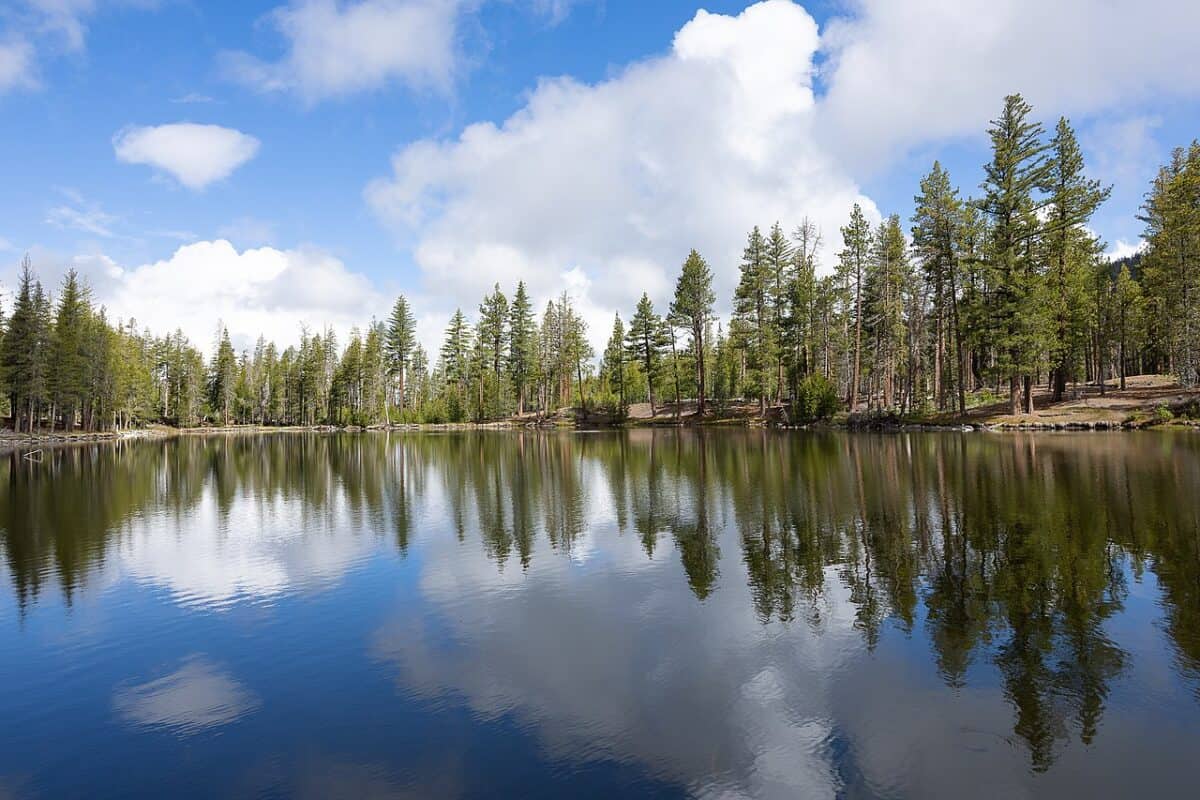
Lassen Volcanic National Park, part of the Cascade Range, is positioned amidst active volcanic and seismic regions. Earthquakes often precede volcanic activity, and the park’s numerous geothermal features are constant reminders of the active magma chamber beneath. Scientists closely monitor seismic activity to predict potential volcanic events.
Mount Rainier National Park, Washington

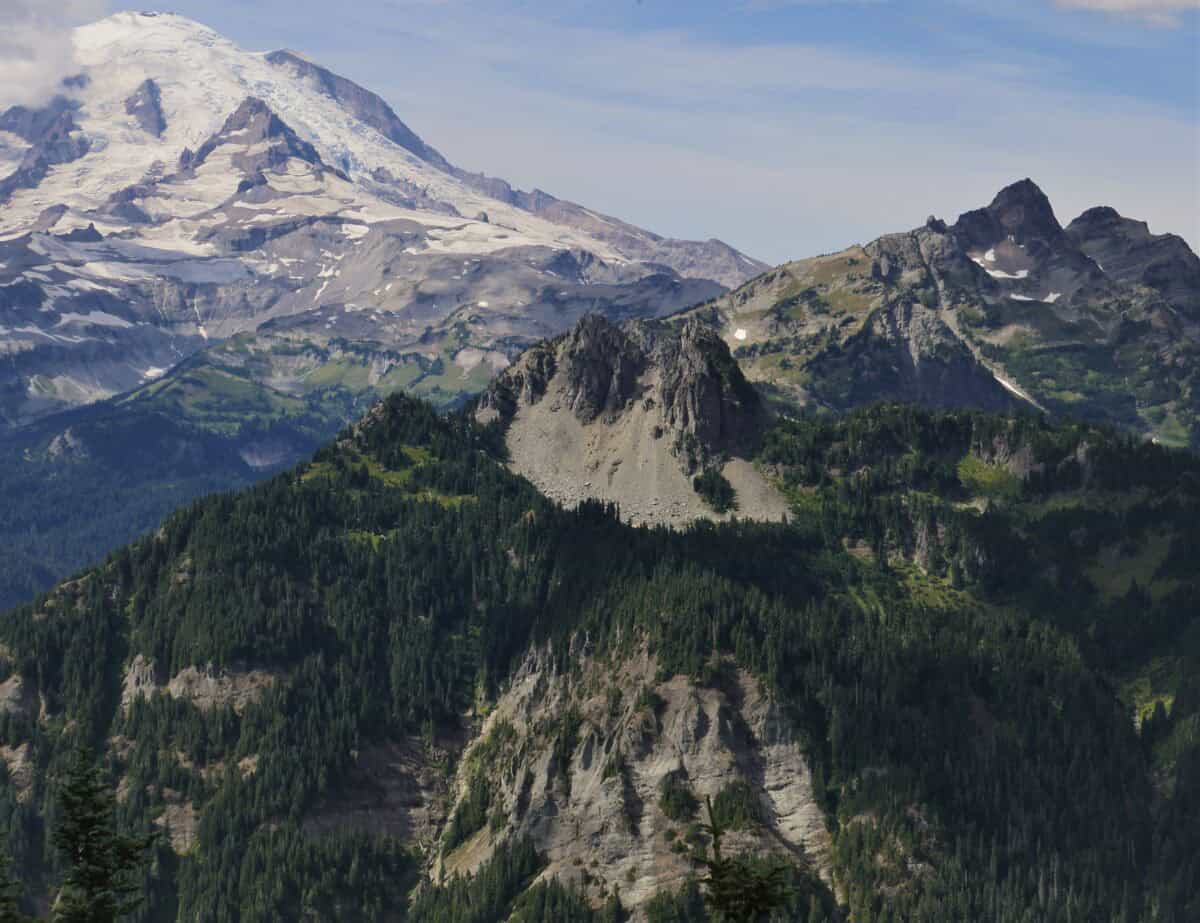
Mount Rainier, a towering stratovolcano, poses not only volcanic risks but also seismic challenges. The mountain’s recent geological activity and the complex network of faults beneath it contribute to frequent quakes. Monitoring this activity is crucial for predicting potential threats posed by both eruptions and seismic events.
Olympic National Park, Washington
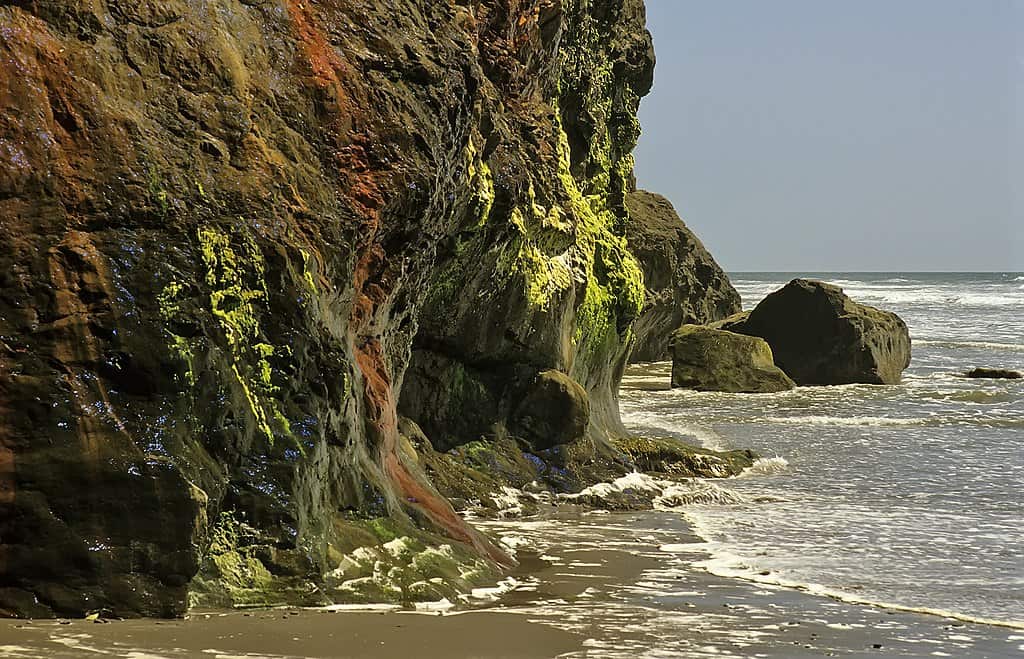
Olympic National Park is characterized by its unique convergence of oceanic and continental plates. The Cascadia Subduction Zone nearby raises the potential for significant seismic events. This active geologic setting requires constant monitoring to ensure the safety of visitors and the protection of this UNESCO World Heritage Site.
Conclusion: Embrace Nature’s Power Responsibly
America’s national parks offer more than just breathtaking views—they provide real-life lessons in geology and natural history. Understanding the seismic risks in these parks allows visitors to appreciate the dynamic forces shaping the Earth while ensuring personal safety. By responsibly embracing these parks’ natural power, we can enjoy their beauty and contribute to their preservation for future generations. Remember, while the threat of earthquakes is ever-present, knowledge and preparedness are key to safely experiencing all these unique landscapes.

As a little kid, I fell in love with nature, wildlife, and animals. Living in the USA, South Africa, Italy, China and Germany gave me the opportunity to discover the world's Wildlife. My favorite animals are Mountain Gorillas, Siberian Tigers, and Great White Sharks.
I'm a certified PADI Open Water Diver, went to Everest Base Camp and Trekked Gorillas in Uganda. I hold a Master of Science in Economics and Finance.
Please send any feedback to feedback@animalsaroundtheglobe.com
- The 10 Rarest Dog Breeds Making a Comeback in America - July 19, 2026
- 13 Creatures That Survived Mass Extinctions - July 19, 2026
- 12 Pets That Are Perfect for Seniors - July 19, 2026