


When an ecosystem loses its apex predator, the consequences ripple throughout the entire ecological community, often with far-reaching and sometimes unexpected effects. Apex predators—those at the top of the food chain with no natural predators of their own—play crucial roles in maintaining ecosystem balance and biodiversity. From wolves in Yellowstone to sharks in marine environments, these keystone species shape the structure and function of their habitats through direct predation and behavior modification of other species. The removal of these top-level hunters can trigger what ecologists call “trophic cascades,” fundamentally altering ecosystems in ways that can persist for generations. This article explores the complex and often dramatic consequences when an apex predator disappears from its native habitat, highlighting real-world examples and the critical importance of conservation efforts aimed at protecting these ecological linchpins.
The Role of Apex Predators in Healthy Ecosystems
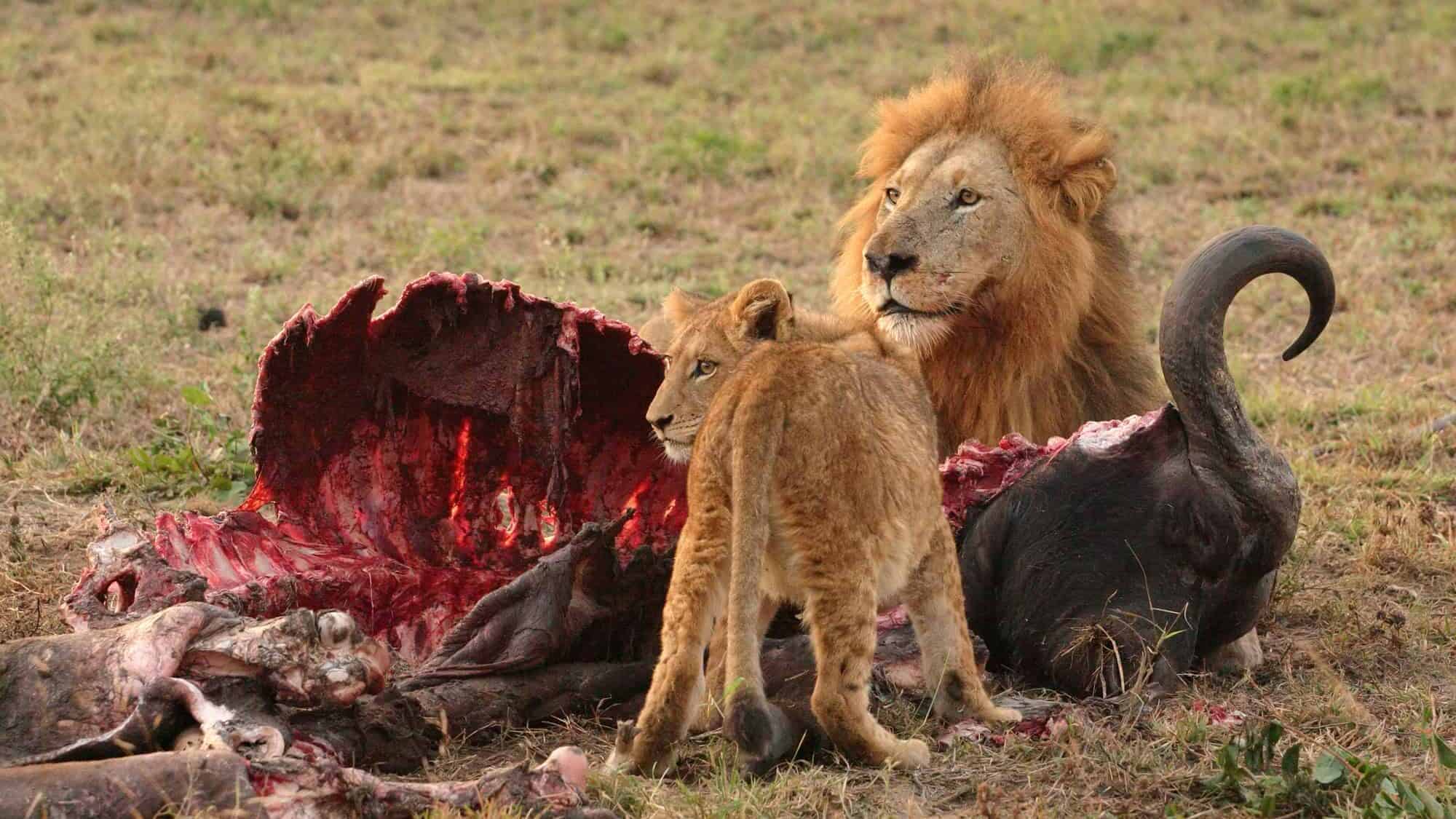
Apex predators serve as nature’s regulators, maintaining the delicate balance within ecosystems through multiple mechanisms. By controlling prey populations, they prevent overgrazing and habitat degradation that can occur when herbivore numbers grow unchecked. Research shows that apex predators typically comprise less than 1% of the ecosystem’s biomass, yet their influence on ecosystem function is disproportionately large. These top predators also create what ecologists call a “landscape of fear,” where prey species alter their behavior and habitat use to avoid predation, which in turn affects vegetation patterns and the abundance of other species. Additionally, many apex predators act as umbrella species—by protecting their extensive habitat requirements, conservation efforts simultaneously benefit countless other species that share the same environment. The ecological services provided by apex predators, from seed dispersal to nutrient cycling, make them invaluable components of functioning ecosystems.
Trophic Cascades: The Domino Effect

When an apex predator disappears, it often triggers a trophic cascade—a series of changes affecting multiple levels of the food web. This ecological domino effect begins with the release of mesopredators (mid-level predators) and herbivores from predatory control. As these populations expand, they exert increased pressure on their own prey or plant resources. A classic example occurred in parts of the eastern United States where the extirpation of wolves and mountain lions led to booming deer populations, resulting in overbrowsed forests with reduced tree regeneration and altered plant community composition. Studies have documented trophic cascades in terrestrial, freshwater, and marine ecosystems worldwide. In the Aleutian Islands, the decline of sea otters allowed sea urchin populations to explode, leading to the devastation of kelp forests and the countless species that depend on them. These cascades demonstrate how the removal of a single predatory species can fundamentally reorganize entire ecosystems, often with negative consequences for biodiversity and ecosystem function.
Mesopredator Release: When Middle-Ranked Predators Flourish

One of the most immediate and observable effects of apex predator loss is mesopredator release—the dramatic increase in the abundance and activity of mid-sized predators that were previously suppressed by the apex species. Research has documented this phenomenon across multiple ecosystems, from coyotes expanding after wolf extirpation to smaller carnivores like raccoons, foxes, and feral cats flourishing in the absence of larger predators. A 2009 study published in BioScience found that mesopredator outbreaks were recorded in 60% of systems following the loss of apex predators. These newly abundant mesopredators often have devastating effects on smaller prey species, particularly ground-nesting birds, small mammals, and reptiles. In Australia, the decline of dingoes has been linked to increased fox and feral cat populations, contributing to the continent’s alarming small mammal extinction crisis. The cascading effects of mesopredator release highlight how apex predators provide indirect protection to species multiple trophic levels below them, demonstrating the complex interconnectedness of healthy ecological communities.
Herbivore Population Explosions and Their Consequences

When apex predators disappear, herbivore populations often experience dramatic population booms that can transform landscapes. In the absence of predation pressure, herbivore numbers can increase exponentially until they reach the carrying capacity of their environment—often with destructive consequences. A prime example is the exponential growth of white-tailed deer in the eastern United States following the extirpation of wolves and mountain lions. Current deer densities in some regions exceed 100 per square mile, far above historical norms of 8-15 per square mile. This overabundance leads to overbrowsing that eliminates tree seedlings, shrubs, and wildflowers, fundamentally altering forest composition and structure. Similar patterns have been observed with elk in parts of western North America and with various ungulate species in Africa following predator reductions. The ecological consequences extend beyond plants to include decreased habitat quality for songbirds, small mammals, and invertebrates that depend on understory vegetation. Additionally, high herbivore densities often lead to increased disease transmission, lower body condition due to competition for food resources, and ultimately population crashes when resources become severely depleted—demonstrating how predator removal can paradoxically harm the very prey species that initially benefit from reduced predation.
Vegetation Changes and Habitat Transformation
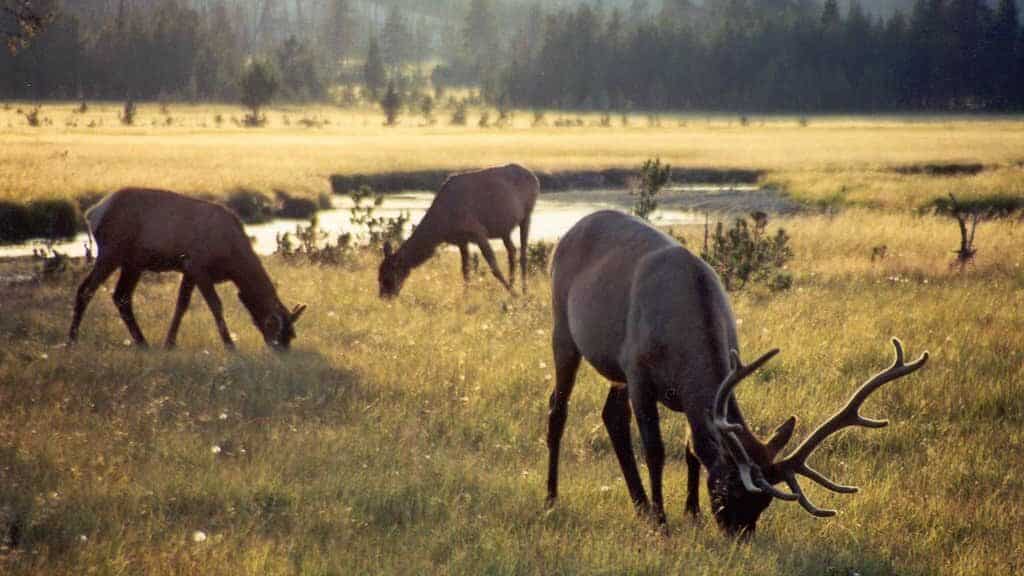
The loss of apex predators can dramatically alter vegetation patterns and habitat structure through both direct and indirect pathways. Without predators, herbivores often concentrate in preferred feeding areas rather than moving frequently to avoid predation. This concentrated feeding pressure can transform diverse plant communities into simplified systems dominated by unpalatable or browse-resistant species. Research in Yellowstone National Park documented how decades without wolves allowed elk to decimate aspen, willow, and cottonwood communities along stream corridors. Following wolf reintroduction in 1995, these plant communities began recovering in areas where elk experienced predation pressure. Similar vegetation changes have been documented globally—from Scottish highlands without wolves to African savannas with reduced lion populations. These vegetation alterations cascade to affect soil stability, water quality, and habitat availability for countless other species. A 2011 study in Science demonstrated that predator removal experiments across different ecosystems consistently showed strong effects on plant communities, with an average 35% reduction in plant biomass in predator-free areas. These profound vegetation changes illustrate how apex predators indirectly “engineer” ecosystems by influencing herbivore behavior and abundance.
Changes in Species Diversity and Composition

via Depositphotos
The removal of apex predators frequently leads to significant shifts in community composition and reductions in biodiversity. As mesopredators increase and herbivores overexploit vegetation, many species dependent on specific habitat structures or resources decline or disappear. Research in predator-free forest fragments has documented up to 50% fewer songbird species compared to similar habitats with intact predator communities. The mechanisms driving these changes are complex—reduced vegetation diversity eliminates niches for specialized species, increased mesopredator abundance directly impacts smaller prey populations, and altered competitive dynamics favor generalist species over specialists. A comprehensive review in 2014 examining 103 studies of apex predator effects found that their removal consistently led to decreased species diversity at multiple trophic levels. Perhaps counterintuitively, the presence of apex predators often creates more opportunities for coexistence among competing species by preventing any single species from becoming dominant. The loss of this mediating effect following predator removal can lead to competitive exclusion and community simplification. These biodiversity impacts highlight how apex predators function as critical keystones supporting diverse ecological communities.
The Yellowstone Example: Wolves and Ecosystem Recovery
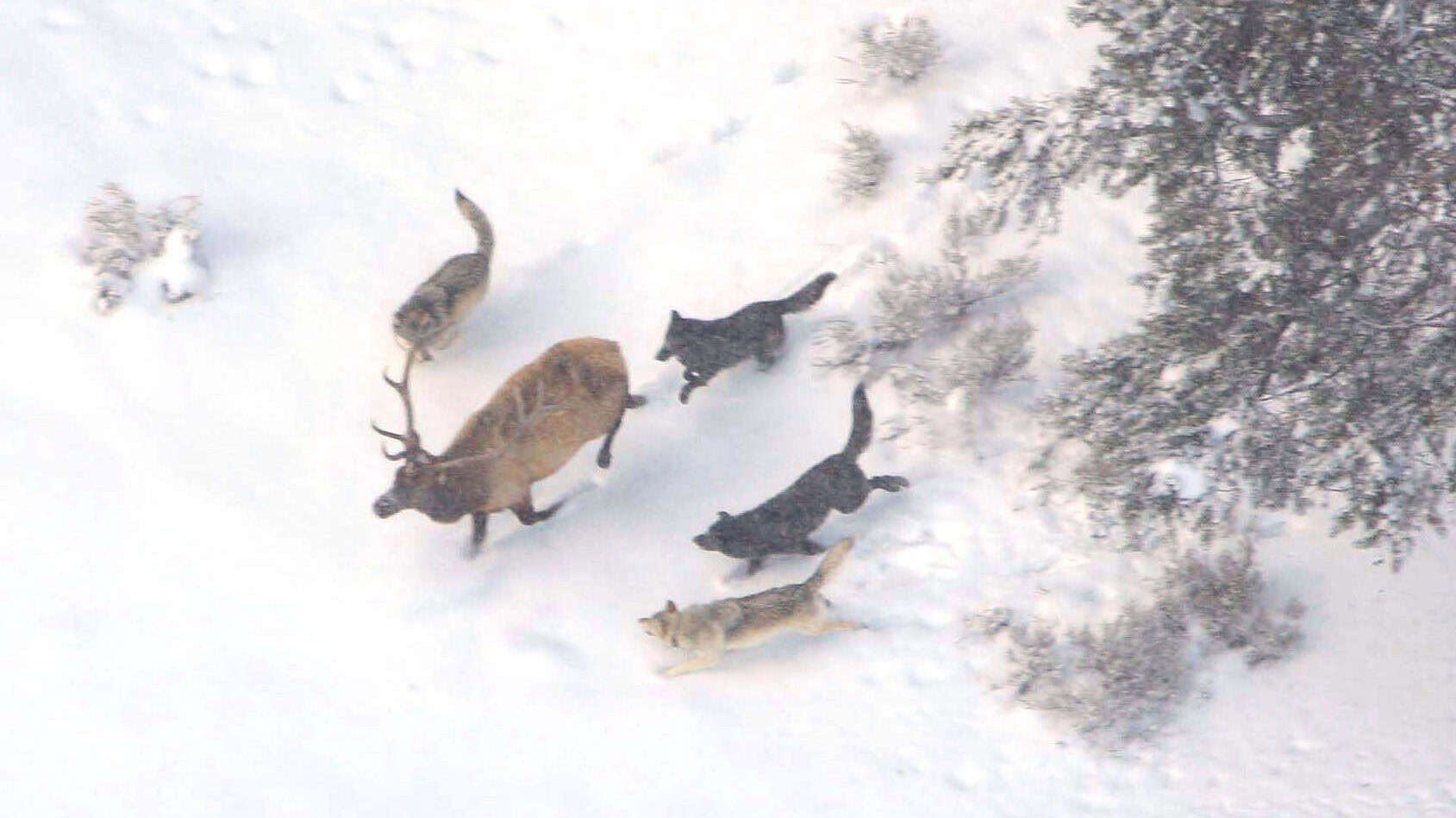
The reintroduction of wolves to Yellowstone National Park in 1995, after a 70-year absence, has provided one of the most well-documented natural experiments on the effects of restoring an apex predator. Within decades, researchers observed a remarkable ecological transformation known as a “rewilding cascade.” Wolf predation reduced elk populations by approximately 40% and, perhaps more importantly, changed elk behavior. Elk began avoiding high-risk areas like river valleys, allowing previously suppressed aspen, willow, and cottonwood to recover. Beaver populations, which depend on these trees, increased from one colony in 1996 to over nine by 2007, creating wetland habitats that benefited numerous species. The recovering vegetation stabilized streambanks, reducing erosion and improving water quality. Scavenger species like ravens, eagles, and bears benefited from wolf-killed carcasses. Even the physical geography changed, with reduced elk browsing leading to less erosion and more stable stream channels. The Yellowstone case demonstrates the potential for ecological recovery when apex predators are restored, though scientists note that multiple factors, including climate trends and other predators like grizzly bears, have also contributed to the observed changes. This natural experiment offers valuable insights into both the consequences of predator loss and the potential for ecosystem restoration through their return.
Marine Ecosystems Without Top Predators
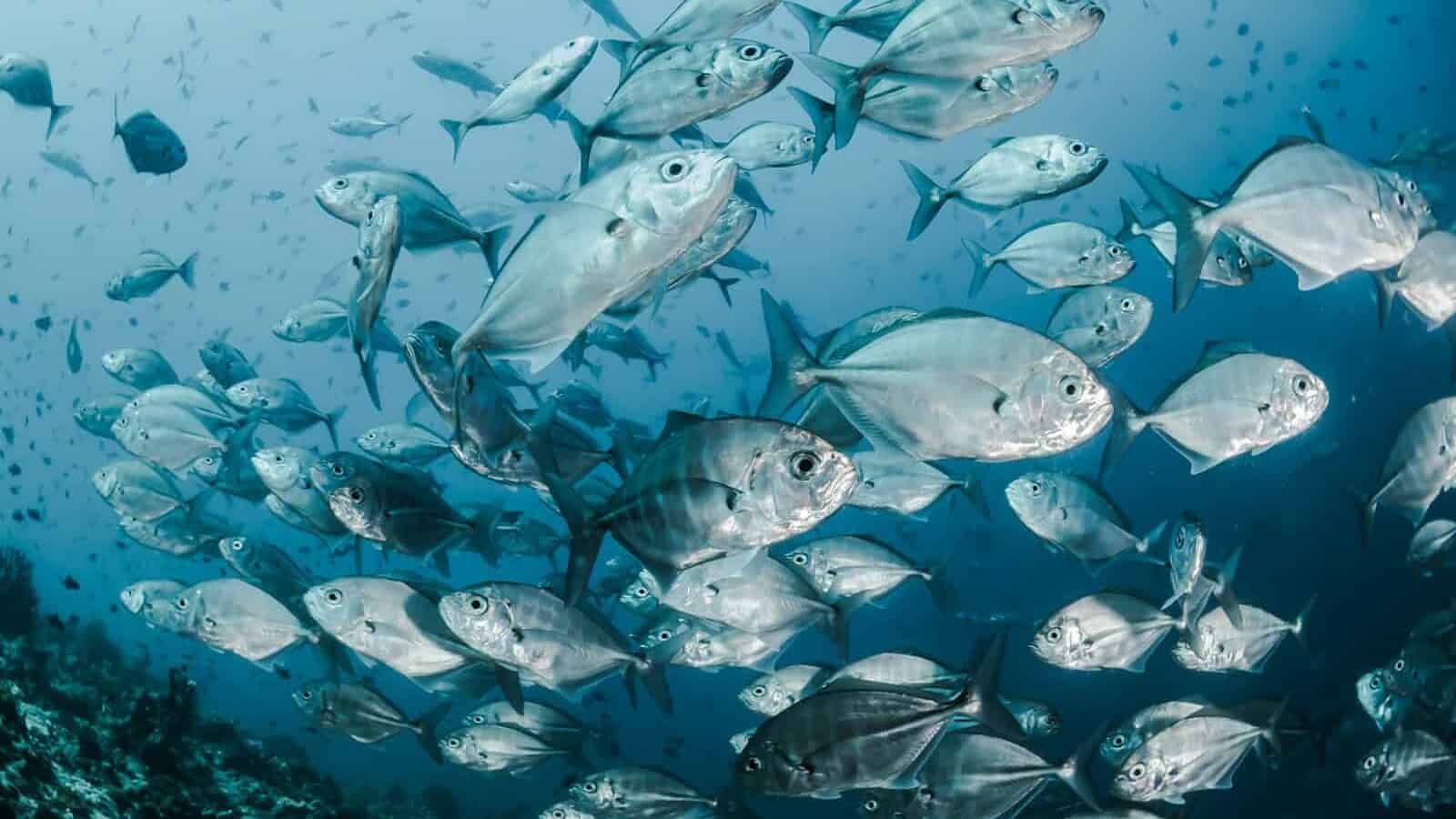
The consequences of apex predator loss in marine environments can be just as profound as in terrestrial systems, though often less visible to casual observers. Sharks, which have declined by over 70% globally in the past 50 years due to fishing pressure, play crucial roles in maintaining healthy ocean ecosystems. Research in multiple marine systems has documented significant changes following shark declines. On Caribbean coral reefs, the reduction of reef sharks has contributed to increased populations of mid-sized predatory fish, which in turn reduced the herbivorous fish that keep algae in check. This has accelerated coral-to-algae phase shifts, fundamentally altering reef ecosystems. In Shark Bay, Australia, tiger shark declines allowed dugongs and sea turtles to overgraze seagrass meadows, reducing critical habitat for numerous marine species. Perhaps most dramatically, the historic removal of great whales—which function as apex species in many marine systems—altered nutrient cycling in entire ocean basins, reducing productivity by limiting the “whale pump” that brings nutrients from deep waters to surface phytoplankton. Marine trophic cascades can be particularly complex due to the high connectivity and open nature of ocean ecosystems, but mounting evidence confirms that the loss of marine apex predators fundamentally alters ocean food webs, often with negative consequences for ecosystem function and fisheries productivity.
Disease Dynamics and Apex Predators
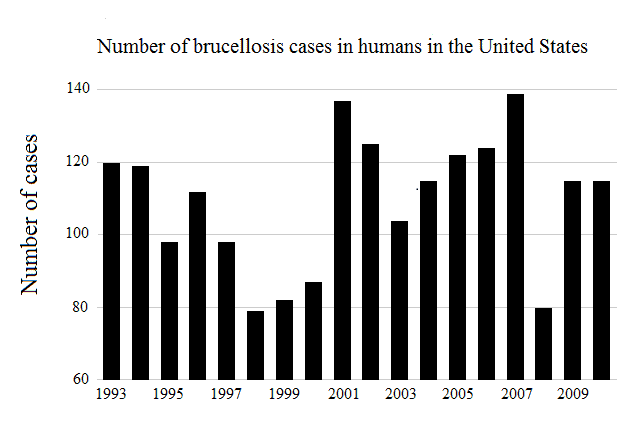
The relationship between apex predators and disease dynamics represents one of the more surprising ecological connections revealed by recent research. Predators influence disease patterns through multiple mechanisms. First, by controlling herbivore numbers, they reduce host density, which limits disease transmission opportunities. Studies have demonstrated higher rates of chronic wasting disease in deer populations without wolves compared to those with wolf predation. Second, predators often selectively remove sick or infected individuals that are easier to catch, effectively culling disease vectors from the population. Research on wolf predation of elk shows they are 4-5 times more likely to target animals infected with diseases like brucellosis. Third, fear-induced changes in prey behavior can reduce disease-transmitting contact rates. In areas with restored predator populations, research has documented reduced tick-borne disease prevalence due to these combined effects. Perhaps most dramatically, a study in East Africa found that local extinctions of lions and leopards led to increased contact between olive baboons and human settlements, resulting in intestinal parasite transmission between species. The loss of this “predator service” highlights another dimension of how apex predator removal can affect human well-being through increased disease risk, adding public health considerations to the ecological arguments for predator conservation.
Economic and Social Impacts of Predator Loss

The disappearance of apex predators extends beyond ecological consequences to affect human economies and societies in complex ways. While predator removal has historically been motivated by economic interests like livestock protection or increased game harvests, research increasingly demonstrates the significant economic costs of losing these species. In Scotland, the absence of wolves has necessitated expensive deer culling programs costing millions annually to prevent forest damage. The decline of sharks has destabilized many fisheries, with cascading economic impacts on fishing communities. Conversely, the return of predators can generate substantial economic benefits. Wolf reintroduction in Yellowstone generates an estimated $35 million annually in tourism revenue for surrounding communities. Similar ecotourism benefits have been documented with tiger reserves in India and shark diving in various locations globally. However, the costs and benefits of predator presence are not equally distributed—ranchers may experience livestock losses while tourism operators benefit. This uneven distribution creates social conflicts around predator conservation that require carefully designed policy solutions, such as compensation programs for verifiable livestock losses. Understanding these socioeconomic dimensions is crucial for developing sustainable approaches to apex predator conservation that address legitimate human concerns while preserving essential ecological functions.
Conservation Challenges and Strategies

Conserving apex predators presents unique challenges due to their large spatial requirements, potential conflicts with human activities, and historically negative cultural perceptions. Most apex predators require extensive territories—a single wolf pack may range over 200 square miles, while a tiger needs up to 40 square miles. This creates conservation challenges in fragmented landscapes and necessitates landscape-scale approaches that maintain habitat connectivity. Successful strategies often combine protected areas with wildlife corridors and buffer zones that allow predator movement while minimizing human conflicts. Financial mechanisms like payment for ecosystem services can compensate communities for maintaining predator habitat, while improved livestock husbandry methods (guard dogs, night corrals, etc.) can reduce depredation incidents. Public education plays a crucial role in building tolerance for predators by communicating their ecological importance. Recent conservation success stories, such as the recovery of mountain lions in parts of the United States and the increasing tiger populations in India, demonstrate that coexistence is possible with appropriate policies. Technological innovations like GPS collars provide early warning systems for communities when predators approach livestock areas, while rapid compensation programs address economic losses. These integrated approaches recognize that successful apex predator conservation must balance ecological needs with human wellbeing to be sustainable in the long term.
Restoration and Rewilding Efforts
Across the globe, innovative restoration and rewilding projects are attempting to recover lost ecological functions by reintroducing apex predators or enabling their natural return. Beyond the well-known Yellowstone wolf reintroduction, numerous projects demonstrate the potential for predator restoration. In Europe, the LIFE EuroLarge Carnivores project supports the natural recovery of wolves, bears, lynx, and wolverines across multiple countries through stakeholder engagement and conflict mitigation measures. The recovery of these species has begun reversing trophic cascades in several regions. In Mozambique’s Gorongosa National Park, the reintroduction of wild dogs and leopards is helping restore predator-prey dynamics following their loss during civil conflict. Marine protected areas that prohibit fishing have enabled partial recovery of shark populations in locations like Palau and the Bahamas, with measurable benefits for reef health. These projects face significant challenges, including ensuring sufficient habitat, managing human conflicts, and securing long-term political support. However, they also provide valuable learning opportunities about ecosystem recovery processes. Scientists increasingly recognize that full ecological restoration may require not just the presence of predators but the restoration of their functional ecological roles—including natural movement patterns and hunting behaviors. This emerging “functional restoration” approach focuses on recovering ecological processes rather than simply predator numbers, representing an important evolution in rewilding science.
The loss of apex predators from ecosystems represents one of the most significant human-driven changes to global ecology, with consequences that extend far beyond the predators themselves. As this article has demonstrated, these keystone species shape environments through complex direct and indirect pathways that science is still working to fully understand. The accumulating evidence from ecosystems worldwide confirms that apex predators are not ecological luxuries but fundamental components of functioning, resilient natural systems. Moving forward, conservation approaches that recognize and protect the ecological roles of these species—not just their existence—will be essential for maintaining biodiversity and ecosystem services. In an era of climate change and habitat fragmentation, predators’ contributions to ecosystem resilience take on even greater importance. While significant challenges remain in balancing human needs with predator conservation, the emerging examples of successful coexistence provide templates for a future where humans and apex predators share landscapes. The story of what happens when ecosystems lose their apex predators serves as a powerful reminder of nature’s interconnectedness and the often unexpected consequences of ecological simplification.

- How to Attract Pollinators Without Using Sugar Water - July 19, 2026
- Coastal Creatures That Appear at Low Tide in Oregon - July 19, 2026
- How Arctic Wolves Survive in the Harshest U.S. Winters - July 19, 2026