

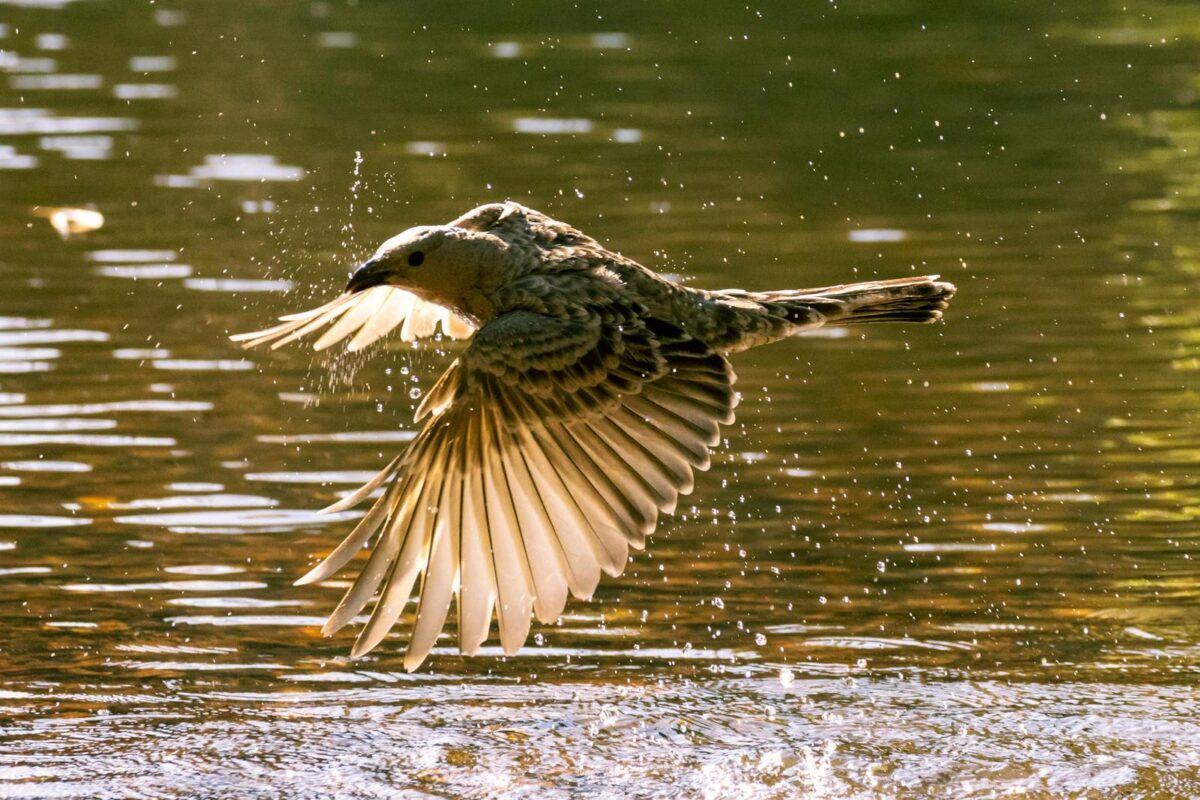
Nature is filled with remarkable examples of animal architecture and parental dedication. From birds that create elaborate structures to reptiles that carefully select specific environments for their eggs, the animal kingdom displays an astonishing array of nesting behaviors. These intricate rituals not only showcase the intelligence and adaptability of various species but also highlight the lengths to which animals will go to ensure the survival of their offspring. In this exploration of nature’s most dedicated builders and caregivers, we’ll discover 20 creatures whose nesting habits range from the architecturally impressive to the behaviorally complex.
13. Sociable Weavers The Apartment Complex Builders

Found in southern Africa, the sociable weaver (Philetairus socius) constructs what are arguably the most impressive bird nests on the planet. These remarkable colonial nests resemble massive haystacks draped over acacia trees and can house up to 500 birds in separate chambers. With some structures weighing over a ton and spanning more than 20 feet in width and 10 feet in height, these nests represent generations of construction work. The architecture isn’t random—sociable weavers create a sophisticated structure with a cool lower level and warmer upper chambers, allowing the birds to thermoregulate throughout the year in the harsh desert environment. Some of these massive nests have been continuously occupied and expanded for over a century, making them among the largest bird-created structures in the world.
12. Male Bowerbirds The Artistic Decorators
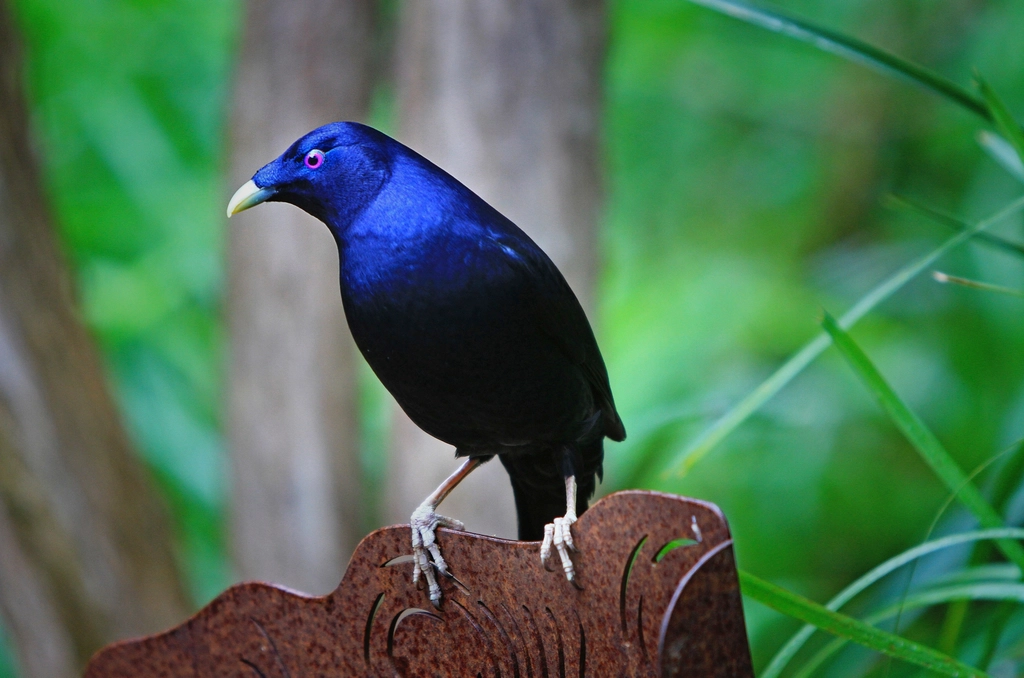
Bowerbirds of New Guinea and Australia elevate nest-building to an art form. The males of species like the satin bowerbird (Ptilonorhynchus violaceus) and the great bowerbird (Chlamydera nuchalis) construct elaborate display courts called bowers—intricate structures made of carefully arranged twigs, often forming an avenue or maypole-like construction. What makes these nests truly remarkable is the meticulous decoration that follows. Males collect colorful objects—blue feathers, flowers, berries, shells, and even human-made items like bottle caps or glass—arranging them by color and size. They even create optical illusions by placing smaller objects farther from the entrance to make their bower appear larger to females. The males continuously maintain their display, rearranging items daily and replacing faded decorations with fresh ones. This artistic dedication serves one purpose: to attract a mate, as females select partners based on the quality and presentation of their bower.
11. Rufous Hornero The Master Potter

The rufous hornero (Furnarius rufus), also known as the red ovenbird, earns its name from the distinctive oven-shaped nest it constructs. Native to South America, these birds build some of the most architecturally sophisticated nests in the avian world. Using mud, straw, and dung, a mated pair works together to create a dome-shaped structure with an entrance hall and inner chamber. The walls are thick—up to two inches—and the entire construction process takes one to two months of dedicated labor. What makes these nests exceptional is their engineering; the entrance typically faces away from prevailing winds, and the thick walls provide excellent insulation. The completed nest hardens like pottery in the sun, creating a fortress-like home that protects eggs and nestlings from predators and harsh weather. These remarkable structures are so culturally significant that the rufous hornero has been designated the national bird of Argentina.
10. Crocodiles The Temperature-Sensitive Guardians
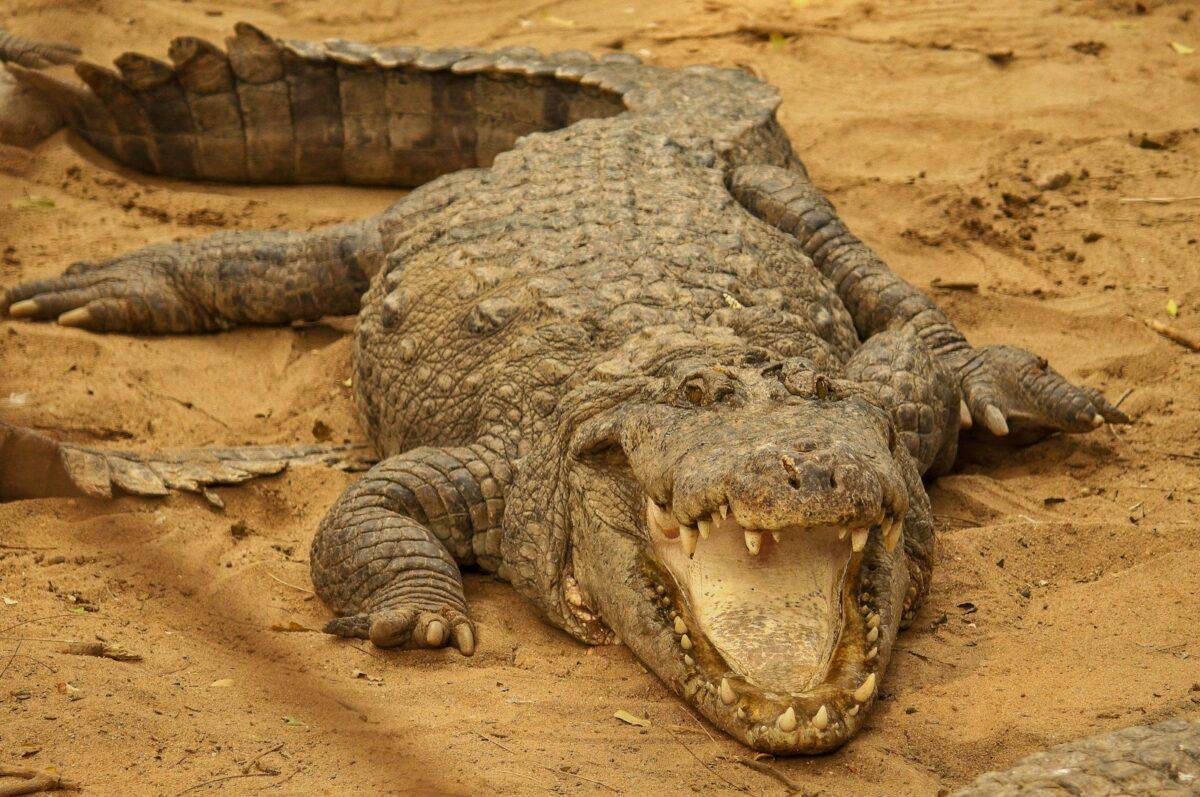
Crocodilian nesting behavior reveals sophisticated adaptations that have evolved over millions of years. Female Nile crocodiles (Crocodylus niloticus) and American alligators (Alligator mississippiensis) build large mound nests using vegetation, soil, and debris that can span up to 10 feet across and 3 feet high. What makes these reptiles remarkable nest builders is their ability to create and monitor specific microenvironments for their eggs. The decomposing vegetation generates heat that incubates the eggs, and fascinatingly, the temperature within the nest determines the sex of the offspring—warmer temperatures produce males, while cooler temperatures result in females. Mother crocodiles exhibit extraordinary parental care, guarding their nests vigilantly for the entire 2-3 month incubation period, often going without food. When the eggs are ready to hatch, they respond to vocalizations from the babies still inside the eggs, helping to excavate the nest and sometimes gently carrying the hatchlings to water in their formidable jaws—a remarkable contrast of gentle parental care from one of nature’s most feared predators.
9. Male Emperor Penguins The Extreme Incubators

Emperor penguins (Aptenodytes forsteri) have developed one of the most demanding nesting behaviors on Earth, perfectly adapted to the brutal Antarctic winter. Unlike most birds that build physical nests, emperor penguins create a nest of their own body. After the female lays a single egg, she transfers it to the male’s feet, where it is covered by a feathered pouch called a brood patch. The male then begins an extraordinary feat of endurance, balancing the egg on his feet for about 65-75 days during the darkest, coldest time of year, with temperatures plummeting to -40°F and winds reaching 125 mph. During this incubation period, males huddle together in groups of thousands, rotating positions so each penguin gets a turn in the warmer center of the huddle. The males fast entirely during this period, losing up to 45% of their body weight. Meanwhile, the females journey up to 50 miles across the ice to the open ocean to feed, returning around the time the chicks hatch to relieve their starving partners. This remarkable nesting ritual represents one of the most extreme examples of parental sacrifice in nature.
8. Termites The Skyscraper Architects

Among insects, termites stand as nature’s most impressive builders, creating nests that rival human engineering feats. Macrotermes species in Africa and Australia construct massive mound nests that can reach over 30 feet in height—proportionally equivalent to humans building structures four miles tall. These mounds aren’t merely piles of dirt but sophisticated structures with complex ventilation systems that maintain stable internal temperatures and humidity levels despite external fluctuations. The interior contains numerous specialized chambers, including royal chambers for the queen and king, nurseries for eggs and young, fungus gardens where termites cultivate their food, and intricate networks of tunnels. Some termite mounds are oriented precisely along north-south axes to optimize temperature regulation. The queen, at the heart of this remarkable nest, can live for over 50 years, producing up to 30,000 eggs daily, while millions of worker termites continuously expand and repair the structure. Despite each individual termite having minimal cognitive capacity, their collective intelligence creates one of nature’s most impressive architectural achievements.
7. Malleefowl The Living Incubators

The malleefowl (Leipoa ocellata) of Australia demonstrates extraordinary engineering skills and dedicated parental effort in its unique nesting ritual. Rather than sitting on their eggs, malleefowl pairs construct massive incubation mounds that can measure up to 15 feet in diameter and 3 feet high. The process begins with the male digging a large pit, which is then filled with organic matter like leaves and twigs. Once rainfall soaks this vegetation, decomposition begins, generating heat. The birds then cover the pit with a layer of insulating sand. The male monitors the mound’s internal temperature with remarkable precision using his sensitive beak as a thermometer, adding or removing sand to maintain the ideal incubation temperature of about 92°F (33°C). This temperature regulation continues for the entire 7-8 month incubation period, with the male testing the temperature daily and making adjustments as needed. When the chicks hatch, they receive no parental care, digging their way out of the mound fully independent. The malleefowl’s extraordinary nesting behavior represents one of the most labor-intensive and precisely controlled incubation systems in the animal kingdom.
6. Harvester Ants The Underground City Planners

Harvester ants (Pogonomyrmex species) create some of the most elaborate underground nesting structures in the insect world. Their colonies feature intricate networks of tunnels and chambers that can extend more than 15 feet deep and span 30 feet across. What makes these nests remarkable is their sophisticated architecture, which includes specialized chambers for food storage, nurseries for rearing young, and even waste disposal areas. The entrance to the nest is often marked by a distinctive crater or mound surrounded by a cleared area that colony members maintain meticulously. This cleared circle, which can be up to 30 feet in diameter, serves multiple purposes: it provides a landing area for returning foragers, deters competing vegetation, and helps regulate nest temperature. The internal design of harvester ant nests includes remarkable features like ventilation tunnels that create natural air conditioning and moisture regulation. These tunnels are angled precisely to capture breezes and are widened or narrowed by worker ants as needed to maintain optimal nest conditions. A single colony can move over 300 pounds of soil during construction, creating an engineering marvel that can house up to 10,000 individuals and persist for over 20 years.
5. Orangutans The Arboreal Architects
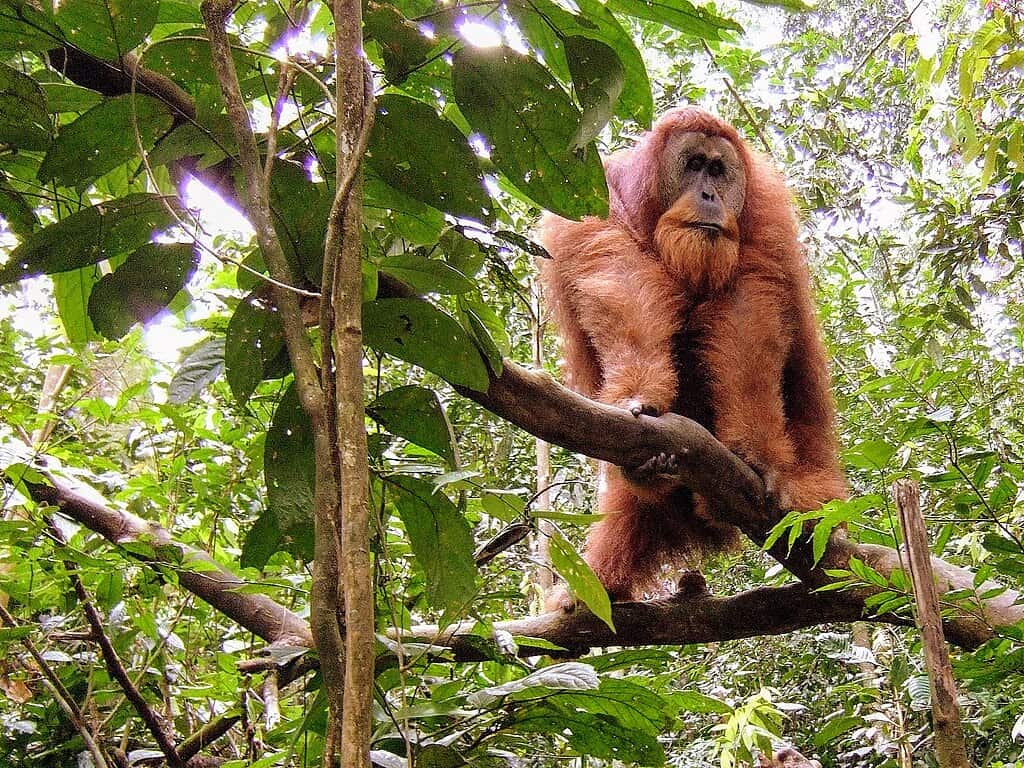
Among mammals, orangutans (Pongo species) display some of the most sophisticated nest-building behaviors. Every night, these great apes construct a new sleeping nest high in the forest canopy, demonstrating remarkable engineering skills. The process begins with the selection of a suitable foundation tree, after which the orangutan bends and breaks branches to create a platform, weaving them together to form a sturdy base. They then add softer material like leafy branches for comfort, sometimes adding a “roof” of large leaves for protection from rain. What makes orangutan nests extraordinary is the technical skill involved—they use different types of branches for different structural purposes and employ various construction techniques including bending, breaking, and weaving. Young orangutans spend years observing their mothers before mastering these techniques themselves. Researchers have documented over 400 variations in orangutan nest building, suggesting cultural differences between populations. Some individuals even build day nests for resting and “nursery” nests with extra padding when raising infants. With a new nest built daily throughout their 40-50 year lifespan, an orangutan might construct over 15,000 different nests in its lifetime, each taking just 5-6 minutes to complete—a testament to their remarkable architectural efficiency.
4. Trapdoor Spiders The Underground Ambush Specialists

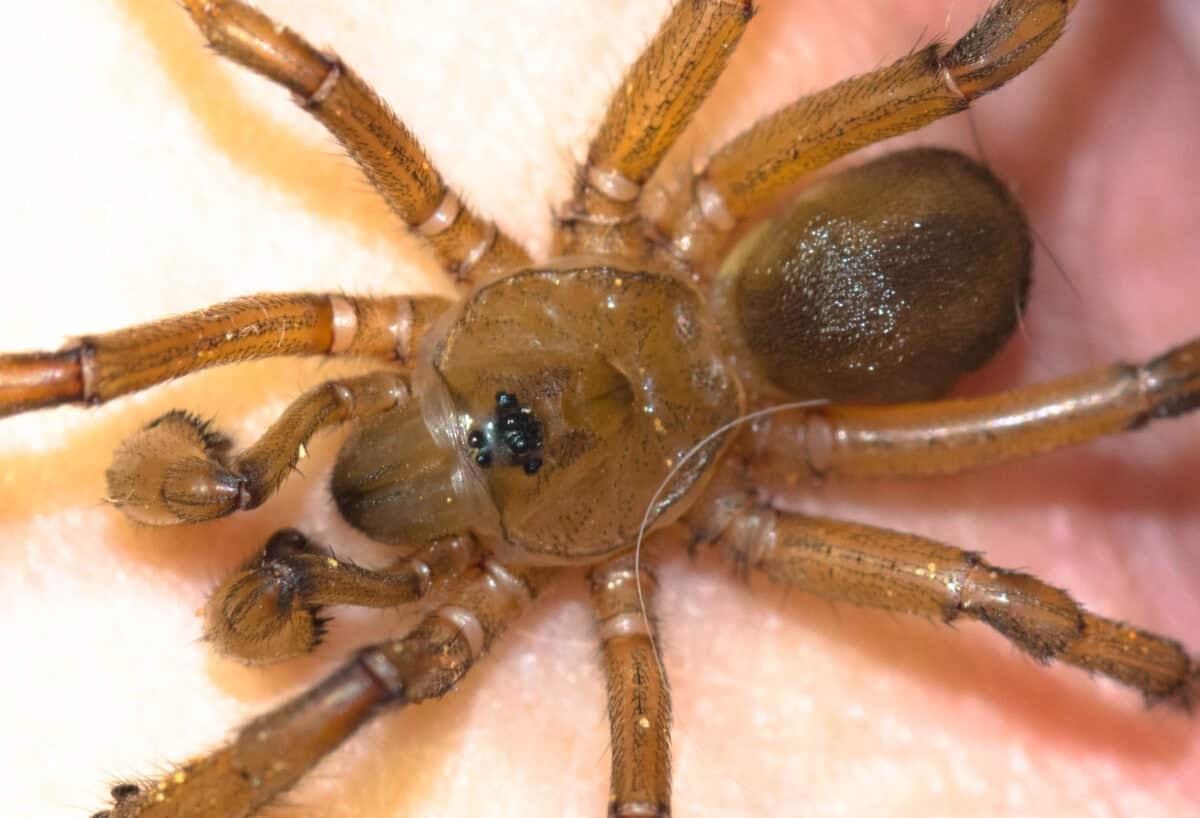
Trapdoor spiders (family Ctenizidae and related families) create some of the most sophisticated hunting dwellings in the arachnid world. These spiders excavate deep tubular burrows in the ground, some extending up to 12 inches deep, lined with silk to prevent collapse. What makes these nests truly remarkable is the hinged door constructed at the entrance—a masterpiece of natural engineering. This door is crafted from soil, vegetation, and silk, perfectly camouflaged to match the surrounding terrain, with the inner surface lined with silk for strength and waterproofing. The door is attached with a flexible silk hinge and includes strategically placed indentations on the underside where the spider can insert its claws to hold the door shut against predators. Some species even incorporate surrounding materials like moss or lichens to enhance camouflage, while others add cork-like materials for insulation. The spider waits inside with its legs touching trip lines—strands of silk extending from the door—that alert it to passing prey. When prey approaches, the spider bursts out, captures its meal, and retreats back into its burrow, pulling the door closed behind it. These elaborate homes serve as nurseries too, with females caring for their young within the security of the burrow until they’re ready to disperse and build their own trapdoors.
3. Montezuma Oropendolas The Hanging Nest Specialists

The Montezuma oropendola (Psarocolius montezuma) of Central America creates one of the most distinctive and impressive hanging nests in the bird world. These large, colonial birds weave elongated, teardrop-shaped pouches that hang from the outermost branches of tall trees, sometimes reaching over 6 feet in length—among the longest of all bird nests. Construction begins with the female selecting a suitable branch tip, then weaving flexible fibers around it to create a secure anchor point. She then works downward, meticulously weaving plant fibers, vines, and grasses into a pouch, creating walls so tightly woven they’re nearly waterproof. The bottom of the nest expands into a bulbous chamber where eggs are laid on a soft bed of leaf fragments. What makes these nests particularly remarkable is their placement—deliberately hung from slender branches that cannot support the weight of predators. A single colony tree may support up to 30 of these pendulous nests, creating a dramatic display. The nests’ extreme length serves an important purpose: the narrow, tube-like entrance requires the birds to climb down head-first, a maneuver that predators find difficult to execute. These architectural marvels take females about 2 weeks to complete and represent one of nature’s most visually striking nesting solutions.
2. Leaf-Cutter Ants The Underground Fungus Farmers

Leaf-cutter ants (Atta species) create some of the most complex nest structures in the insect world, building massive underground colonies that function as sophisticated agricultural systems. These industrious insects excavate extensive networks of chambers and tunnels that can extend 30 feet deep and cover an area equivalent to a football field. What makes their nesting behavior truly extraordinary is the purpose of this underground metropolis: to cultivate fungus gardens. The ants harvest fresh vegetation, carrying leaf fragments many times their body weight back to the nest, where they process the material to serve as substrate for their fungal crop. The nest architecture includes specialized chambers for different functions: fungus gardens where their food is grown, brood chambers for raising young, waste disposal areas, and even cemetery chambers. Most remarkable is the nest ventilation system, with carefully positioned tunnels that create natural air circulation to maintain the precise temperature and humidity levels required by their fungal crop. A mature colony can house up to 8 million individuals organized in a sophisticated caste system, with the entire operation centered around the queen in her royal chamber, who may live for over 20 years. These remarkable nests represent one of the earliest forms of agriculture on Earth, evolving around 50 million years ago.
1. White Terns The Minimalist Balancers
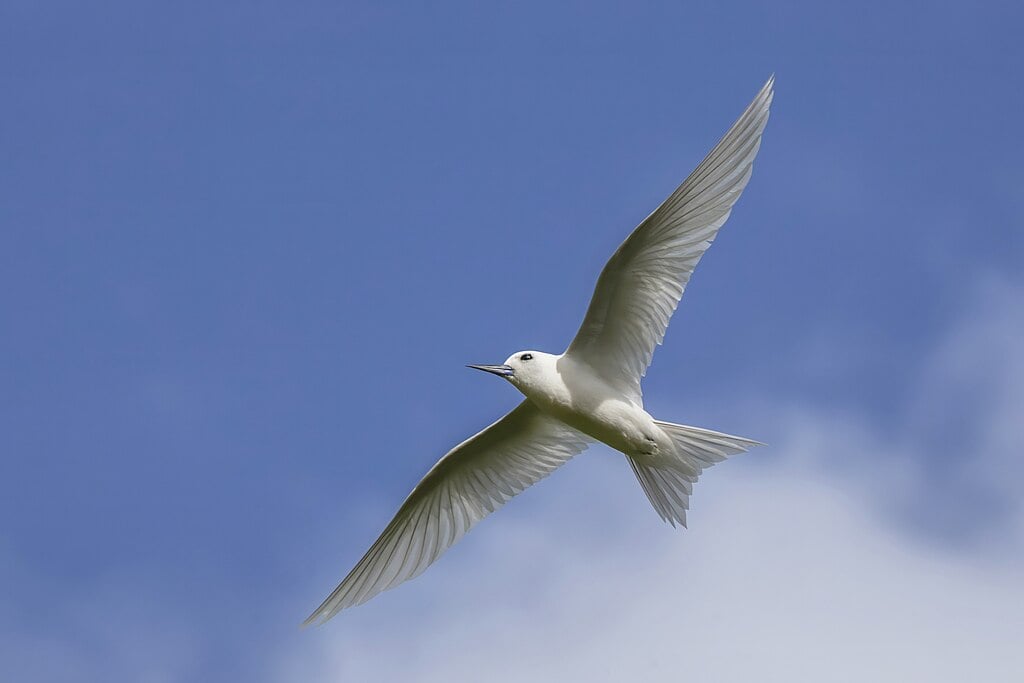
The white tern (Gygis alba), also known as the fairy tern, takes minimalist nesting to an extreme that borders on the unbelievable. Unlike nearly all other birds, white terns build no nest whatsoever. Instead, these elegant seabirds lay a single egg directly on a bare branch, in a small depression, or even in the crook of a tree—with absolutely no nesting material. What makes this approach remarkable is the precarious balancing act it requires. The egg is laid on branches sometimes no wider than a human finger, often 15-30 feet above the ground, with nothing securing it in place except its slightly pointed shape that minimizes rolling and a sticky substance on the newly laid egg that helps it adhere to the branch. Both parents take turns incubating the egg, carefully placing their feet on either side of it while balancing on the branch. When the chick hatches, it develops strong feet almost immediately, gripping the branch with remarkable dexterity. Young chicks must maintain this balancing act for 30-45 days until they can fly, often weathering tropical storms while perched on their exposed branch. This seemingly risky nesting strategy actually provides an advantage by avoiding parasites that accumulate in conventional nests and making it harder for predators to locate the eggs and chicks, which blend with the dappled light of the forest canopy.
Conclusion:
From skyscraping termite mounds to delicately balanced white tern eggs, the animal kingdom offers an astounding variety of nesting rituals that showcase ingenuity, instinct, and dedication. These elaborate structures and behaviors aren’t just fascinating curiosities—they are critical survival strategies honed over millennia. Whether it’s the precision temperature control of a malleefowl mound, the architectural artistry of a bowerbird’s courtship arena, or the grueling endurance of an emperor penguin’s winter vigil, each nesting ritual reflects a profound evolutionary investment in the next generation. These extraordinary nests demonstrate that building a home—and ensuring the safety of offspring—is a universal challenge met with incredible creativity across species. As we learn more about these behaviors, we gain a deeper appreciation not only for animal intelligence and adaptability, but also for the fragile ecosystems that support such diverse life. Nature, it turns out, is full of architects—many of them wearing feathers, scales, or fur—and each one tells a story of survival, care, and the endless drive to nurture life.

As a little kid, I fell in love with nature, wildlife, and animals. Living in the USA, South Africa, Italy, China and Germany gave me the opportunity to discover the world's Wildlife. My favorite animals are Mountain Gorillas, Siberian Tigers, and Great White Sharks.
I'm a certified PADI Open Water Diver, went to Everest Base Camp and Trekked Gorillas in Uganda. I hold a Master of Science in Economics and Finance.
Please send any feedback to feedback@animalsaroundtheglobe.com
- 13 Cat Breeds That Get Along with Dogs - July 20, 2026
- The 12 Largest Dog Breeds That Still Love to Cuddle - July 20, 2026
- 12 Pet Habits That Secretly Mean They Love You - July 20, 2026