
Australia’s Wildlife is like nowhere else on Earth. Seriously, where else will you find animals that defy all logic and science? We’re talking about creatures with beaks, fur, and venomous spurs all rolled into one package. This island continent broke away from the rest of the world millions of years ago, and its wildlife evolved in complete isolation. The result is a collection of animals so bizarre, so wonderfully weird, that they’ve captivated scientists and nature lovers for centuries.
Let’s be real, over 80% of ‘s mammals, reptiles, frogs, and flowering plants are found nowhere else on Earth. This extraordinary endemism means you won’t spot these creatures anywhere else, no matter how far you travel. From egg-laying mammals to cube-pooping marsupials, ‘s wildlife is a masterclass in evolution’s creativity. Ready to meet the continent’s most captivating characters? Let’s dive into a world where the unusual is ordinary and nature’s imagination runs wild.
The Platypus: Nature’s Greatest Puzzle
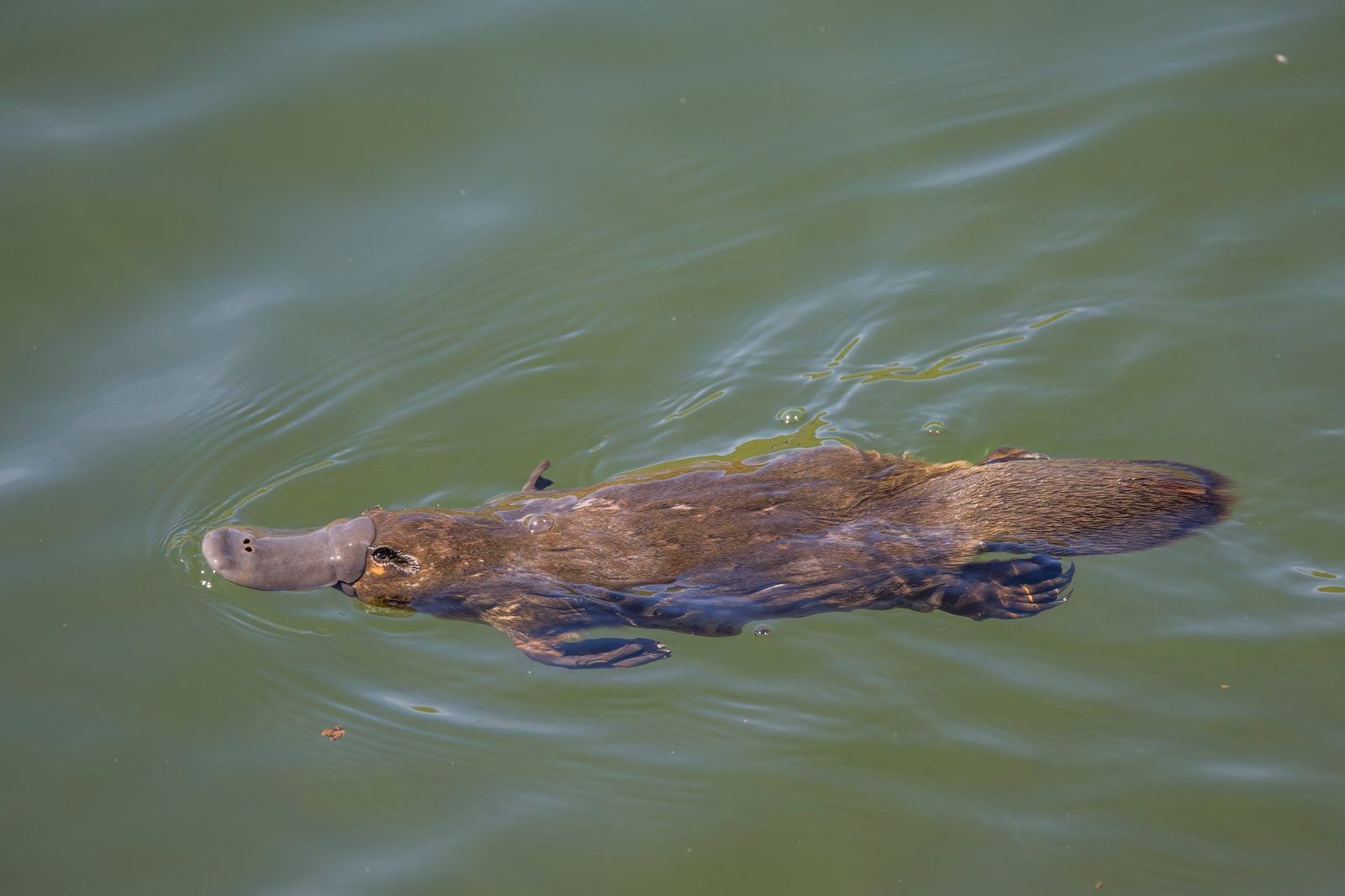
When European scientists first encountered the platypus, many thought it was an elaborate hoax. Can you blame them? This creature looks like someone stitched together parts from completely different animals. This small, semi-aquatic mammal defies classification, with the bill of a duck, the webbed feet of an otter, and the body of a beaver. It’s genuinely one of nature’s most confusing creations.
Here’s where things get even stranger. The platypus lays eggs, a feature shared only with another Australian oddity, the echidna, in the mammalian world. As if that weren’t enough, males have spurs on their hind legs that can deliver a painful venom capable of incapacitating small animals. Their waterproof fur even glows under UV light. Talk about overachieving in the weird department.
The Koala: Australia’s Sleepy Tree Hugger
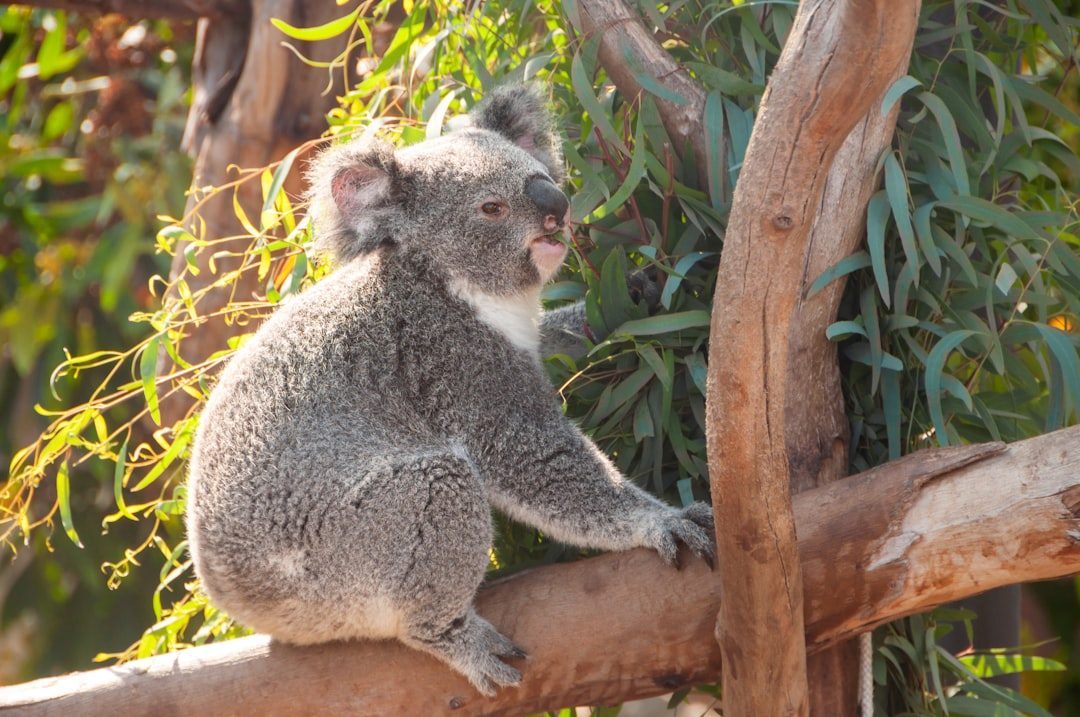
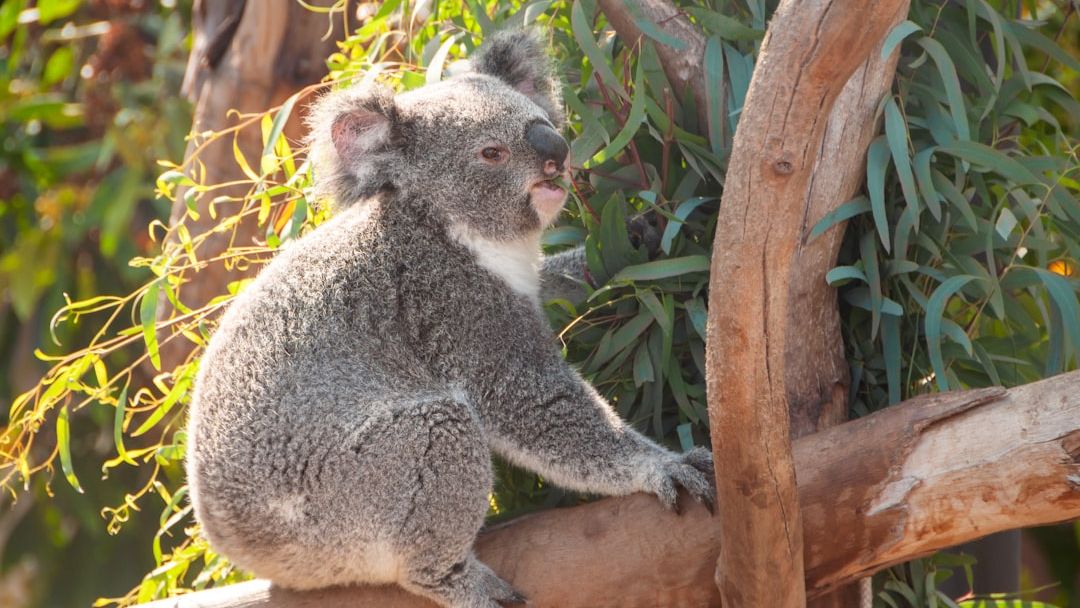
Koalas might look like living teddy bears, but these marsupials are far from cuddly toys. These tree-dwelling marsupials are more than just cute faces – they are highly specialised creatures uniquely adapted to their eucalyptus forest homes. They’re picky eaters with an incredibly specific lifestyle that sets them apart from almost every other mammal.
One of the most fascinating facts about koalas is their highly selective diet as they feed almost exclusively on eucalyptus leaves, which are tough, toxic, and low in nutrients. This diet is so energy-poor that koalas sleep up to 20 hours per day to conserve energy. Baby koalas, called joeys, are only about the size of a jellybean when born and spend six months developing in their mother’s pouch before emerging into the world.
The Kangaroo: Australia’s Iconic Hopper
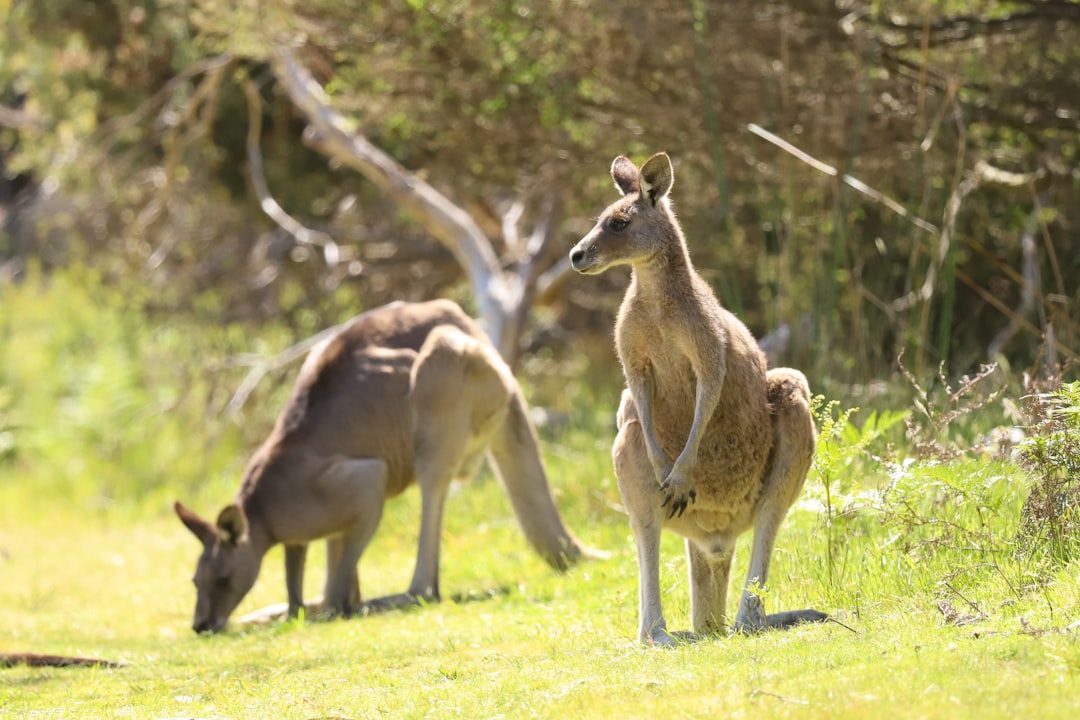
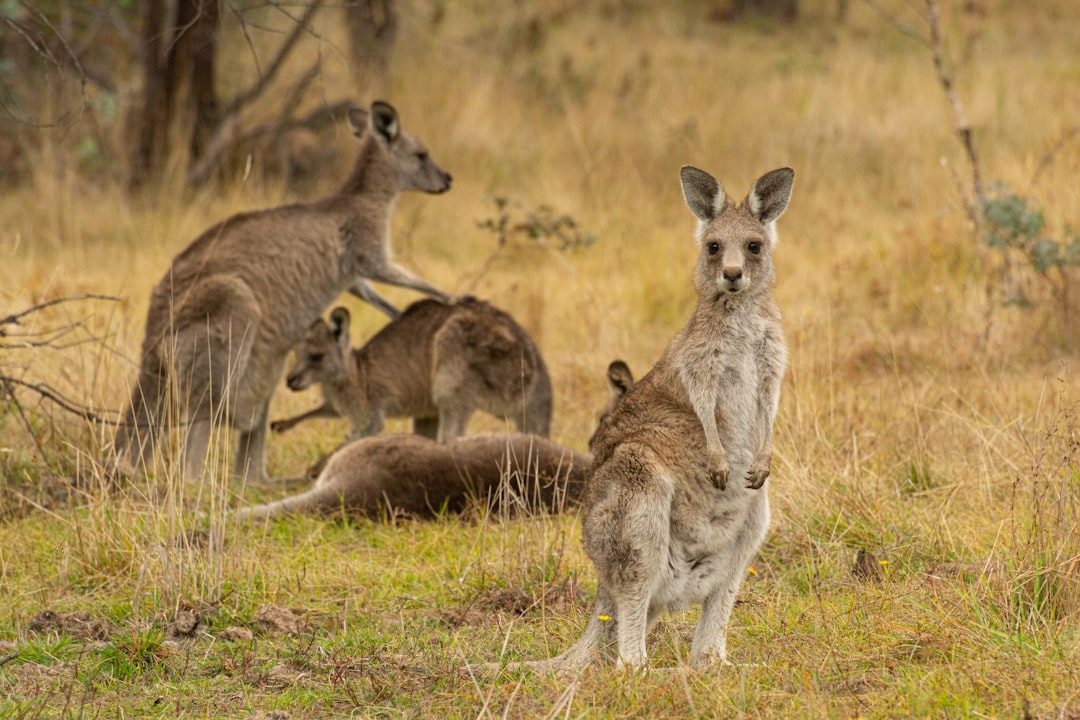
Nothing says Australia quite like a kangaroo bounding across the landscape. The Red Kangaroo is Australia’s largest native terrestrial animal, with the largest recorded male standing 2.1 meters (6.9 ft) tall and weighing 91 kg (201 lb). These muscular marsupials are the giants of their family, and watching them hop at full speed is genuinely breathtaking.
Kangaroos belong to the macropod family, which literally translates to big feet, and boy, do they live up to that name. Their powerful hind legs allow them to leap distances twice their body height and reach speeds that would make most animals jealous. The kangaroo is so iconic that it appears on Australia’s coat of arms alongside the emu. Honestly, it’s hard to imagine Australia without these magnificent hoppers.
The Wombat: The Cube-Pooping Engineer
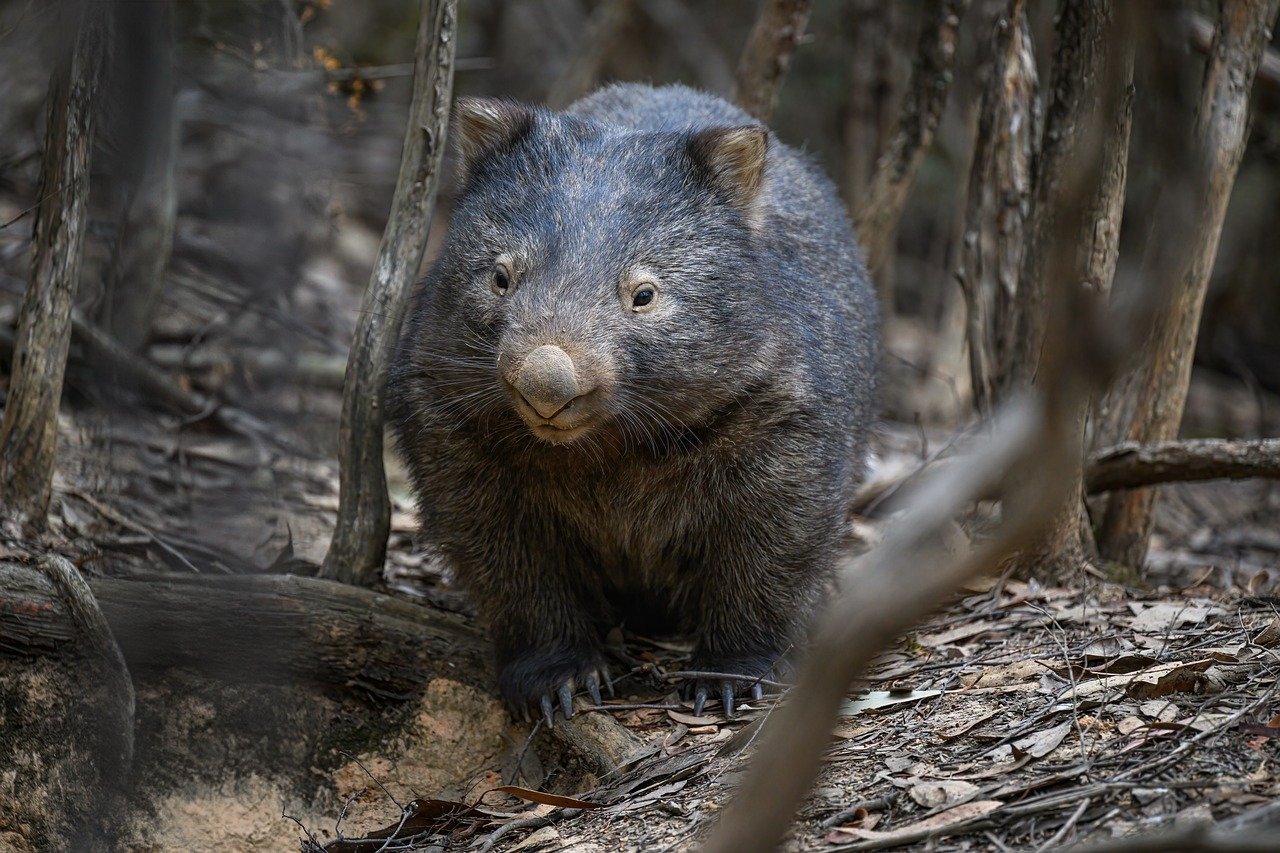
Wombats may not be as instantly recognizable as kangaroos or koalas, but these sturdy, burrowing marsupials are just as quintessentially Australian with their short legs, powerful claws, and compact bodies perfectly designed for a life spent digging intricate burrow systems. Some of their underground tunnels can stretch over 100 feet in length, creating complex networks beneath the earth.
Now for the truly bizarre part: they use their incredibly strong bottom as their greatest defence, and their poop is cube-shaped. Yes, you read that correctly. Wombats produce cube-shaped droppings, which they use to mark their territory. The geometric shape prevents the poop from rolling away, ensuring their territorial markers stay exactly where they want them. Nature really does think of everything.
The Tasmanian Devil: The Ferocious Screamer
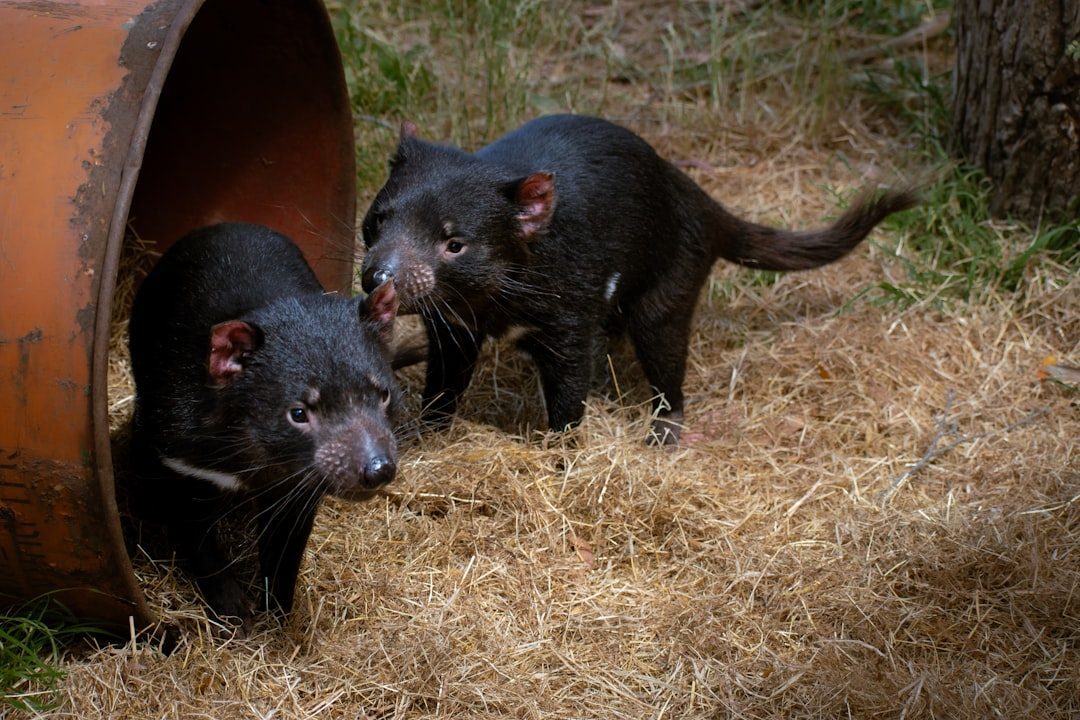
The Tasmanian devil became the largest carnivorous marsupial in the world following the extinction of the Tasmanian tiger in 1936 and is known for its fiercely territorial nature, guttural growl and powerful bite. These compact carnivores have earned their devilish reputation through their aggressive feeding behavior and spine-chilling vocalizations that echo through Tasmania’s wilderness.
What makes devils truly remarkable is their physical structure. They have enormous heads and necks that make up about a quarter of their total body mass, housing incredibly powerful jaws. Despite weighing less than 25 pounds, even dingoes think twice before confronting a Tasmanian devil. Their constant stream of guttural, gurgling, wailing noises has given them a fearsome reputation that far exceeds their actual size.
The Echidna: The Spiky Egg-Layer
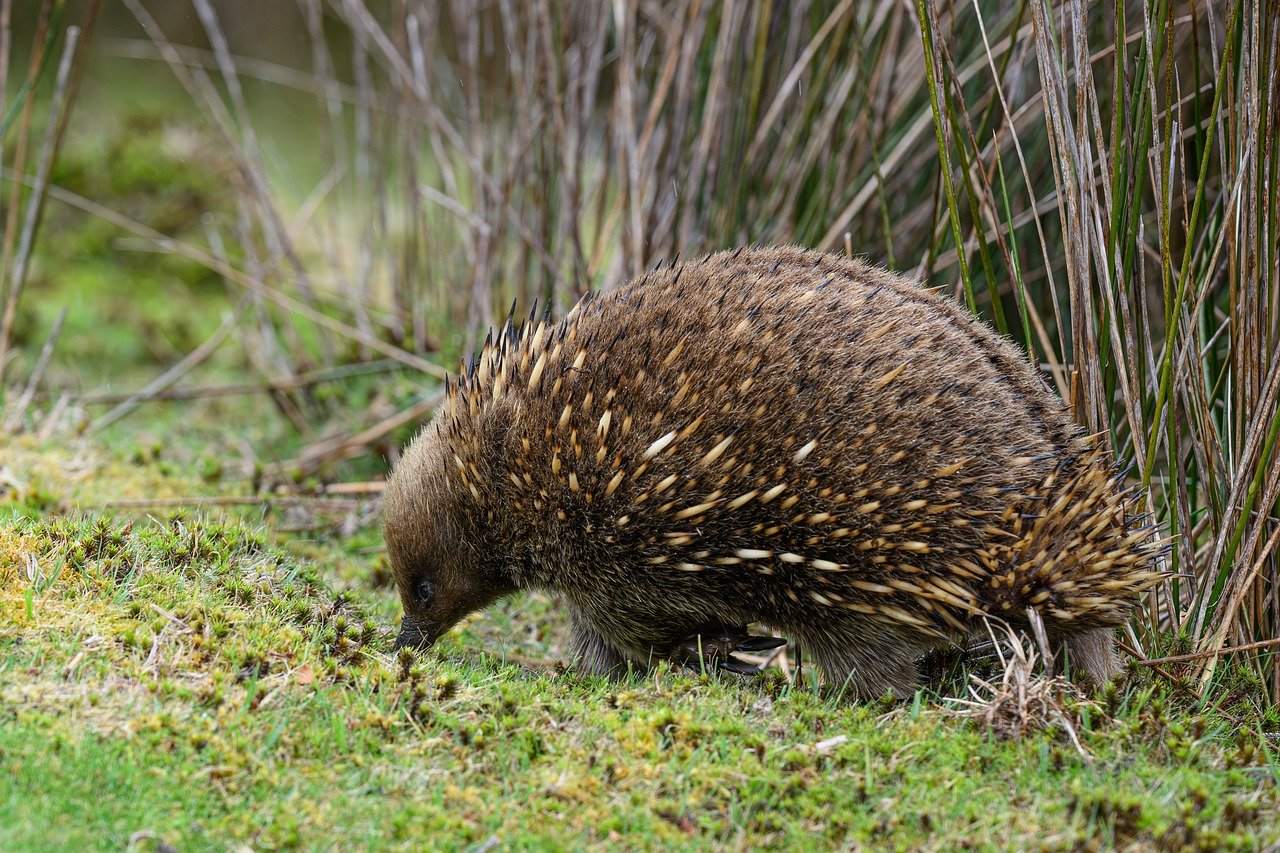
The echidna has porcupine-like spines, a bird-like beak, and a quoll-like pouch, and it lays eggs like a reptile, feeding its young on milk but with no nipples – the milk just oozes out of the skin in the pouch. If the platypus is weird, the echidna is its equally bizarre cousin. This monotreme is covered in sharp spines for protection against predators.
These spiky anteaters are ecosystem engineers, constantly digging and moving soil as they search for their favorite food: ants and termites. Their long, sticky tongues are perfect for slurping up thousands of insects each day. The baby echidna, called a puggle, licks milk directly from specialized patches of skin inside the mother’s pouch. Evolution really went wild with this one.
The Quokka: The World’s Happiest Animal
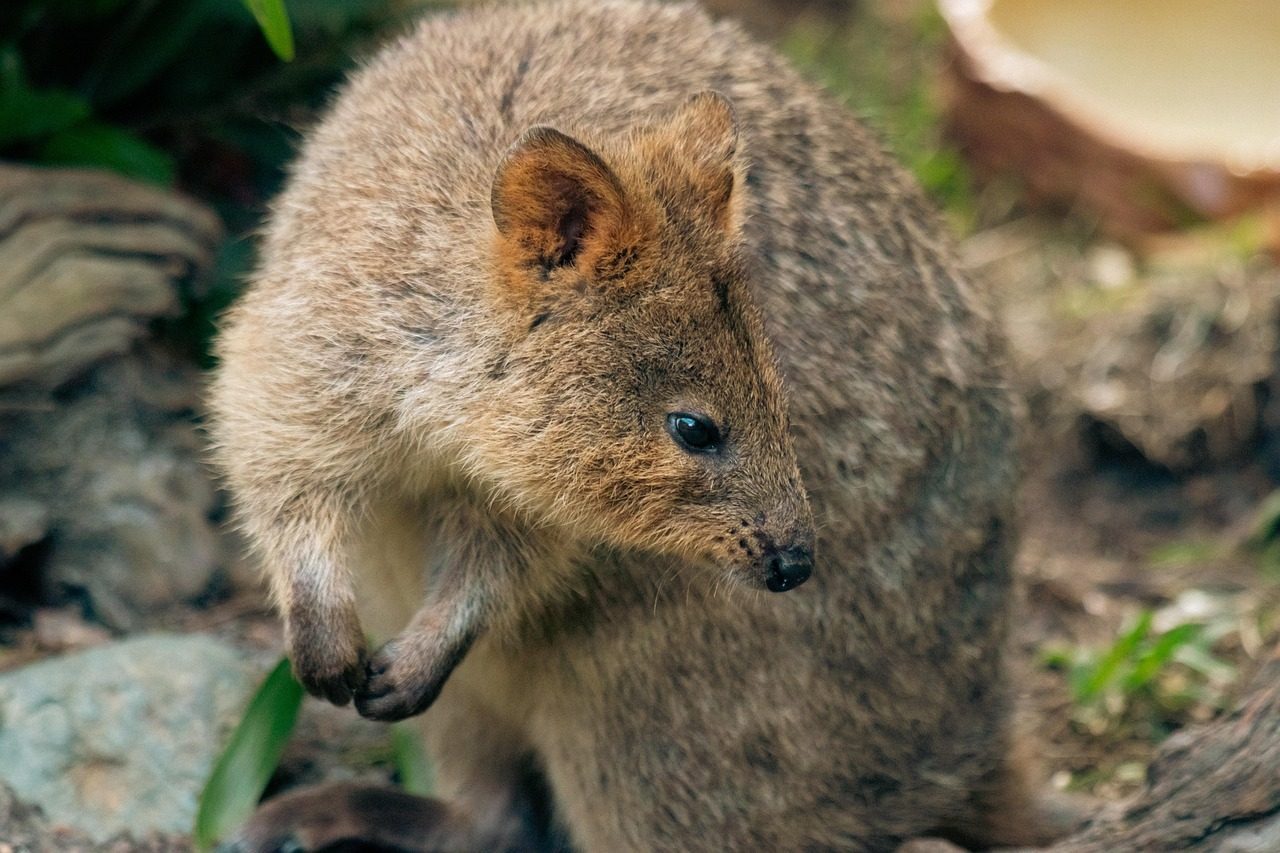
The quokka is often dubbed the “world’s happiest animal” due to its seemingly smiling face and these small marsupials are found mostly on Rottnest Island off the coast of Western Australia. Their friendly expressions and curious nature have made them internet sensations, with tourists flocking to capture the perfect quokka selfie.
The quokka is a small marsupial about the size of a house cat and is part of the macropod family – the same family as kangaroos and wallabies – and it’s a mainly nocturnal herbivore. Unfortunately, these adorable creatures are classified as vulnerable, facing threats from habitat loss and invasive predators like foxes and feral cats. Their range has shrunk dramatically over time, making conservation efforts crucial for their survival.
The Saltwater Crocodile: The Ancient Apex Predator
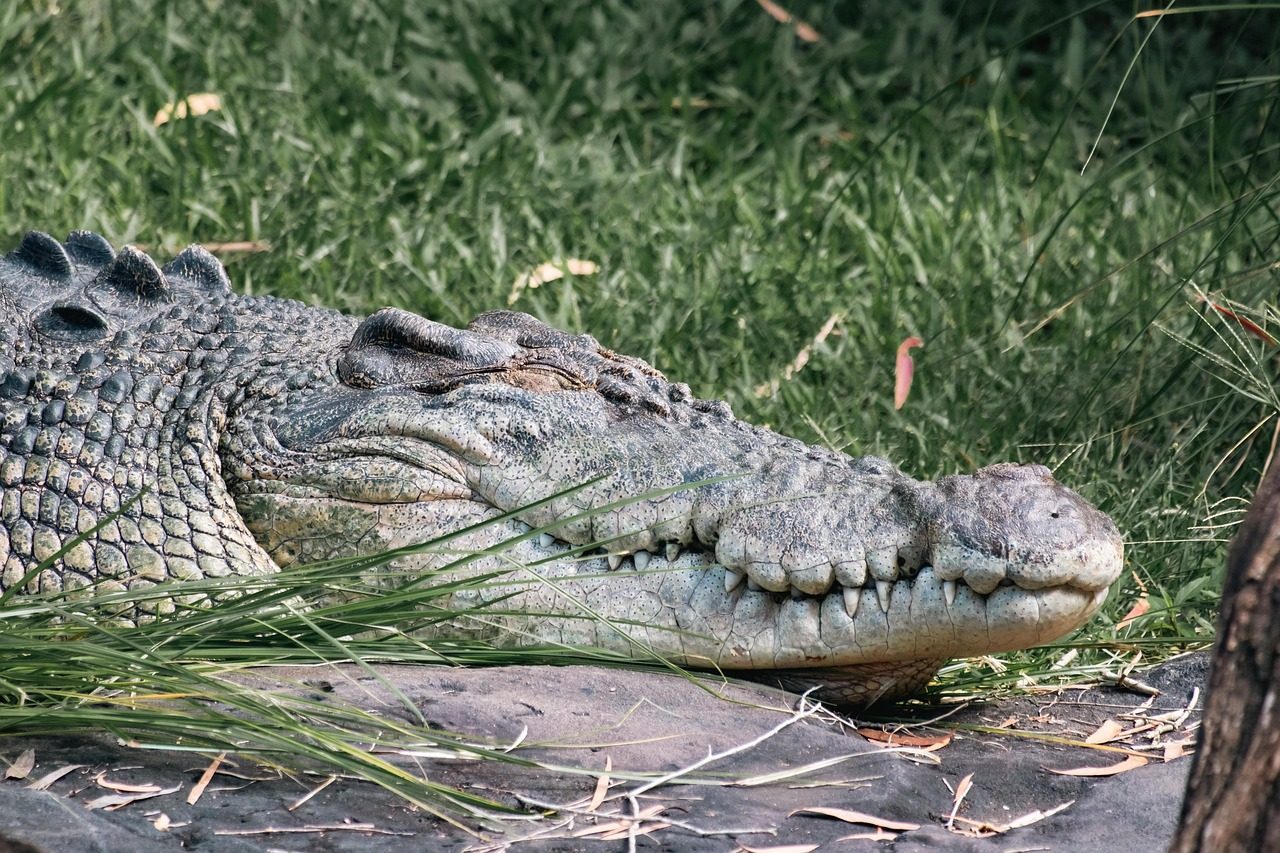
The saltwater crocodiles are the world’s largest reptiles, with salties growing up to 6 m/ 20 ft long and weighing up to one tonne. These massive reptiles are the result of millions of years of evolution, creating near-perfect predators that dominate Australia’s northern waterways.
What makes salties truly terrifying is their hunting strategy. When waiting for prey, crocodiles can remain completely motionless for as long as an hour, lying either half-submerged in water or hiding underwater, holding their breath for about one hour with transparent eyelids so they can see their prey even when underwater. They’re patient, powerful, and practically prehistoric. Respect the croc.
The Cassowary: The Living Dinosaur
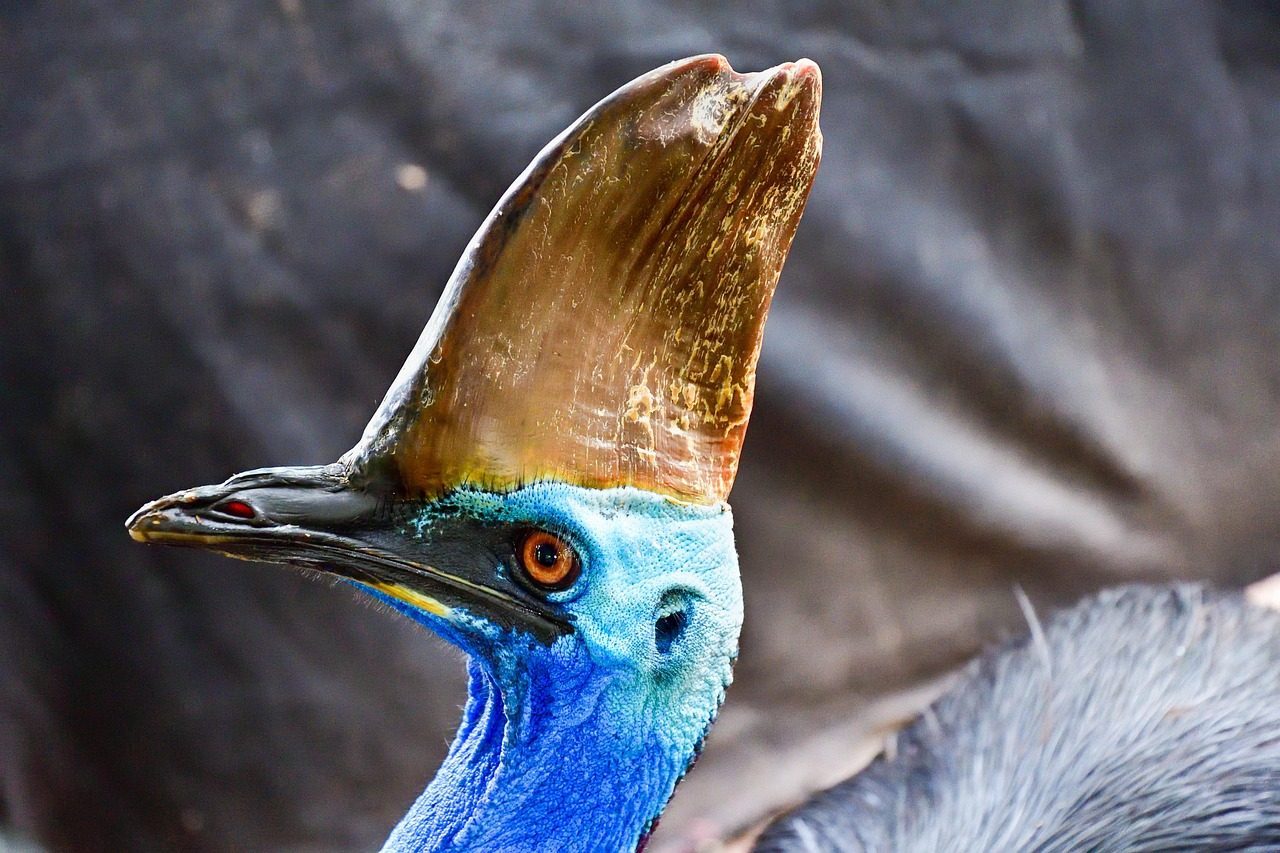
If you’re looking for a bird that could genuinely hurt you, meet the cassowary. What’s scarier than a 60kg modern ‘dinosaur’ with killer claws is one that can leap 1.5 metres off the ground, with cassowaries jumping feet first so their claws can slash downward in mid-air towards their target. These flightless birds are not to be messed with.
They’re great sprinters too, with a top running speed of 50 km/h through dense forest, and they’re good swimmers, with the ability to cross wide rivers and swim in the sea. Found in the rainforests of Far North Queensland, cassowaries are direct descendants of dinosaurs. Their bright blue skin, helmet-like casque, and powerful legs make them look like they walked straight out of the Cretaceous period.
The Lyrebird: The Ultimate Mimic
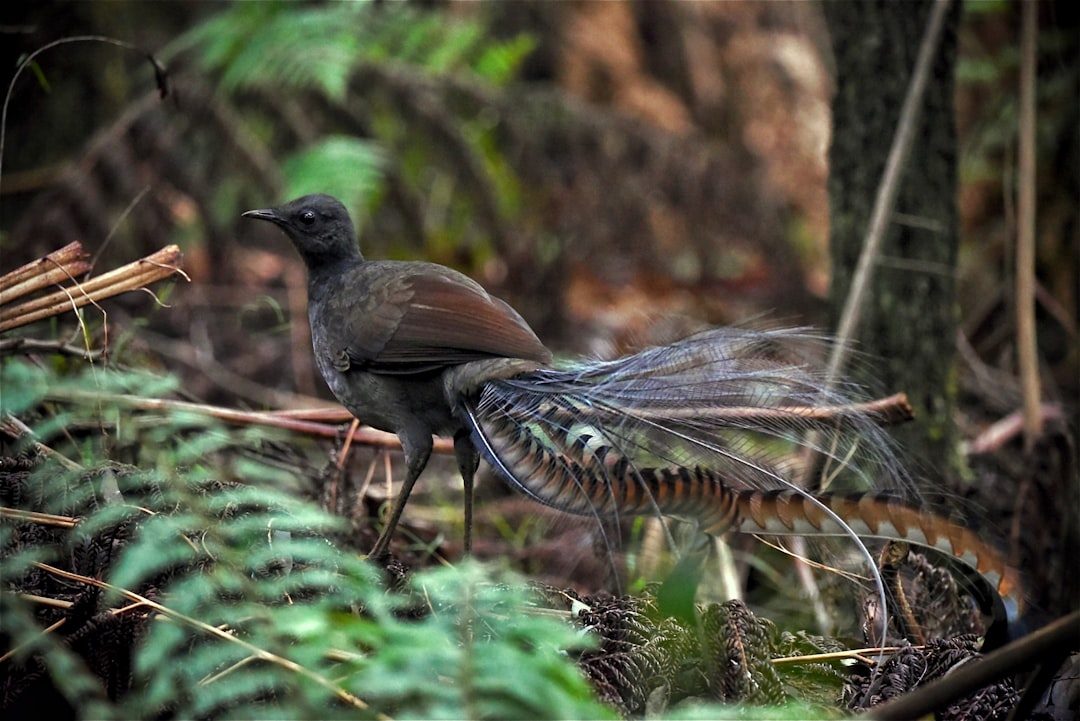
Australia’s lyrebird is a master of deception, capable of mimicking almost any sound it hears. From chainsaws to car alarms, camera shutters to other birds, the lyrebird’s vocal range is absolutely astounding. One species, the superb lyrebird, is native to southeastern Australia and southern Tasmania, while Albert’s lyrebird lives in a small area spread between New South Wales and Queensland.
Male lyrebirds use their incredible vocal abilities during elaborate courtship displays, combining their mimicry with spectacular tail feathers that resemble an ancient lyre instrument. They scratch through leaf litter on the forest floor, searching for insects and small invertebrates. Watching a lyrebird perform its repertoire is like attending nature’s most impressive talent show. These birds prove that Australia’s wildlife isn’t just about dangerous or unusual looks, sometimes it’s about pure, jaw-dropping talent.
Conclusion
Australia’s wildlife is a testament to evolution’s wild imagination. From venomous mammals to birds that mimic chainsaws, this continent hosts creatures that challenge everything we think we know about the animal kingdom. The fascinating animals found here are specially adapted for their environment, their unique traits and behaviors a result of 30 million years of geographical isolation, with more than 80% of this vast continent’s flora and fauna being endemic.
These animals aren’t just fascinating, they’re irreplaceable. Many face serious threats from habitat loss, climate change, and invasive species. Every single one of these creatures plays a vital role ‘s delicate ecosystems. So next time you see a koala munching eucalyptus or a kangaroo bounding across the outback, remember you’re witnessing something truly special. What’s your favorite Australian animal? Would you dare get close to a cassowary, or would you rather stick to cuddling koalas?
