
Earth has endured some truly staggering upheavals across its long history. Long before any human walked the planet, the world faced repeated brushes with total collapse, where conditions shifted so dramatically that most living things vanished. These events left behind thin fossil records and reshaped the course of evolution in ways that still echo today.
What stands out is how close life came to disappearing entirely on several occasions. The survivors often emerged in new forms, filling empty niches with unexpected variety. Exploring these chapters reveals just how resilient and adaptable early organisms proved to be under extreme pressure.
#1 The Great Oxidation Event
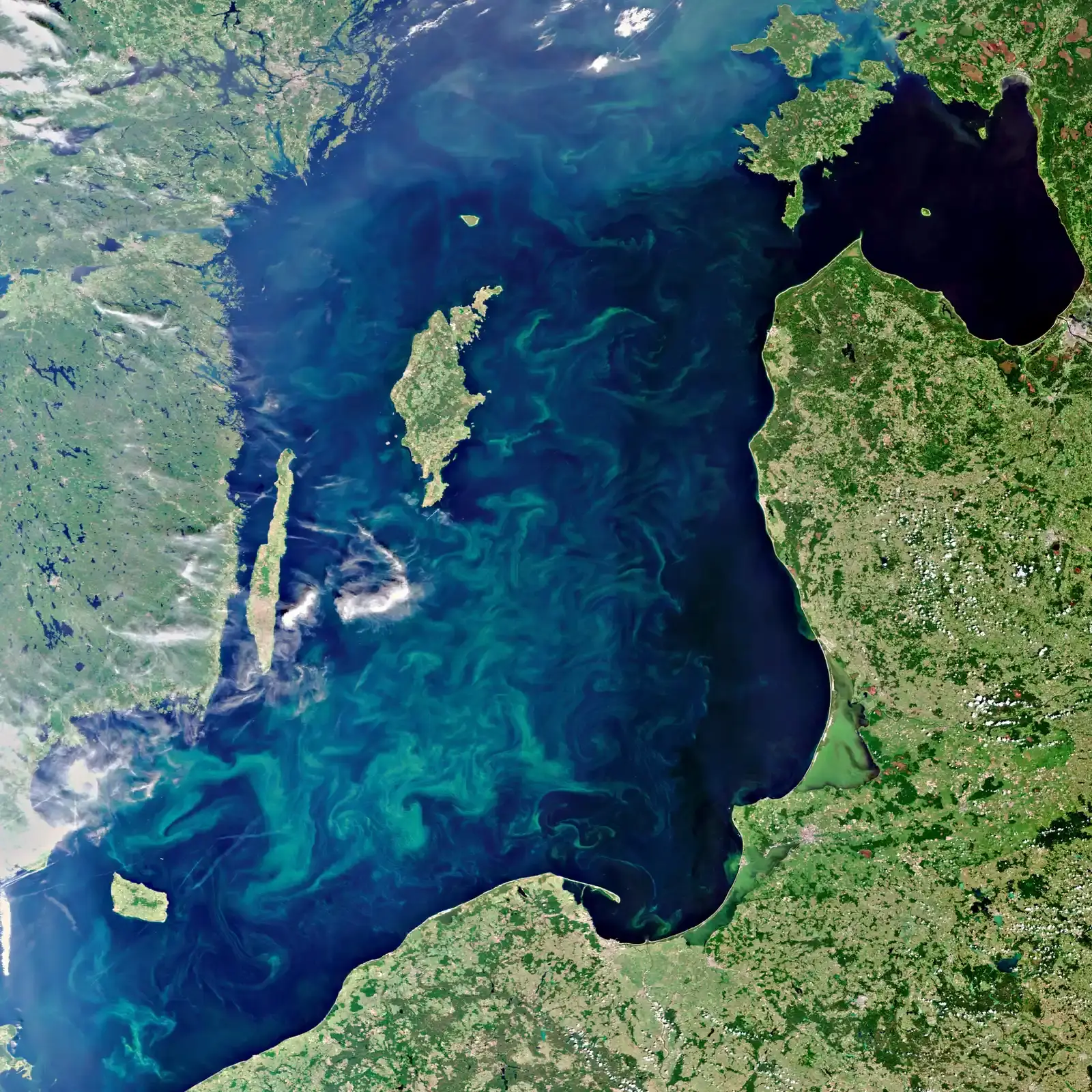
Around 2.4 billion years ago, cyanobacteria began pumping oxygen into the atmosphere at a scale never seen before. This sudden rise in oxygen poisoned many anaerobic microbes that had dominated the planet up to that point. Oceans turned toxic as dissolved iron reacted with the new gas, creating vast deposits that still mark ancient rock layers today.
The change triggered a massive die-off among early life forms that could not tolerate the reactive element. Yet it also opened doors for aerobic organisms that could harness oxygen for energy. Recovery took millions of years, but the event set the stage for more complex life to appear later.
#2 Snowball Earth Glaciations
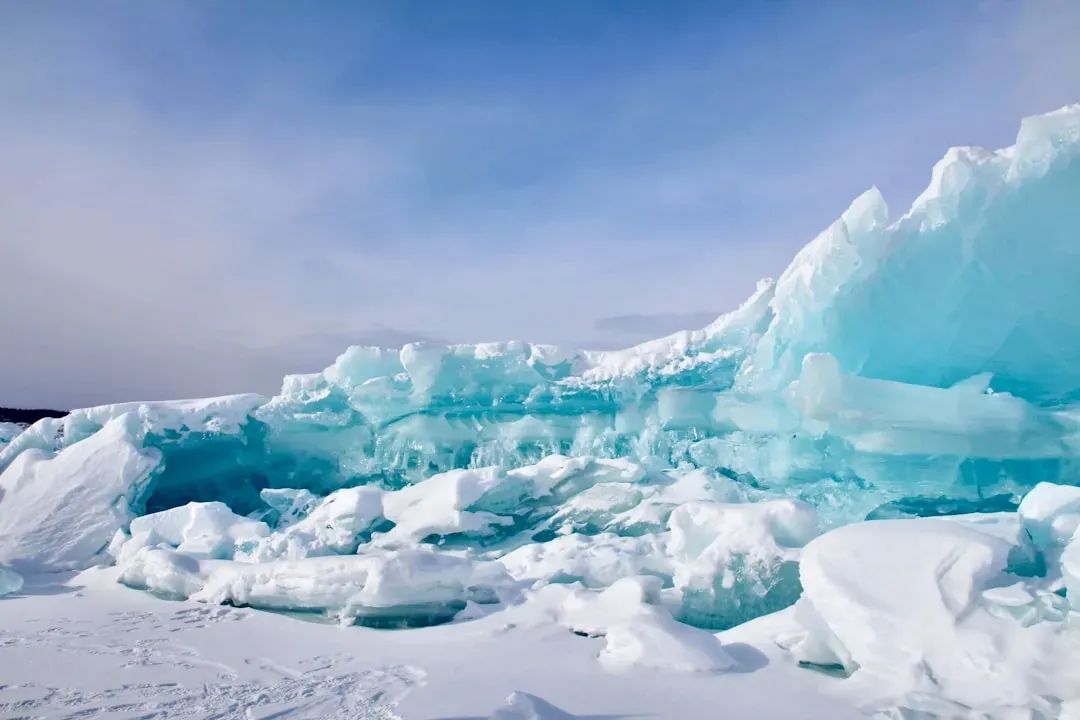
Several times between 720 and 635 million years ago, Earth plunged into extreme cold that covered much of the surface in ice. Global temperatures dropped so low that even tropical regions froze over. Volcanic activity eventually released enough carbon dioxide to thaw the planet, but the freeze lasted for millions of years each time.
Most surface life struggled or went extinct under the ice sheets and blocked sunlight. A few hardy microbes survived in isolated pockets near volcanic vents or under thin ice layers. When the thaw arrived, rapid warming and nutrient surges sparked an explosion of new species in the oceans.
#3 The End-Ediacaran Extinction
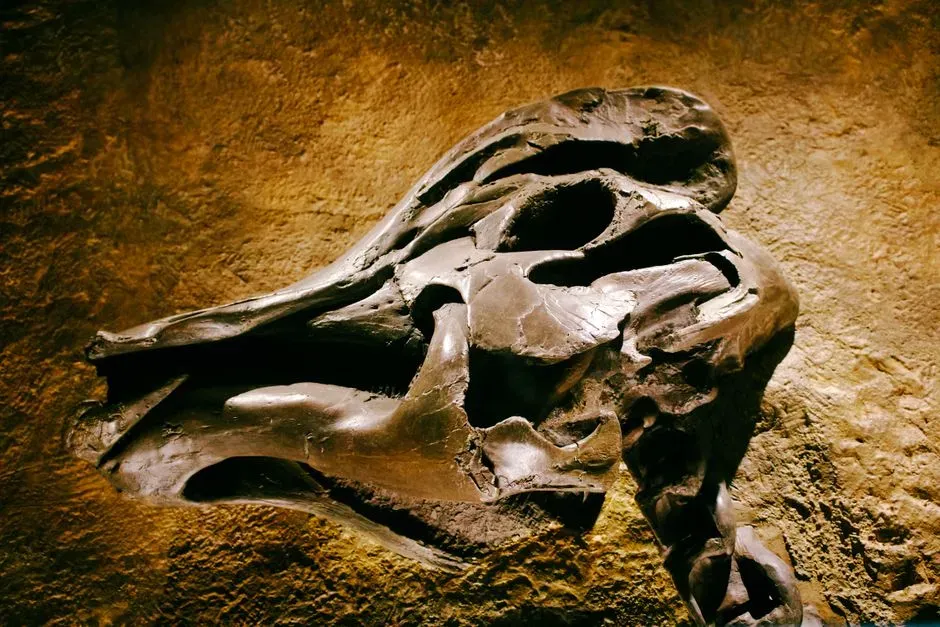
Near the close of the Ediacaran period about 542 million years ago, many of the earliest complex multicellular organisms disappeared. These strange, soft-bodied creatures had thrived in shallow seas for tens of millions of years. Their sudden loss cleared space for the more familiar animals of the Cambrian explosion that followed.
Shifting ocean chemistry and possible drops in oxygen levels likely played roles in the decline. The event was not as total as later catastrophes, yet it marked a sharp break in the fossil record. Survivors and new arrivals quickly diversified into the body plans that define most animals alive now.
#4 The Late Ordovician Extinction
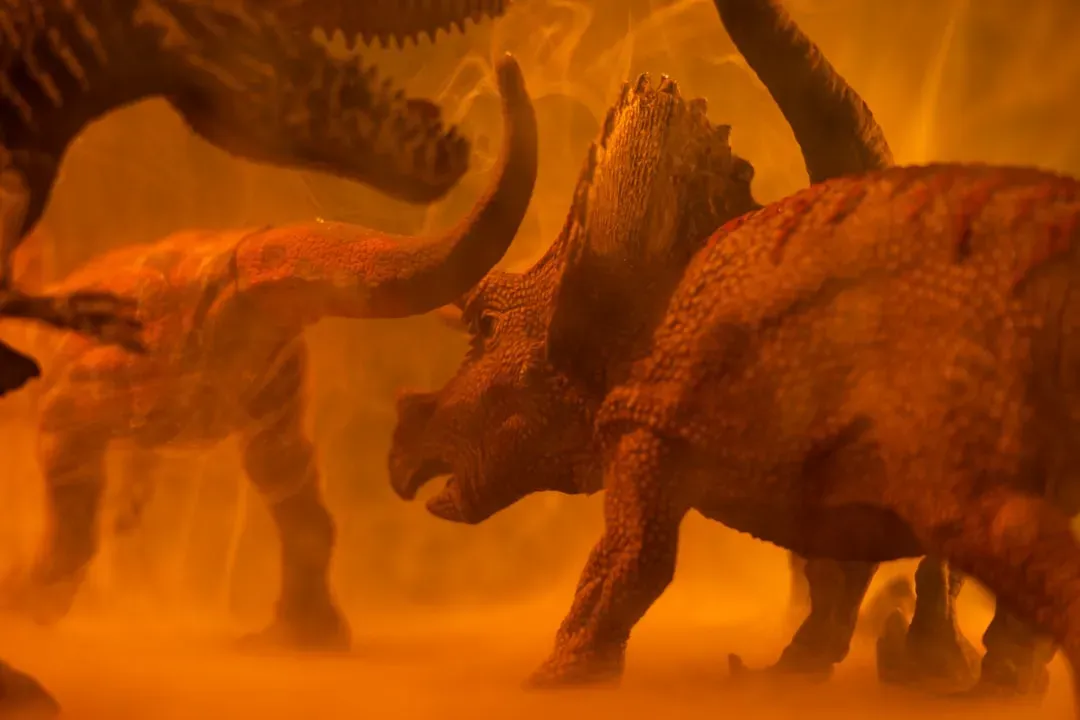
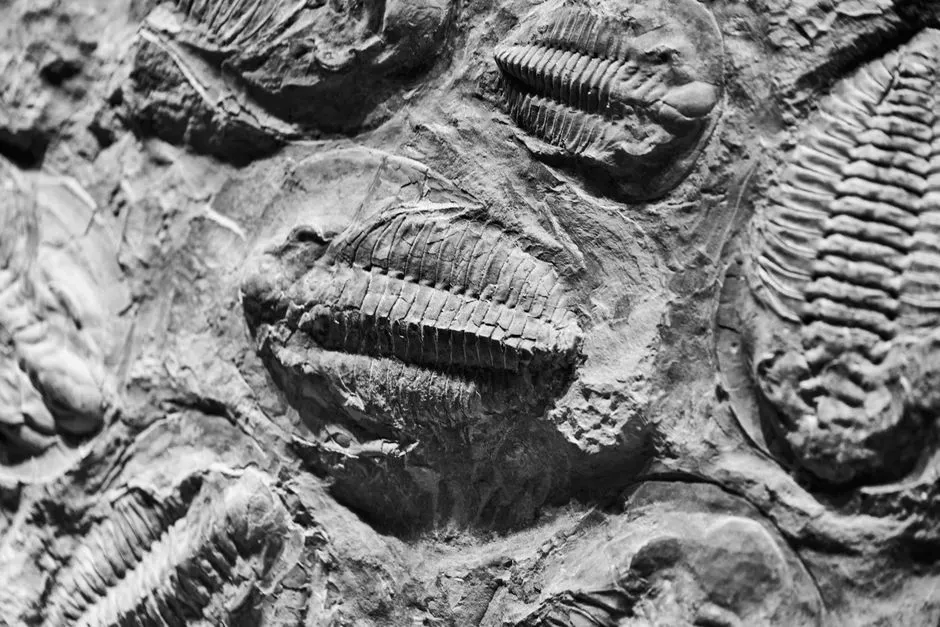
Some 444 million years ago, a combination of glaciation and falling sea levels hit marine ecosystems hard. Roughly 85 percent of species in the oceans vanished over a relatively short span. Many trilobites, brachiopods, and early corals could not adapt to the cooling waters and habitat loss.
The event unfolded in pulses tied to climate swings that drained shallow seas where most life lived. Recovery came slowly as temperatures stabilized and new habitats formed. This extinction stands as one of the earliest well-documented mass die-offs in the record.
#5 The Late Devonian Extinction
Over roughly 20 million years starting around 372 million years ago, repeated stresses eliminated about 75 percent of species. Tropical marine life suffered most, with reefs and many fish groups hit especially hard. Anoxia in the oceans and possible asteroid impacts or volcanic pulses contributed to the prolonged crisis.
Life on land remained limited at the time, so the damage stayed mostly underwater. The drawn-out nature of the event allowed some groups to adapt or migrate before the final blows. Afterward, new fish lineages and early forests began to spread more widely.
#6 The Permian-Triassic Extinction
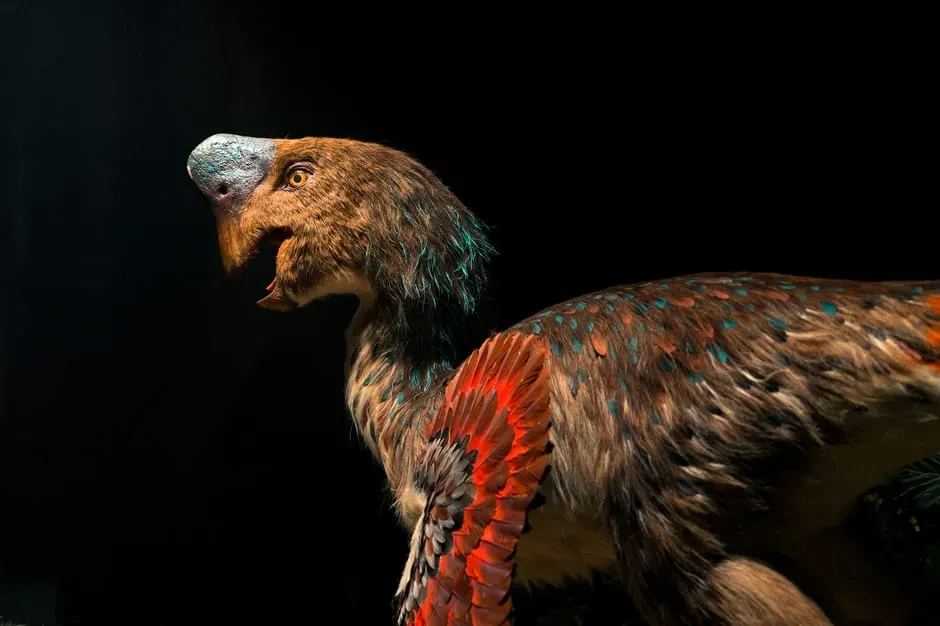
Known as the Great Dying, this event 252 million years ago wiped out around 96 percent of marine species and 70 percent of land vertebrates. Massive volcanic eruptions in Siberia released greenhouse gases that warmed the planet and acidified the oceans. Oxygen levels in seawater plummeted, suffocating countless organisms.
The catastrophe struck both seas and continents, leaving vast stretches of Earth nearly barren. Recovery stretched across millions of years, with ecosystems rebuilding from a handful of resilient survivors. This remains the closest life has come to total erasure in the known fossil record.
#7 The Triassic-Jurassic Extinction
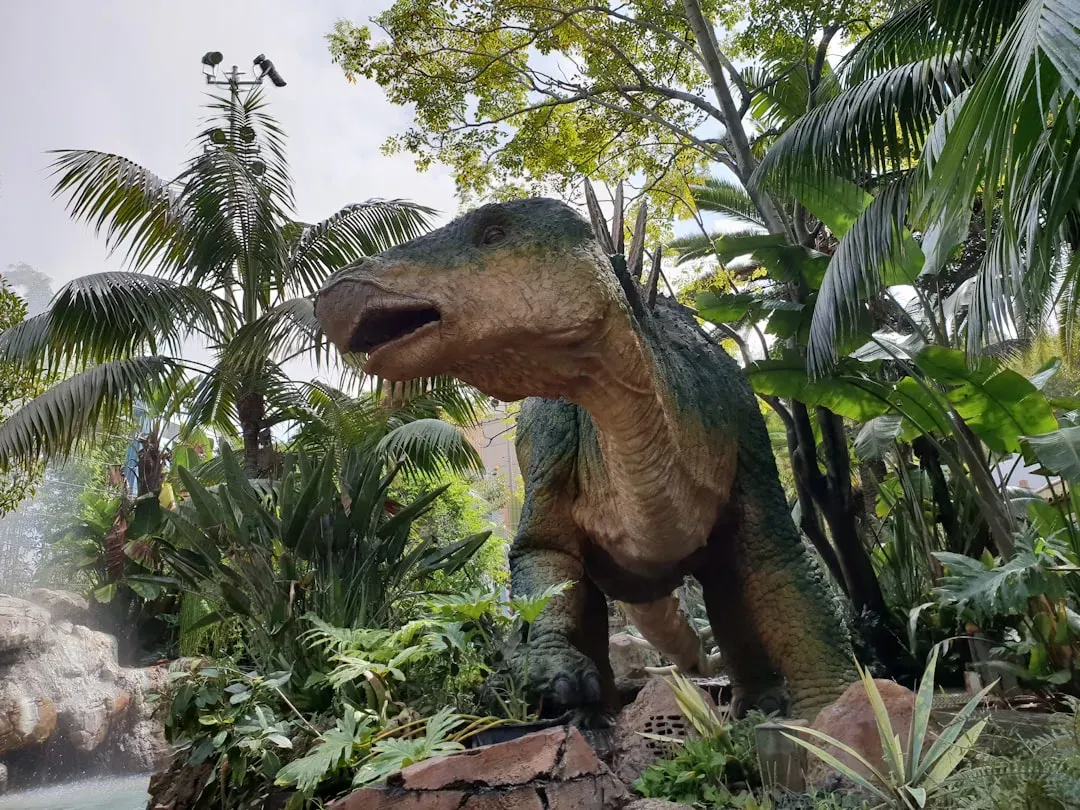
About 201 million years ago, another wave of extinctions removed roughly 80 percent of species. Volcanic activity linked to the breakup of the supercontinent Pangaea released climate-altering gases. Many large amphibians and early reptiles disappeared, while smaller survivors diversified rapidly.
The event opened ecological space that allowed dinosaurs to rise to dominance in the Jurassic. Marine groups such as ammonites and corals also faced heavy losses before rebounding. The pattern shows how one crisis can favor certain lineages over others in the long run.
#8 The Cretaceous-Paleogene Extinction
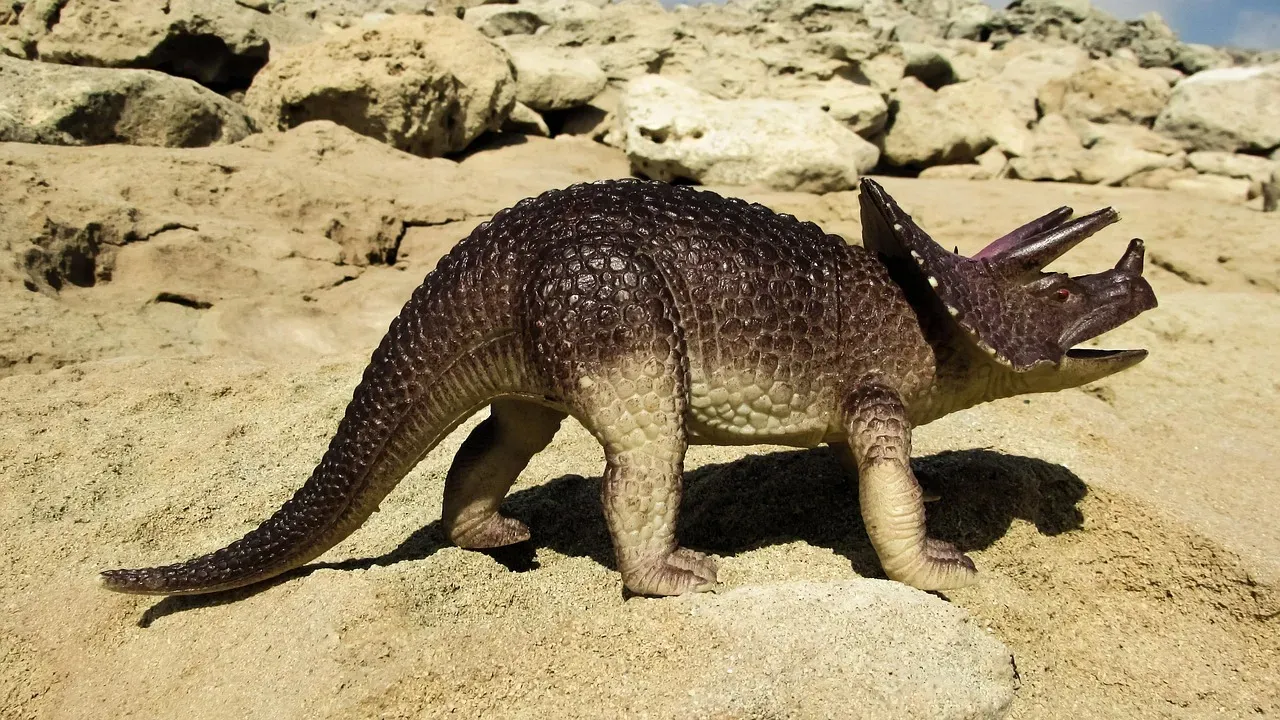
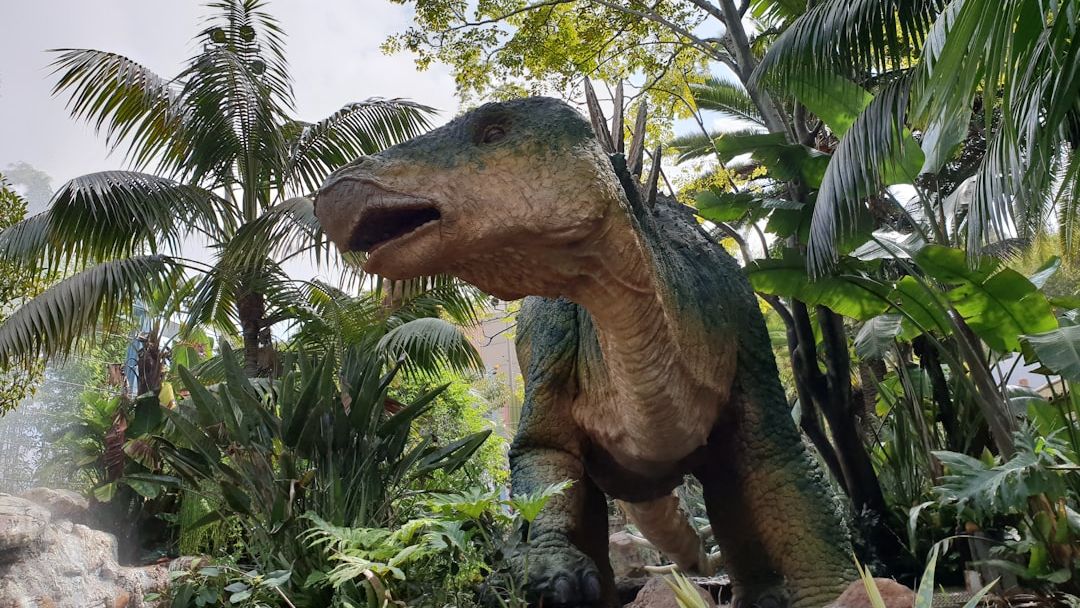
Sixty-six million years ago, an asteroid impact combined with volcanic activity ended the age of non-avian dinosaurs. Roughly 75 percent of all species vanished in the aftermath of firestorms, tsunamis, and a prolonged impact winter. Forests burned and food chains collapsed across land and sea.
Mammals and birds, already present in modest forms, survived in greater numbers and later filled the emptied landscapes. The event reset evolutionary trajectories in dramatic fashion. Its clear signature in rock layers makes it one of the best studied of all ancient disasters.
These eight episodes illustrate how fragile planetary conditions can become and how life repeatedly found ways forward from near-total loss. Each recovery brought new forms and greater complexity over deep time. The pattern reminds us that survival often depends on chance, adaptability, and the slow work of evolution rather than any guaranteed outcome.

- 14 Quiet Ways a Horse Keeps Watch Over the Person It Has Claimed - July 28, 2026
- 12 Signs a Nervous Horse Has Finally Softened for a Single Rider - July 28, 2026
- 12 Everyday Mistakes That Quietly Shorten a Senior Dog's Life - July 28, 2026