

Most pet owners genuinely love their animals and try to do right by them. The problem is that a lot of the advice floating around, passed down through generations or shared in viral social media posts, isn’t grounded in any real science. Much of the “common knowledge” we rely on to care for our pets may be rooted in outdated folklore rather than modern veterinary science, and whether it’s a tip passed down from a neighbor or something seen online, pet myths can be surprisingly persistent.
Some of these misconceptions are harmless enough. Others, though, cross into territory that can delay treatment, mask real warning signs, or cause animals to suffer in entirely preventable ways. Here are fifteen of the most common pet myths that deserve a second look.
Myth 1: A Dog’s Mouth Is Cleaner Than a Human’s

This one gets repeated a lot, usually right before someone lets their dog lick their face. It’s a widely held belief that dogs’ mouths are cleaner than humans’, but like humans, dogs have a unique microbiome in their mouths, which means they harbor a lot of bacteria, some of which can be harmful to humans.
When pets lick wounds, they deposit all of the bacteria living in their mouth directly into the sore, setting the stage for infection, and the rough barbs on the tongue can also inflame and irritate the tissue around the wound, making it more painful.
The “clean mouth” idea is simply not supported by evidence. Dogs’ mouths contain numerous bacteria, some of which can cause infections or illness, and regular dental care such as brushing your dog’s teeth is essential for maintaining good oral hygiene and overall health.
Myth 2: Cats Always Land on Their Feet

Cats are agile, no question. They have a remarkable ability to orient their bodies mid-air. This likely stems from cats’ specialized inner ear canals that aid their balance, and while this feature does allow cats to right themselves mid-air more often than other animals, their ability to land feet-first depends on the height fallen from, with short drops of three to four feet being particularly problematic.
The idea that cats can fall from great heights and be fine is one of the more disturbing myths, as many cats fall out of windows or off of balconies each year and are seriously injured or killed, which is why it is important to secure any second or higher story windows and watch your cat when out on a balcony.
Falls from significant heights are a real veterinary emergency. Falls from heights, commonly known as “high-rise syndrome,” can result in serious injuries, including broken legs or trauma. Treating any unsecured window or balcony as a potential danger zone is simply the responsible call.
Myth 3: Indoor Pets Don’t Need Vaccinations
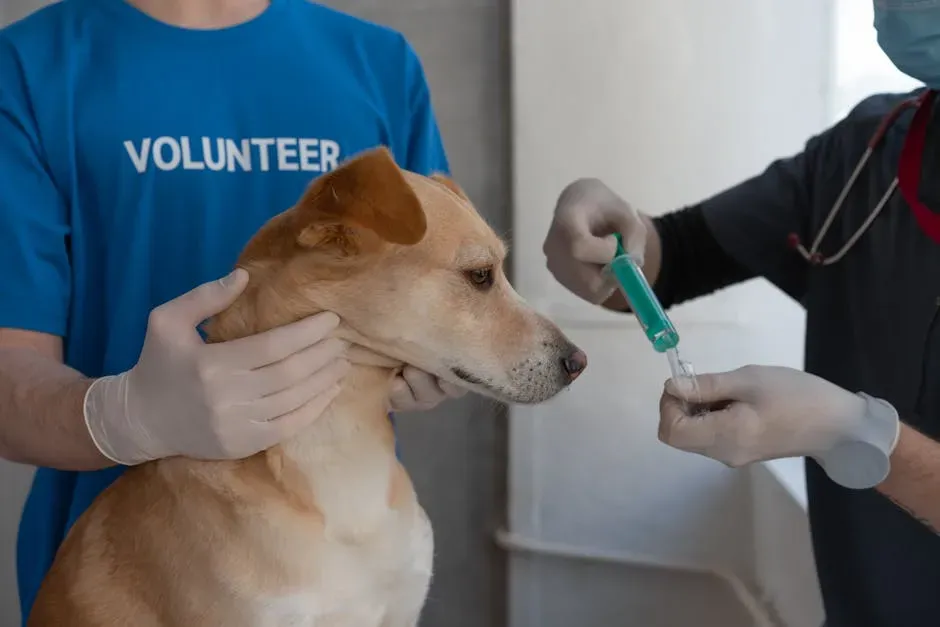
The reasoning behind this myth seems logical on the surface. If a cat never goes outside, what exactly is it being protected from? This is one of the most widespread misconceptions and one of the most dangerous, because even pets that never leave the home can still be exposed to harmful viruses, as germs can travel on shoes, clothing, or even through brief contact with other animals, and a simple vet visit, grooming appointment, or unexpected escape can expose a pet to diseases.
Diseases like rabies, distemper, and feline leukemia can be prevented with vaccines, and fleas can be an issue even for indoor cats, especially if there are other pets in the home.
Neglecting vaccinations not only puts your pet at risk but also contributes to the potential spread of diseases within the community. The risk isn’t eliminated by keeping animals indoors. It’s merely reduced.
Myth 4: A Warm or Dry Nose Means Your Pet Is Sick

This is one of those myths that has been around long enough to feel like common sense. Many owners check their dog’s nose the way a parent checks a child’s forehead. This old wives’ tale simply isn’t true, as the temperature and moisture level of a pet’s nose fluctuates throughout the day and can be impacted by genetics, environment, activity level, and more, with no direct correlation between nose temperature and illness.
A warm nose simply means your pet has a warm nose, as weather, dehydration, or even nap time can affect how moist their nose feels. If a pet seems unwell, it’s better to check for signs like loss of appetite, lethargy, or unusual behavior.
Myth 5: Cats Are Solitary and Don’t Need Affection
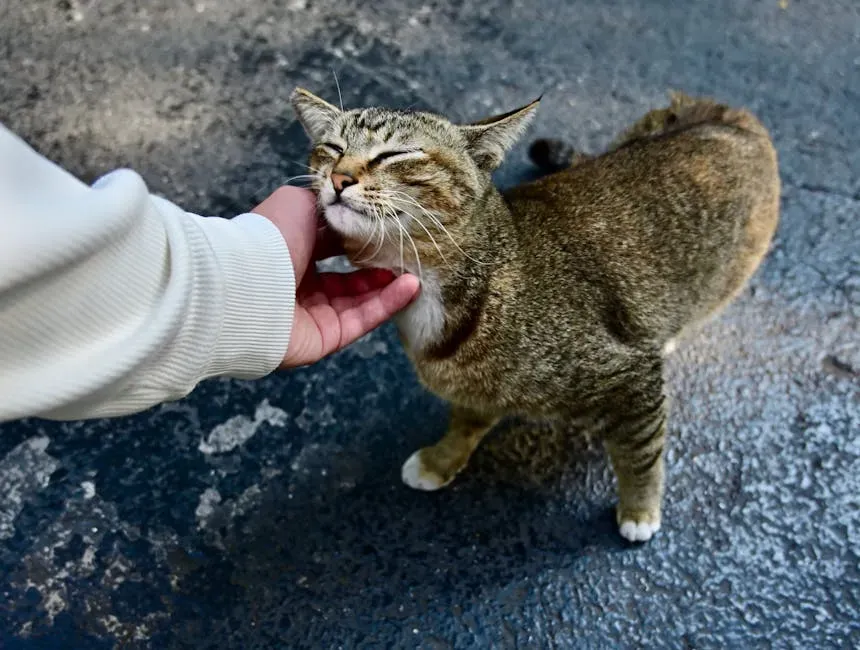
The stereotype of the cold, indifferent cat has stuck around for a very long time. Recent science tells a different story. The claim that cats are non-social and independent has no scientific truth to it whatsoever. Researchers have found that cats form real emotional bonds and seek human company at specific times.
Viewing cats as asocial can actually harm them, as their caretakers are less likely to provide affection, exercise, hair brushing, toys, and veterinary care. That neglect, however unintentional, has measurable consequences for feline wellbeing.
Cats need regular playtime, social engagement, and a stimulating environment to avoid boredom and behavioral issues, and they also require routine check-ups to prevent health problems from going unnoticed, as understanding a cat’s needs for enrichment and veterinary care is essential for their well-being.
Myth 6: Declawing Cats Is a Harmless Procedure
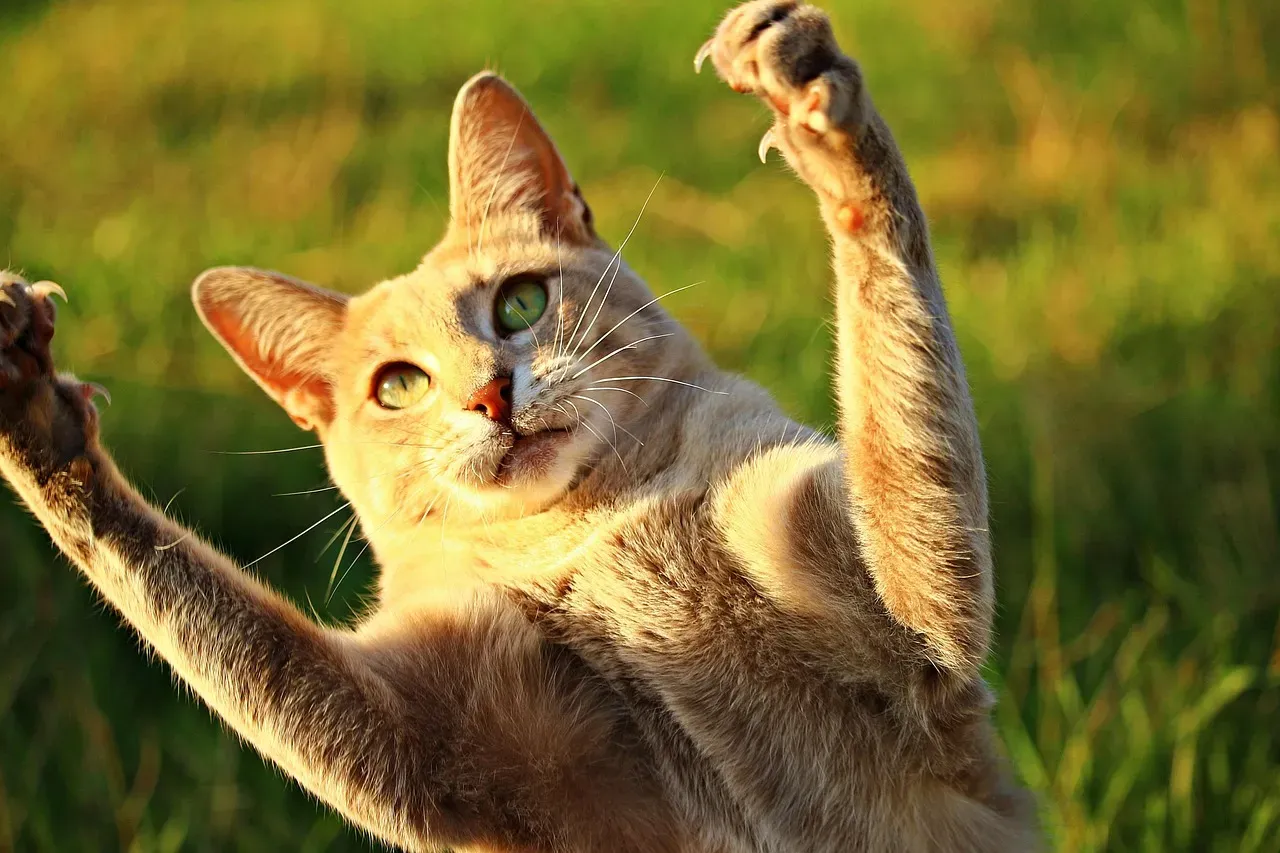
Many owners still view declawing as a routine fix for scratched furniture. The reality is far more serious. Among the most concerning feline myths is the idea that declawing cats by amputating the top knuckles of their toes is an acceptable, harmless norm, when in reality this excruciating procedure robs cats of vital mobility and self-defense abilities, impairs pain-free walking long-term, and frequently leads to behavior issues post-declaw.
Declawed cats develop chronic pain, behavior problems, and litter box issues that last forever, and many places have banned this procedure because of how much long-term damage it causes.
There are humane alternatives for directing scratching activity, making amputation absolutely unnecessary. Scratching posts, nail caps, and consistent redirection are all far kinder options.
Myth 7: Table Scraps Are Fine as an Occasional Treat
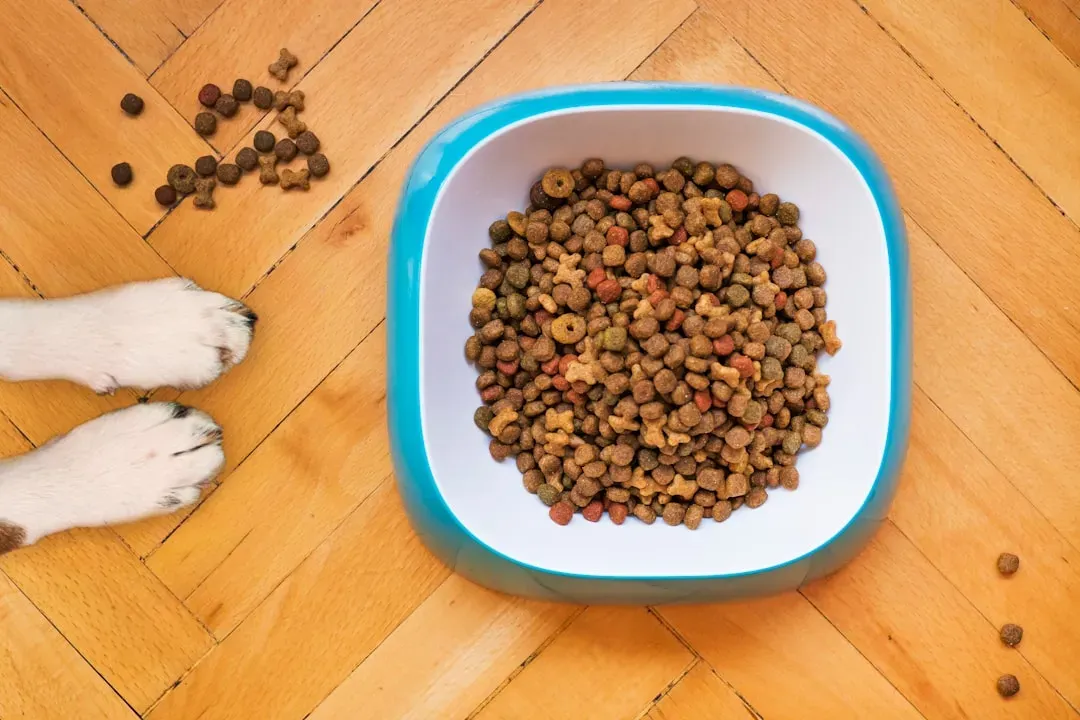
Sharing a small bite from your plate feels harmless, especially when a dog or cat is watching you eat with those pleading eyes. The issue is that certain common human foods are genuinely dangerous for animals. Foods like chocolate, grapes, onions, garlic, and certain artificial sweeteners such as xylitol are dangerous and can lead to serious health complications in pets, including poisoning, digestive issues, and even death.
The digestive tract of pets simply isn’t designed to process the high-fat and high-carb diet of their human family. Even foods that aren’t toxic can still disrupt nutritional balance over time.
To ensure pets receive the best nutrition, it’s important to feed them a balanced diet specifically designed for their species, and rather than sharing food, consider offering healthy, vet-approved treats that meet their dietary needs.
Myth 8: Cats Purring Always Means They’re Happy
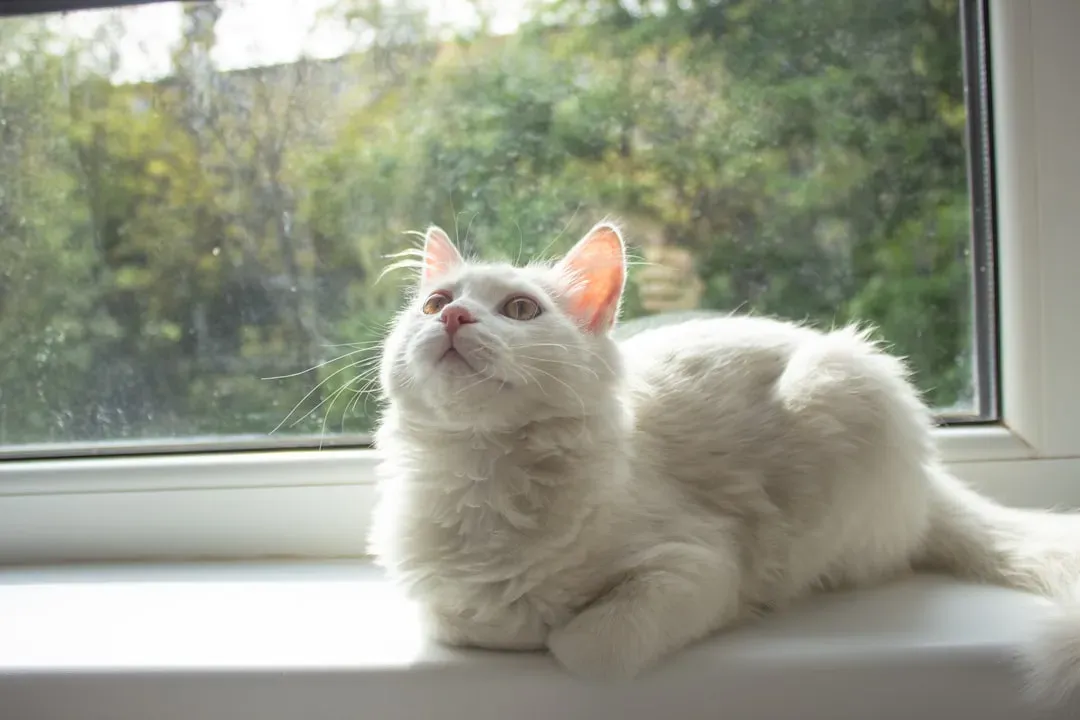
There’s something genuinely comforting about a purring cat. It’s easy to assume everything is fine when you hear that sound. Cats don’t purr only when they feel content, as purring is actually a self-soothing behavior, and cats may purr when they feel stressed, frightened, or even in pain, with a common example being a cat purring during a veterinary visit, which often signals anxiety rather than happiness.
While cats do purr when they’re relaxed and comfortable, they also purr to self-soothe when stressed, sick, or in pain. Learning to read a cat’s full body language alongside the purr gives a much clearer picture of how they’re actually feeling.
Myth 9: A Wagging Tail Means a Happy Dog

Tail wagging is one of the most misread signals in all of pet ownership. It doesn’t mean a dog is automatically friendly or relaxed. Tail wagging can indicate various emotions, including happiness, anxiety, aggression, or excitement, and the position and movement of the tail are key to understanding a dog’s feelings, as a stiff, high tail wag can signal agitation, while a low, relaxed wag usually indicates friendliness.
Misreading this signal has real consequences, especially around children or unfamiliar dogs. Always pay attention to a dog’s entire body language, not just their tail, when gauging their mood. Context and posture tell far more than the tail alone.
Myth 10: One Dog Year Equals Seven Human Years

This is perhaps the most widely repeated pet “fact” of all time, and it’s simply inaccurate. The popular belief that one year of a dog’s life equates to seven human years persists even though veterinarians confirm this aging ratio is wildly inaccurate, as dogs reach adulthood by one to two years old, making the ratio illogical, and experts now regard calculations considering breed size and lifespan as more reliable.
The idea that pets age seven years for every human year is an oversimplified myth, as pets age at different rates depending on their species, breed, and size, with larger dogs tending to age more quickly than smaller dogs.
Getting the aging math wrong means getting wellness care timing wrong. Seeing your veterinarian at least once a year, and twice a year if your pet is over the age of seven, whether due for vaccines or not, will likely prevent a larger problem down the road.
Myth 11: Pets Don’t Feel Pain Unless They Show It

This is one of the more quietly damaging beliefs in pet ownership. Because animals can’t speak, owners often wait for obvious signs of distress before acting. One troubling myth suggests that pets like dogs and cats don’t actually experience pain simply because they rarely yelp or vocalize obvious distress, but researchers acknowledge most animals demonstrate high pain tolerance due to prey animal instincts to mask vulnerabilities, and just because a pet isn’t crying doesn’t mean they aren’t suffering silently.
Subtle behavioral changes, reluctance to move, changes in appetite, or unusual quietness can all point to pain. Staying alert for subtle signs of discomfort and never hesitating to call a vet is the right approach. Waiting for a dramatic sign can mean waiting too long.
Myth 12: Grain-Free Diets Are Always Healthier for Pets

The grain-free pet food trend surged considerably over the past decade, largely driven by assumptions carried over from human nutrition. The popularity of grain-free diets for pets has skyrocketed in recent years, but this does not necessarily translate to better health, as grains are not inherently harmful to all animals and many grains are excellent sources of fiber, carbohydrates, and essential nutrients that pets need to stay healthy.
Investigations by the U.S. Food and Drug Administration have raised concerns about the possible link between grain-free diets and certain heart conditions in dogs, particularly dilated cardiomyopathy, and although the exact cause is still under investigation, not all pets need a grain-free diet, and for some, grains may be an essential part of a balanced and healthy diet.
Pet owners need to consult with a veterinarian before making drastic changes to their pet’s diet. Trendy doesn’t always mean better, and that’s especially true when it comes to nutrition.
Myth 13: A Backyard Gives a Dog Enough Exercise

Having outdoor space feels like a gift to dog owners. It’s easy to assume that a big yard means exercise needs are covered. Having ample room for a dog to run and play is great, but it shouldn’t fool anyone into thinking daily walks and other forms of exercise aren’t needed, as these more active forms of exercise go a long way for a pet’s mental enrichment and getting their physical needs met.
Dogs left to their own devices in a yard often do very little. They tend to wander, sniff, and rest rather than run laps. Structured activity, social interaction with humans, and varied environments are all part of what keeps a dog mentally and physically balanced. A yard is a supplement, not a substitute.
Myth 14: Cats and Milk Are a Perfect Pair
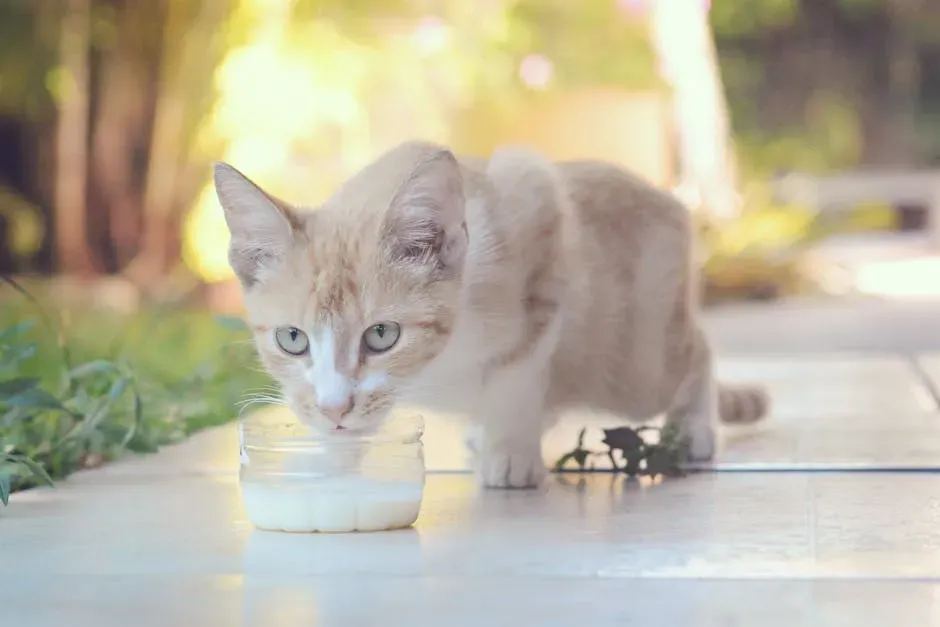
This image is almost culturally baked in. Cartoons, old films, and folklore have all reinforced the idea that a saucer of milk is a natural treat for a cat. The truth is considerably less charming. Many pet owners believe milk is good for cats, but while kittens naturally drink their mother’s milk, adult cats are typically lactose intolerant, and cow’s milk can cause digestive issues, diarrhea, and discomfort.
The occasional lap of milk is unlikely to be catastrophic, but it’s also not the wholesome gesture many people assume it to be. Fresh water and a species-appropriate diet remain the better choice.
Myth 15: Shaving a Double-Coated Dog Keeps Them Cooler in Summer

When temperatures climb, shaving down a fluffy breed like a Husky or a Golden Retriever seems like an act of kindness. It’s actually the opposite. Shaving down a heavy double-coated breed to help them beat the summer heat has the opposite effect, as double coats insulate against extreme temperatures year-round, with the undercoat and guard hairs working together to trap cool air near the skin, and trimming or shaving this coat interferes with temperature regulation and can leave dogs vulnerable to sunburns.
The double coat is a sophisticated system that took nature a long time to develop. Disrupting it doesn’t just fail to help, it actively removes one of a dog’s primary defenses against the heat. Regular grooming to remove loose undercoat, along with shade and water, is the right approach for warm months.
Conclusion: What Your Pet Actually Needs Is the Truth
While some pet myths seem pretty harmless, there are others that can seriously delay a pet from getting treatment or the care they need. That gap between good intentions and accurate information is where real harm tends to happen.
The good news is that better information is widely available and veterinary science keeps improving. Preventative care is not about over-treating, it’s about staying ahead of problems, because catching a condition early can mean simpler treatment, lower costs, and better outcomes, while waiting until symptoms appear often leads to more complex and expensive care.
Most of these myths persisted simply because no one questioned them. Now that you’ve questioned them, that’s already a step in the right direction. Your pet can’t fact-check the advice you follow on their behalf, so being the one who does makes all the difference.
