
Throughout , humans have fought wars, won championships, and built empires. Yet beside many of these triumphs stood a silent companion with four legs and a heart bigger than most of us could imagine. Horses have carried kings into battle, inspired nations in their darkest hours, and displayed loyalty that makes even the greatest human friendships look fragile. Their stories aren’t just footnotes in dusty textbooks.
These are tales of courage, sacrifice, and bonds that transcended species. From ancient battlefields to modern racetracks, certain horses have refused to fade into obscurity. They’ve earned monuments, medals, and a permanent place in our collective memory. Let’s be real, some of these stories will leave you stunned.
So let’s dive in.
Bucephalus: The Untamable Stallion of Alexander the Great
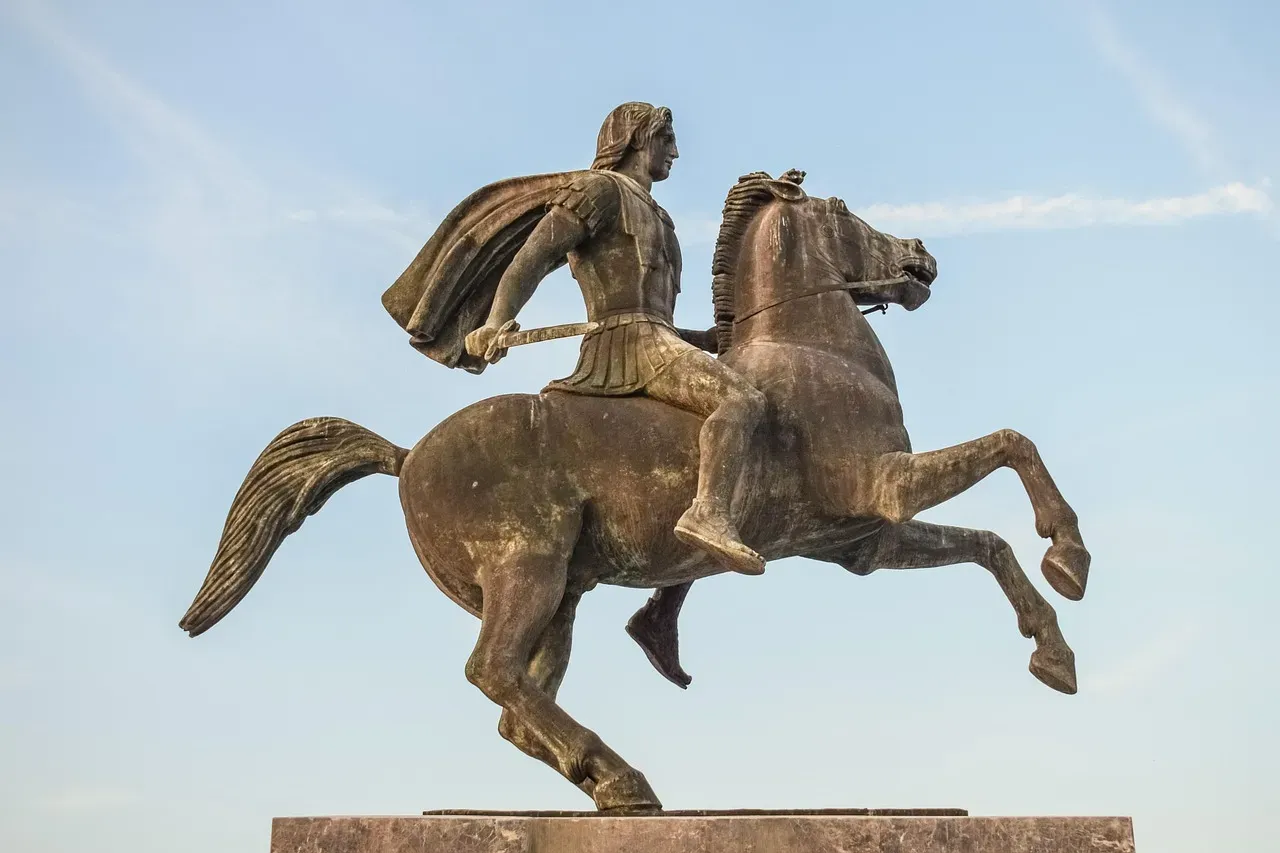
When a thirteen-year-old prince named Alexander noticed that a wild stallion was simply afraid of his own shadow, he turned the horse toward the sun and mounted him. Everyone watching expected disaster. Bucephalus was a horse no man could tame, until a young Alexander, displaying remarkable insight and bravery, managed to ride him. This wasn’t just horsemanship. It was the first glimpse of a leader who would conquer most of the known world.
Together, Alexander and Bucephalus conquered lands from Greece through to India, with Bucephalus carrying Alexander through many battles, and upon his death, Alexander founded the city of Bucephala in his honor. Think about that for a moment. How many leaders would build an entire city to commemorate their horse? Bucephalus died in what is now Punjab, Pakistan, after the Battle of the Hydaspes in 326 BC, and Alexander was so grieved at the loss of his horse that he named one of the many cities he founded after him. The loyalty between man and beast was mutual, fierce, and legendary.
Comanche: The Lone Survivor of Custer’s Last Stand
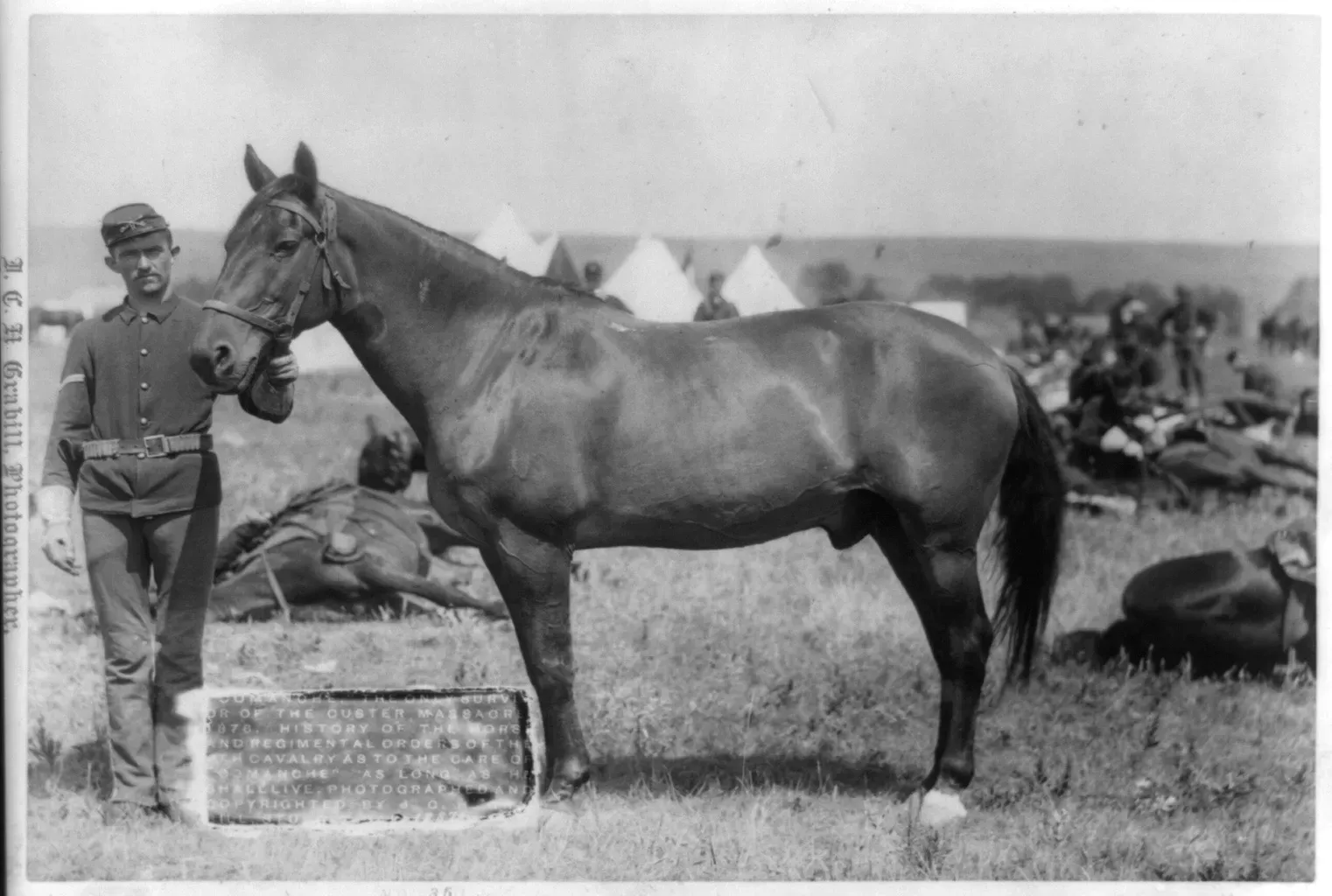
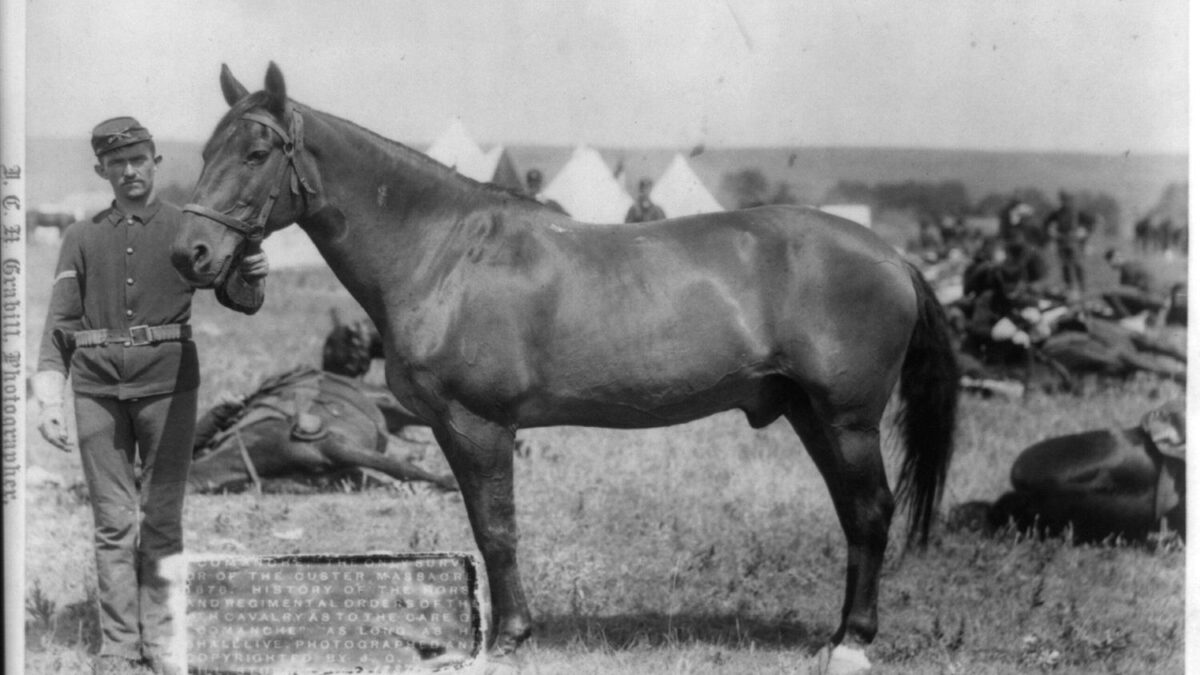
Picture a battlefield littered with the bodies of soldiers and horses, smoke still rising from the Montana earth. While no US Army soldier survived the engagement, one horse was found alive on the battlefield, named Comanche, who had suffered no less than seven bullet wounds during the battle. On June 25, 1876, Captain Keogh rode Comanche at the Battle of the Little Bighorn, where their entire detachment was killed, and US soldiers found Comanche, badly wounded, two days after the battle before transporting him to Fort Lincoln to be slowly nursed back to health.
He became known as the only living representative of the bloody tragedy of the Little Big Horn. Comanche never raced again, never carried another rider. As an honor, he was made Second Commanding Officer of the 7th Cavalry, and at Fort Riley, he became something of a pet, occasionally leading parades and indulging in a fondness for beer, before dying of colic on November 7, 1891, believed to be 29 years old. His preserved remains still stand in a glass case at the University of Kansas, a silent witness to one of America’s most infamous military defeats.
Seabiscuit: The Little Horse That Lifted a Nation
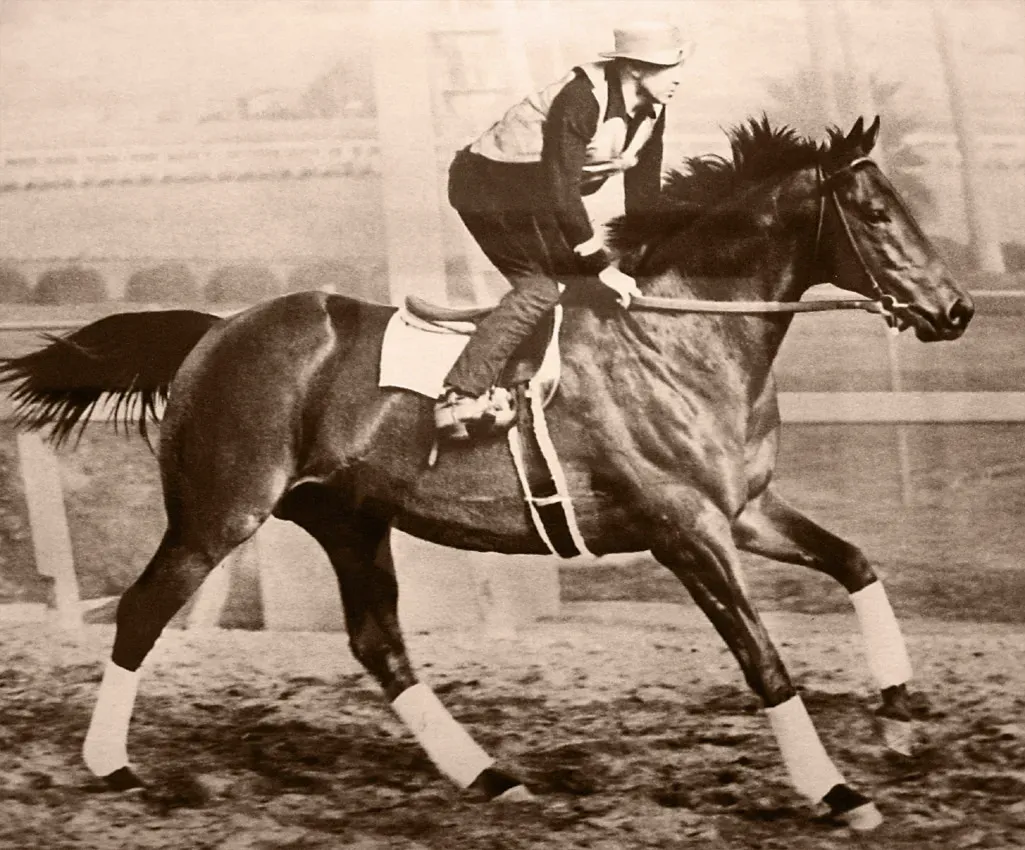
In a true rags-to-riches story, Seabiscuit began his career with 17 consecutive losses before becoming one of the most successful and beloved horses in racing . He was small, knobby-kneed, and dismissed as lazy. Honestly, nobody saw it coming. At 15.2 hands high, Seabiscuit had an inauspicious start to his racing career, winning only a quarter of his first 40 races, but became an unlikely champion and a symbol of hope to many Americans during the Great Depression.
Then came the race that changed everything. On November 1, 1938, Seabiscuit met War Admiral in what was dubbed the Match of the Century, and the estimated 40,000 at the track were joined by 40 million listening on the radio. Seabiscuit pulled away and continued to extend his lead, finally winning by four lengths in track-record time in one of the most significant races of the 20th century. He wasn’t just beating another horse. He inspired millions of Americans to pick themselves up and get back to work, and became a symbol of the American people’s determination to survive and thrive. What do you make of a horse giving hope to an entire nation?
Sergeant Reckless: The Marine Who Happened to Be a Horse
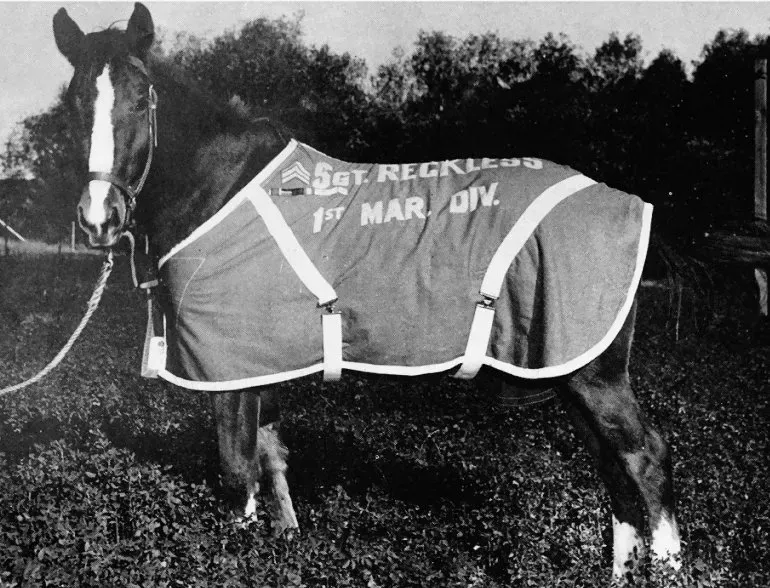
During the Korean War, a small chestnut mare did something extraordinary. In late March 1953 during the Battle for Outpost Vegas, she made 51 solo trips to resupply multiple front line units in a single day. Let that sink in. Fifty-one trips through enemy fire. Sergeant Reckless made over 50 trips across rice paddies and up steep mountain trails, and after casualties grew so great that the Marines couldn’t spare any extra hands, Reckless made the trips on her own, was wounded twice, yet she continued to make the trip back and forth while under fire.
Reckless was awarded two Purple Hearts, a Marine Corps Good Conduct Medal, a Presidential Unit Citation with bronze star, the National Defense Service Medal, a Korean Service Medal, the United Nations Korea Medal, a Navy Unit Commendation, and a Republic of Korea Presidential Unit Citation, which she wore on her horse blanket. She was promoted to staff sergeant on August 31, 1959, at Camp Pendleton, California, in a ceremony presided over by the Commandant of the Marine Corps, and was honored with a 19-gun salute and a 1,700-man parade. This wasn’t just military tradition. It was genuine respect.
Marengo: Napoleon’s Fearless Warhorse
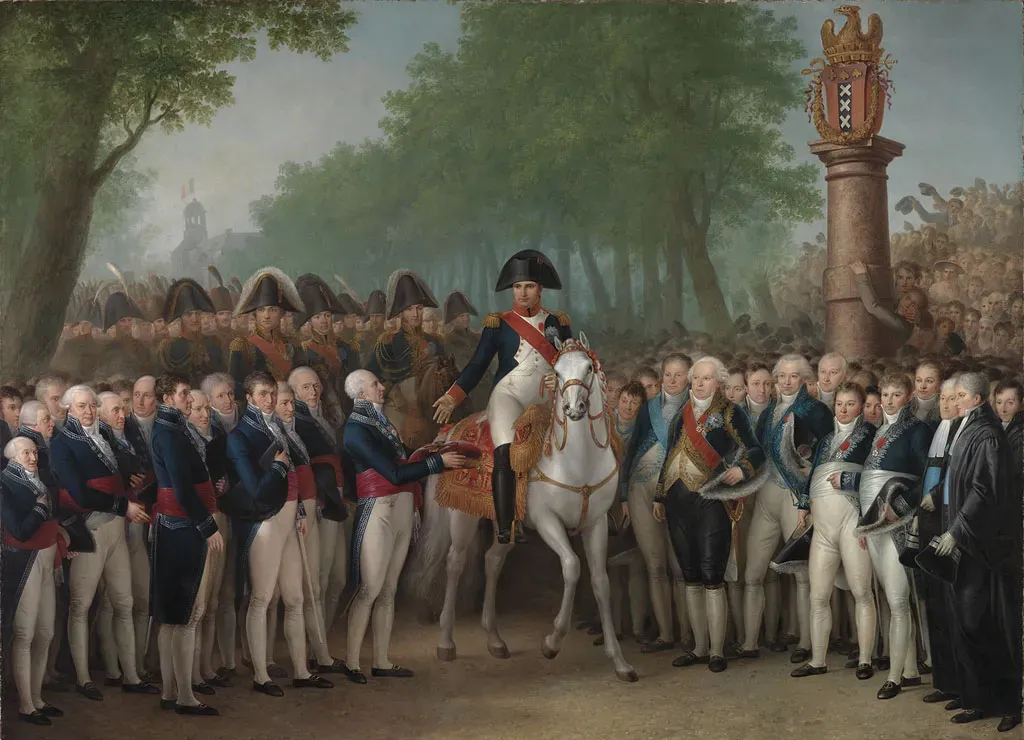
Napoleon Bonaparte had many horses, but one stood above the rest. Named after the Battle of Marengo, through which Napoleon Bonaparte secured his grip on Italy, Marengo was the emperor’s most famous warhorse, and this resilient Arabian steed carried Napoleon in numerous campaigns, becoming a symbol of the Napoleonic wars. Marengo carried the French emperor in several key battles and was wounded at least 8 times, and was known to be able to gallop 80 miles in just five hours and lived until the age of 38.
Marengo was known for his remarkable endurance and speed, qualities that enabled Napoleon to survey battlefields with agility and effectiveness, and despite being captured by the British after the Battle of Waterloo in 1815, the legend of Marengo continues to fascinate historians and horse enthusiasts alike. After his death, his skeleton was preserved and displayed. Even his enemies recognized greatness when they saw it.
Copenhagen: The Duke’s Loyal Companion at Waterloo
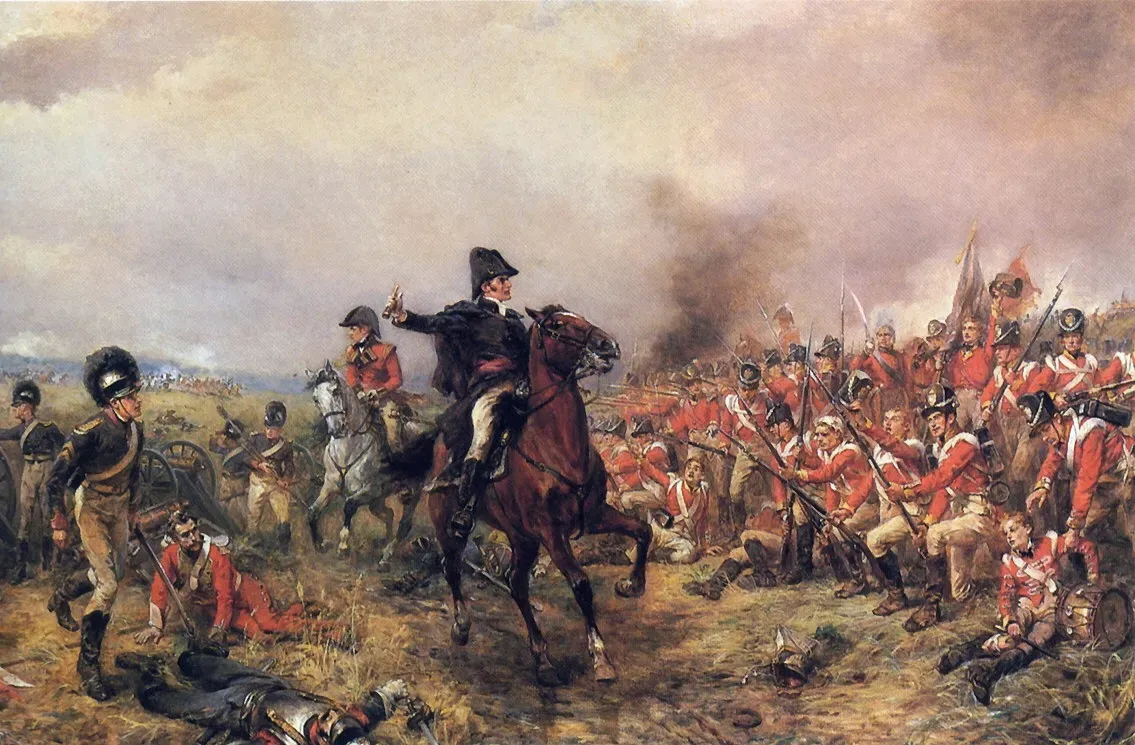
Copenhagen was the Duke of Wellington’s horse, purchased during the Peninsular War and carried the Duke into most of his major battles, including Waterloo, and after the Napoleonic Wars, he became as famous as his master, often attending parades and celebrations with Wellington on board. People adored this horse so much that they would snip hair from his tail to turn into jewelry. I know it sounds crazy, but that’s how celebrity worked back then.
When the Duke became Prime Minister in 1828, he rode Copenhagen to Downing Street. Wellington’s servant claimed that the horse liked being looked at, and after Copenhagen’s death and burial, Wellington was asked on multiple occasions to exhume the horse so that its bones could be displayed, but he replied that he did not know for sure where Copenhagen had been buried, which was a blatant lie as he had witnessed the event. Even the Iron Duke couldn’t bear to disturb his old friend’s rest.
Traveller: Robert E. Lee’s Steadfast Gray
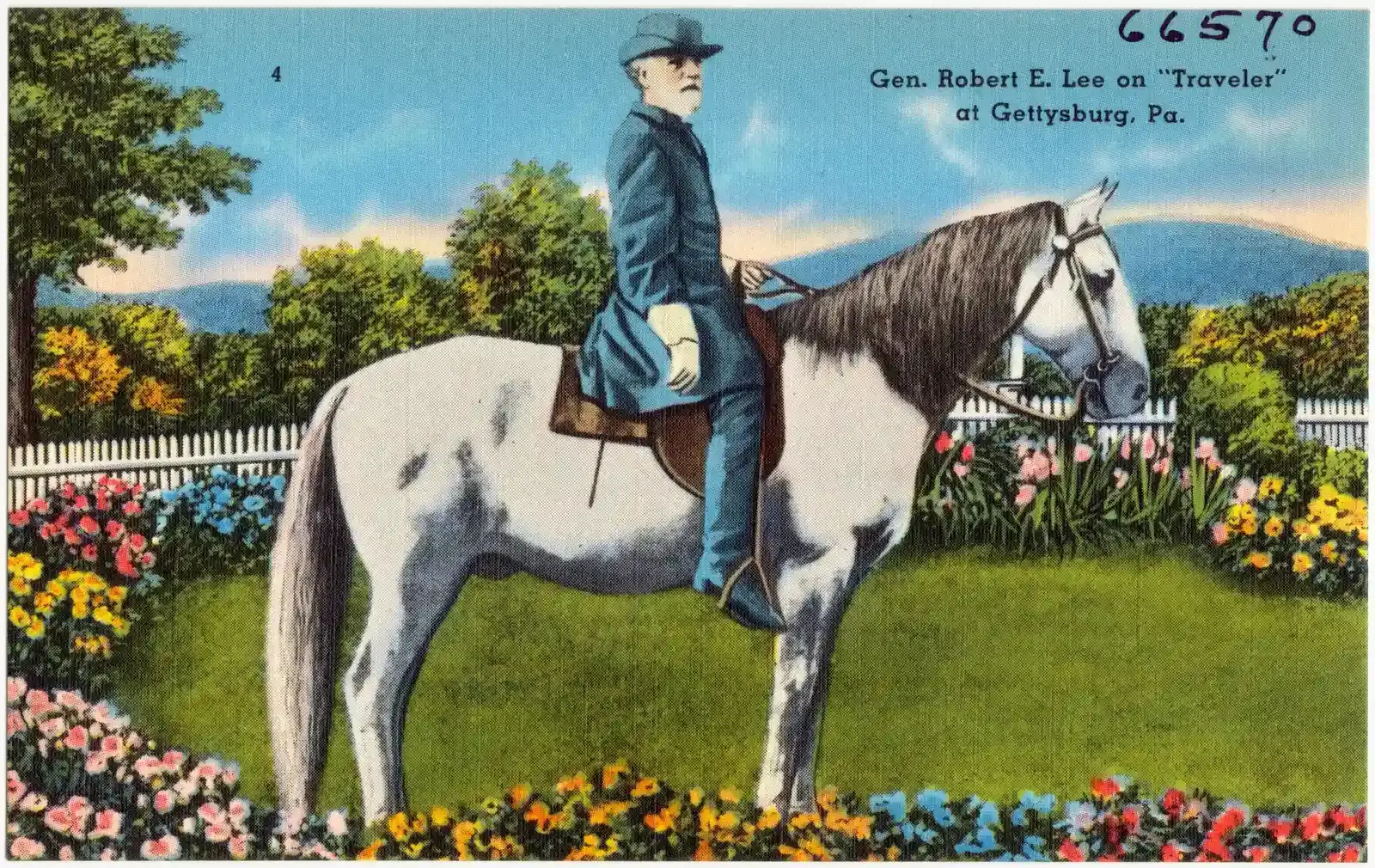
Traveller was Robert E. Lee’s horse during the American Civil War and beyond. This gray warhorse carried Lee through the bloodiest conflict on American soil. While Lee himself is a controversial historical figure, there’s no denying the bond between general and mount. Traveller became so recognizable that Confederate soldiers would cheer simply at the sight of the gray horse approaching.
After the war ended, Traveller remained with Lee until the general’s death. The horse even walked in Lee’s funeral procession. Later, Traveller’s remains were buried near Lee’s tomb, cementing their partnership for eternity. The devotion worked both ways.
Warrior: The Horse That Survived the Great War
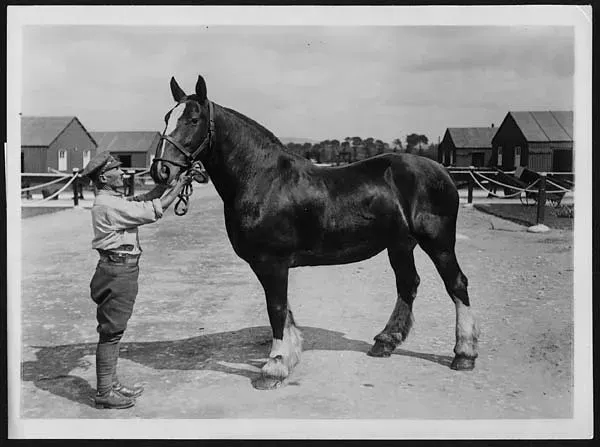
Warrior was the mount of General Jack Seely in World War I and was awarded the Dickin Medal in 2014. This horse survived the unspeakable horrors of the Western Front, where roughly about eight million horses died during that brutal conflict. Warrior charged through machine-gun fire, endured artillery barrages, and was buried alive twice by exploding shells. Somehow, he survived it all.
His story became legendary among soldiers who witnessed his courage. Warrior returned home to England after the war and lived until 1941. Decades after his death, military historians recognized what those soldiers already knew – this horse deserved to be remembered. What would you have done if you’d seen a horse survive what killed millions?
Briggs: The Survivor of the Charge of the Light Brigade
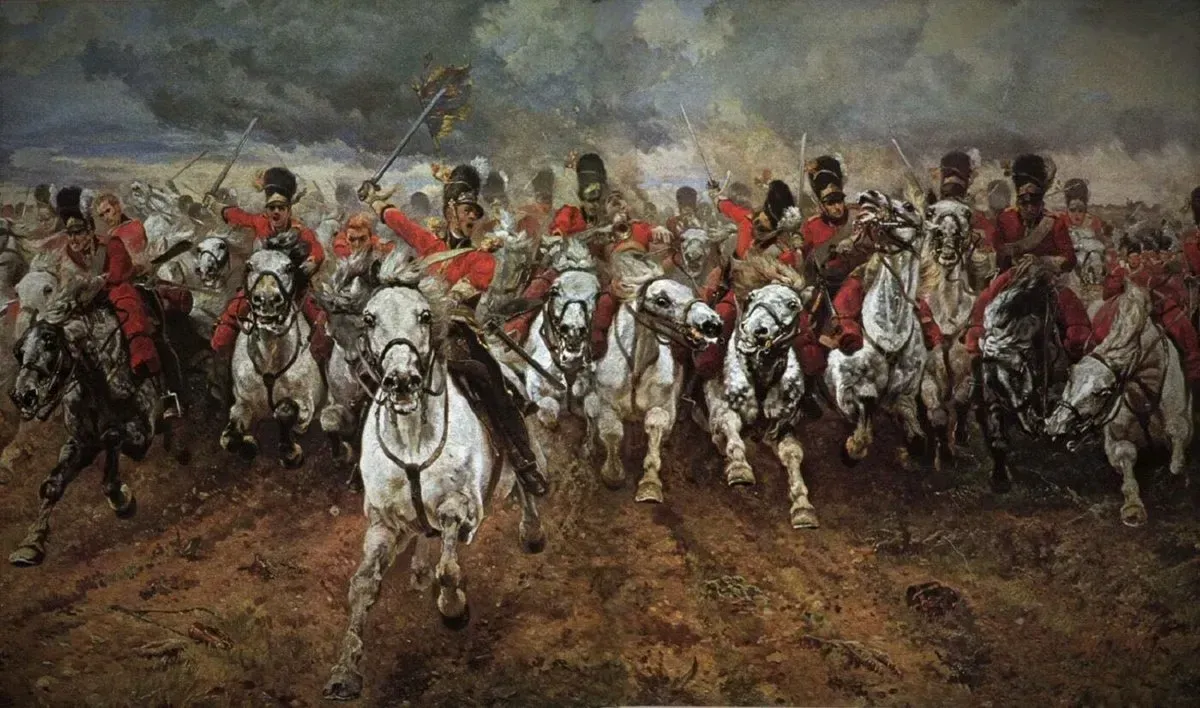
Briggs was a steeplechase champion named after a family servant, purchased by Captain Godfrey Morgan in 1851, and during the Crimean War, Morgan commanded a squadron of the 17th Regiment of Light Dragoons, who took part in the infamous Charge of the Light Brigade during the Battle of Balaklava, where 370 horses were killed. Briggs showed remarkable bravery during the battle, despite taking a sabre wound to the head, and afterwards, he was unofficially knighted Sir Briggs.
Briggs survived the tough conditions of a war that saw many other horses perish from starvation and fatigue, died in 1874, and was commemorated with a memorial in the grounds of Tredegar Park, his master’s home in Wales. That ill-fated charge became one of ‘s most studied military blunders, but Briggs’s survival stood as proof that courage and luck sometimes align.
Palomo: The Liberator’s White Stallion
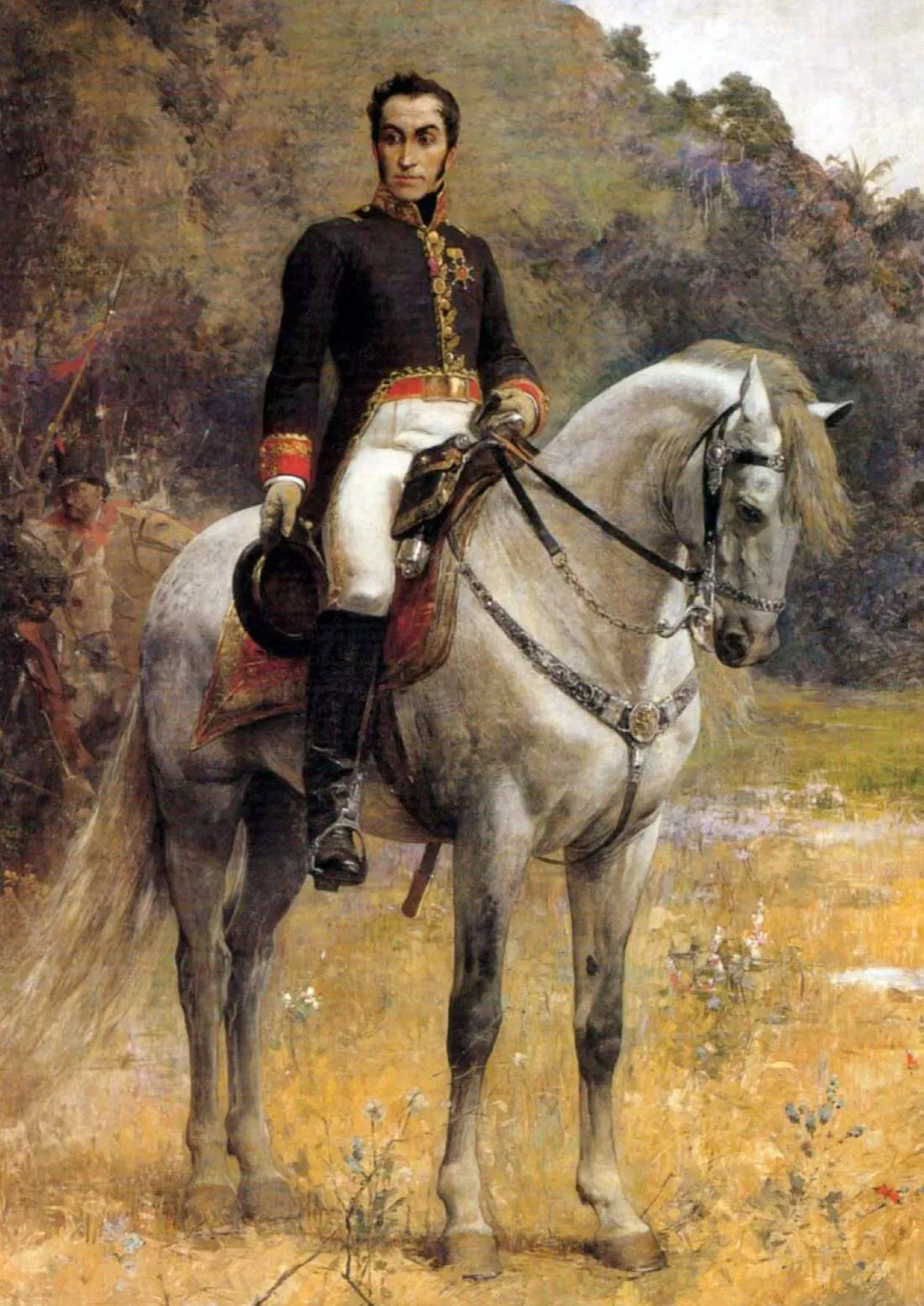
Palomo was the tall white horse of Simon Bolivar, the liberator of Latin America. Across Venezuela, Colombia, Ecuador, Peru, and Bolivia, this striking white horse carried Bolivar through campaigns that freed an entire continent from colonial rule. Palomo became a symbol of liberation itself, instantly recognizable across South America.
After a long march, Palomo tragically died in the care of one of Bolivar’s officers, and now his horseshoes are on display at the Museum of Mulaló in Colombia. Even in death, pieces of this legendary horse are preserved as relics of South American independence. The continent never forgot the white horse that carried freedom on its back.
Conclusion
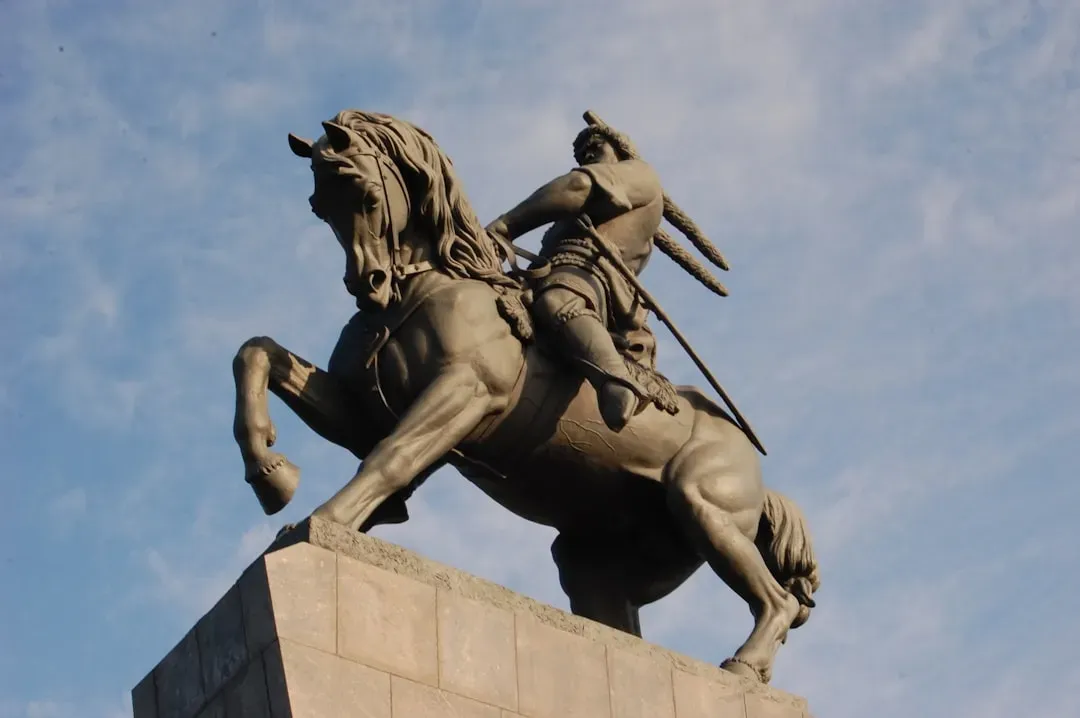
These ten horses didn’t just carry their riders. They carried on their backs, hope in their hearts, and courage in every step. From ancient Macedonia to the Korean War, they proved that heroism isn’t exclusive to humans. Some faced down enemy armies, others inspired entire nations, and a few simply refused to quit when any reasonable creature would have fled.
What strikes me most about these stories is the mutual devotion. Alexander built a city for Bucephalus. Wellington lied to protect Copenhagen’s grave. The Marines promoted Reckless and gave her a parade with nearly two thousand soldiers. These weren’t just animals performing tasks.
They were partners, friends, and in some cases, the difference between victory and defeat. Their stories remind us that greatness can come in unexpected forms, and that loyalty knows no species. Did you expect that? What would you have felt, watching Sergeant Reckless make her fifty-first trip through enemy fire, or seeing Seabiscuit cross that finish line ahead of War Admiral? Tell us in the comments.
