

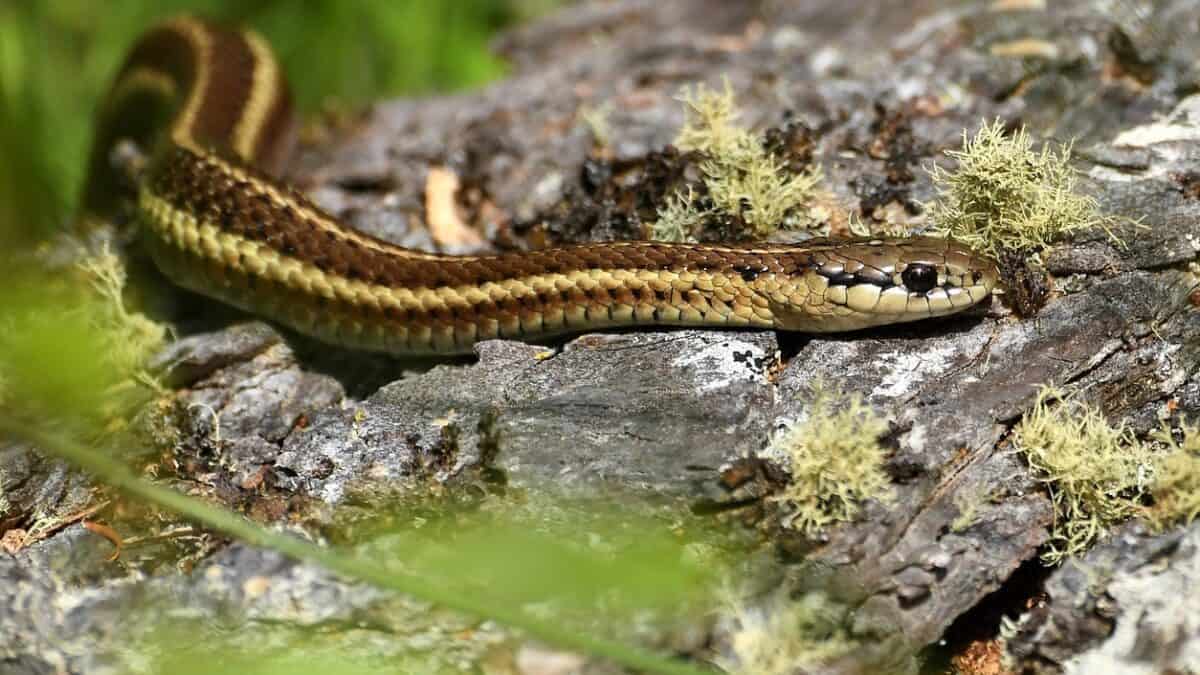
Snakes are remarkable creatures that have evolved sophisticated movement techniques to navigate their environment, hunt prey, and escape from predators. Unlike mammals with limbs, snakes rely entirely on their muscular bodies and scales to propel themselves across various terrains. This unique locomotion system has made them some of nature’s most effective escape artists, capable of slithering away from danger with surprising speed and agility.
Whether you’re a wildlife enthusiast hoping to spot snakes in their natural habitat, a homeowner concerned about unwanted serpent visitors, or simply curious about these fascinating reptiles, understanding how snakes move can provide valuable insights. In this article, we’ll explore ten movement techniques snakes use to escape from threats, as well as three telltale movements that can give away their presence or intentions—knowledge that could prove useful for both snake appreciation and safety.
Lateral Undulation The Classic Serpentine Escape

Lateral undulation is the most common and recognizable movement pattern in snakes, often referred to as the classic “S-shaped” motion. When employing this technique, a snake creates a series of curves along its body, pushing against contact points on the ground to generate forward momentum. This method is particularly effective for rapid escapes across relatively smooth terrain with scattered obstacles that provide the necessary push points.
The efficiency of lateral undulation lies in its energy conservation. By distributing the workload across their entire muscular body, snakes can maintain this movement for extended periods without fatigue. When a snake senses danger, it can accelerate this undulating motion dramatically, reaching speeds of up to 8 miles per hour in some species like the Black Mamba. This makes lateral undulation not only the most common snake movement but also one of their most reliable escape mechanisms in the wild.
Rectilinear Progression The Stealthy Crawler
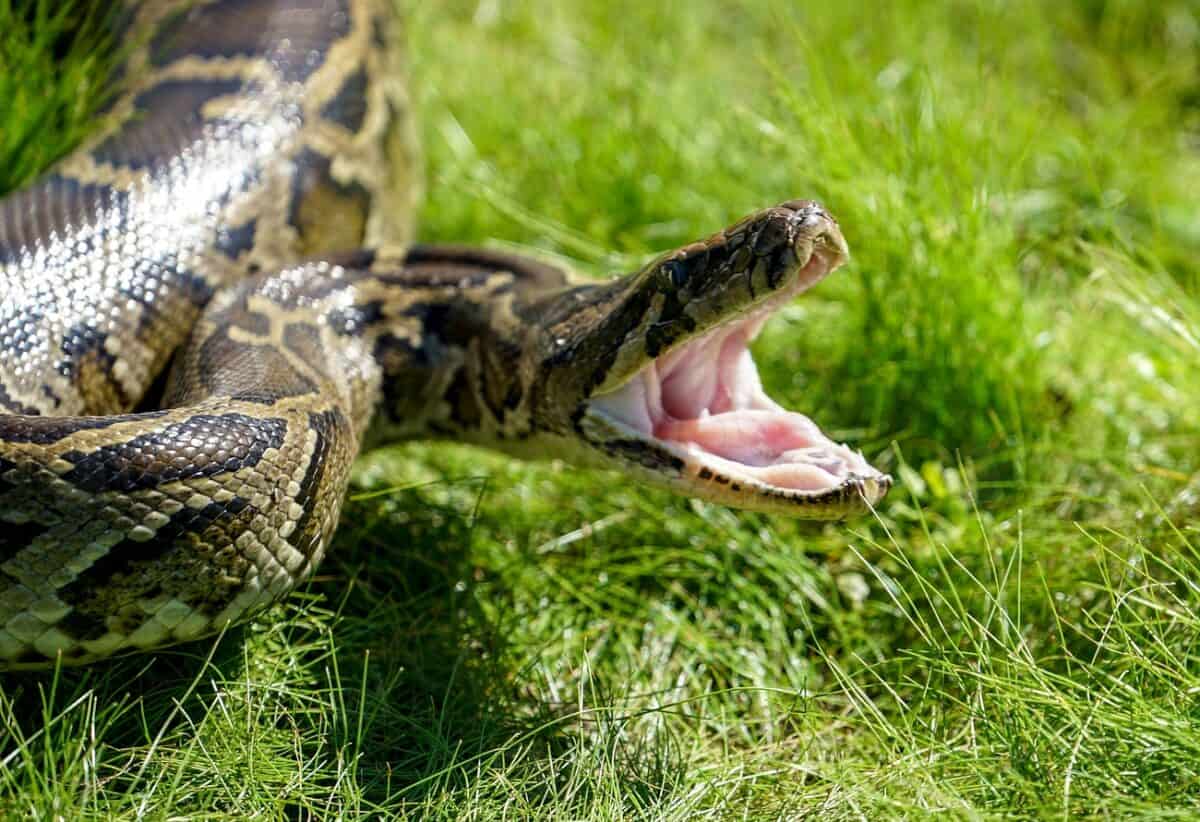
Rectilinear progression is a slow but remarkably stealthy movement technique primarily used by larger, heavier snakes like pythons, boas, and some vipers. Unlike the conspicuous S-shaped pattern of lateral undulation, rectilinear movement allows snakes to move in a straight line by alternately stretching and contracting the muscles on their belly scales. The snake essentially “walks” its ventral scales forward in a wave-like motion while keeping its body relatively straight.
This movement style serves as an excellent escape strategy in situations where remaining undetected is crucial. When a predator is nearby but hasn’t yet spotted the snake, rectilinear progression allows for a quiet, gradual retreat without drawing attention. Though considerably slower than other movement patterns—typically just 1-2 miles per hour at maximum—this method enables snakes to slip away virtually silently through dense vegetation or across surfaces where faster movements might create noise. It’s particularly effective for nocturnal escapes when visual detection is already reduced.
Concertina Motion Navigating Tight Spaces
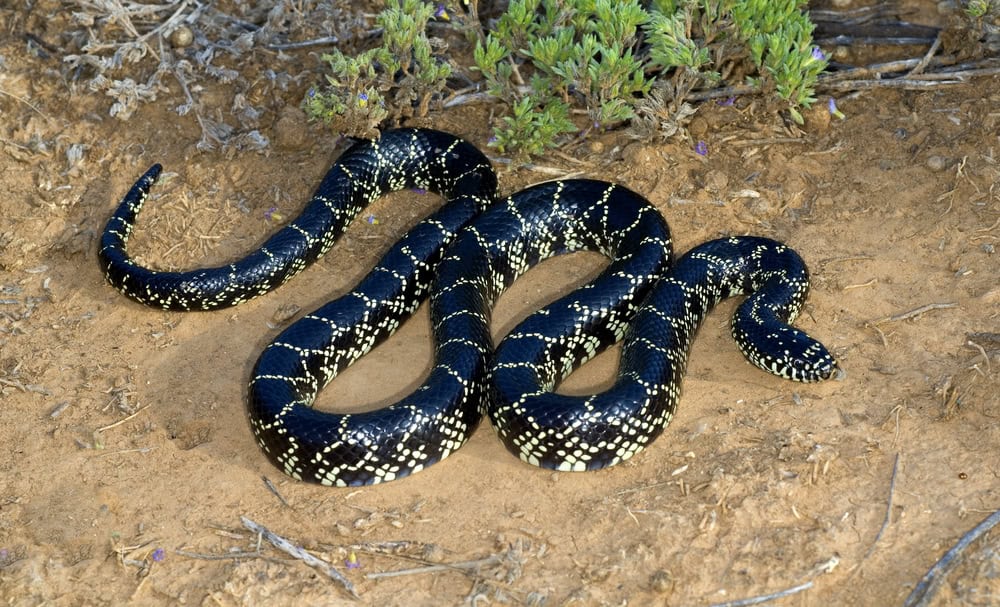
The concertina movement resembles an accordion’s expansion and contraction, making it ideal for snakes escaping through narrow passages, tunnels, or confined spaces. When using this technique, a snake anchors its posterior body using its scales for grip, then extends the front portion of its body forward. After establishing a new forward anchor point, it pulls the rest of its body up, creating a rhythmic, pulsating motion. This method is commonly employed by species like rat snakes and kingsnakes when navigating through rock crevices or dense underbrush.
While not the most energy-efficient form of locomotion, the concertina movement provides snakes with exceptional maneuverability in challenging environments where predators cannot follow. Research has shown that snakes expend up to seven times more energy using concertina movement compared to lateral undulation, making it a specialized escape technique rather than a primary mode of travel. However, this energy cost is worthwhile when the snake needs to access escape routes unavailable to its pursuers, such as narrow tree hollows, small mammal burrows, or tight rock formations.
Sidewinding Desert Escape Specialists
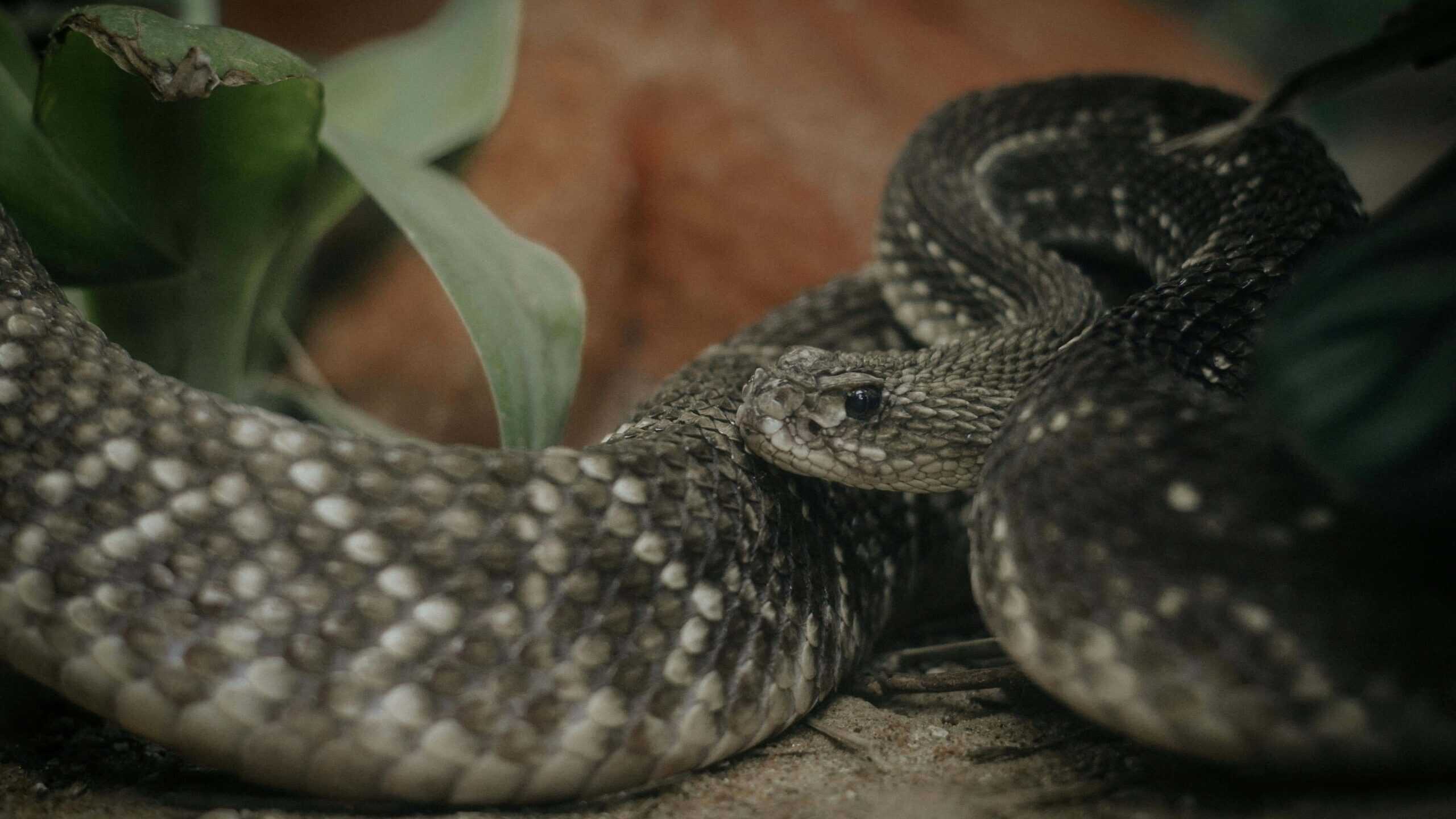
Sidewinding is a specialized movement adapted primarily by desert-dwelling snakes, most famously the sidewinder rattlesnake. This distinctive locomotion involves the snake throwing its body in a diagonal, J-shaped motion across the surface, with only two points of its body contacting the ground at any given moment. This technique evolved as both a heat-minimizing strategy (reducing contact with scorching sand) and an effective escape mechanism on loose, shifting substrates where other movement types would be inefficient.
When escaping predators on sand dunes or loose soil, sidewinding gives snakes a significant advantage. The minimal surface contact reduces friction and prevents the snake from sinking or losing traction. Sidewinders can achieve impressive speeds of up to 3 miles per hour using this technique—remarkable considering the challenging terrain. The distinctive tracks left behind—a series of parallel J-shaped marks rather than a continuous line—can confuse predators about the snake’s current location and direction, providing an additional layer of escape security in open desert environments.
Vertical Climbing Arboreal Escapes

Many snake species have developed remarkable climbing abilities that serve as vital escape mechanisms when threatened on the ground. Tree-dwelling species like vine snakes, green mambas, and various arboreal colubrids utilize a modified form of lateral undulation combined with specialized ventral scales that can grip bark and branches. When escaping ground predators, these snakes can ascend vertical surfaces with astonishing speed, often disappearing into foliage within seconds of detecting danger.
The technique involves creating S-shaped curves against the vertical surface while using their scales to create friction points. Some species enhance this climbing ability by flattening their bodies slightly to create a concave surface against the tree, increasing contact area and grip. Remarkably, even some primarily terrestrial species like rat snakes and certain constrictors can perform vertical escapes when necessary, though not with the same efficiency as their arboreal relatives. This three-dimensional escape option gives many snake species a critical advantage over predators limited to ground pursuit.
Aquatic Propulsion Underwater Getaways

Water presents both a refuge and an escape medium for many snake species, with some having evolved specialized swimming techniques. Water snakes, cottonmouths, and sea snakes use a modified form of lateral undulation adapted for aquatic environments, creating powerful, wave-like movements through their entire body. When threatened, these snakes can rapidly dive beneath the surface and employ quick, undulating movements to put distance between themselves and the threat.
Some species have additional adaptations that enhance their underwater escape capabilities. Sea snakes, for instance, possess a paddle-shaped tail that provides greater thrust and maneuverability. Freshwater species like water snakes can remain submerged for up to 30 minutes when evading danger, often hiding among underwater vegetation or in muddy substrates. This aquatic escape strategy is particularly effective against terrestrial predators with limited swimming abilities, allowing snakes to access a three-dimensional escape zone where many pursuers cannot follow efficiently or must eventually surface for air.
Burrowing and Sand Swimming Subterranean Disappearances

Several snake species have evolved the ability to literally disappear into the ground when threatened, using specialized burrowing or “sand swimming” techniques. Sand boas, thread snakes, and shield-nosed snakes possess modified scales and reinforced rostral shields (nose scales) that function like small shovels, allowing them to dive into loose soil or sand with remarkable efficiency. When employing this escape mechanism, these snakes use a combination of lateral undulation and rectilinear movements while pushing their heads downward to rapidly submerge themselves.
The sand swimming motion is particularly fascinating, as it allows specialized desert species to move through loose substrates as if swimming through liquid. Using powerful muscle contractions that propagate from head to tail, these snakes can disappear completely beneath the surface within seconds. Some species, like the Saharan sand vipers, leave almost no trace of their passage, making them virtually impossible to track once they’ve employed this escape strategy. This subterranean escape provides protection not just from predators but also from extreme temperatures, effectively removing the snake from both the threat and the harsh surface environment simultaneously.
Coiling and Springing The Surprise Leap
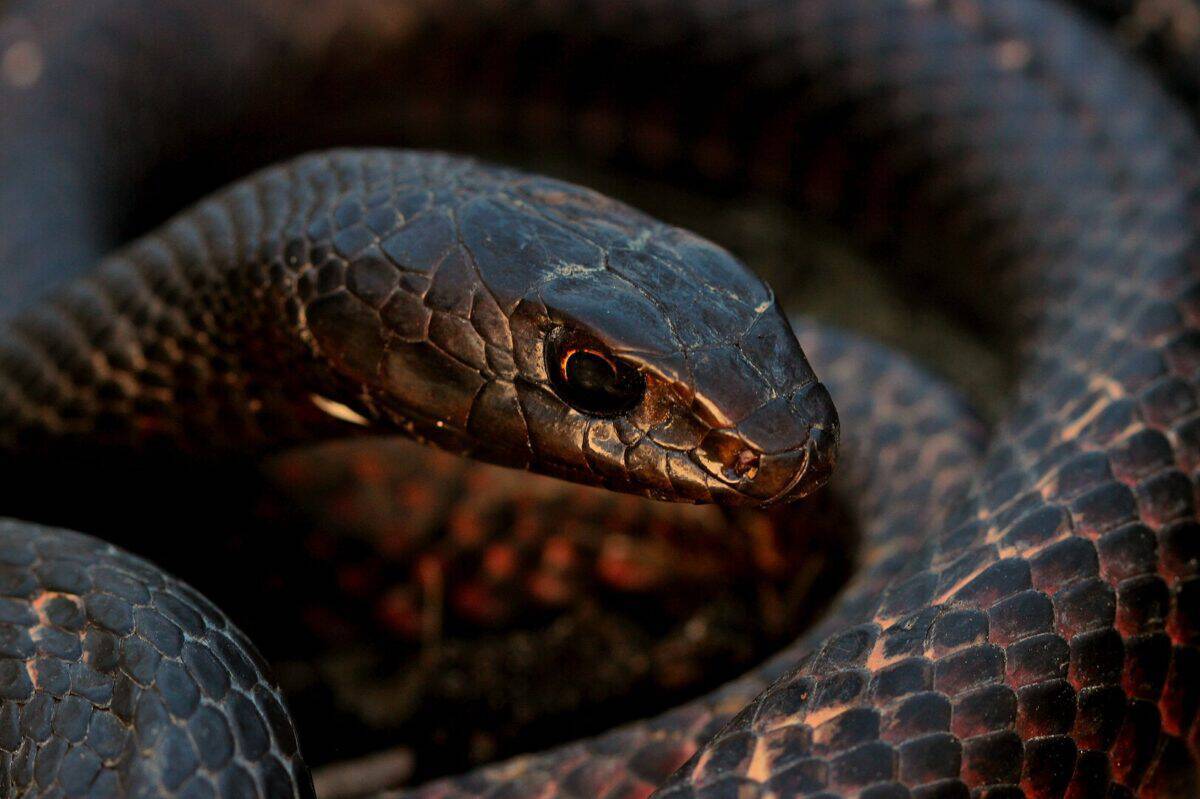
While snakes aren’t known for jumping abilities like those of mammals, several species have developed a coil-and-spring technique that can create startling forward momentum when escaping. Rat snakes, racers, and some vipers can compress their bodies into tight coils and then rapidly extend, launching themselves forward in a controlled lunge. This isn’t true jumping as the snake doesn’t completely leave the ground, but rather a powerful forward thrust that can cover surprising distances—sometimes up to half their body length in a single motion.
This escape strategy is often employed as a last resort when a predator has come too close for a gradual retreat. The sudden burst of speed and change in position can momentarily confuse the threat, creating a crucial window for escape. Some defensive species combine this movement with threat displays, creating the illusion of aggression when they’re actually positioning themselves for escape. The effectiveness of this technique lies in its unpredictability and explosive speed, often catching predators off guard and allowing the snake to reach safety in nearby cover before pursuit can be organized.
Death Feigning The Ultimate Still Escape

Perhaps the most counterintuitive escape strategy in the snake world is technically not movement at all, but rather the strategic absence of it. Several species, most famously the hognose snake, have evolved an elaborate death-feigning behavior that involves flipping onto their backs, opening their mouths, and becoming completely limp when threatened. This remarkable behavior, also called thanatosis, effectively removes the snake from consideration as prey for many predators that prefer live food or are triggered by movement.
What makes this strategy particularly effective as an “escape” mechanism is what happens after the predator loses interest. Once the threat has passed, the snake will cautiously right itself and make a swift, often straight-line retreat from the area. The death-feigning period can last from minutes to hours, depending on the perceived threat level. Studies have shown this behavior is not simply a fear response but an evolved strategy with neurological control—the snake remains alert and responsive to environmental changes even while appearing completely lifeless, ready to make its true escape once the coast is clear.
Tail Autotomy The Sacrificial Distraction
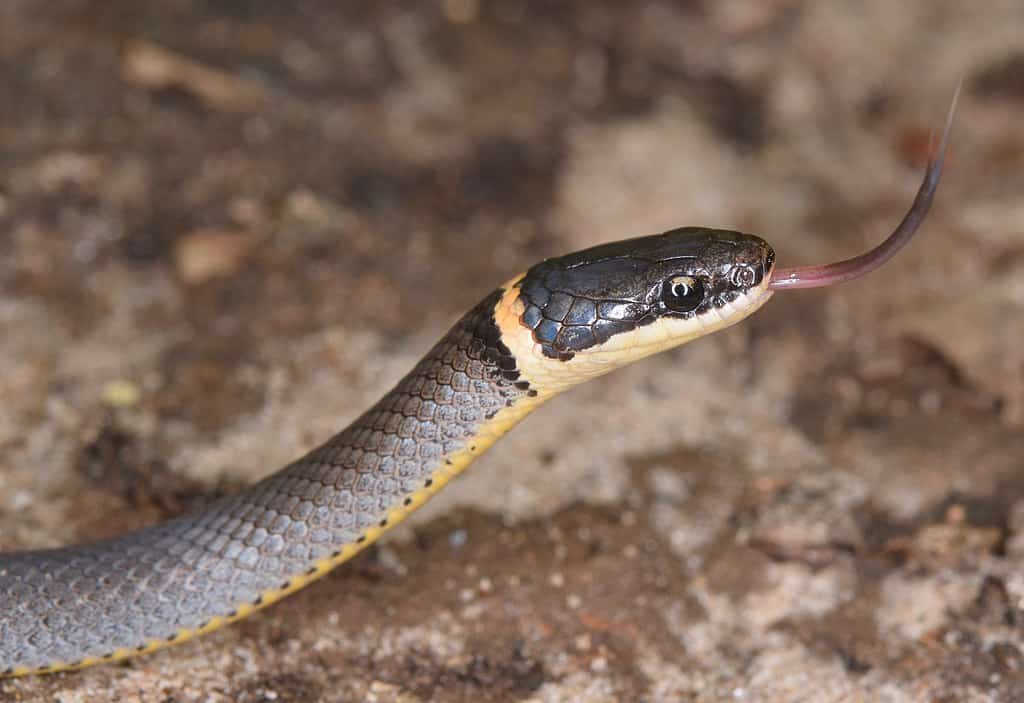
While most commonly associated with lizards, a limited form of tail autotomy (self-amputation) exists in some snake species as well. The ring-necked snake and certain other small colubrids can actually detach a small portion of their tail when grasped by a predator, creating a wriggling distraction that allows the main body to escape. Unlike lizards, snakes cannot regenerate their tails, making this a costly but potentially life-saving escape mechanism used only in dire circumstances.
When employing this strategy, the detached tail section continues to twitch and move due to residual neural activity, drawing the predator’s attention while the snake makes its getaway in the opposite direction. The movement of the severed tail is often more erratic and attention-grabbing than the snake’s actual escape movement, effectively misdirecting the predator’s focus. This represents one of the most dramatic examples of the “sacrifice a part to save the whole” evolutionary strategy and demonstrates the extraordinary adaptations snakes have developed to ensure survival in threatening situations.
3 Movements That Give Snakes Away The Freeze Response

While snakes have mastered the art of escape, certain movements—or lack thereof—can betray their presence. The freeze response is perhaps the most common giveaway. When initially detecting a potential threat, most snakes will instinctively freeze in place before deciding whether to flee or defend themselves. This momentary stillness, often lasting several seconds, creates an unnatural absence of movement that can catch the attention of observant onlookers, especially in environments where subtle movement is constant (like wind-blown grass or leaves).
This freeze response serves an evolutionary purpose—motion is easier to detect than stationary objects, and many predators’ vision is highly attuned to movement. However, for human observers specifically looking for snakes, this sudden stillness stands out. The snake’s body tension during freezing often creates a distinctive rigid posture that differs from other natural objects. Wildlife photographers and field herpetologists often train themselves to notice these “too still” moments in nature, which frequently reveal the presence of a snake that might otherwise remain camouflaged among the vegetation or substrate.
2 Movements That Give Snakes Away The Warning Coil
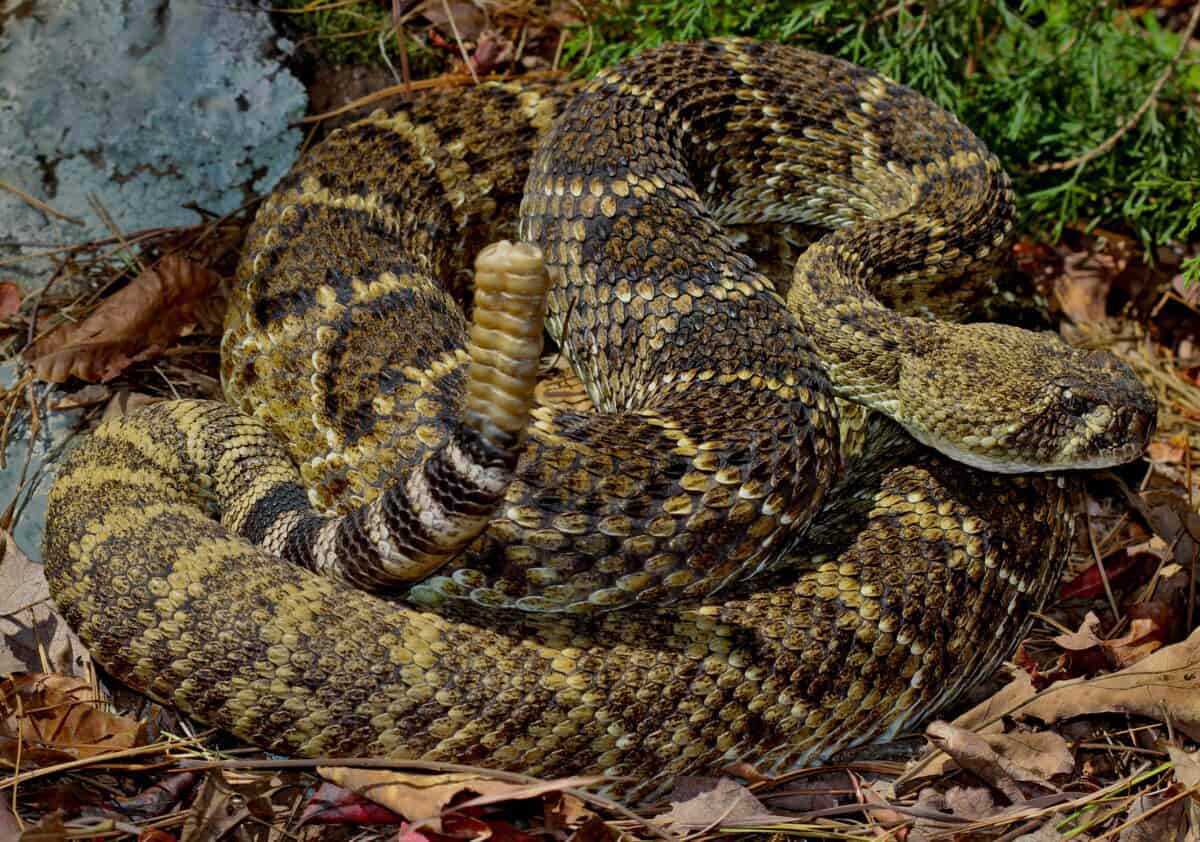
The warning coil represents a critical transition point between a snake’s escape strategy and defensive posture. When a snake determines that escape may not be possible or that the threat is too close for safe retreat, it often forms a characteristic coiled position with its head raised and centered. This distinctive coiling differs from resting positions in its tension and organization—the loops are tighter, the head is elevated, and the body is compressed like a spring, ready for potential strike or rapid movement in any direction.
What makes this movement particularly revealing is its deliberate nature. Unlike the fluid, continuous movements used for travel or the rapid escape techniques, the warning coil involves a calculated repositioning that often occurs in stages as the snake evaluates the threat. Rattlesnakes make this even more obvious by adding tail vibration, but even non-venomous species display this telltale coiling behavior. For observers, recognizing this transition from normal movement to defensive coiling provides important information about the snake’s stress level and imminent behavior. It serves as a clear indicator that the snake feels threatened and is preparing either for a last-ditch escape attempt or, if necessary, a defensive stand.
1 Movements That Give Snakes Away The Tongue Flick

The rapid, rhythmic flicking of a snake’s forked tongue is perhaps the most recognizable and revealing of all snake movements. This behavior serves a crucial sensory function, collecting airborne particles and transferring them to the Jacobson’s organ in the roof of the mouth for chemical analysis. When a snake increases the frequency of tongue flicks, it indicates heightened awareness and information gathering—often a response to detecting a potential threat, prey, or other significant environmental change.
What makes tongue flicking such a giveaway is both its visibility and meaning. The motion itself creates a distinctive, repeated movement that can catch the eye even when the snake’s body remains perfectly camouflaged. More importantly, the pattern of tongue flicking provides insights into the snake’s mental state. Rapid, frequent flicking suggests the snake has detected something of interest and is actively processing its surroundings. For observers, an increased rate of tongue flicking often precedes a change in behavior—either an escape attempt or a shift to defensive posturing. This involuntary sensory behavior essentially telegraphs the snake’s next move, making it one of the most reliable indicators of a snake’s presence and intentions even before other movements become apparent.
Conclusion: The Evolutionary Dance of Escape and Detection

The diverse movement strategies snakes employ represent millions of years of evolutionary refinement, creating a sophisticated balance between escape efficiency and energy conservation. From the classic undulation that defines serpentine movement to specialized techniques like sidewinding and vertical climbing, snakes have adapted to exploit escape routes in virtually every habitat and terrain. These movement adaptations have contributed significantly to snakes’ success as a group, allowing them to survive in environments ranging from deserts to rainforest canopies despite lacking limbs.
Understanding the giveaway movements—the freeze response, warning coil, and revealing tongue flick—provides valuable insights for both snake enthusiasts and those wishing to avoid close encounters. These behaviors serve as a window into snake psychology and decision-making processes, revealing the constant calculations these animals make when navigating a world full of potential threats. For wildlife observers, these cues enhance the ability to locate and identify snakes safely in their natural habitats.
For safety purposes, recognizing these telltale movements can provide crucial warning signs during outdoor activities in snake-inhabited areas. The warning coil, in particular, serves as nature’s caution sign—an indication to maintain distance and allow the snake an opportunity to retreat. With proper knowledge and respect, humans and snakes can coexist with minimal conflict, appreciating the remarkable evolutionary solutions these.

As a little kid, I fell in love with nature, wildlife, and animals. Living in the USA, South Africa, Italy, China and Germany gave me the opportunity to discover the world's Wildlife. My favorite animals are Mountain Gorillas, Siberian Tigers, and Great White Sharks.
I'm a certified PADI Open Water Diver, went to Everest Base Camp and Trekked Gorillas in Uganda. I hold a Master of Science in Economics and Finance.
Please send any feedback to feedback@animalsaroundtheglobe.com
- 10 Most Unique Reptiles You will See in the US - July 21, 2026
- 3 Dangerous Invasive Species the USA Must Eradicate - July 21, 2026
- 10 Things That Calm Cats And 4 That Make Them Nervous - July 21, 2026