
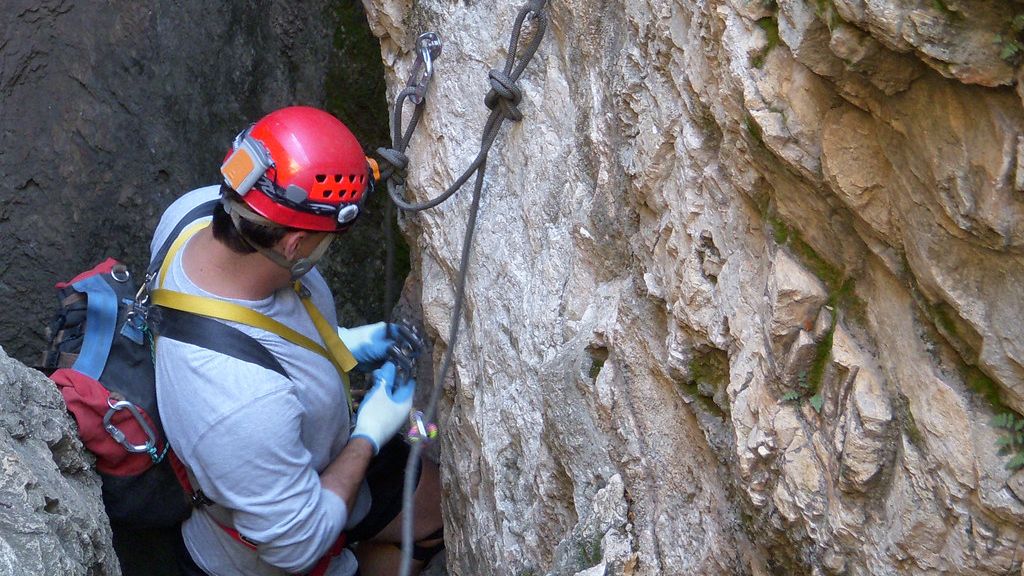
Picture this: stepping into complete darkness where time seems frozen. The walls glisten with moisture. Strange creatures move in slow motion, completely unaware of sunlight or seasons.
America’s caves hide extraordinary worlds beneath our feet, ecosystems so delicate and unique that many species exist in only one location on Earth. These underground habitats shelter organisms that evolved in isolation for thousands of years, adapting to conditions most life forms couldn’t tolerate. From blind salamanders to albino crayfish, the creatures dwelling in these subterranean spaces challenge everything we think we know about survival. Let’s dive into ten of the most mysterious cave systems in the United States, where incredible underground ecosystems thrive in eternal night.
Mammoth Cave, Kentucky: The World’s Longest Underground Labyrinth
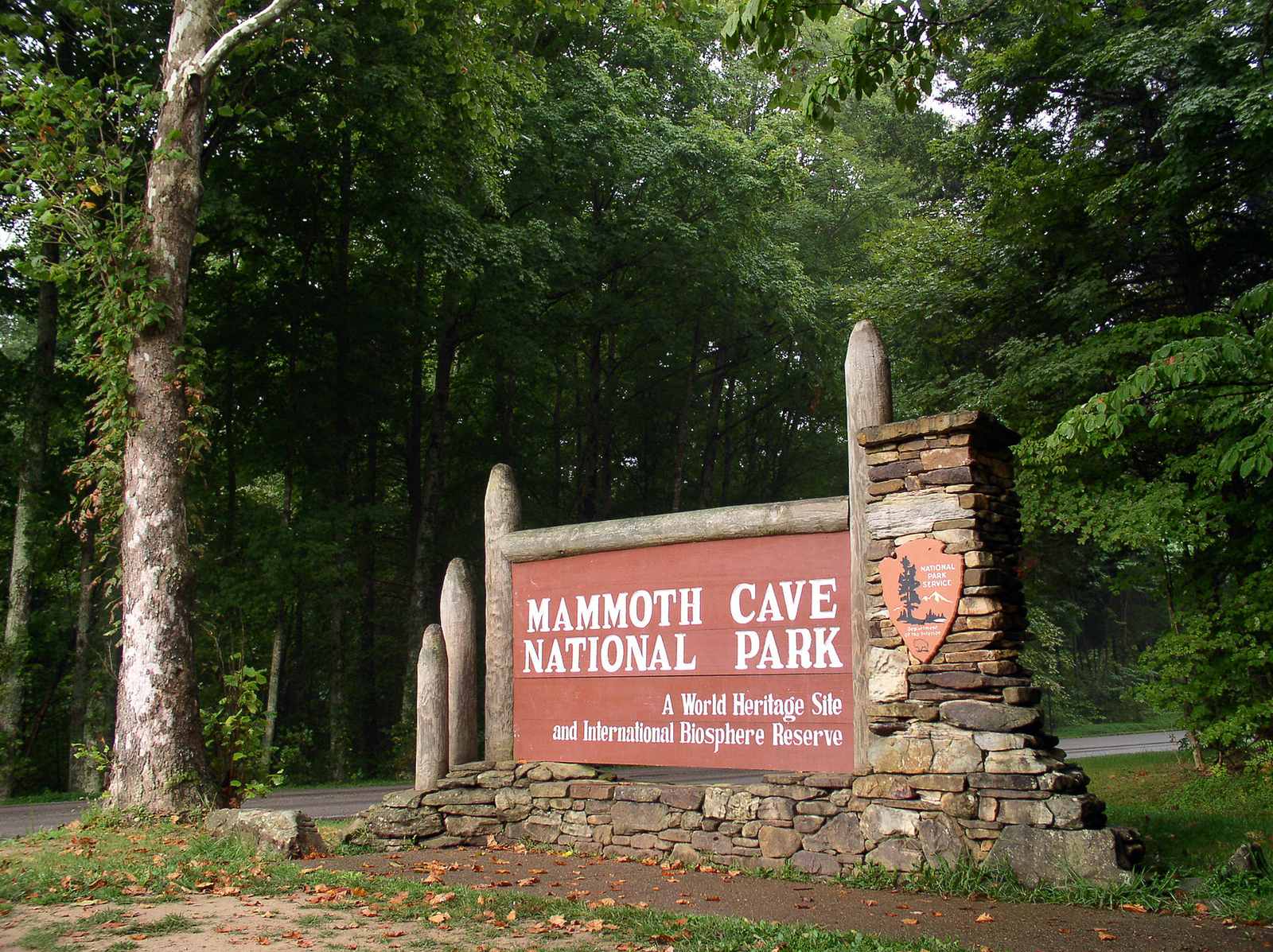
Mammoth Cave in Kentucky boasts the title of the world’s longest cave system, with over 400 miles of explored passageways. This sprawling network of limestone chambers supports an astonishing diversity of life that has captivated scientists for nearly two centuries.
About 160 animal species have been documented making use of the more than 400 miles of underground passages. Even more remarkable, seven species are endemics, found only in Mammoth Cave. Among these unique residents is the Kentucky cave shrimp, a ghostly crustacean that navigates the darkness using sensory structures instead of eyes. The cave’s ecosystem thrives on organic material washed in from the surface and nutrients provided by bat colonies, creating a complex food web that defies the absence of sunlight.
Lechuguilla Cave, New Mexico: A Surreal Scientific Treasure
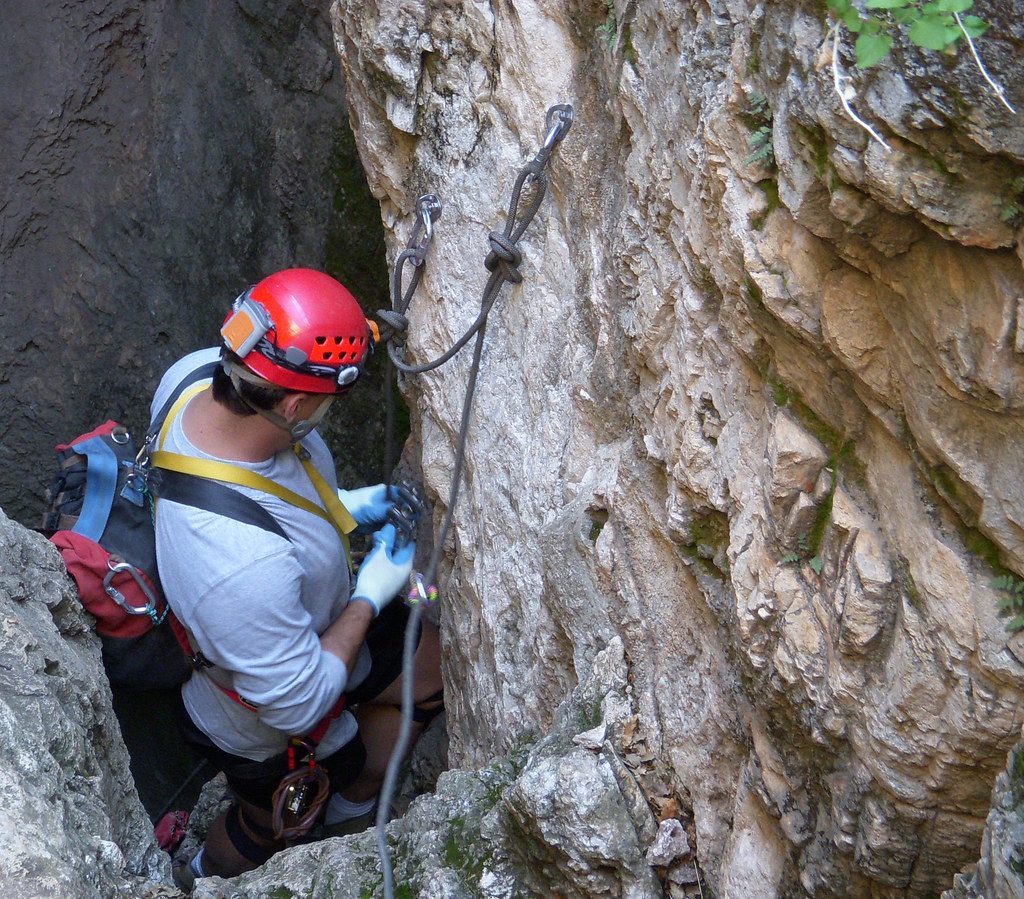
With a recorded depth of over 1,600 feet, it’s the deepest cave in the continental U.S. Lechuguilla Cave remained relatively unknown until the 1980s when explorers discovered its entrance after hearing wind roaring through a small collapse.
As the deepest limestone cave in the United States and the seventh-longest cave globally, Lechuguilla is a testament to nature’s sculpting prowess. The cave shelters bizarre bacteria that survive without sunlight, thriving through chemosynthesis rather than photosynthesis. These microorganisms form the foundation of a completely alien food chain, supporting a delicate ecosystem perfectly adapted to nutrient-poor conditions. Gypsum chandeliers and submarine-like passages create an otherworldly landscape where evolution took radically different paths.
Lost Sea Cave, Tennessee: America’s Largest Underground Lake
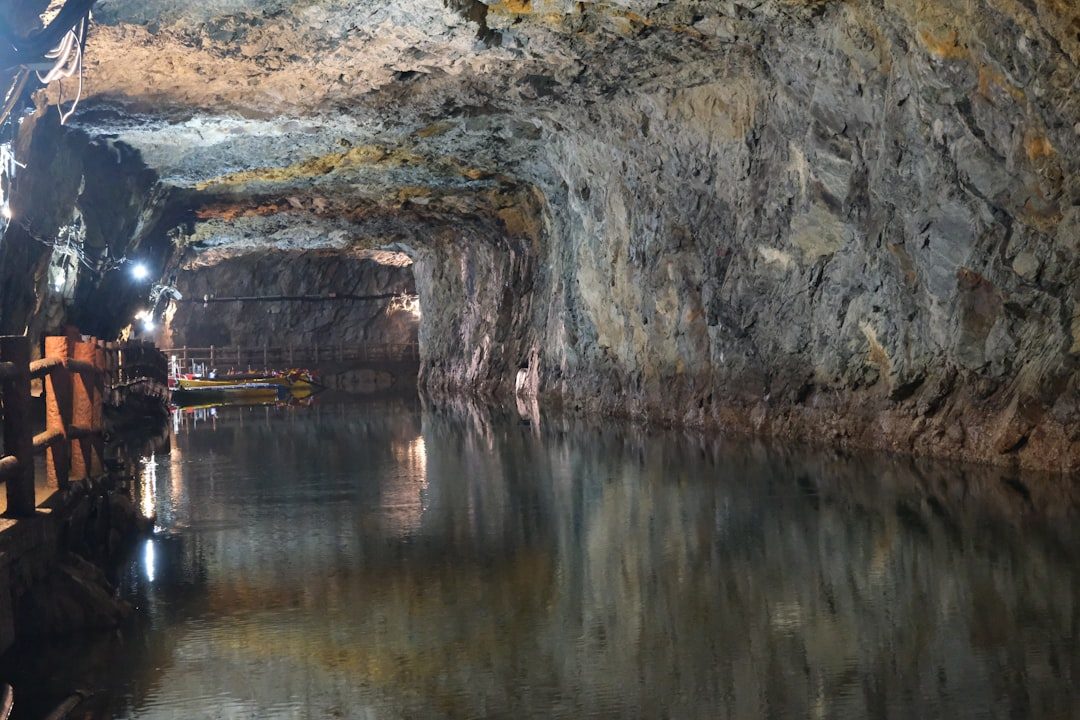
Hidden beneath the mountains of Sweetwater, Tennessee, is Lost Sea Cave, the largest underground lake in the United States, discovered by explorers in 1905. This vast, crystal-clear body of water stretches into darkness, its true extent still unknown.
The ecosystem here centers around its aquatic environment. The cave is home to rare animal inhabitants, such as blind cavefish and albino crayfish. These pale creatures glide through the cold water, their bodies stripped of pigmentation since color serves no purpose in perpetual darkness. The lake provides a stable habitat where temperatures remain constant year-round, allowing these specialized organisms to thrive without the environmental fluctuations that surface species face.
Shelta Cave, Alabama: A Biodiversity Hotspot
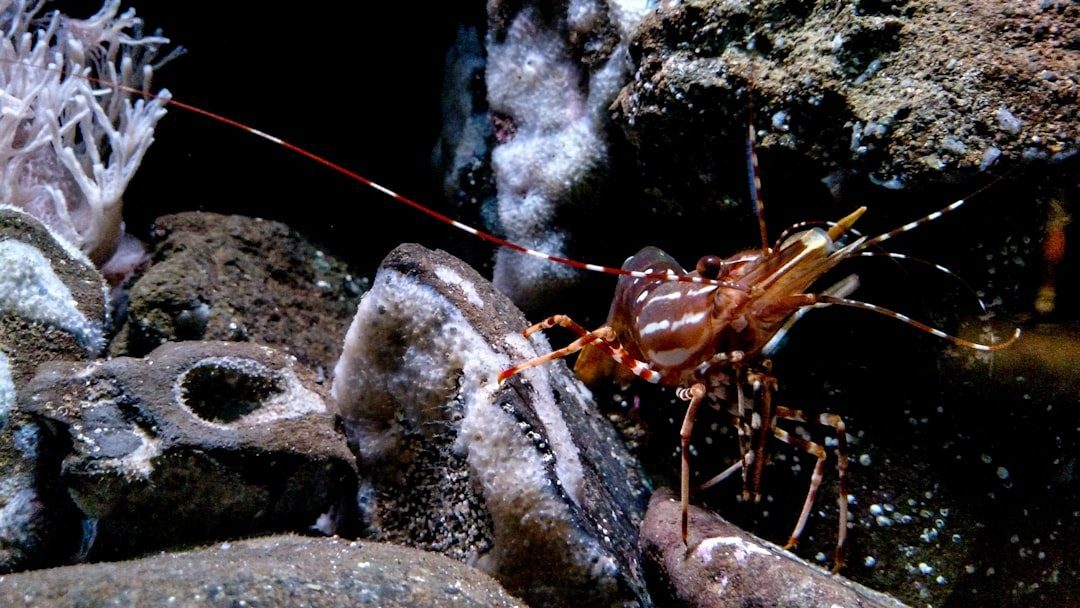
Jackson County, Alabama holds a stunning distinction in cave biology. Jackson County Alabama has more described cave obligate species (52) and more endemic cave obligate species (24) than any other county in the country.
The Shelta Cave crayfish (Orconectes sheltie) is known to occur only within the subterranean streams and pools of the Shelta Cave. This translucent crustacean represents just one of many species that evolved exclusively within this single cave system. Think about that for a moment: an entire species confined to one location, unable to exist anywhere else on the planet. The cave’s ecosystem operates on an incredibly tight energy budget, with organisms surviving on minimal food sources and exhibiting extraordinarily slow metabolisms.
Carlsbad Caverns, New Mexico: Home to Massive Bat Colonies
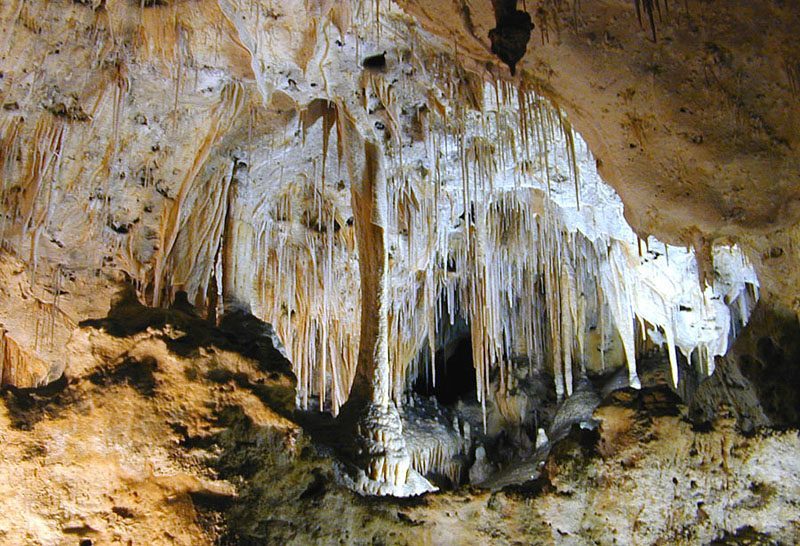
Carlsbad Caverns isn’t just famous for its enormous chambers. The Big Room alone spans nearly five acres, creating an underground cathedral where ecosystems flourish on multiple levels.
The cave’s most spectacular ecological feature arrives each evening at dusk. Hundreds of thousands of Brazilian free-tailed bats emerge from the cave entrance in a swirling vortex, heading out to hunt insects. Their guano provides essential nutrients for the cave ecosystem, supporting fungi, bacteria, and invertebrates that form the base of the food chain. These nutrients eventually reach more complex organisms like cave crickets and beetles, creating a surprisingly diverse community in what seems like an inhospitable environment.
Wind Cave, South Dakota: An Underground Maze of Life
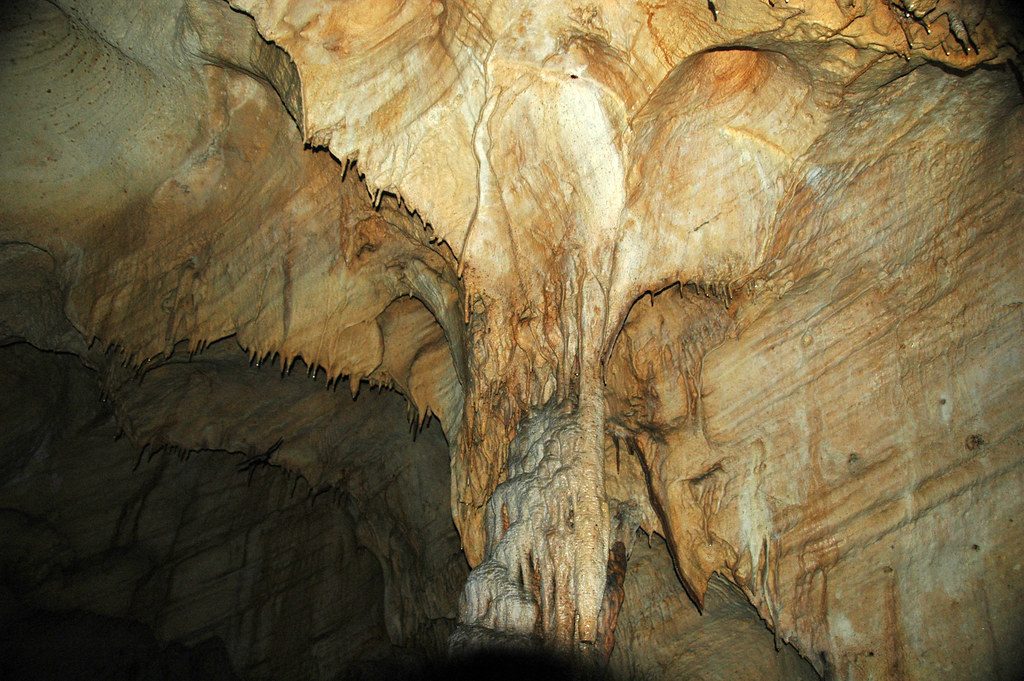
Wind Cave is more than just an impressive collection of caverns and passages, it’s a portal into our planet’s past, where each rock formation is a page in the history of Earth. This sprawling system contains rare boxwork formations found nowhere else in such abundance.
Beyond its geological wonders, Wind Cave harbors delicate ecosystems adapted to the cave’s unique air circulation patterns. The constant airflow that gives the cave its name also influences the distribution of species within it. Small invertebrates navigate the maze of passages, while bacteria colonize mineral deposits, slowly breaking them down. The cave demonstrates how life exploits every possible niche, even in environments that seem impossibly harsh.
Jewel Cave, South Dakota: A Sparkling Underground World
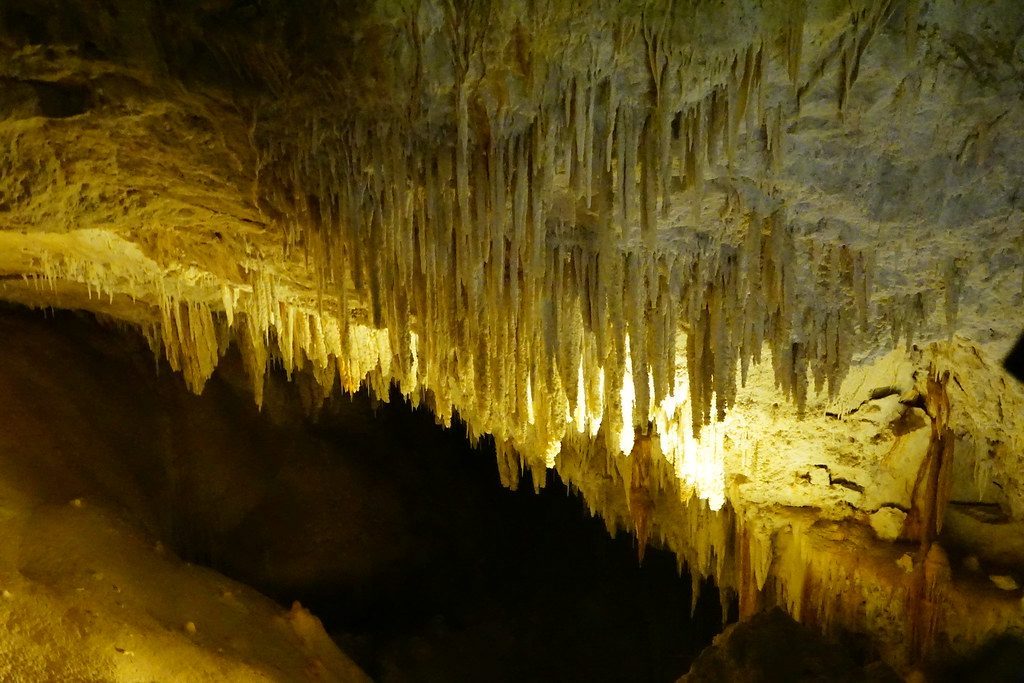
The cave’s name isn’t marketing – it does shine. Jewel Cave earned its name from the calcite crystals coating its walls, which sparkle when illuminated. This extensive cave system ranks among America’s longest.
The biological community here remains less studied than some other major caves, but scientists continue discovering new passages and new species. Cave spiders spin webs in strategic locations where air currents might carry the occasional insect. Pseudoscorpions, tiny predators with oversized pincers, hunt springtails in the darkness. Under the microscope they look like a massive crablike predator. Every crack and crevice potentially harbors life forms waiting to be documented.
Ezell’s Cave, Texas: Sanctuary of the Texas Blind Salamander
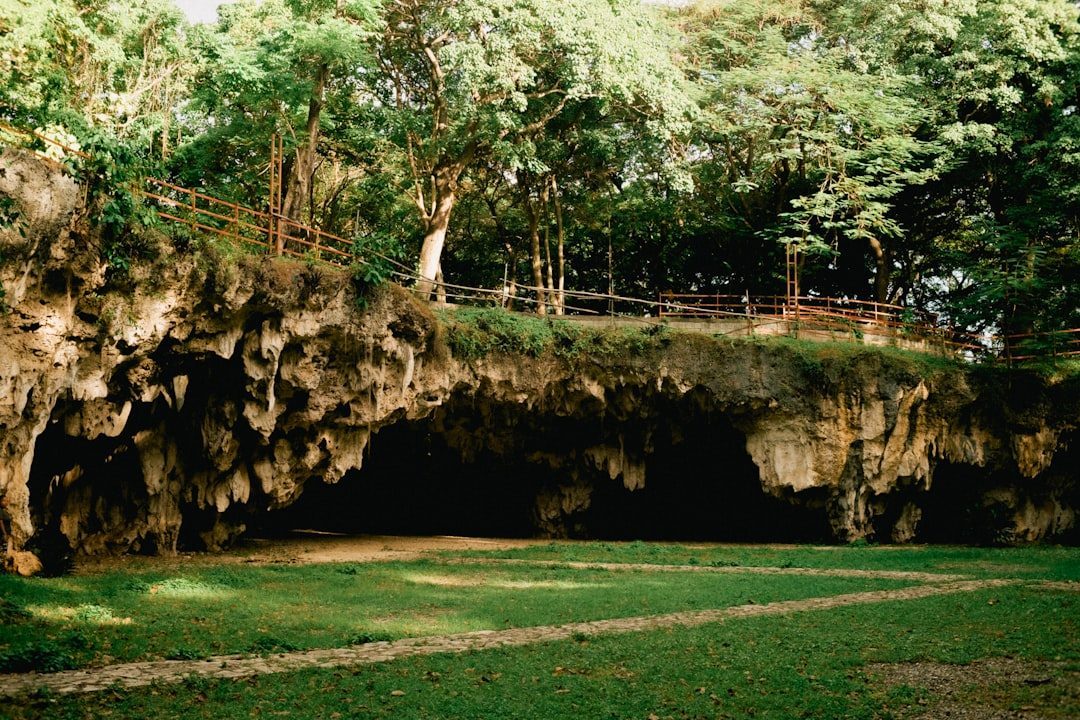
Ezell’s Cave in south-central Texas is home to the Texas blind salamander (Eurycea rathbuni). This remarkable amphibian represents one of the most specialized cave dwellers in North America.
The Texas blind salamander is ghostly white with bright red external gills and completely lacks functional eyes. It navigates using heightened senses of smell and the ability to detect vibrations in the water. These salamanders have extraordinarily slow metabolisms, allowing them to survive long periods without food. They reproduce infrequently and live much longer than their surface relatives. The cave’s aquatic ecosystem depends on nutrients filtering down from above, creating a fragile balance that makes every resident critically vulnerable to environmental changes.
Tumbling Creek Cave, Missouri: Home to Rare Grotto Salamanders
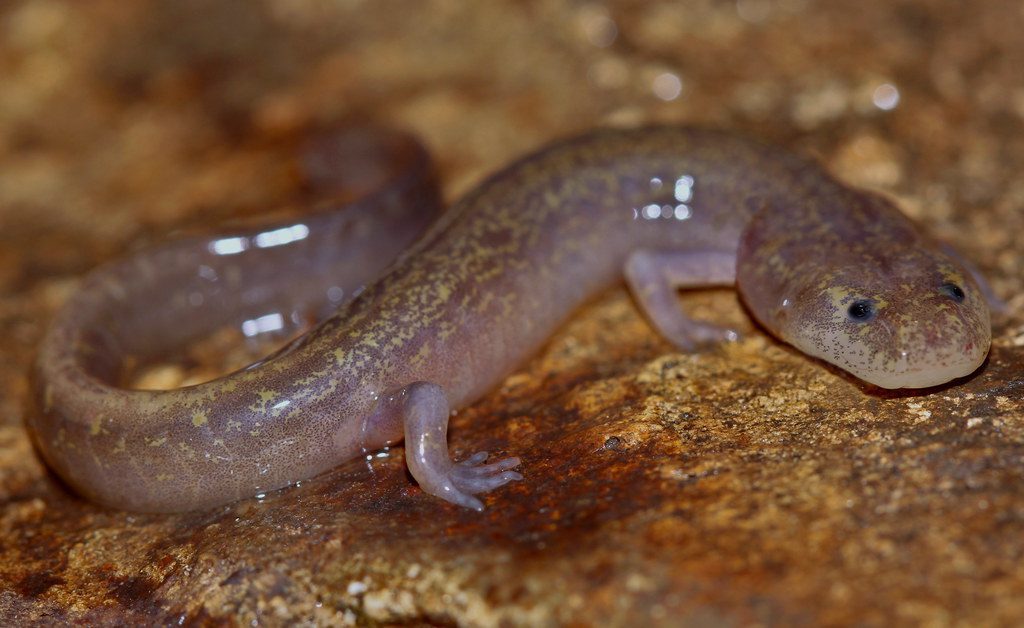
The grotto (or Ozark blind) salamander (Eurycea spelaea) can be found in the Tumbling Creek Cave in southern Missouri. This species exhibits one of the strangest developmental transformations in the animal kingdom.
An unusual characteristic of this cave critter is that they are fully sighted at the larva stage, however they lose both sight and pigmentation after they metamorphosize into adults. Imagine being born with eyes, only to have your body absorb them as you mature because they’re no longer necessary. Missouri’s caves benefit from the state’s extensive karst topography. Missouri, known as the Cave State, boasts over 6,000 caves, and these underground wonders are home to unique ecosystems, fascinating rock formations, and a rich history.
Lava Beds National Monument Caves, California: Volcanic Tube Ecosystems
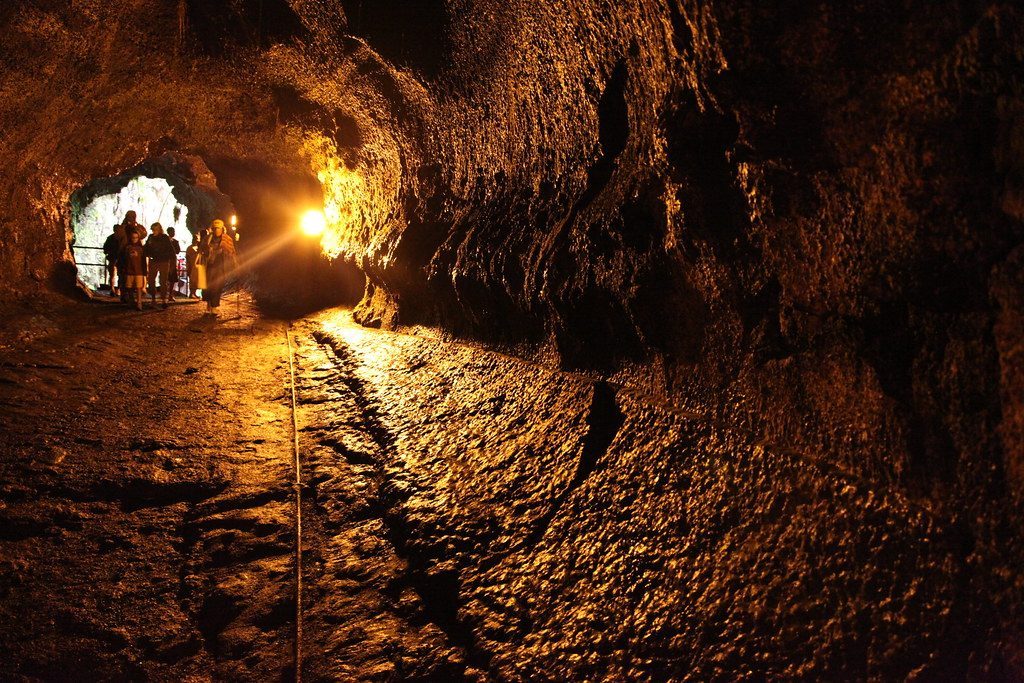
Lava Beds National Monument has over 800 caves formed by flowing lava. Unlike limestone caves created by water erosion, these volcanic tubes offer a completely different type of underground habitat.
Exploring deep into the depths of Lava Beds National Monument in Northern California, one may come across a troglobitic dipluran, a pale silverfish looking insect equipped with two tails extending behind their abdomens to help them feel their way around. The basaltic environment creates unique challenges for cave life. Moisture levels, temperature stability, and nutrient availability differ dramatically from limestone caves. Yet life persists here too, with specialized invertebrates colonizing the darkness. These creatures represent separate evolutionary lineages from their limestone cave cousins, having adapted to lava tubes through different pathways.
Conclusion
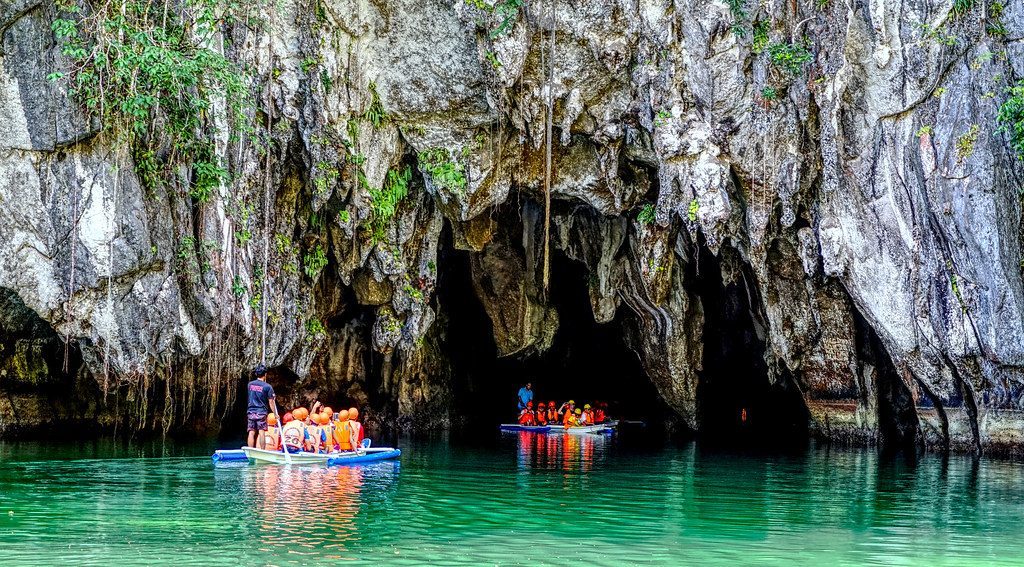
America’s caves represent some of the most fragile and fascinating ecosystems on our planet. These organisms are completely adapted to nutrient poor dark environments with no plants and no sunlight, creating a really unique place to have evolved.
The cave-adapted animals are the metaphorical canaries in the coal mine for the condition of water quality. These sensitive organisms serve as early warning systems for environmental degradation. When cave ecosystems collapse, it signals broader problems affecting groundwater quality and habitat health across entire regions. Protection of these underground worlds isn’t just about preserving bizarre creatures. It’s about maintaining the integrity of water supplies, protecting biodiversity hotspots, and preserving natural laboratories where scientists study evolution and adaptation.
Next time you stand above ground, remember the hidden worlds beneath your feet, where eyeless fish swim, albino crayfish hunt, and salamanders that have never seen light thrive in eternal darkness. What other secrets might these caves still be hiding?
