
In this moment, at the beginning of 2026, it’s almost hard to find your footing. The world feels like it’s spinning faster, the noise louder, and the divisions deeper. We’re drowning in technology, information, and a relentless pace that leaves little room for reflection or rest. We’ve built towering cities and sent rockets into space, yet somehow we’ve lost touch with something fundamental.
Here’s where ancient wisdom becomes more than just pretty words on a page. Native American teachings, passed down through generations, offer a different perspective. These aren’t just historical curiosities. They speak directly to the chaos we’re living through right now, offering guidance that feels almost prophetic in its relevance to our modern struggles.
When In Doubt, Be Still, And Wait

“When in doubt, be still, and wait; when doubt no longer exists for you, then go forward with courage.” Chief White Eagle of the Ponca tribe taught that when doubt exists, we should be still and wait, remaining patient until the mists clear and sunlight pours through. Think about how radical this feels in our instant gratification culture. We’re constantly pressured to act immediately, to have an opinion right now, to respond within seconds.
Modern life treats stillness like a weakness or waste of time. Yet Chief White Eagle understood something we’ve forgotten. The best decisions rarely come from panic or pressure. Only when doubt no longer exists should we then act with courage. In our era of social media outrage and knee-jerk reactions, this teaching feels almost revolutionary.
We Are but One Thread in the Web of Life
Chief Seattle of the Duwamish taught that humankind has not woven the web of life but is merely one thread within it, and whatever we do to the web, we do to ourselves. The environmental crises we face in 2026 make this warning feel uncomfortably prescient. Climate change, species extinction, pollution – these aren’t abstract problems happening somewhere else.
We’re finally starting to understand what Chief Seattle knew over a century ago. Every action ripples outward. The plastic we toss, the forests we clear, the air we poison, it all comes back to us. All things are bound together and all things connect. It sounds simple, yet we’ve spent decades ignoring this basic truth.
Life Is the Flash of a Firefly in the Night

When asked about life’s meaning, a Blackfoot elder offered poetry that cuts right through our fear of mortality. Life is the flash of a firefly in the night, the breath of a buffalo in wintertime, the little shadow which runs across the grass and loses itself in the sunset.
We spend so much energy trying to deny death, to extend life at any cost, to hold onto youth. This teaching doesn’t dismiss life’s preciousness. Instead, it embraces the fleeting nature of existence as part of its beauty. Perhaps if we truly accepted how brief our time is, we’d waste less of it on things that don’t matter.
The Earth Is Our Mother, Not a Resource
Big Thunder of the Wabanaki Algonquin taught that the Great Spirit is in all things and in the air we breathe, that the Earth is our Mother who nourishes us and returns what we put into the ground. This isn’t just spiritual metaphor. It’s ecological reality.
We’ve treated the planet like an endless supply warehouse, extracting without replenishing, taking without gratitude. The consequences are now impossible to ignore. Soil depletion, water scarcity, ecosystem collapse. Big Thunder’s teaching offers a fundamentally different relationship with nature, one based on reciprocity rather than exploitation.
Seek Wisdom, Not Just Knowledge
A Lumbee proverb teaches us to seek wisdom rather than knowledge, because knowledge is of the past while wisdom is of the future. In our information age, this distinction matters more than ever. We have unprecedented access to data, facts, and information. Yet are we actually wiser?
Knowledge tells you what happened. Wisdom helps you understand what it means and how to move forward. We’re drowning in knowledge, scrolling through endless content, but starving for wisdom. The Lumbee understood that accumulating information isn’t the same as developing understanding.
When You Arise, Give Thanks
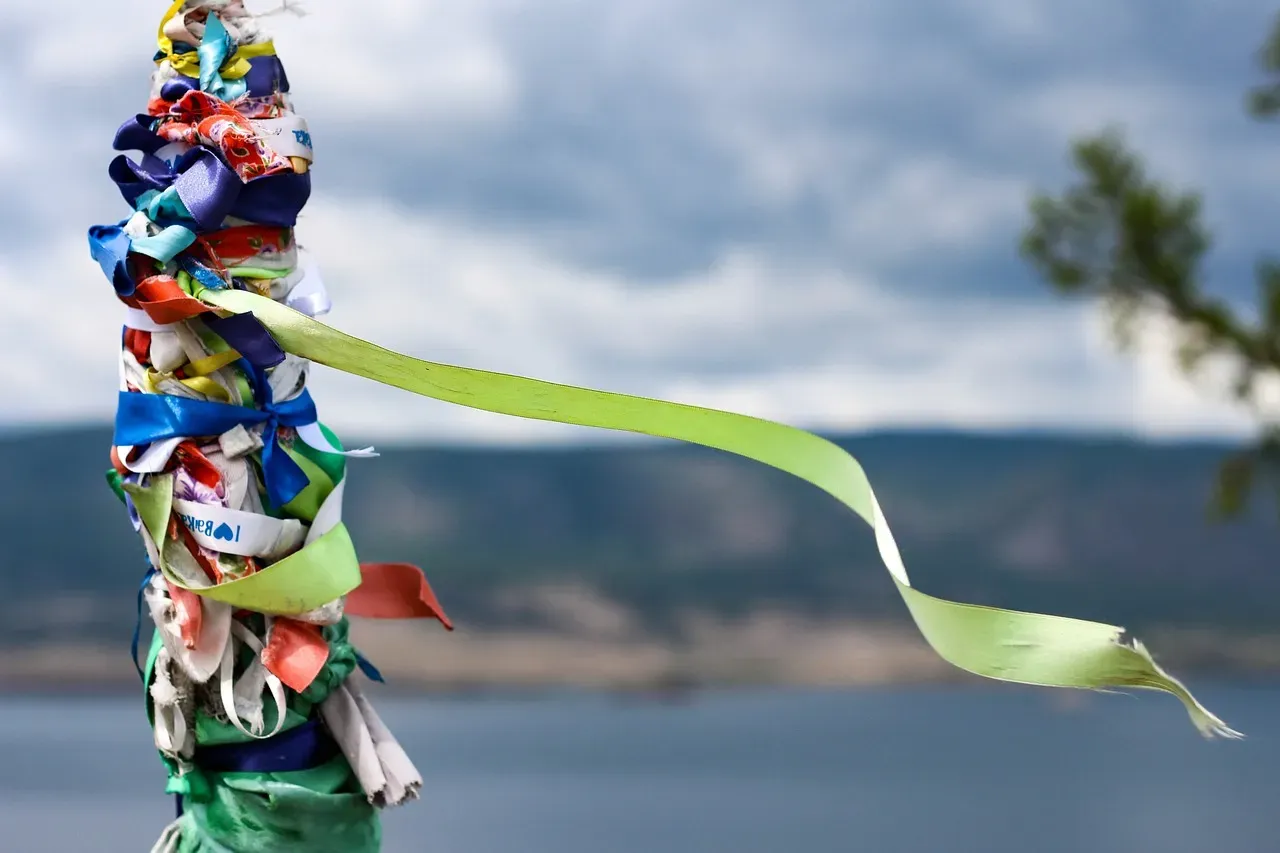
Tecumseh of the Shawnee Nation taught that when we arise in the morning, we should give thanks for the food and joy of living, and if we see no reason for giving thanks, the fault lies only in ourselves. Gratitude has become almost trendy now, with journals and apps dedicated to it. Yet Tecumseh’s teaching goes deeper.
He’s saying that the problem isn’t a lack of things to be grateful for. The problem is our inability to see them. In 2026, despite material abundance most of human history couldn’t imagine, depression and anxiety are epidemic. Maybe we’ve forgotten how to recognize blessings when they’re right in front of us.
Listen, or Your Tongue Will Make You Deaf
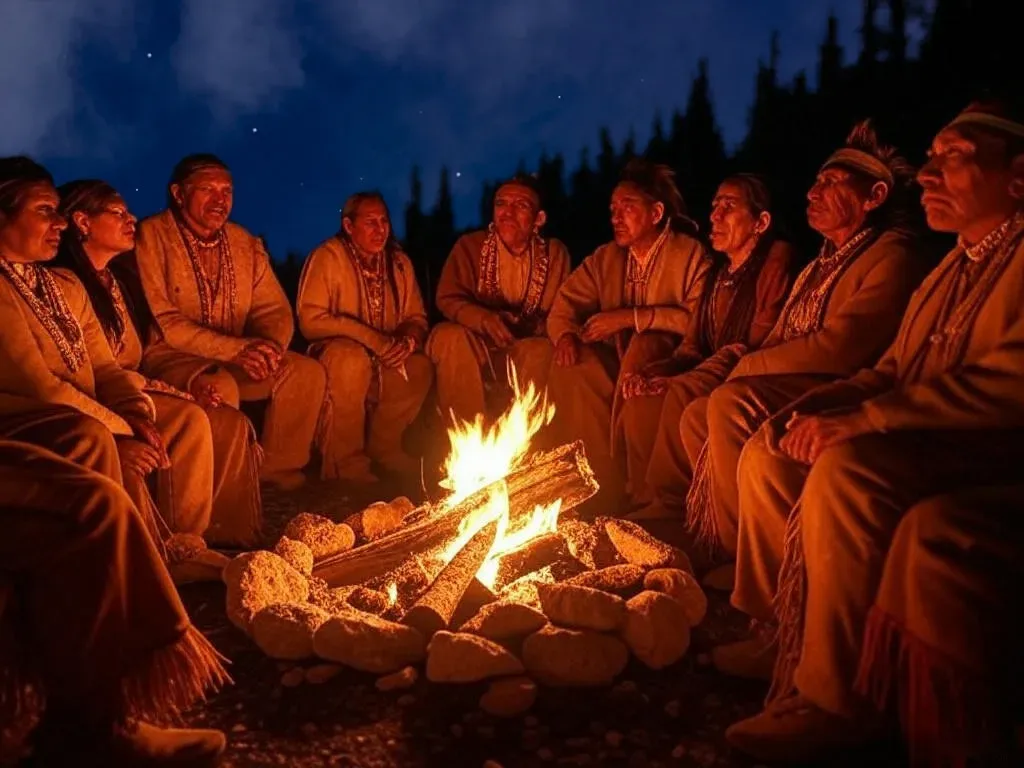
This stark proverb carries particular weight in our age of constant commentary and endless opinions. We’ve all become broadcasters, sharing thoughts before we’ve fully formed them, responding before we’ve truly listened. The wisdom here is simple but profound: talking prevents hearing.
Social media rewards hot takes and quick responses. Thoughtful listening feels increasingly rare. The proverb suggests that our need to speak, to be heard, to insert our voice, actually deafens us to the voices of others. In a world desperately needing dialogue, we’ve mostly mastered simultaneous monologues instead.
Don’t Let Yesterday Use Up Too Much of Today

This Cherokee wisdom warns against letting yesterday use up too much of today. How much mental energy do we waste replaying past conversations, nursing old grievances, or dwelling on mistakes already made? The teaching isn’t about forgetting the past or ignoring its lessons. It’s about not letting it consume the present.
We’re living in times that demand our full attention. The challenges of 2026 require presence, creativity, and energy. Spending too much time looking backward means we miss what’s right in front of us and fail to shape what comes next.
Treat All Men Alike and Give Them the Same Law
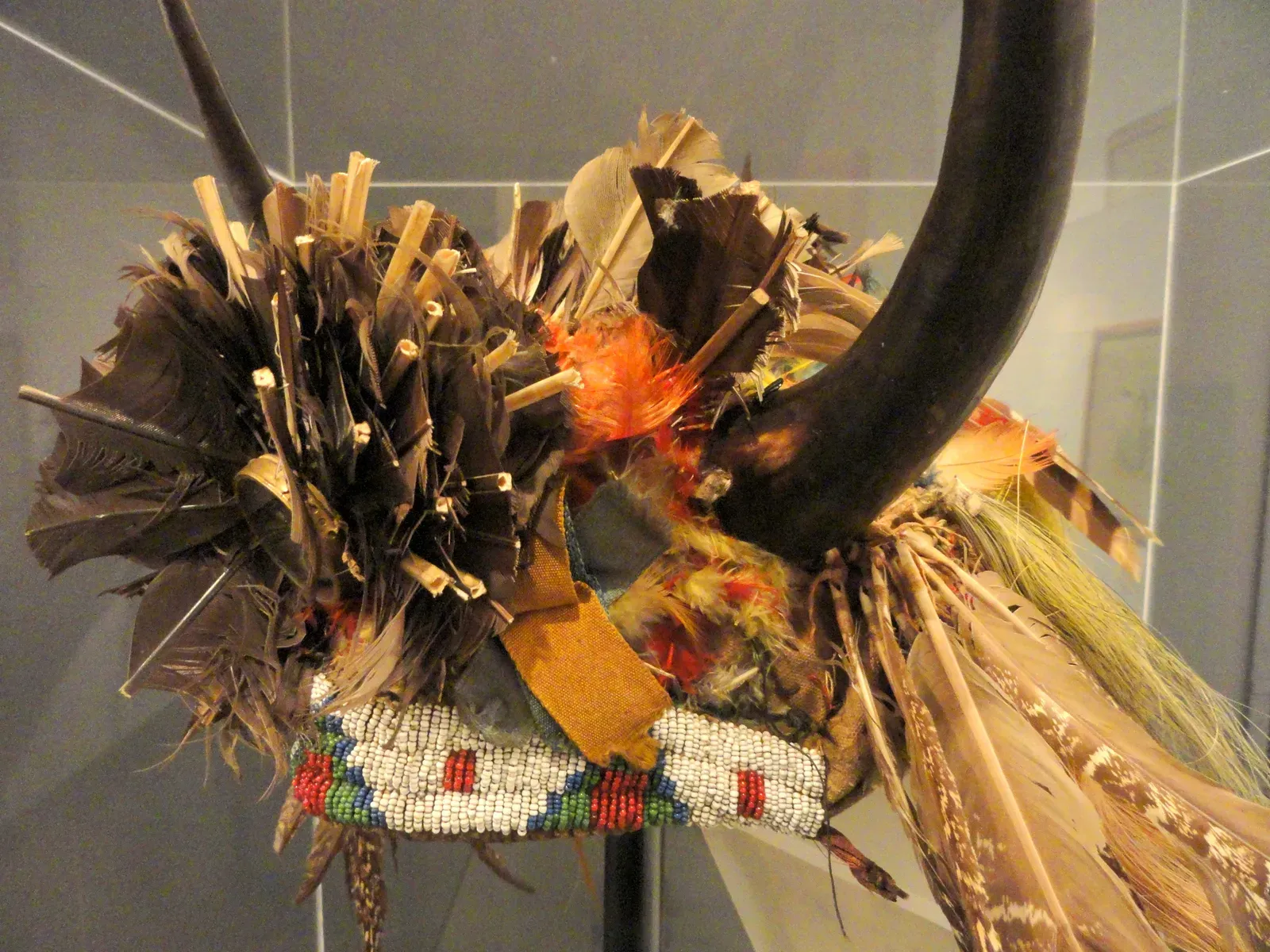
White Elk taught to treat all men alike, give them all the same law, and give them all an even chance to live and grow, because all men were made by the same Great Spirit Chief and are all brothers. In our deeply divided society, this teaching feels both obvious and impossibly difficult.
We’ve sorted ourselves into tribes, drawn lines between us and them, created hierarchies of who deserves what. White Elk’s vision of radical equality challenges all of that. Not equality of sameness, but equality of fundamental human dignity and opportunity. The turbulence of our times stems partly from failing to live this truth.
Honor the Sacred and Walk in Balance
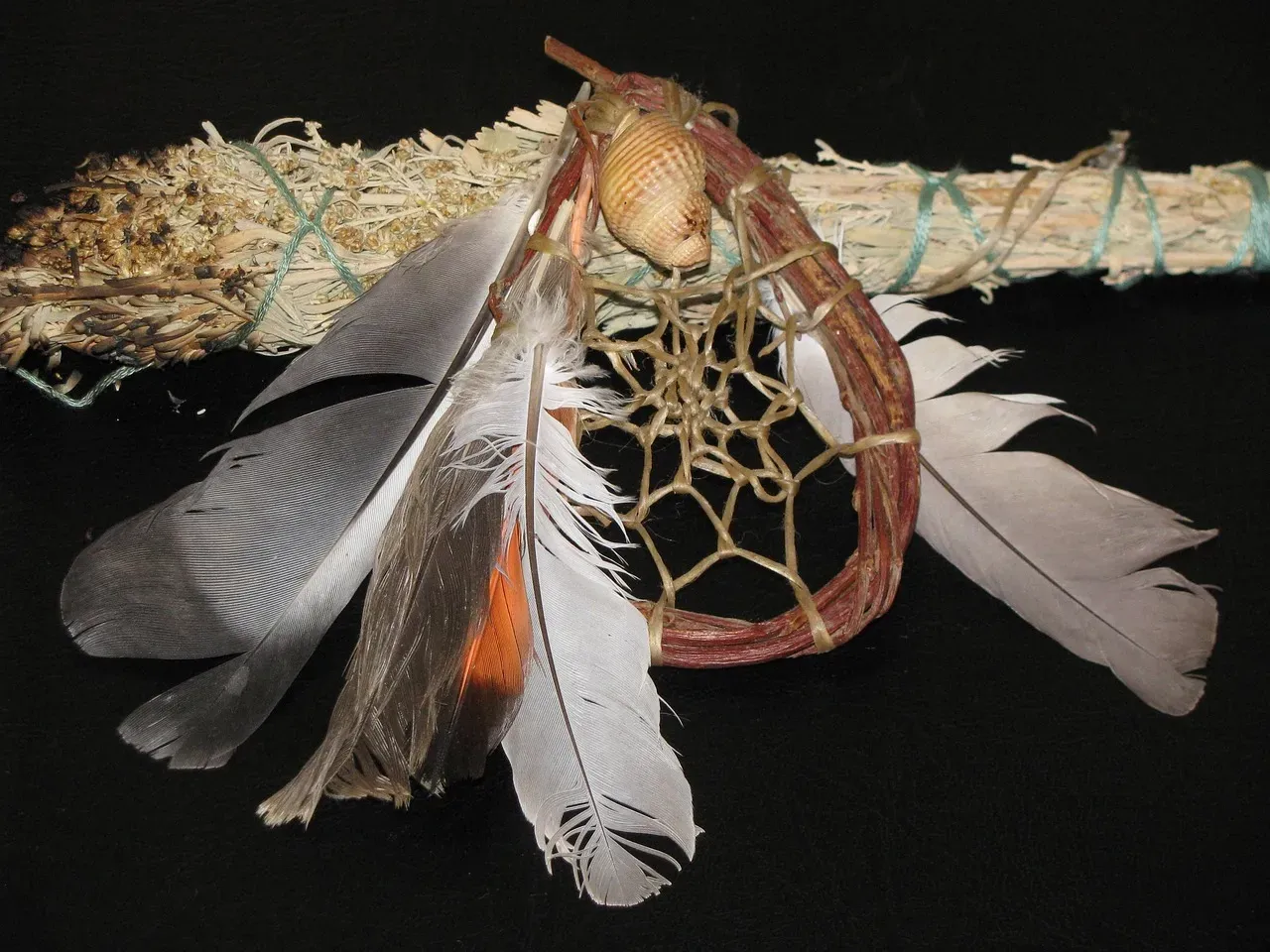
A Native American Elder taught to honor the sacred, honor the Earth, honor the Elders, and honor all with whom we share the Earth, including four-leggeds, two-leggeds, winged ones, swimmers, crawlers, plant and rock people, and to walk in balance and beauty.
This comprehensive vision of respect extends far beyond human relationships. It recognizes the sacred in everything. Walking in balance means not taking more than needed, not destroying for convenience, not placing human desires above all else. In our unbalanced world, teetering on ecological and social edges, this teaching offers a path back to equilibrium.
Conclusion: Ancient Wisdom for Modern Times
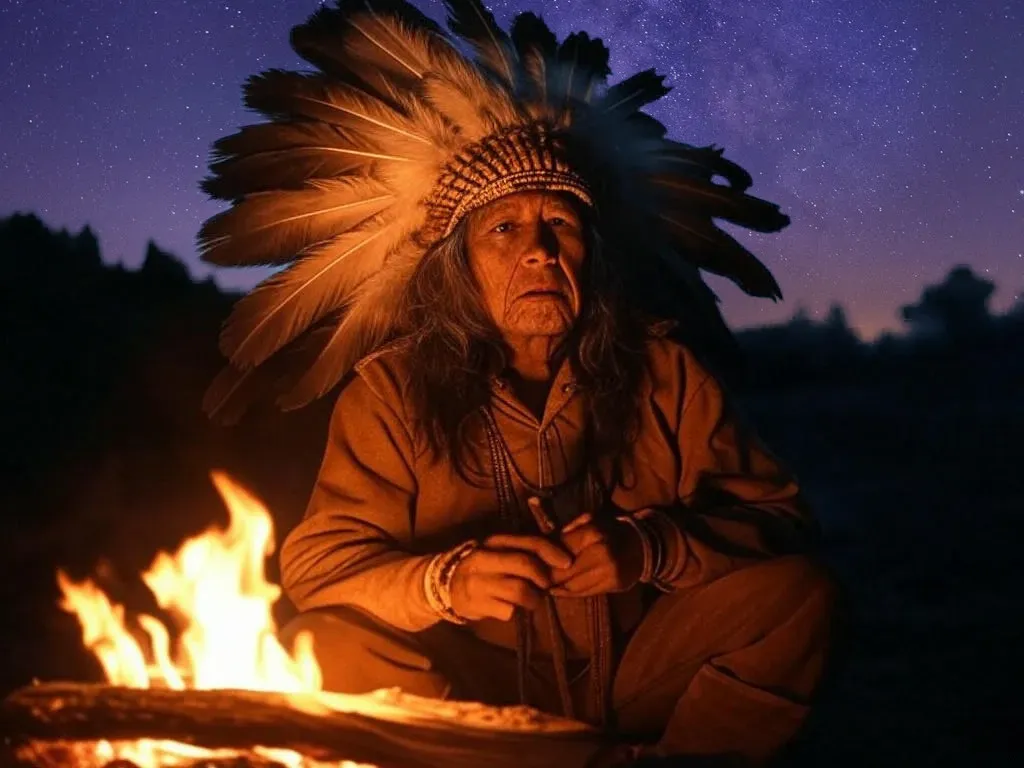
These Native American sayings weren’t preserved across centuries because they were quaint or poetic. They survived because they contained essential truths about how to live well. Looking at them now, in 2026, it’s striking how directly they address our contemporary crises.
We’re searching for solutions in technology, politics, economics. Maybe we should also look to wisdom traditions we’ve largely ignored. These teachings don’t offer quick fixes or easy answers. They offer something potentially more valuable: a different way of seeing, of being, of relating to the world and each other. Perhaps that’s exactly what our turbulent times need most.
Which of these sayings resonates most with where you are right now? What would change if you actually lived by even one of them?

- 15 Ways Dogs Turn Downsizing Into a Joyful Transition - August 10, 2026
- 18 Astonishing Facts About Human Evolution That Rewrite Our Origins - August 10, 2026
- 15 Signs Your Dog Is the Best Roommate You’ve Ever Had - August 10, 2026